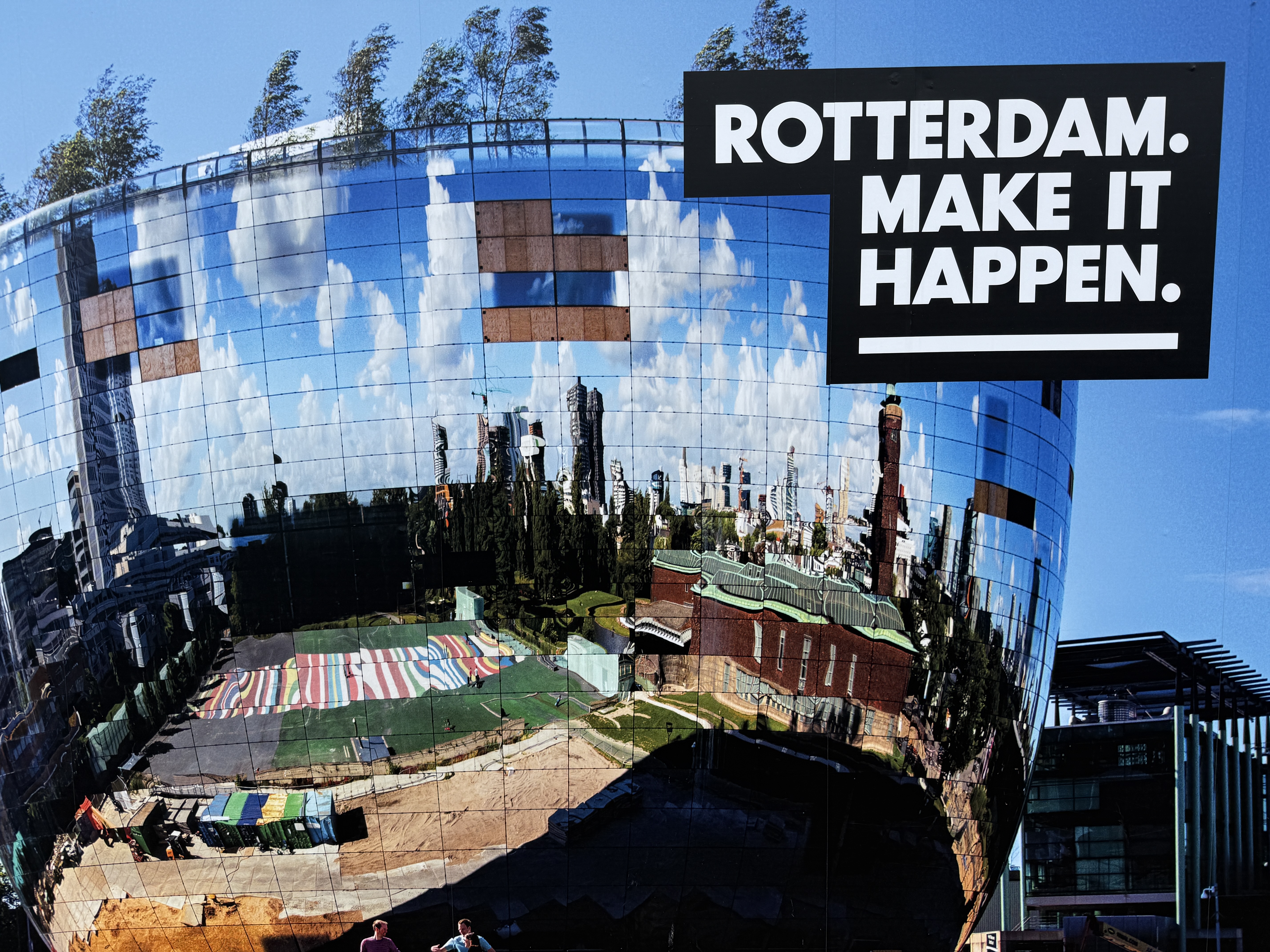
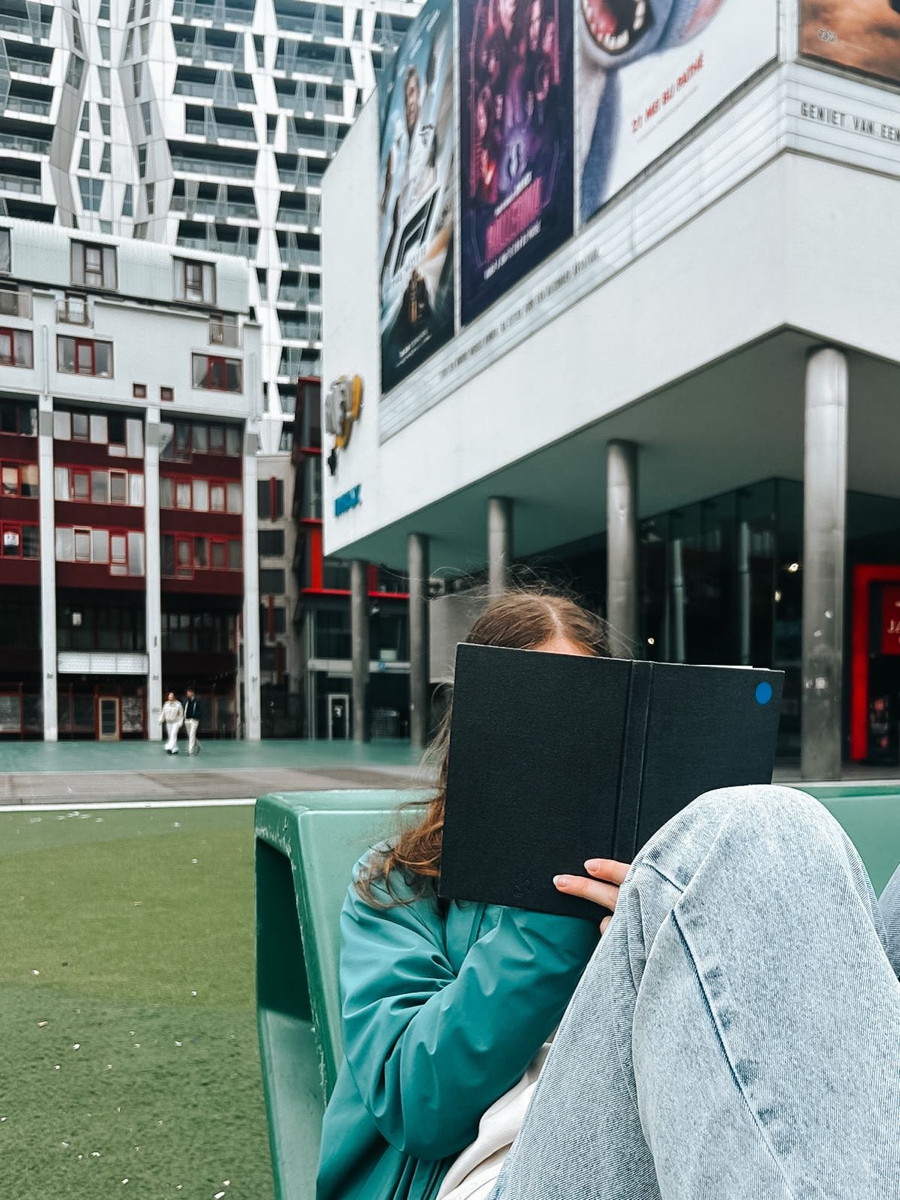
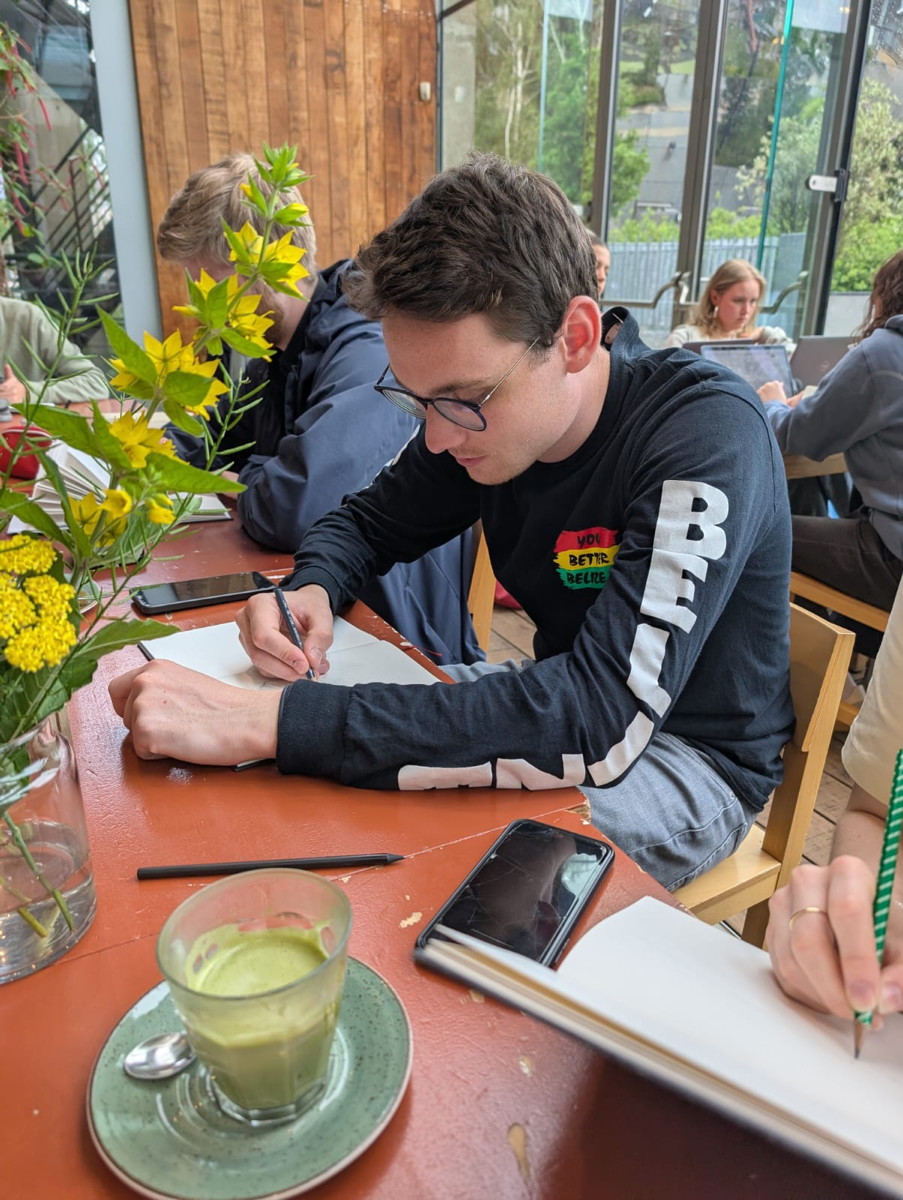
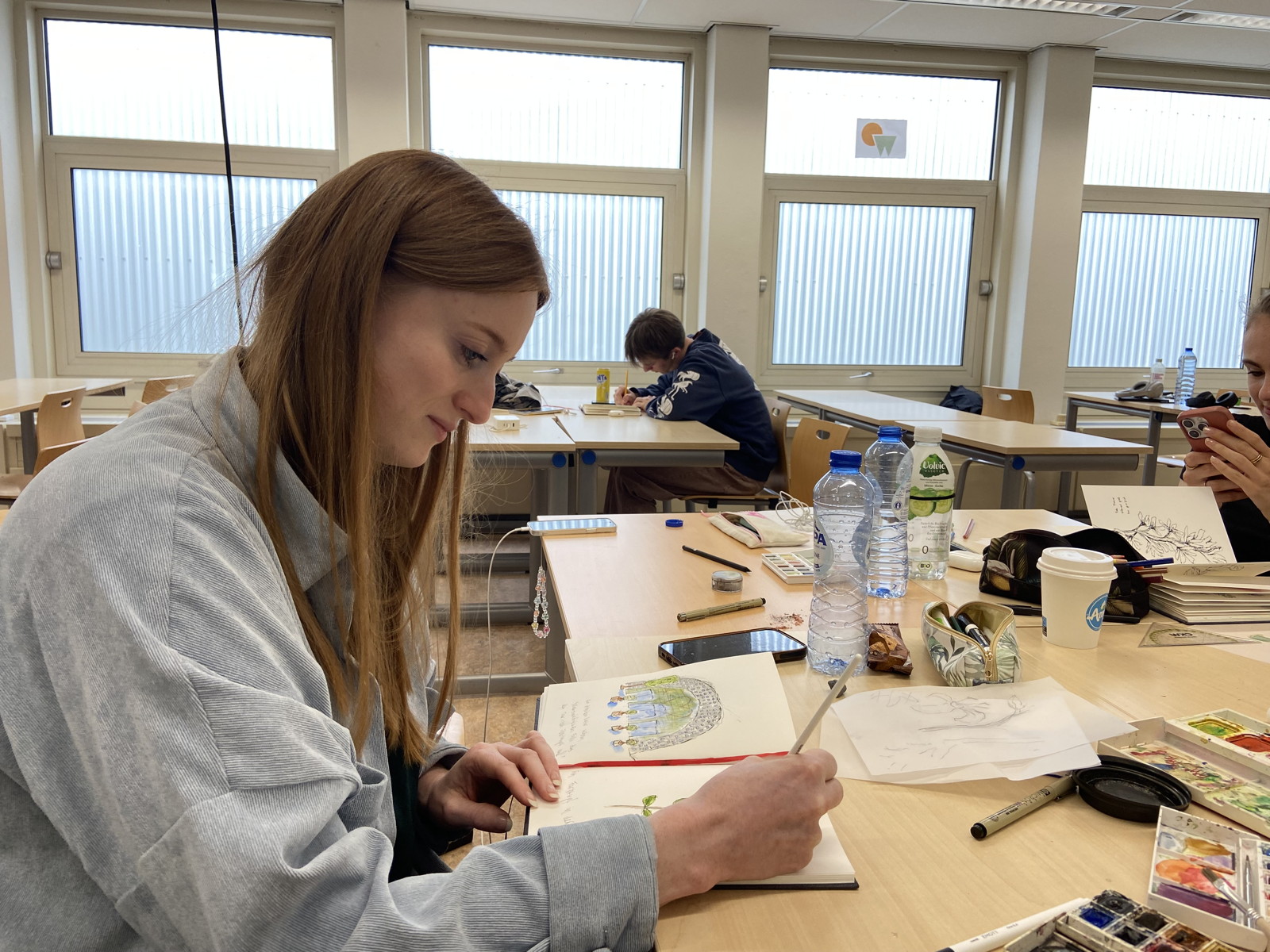
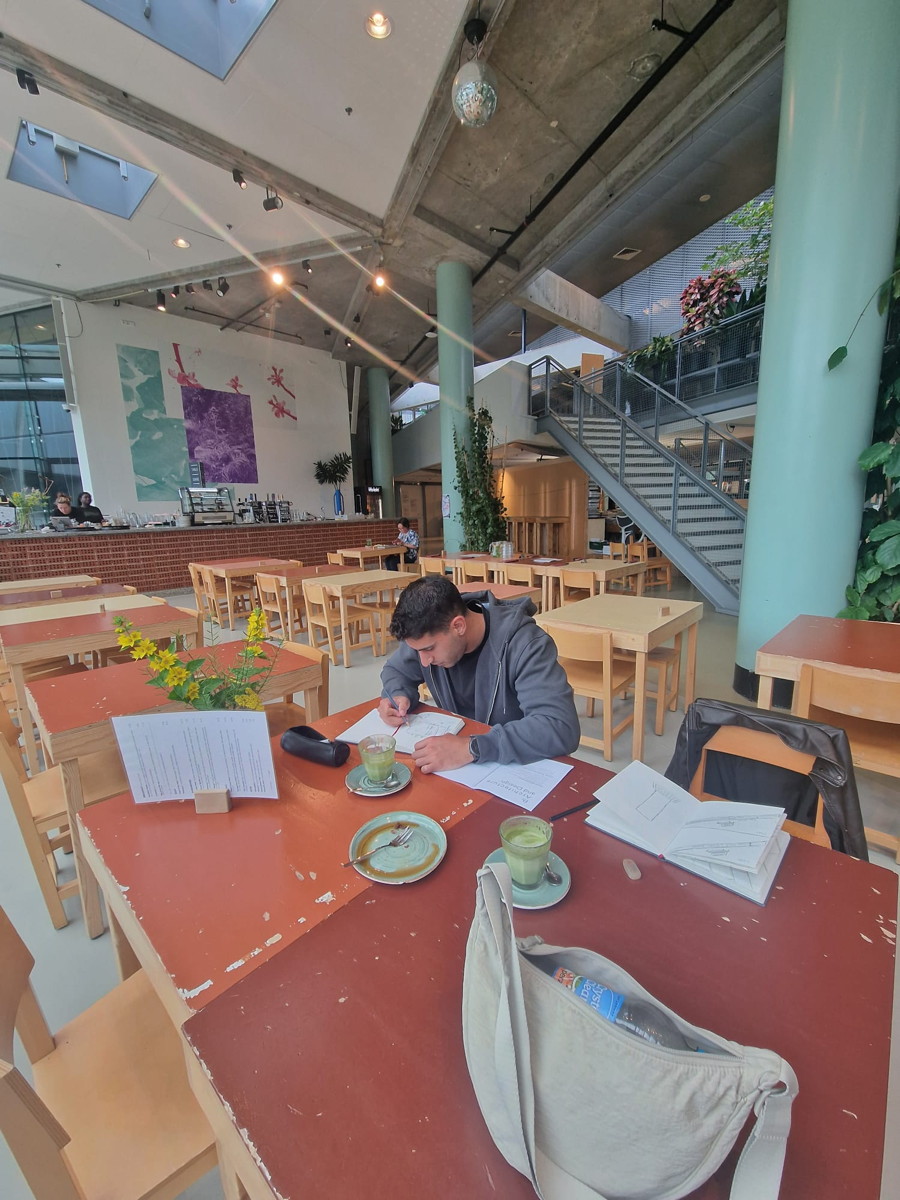
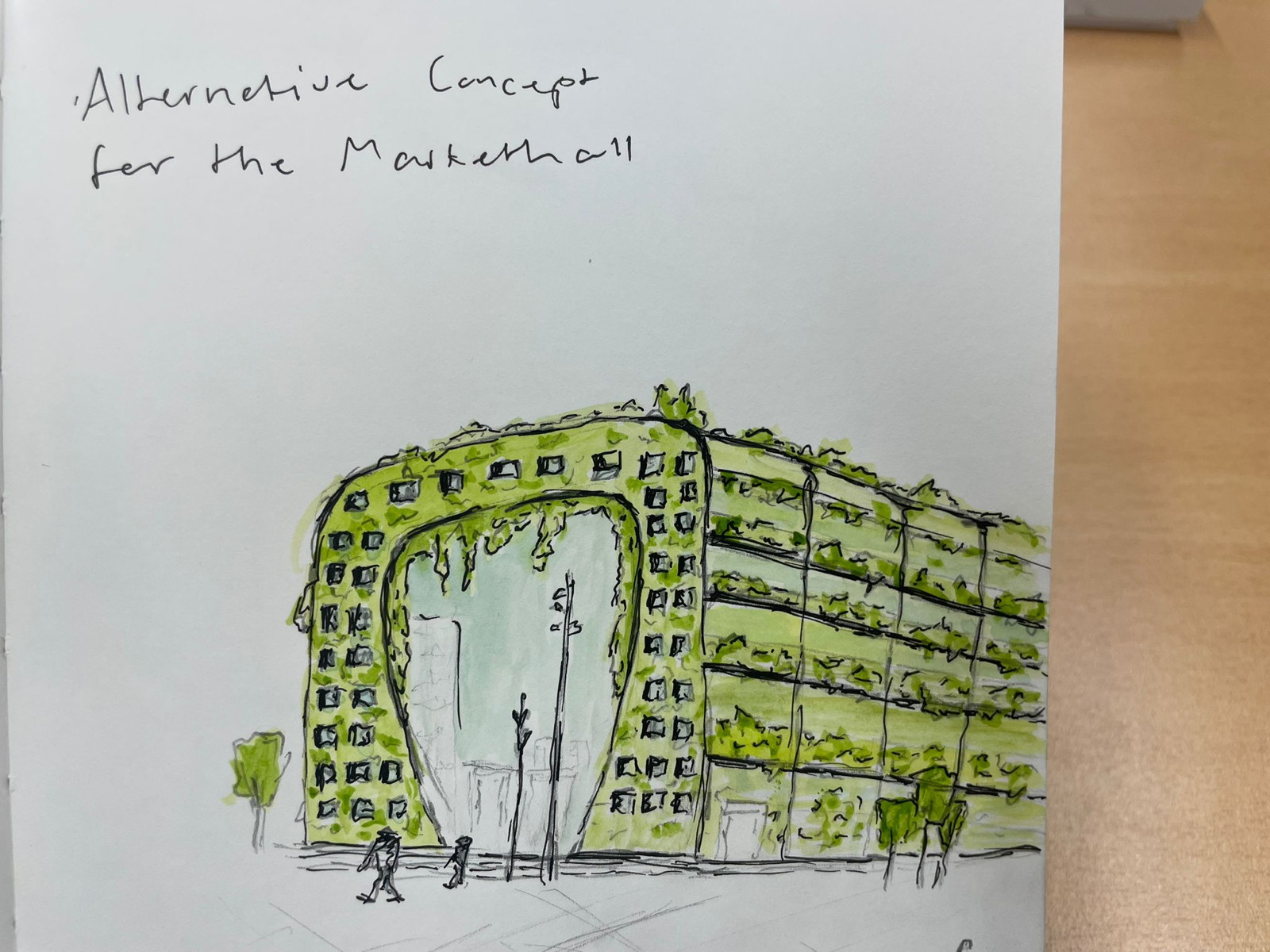
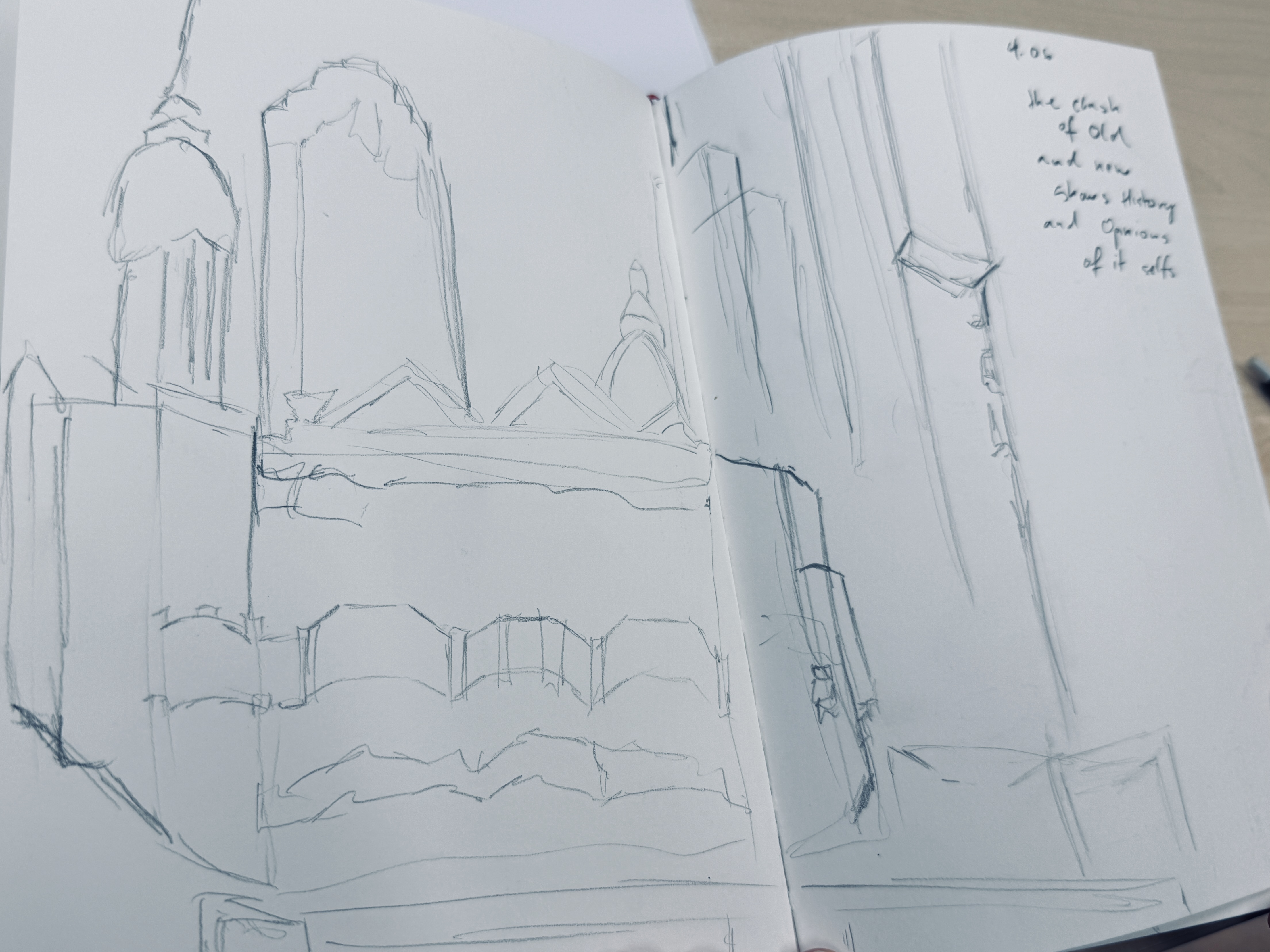
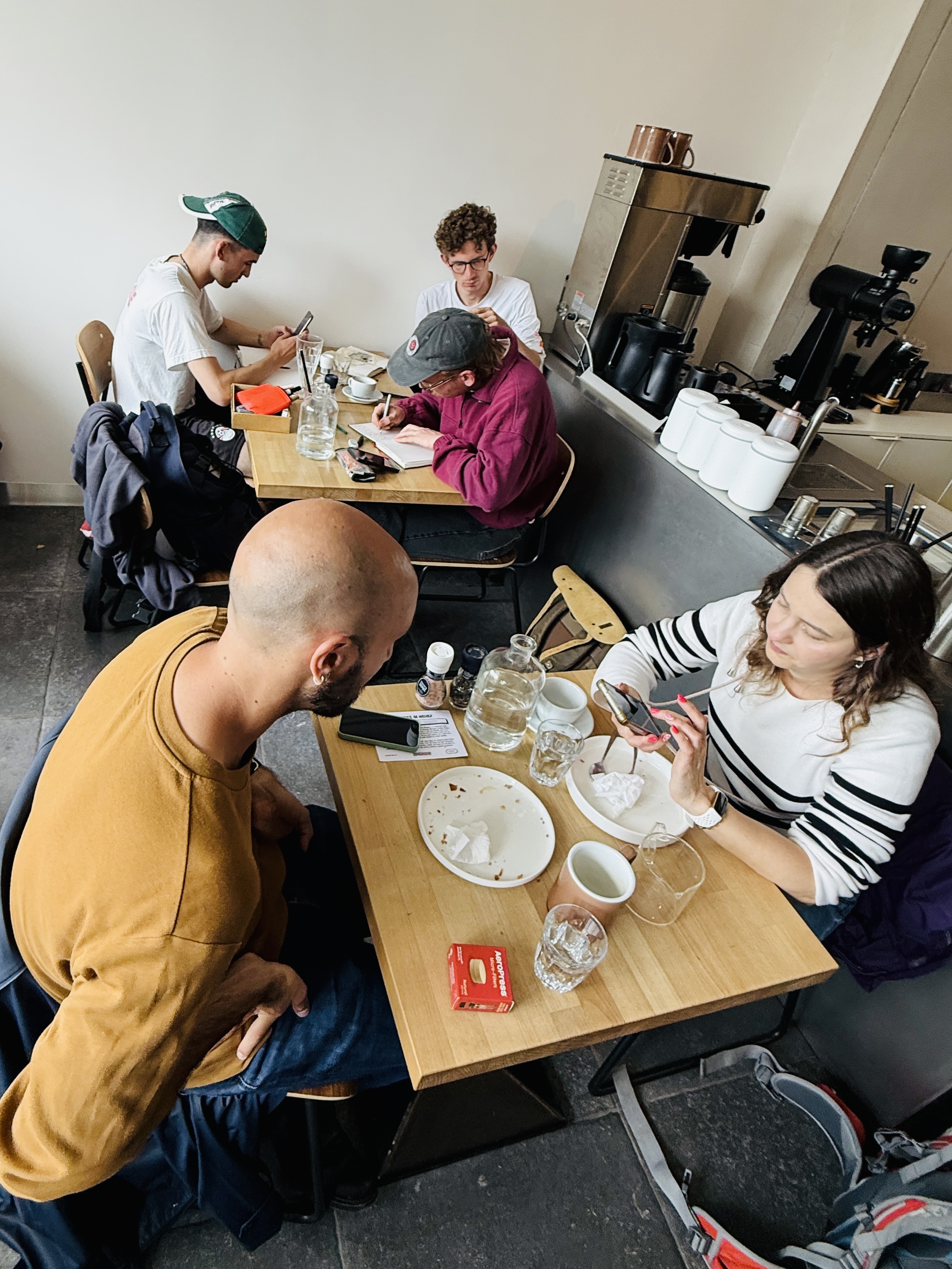
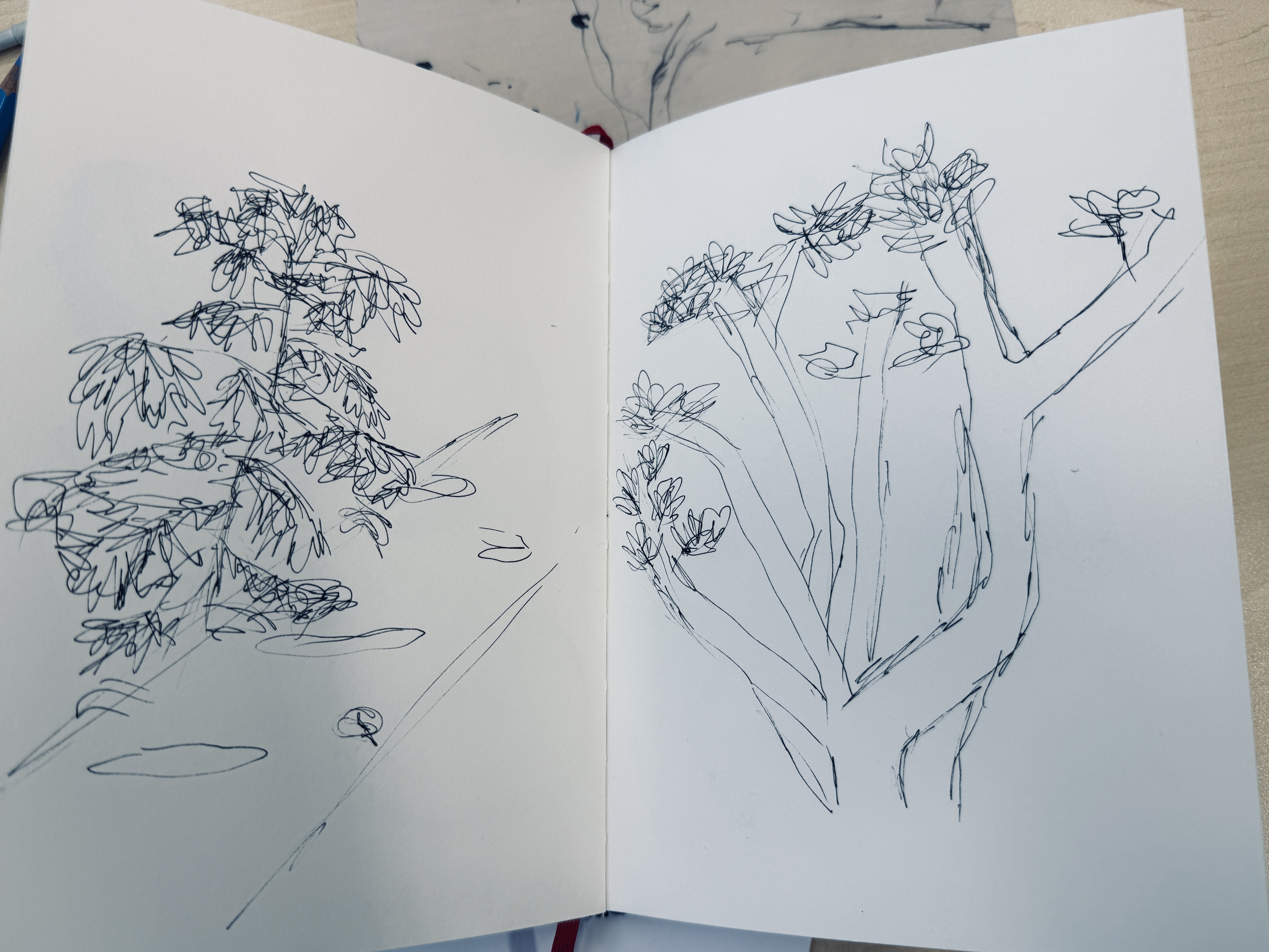
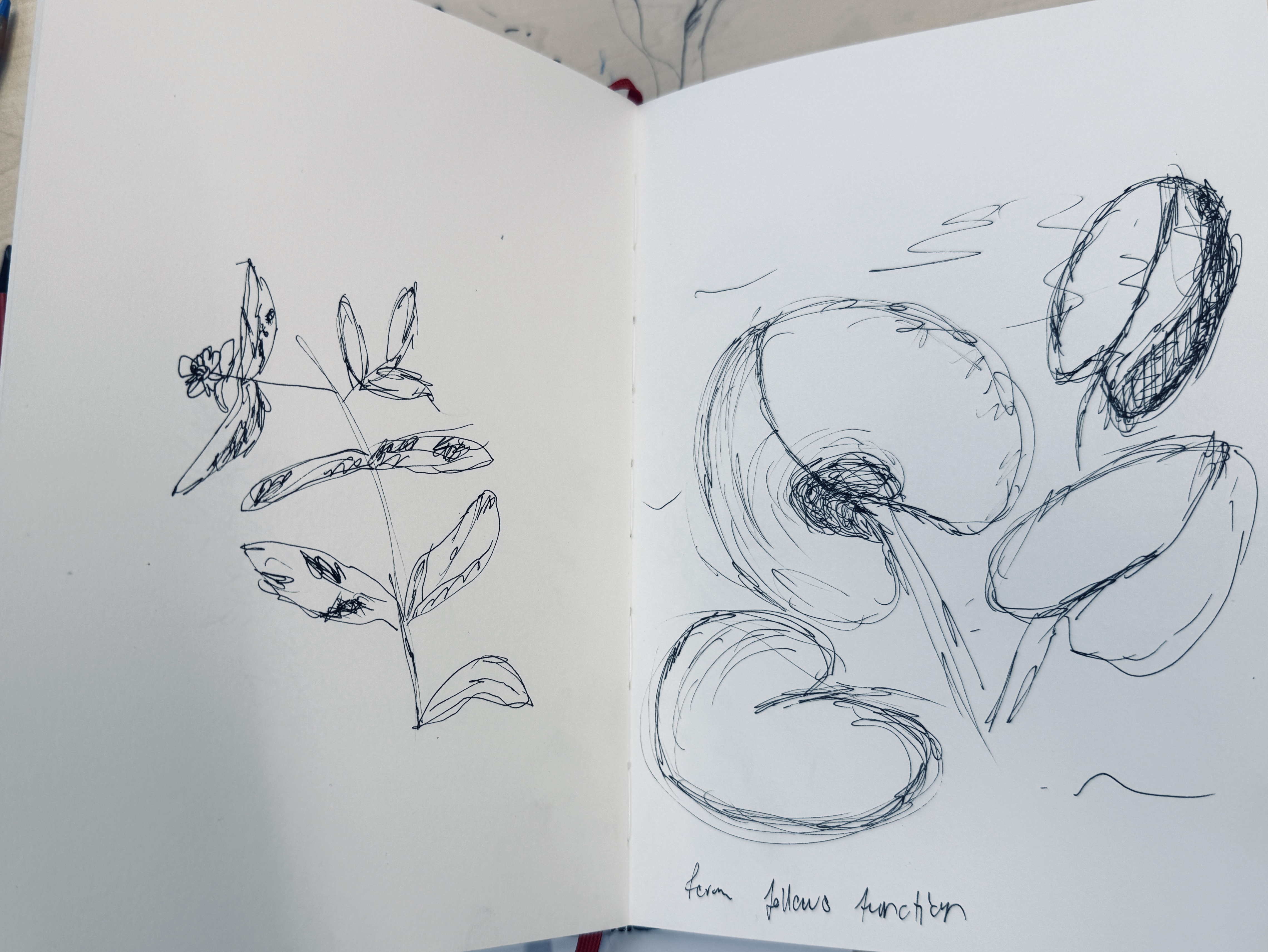
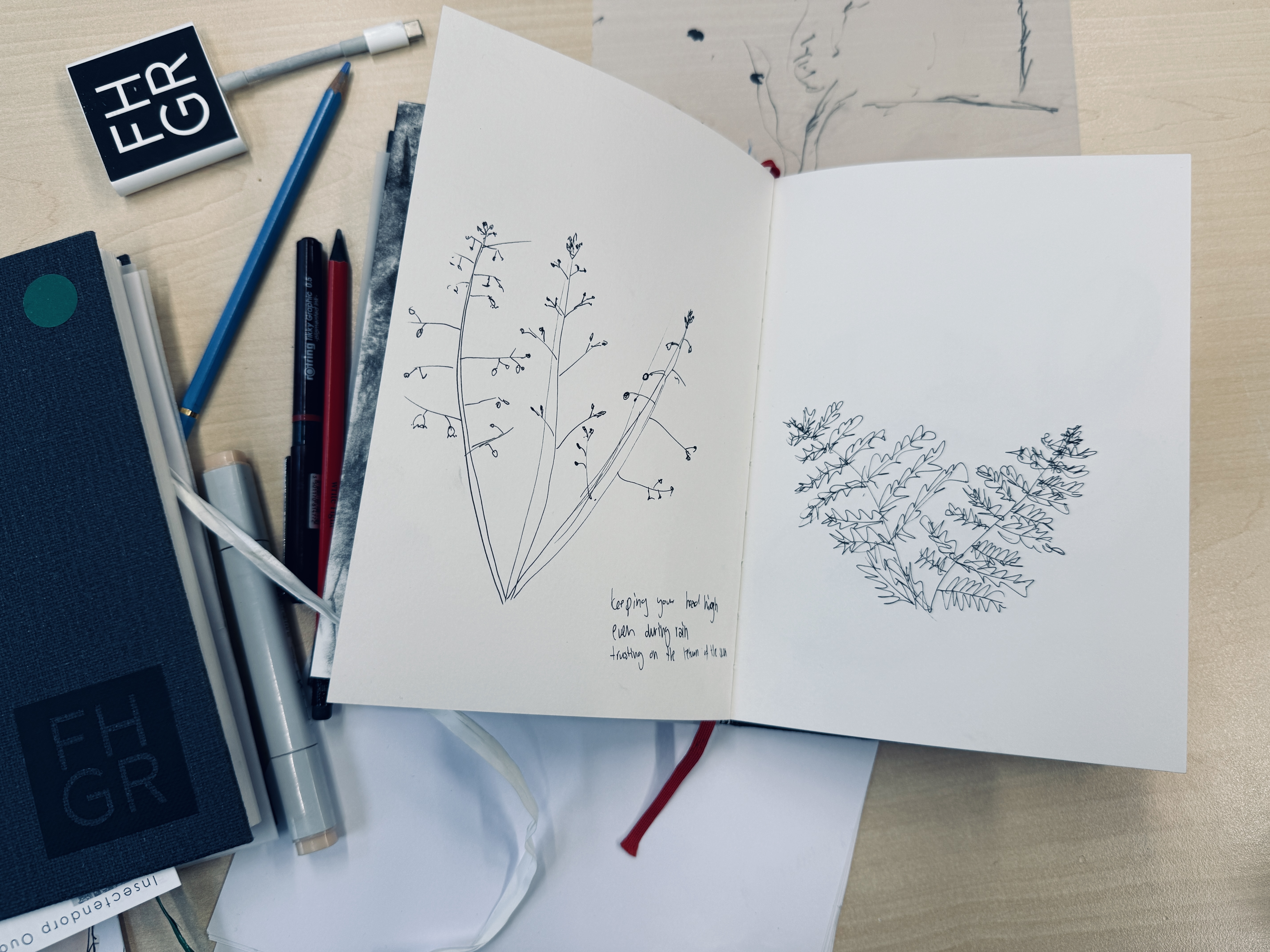
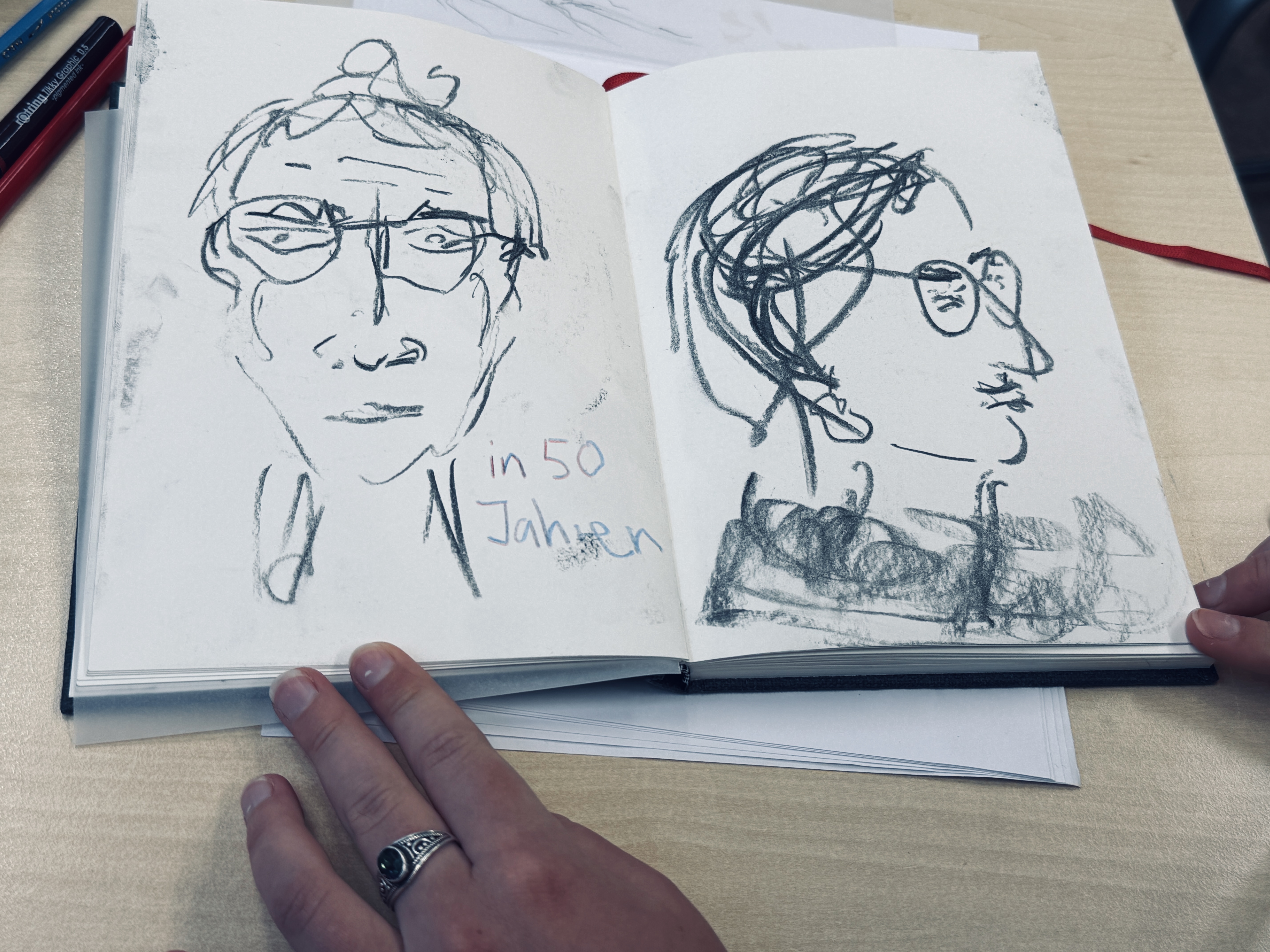
Our fourth day of SketchCity 2025 began with Rotterdam’s famously unpredictable weather: a steady rain that sent us from the streets into museums, cafés, and classrooms. But the sketching didn’t stop—it simply changed atmosphere. Between cappuccinos and exhibition walls, students continued to observe, reflect, and draw. Indoors, we shifted the focus to refining sketches, adding colour, and deepening interpretation. Sketches became more than impressions; they became visual arguments.
Mission completed. And the city—drawn, discussed, and danced—will remain with us.
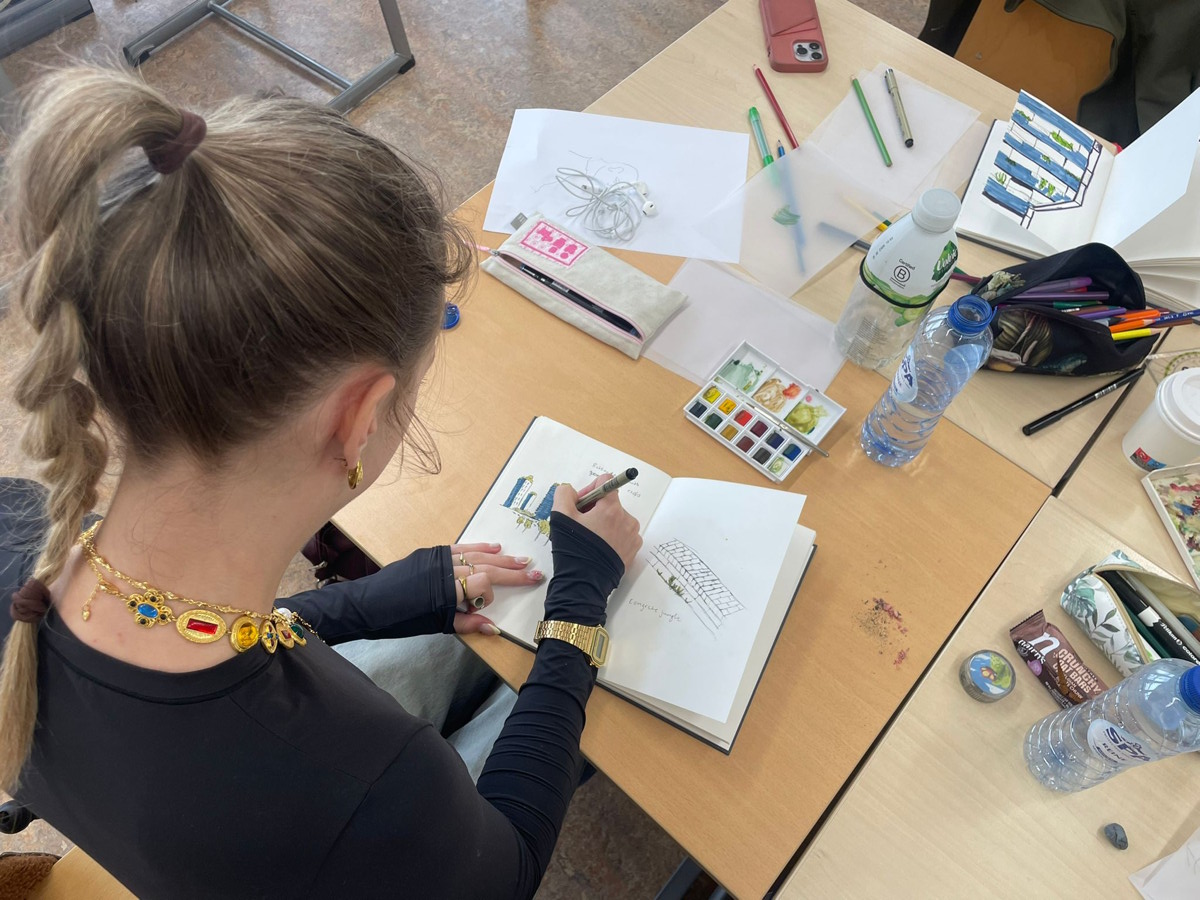
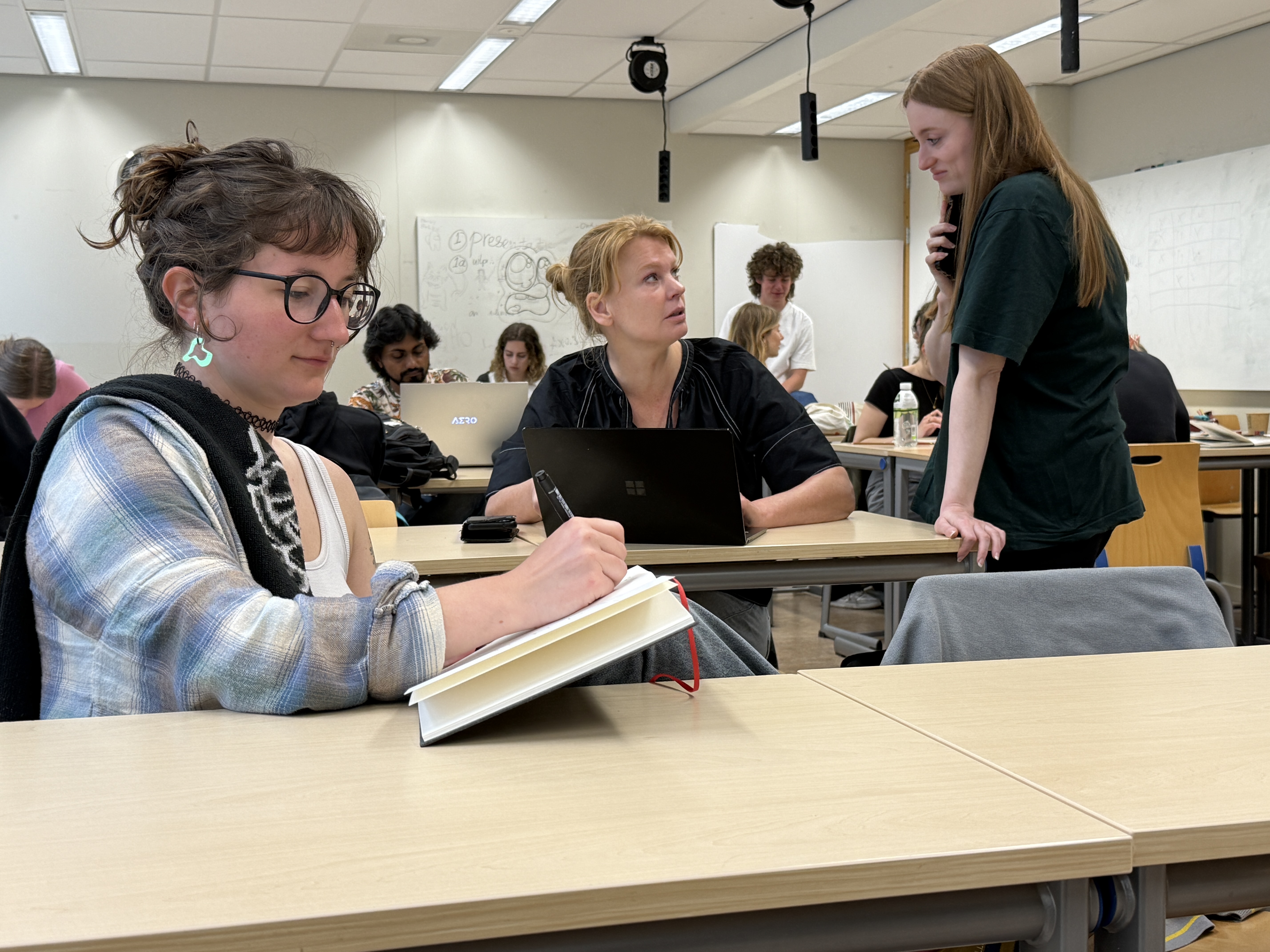
Back in the classroom, students revisited their drawings and engaged in small group discussions. We worked on anchoring their insights, connecting form and theme, and articulating their responses to the central question: What are the challenges of the future liveable city? The room buzzed with exchange—not only among peers, but also with our Dutch counterparts. This international dialogue gave fresh perspective to shared concerns about climate, mobility, social justice, and urban design.
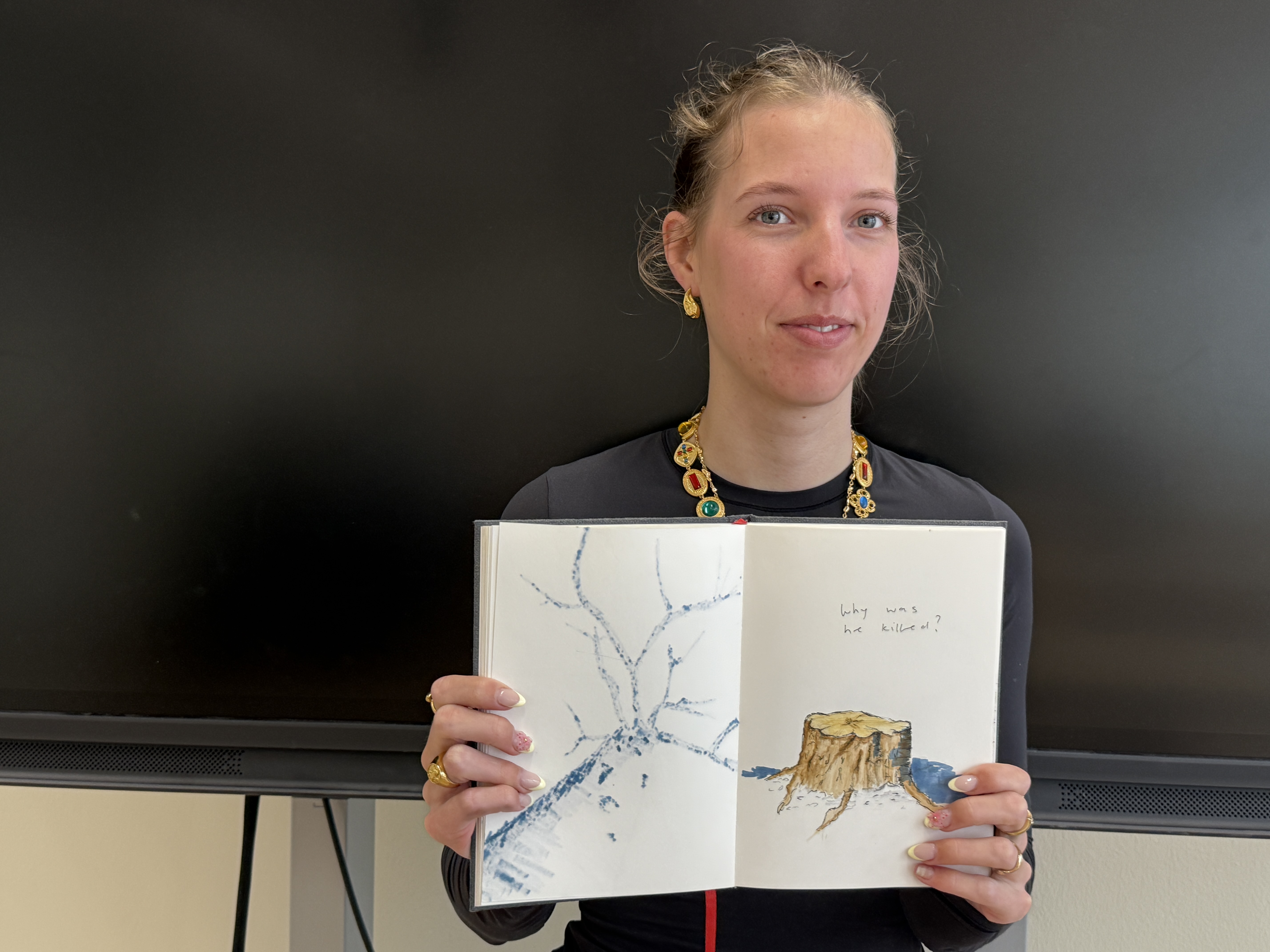
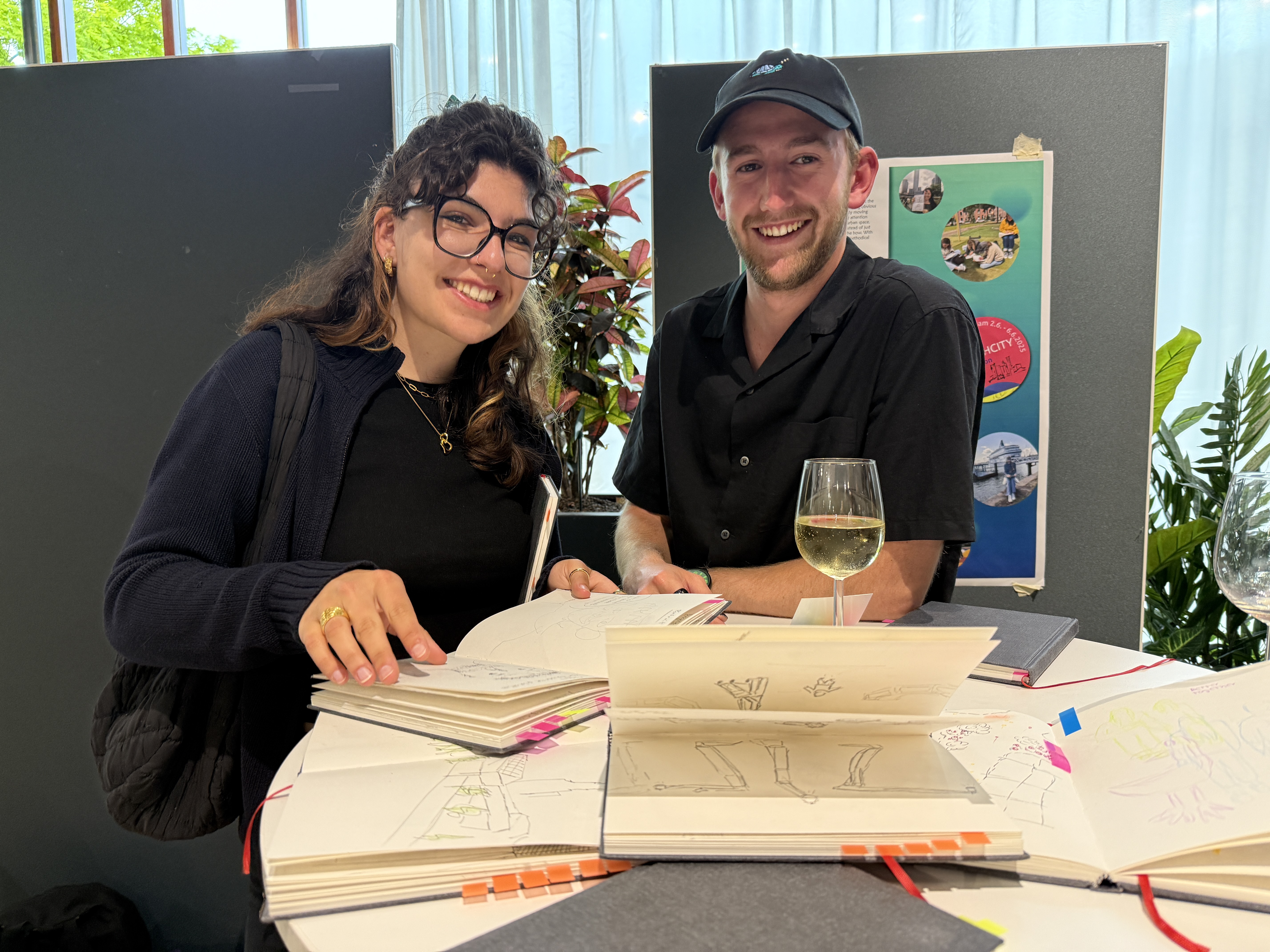
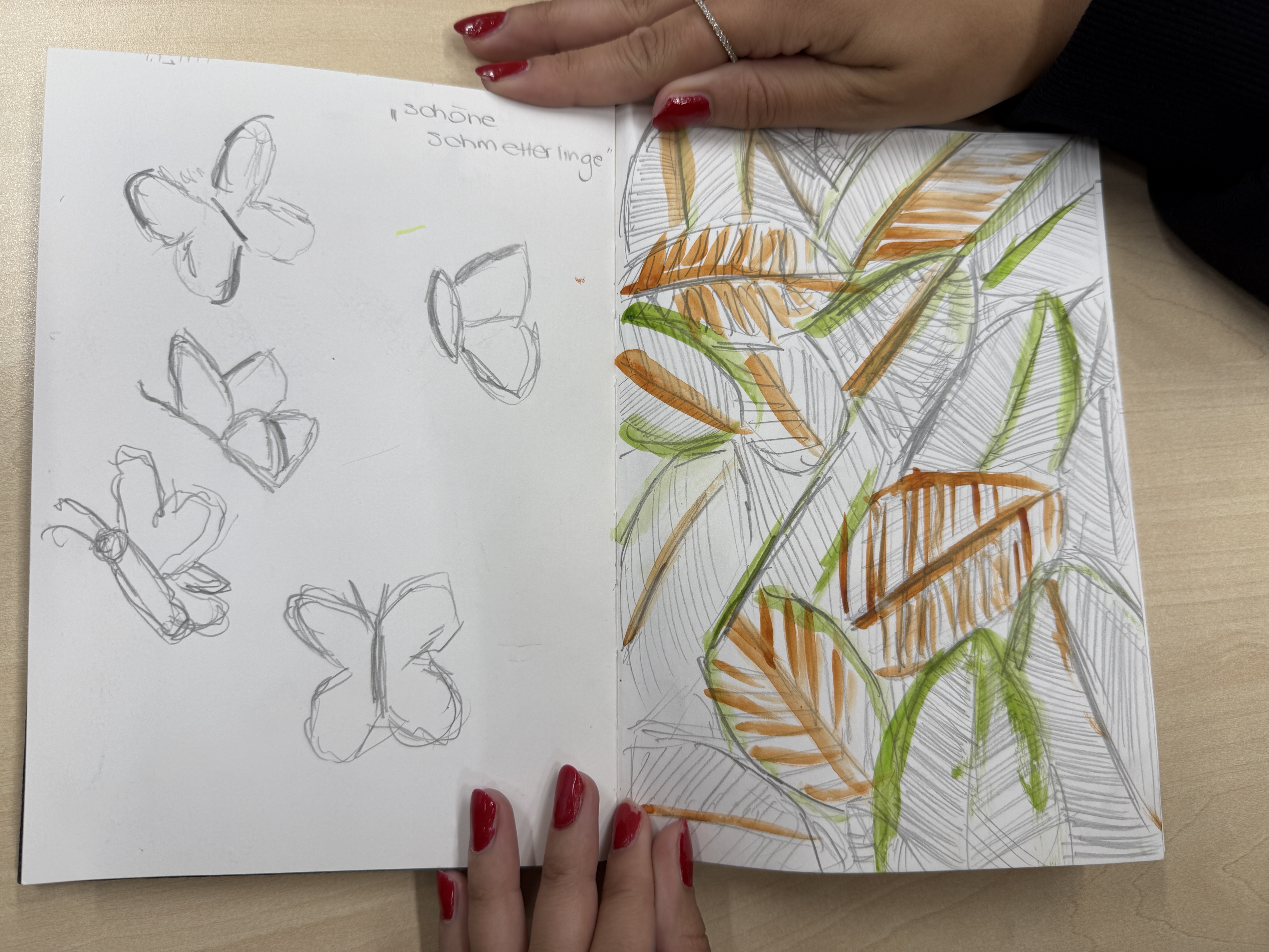
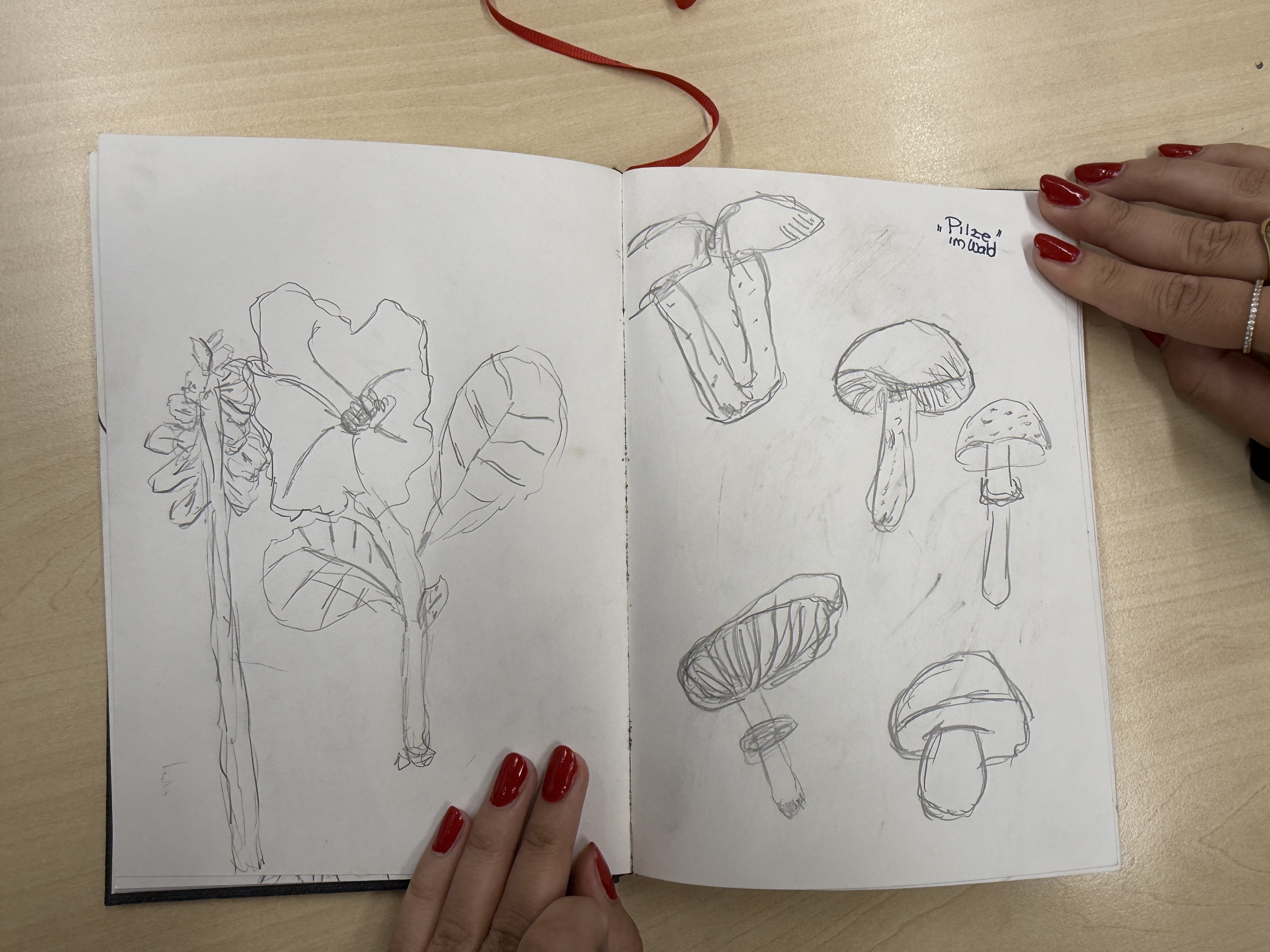
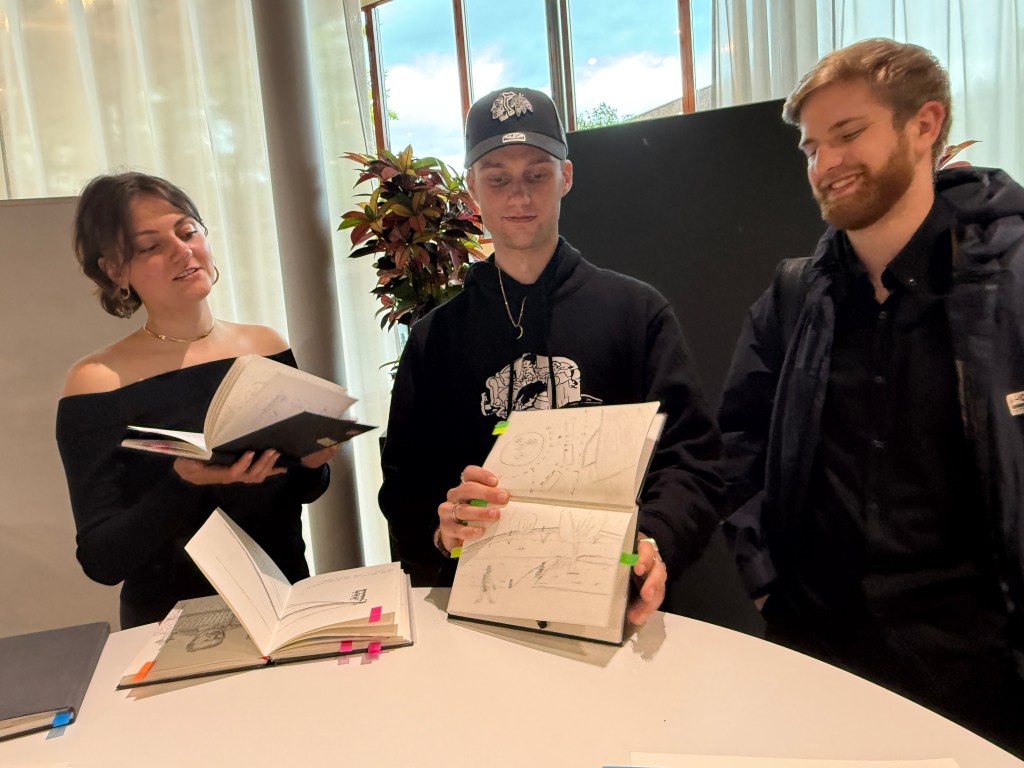
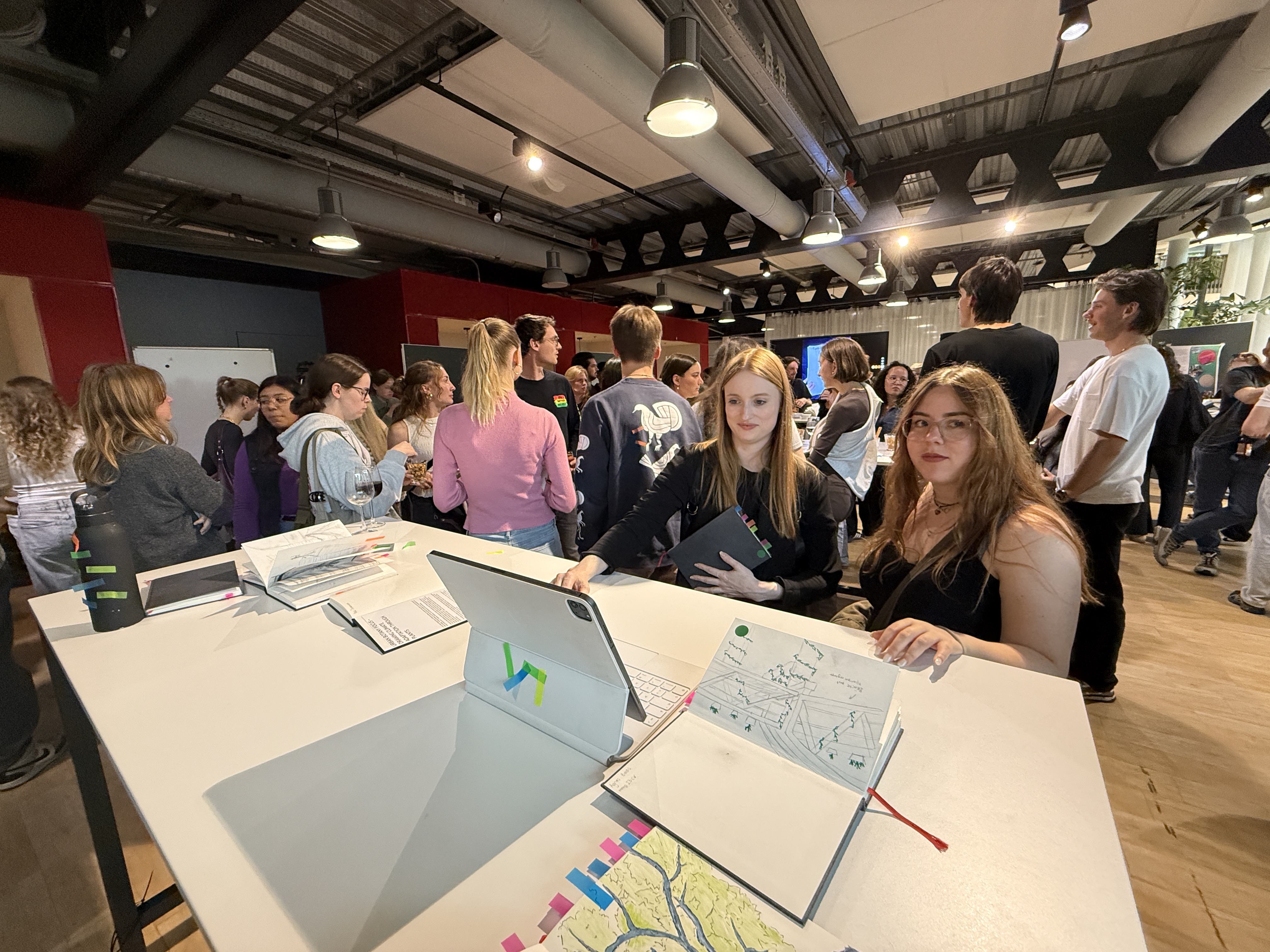
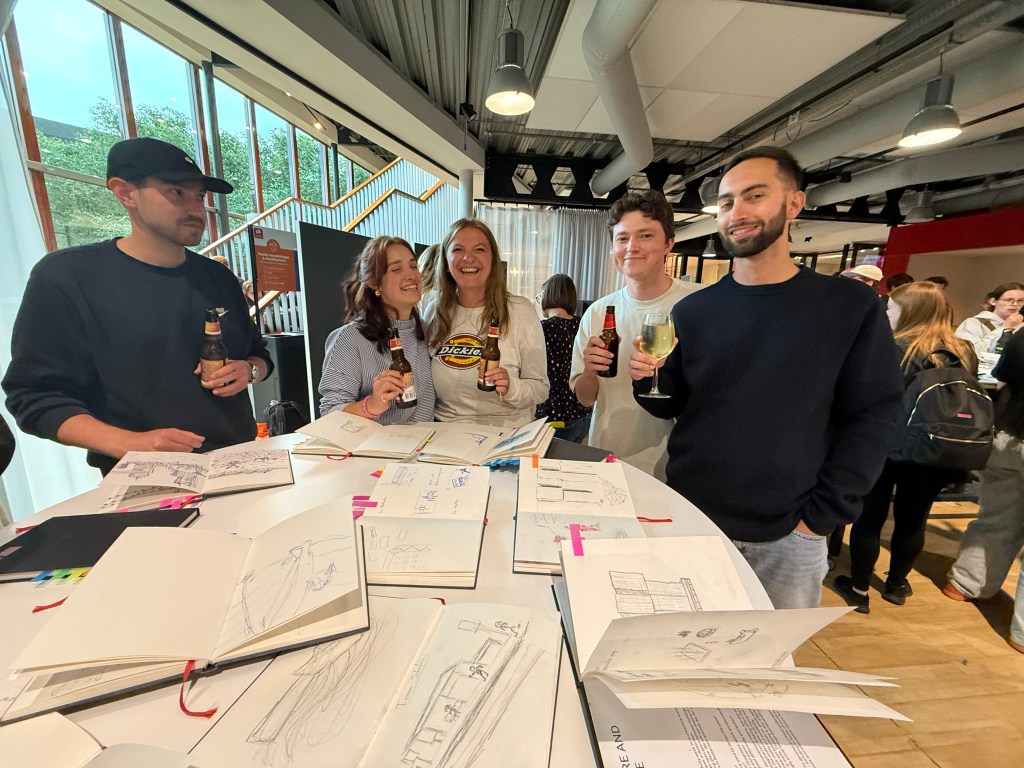
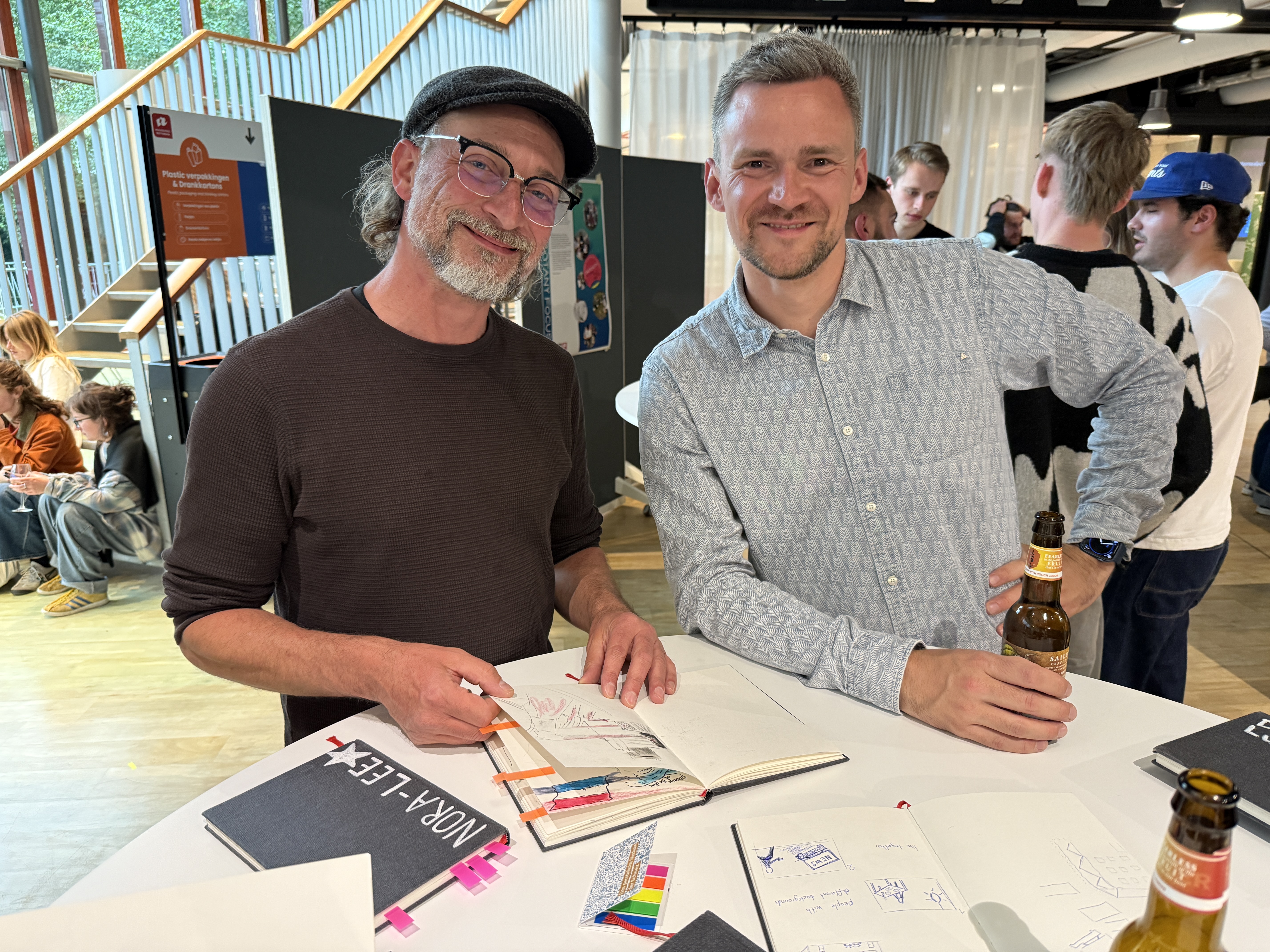
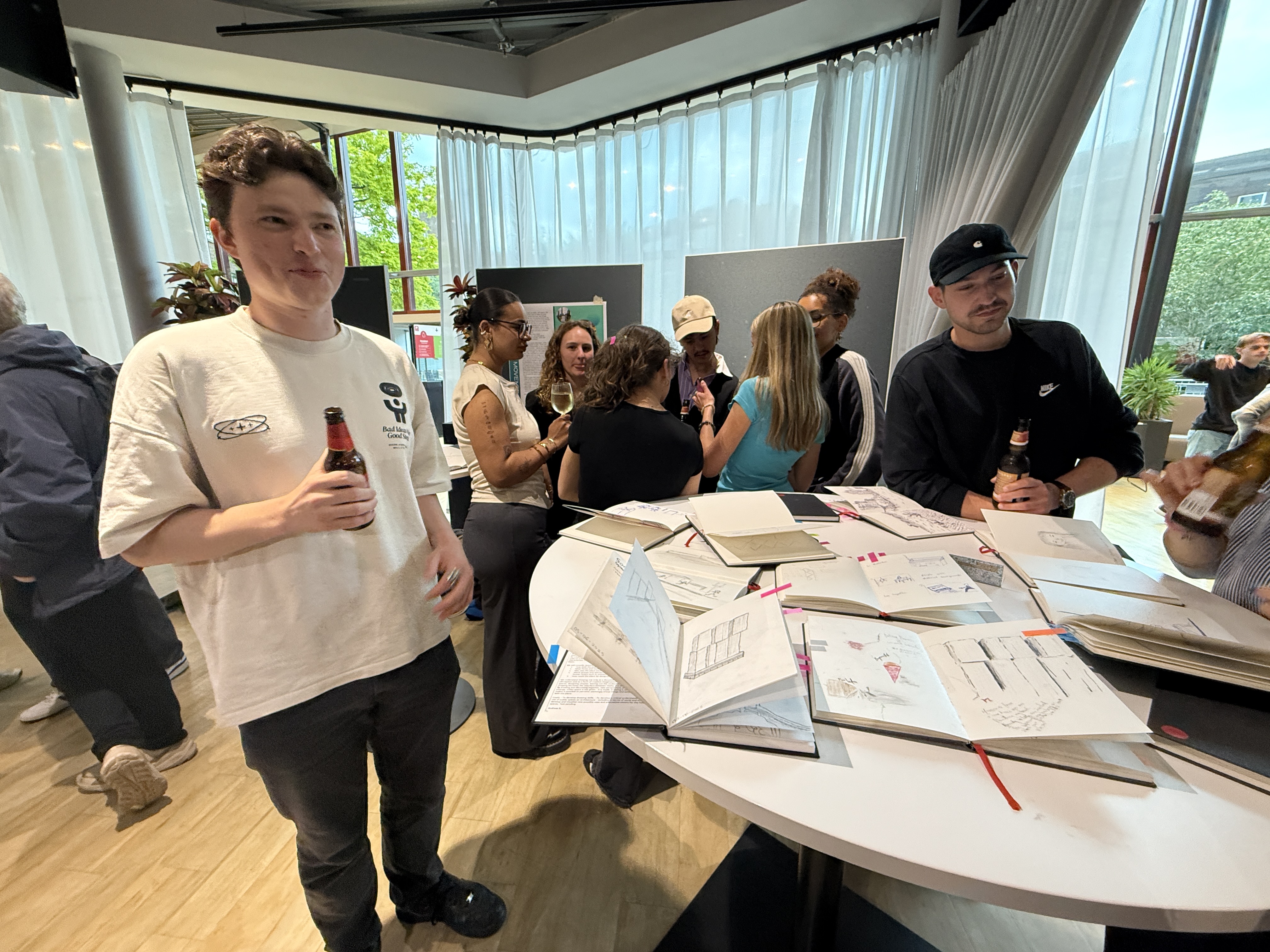
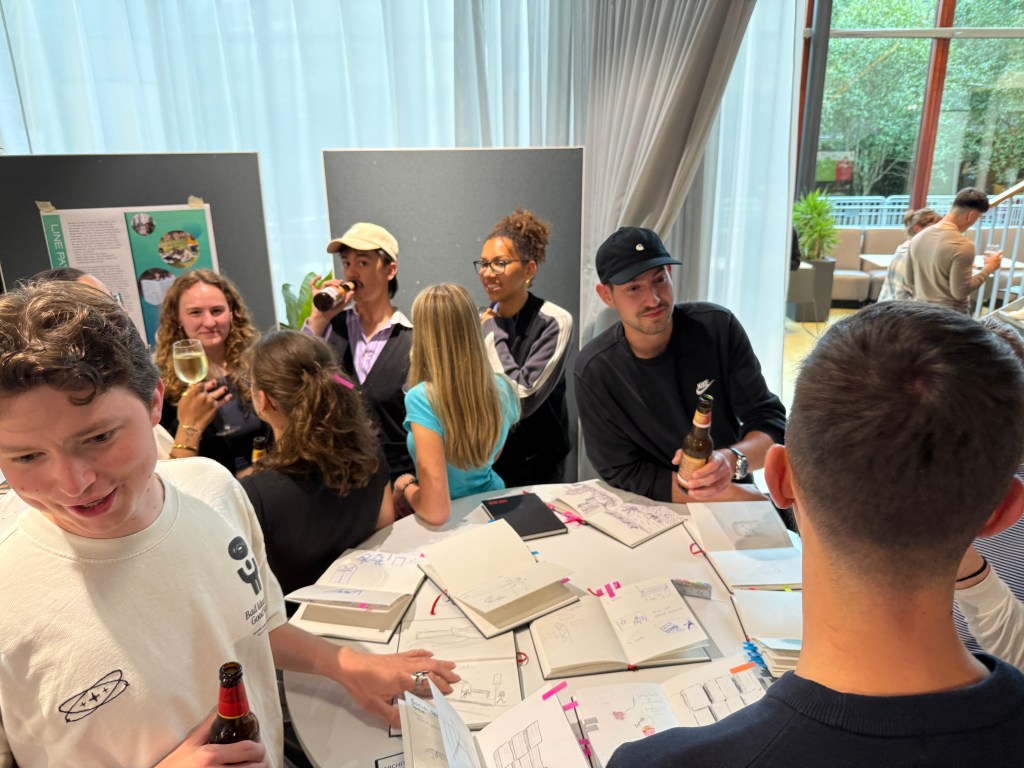
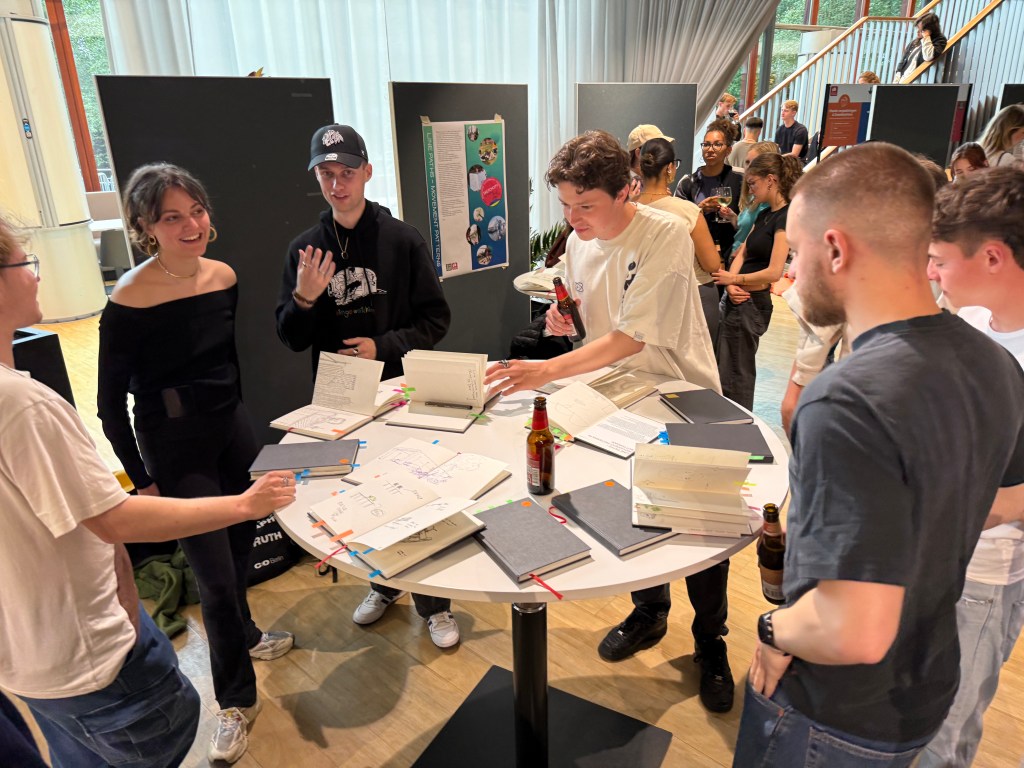
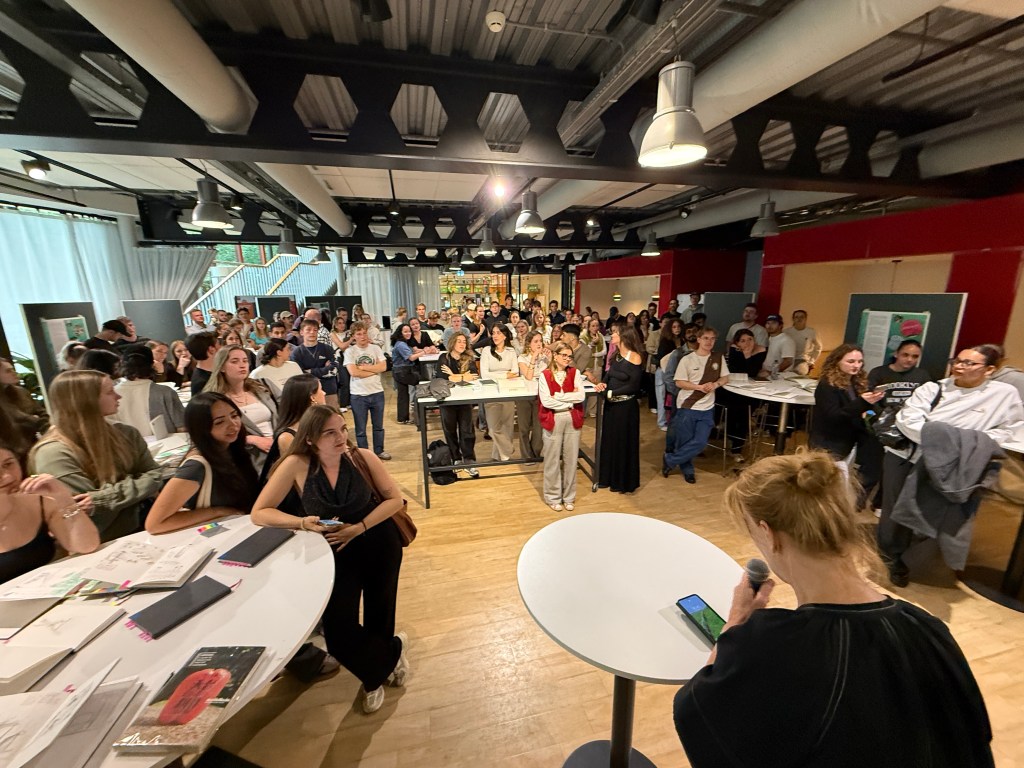
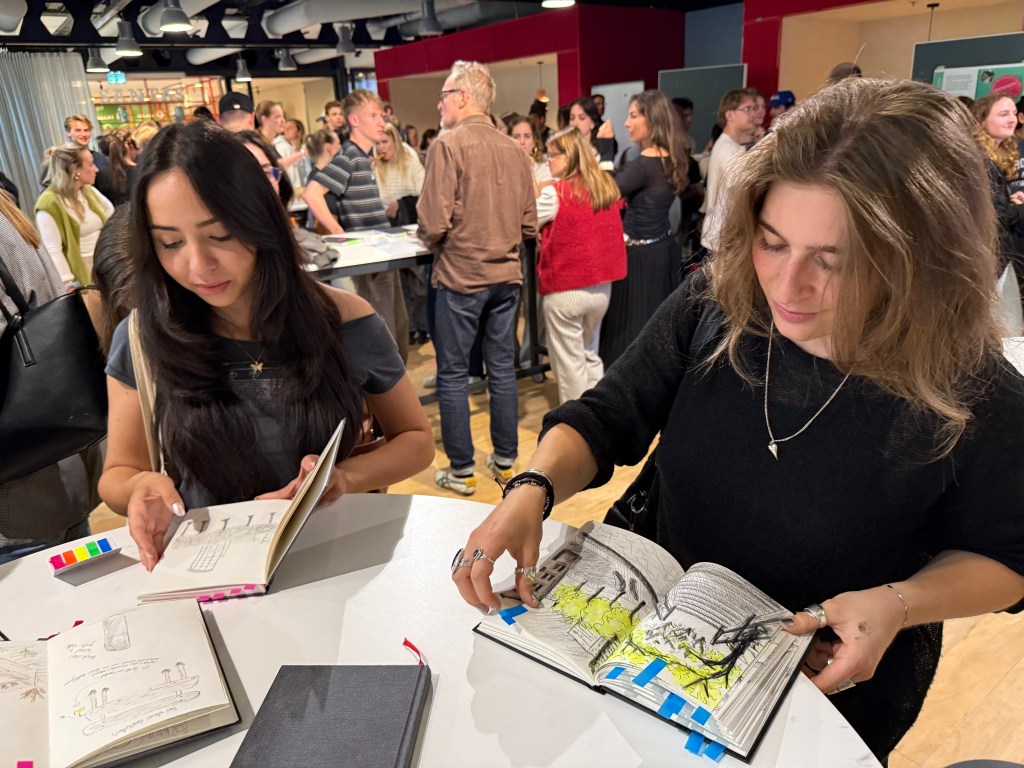
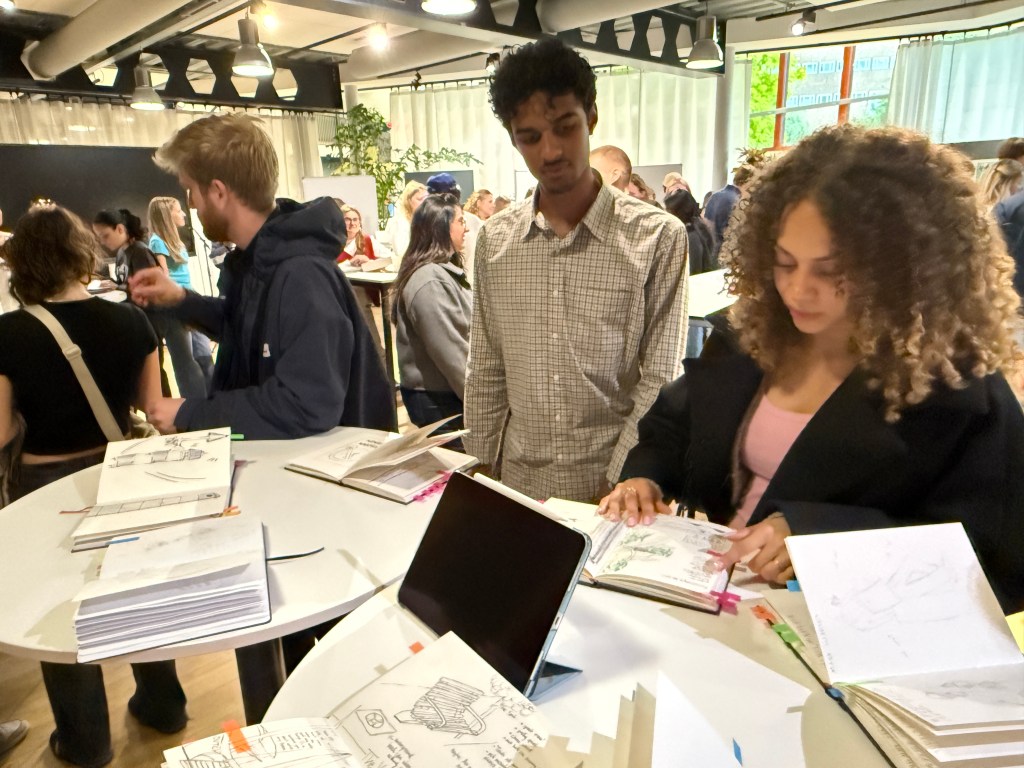
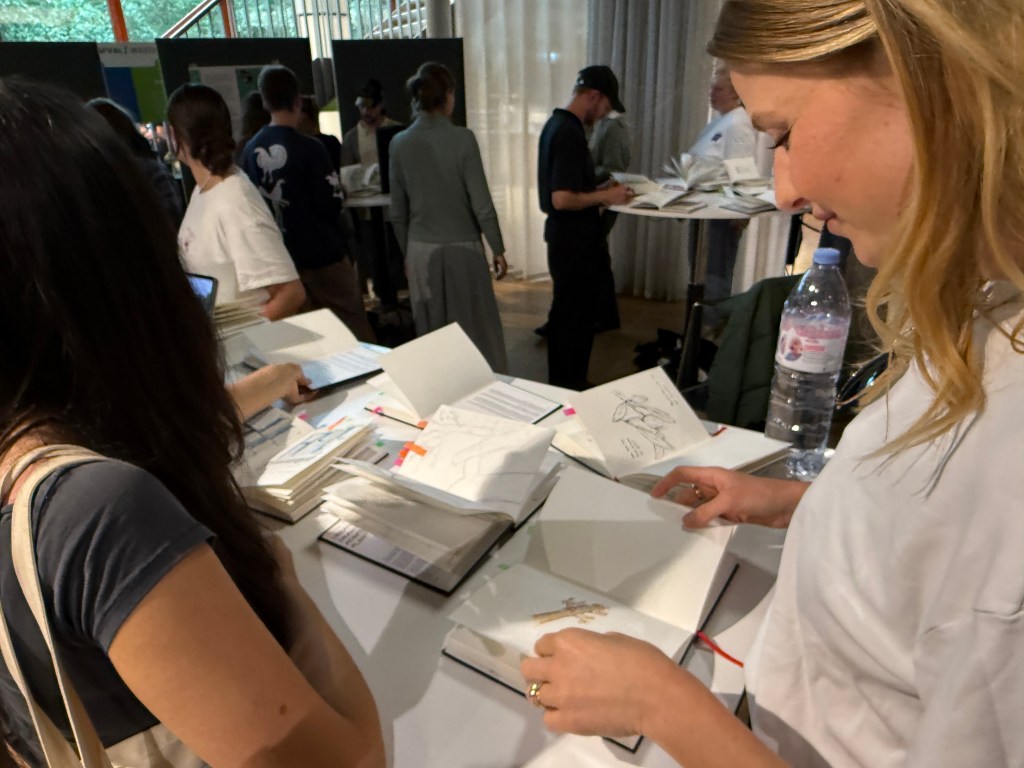
In the evening, all these efforts culminated in a celebratory exhibition: sketchbooks laid out in long rows, short films flickering on monitors, and a large screen slideshow cycling through the most striking images of the week. What had started as loose pencil lines had become a collective visual voice.
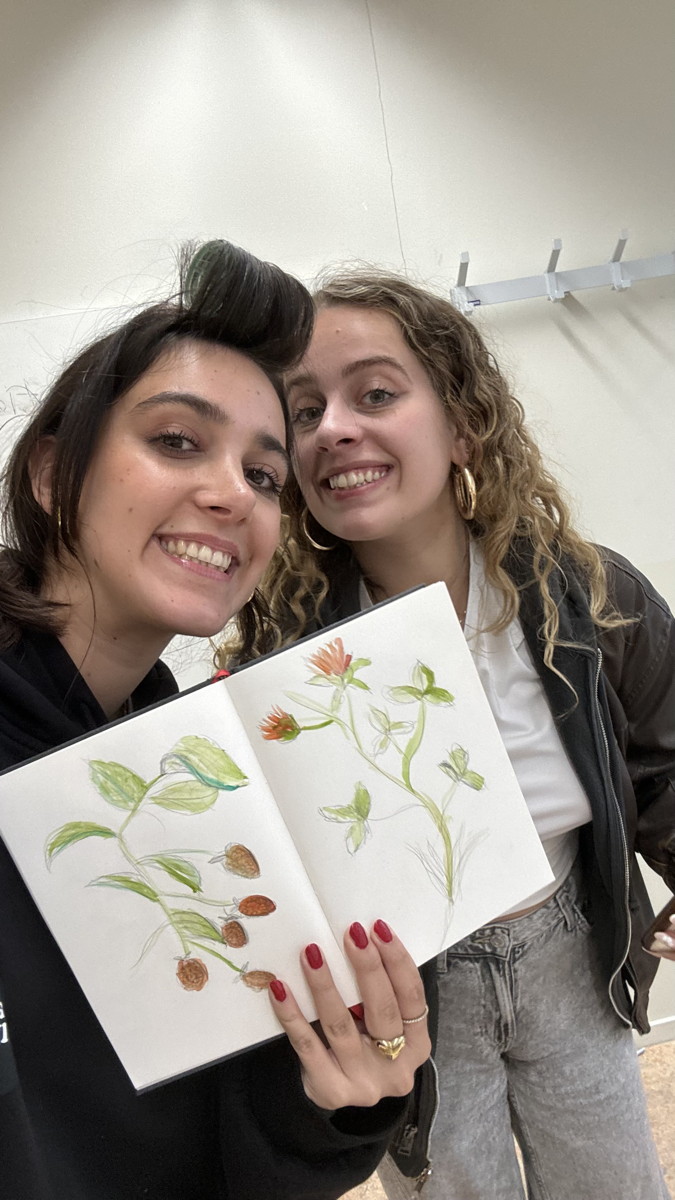
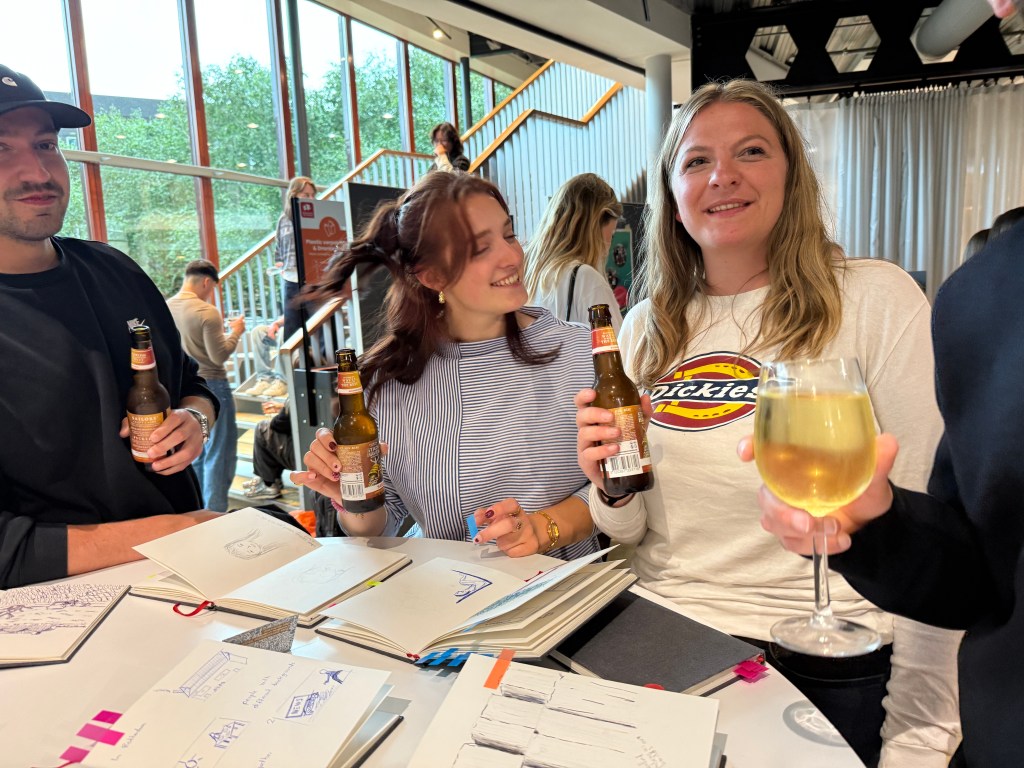
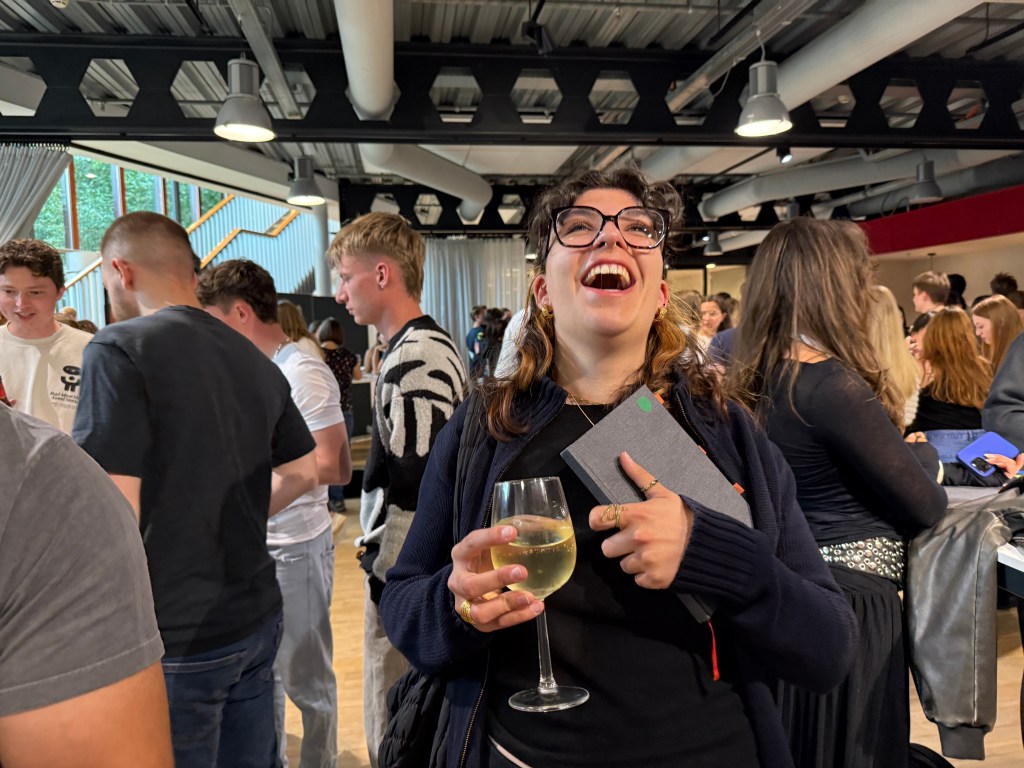
And then—music, drinks, dancing. The party that followed was filled with smiling faces, open conversations, and the unmistakable energy of a project that connected people across borders and disciplines. Students from two countries had not only sketched a city—they had shaped a community. Each left with a personal answer to the question we began with.
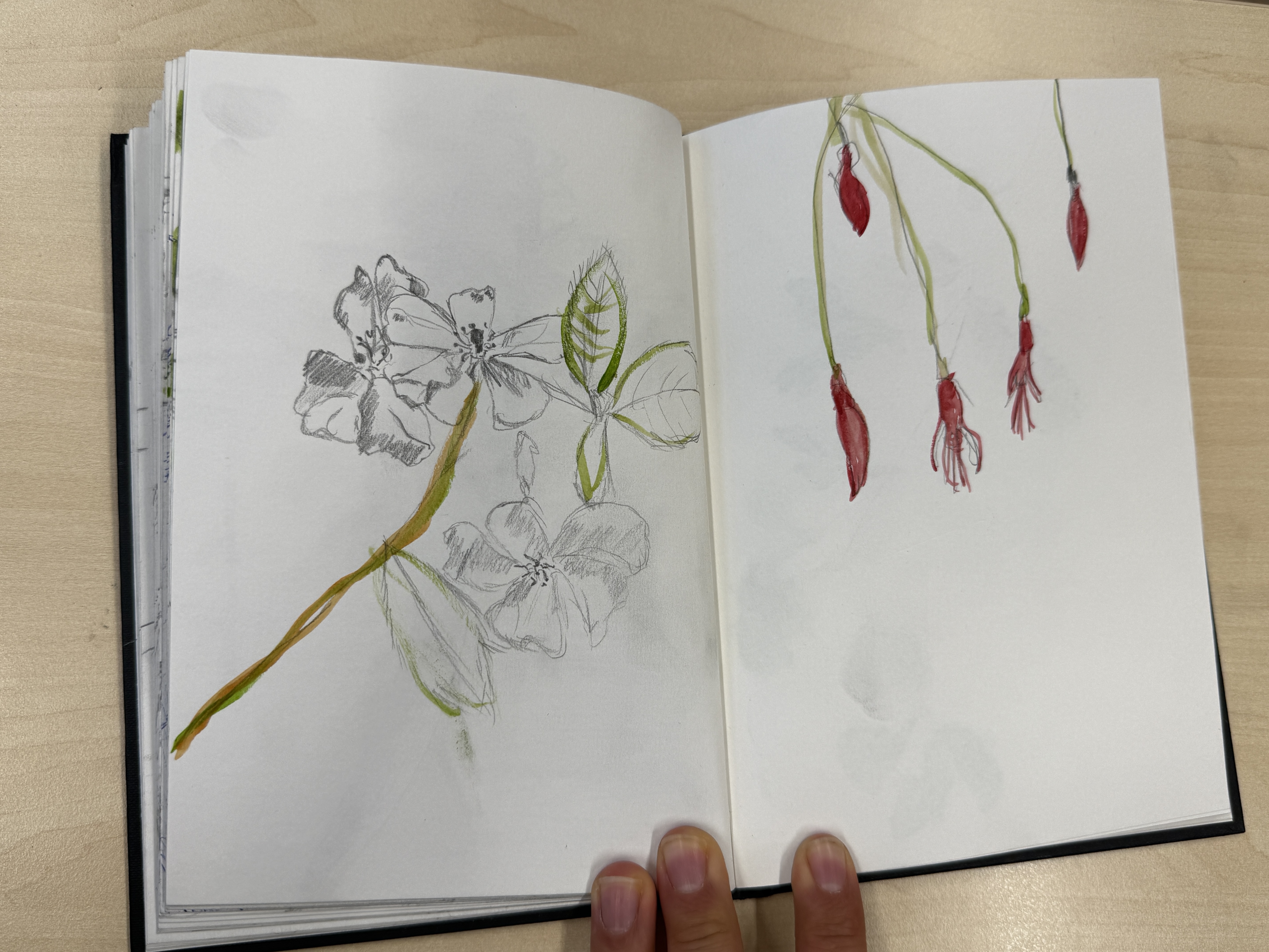
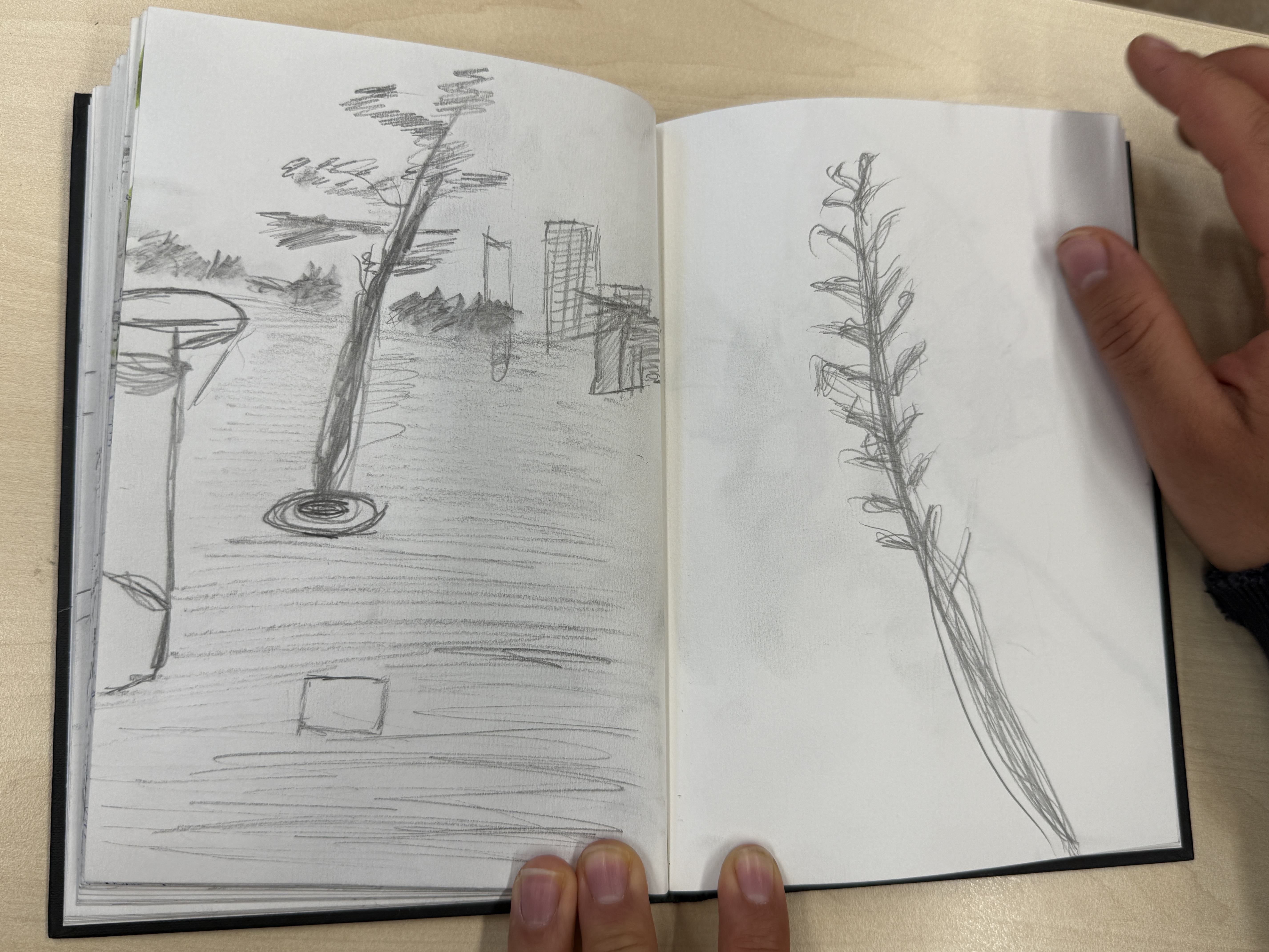
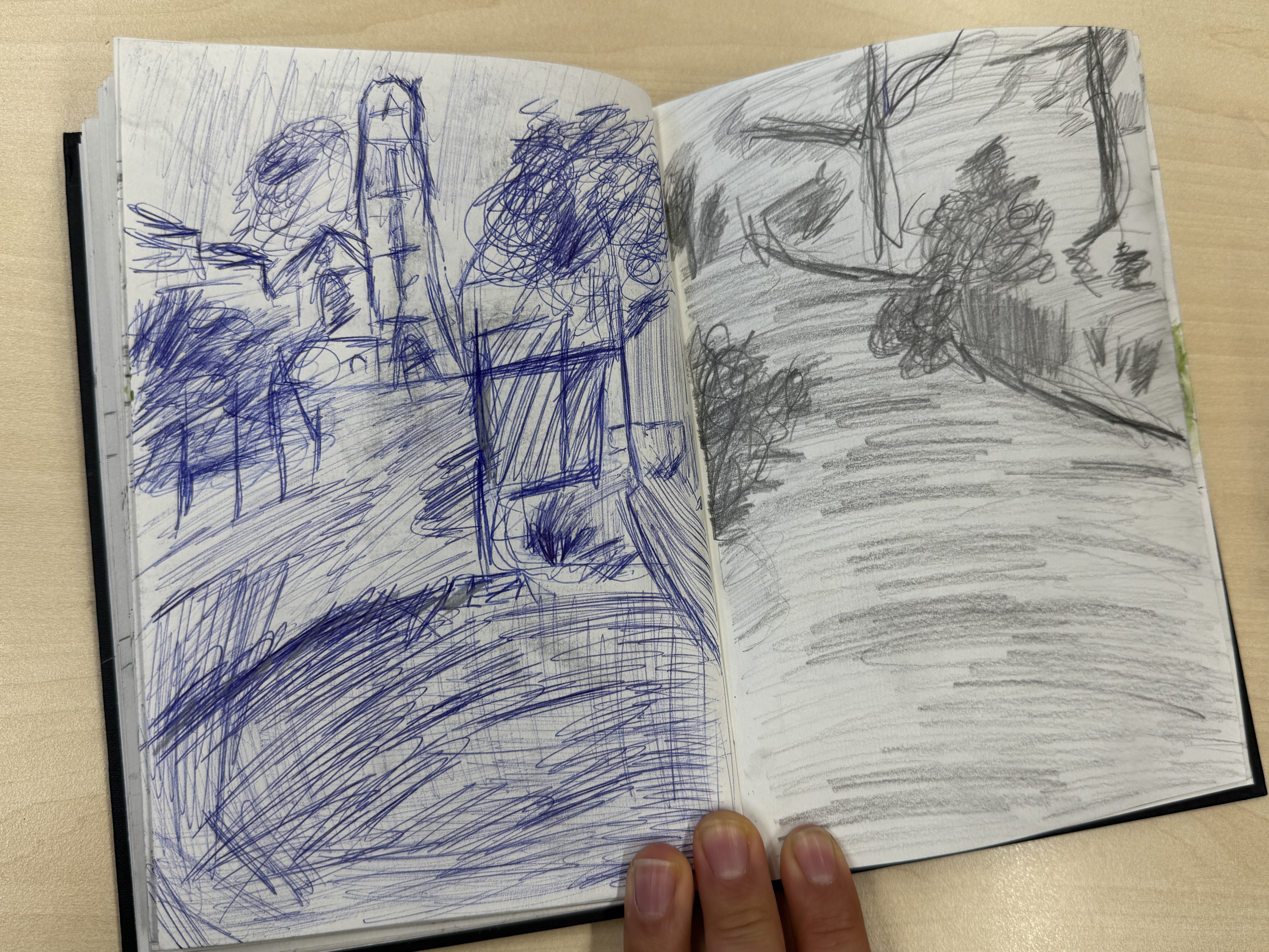
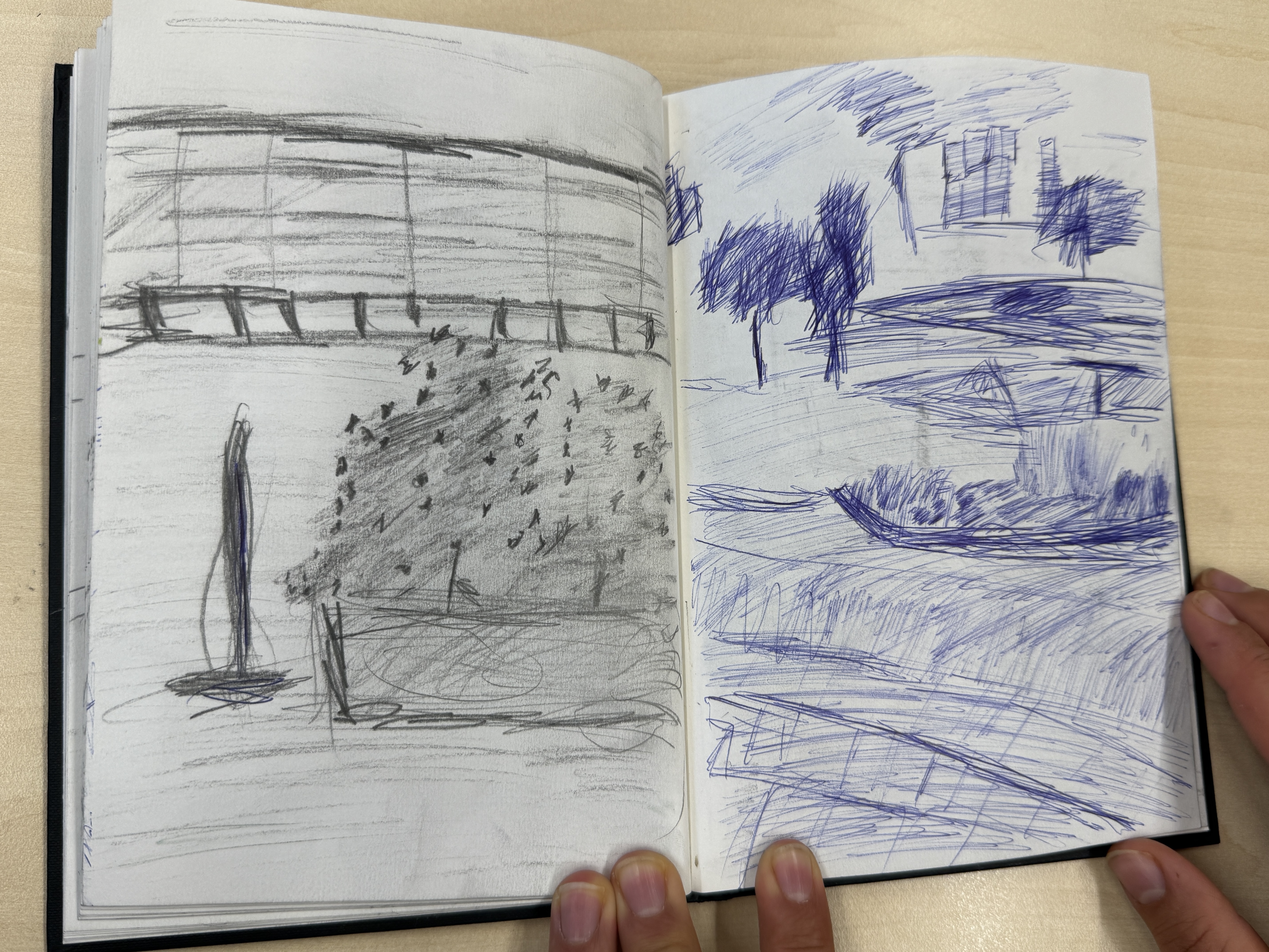
Exhibition Preparation
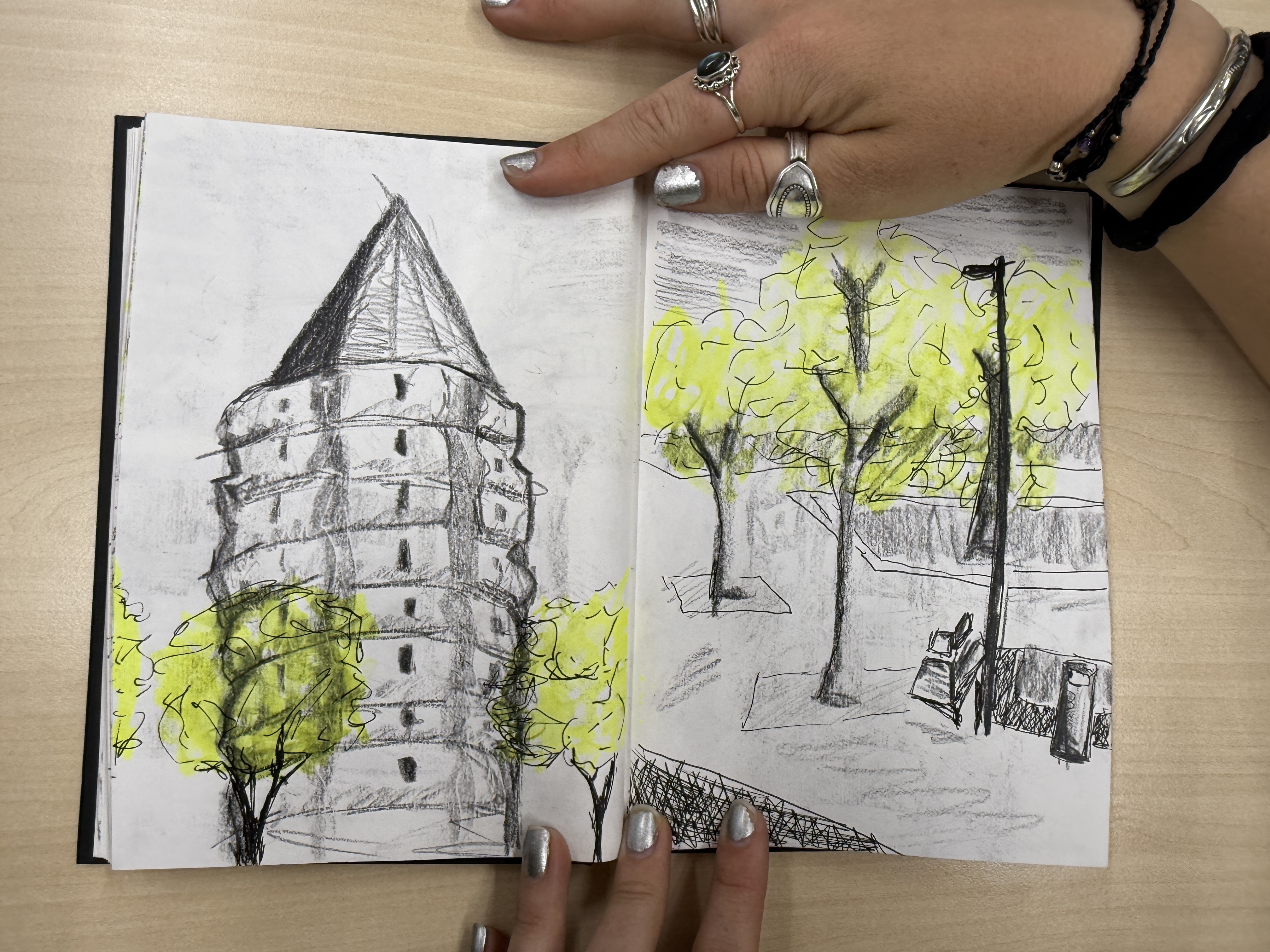
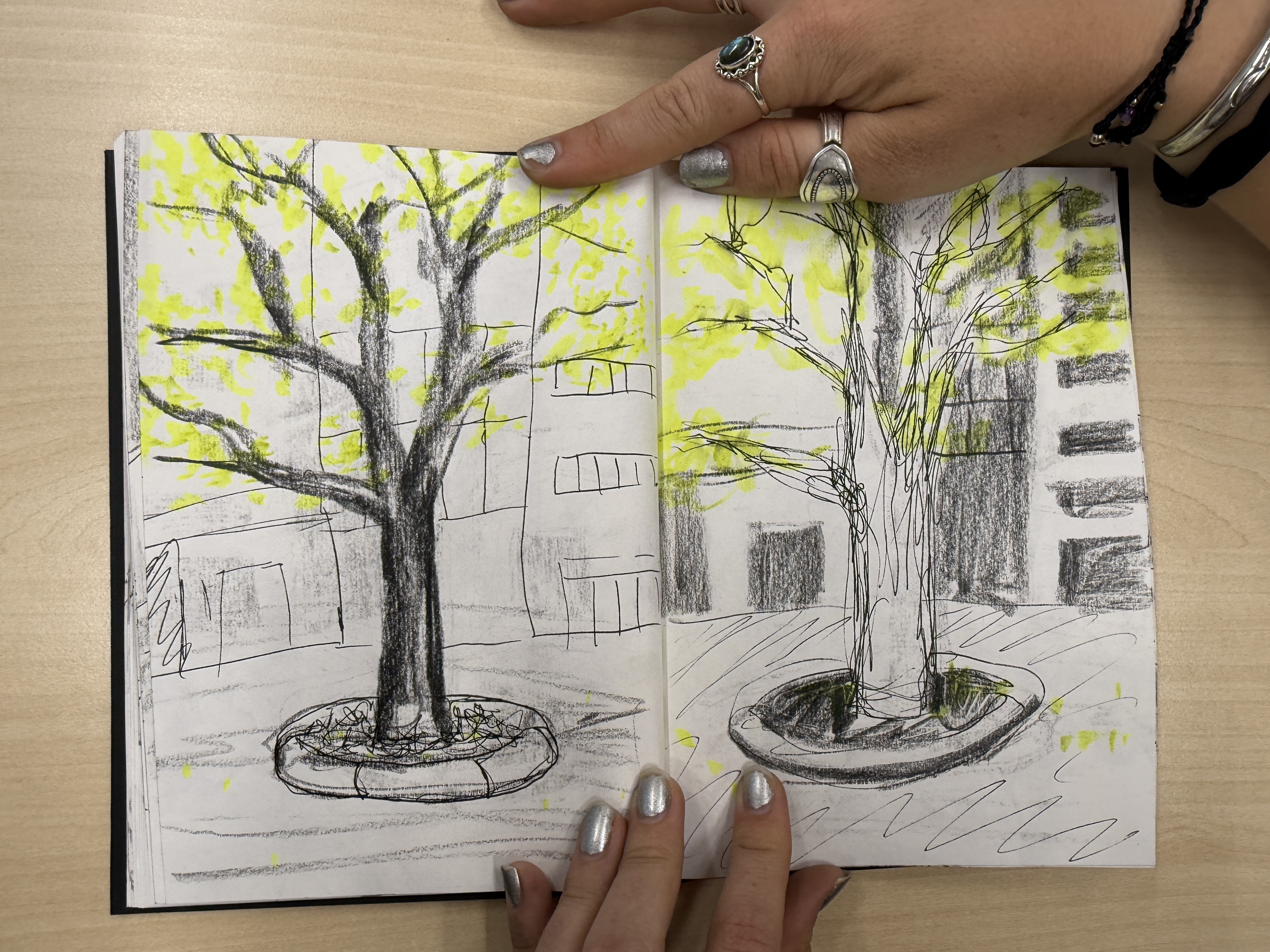
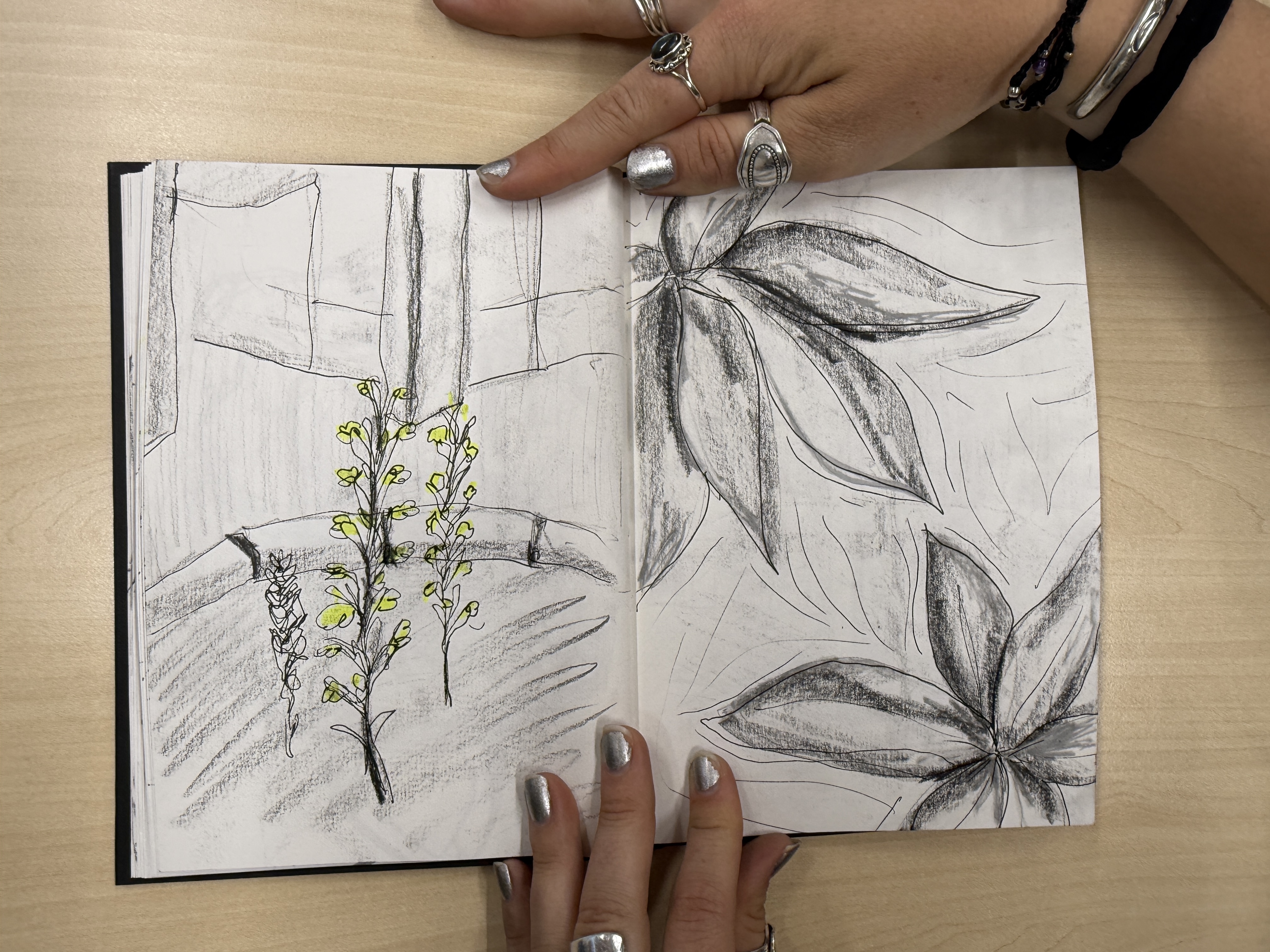
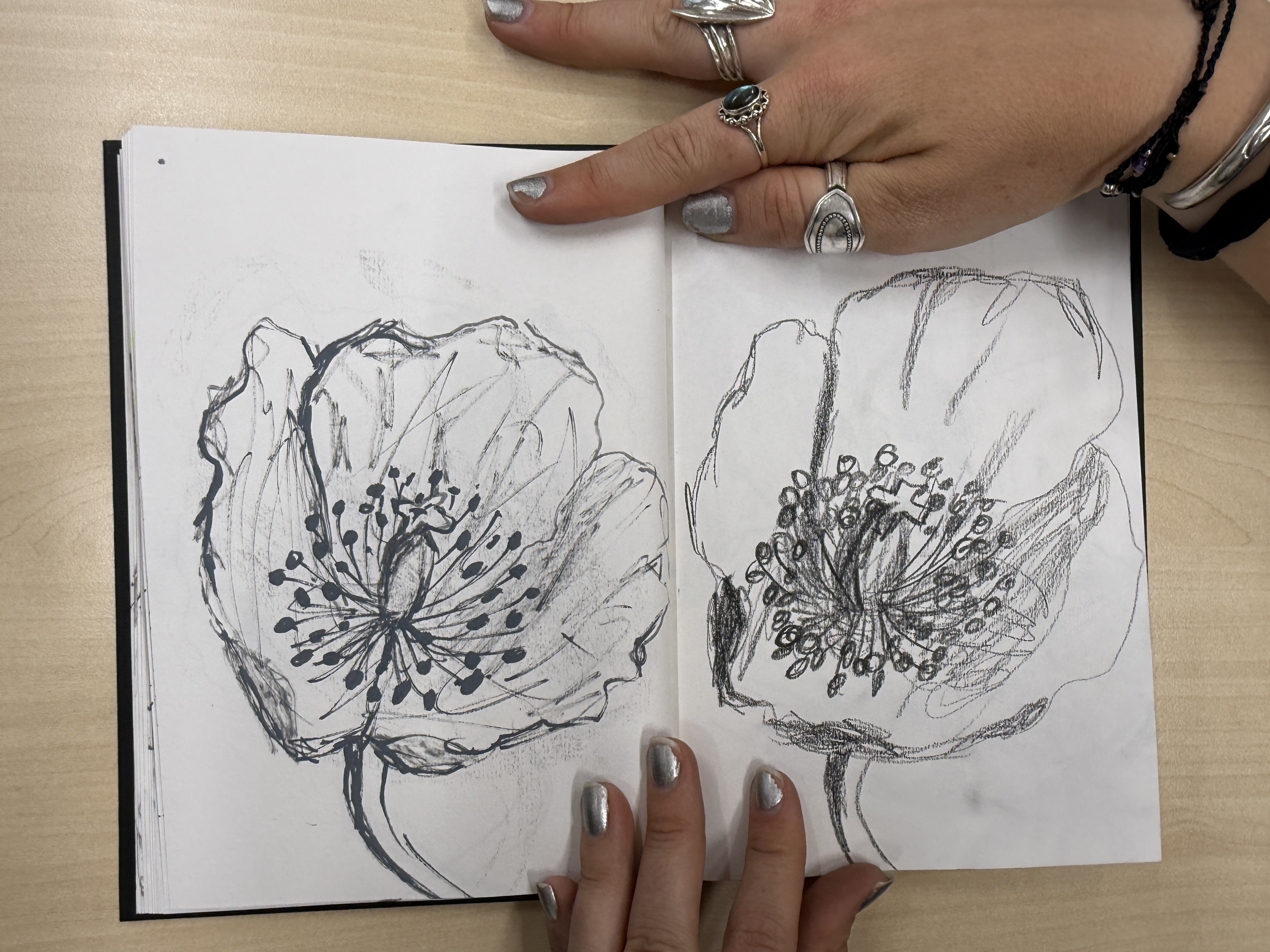
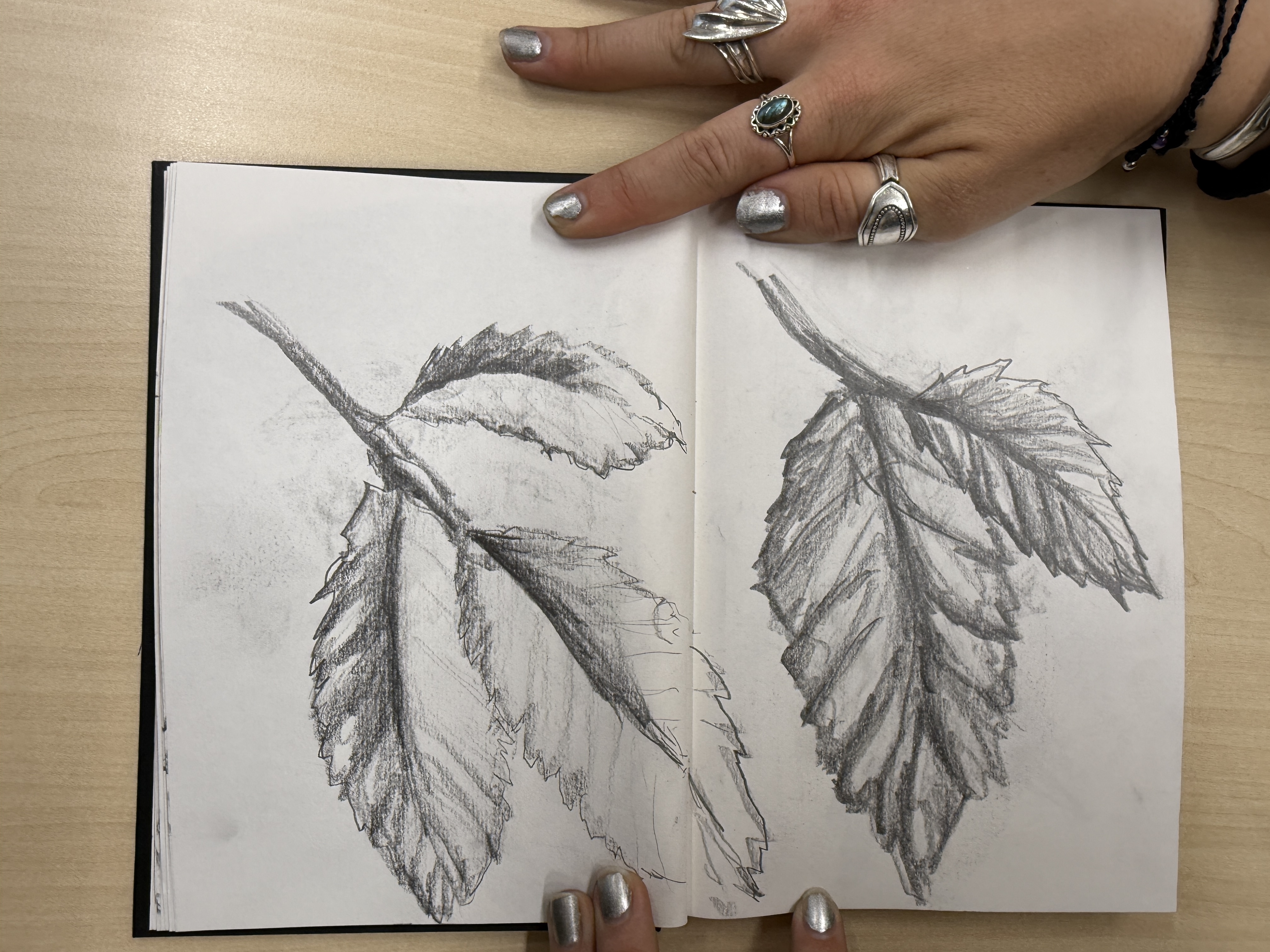
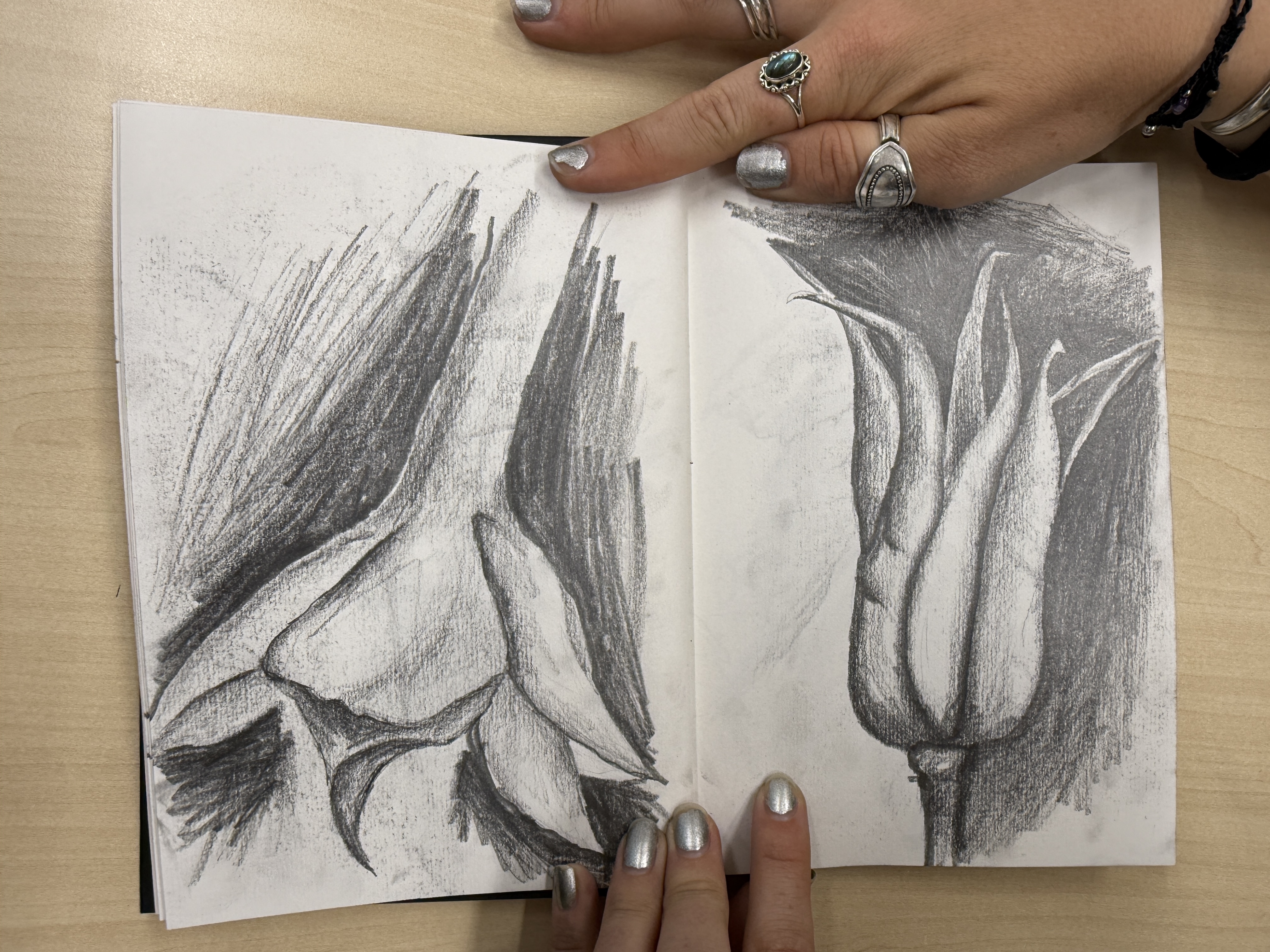
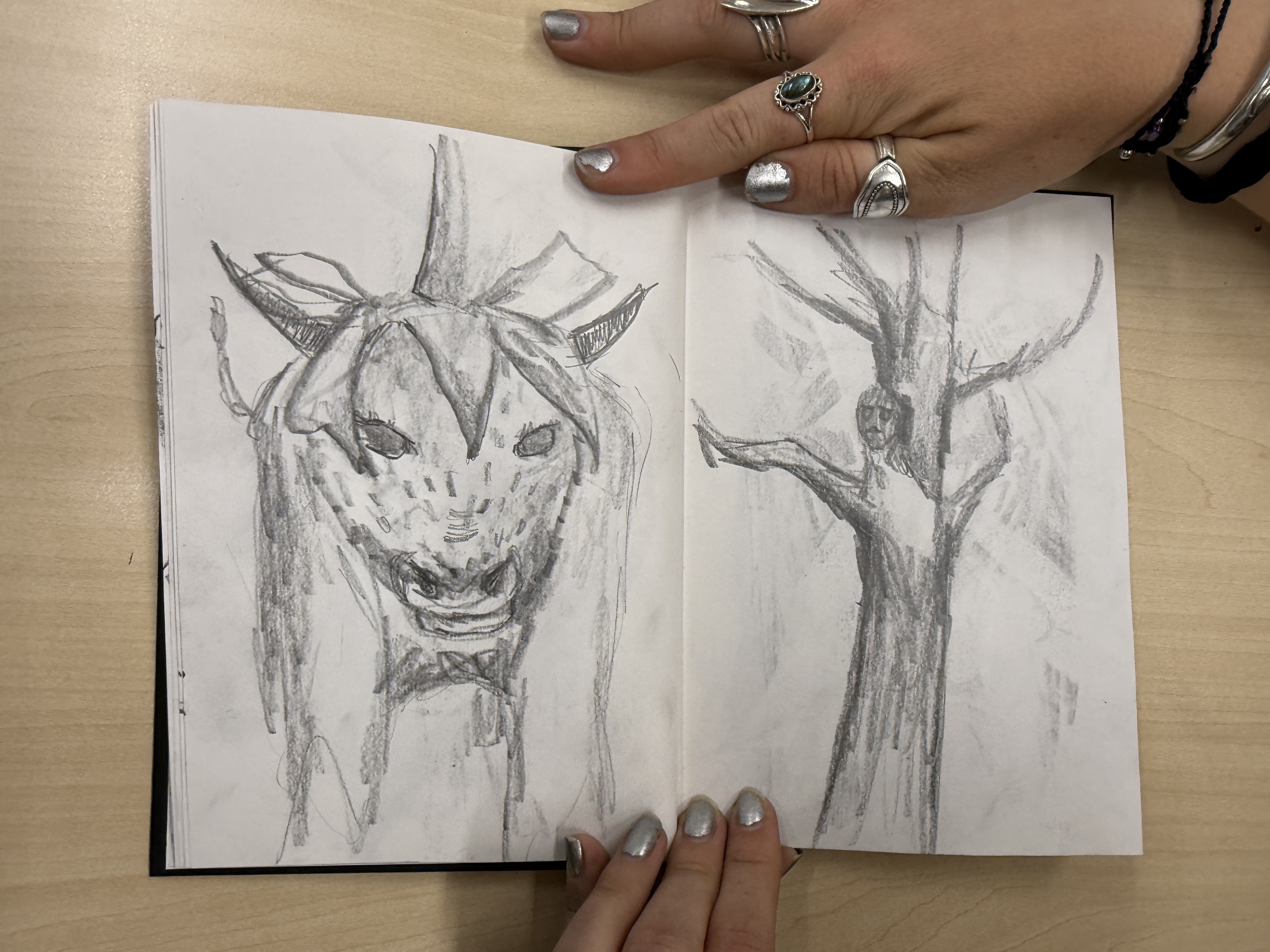
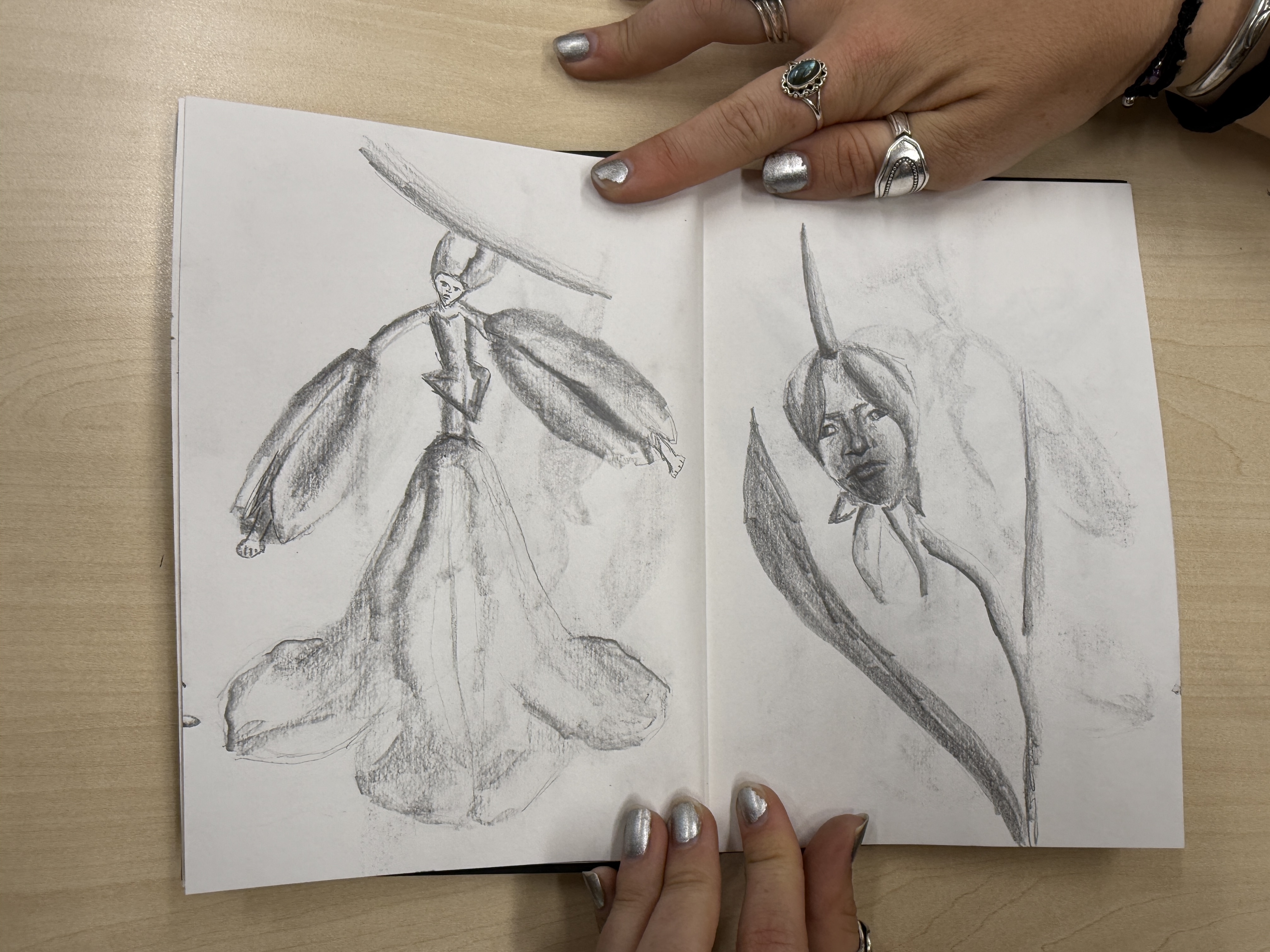
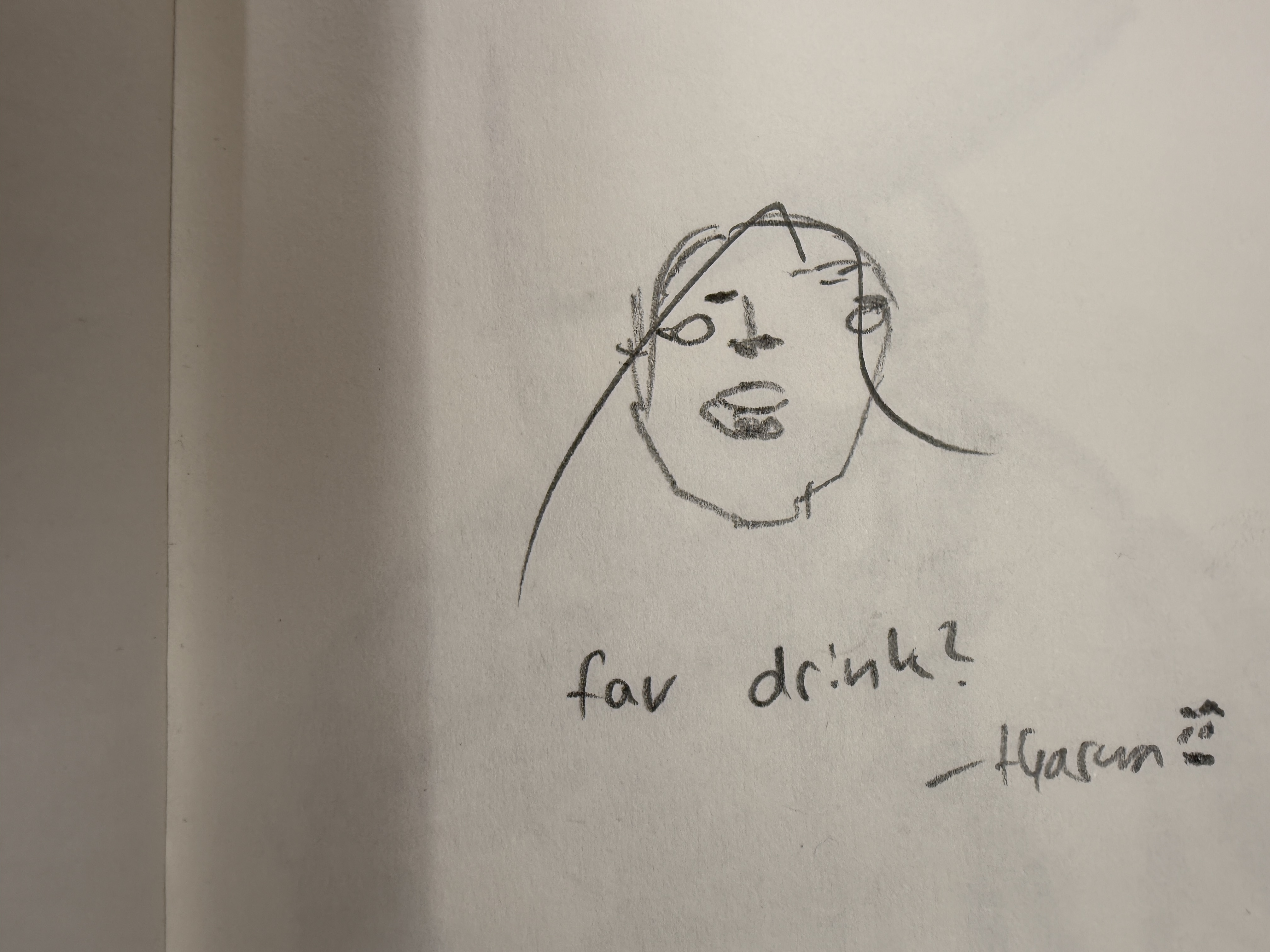
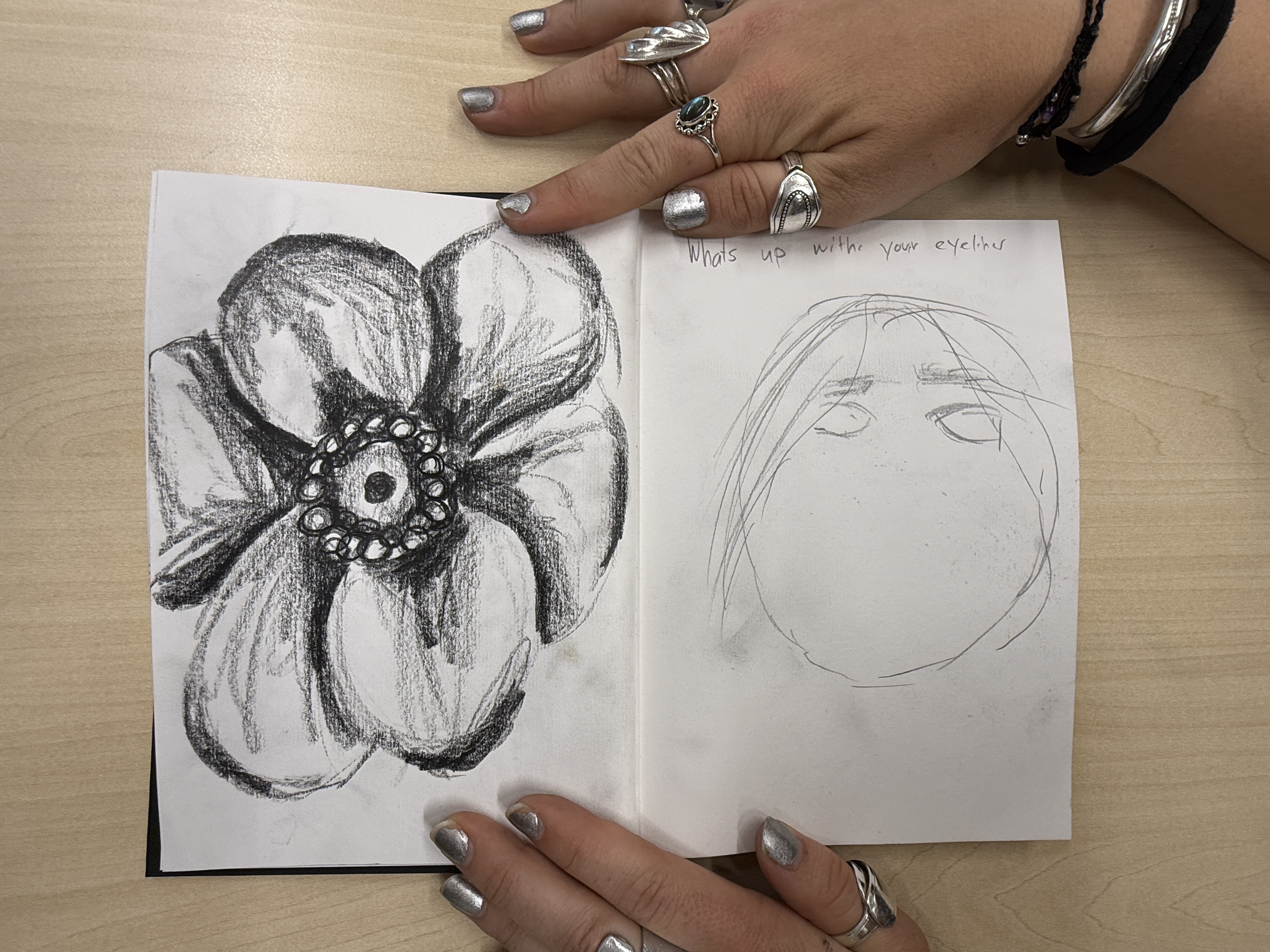
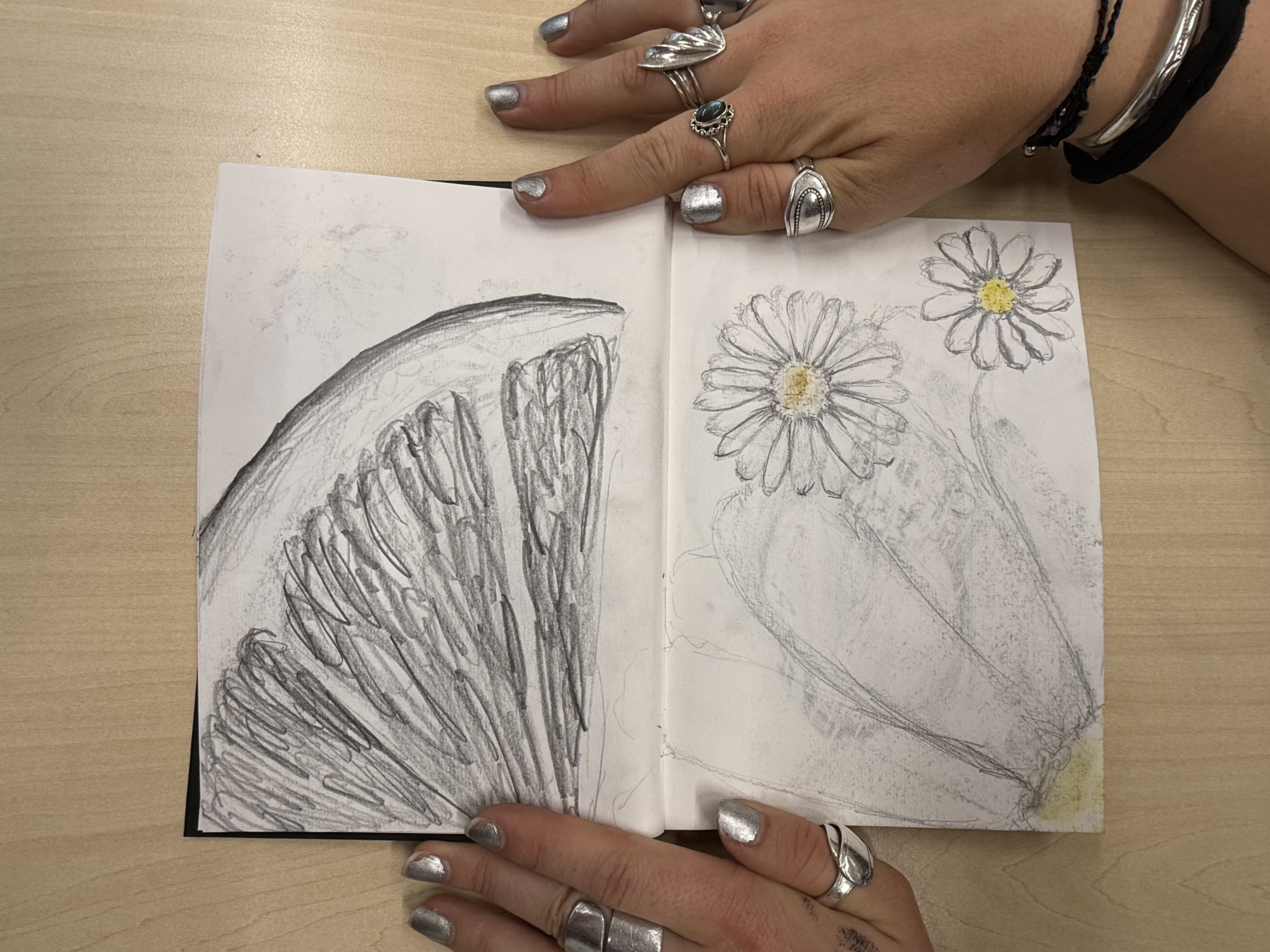
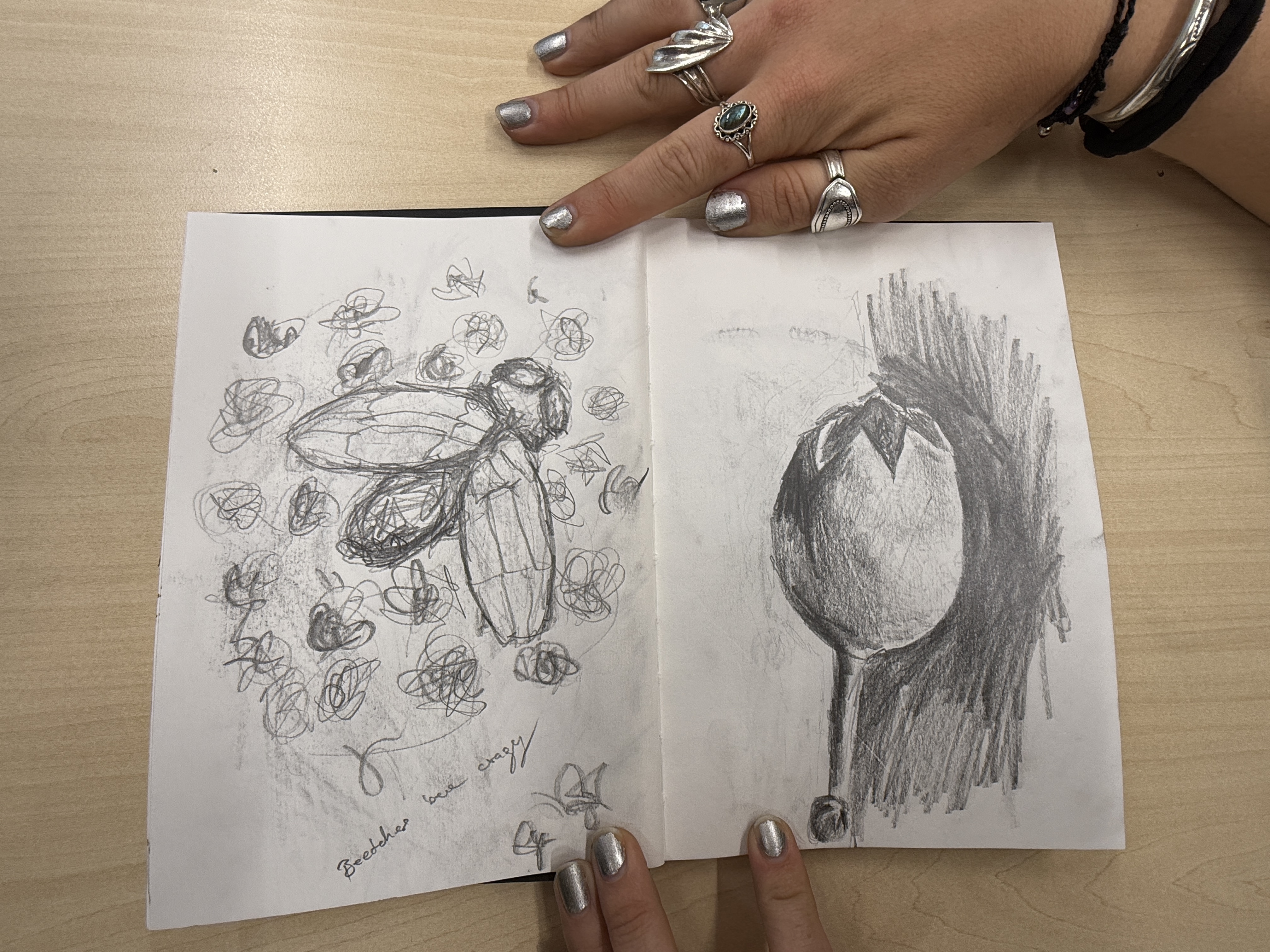
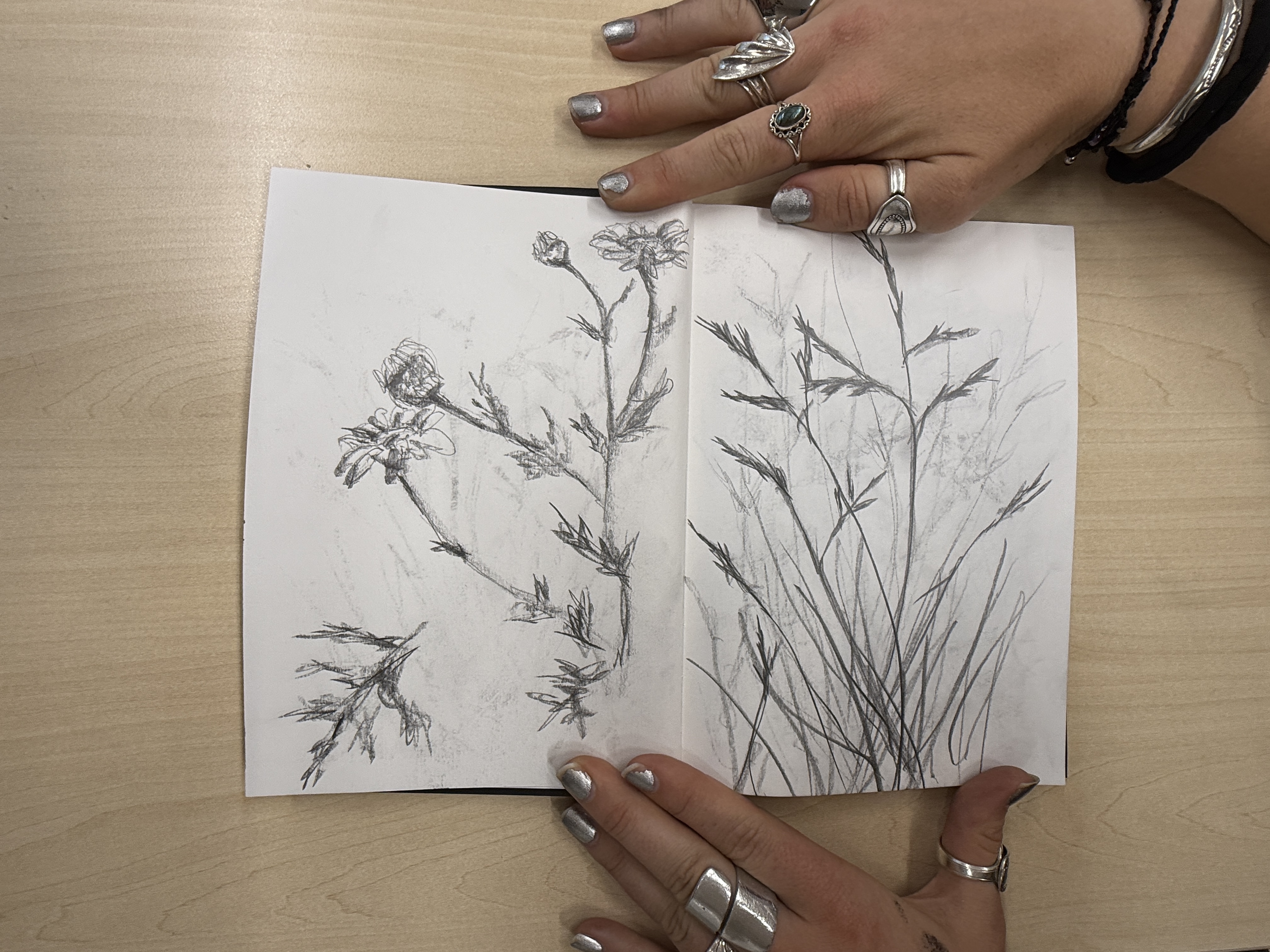
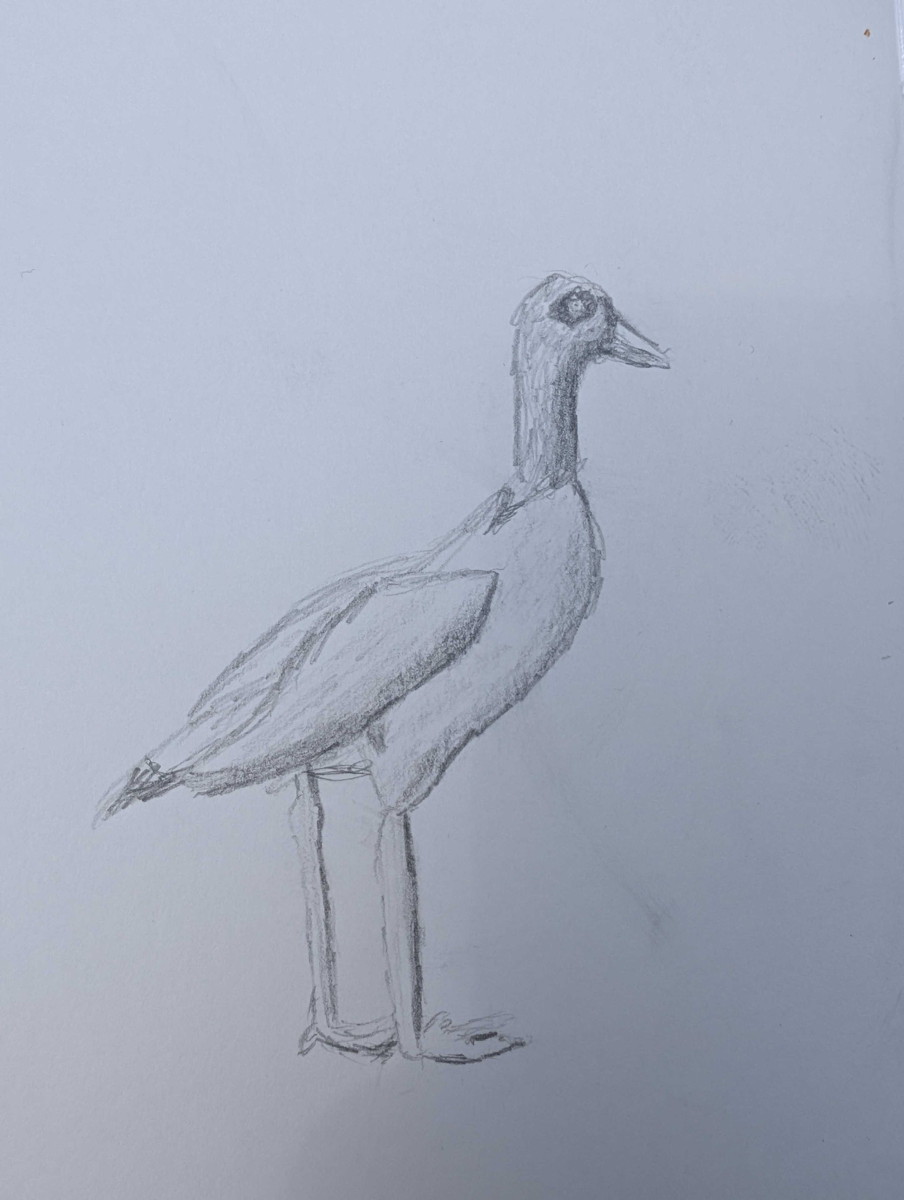
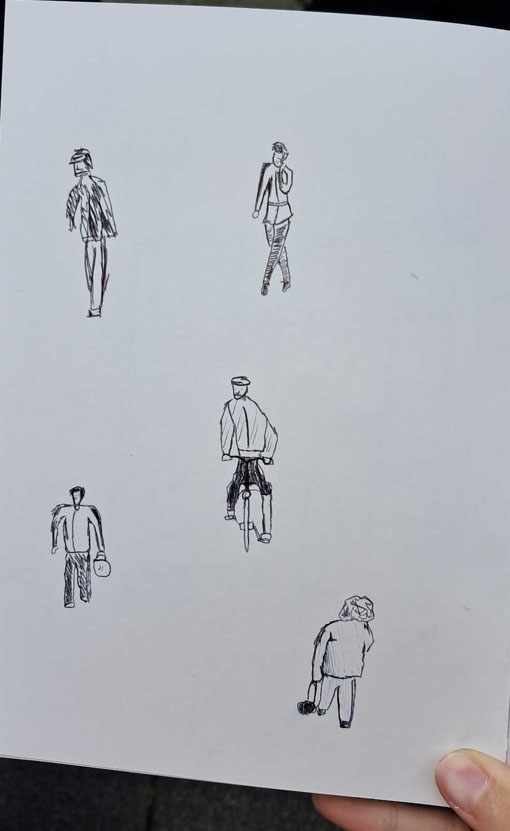
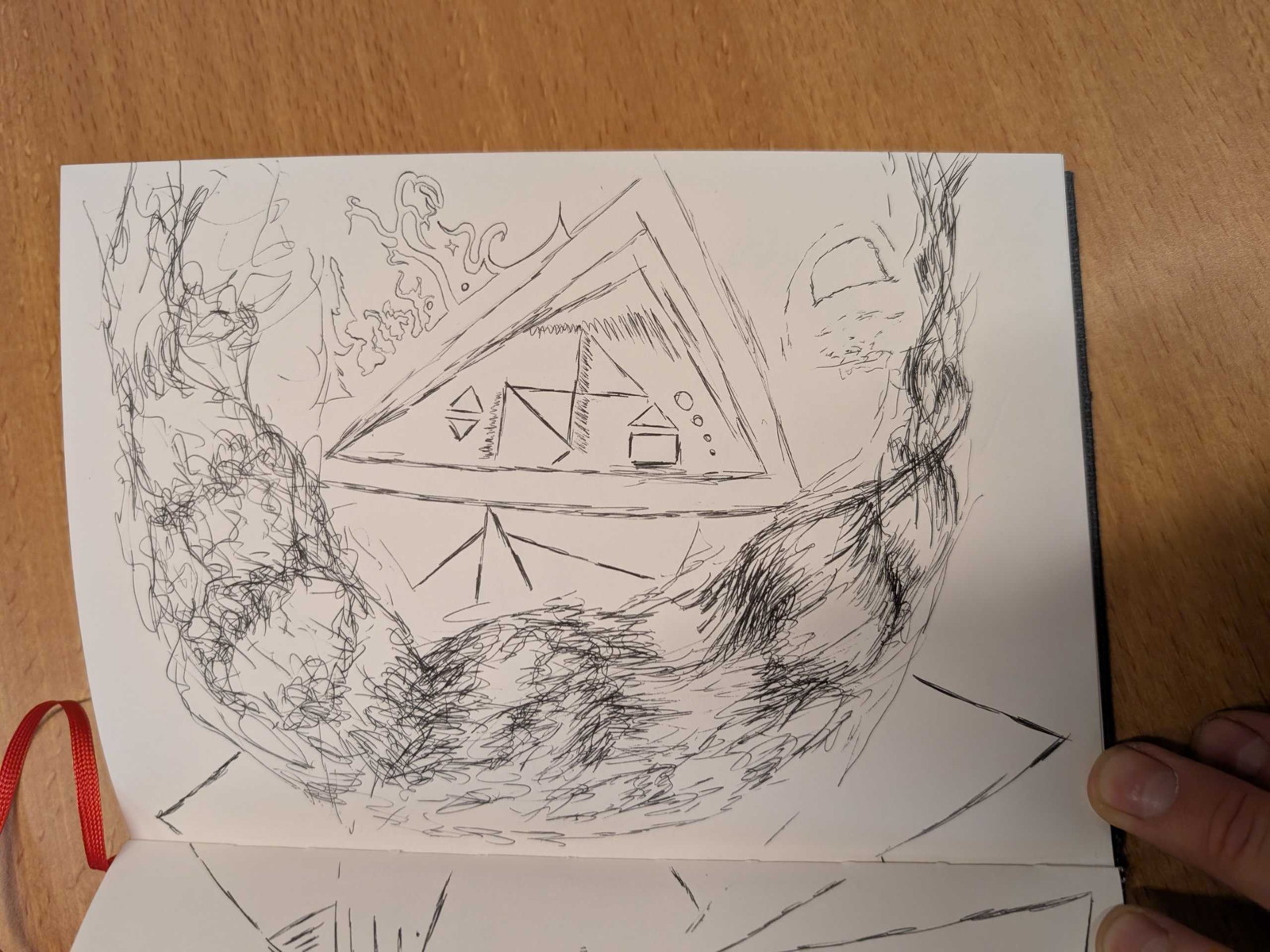
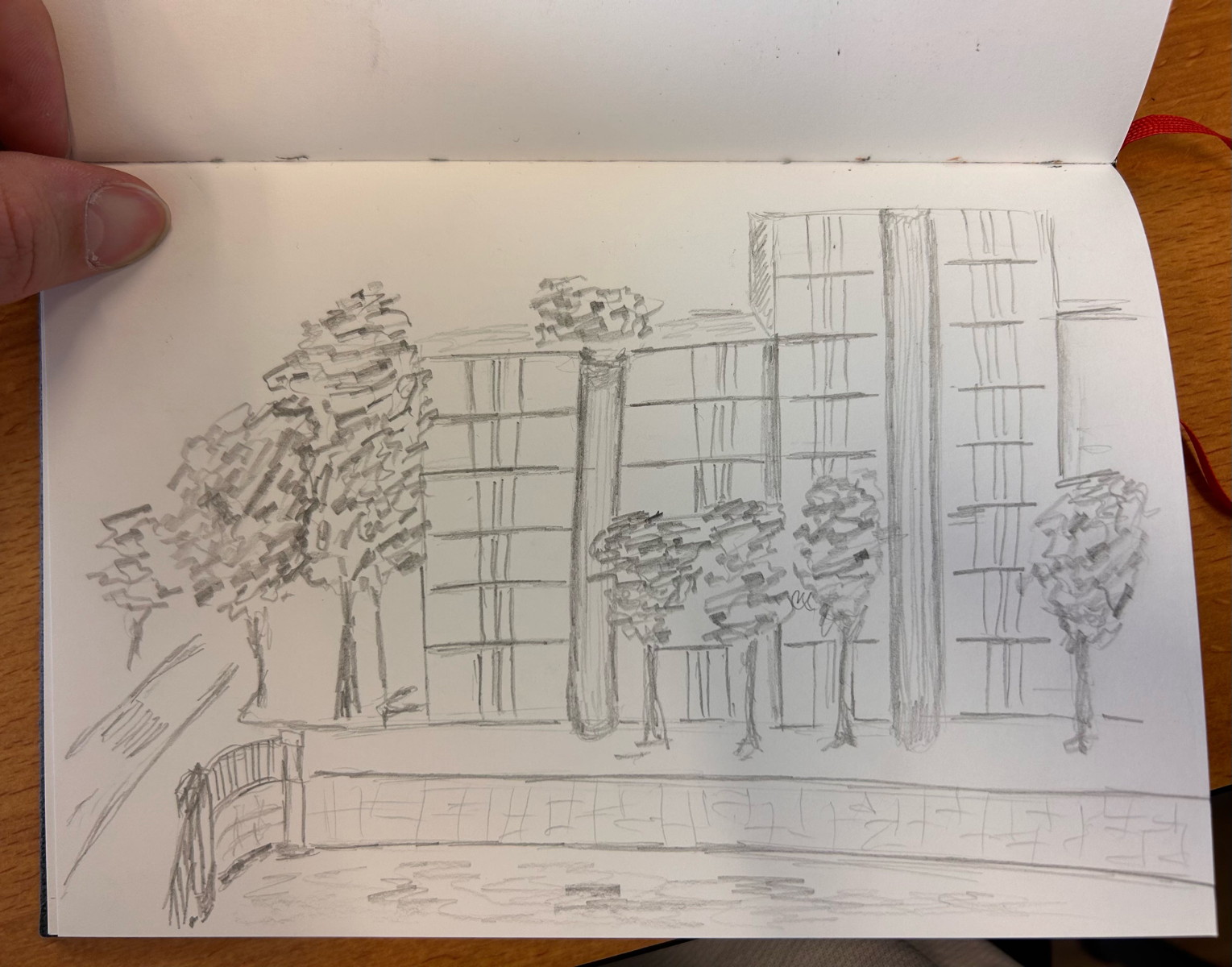
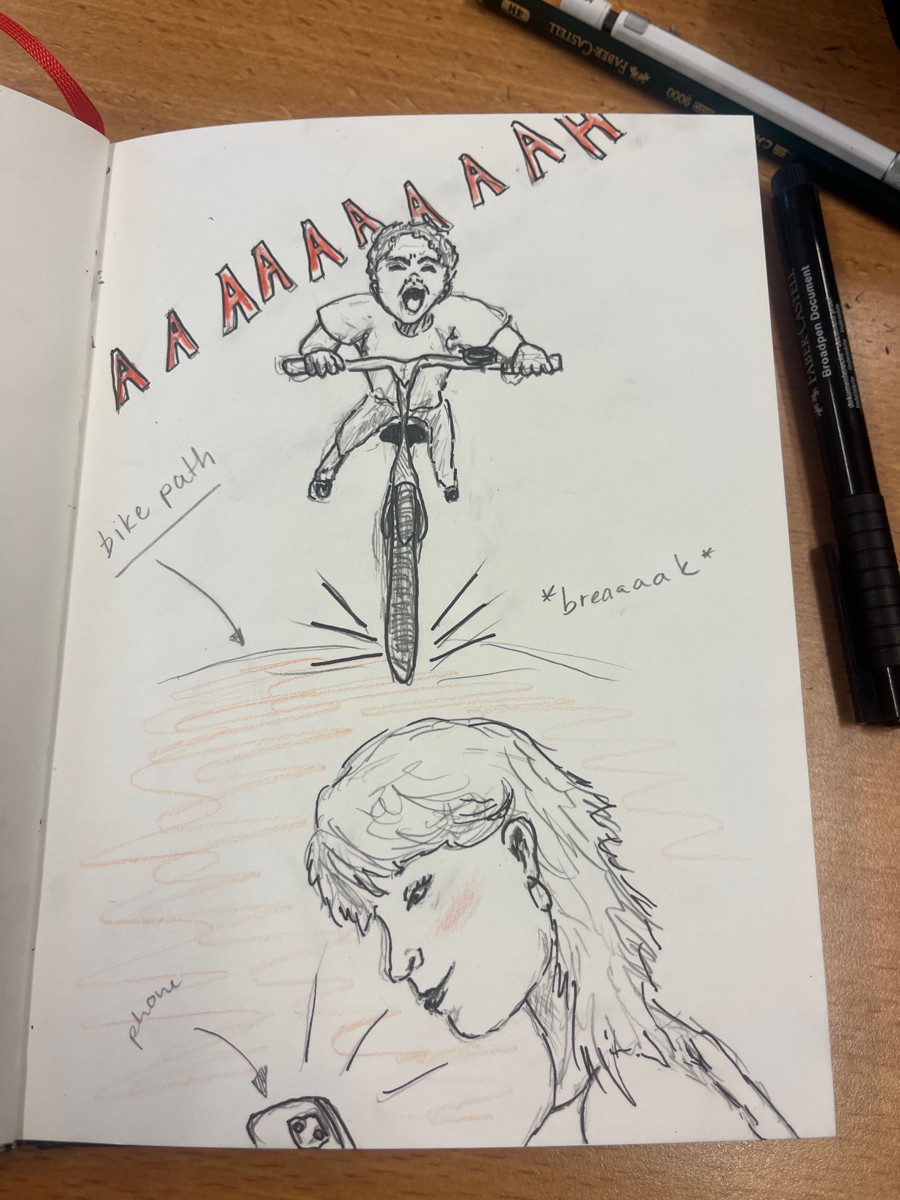
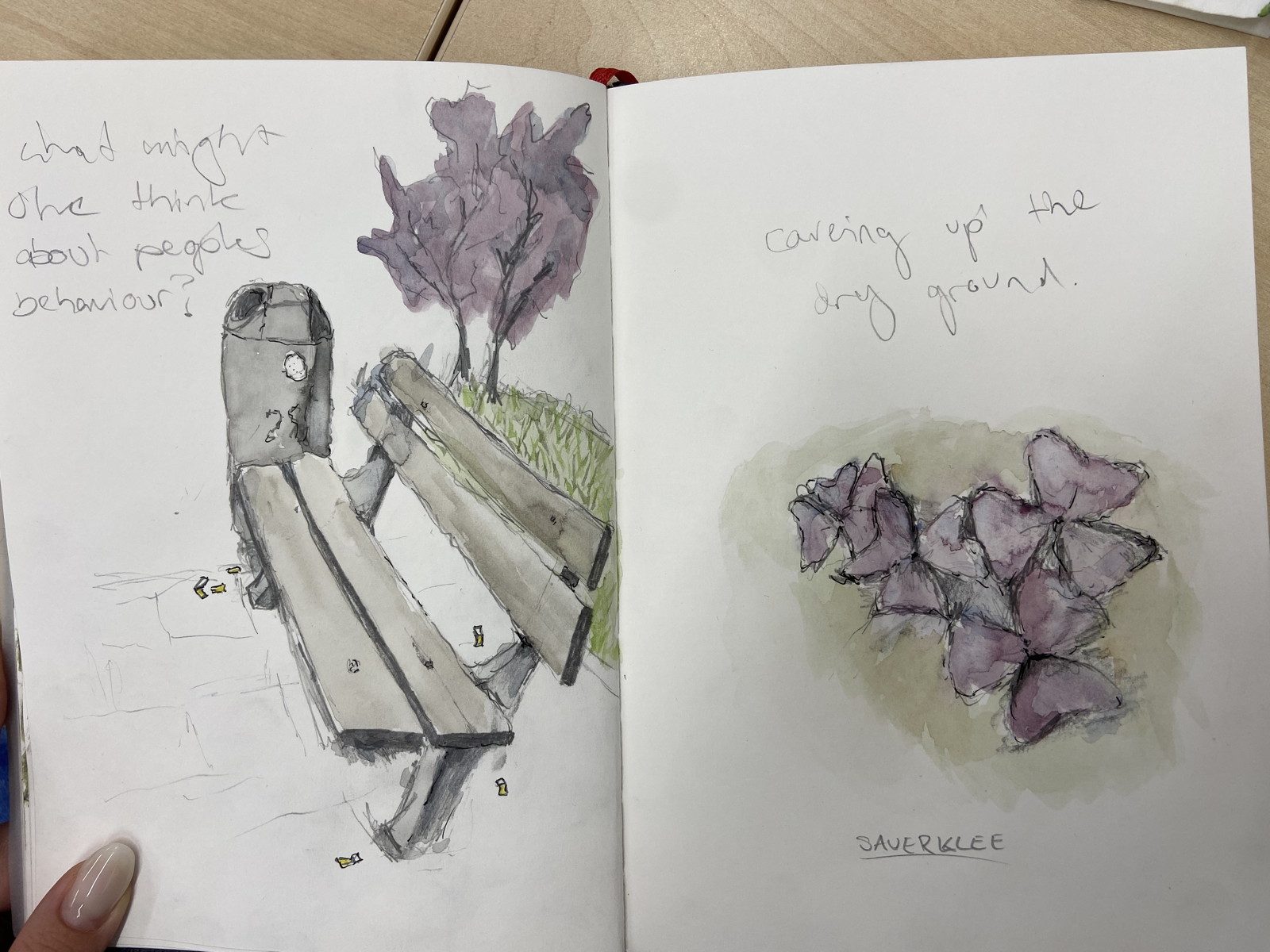
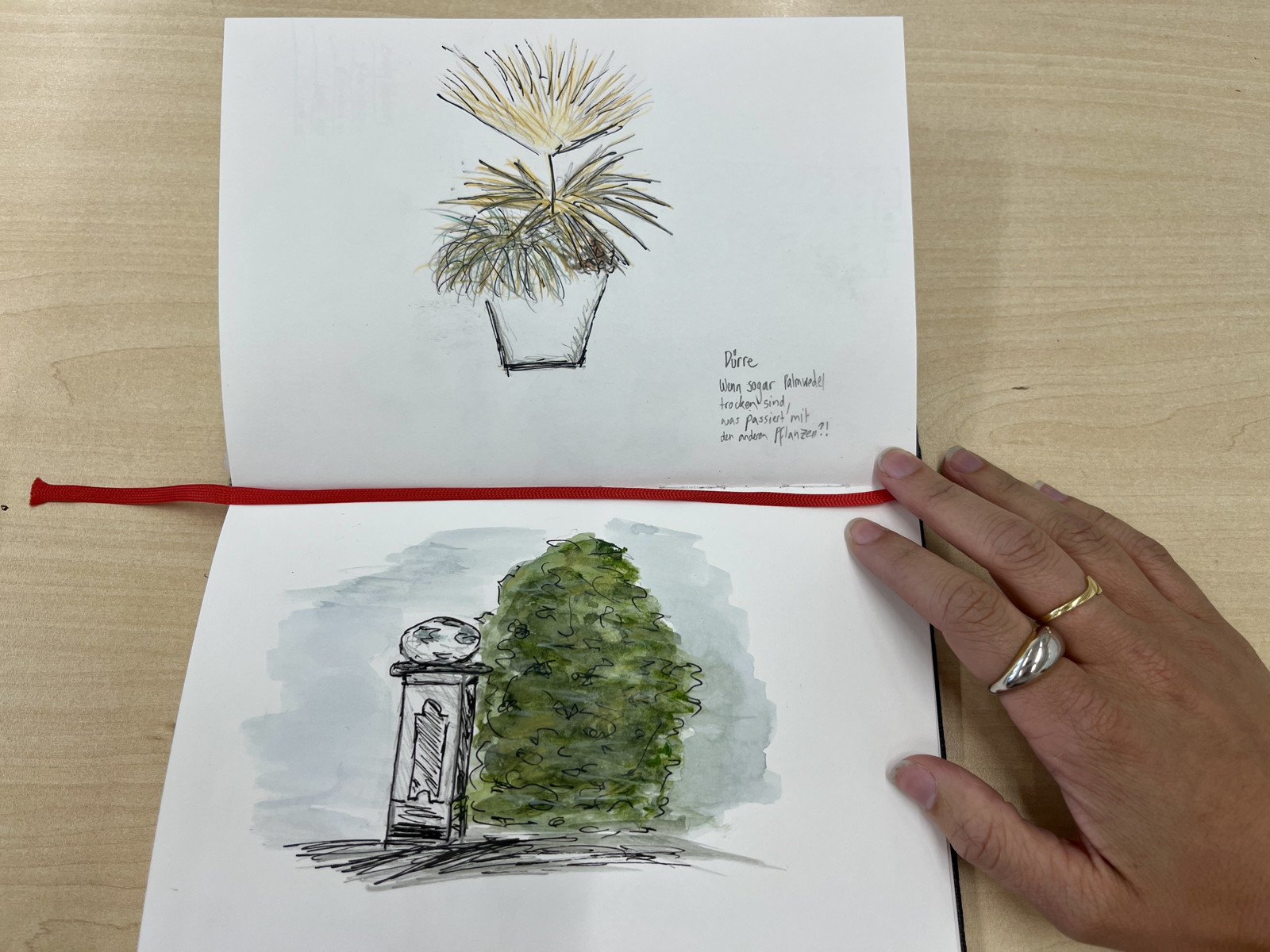
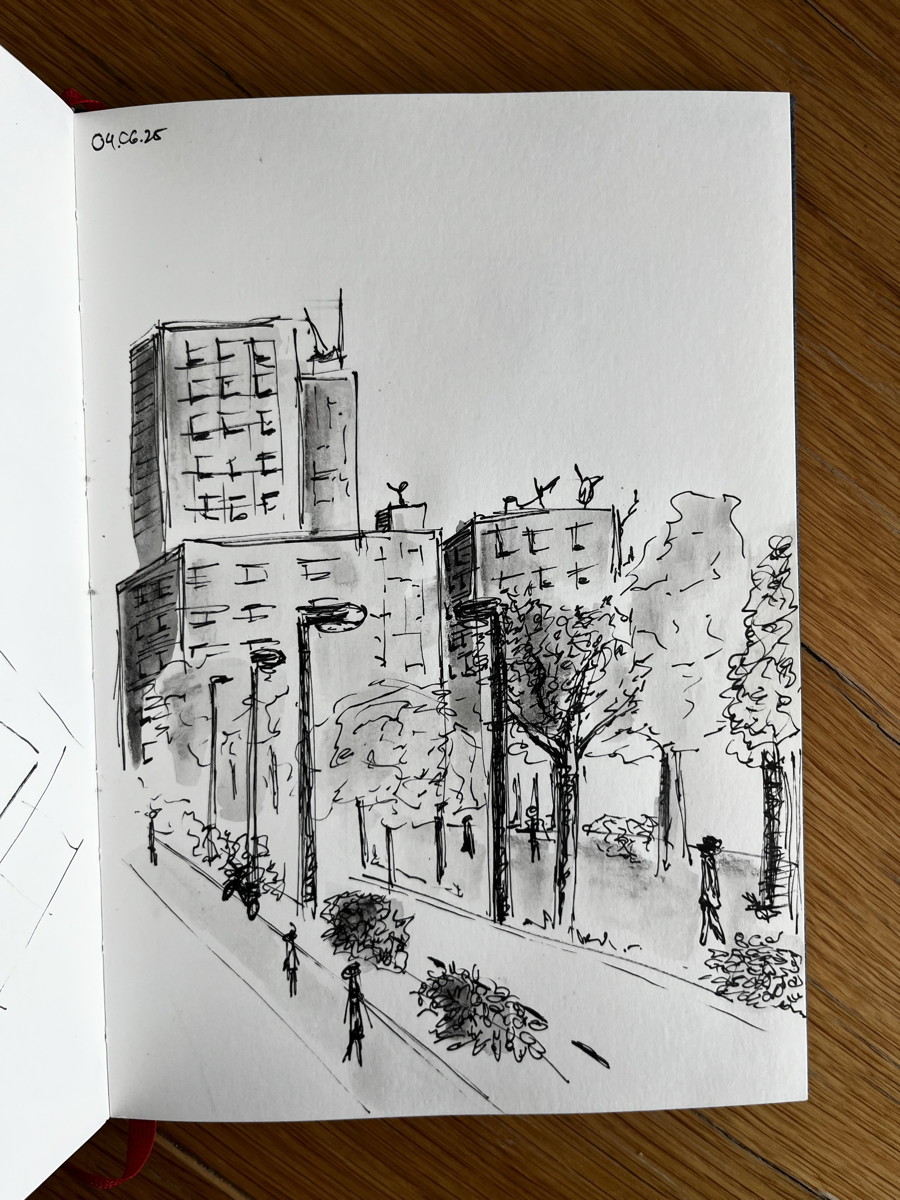
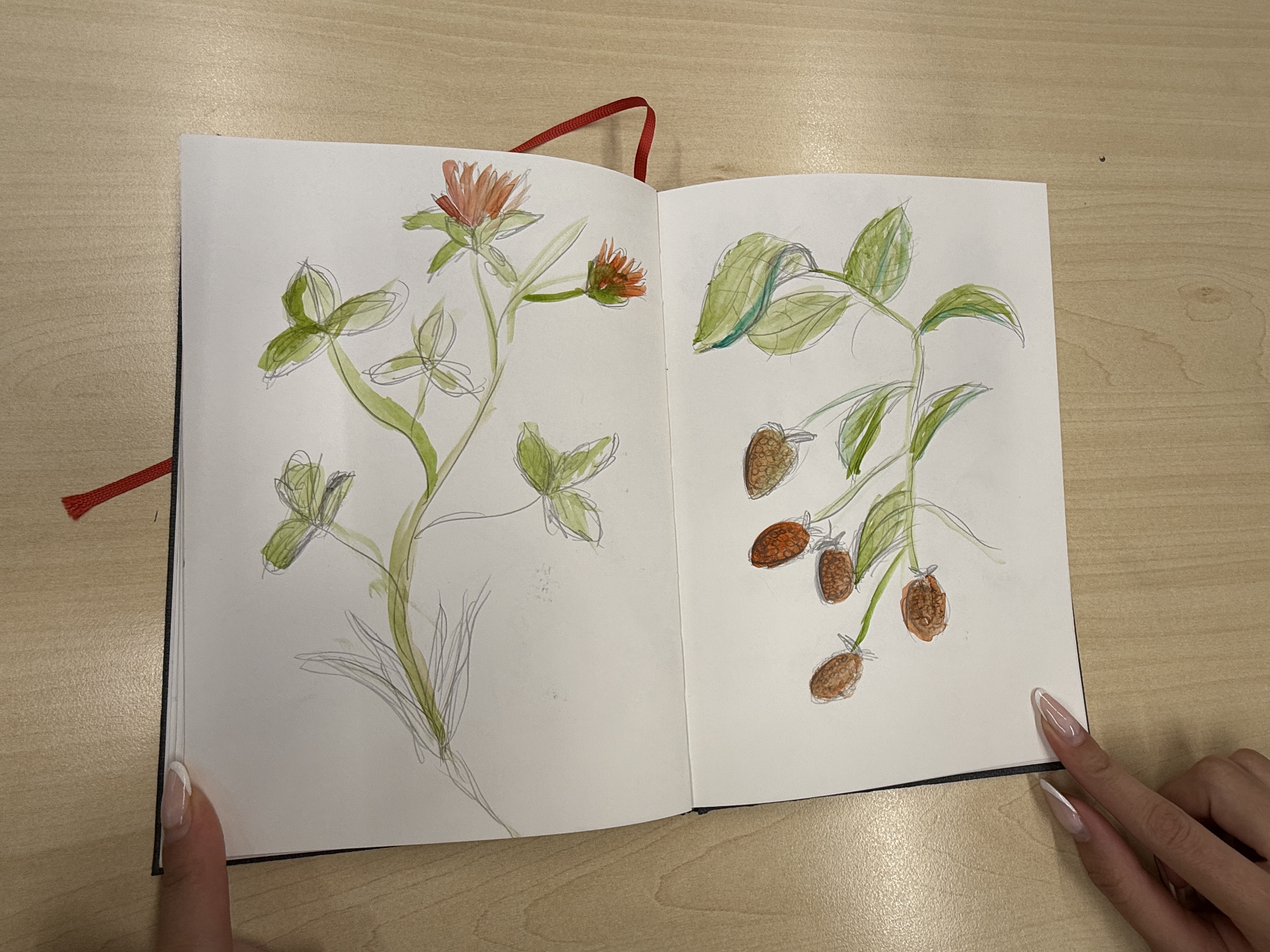
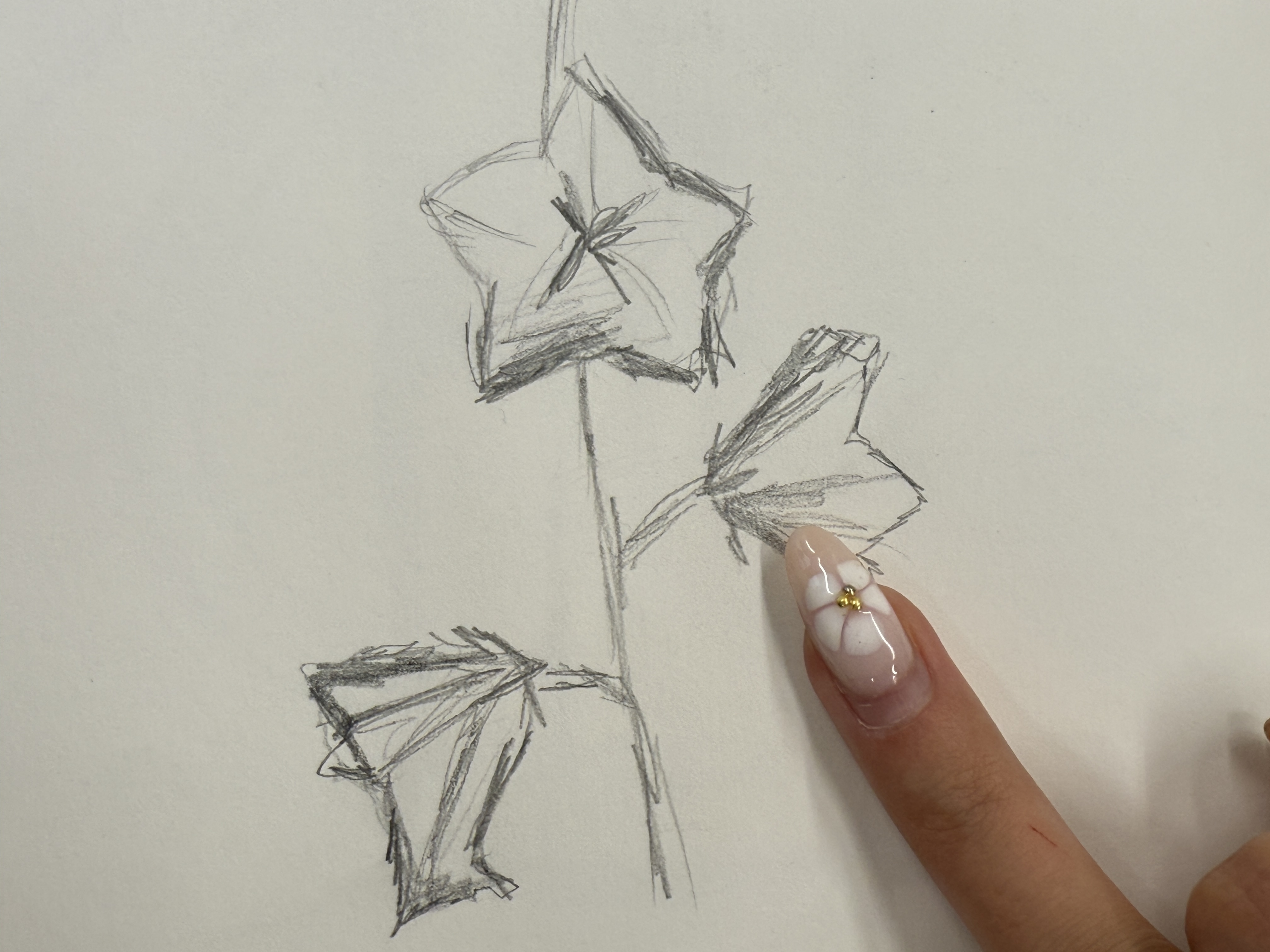
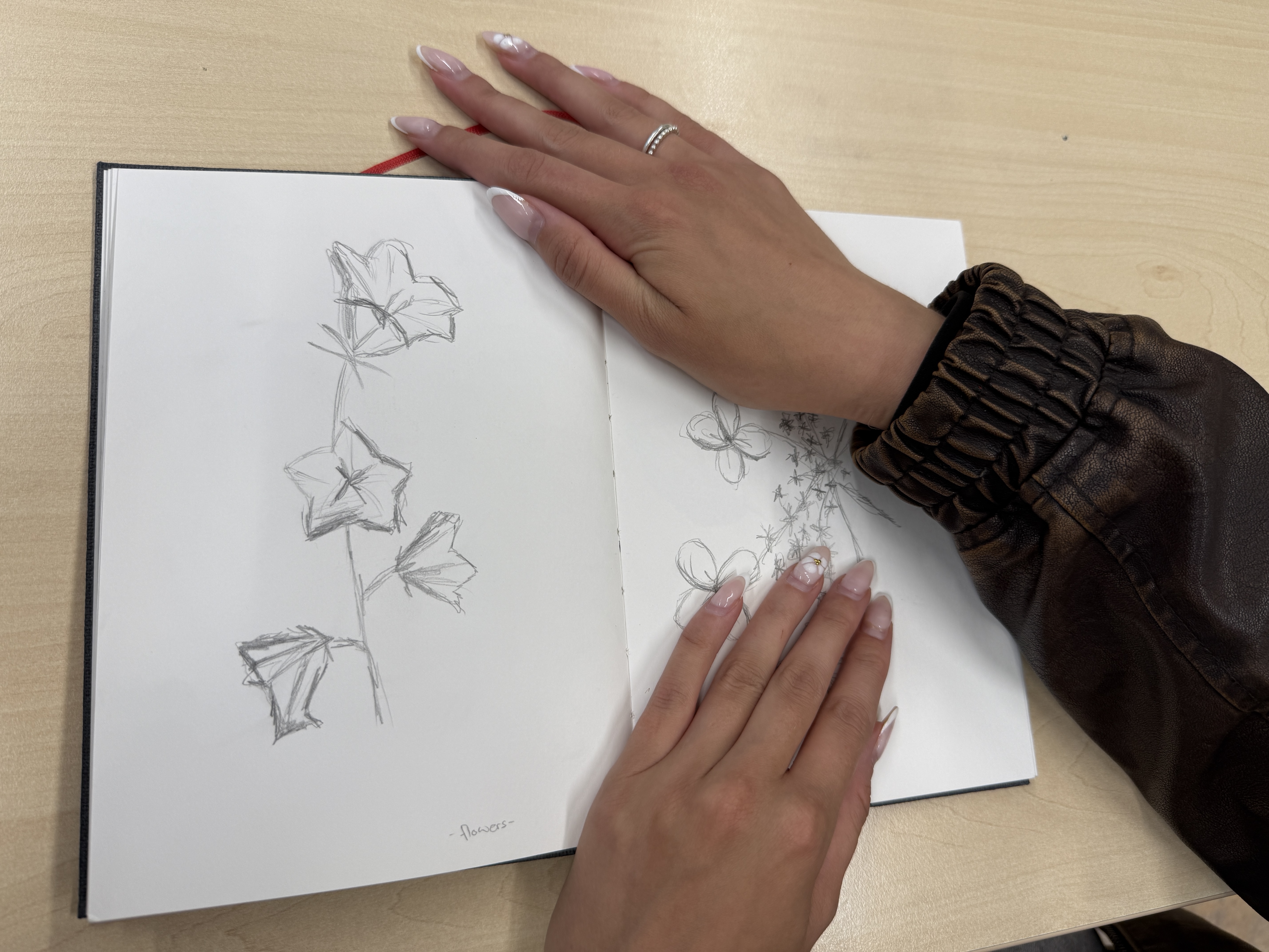
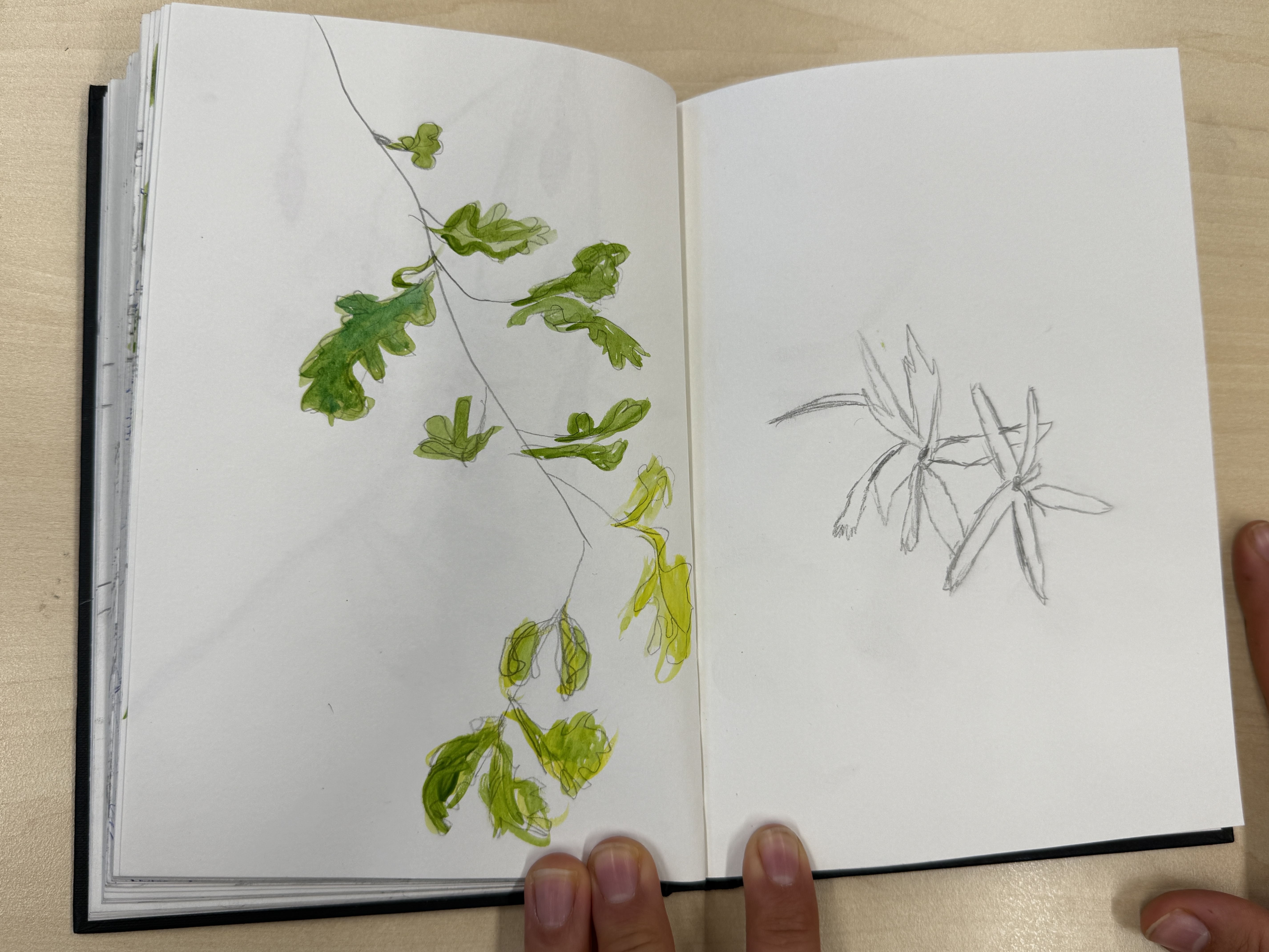
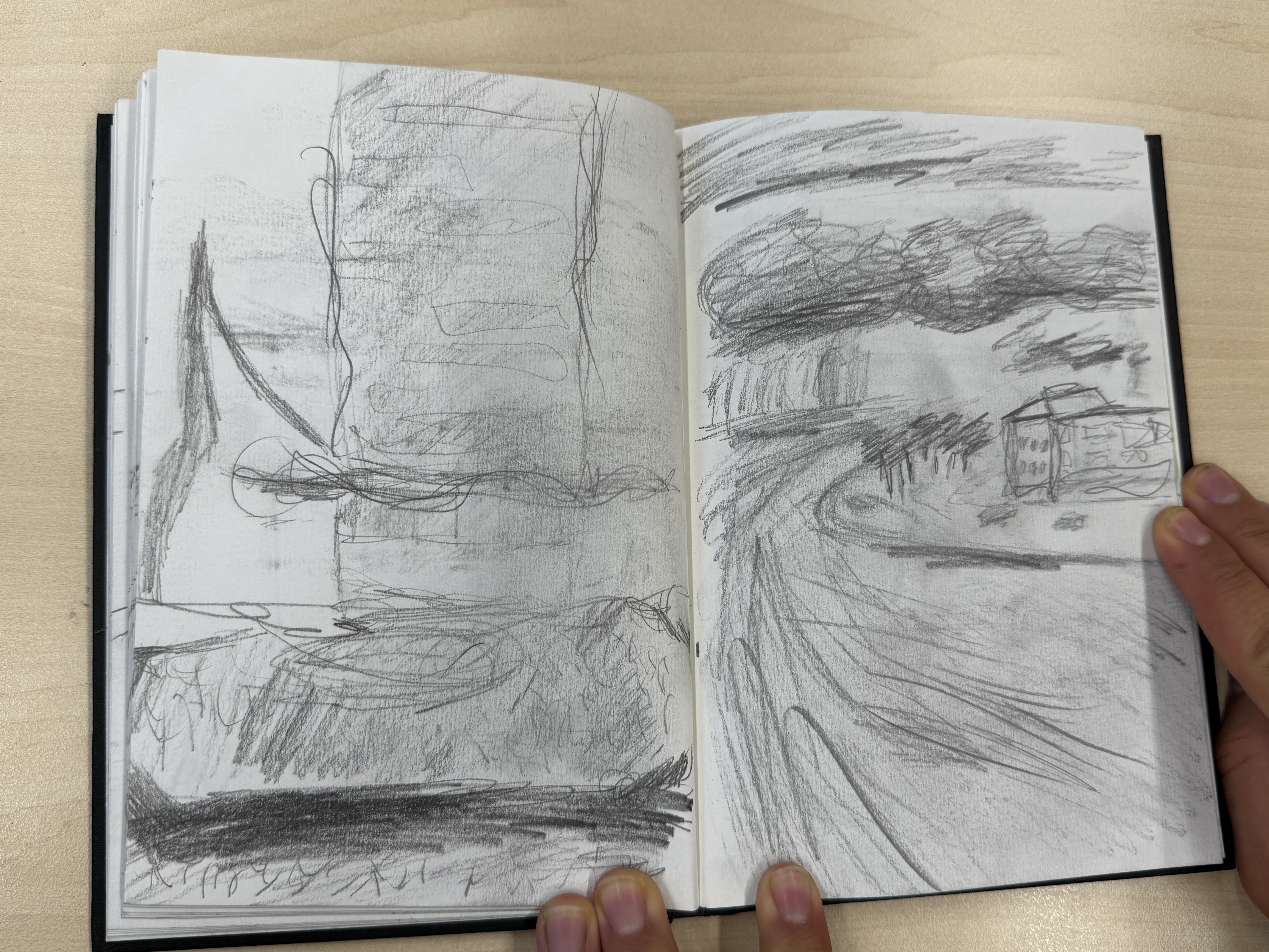
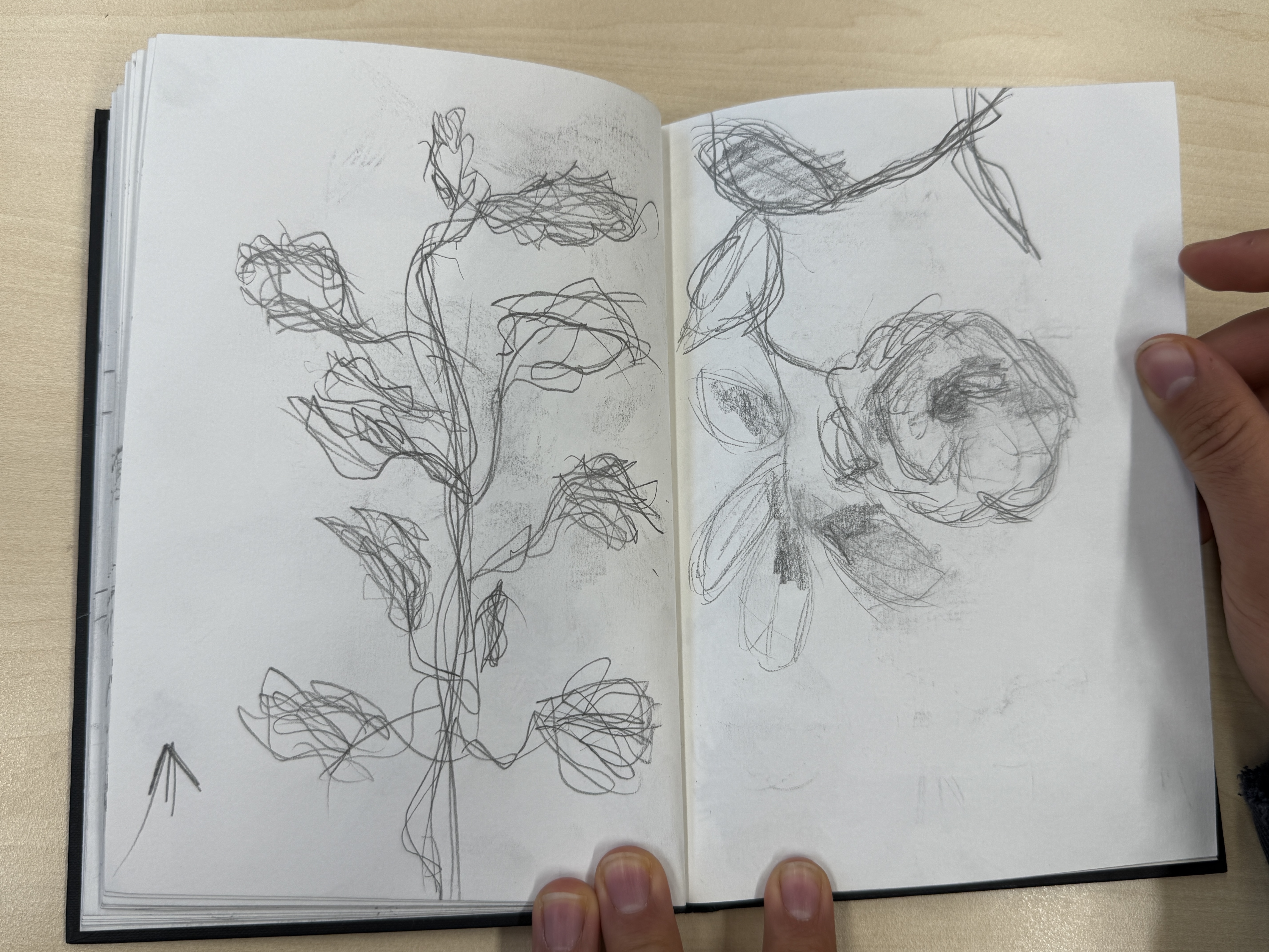
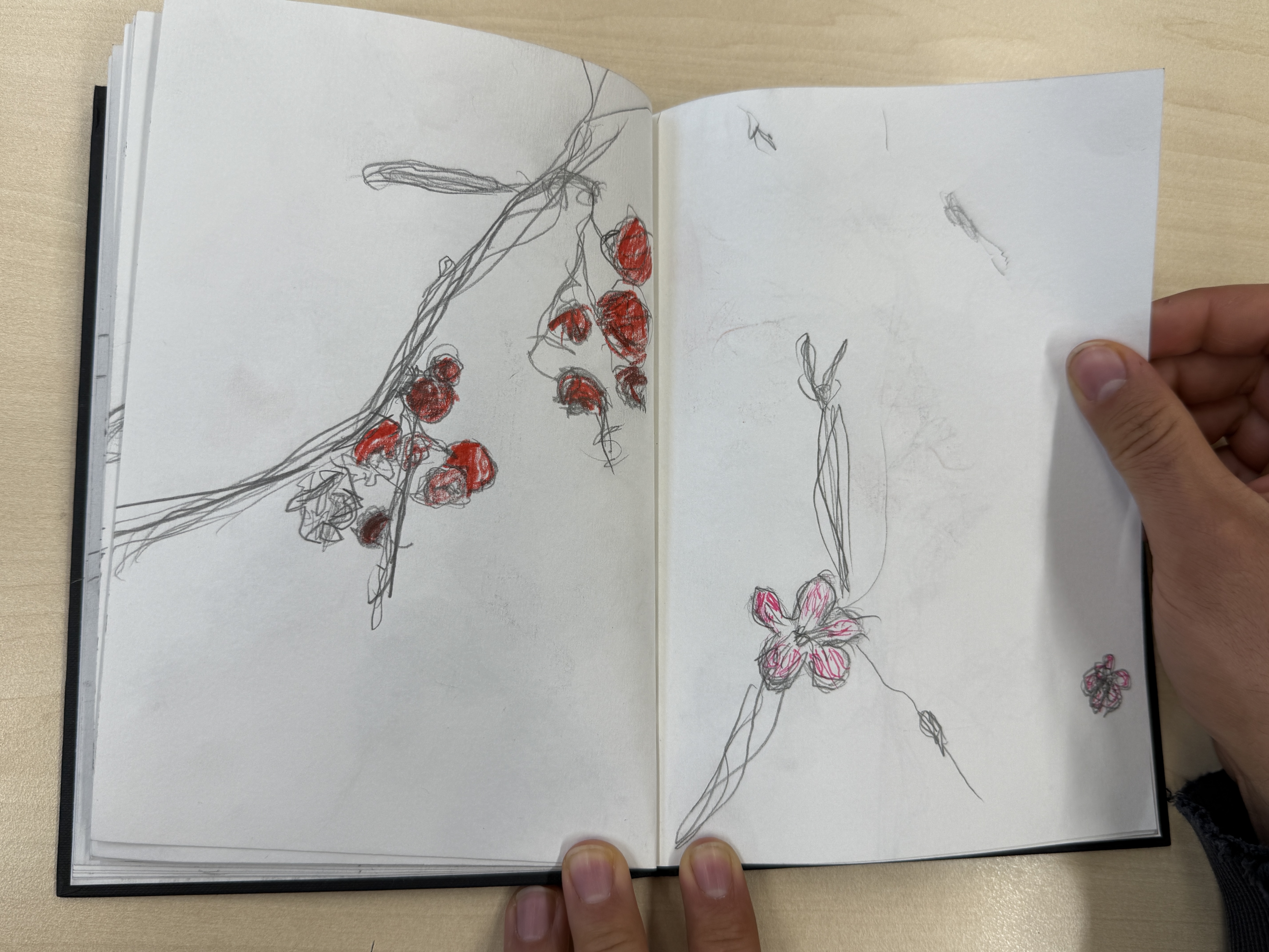
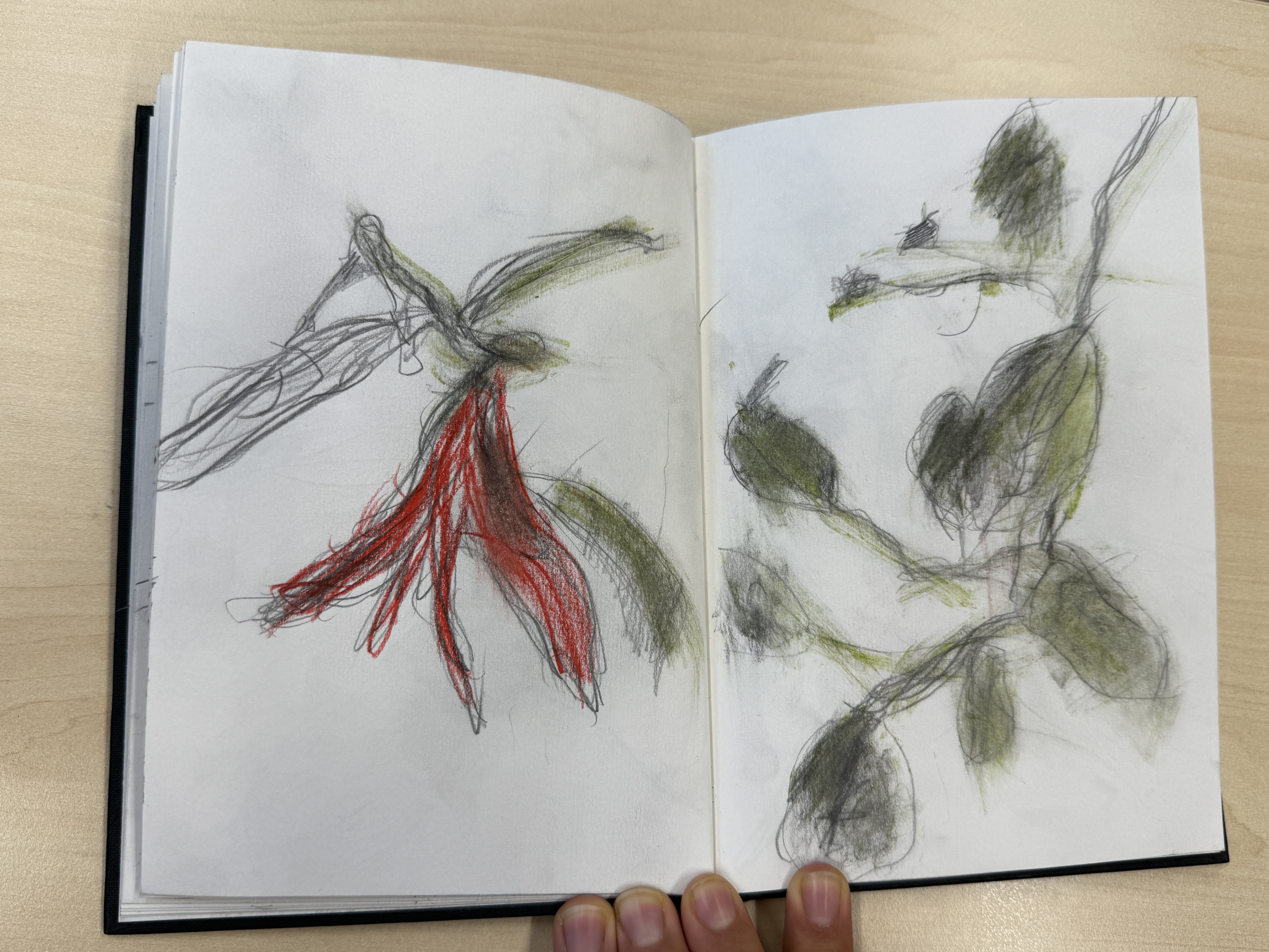
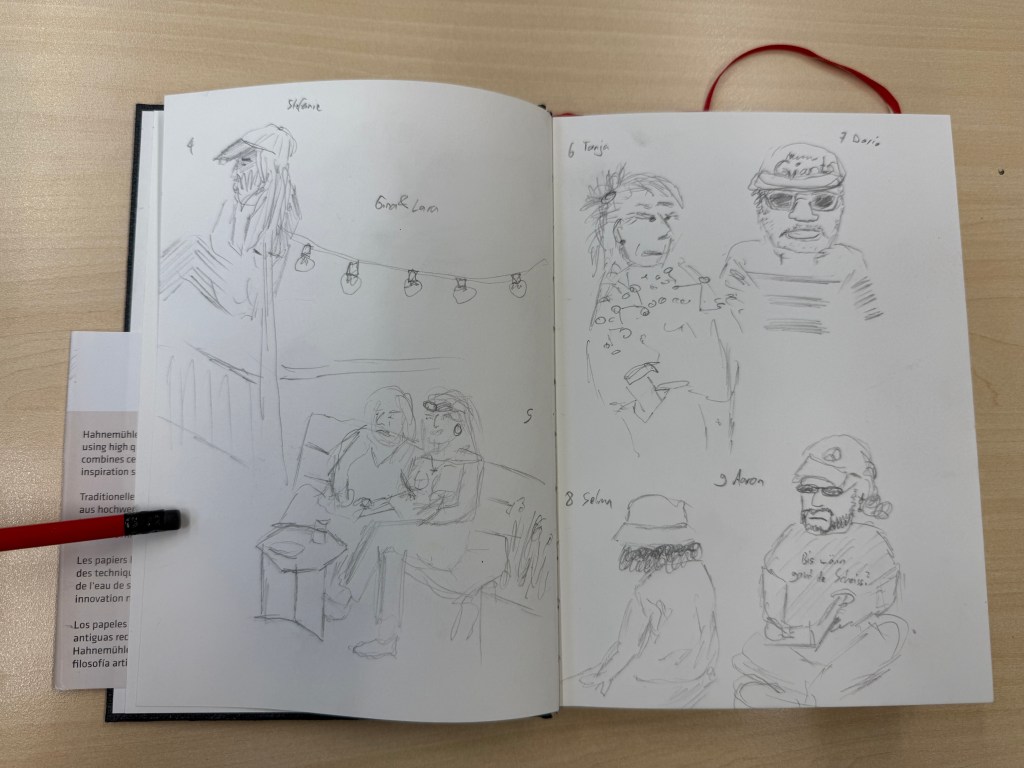
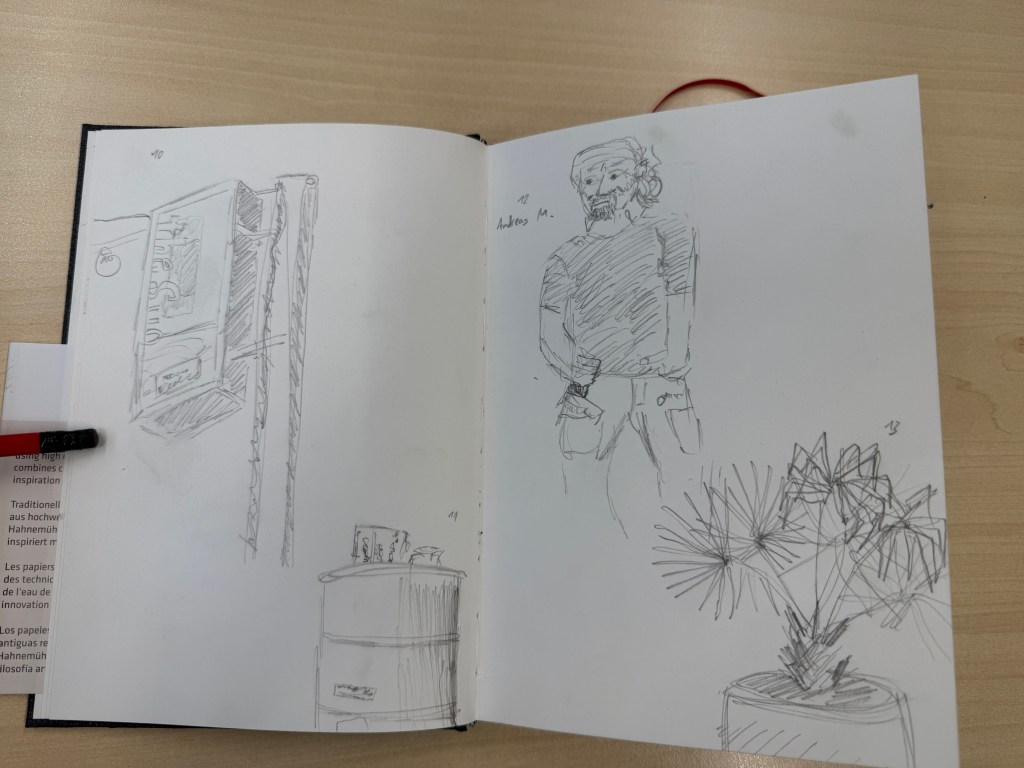
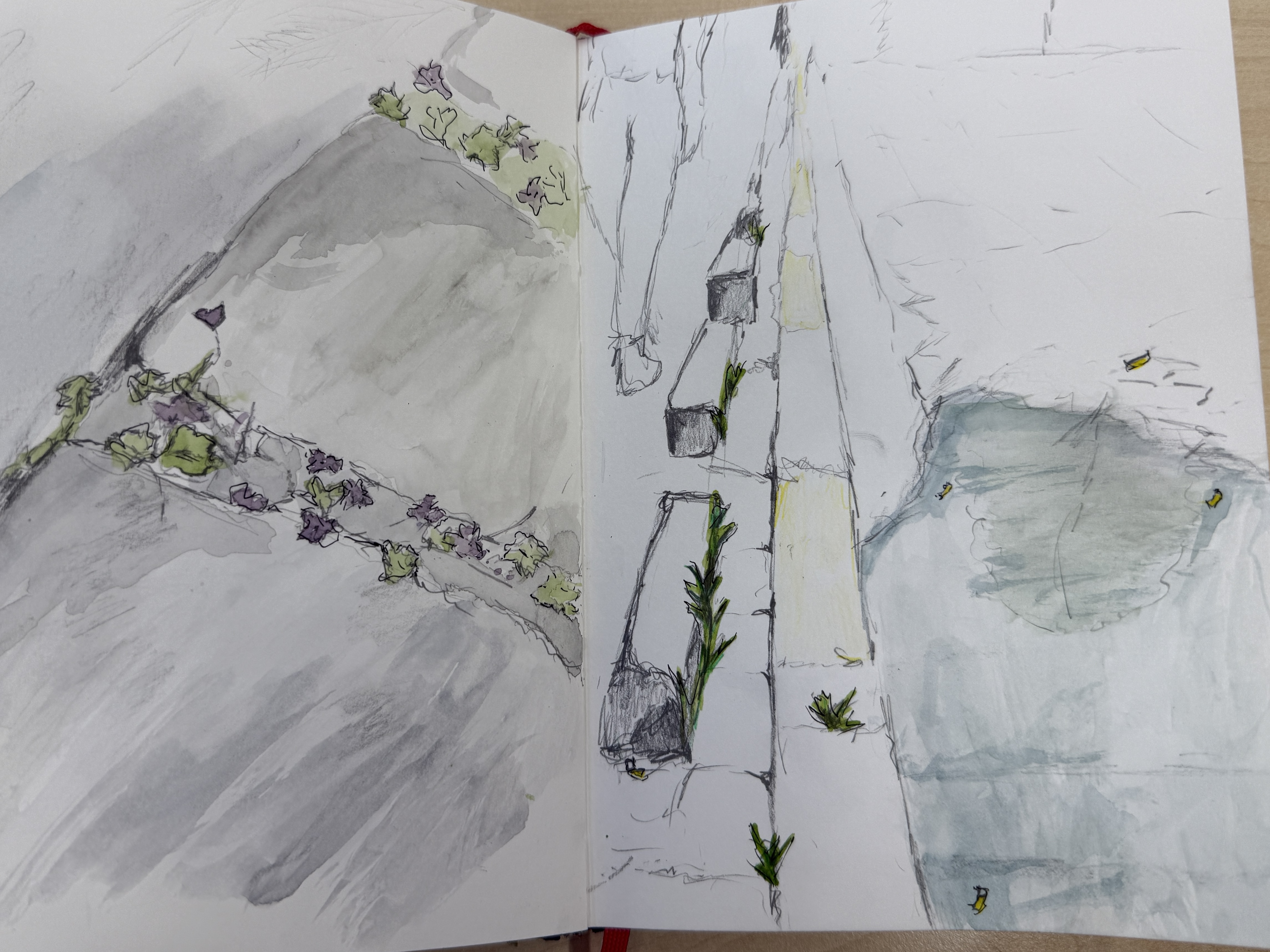
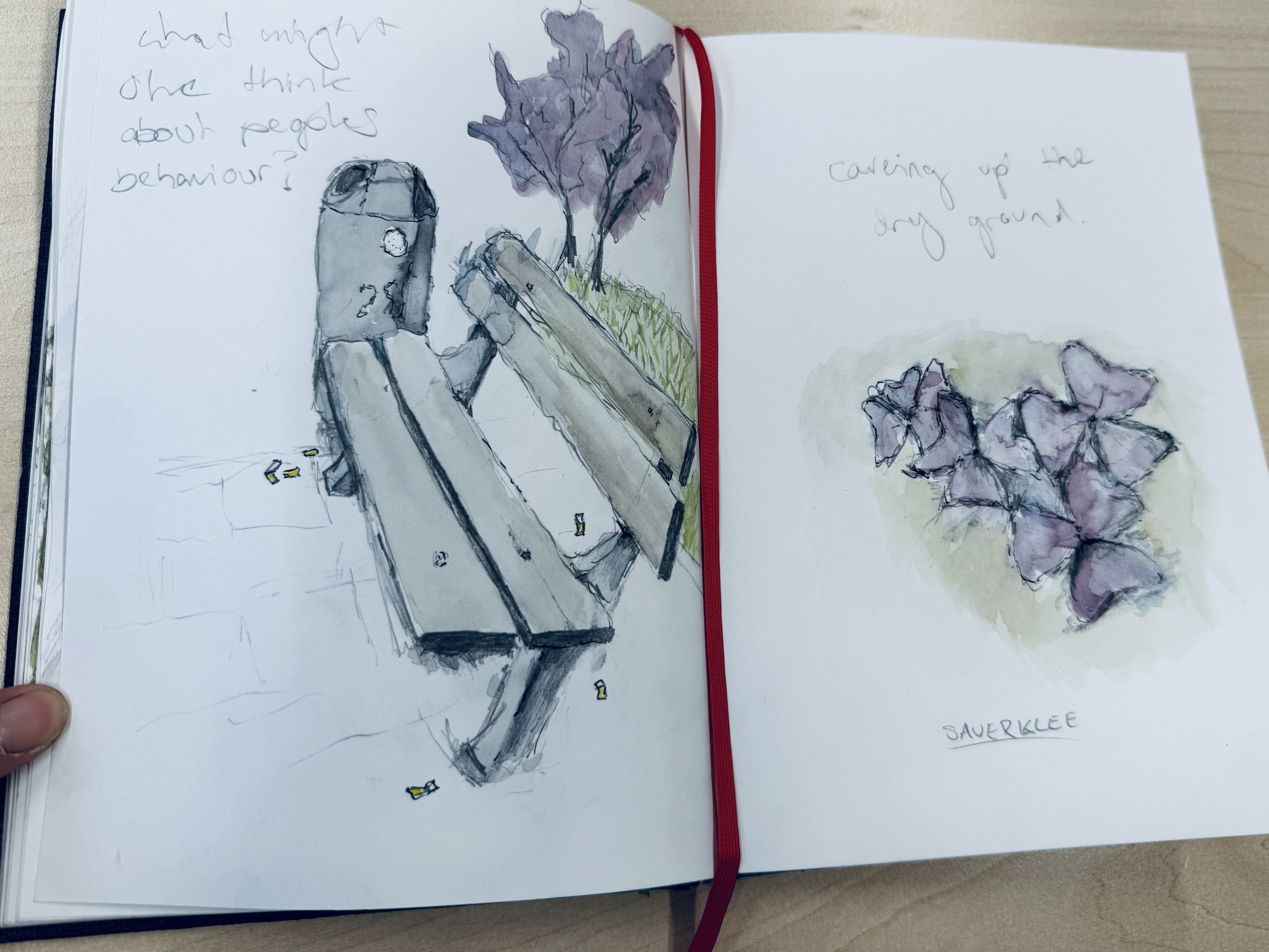
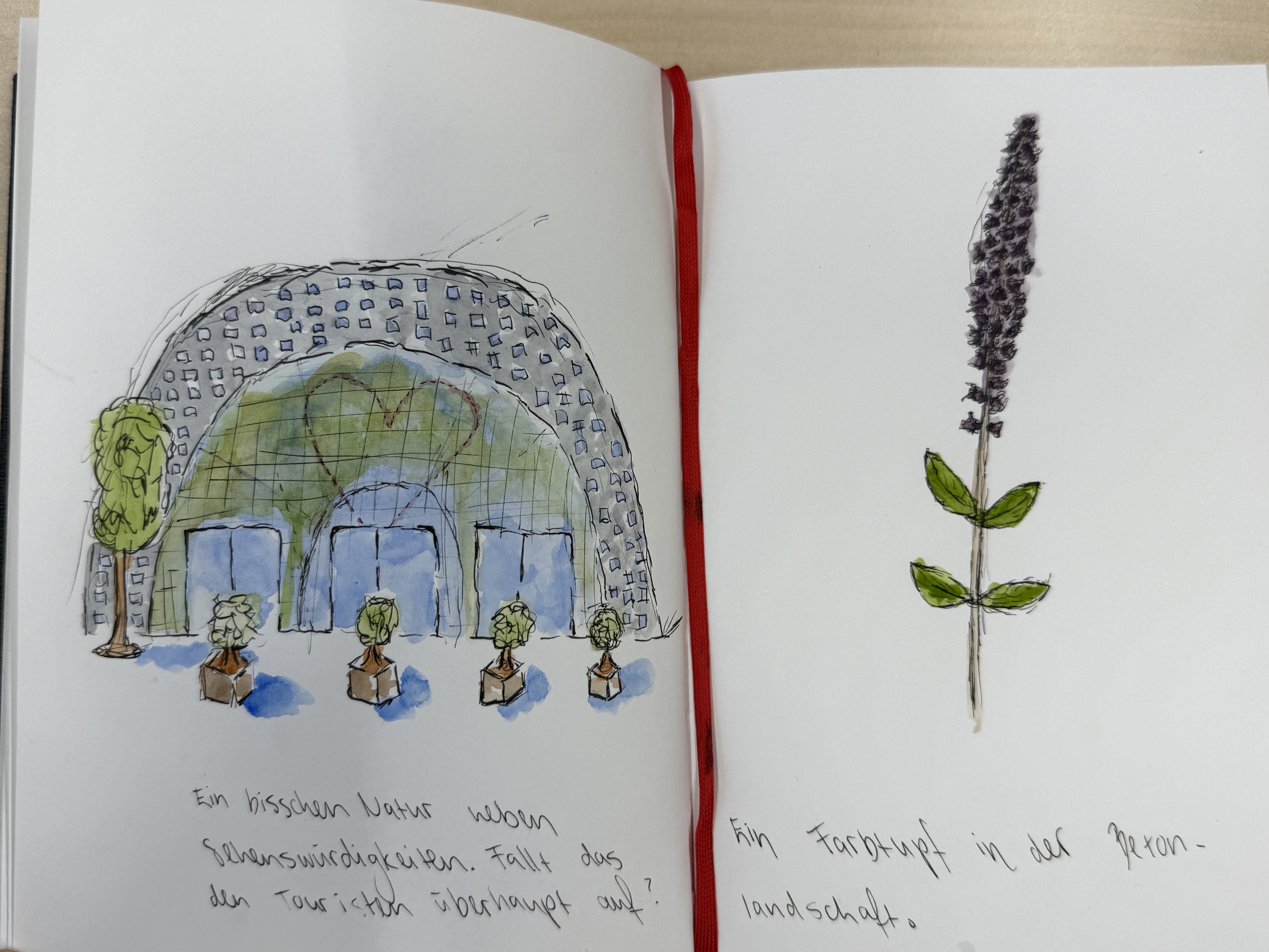
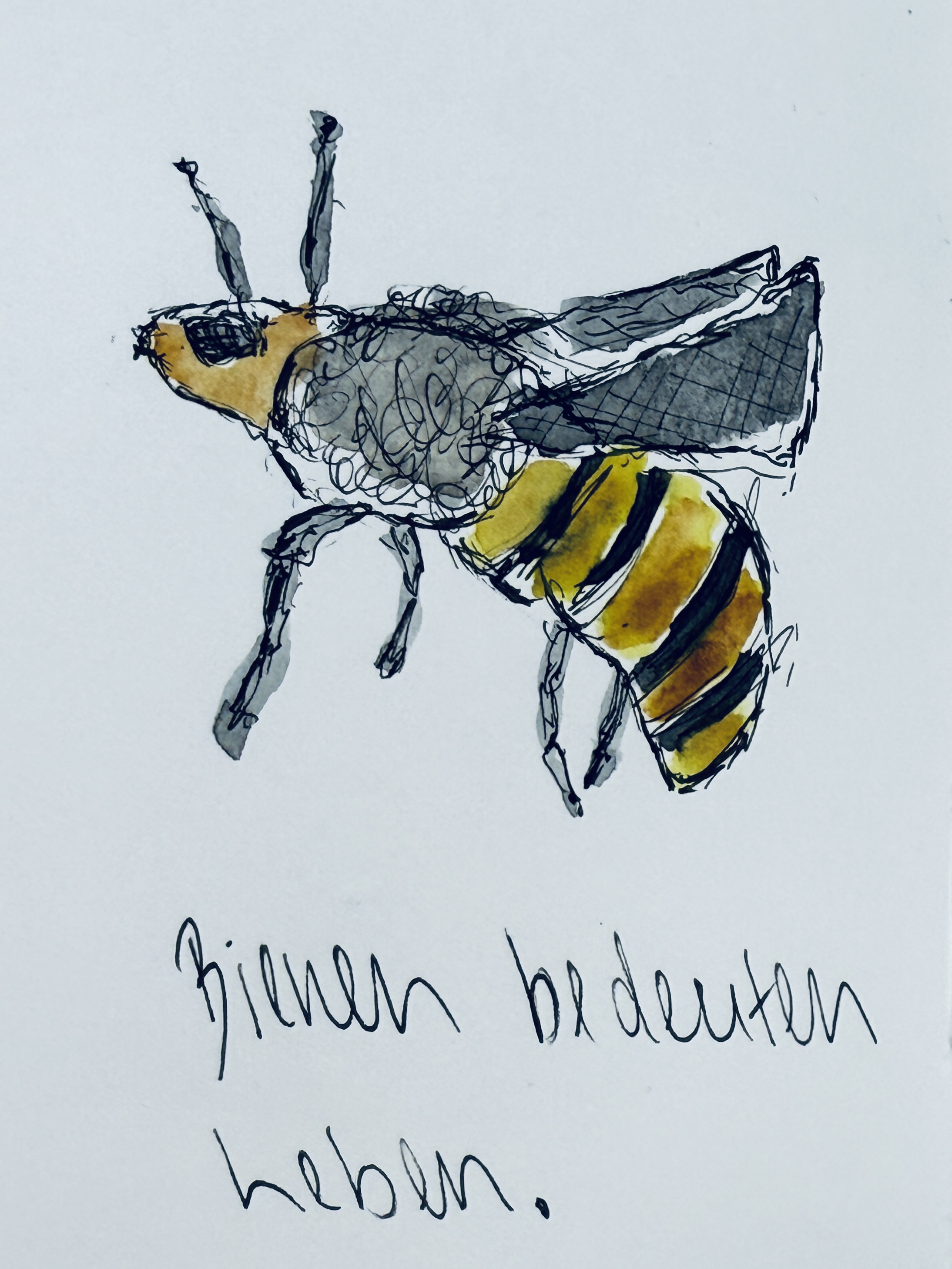
Sketchbooks, short films, and prints are arranged for the evening exhibition—each page narrating a chapter in the city’s evolving story.
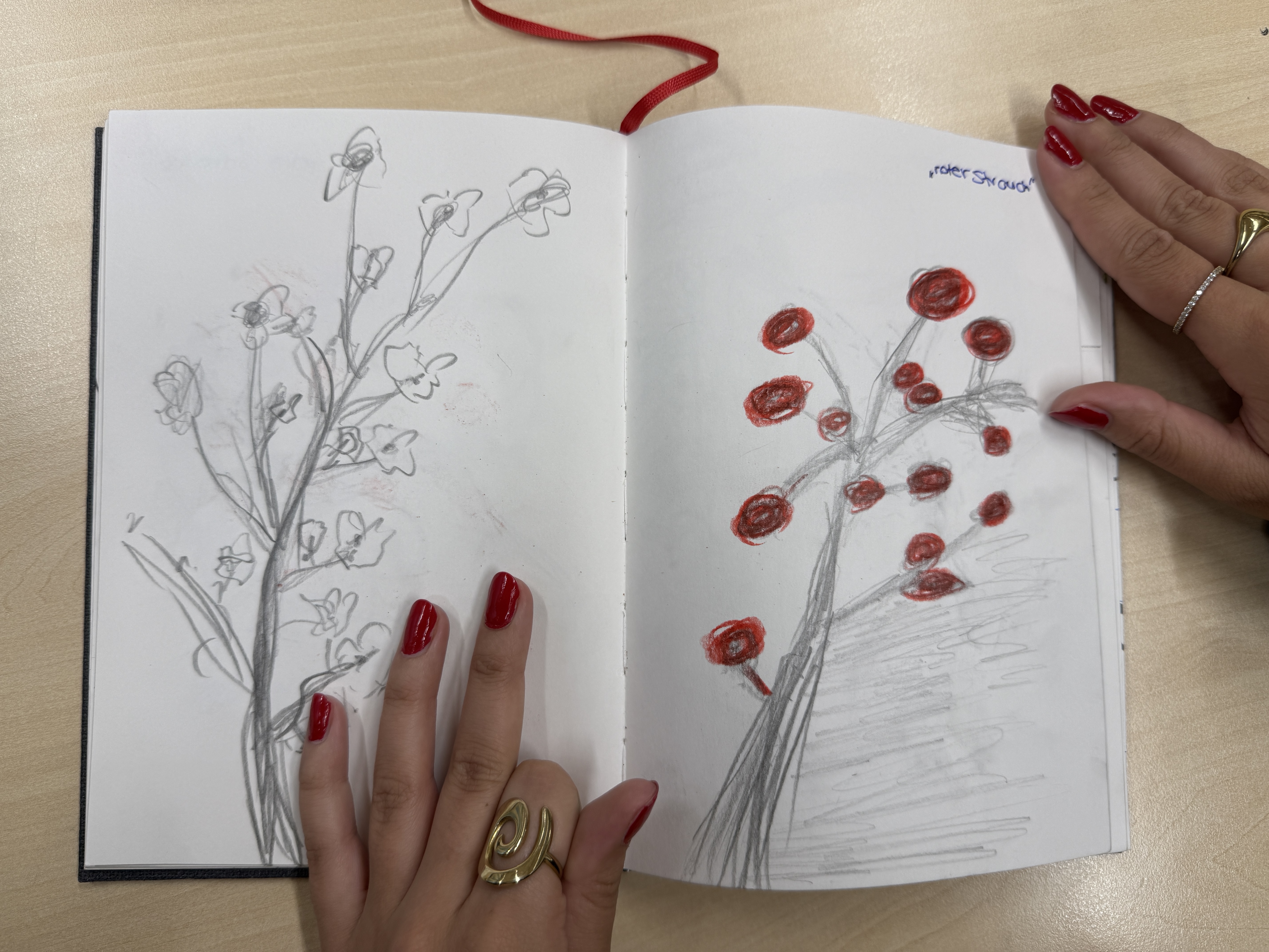
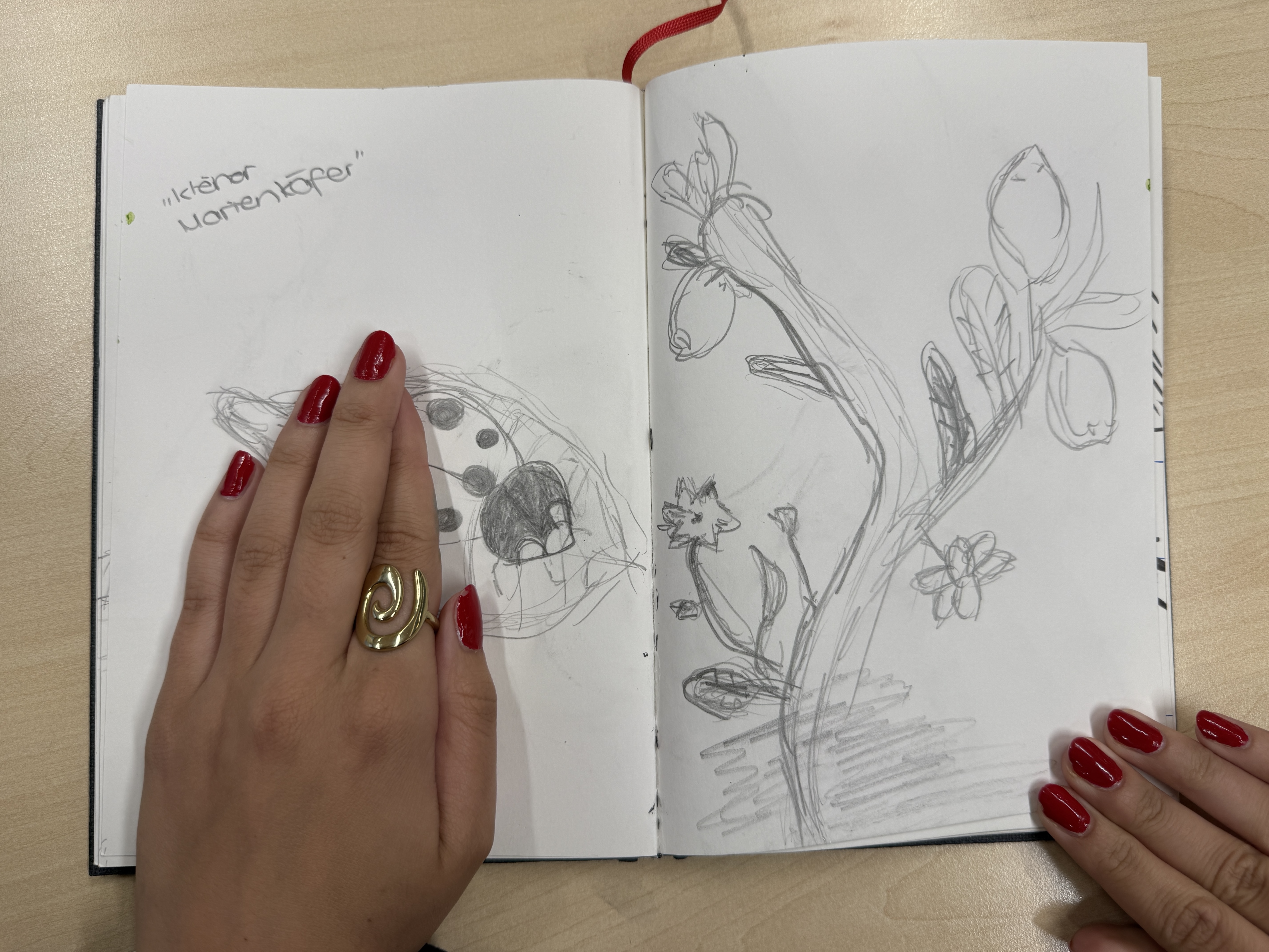
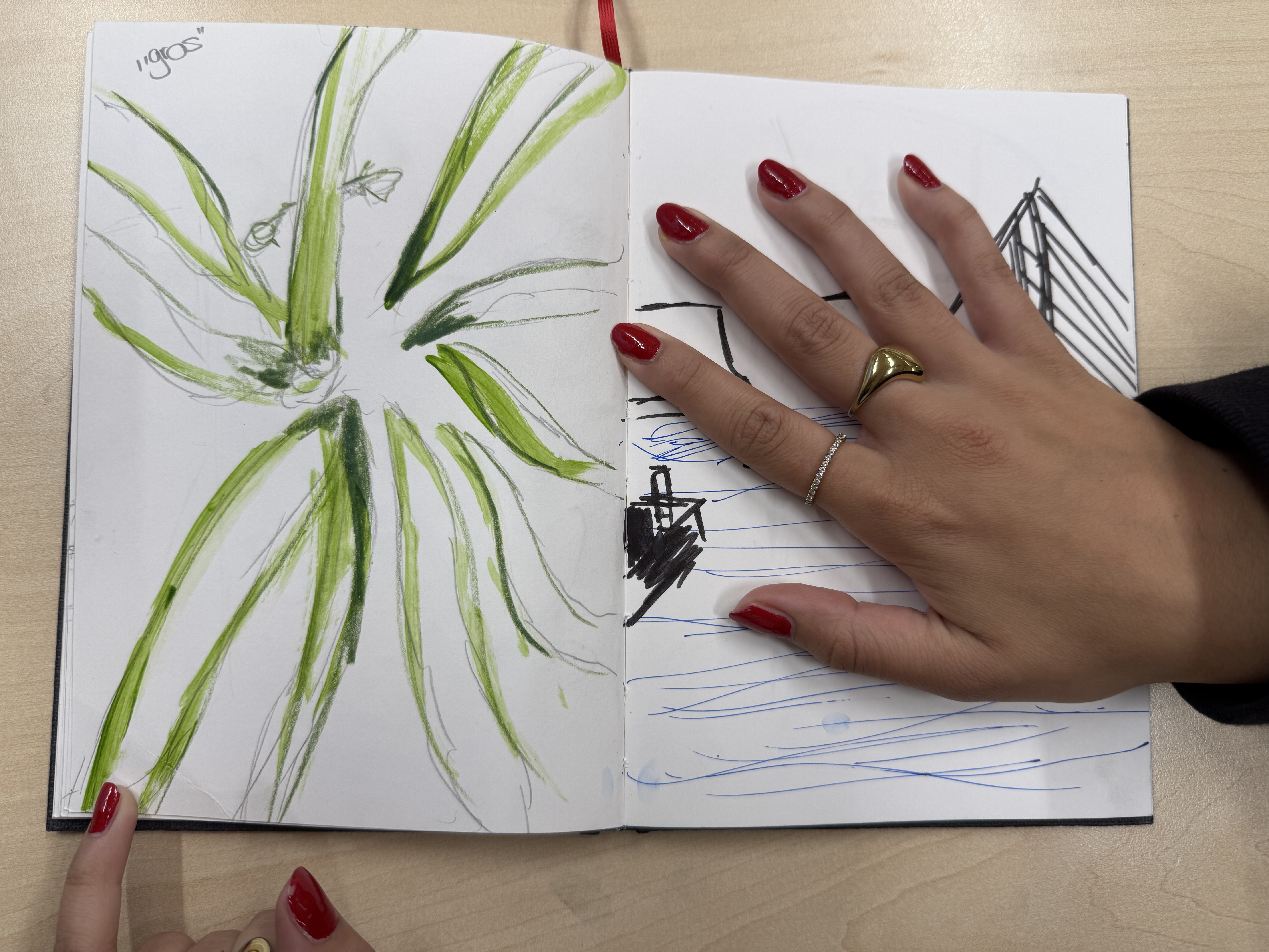
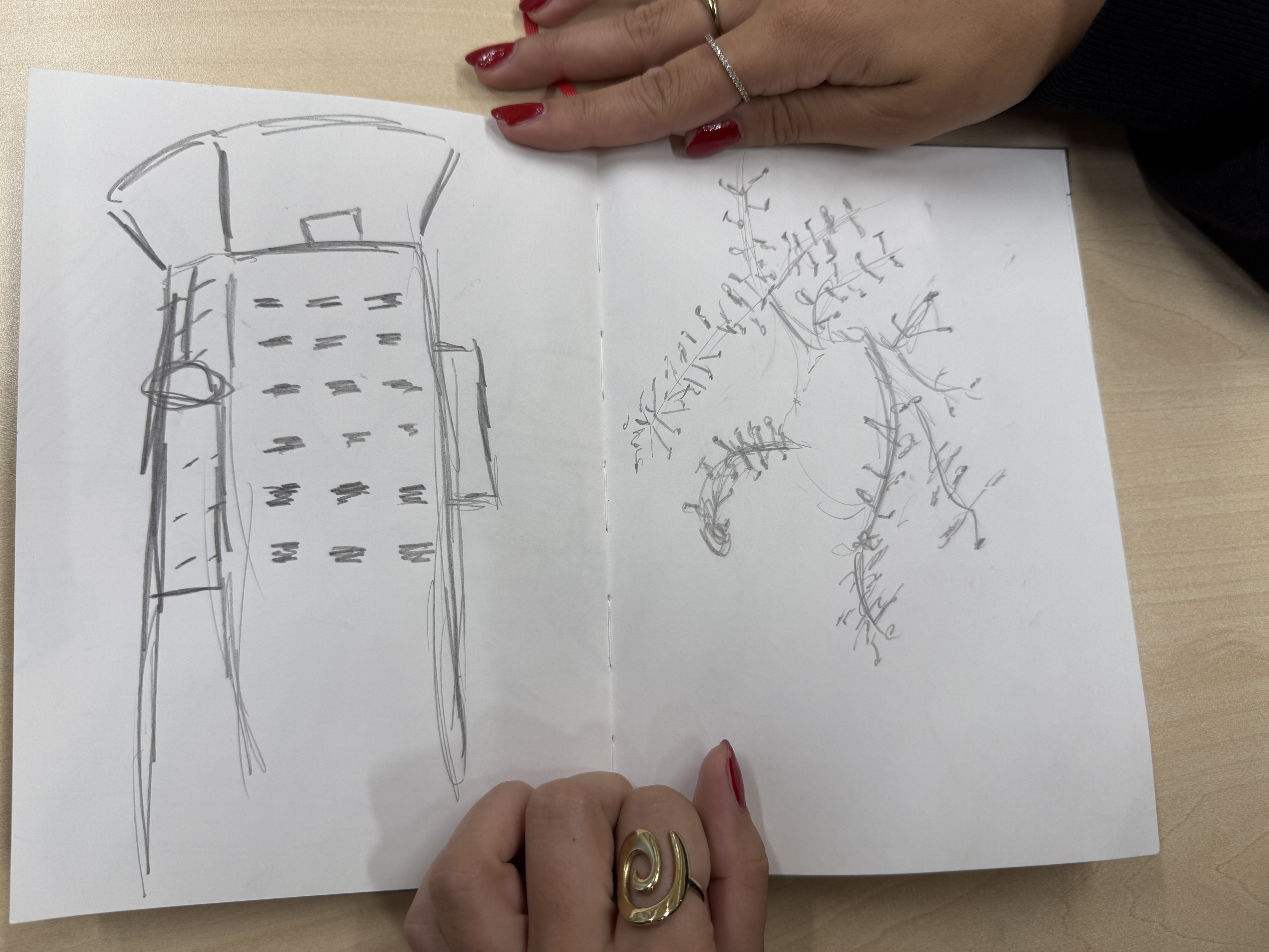
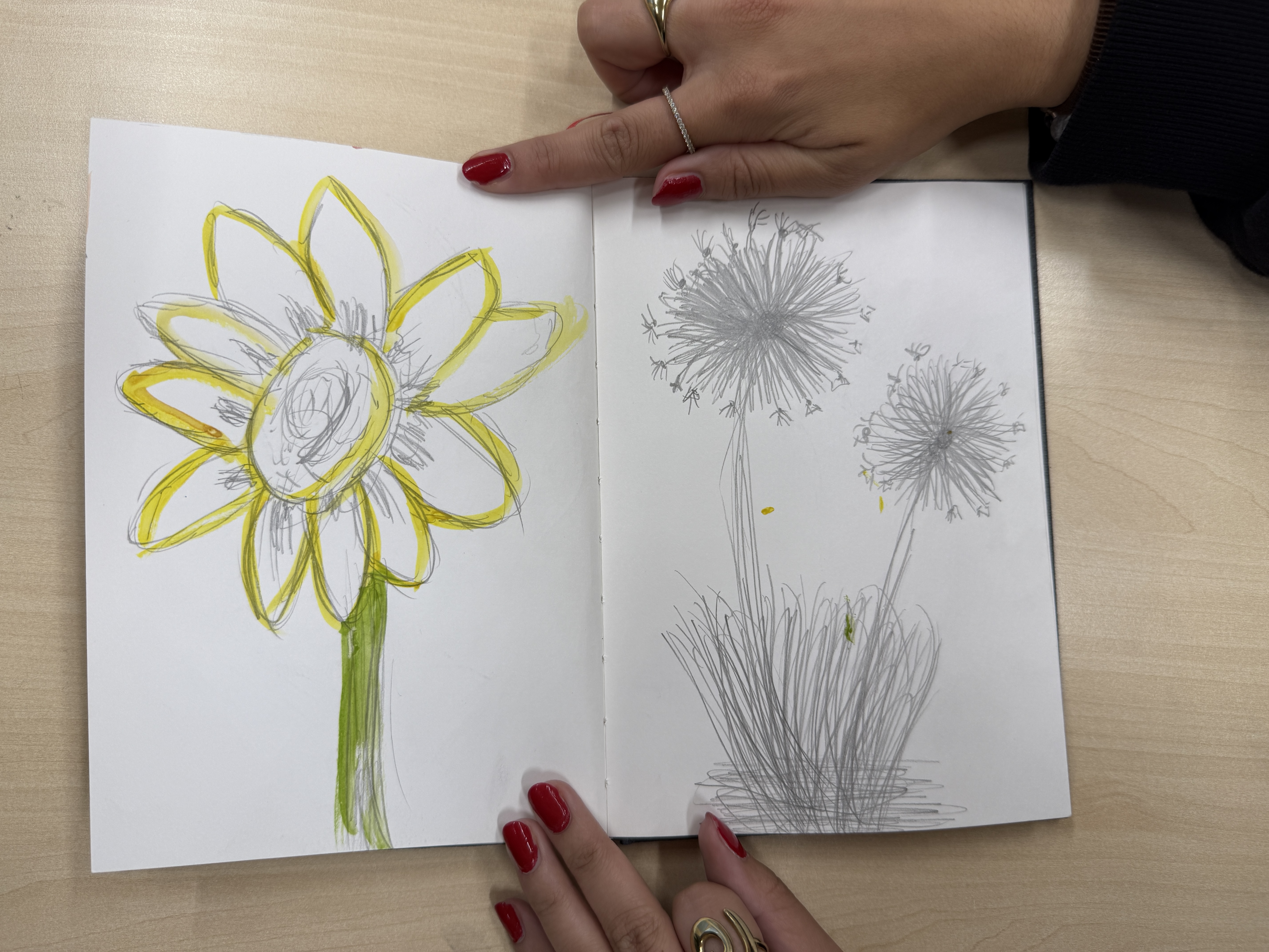
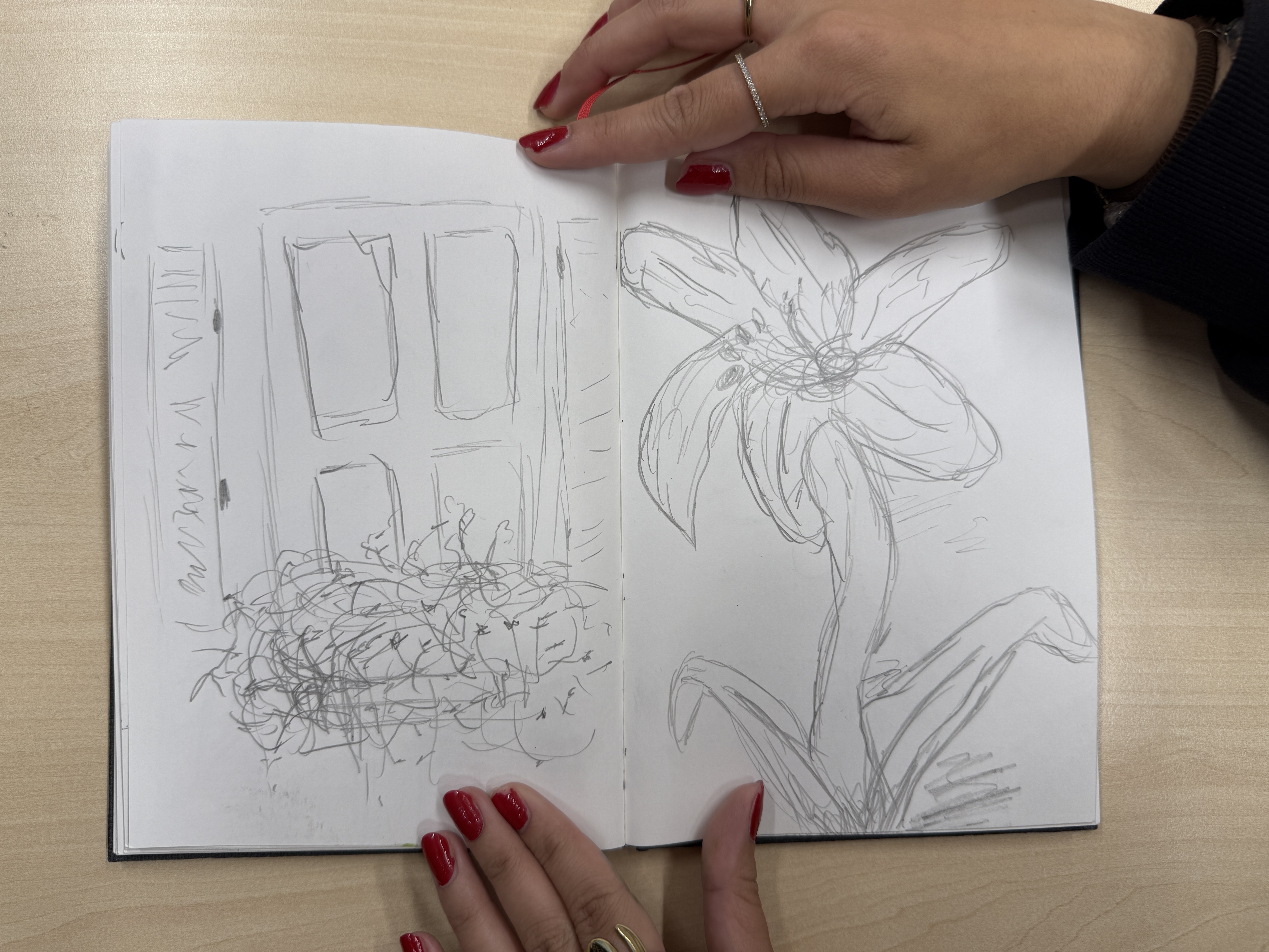
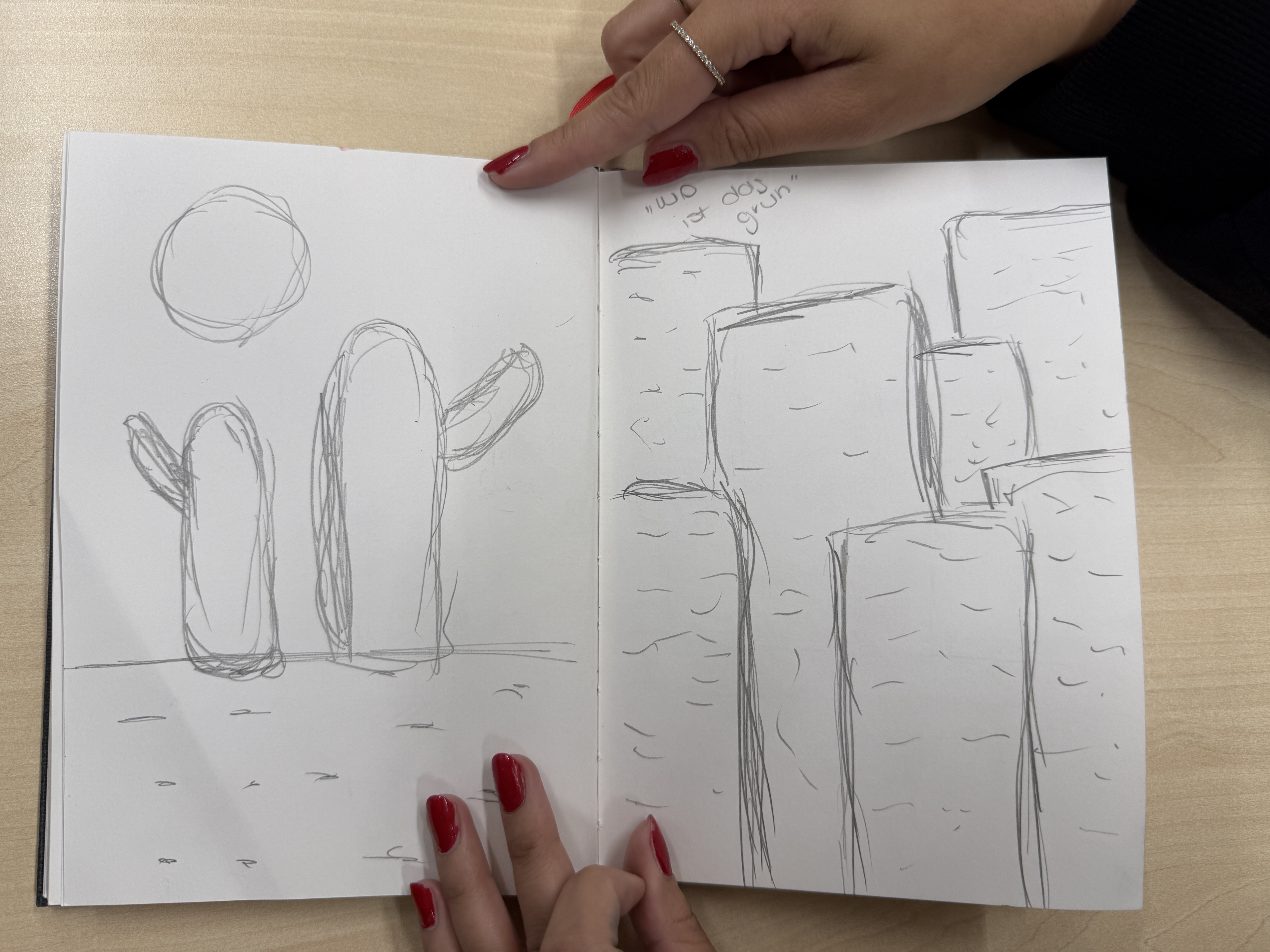
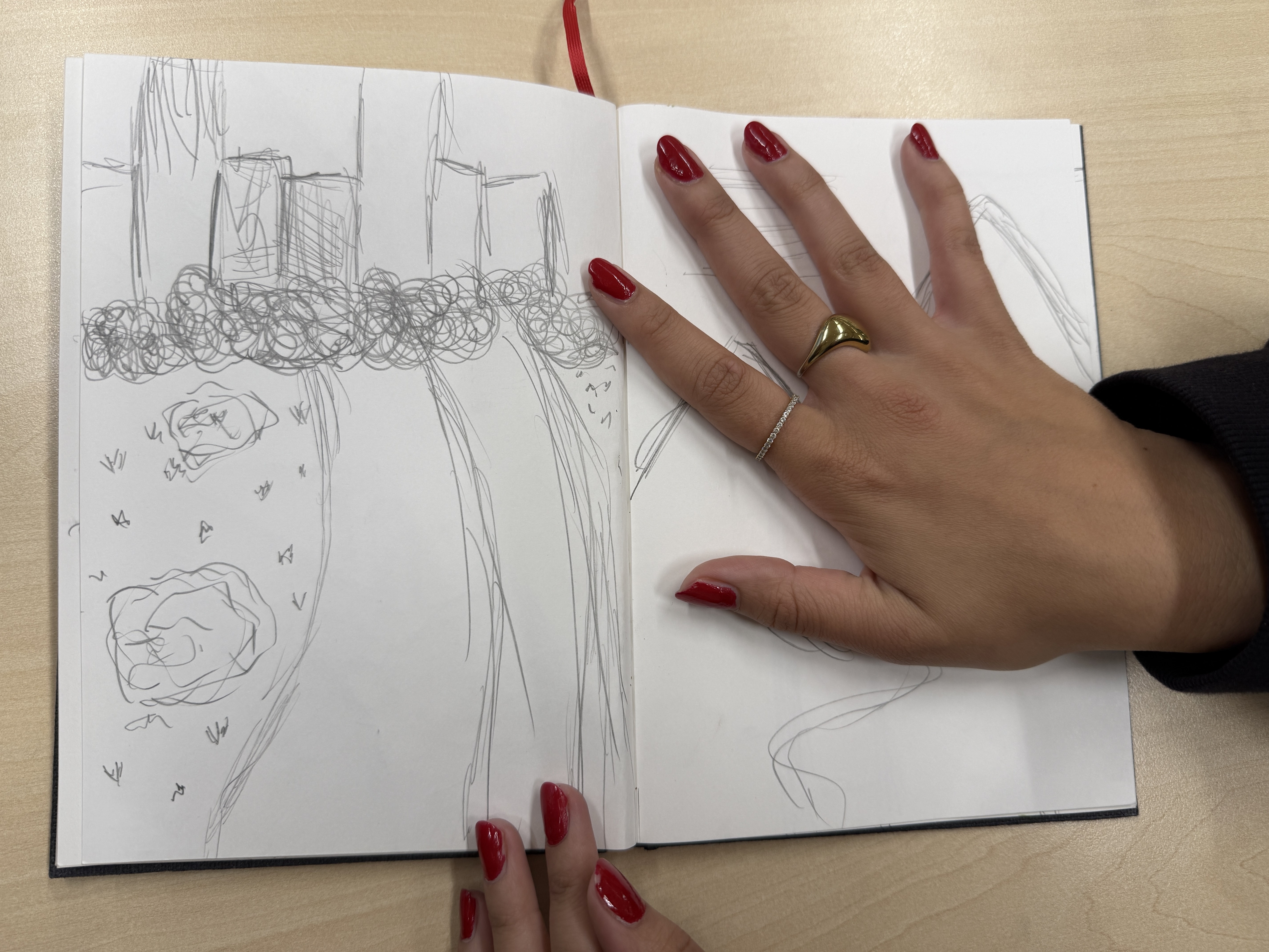
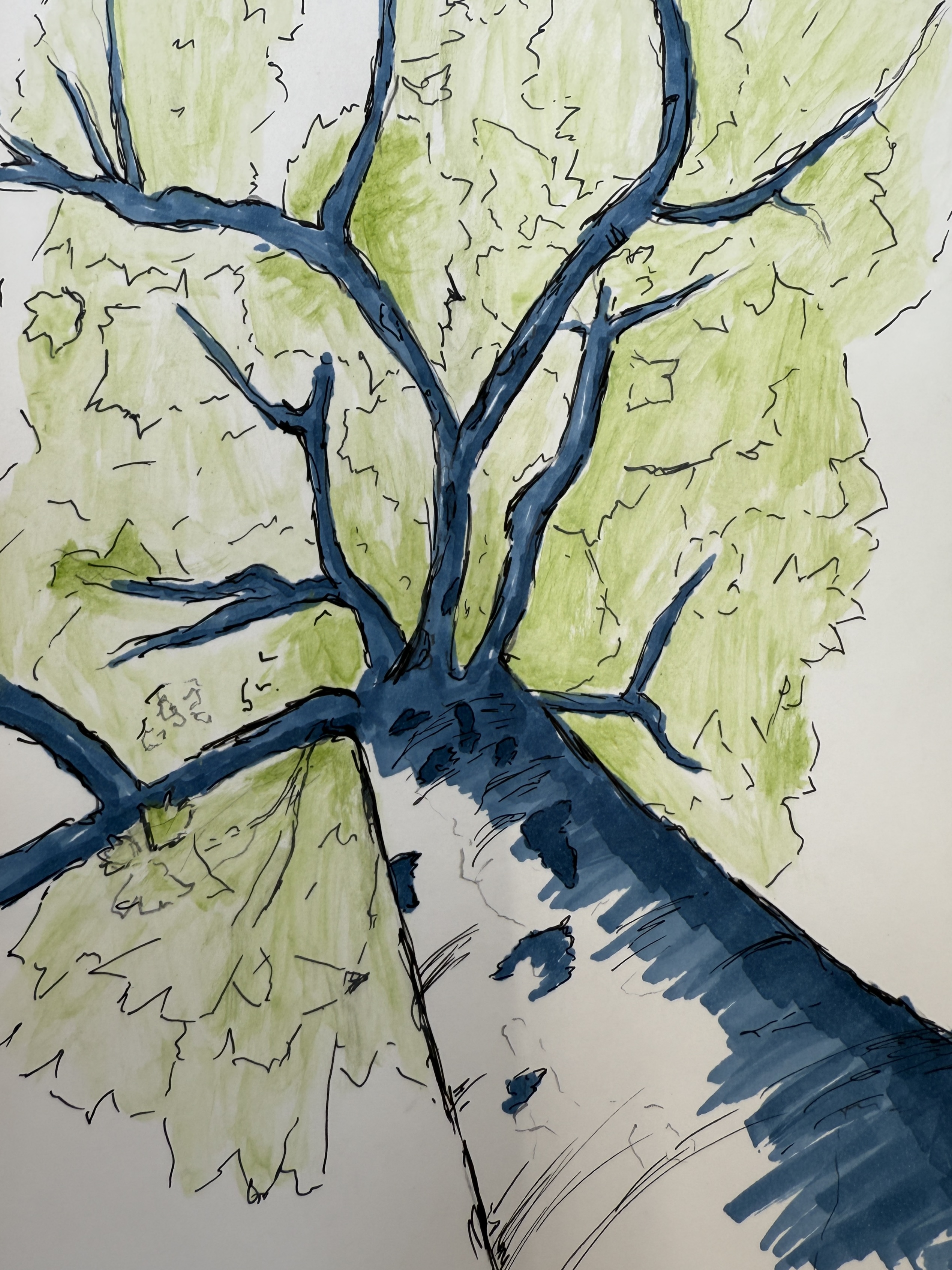
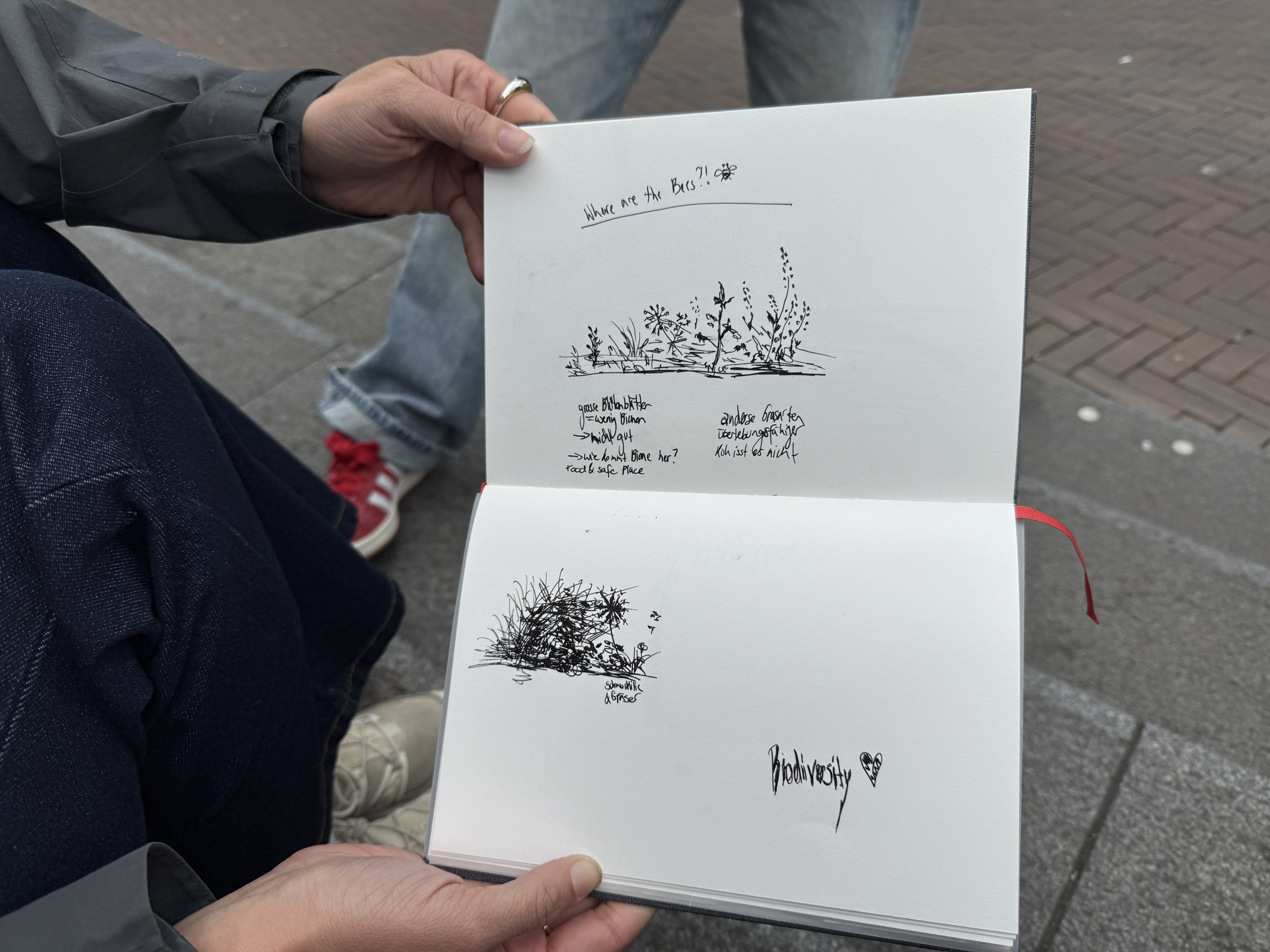
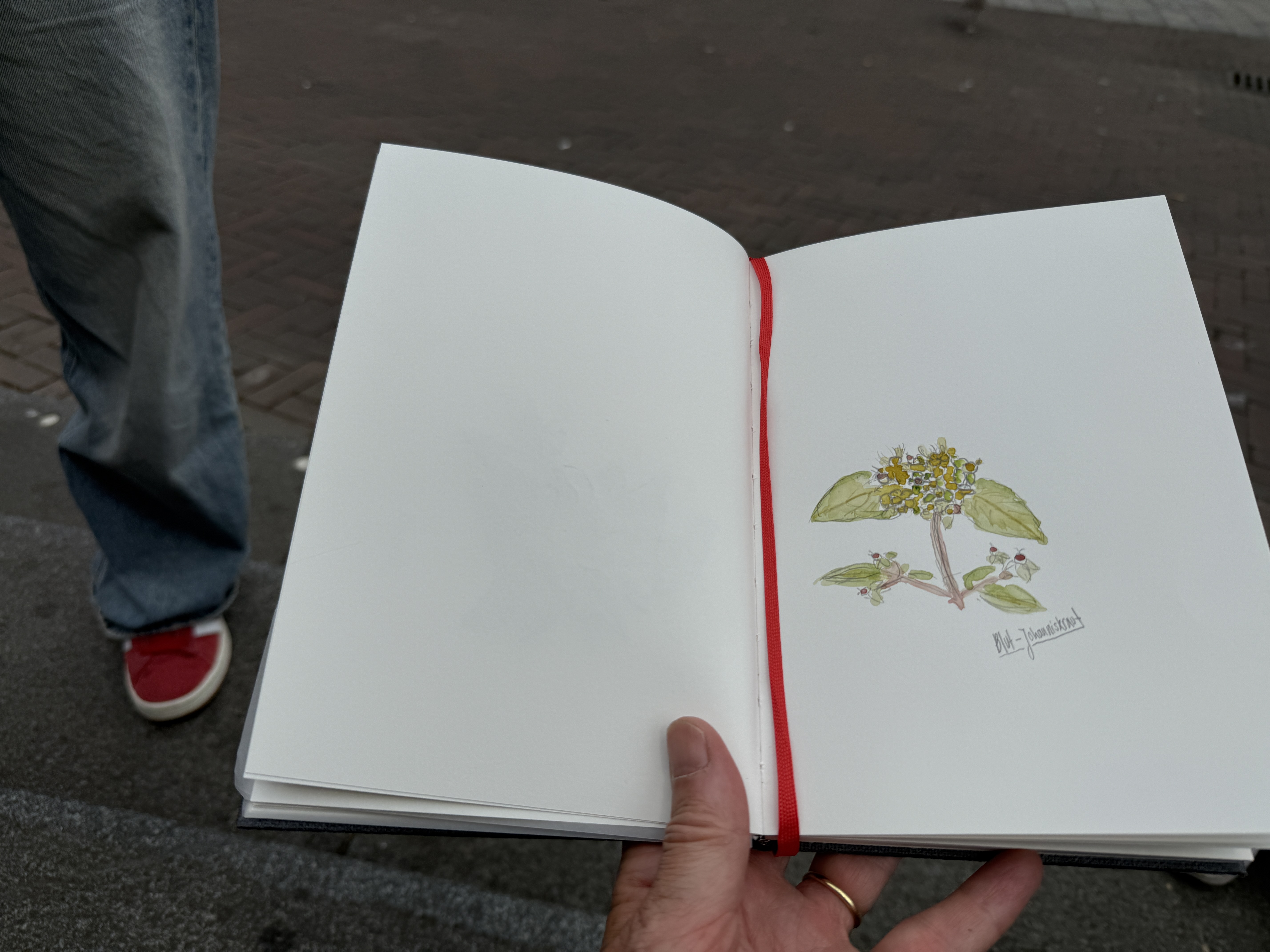
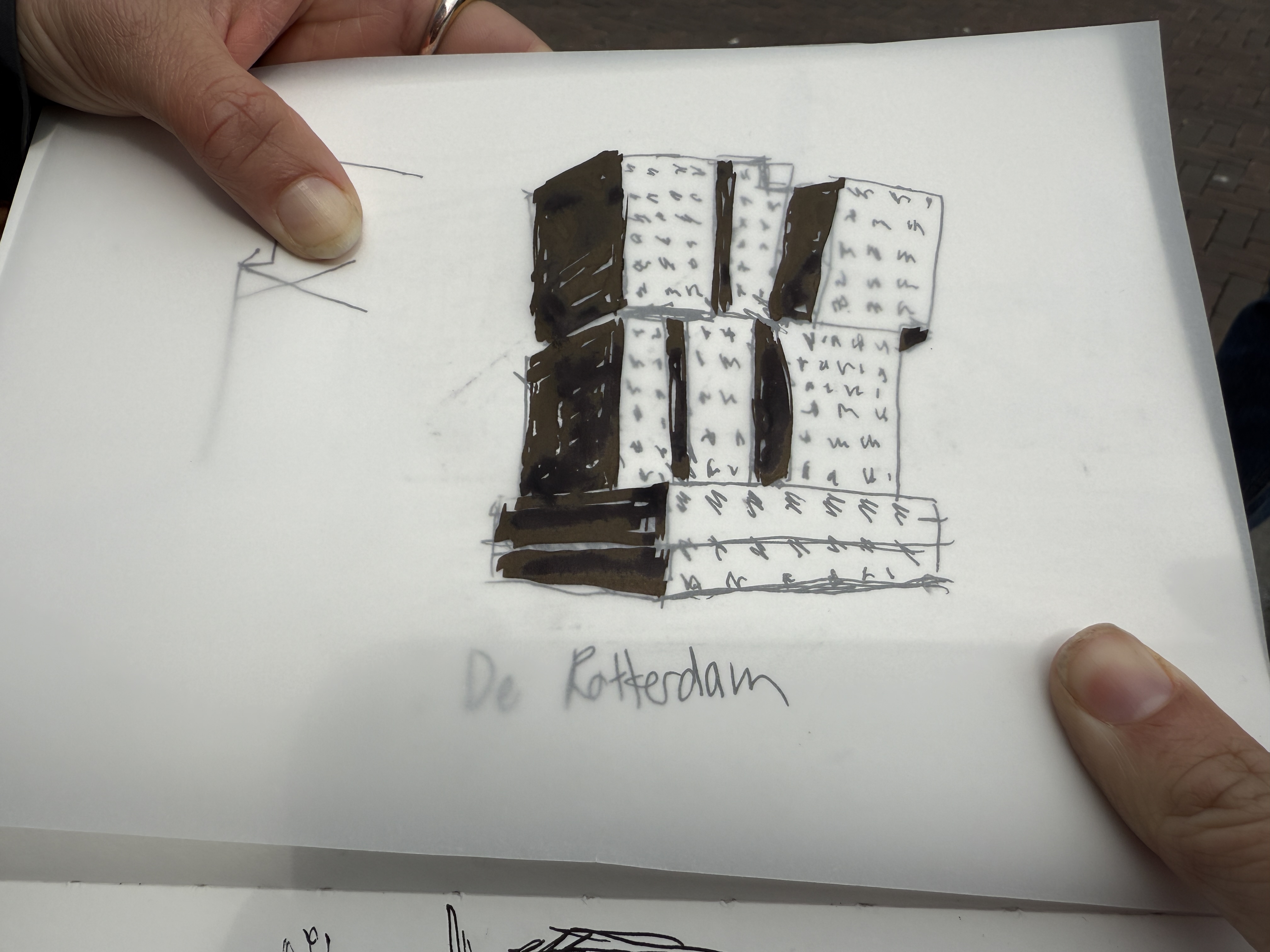

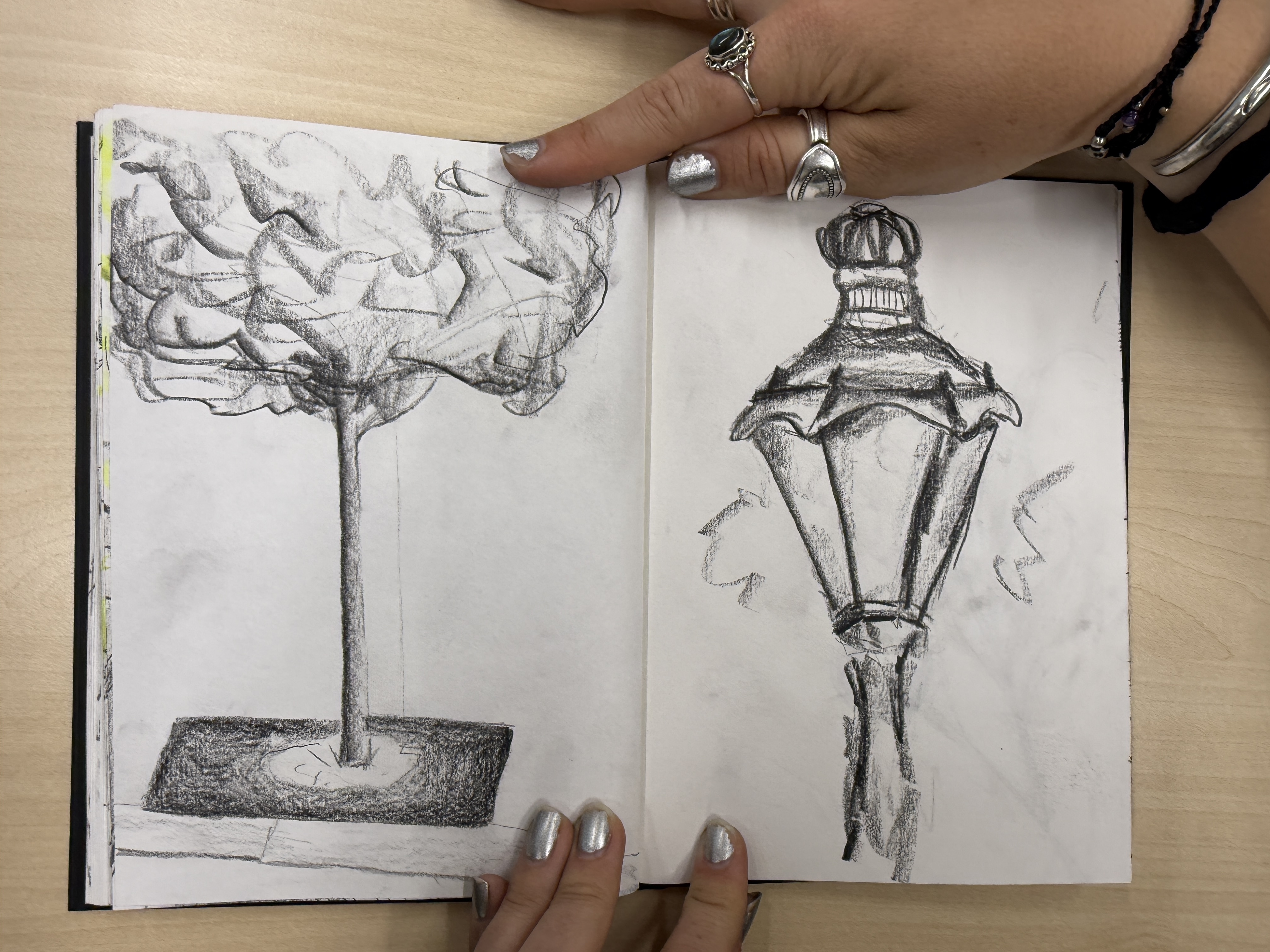
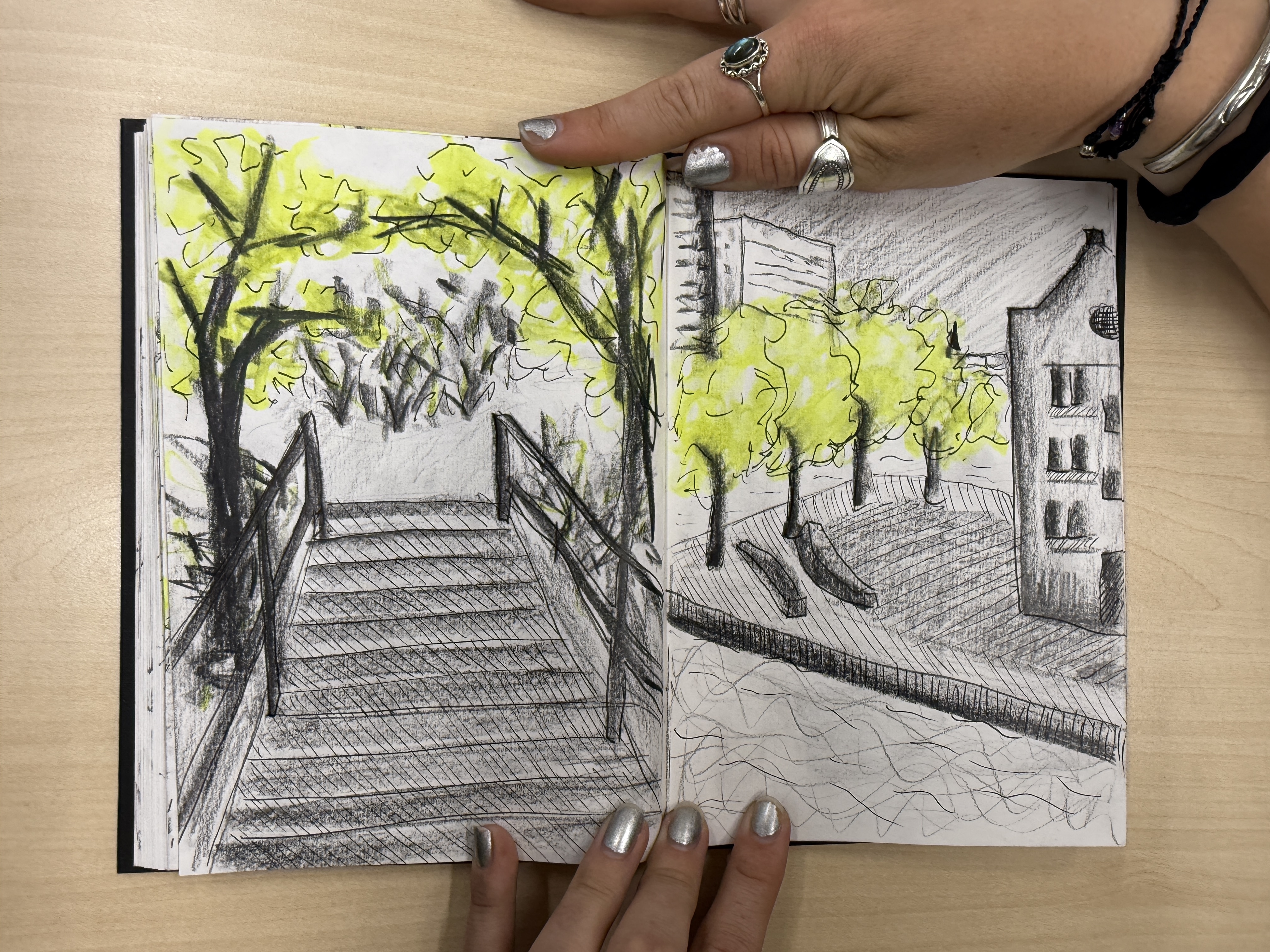
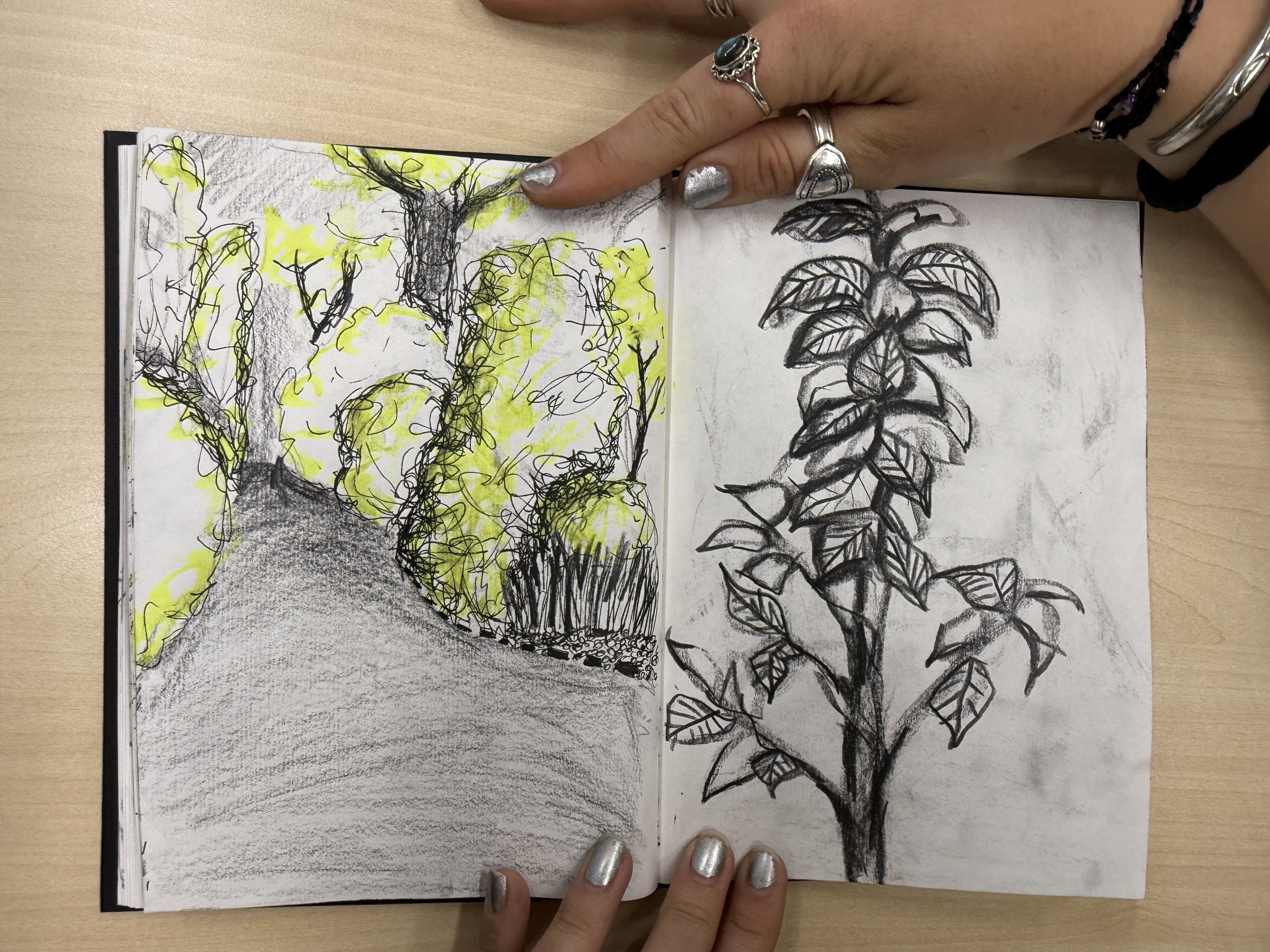
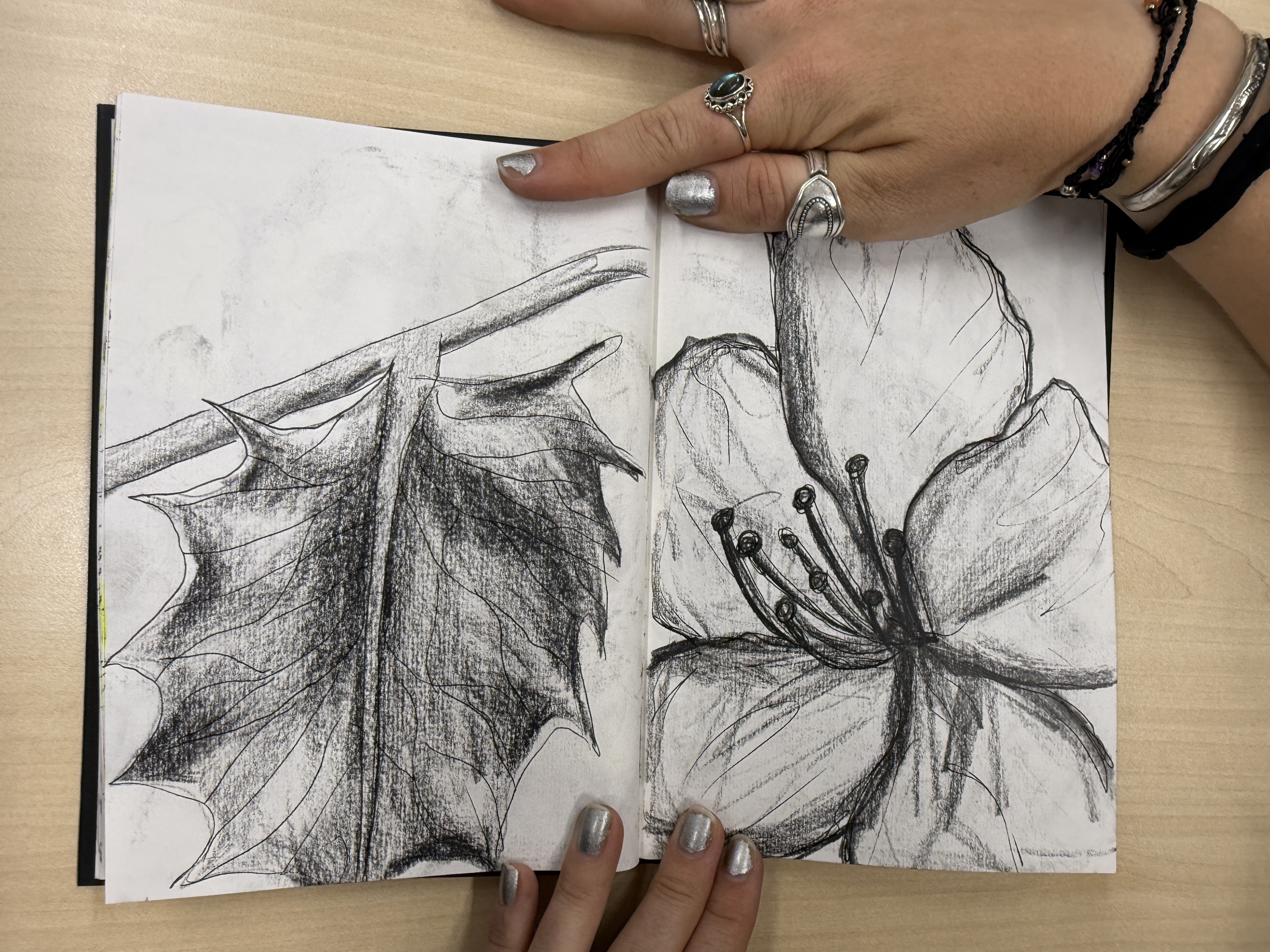
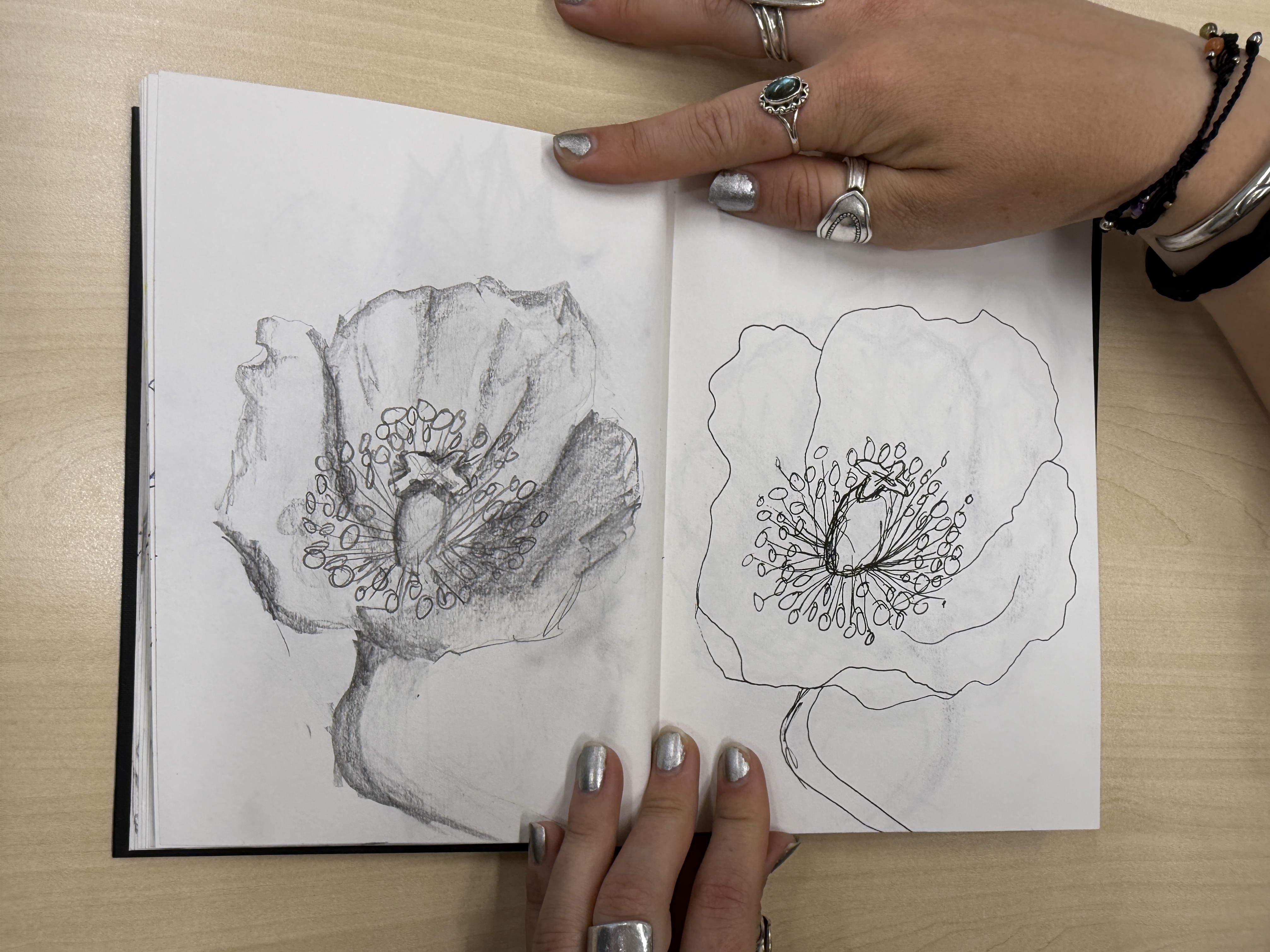
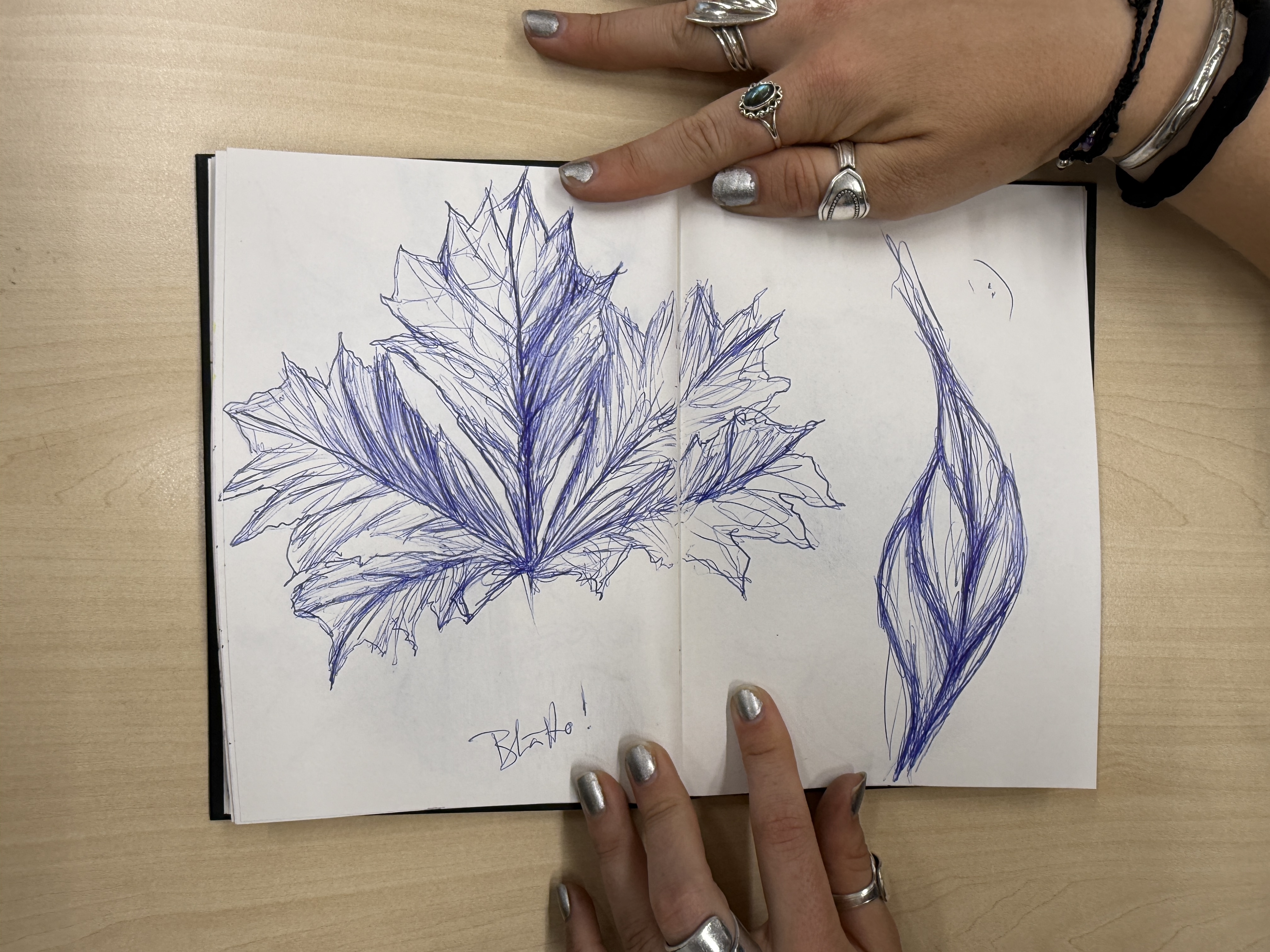
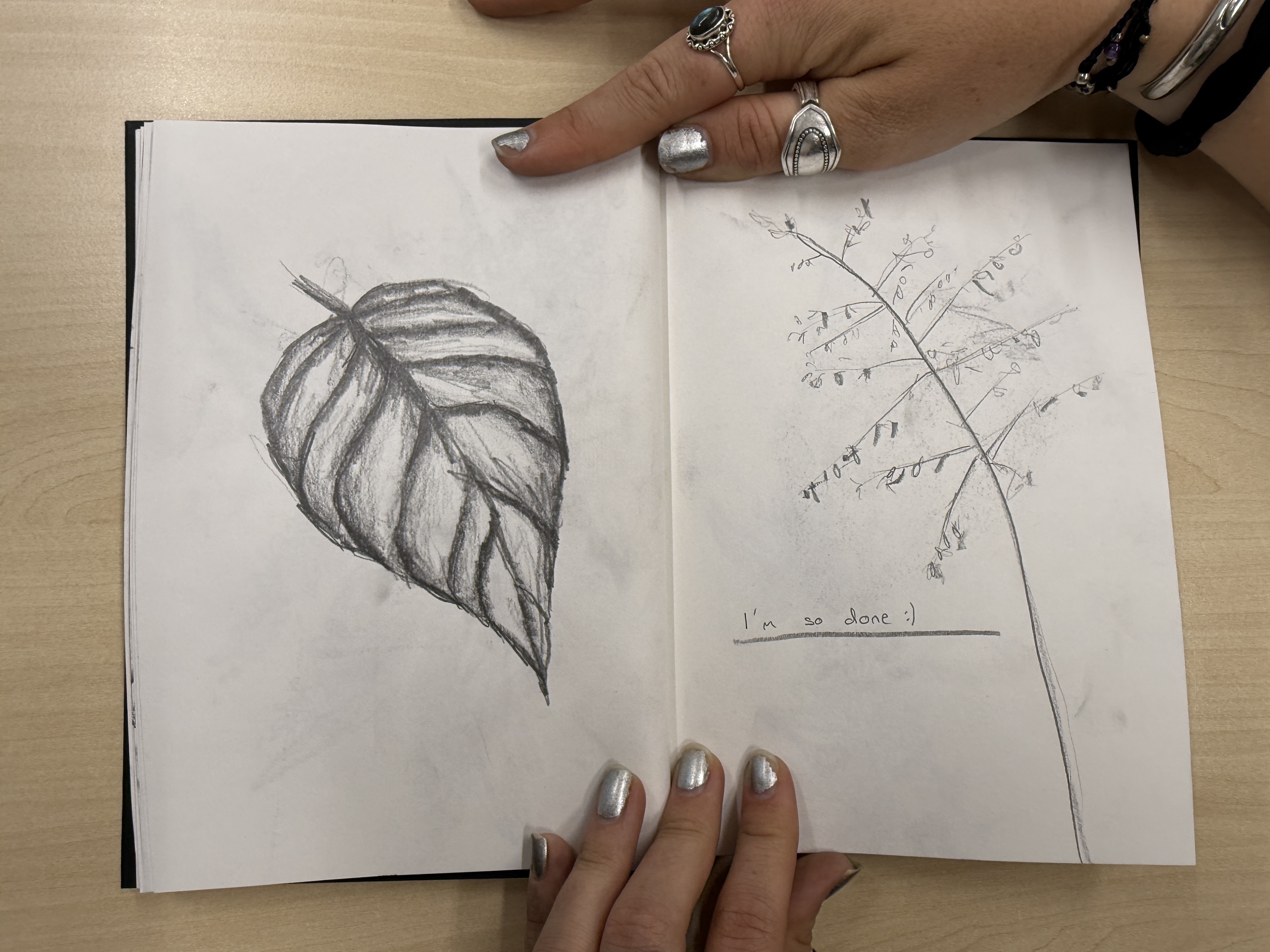
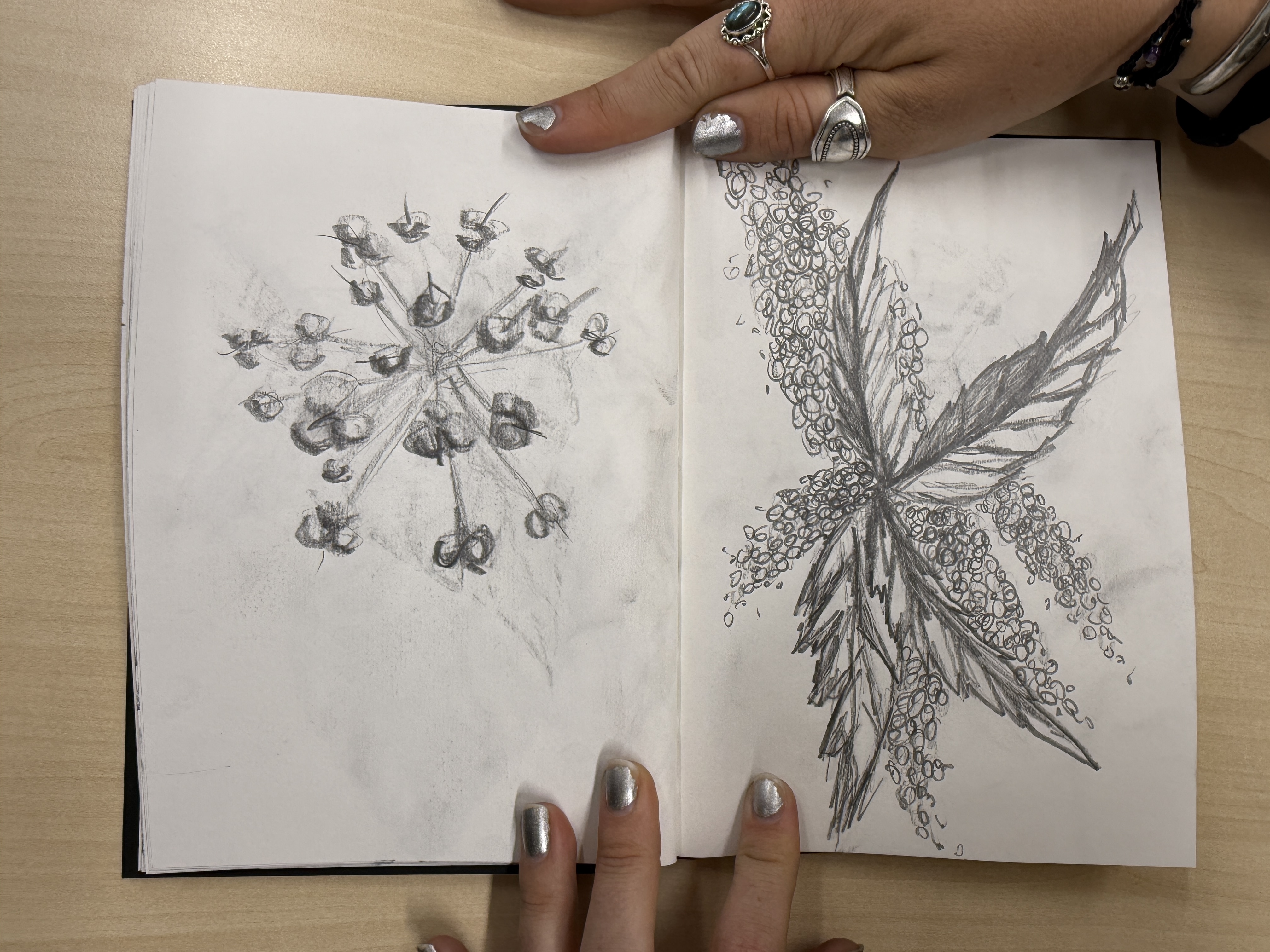
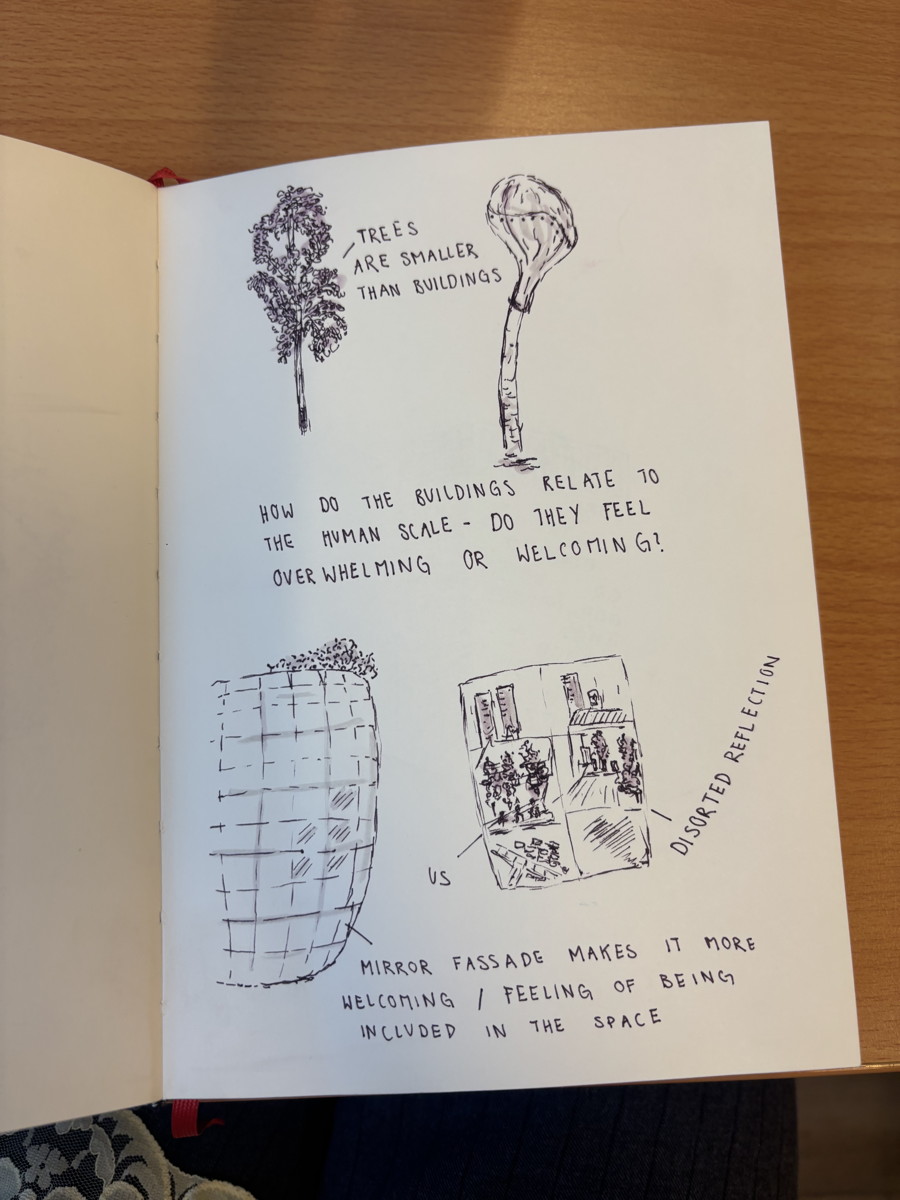
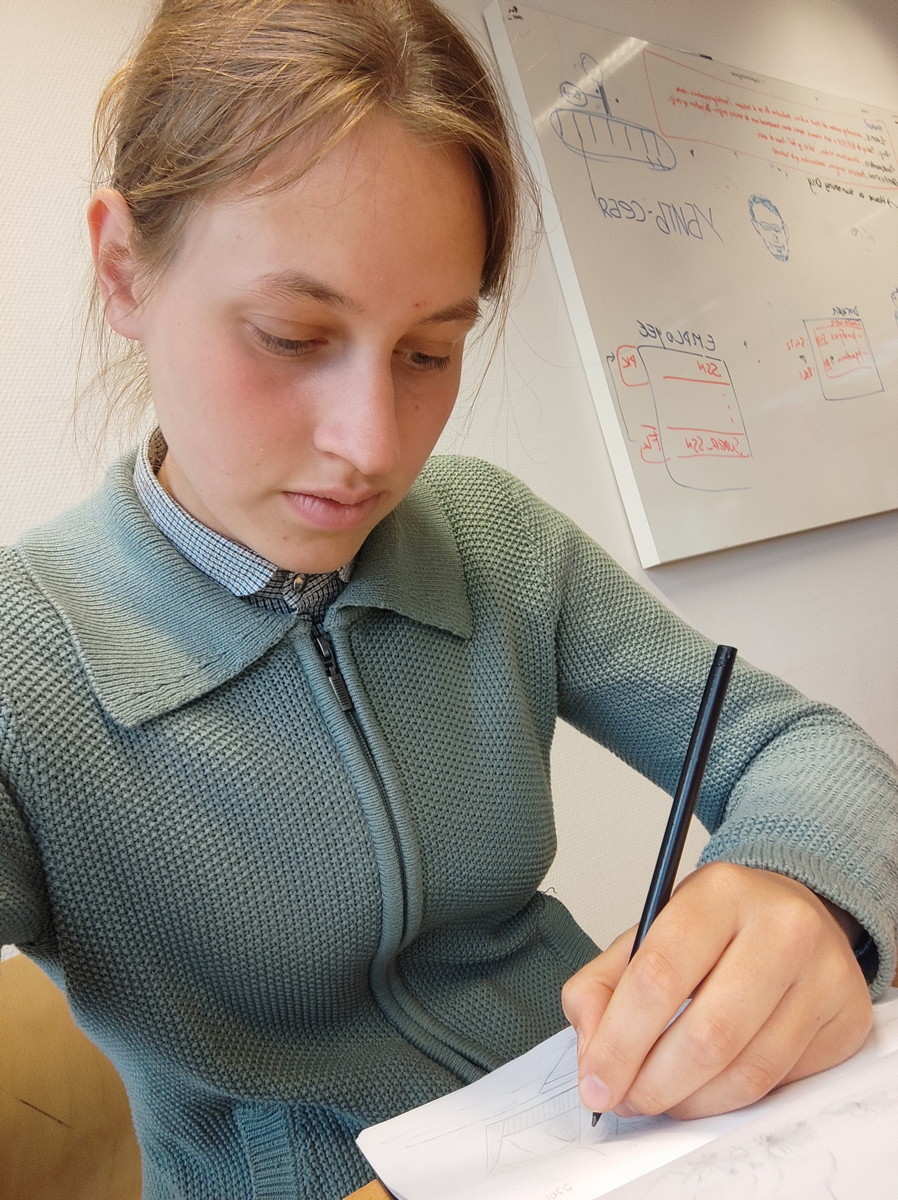
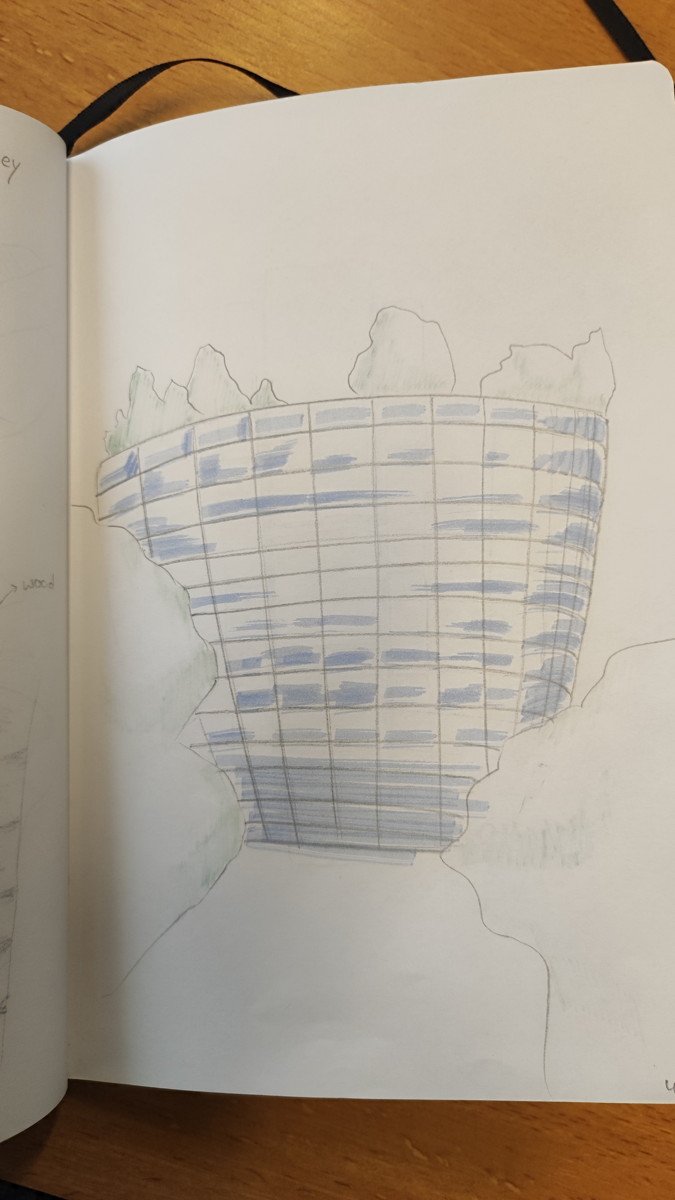
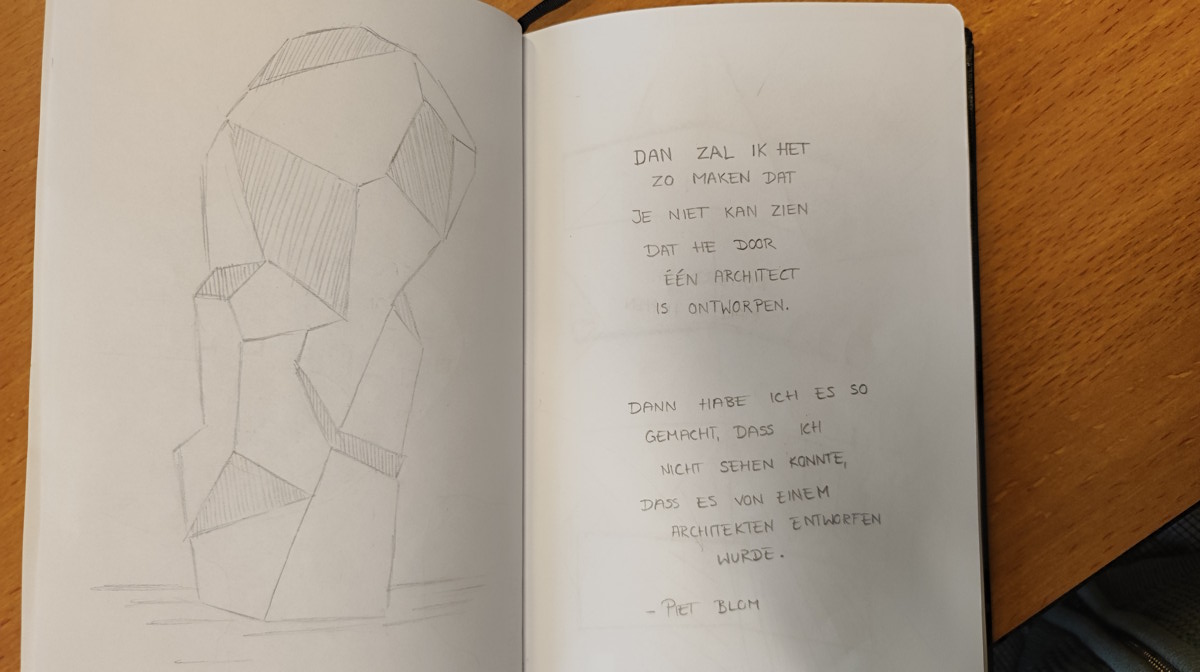
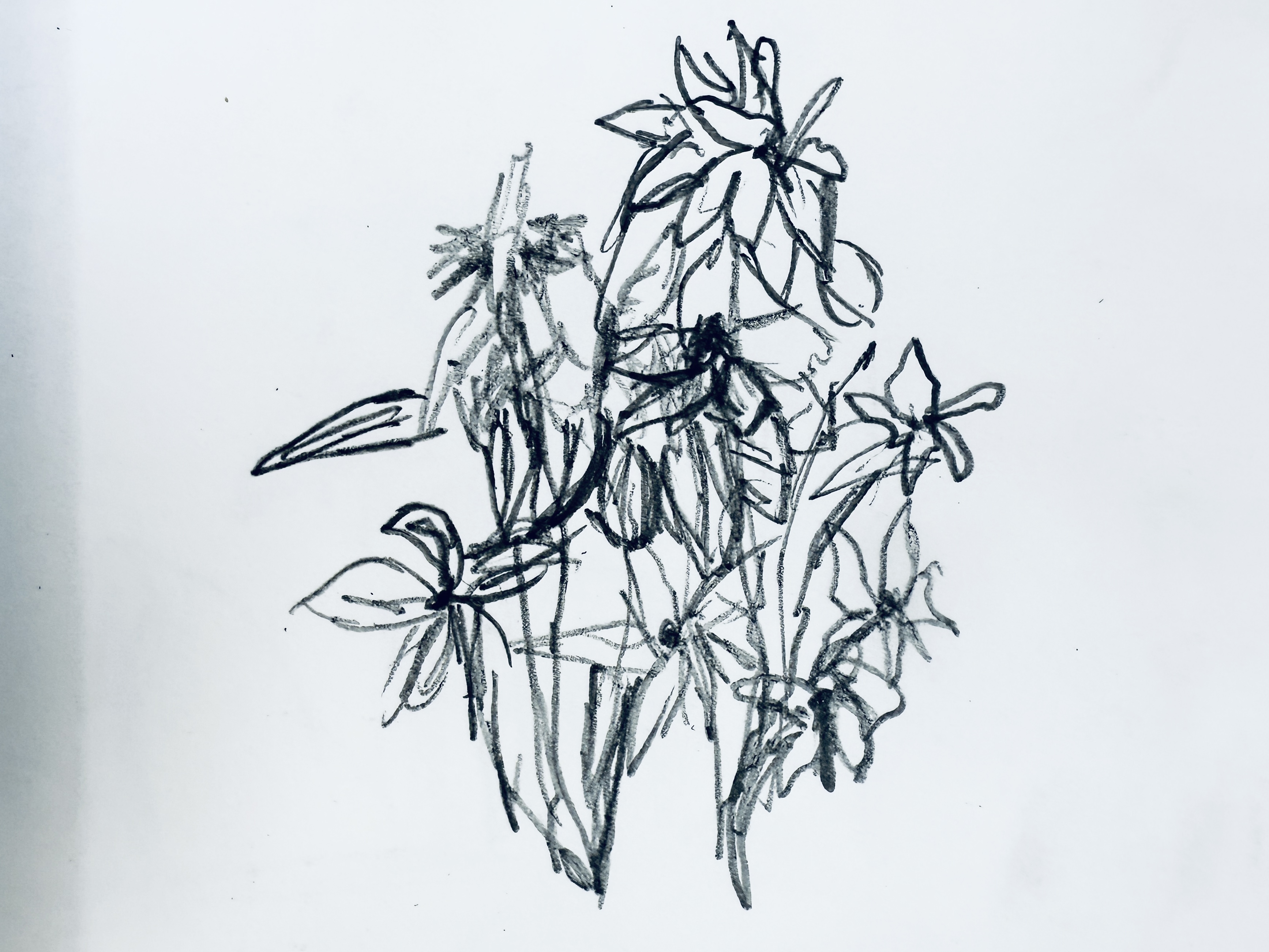
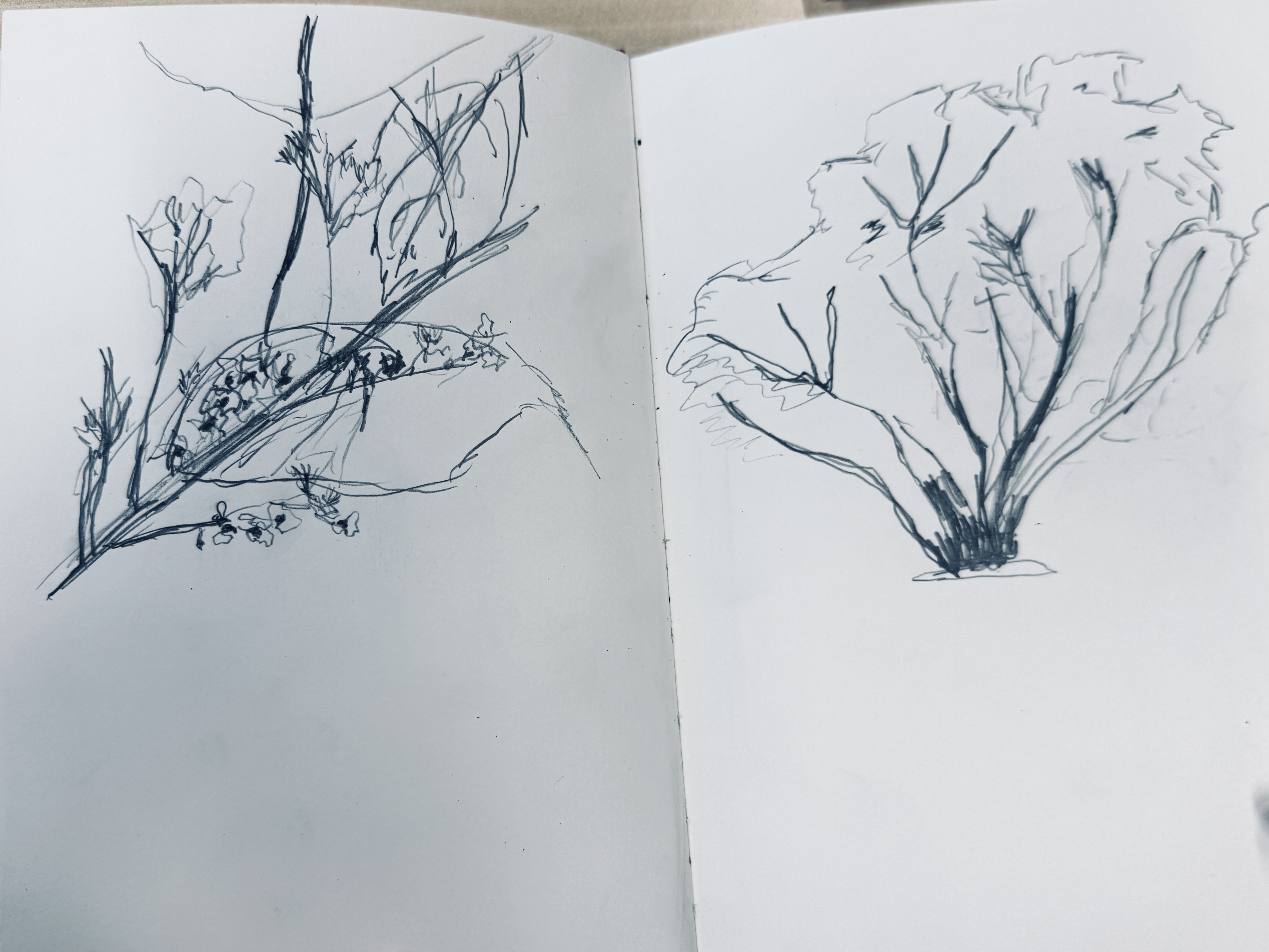
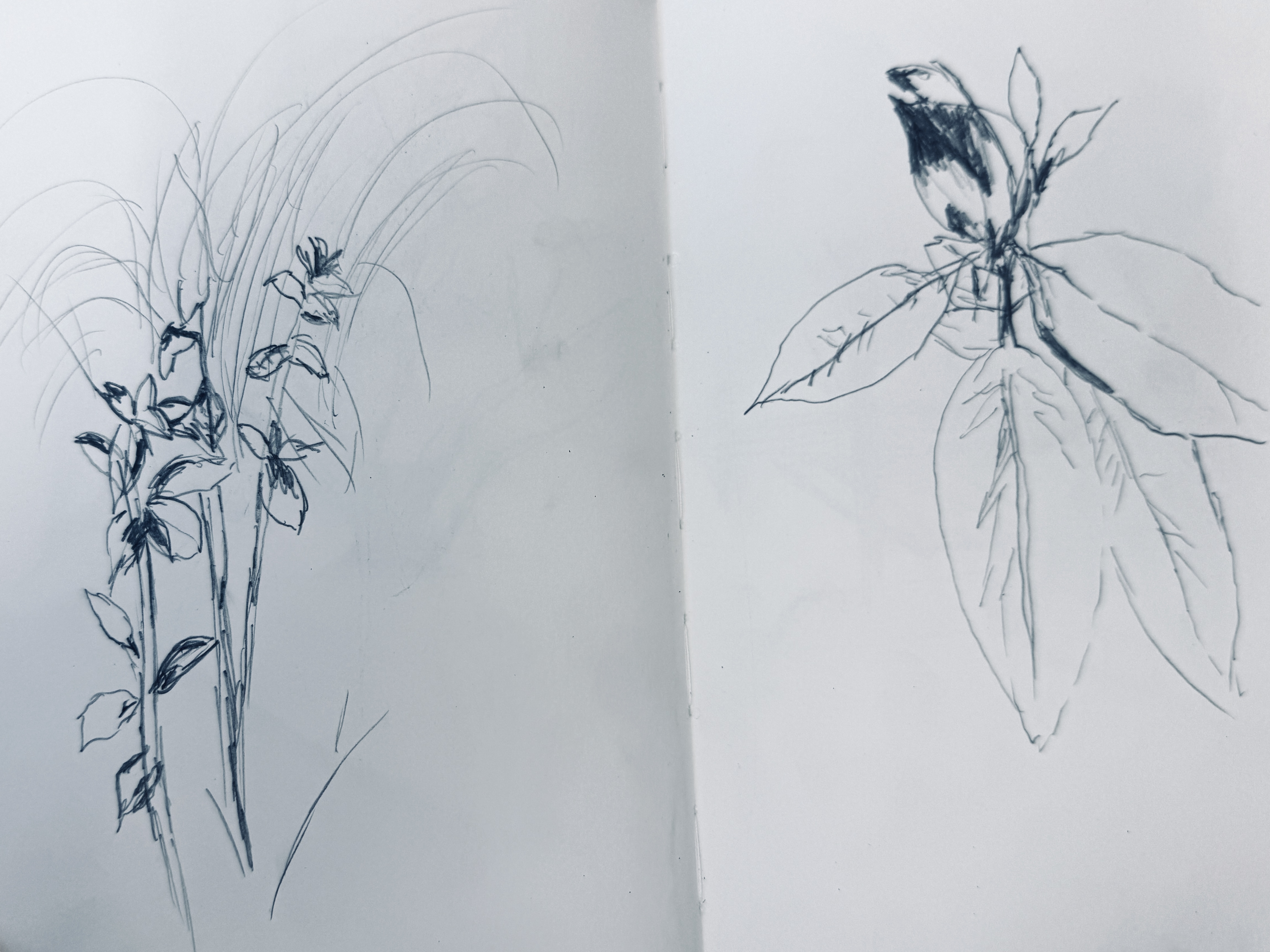
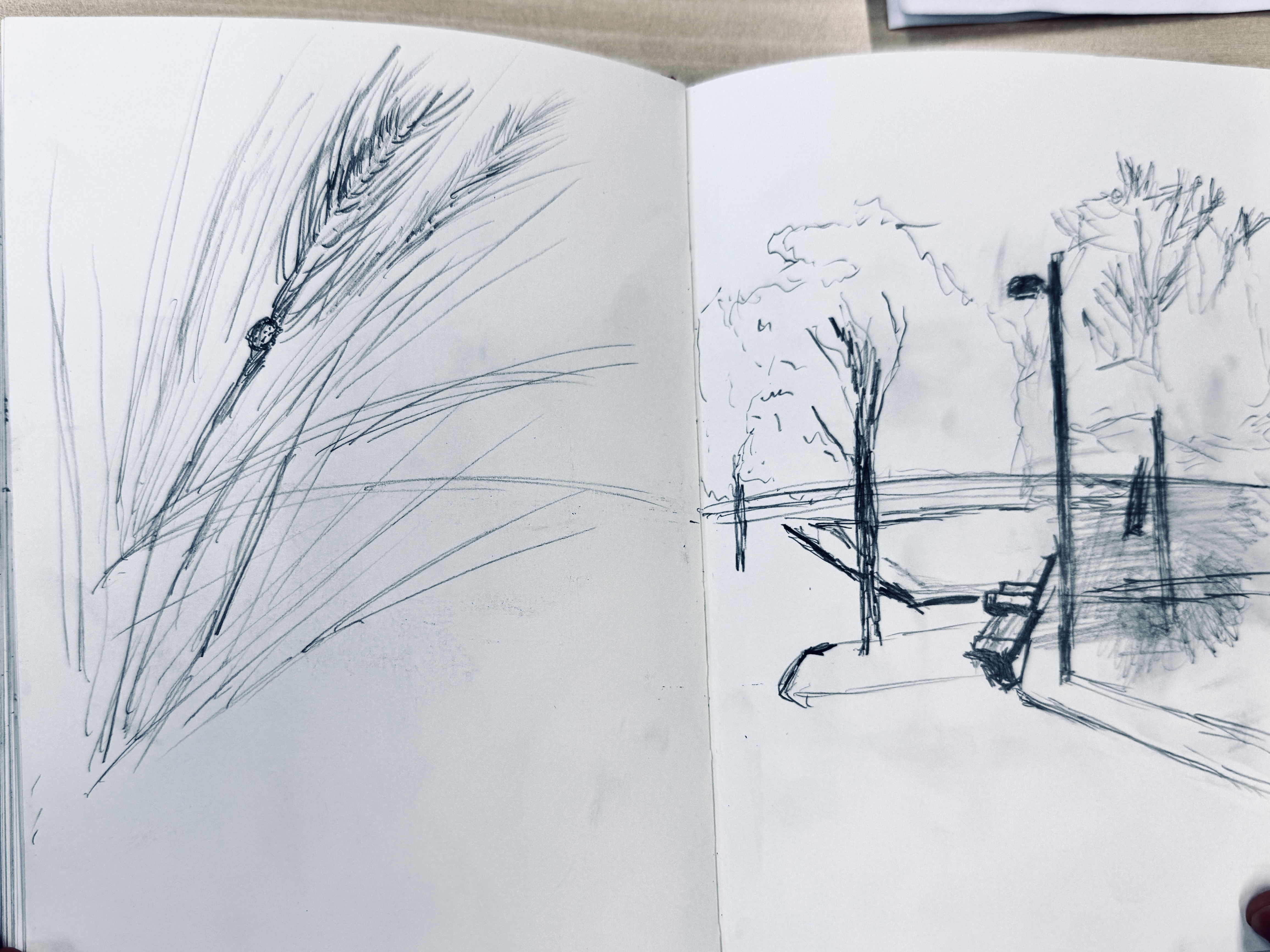
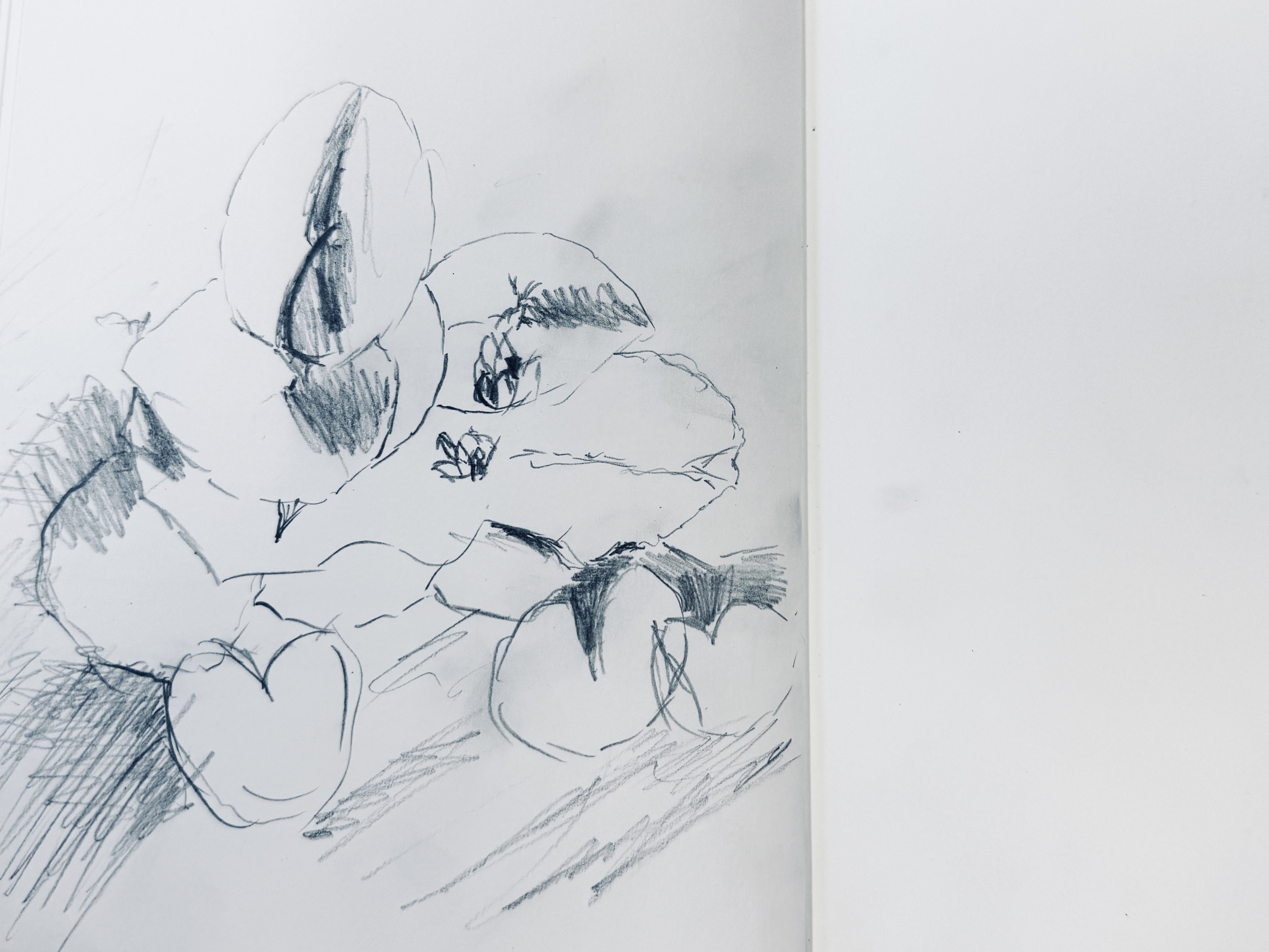
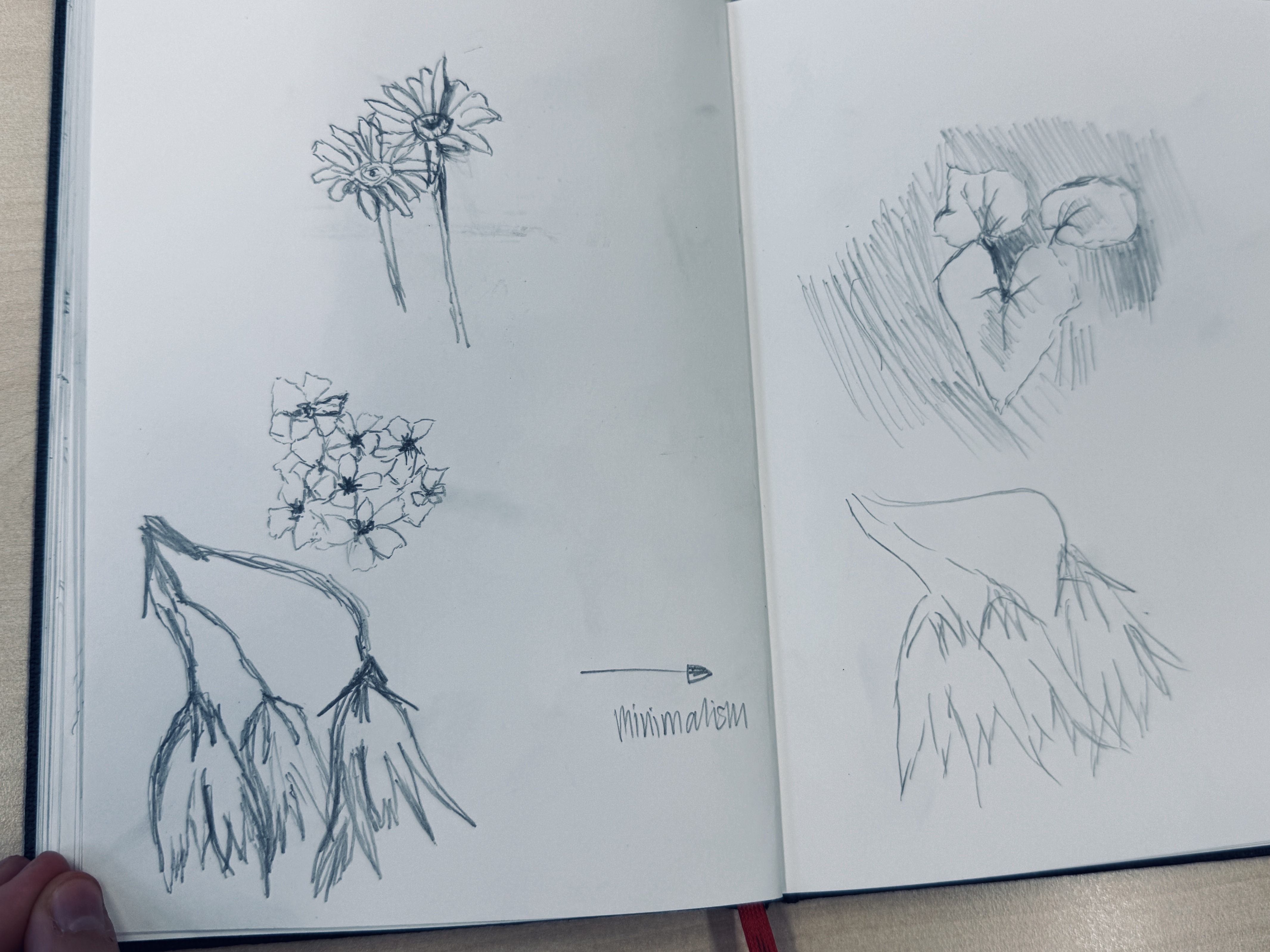
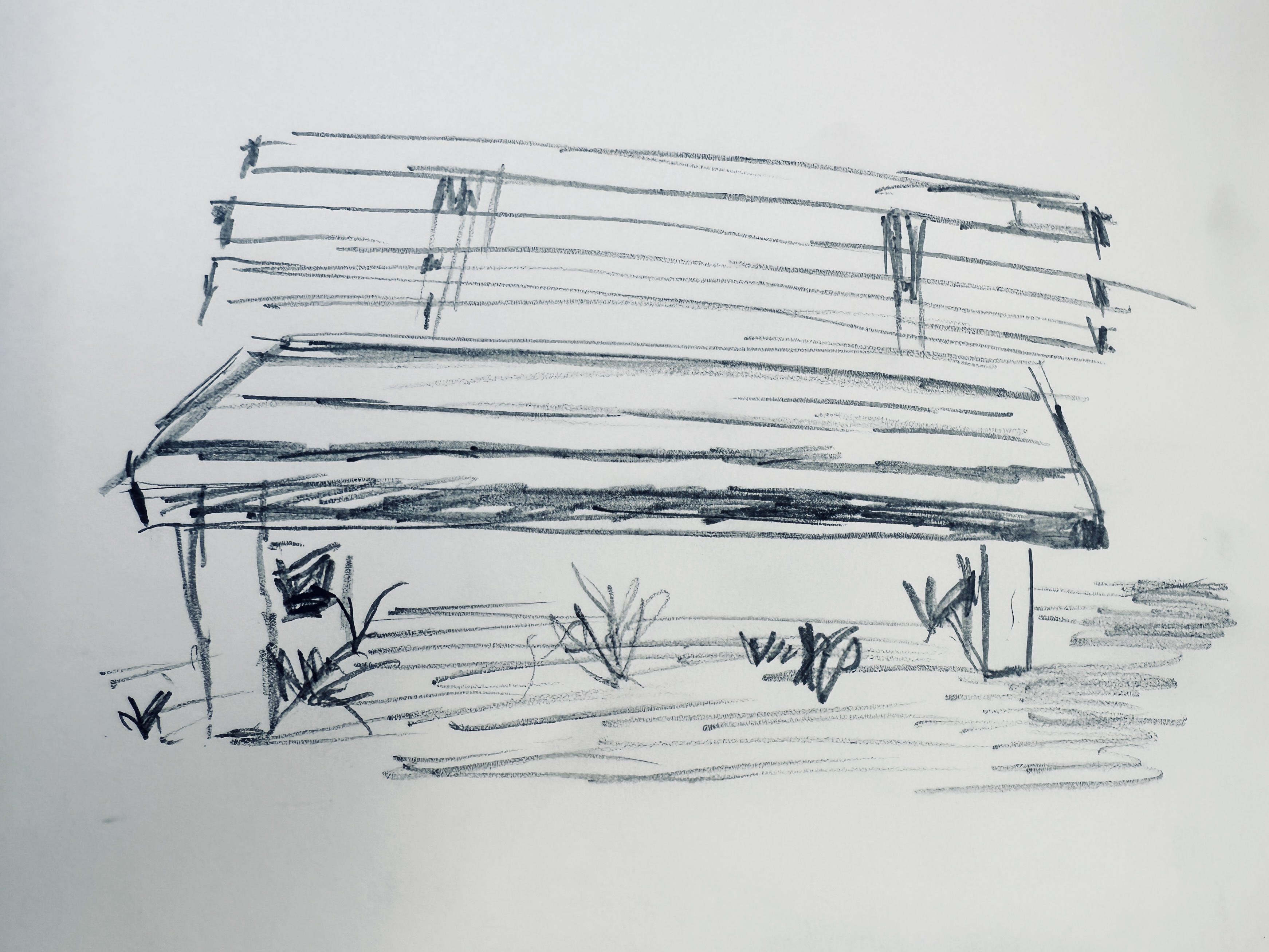
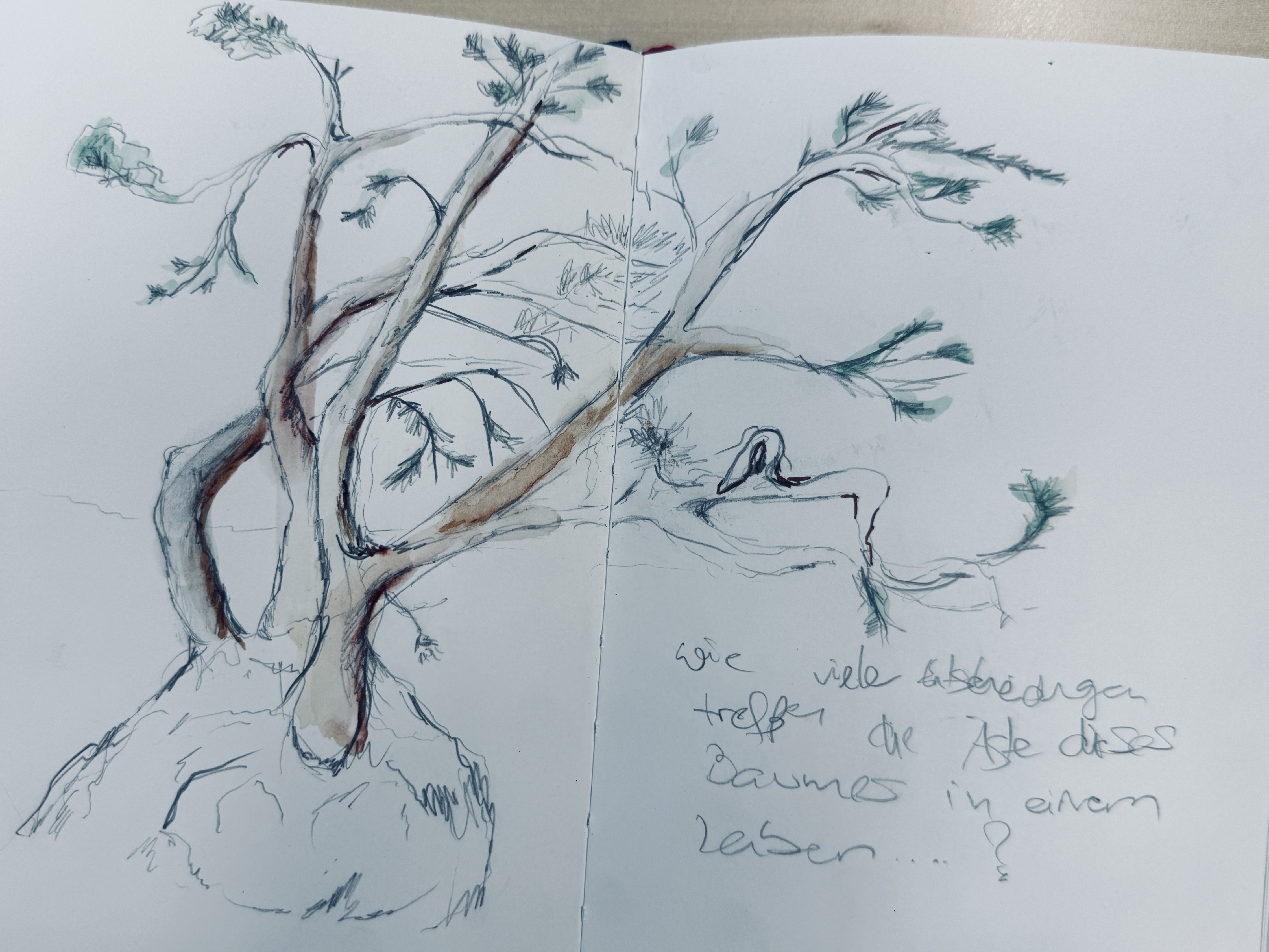
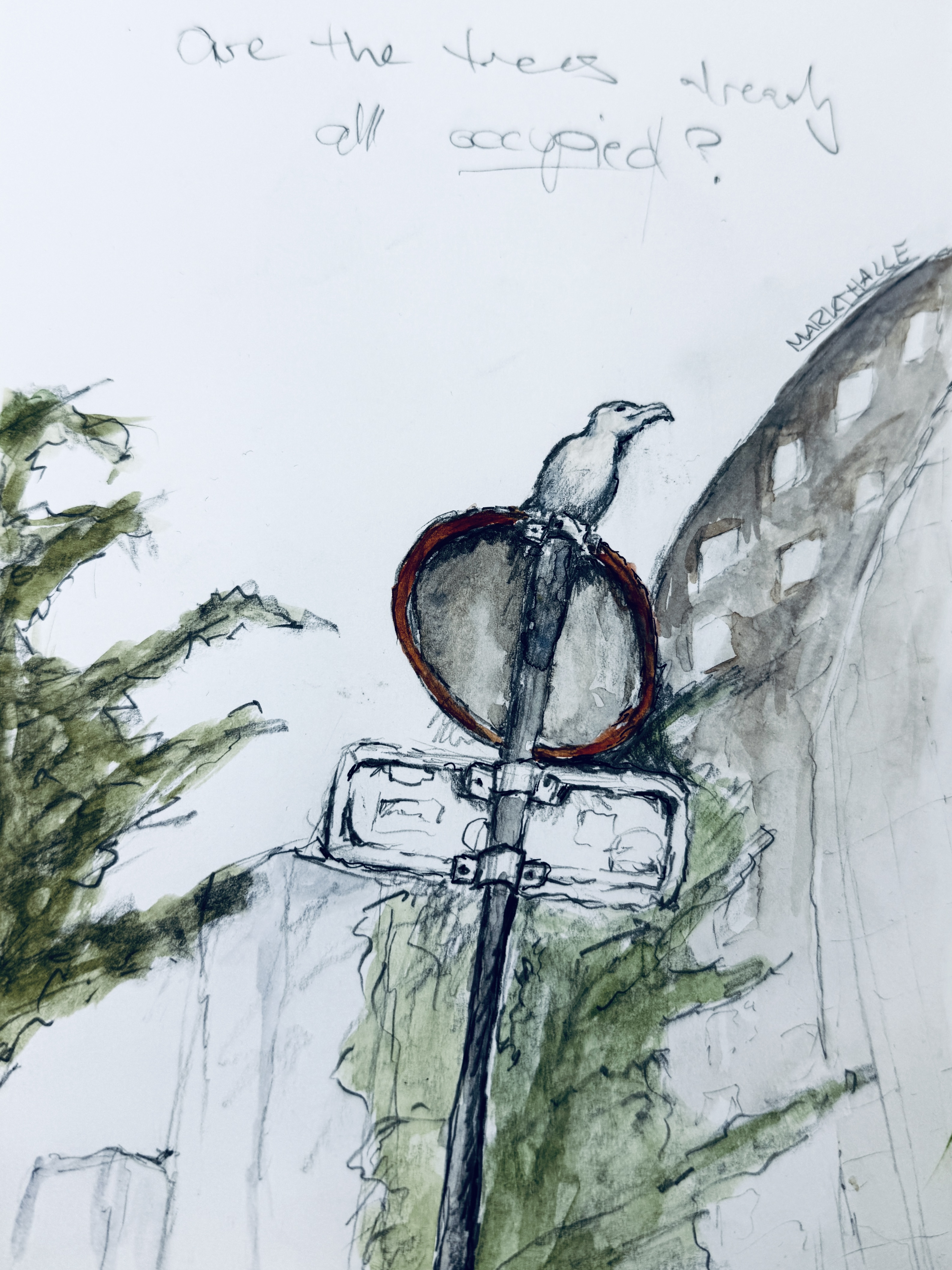
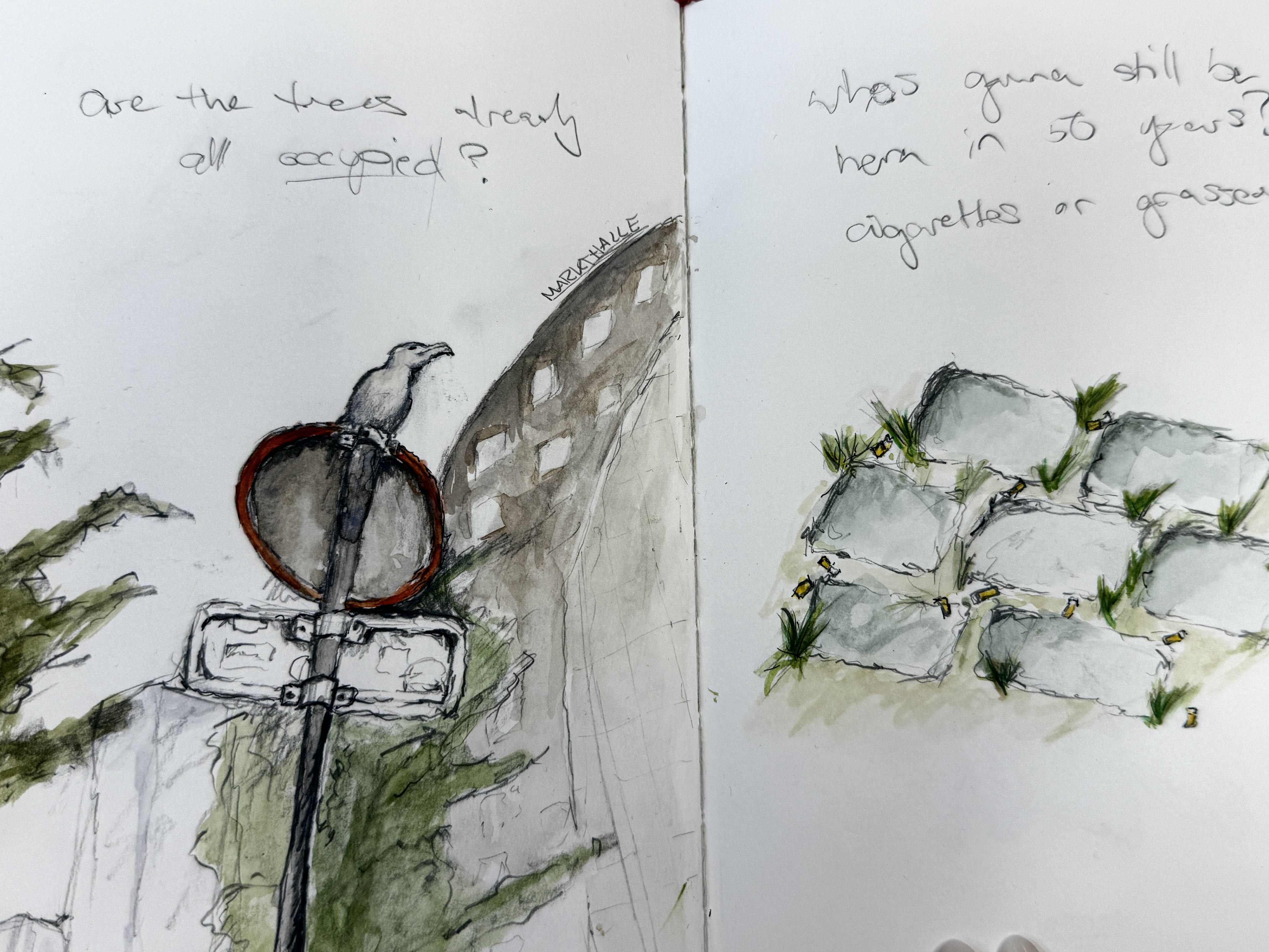
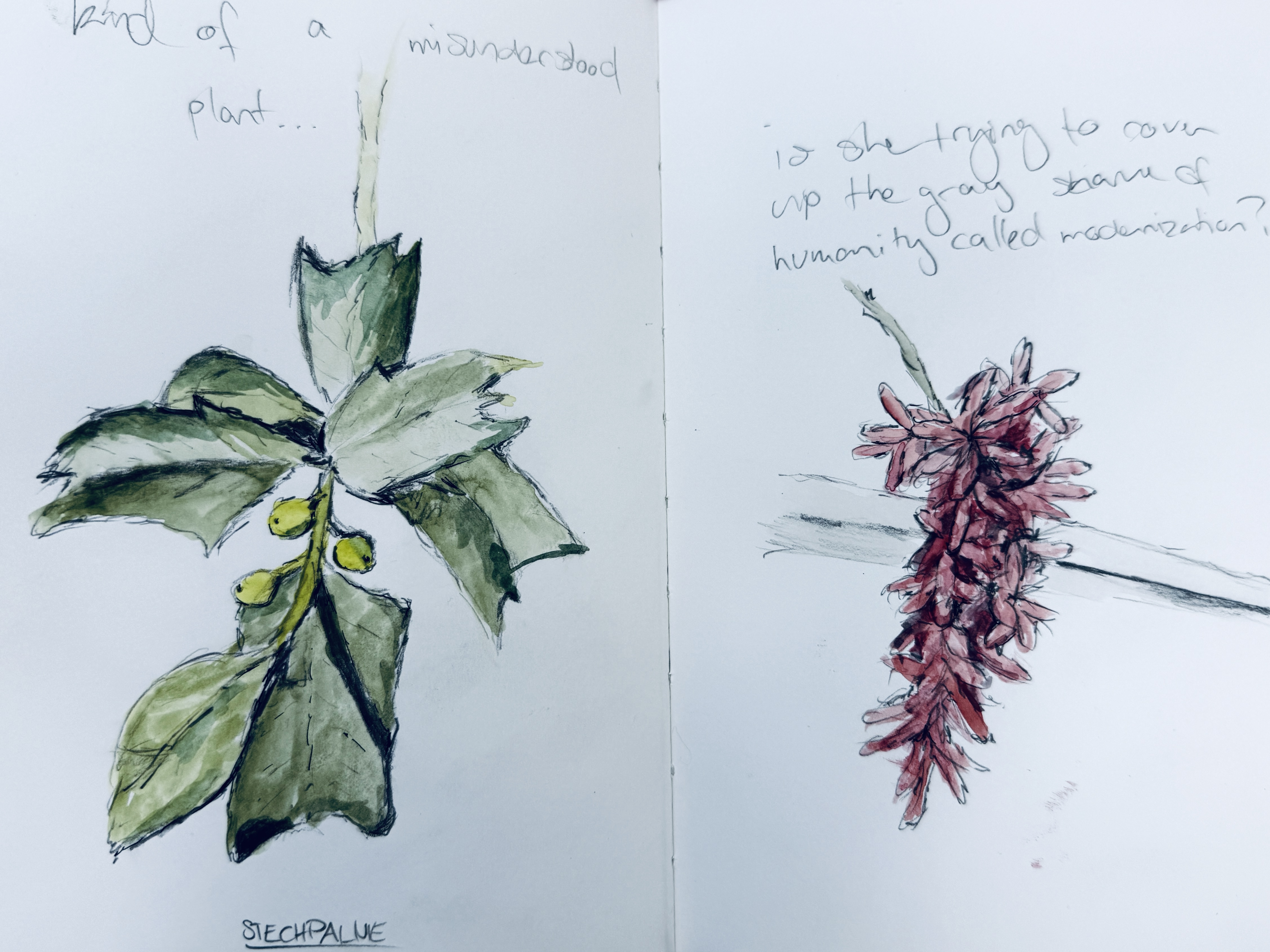
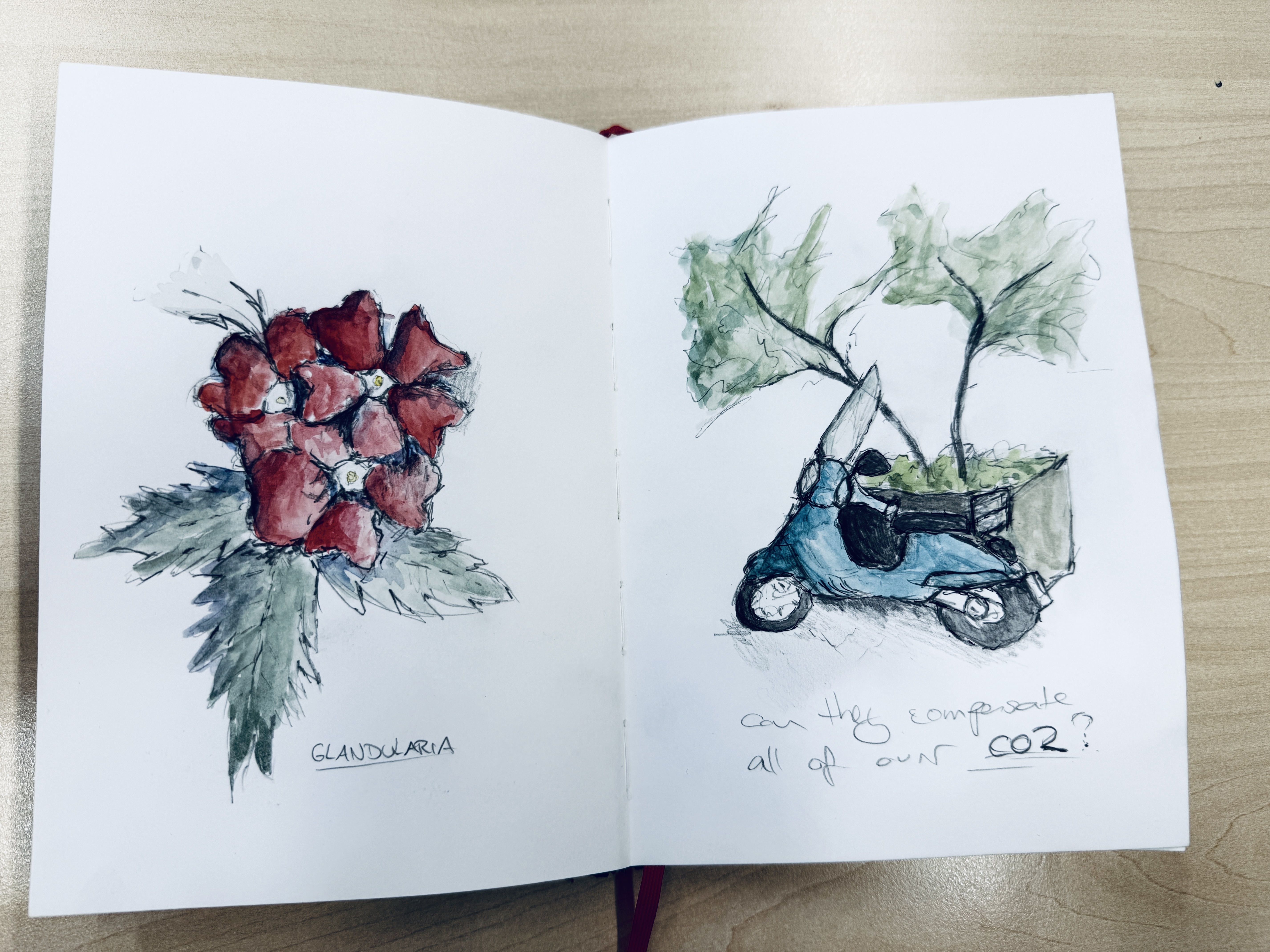
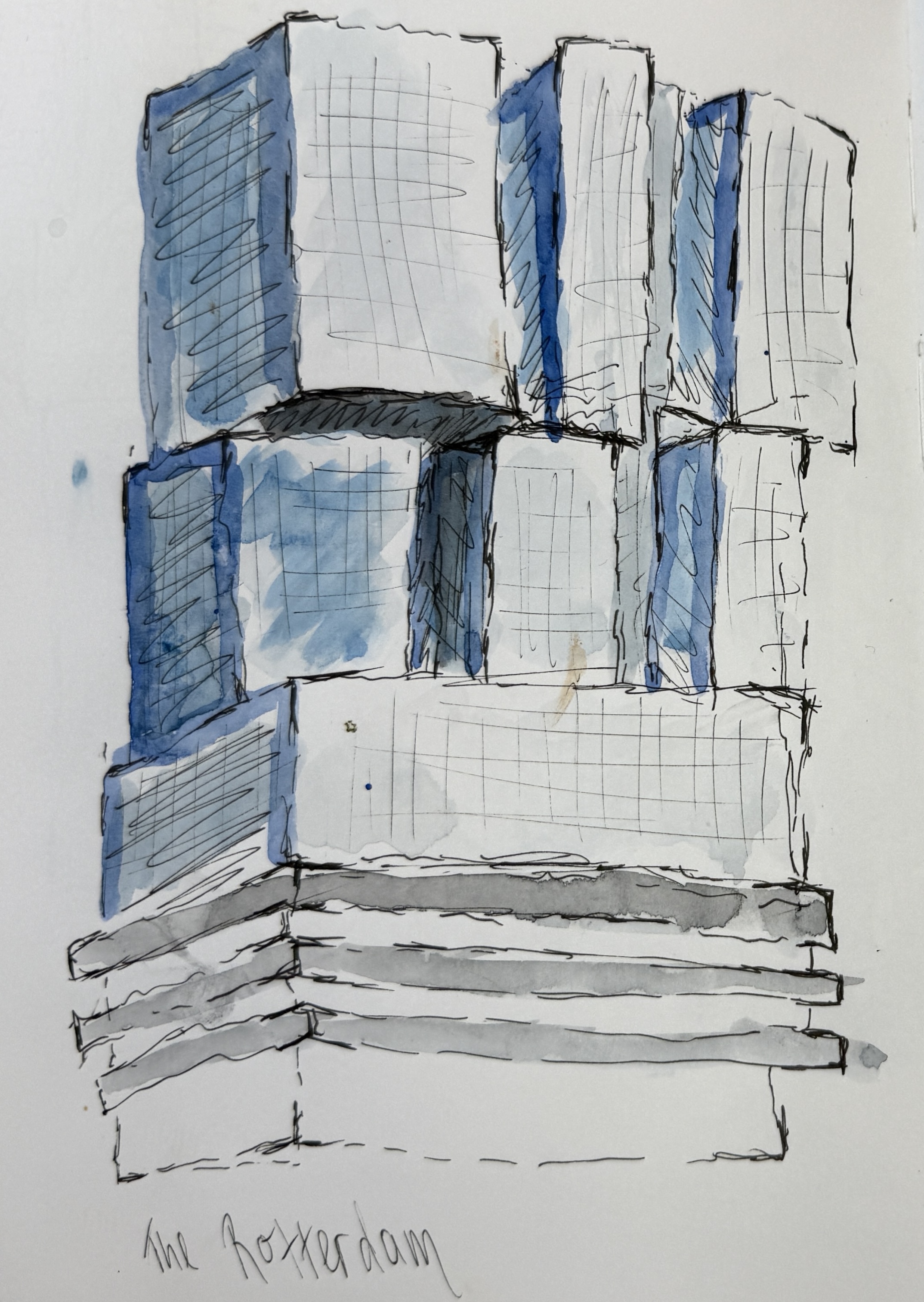
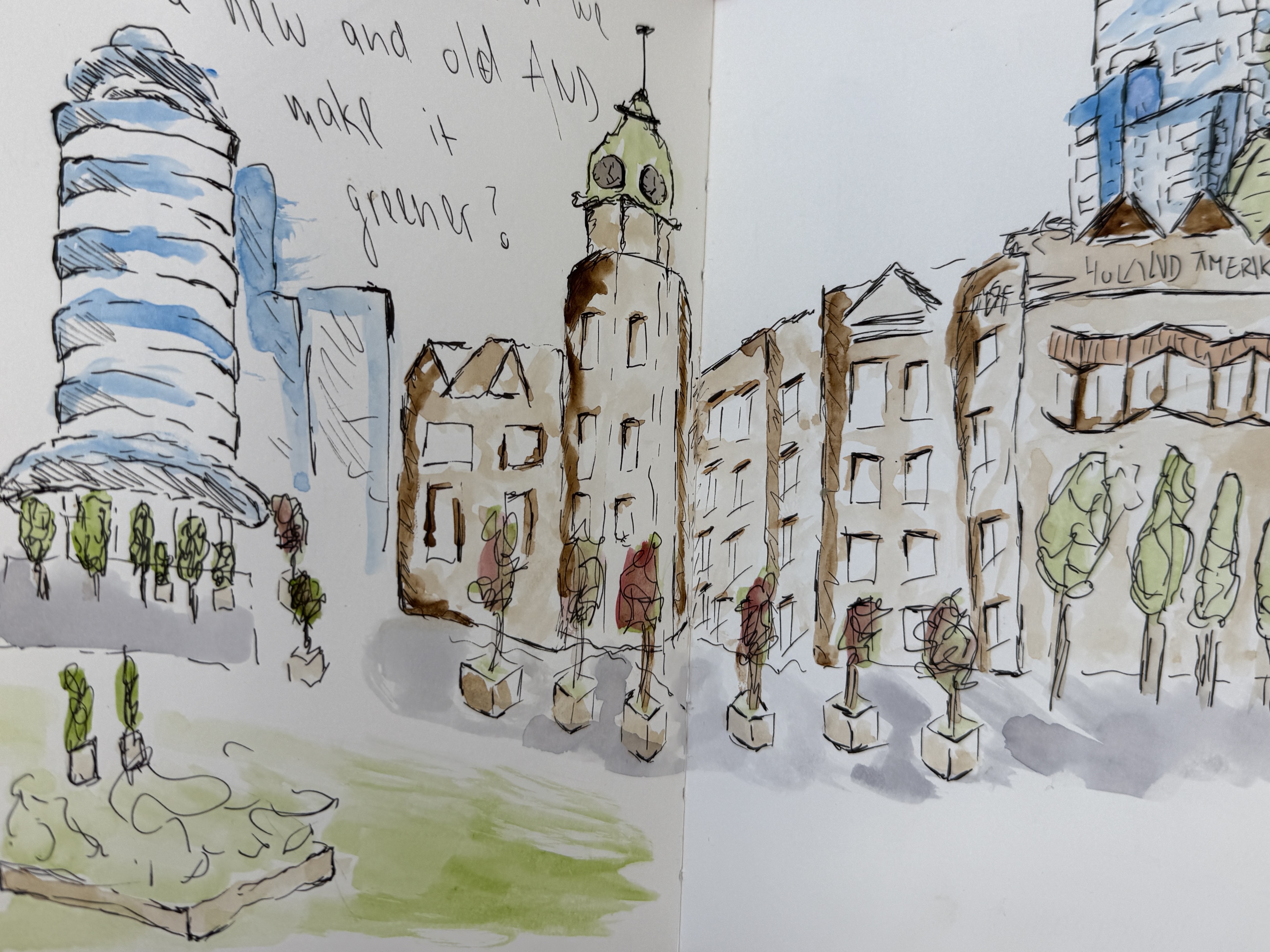
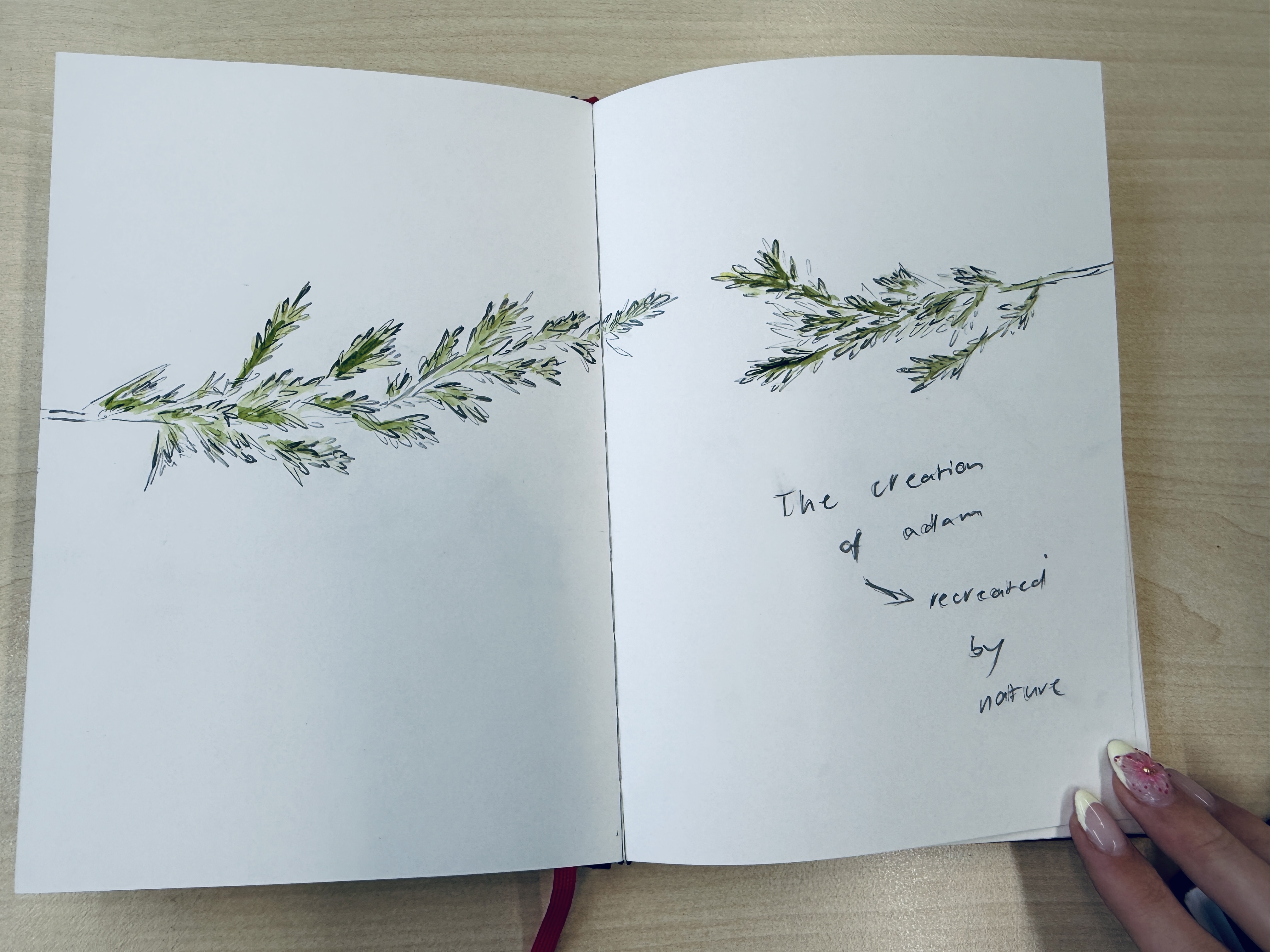
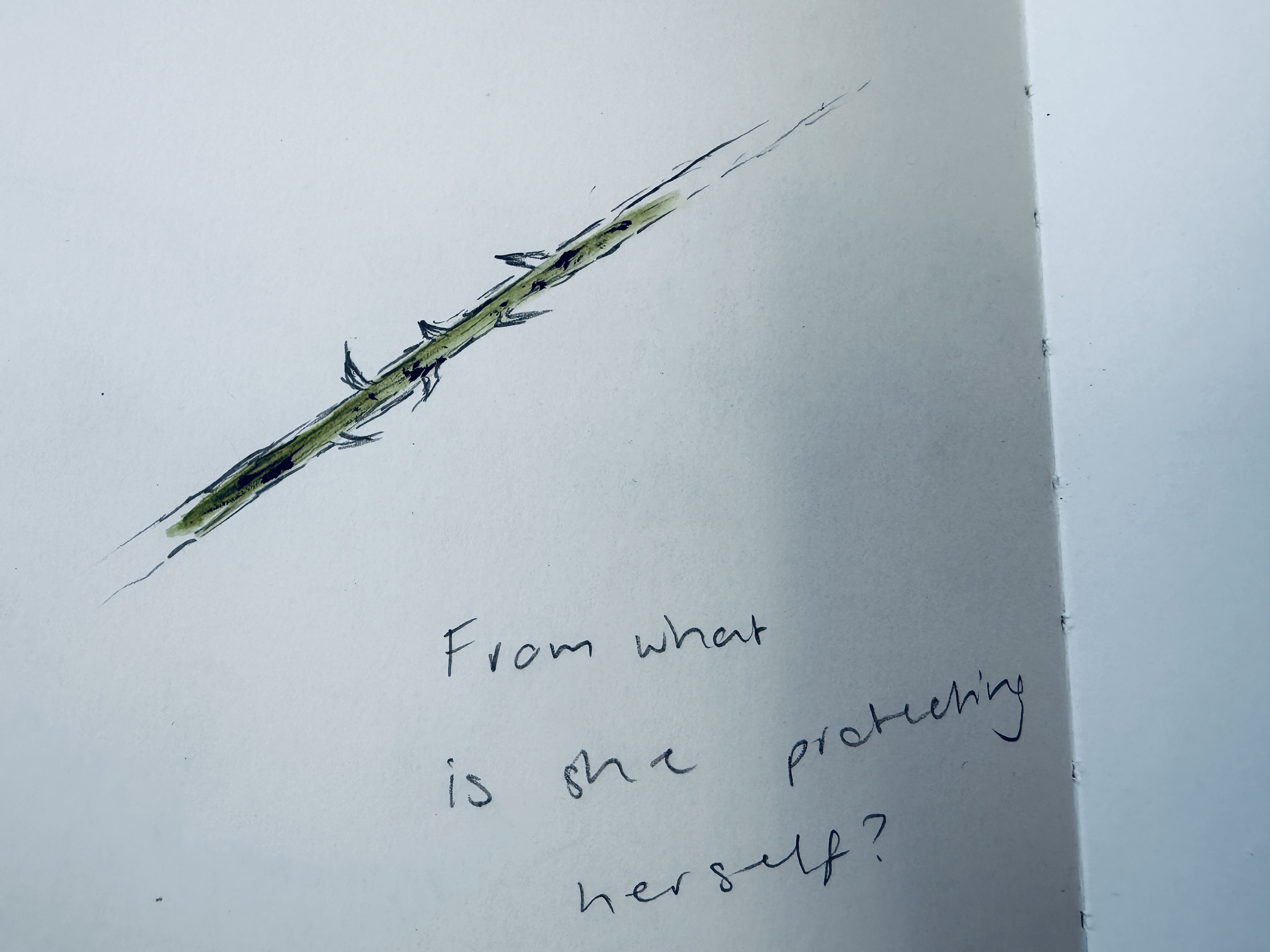
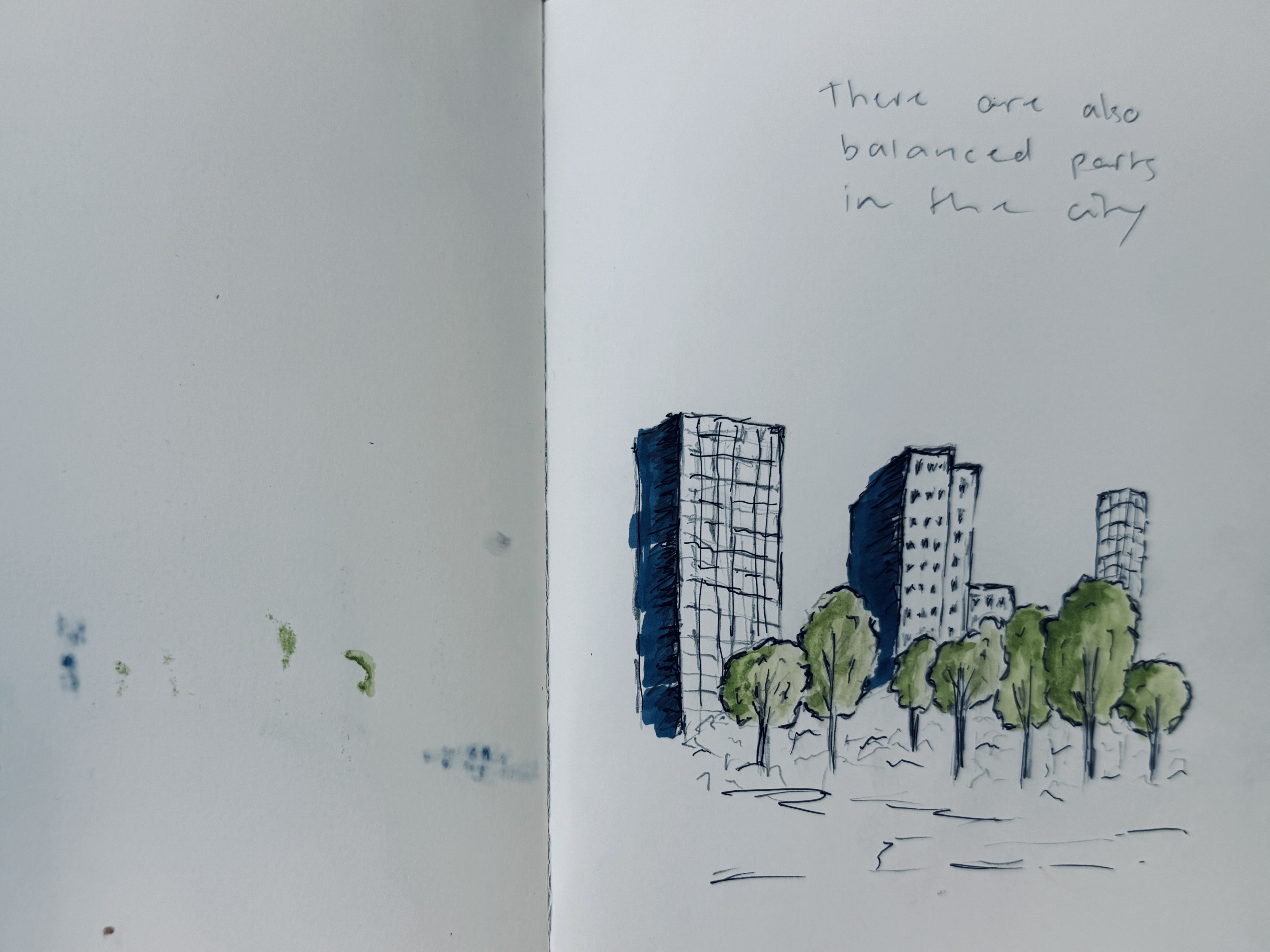
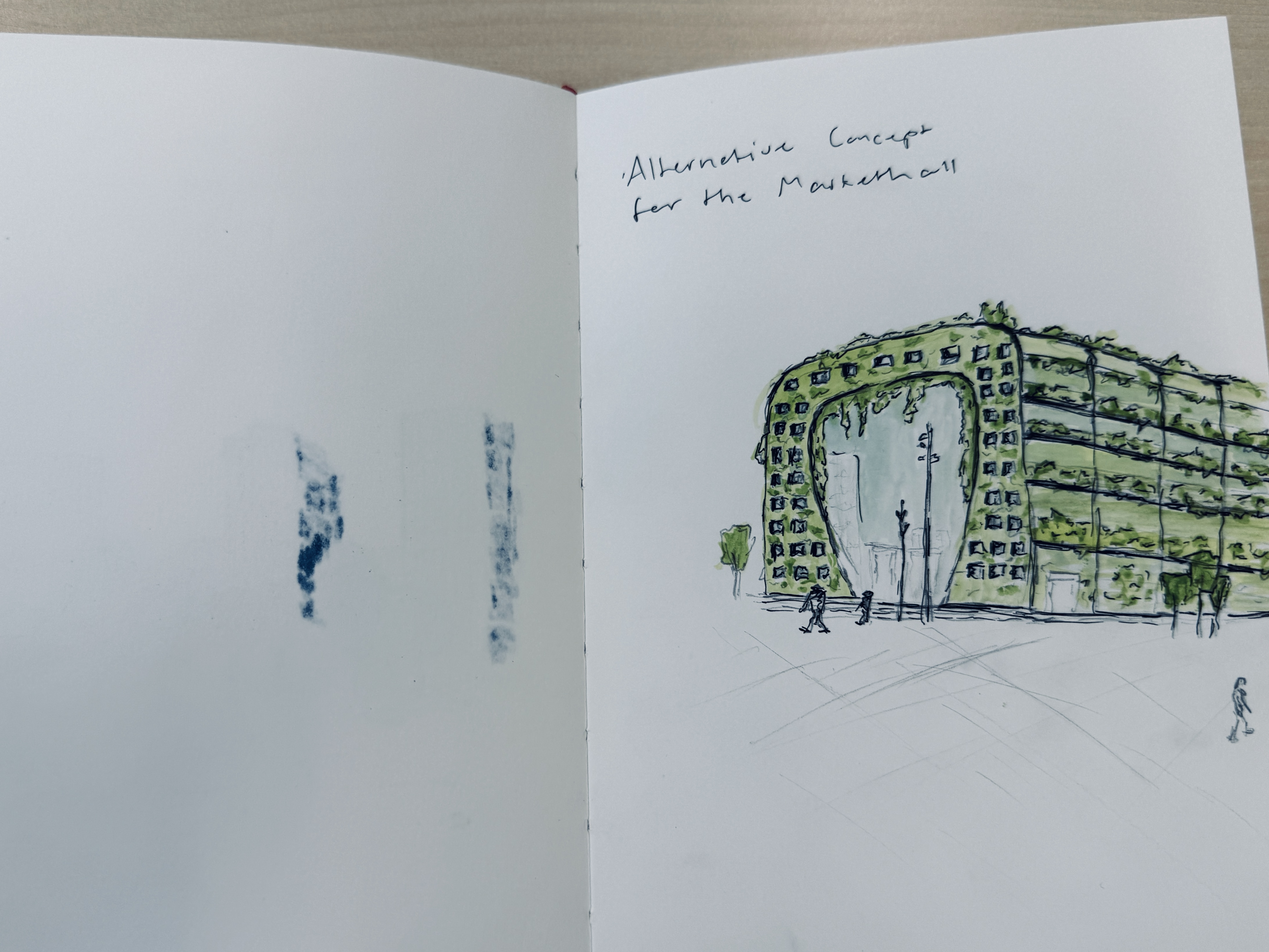
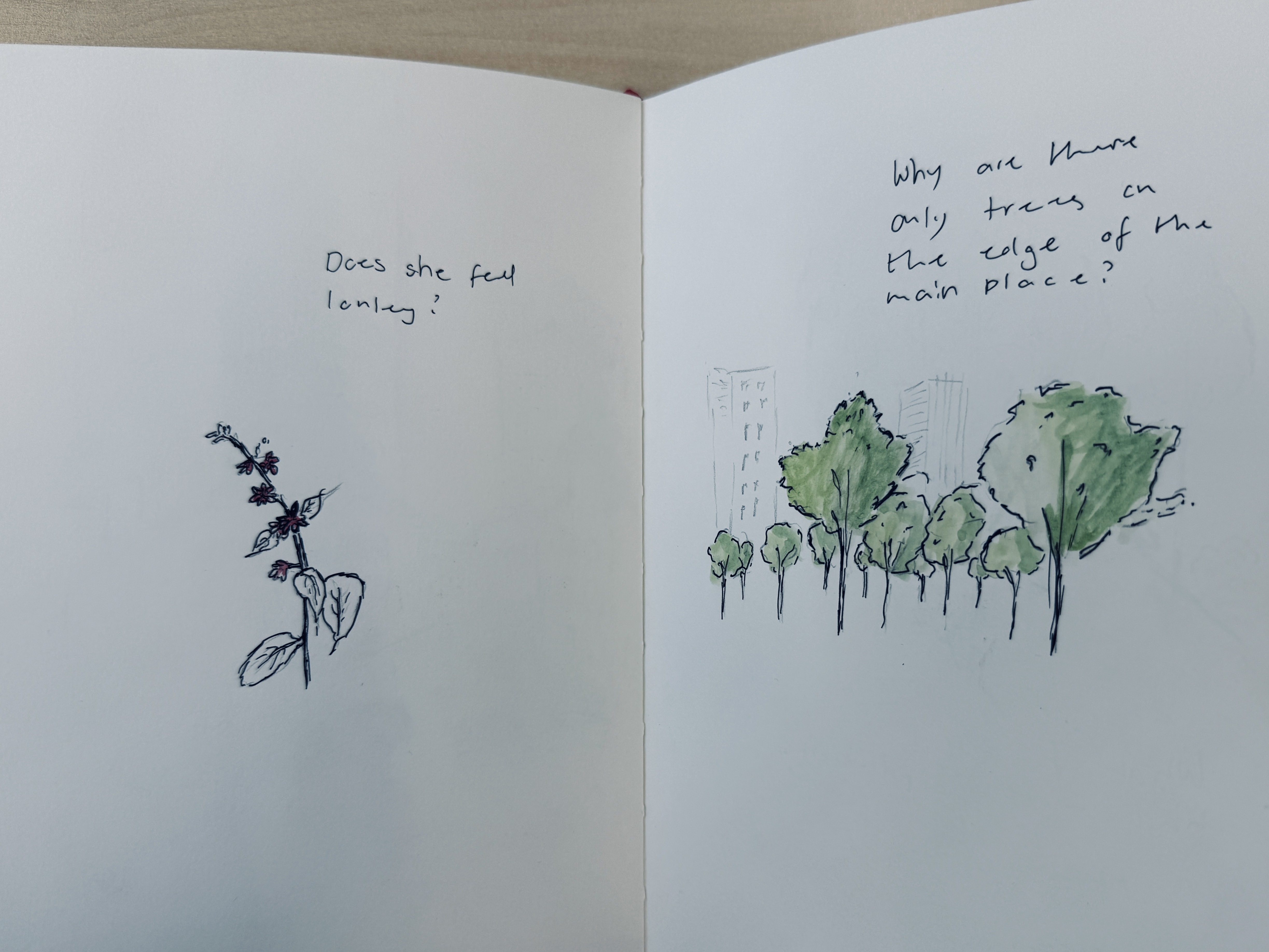
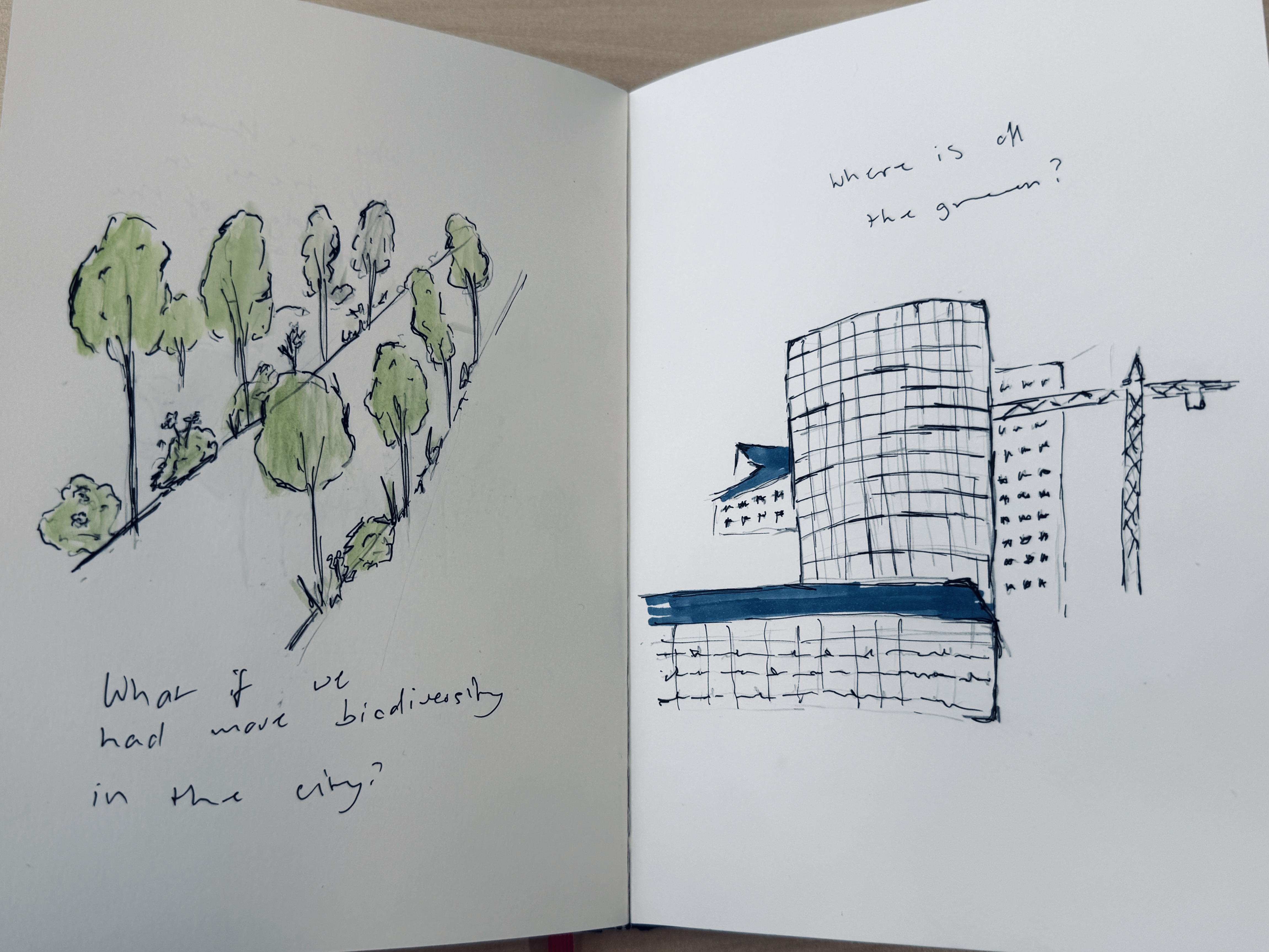
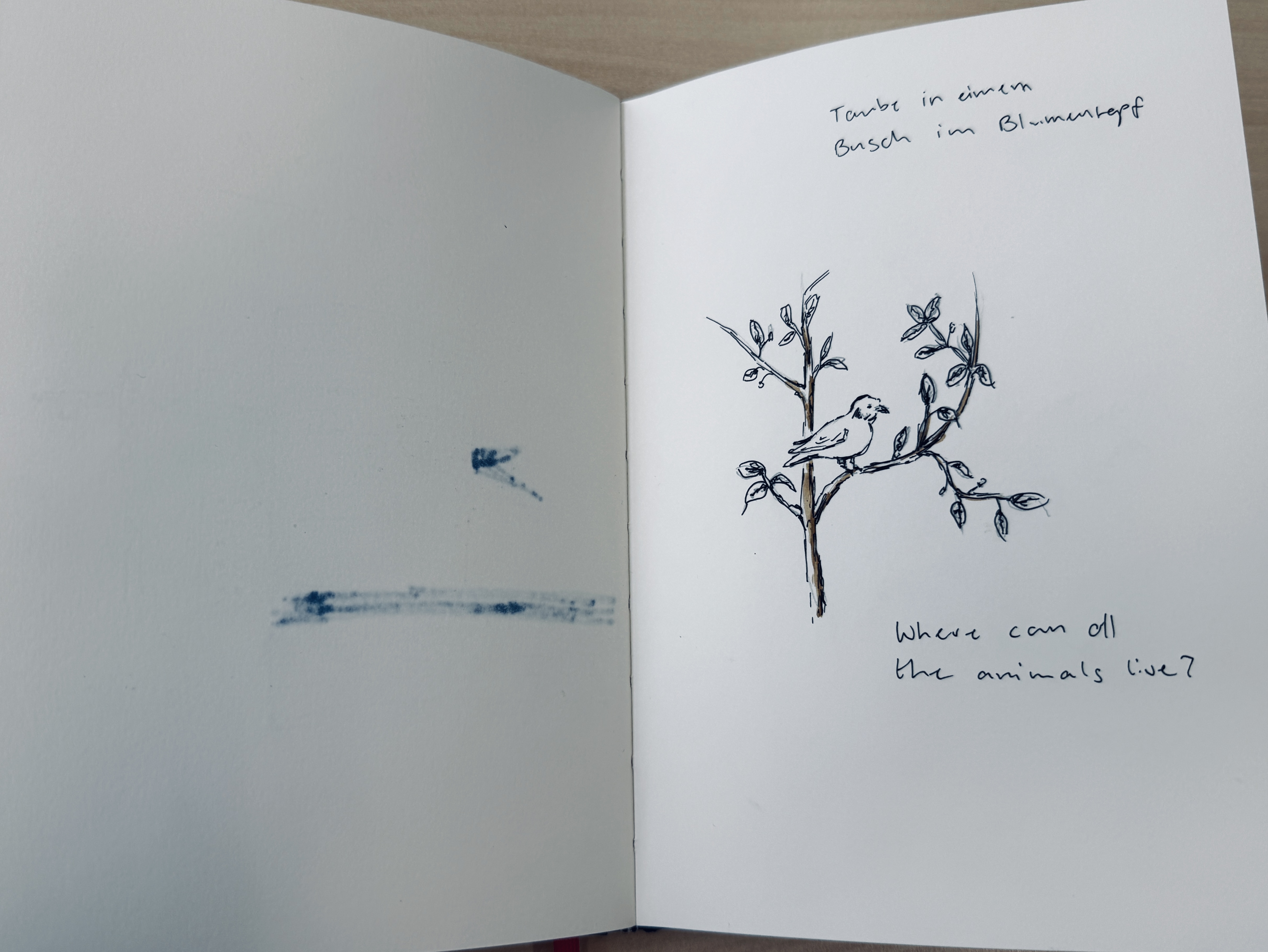
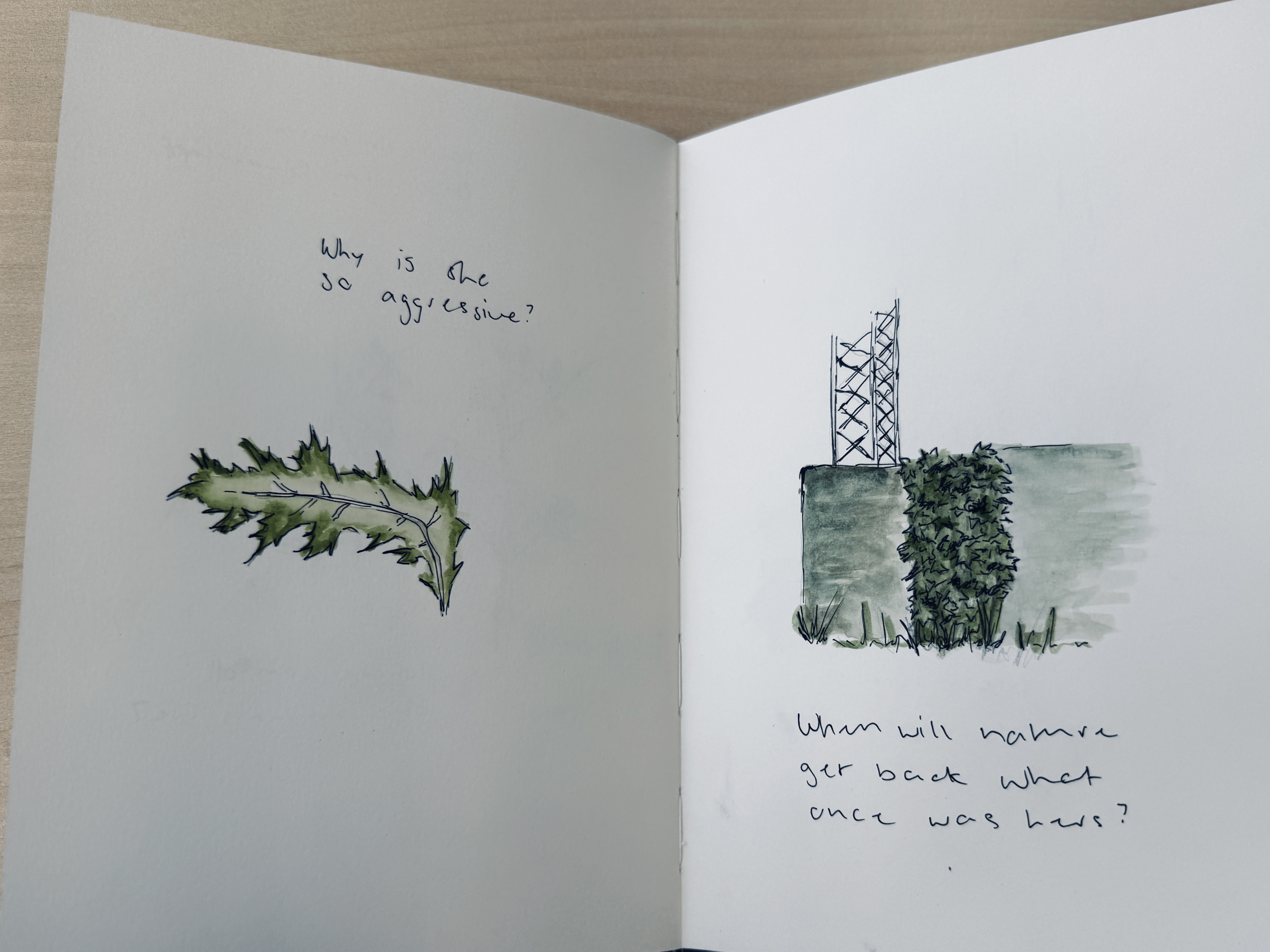
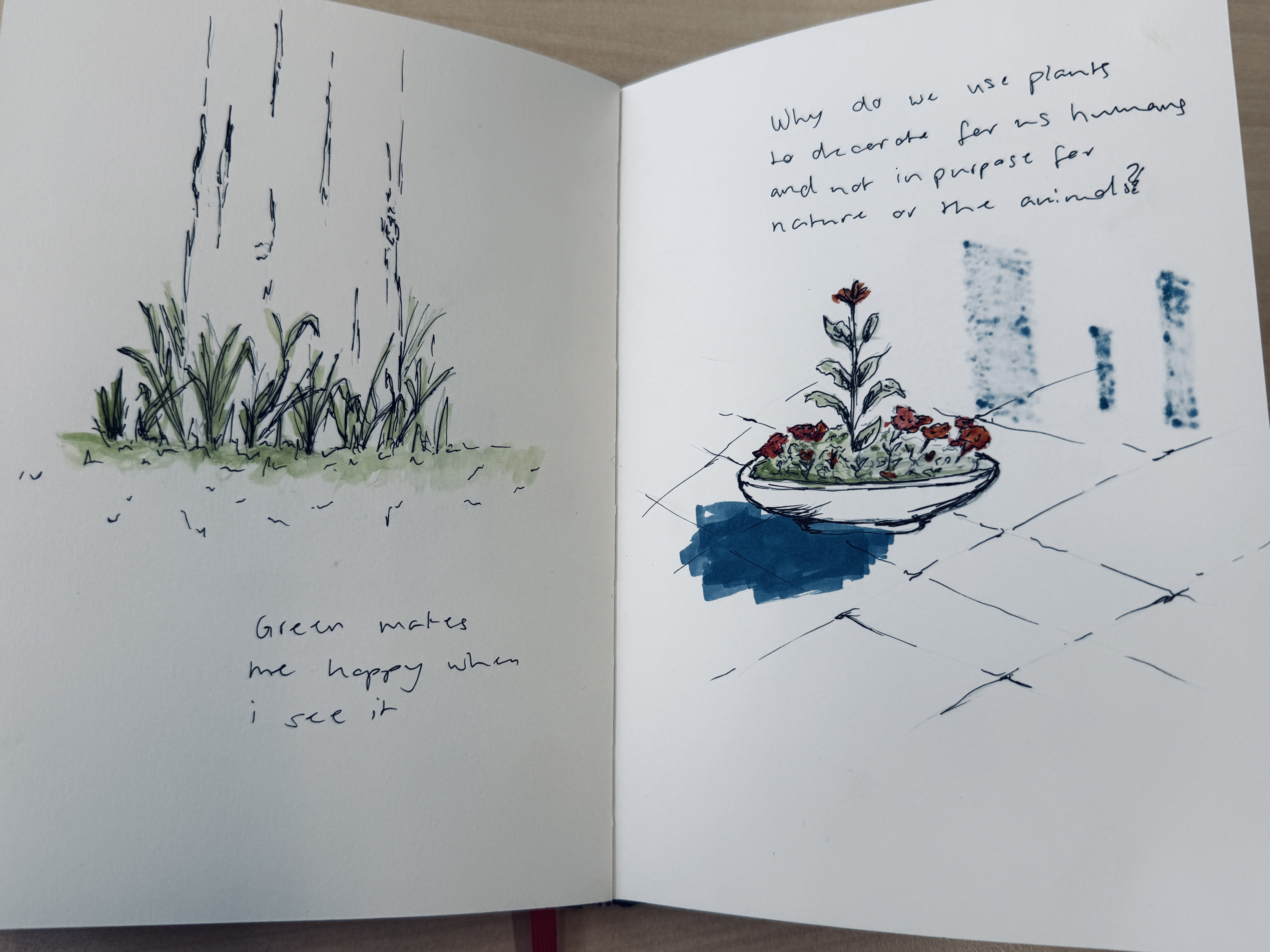
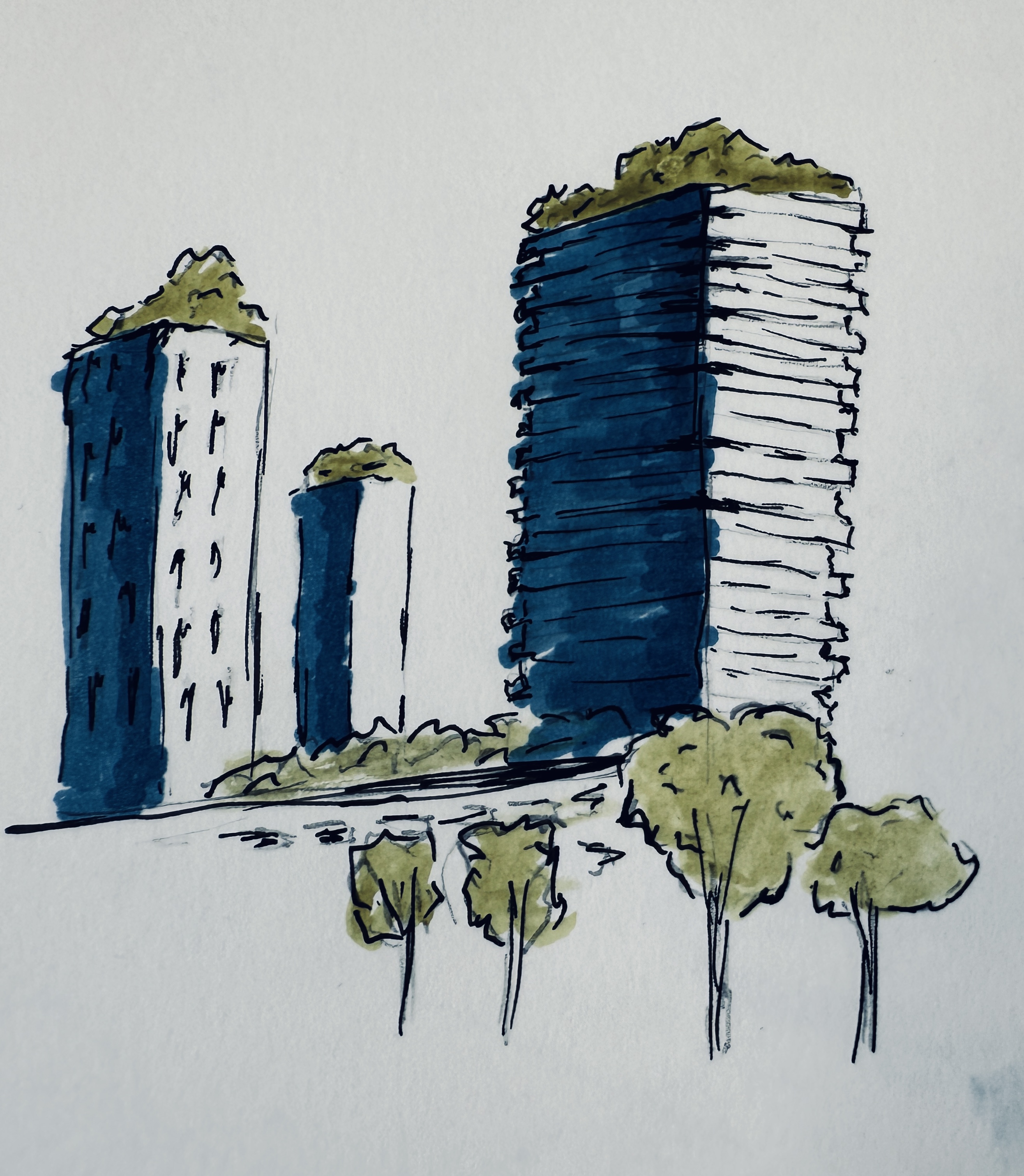
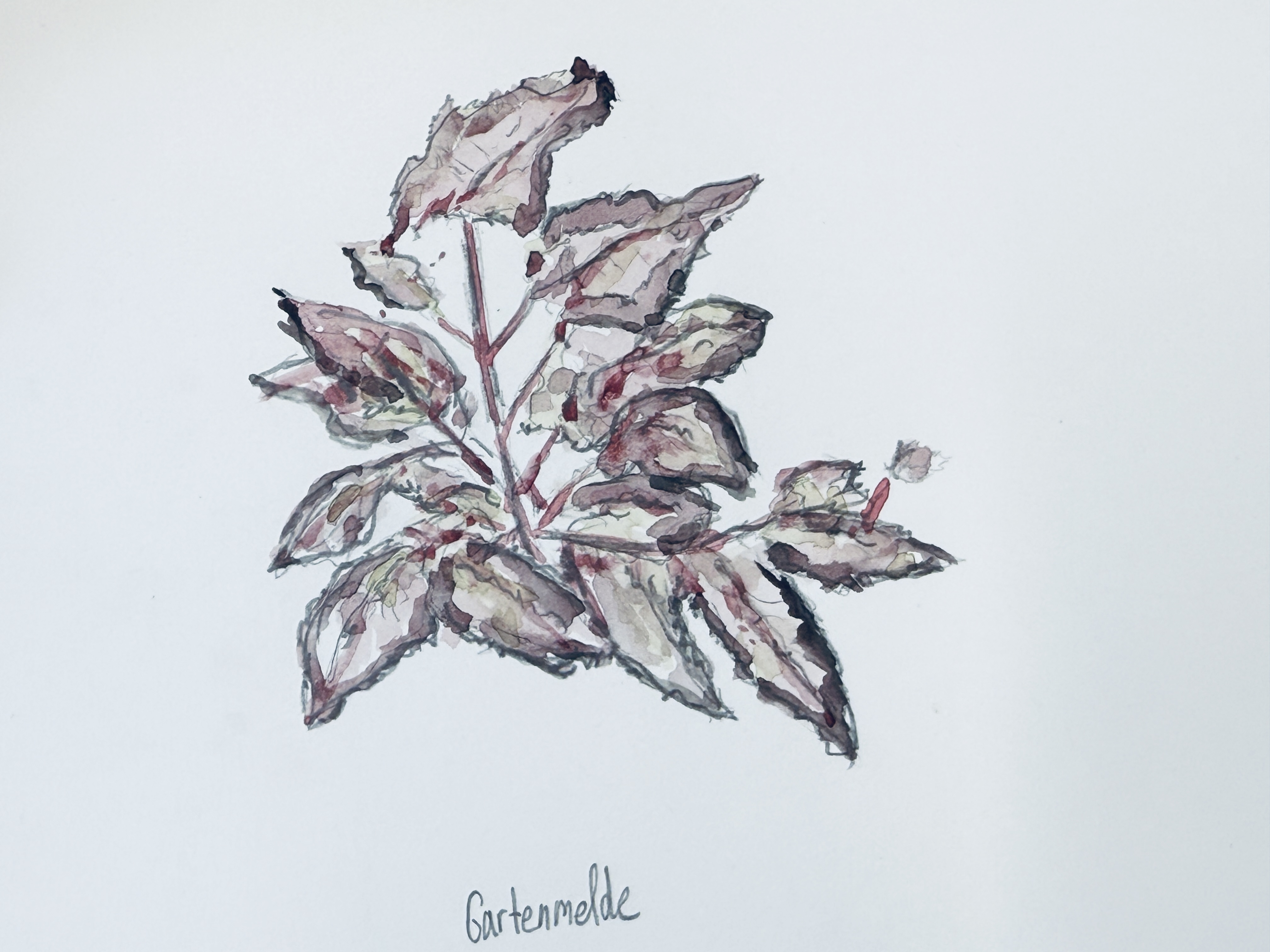
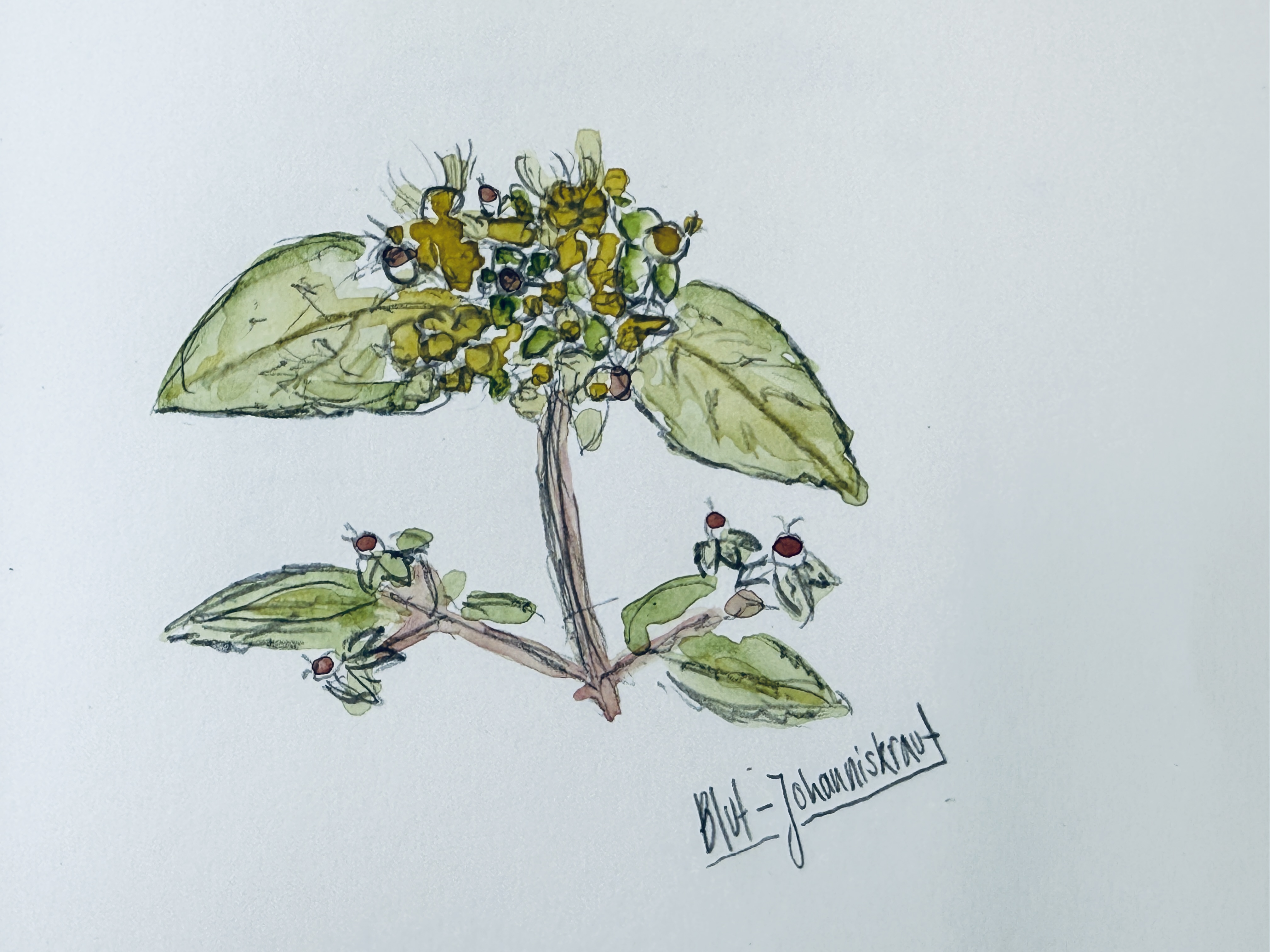
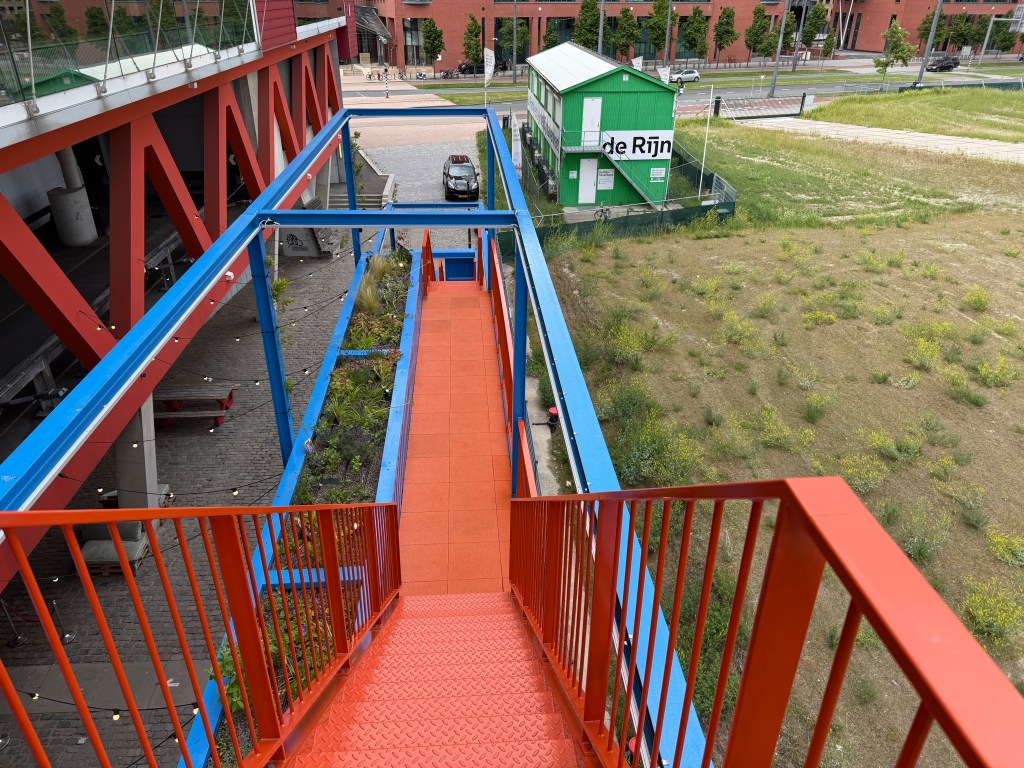
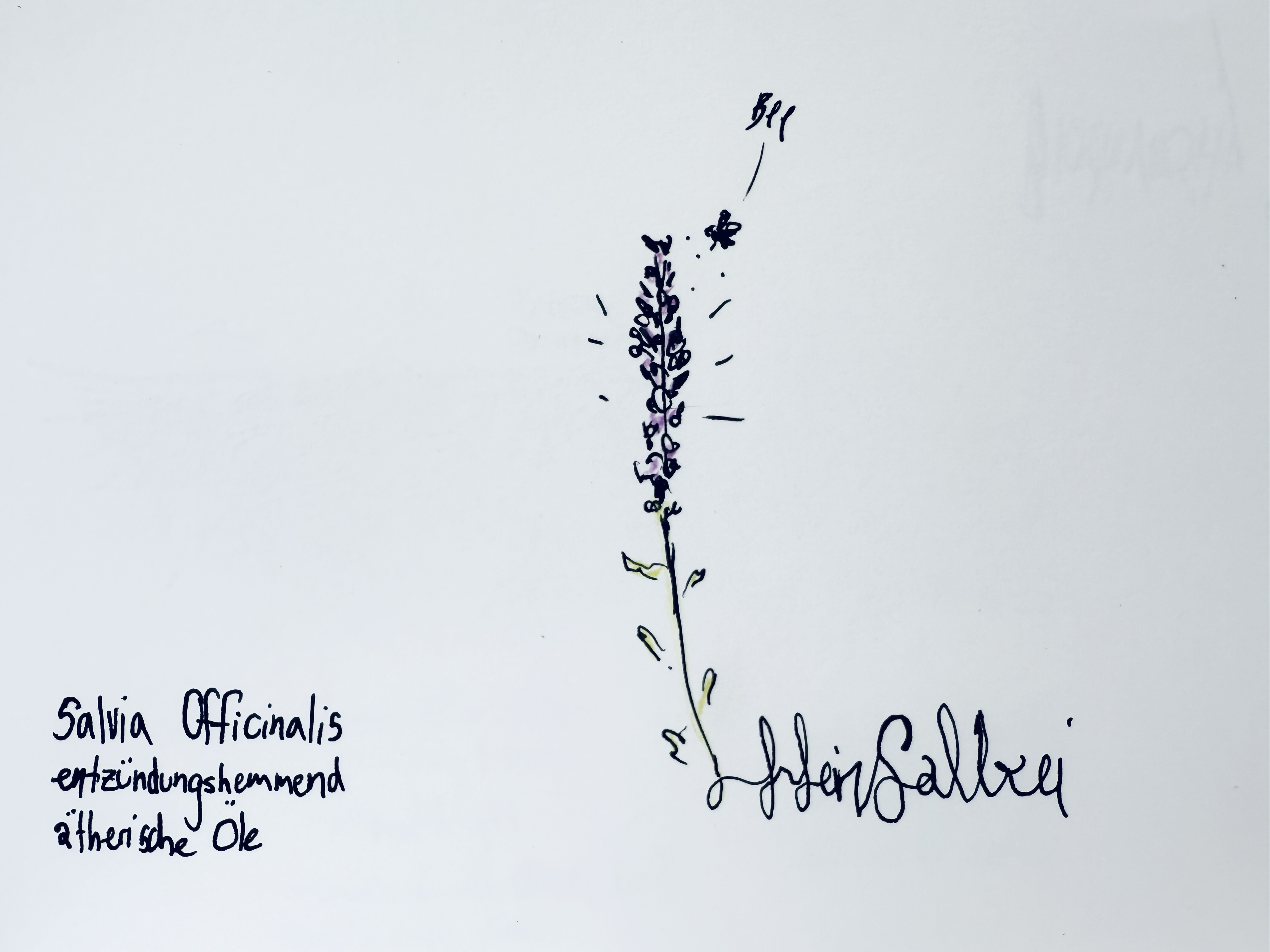
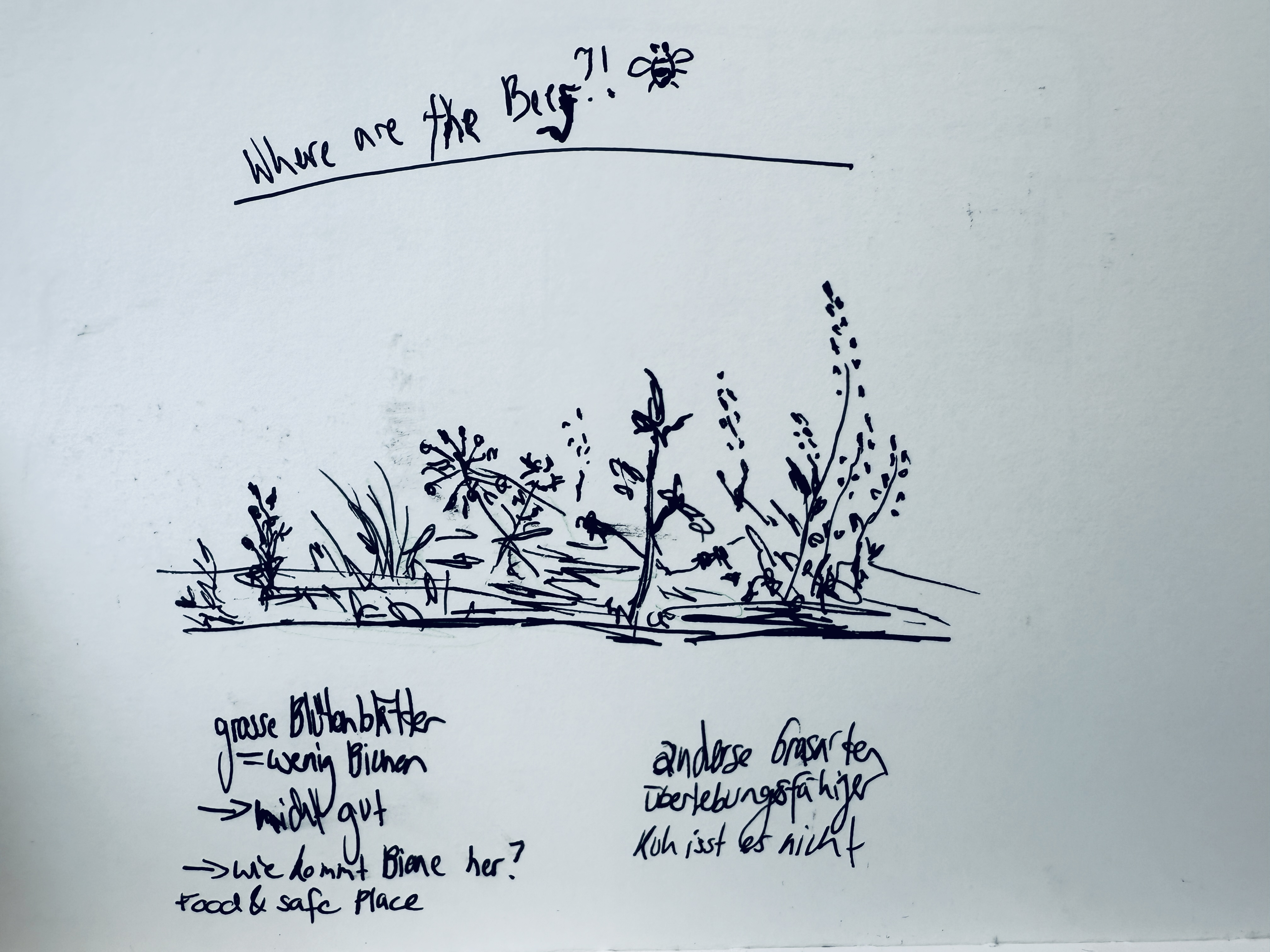
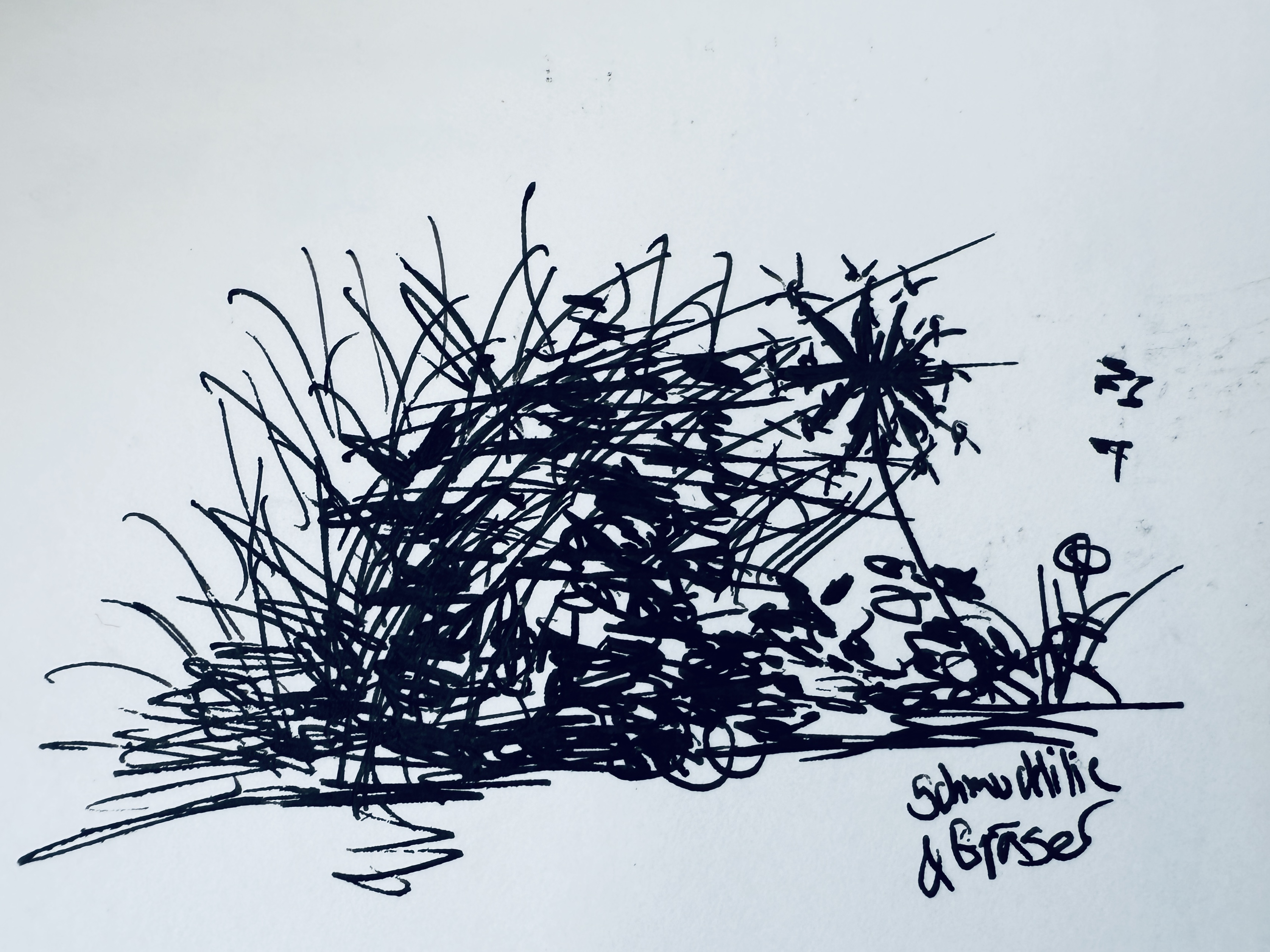
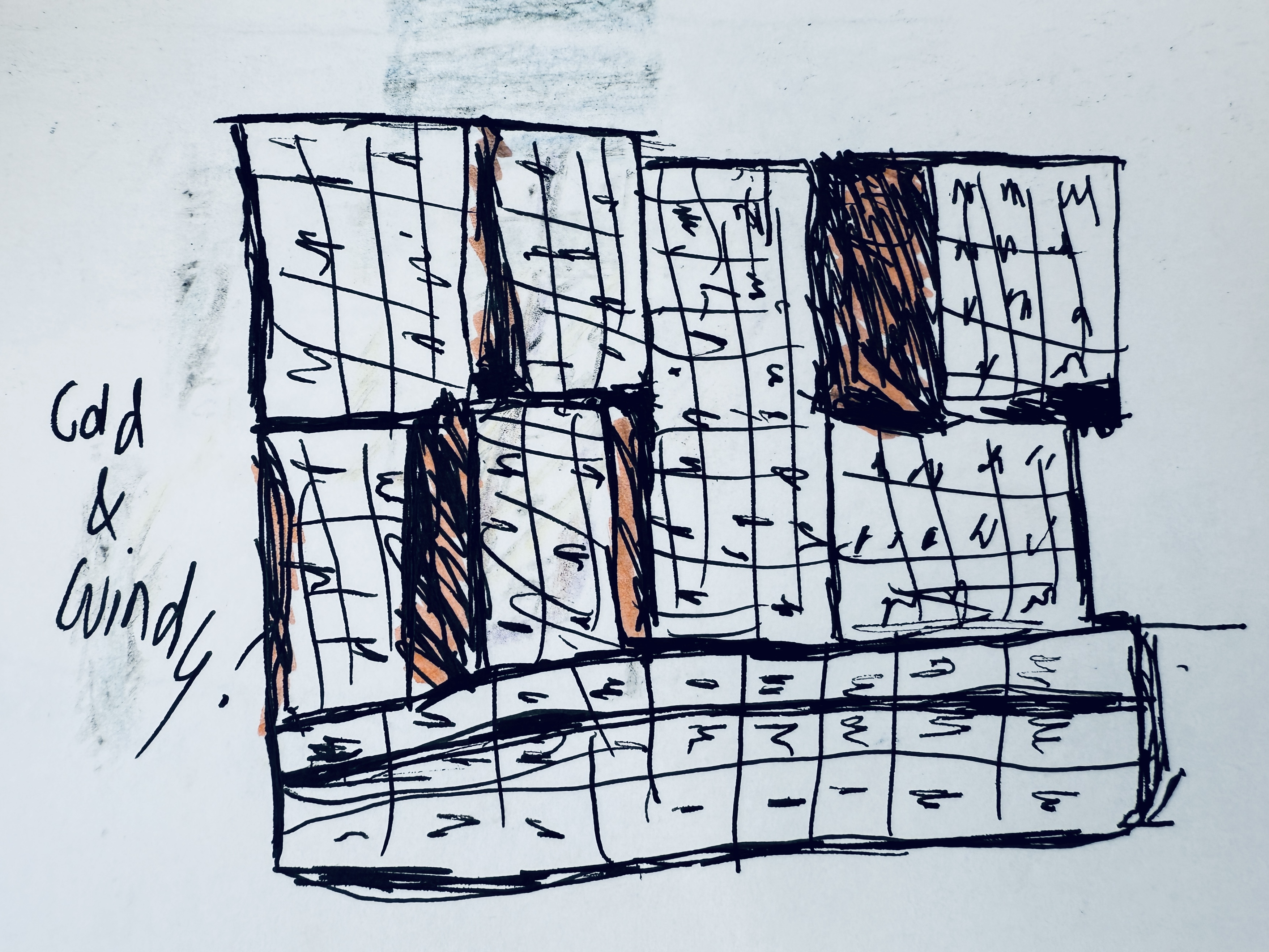
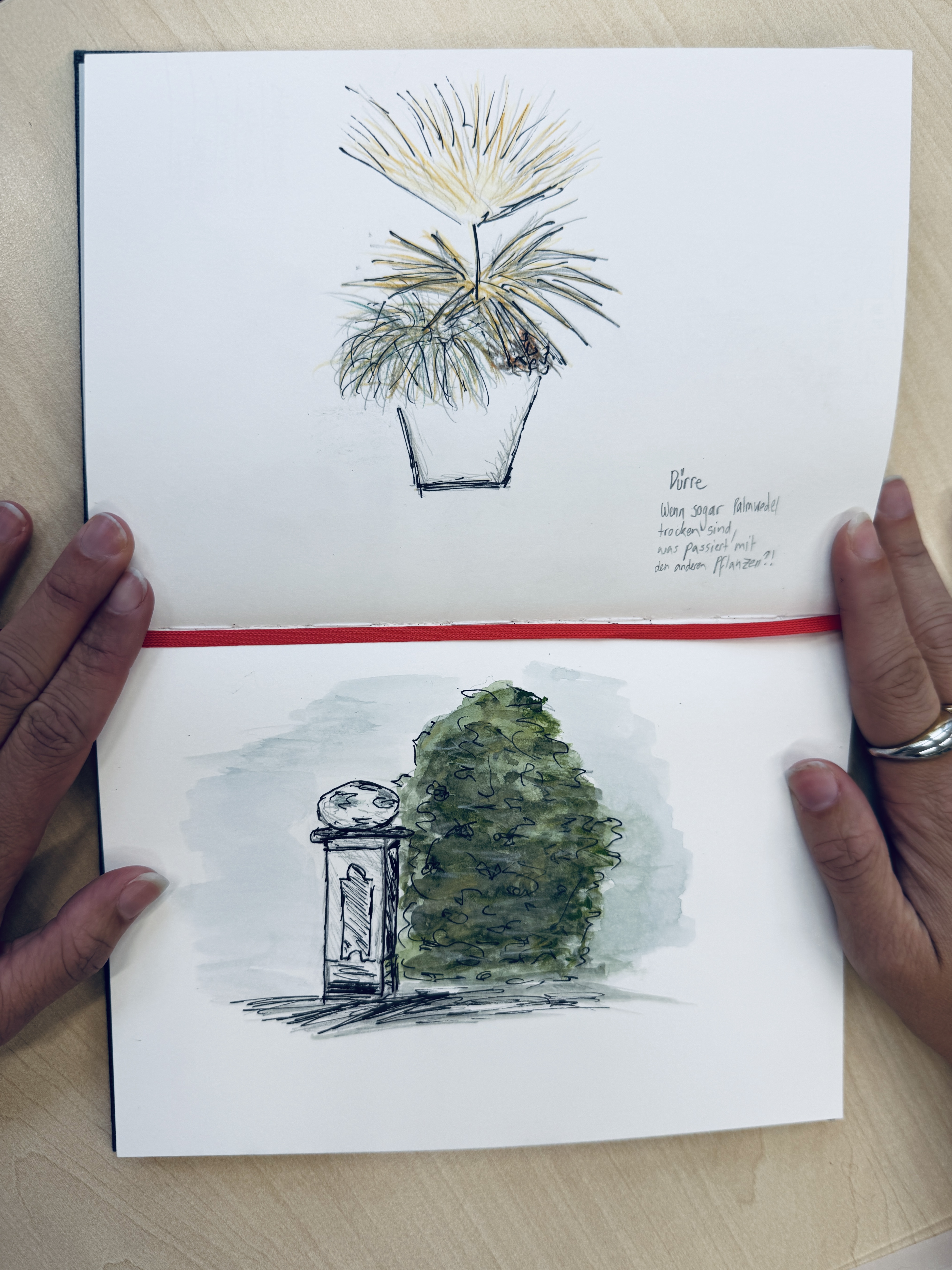
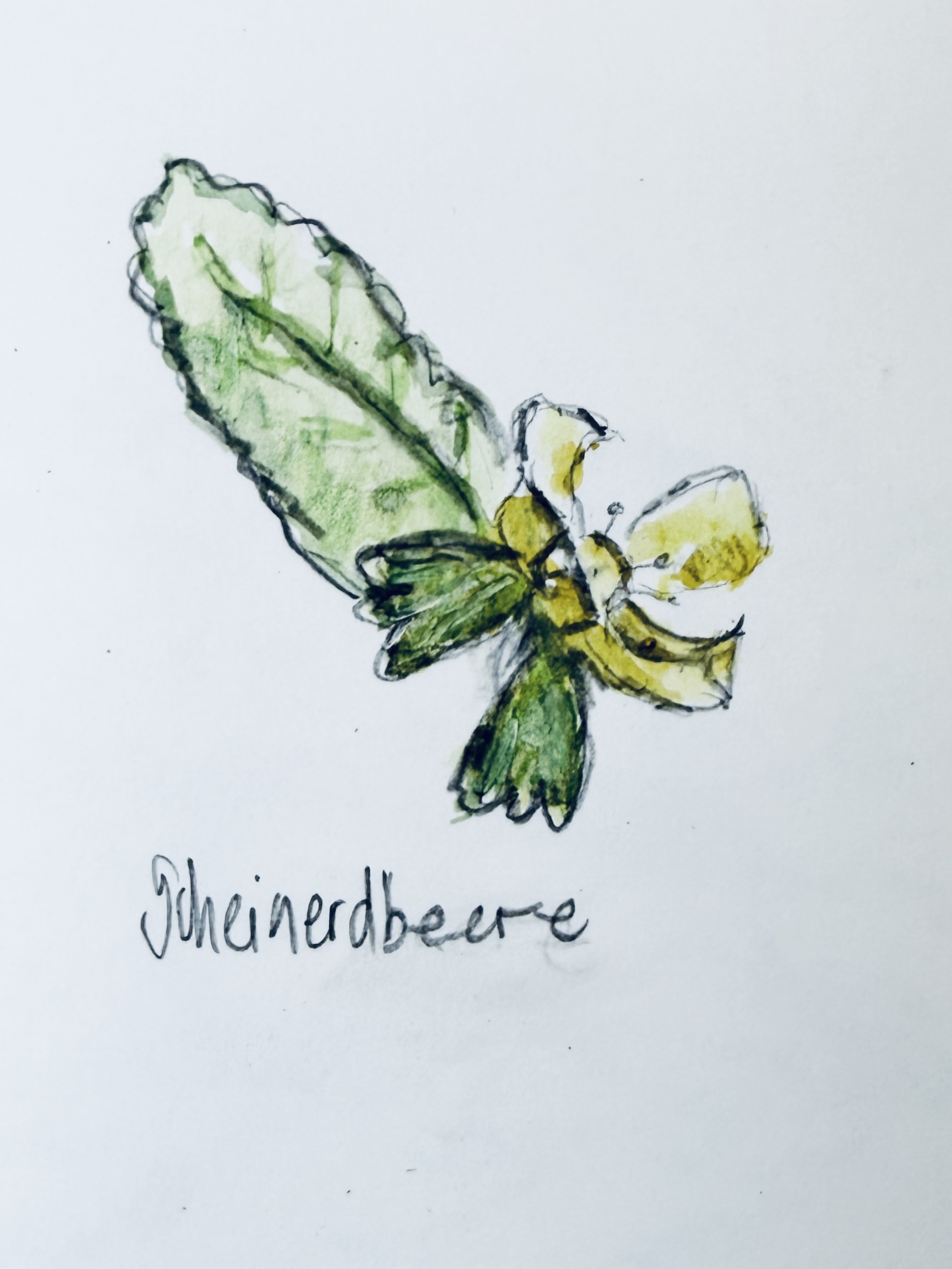
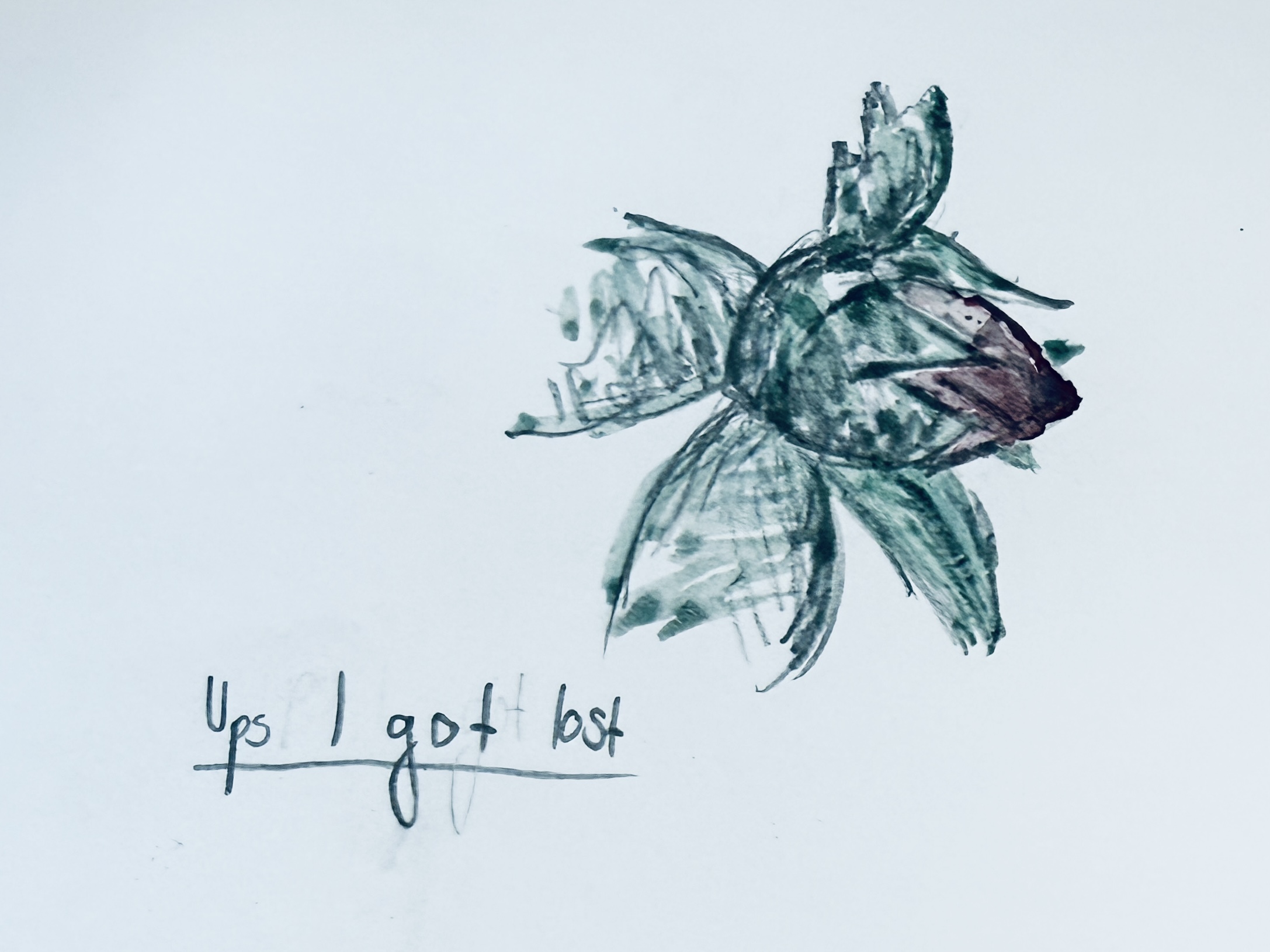
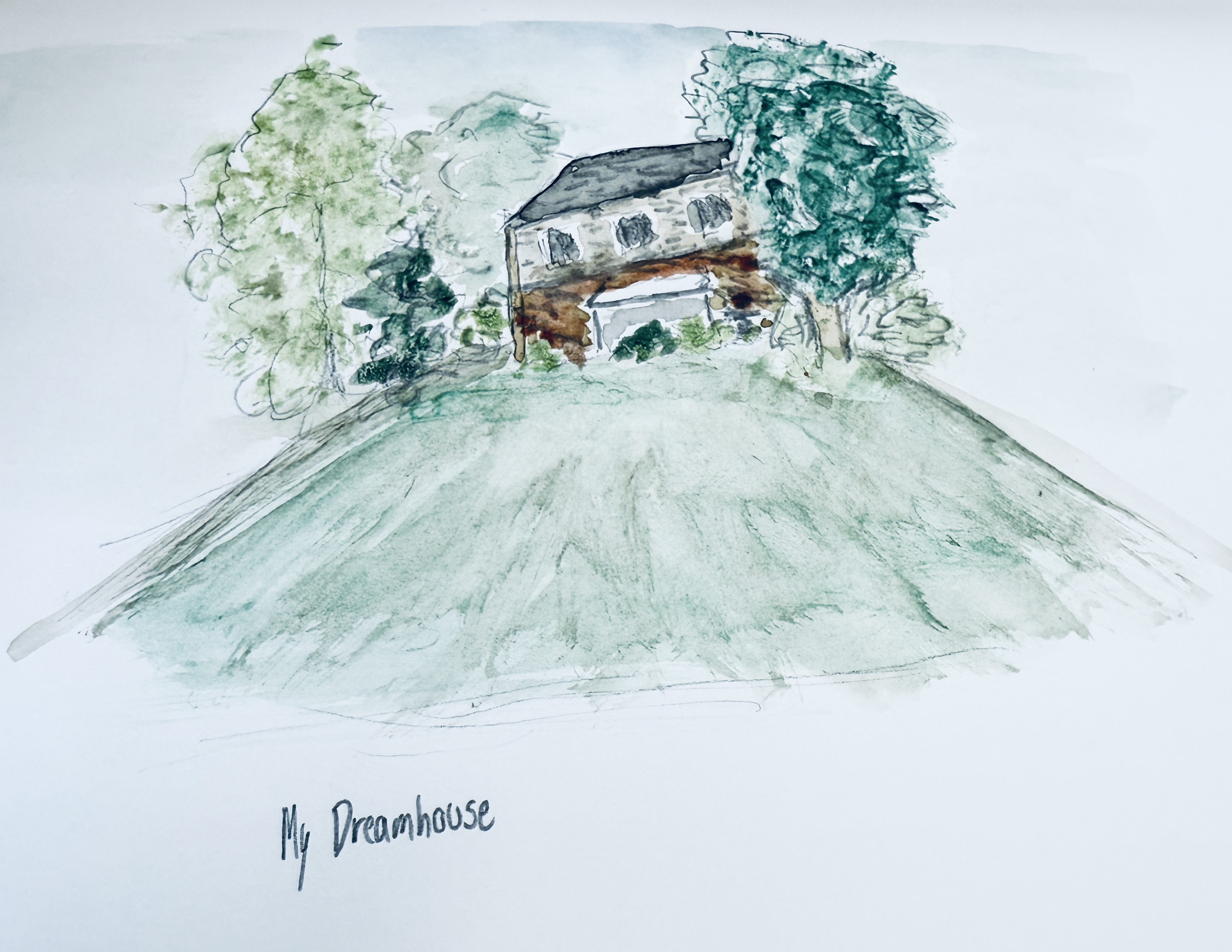
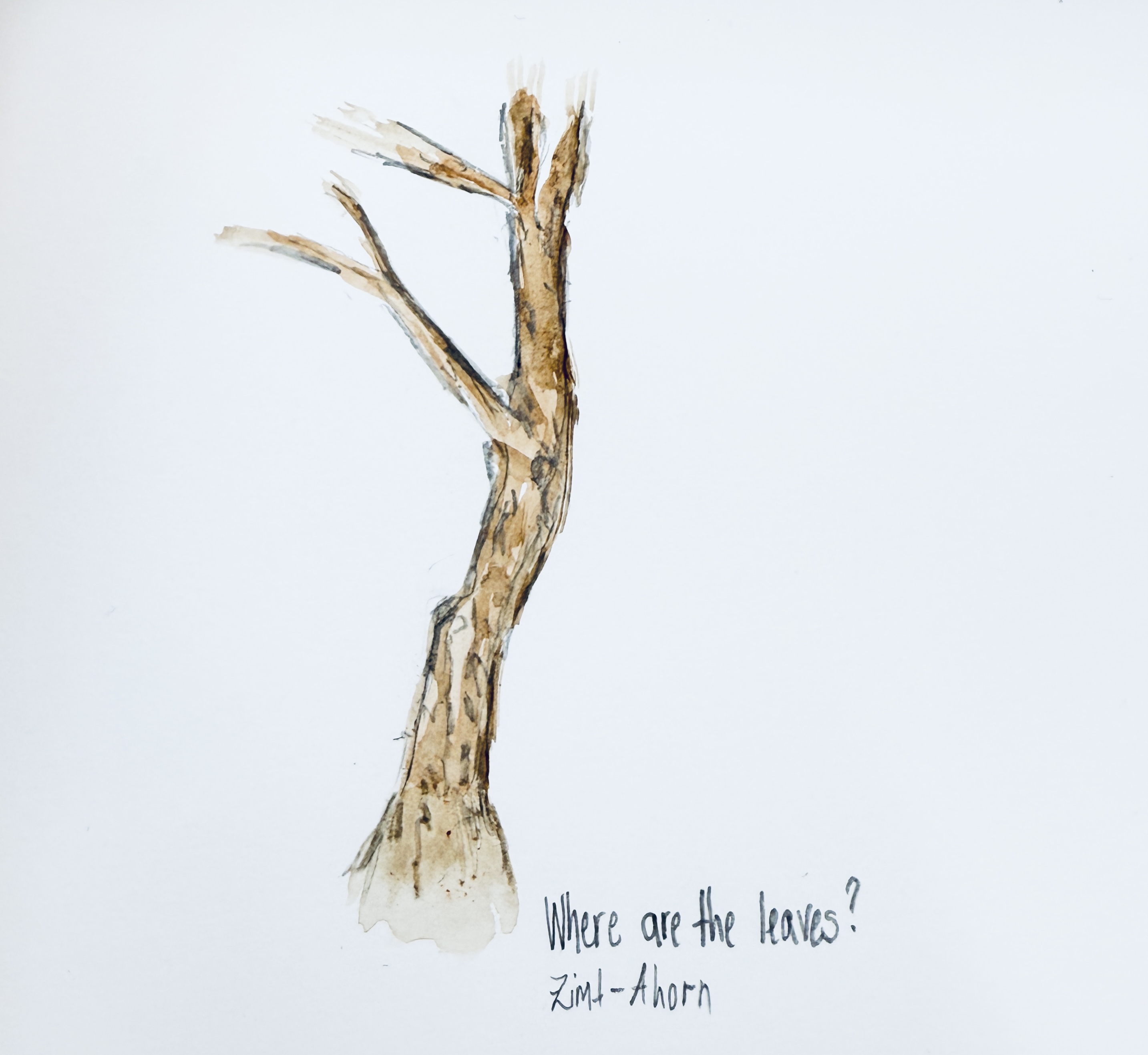
Thinking with the Pencil
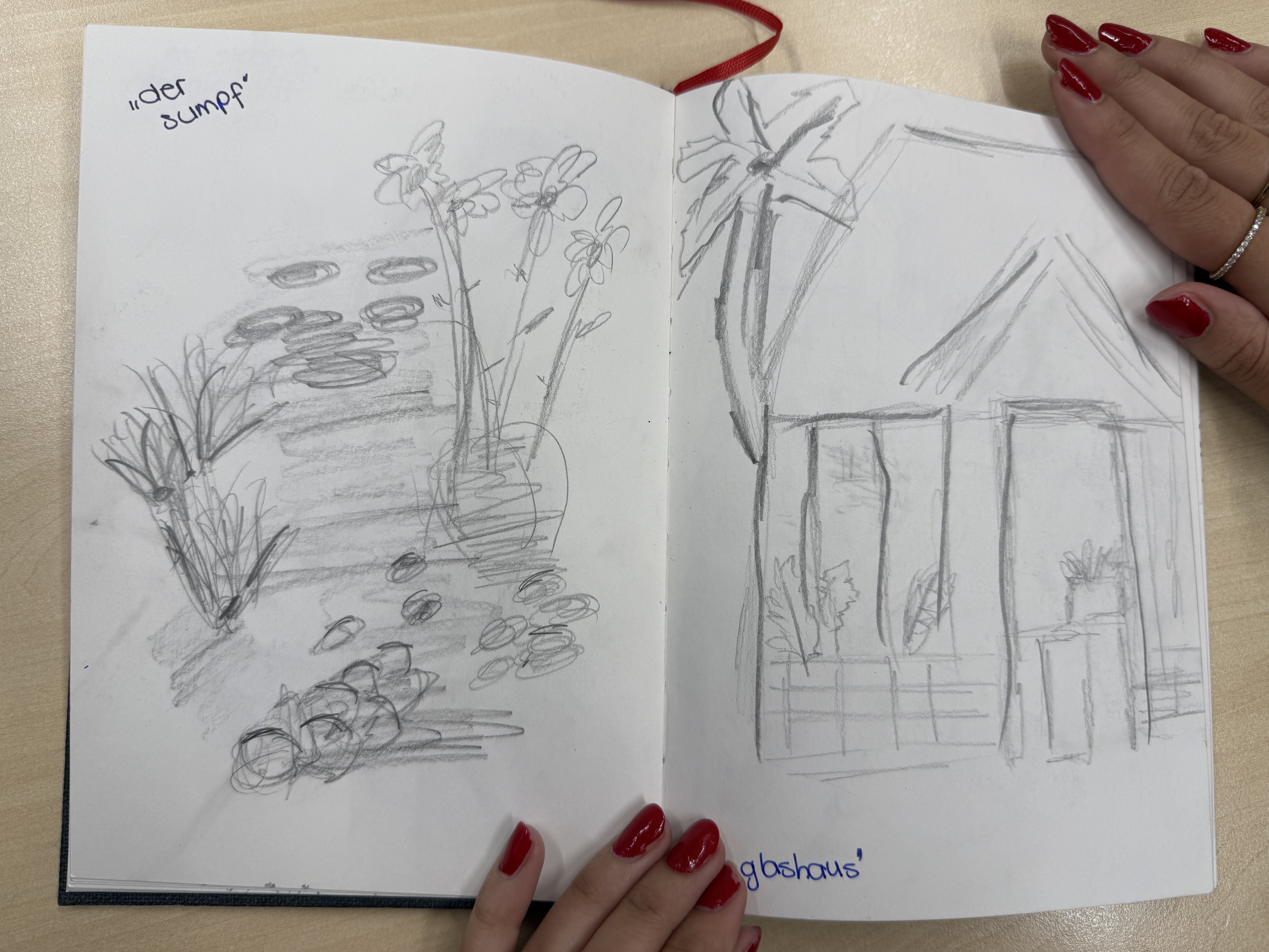
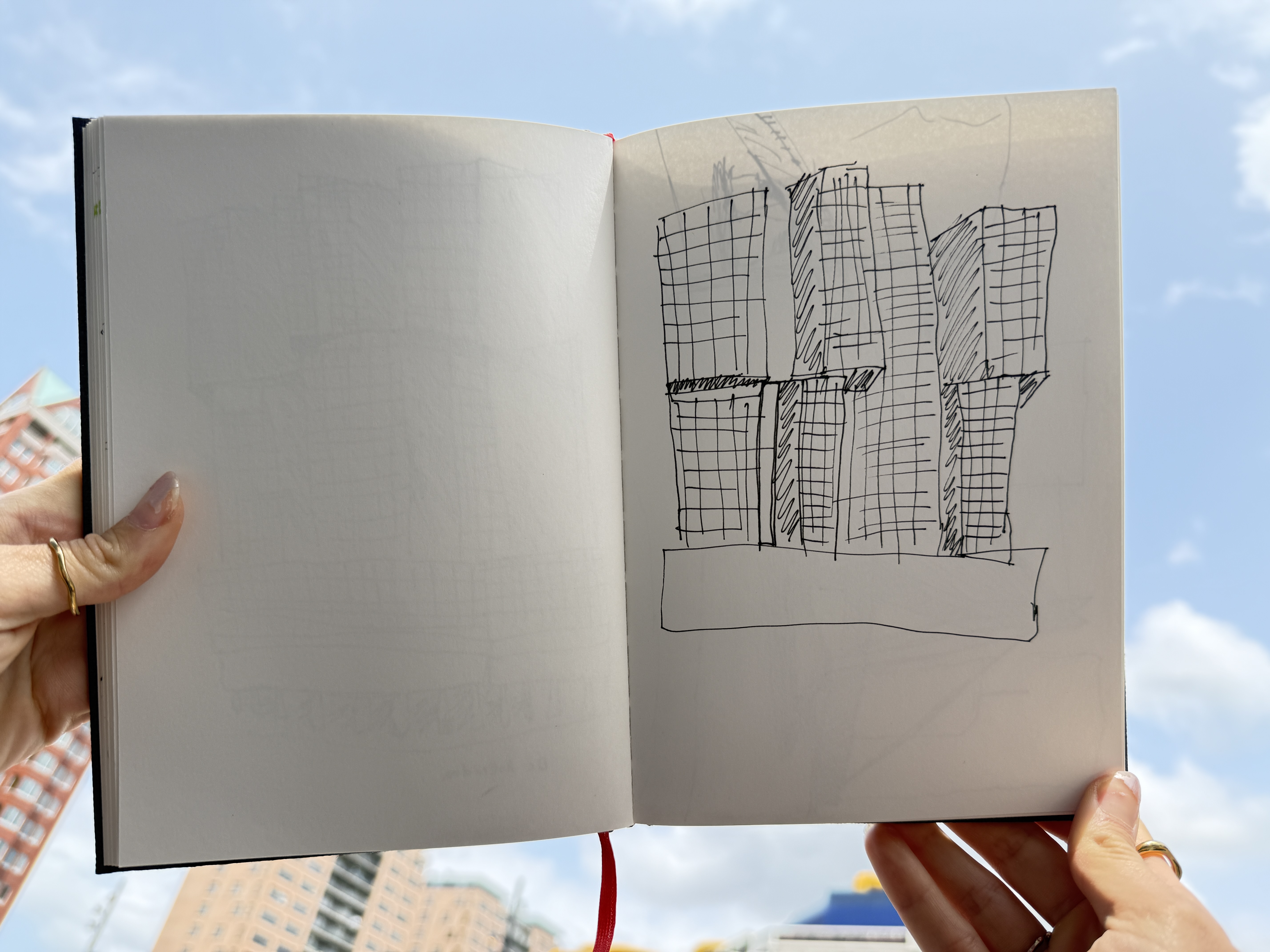
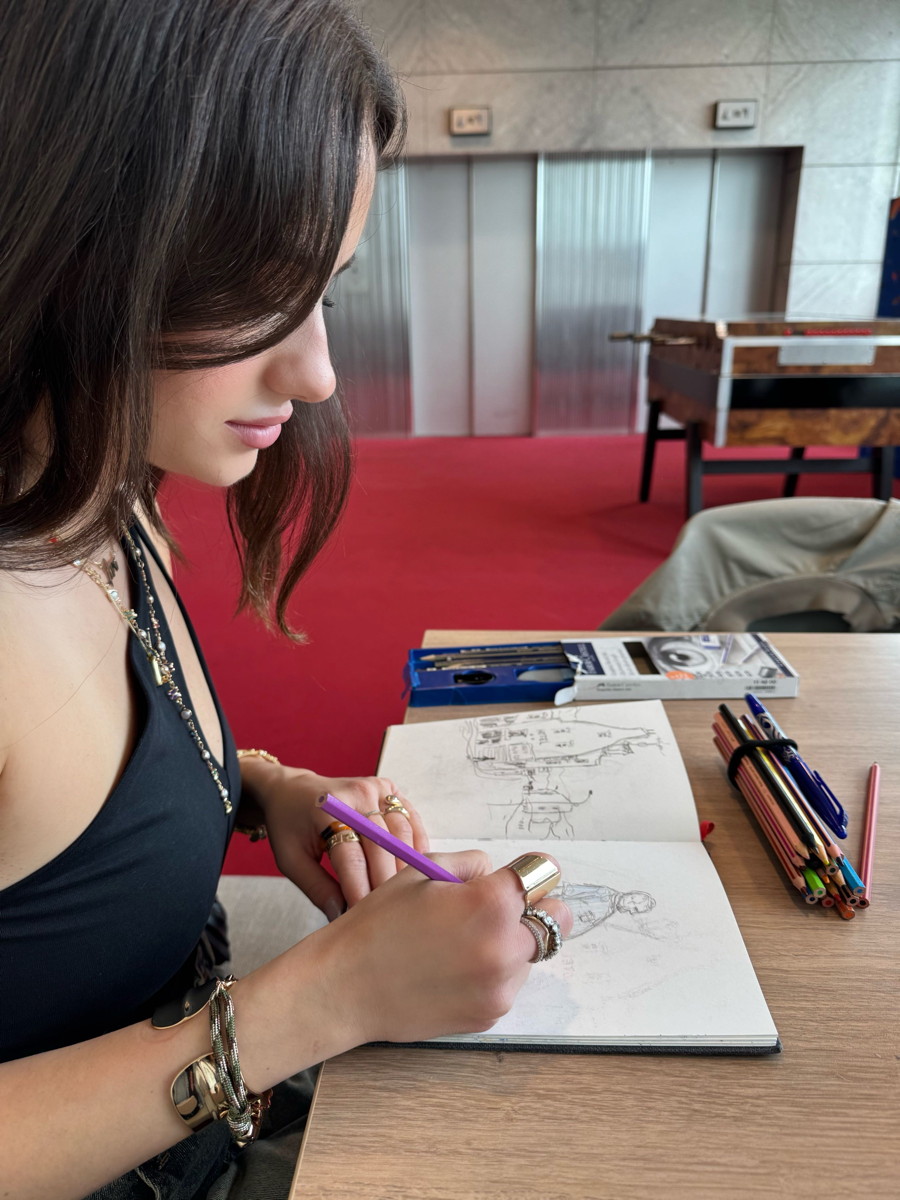
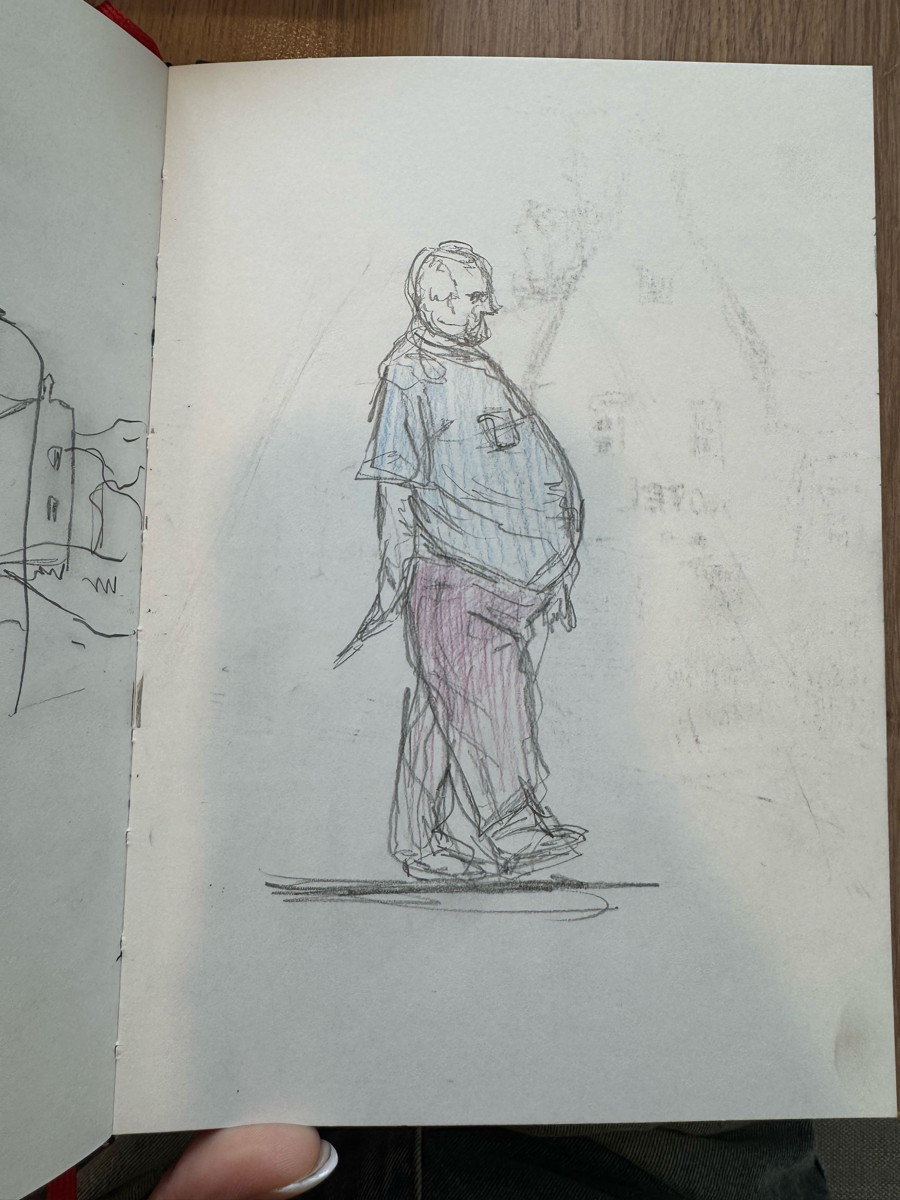
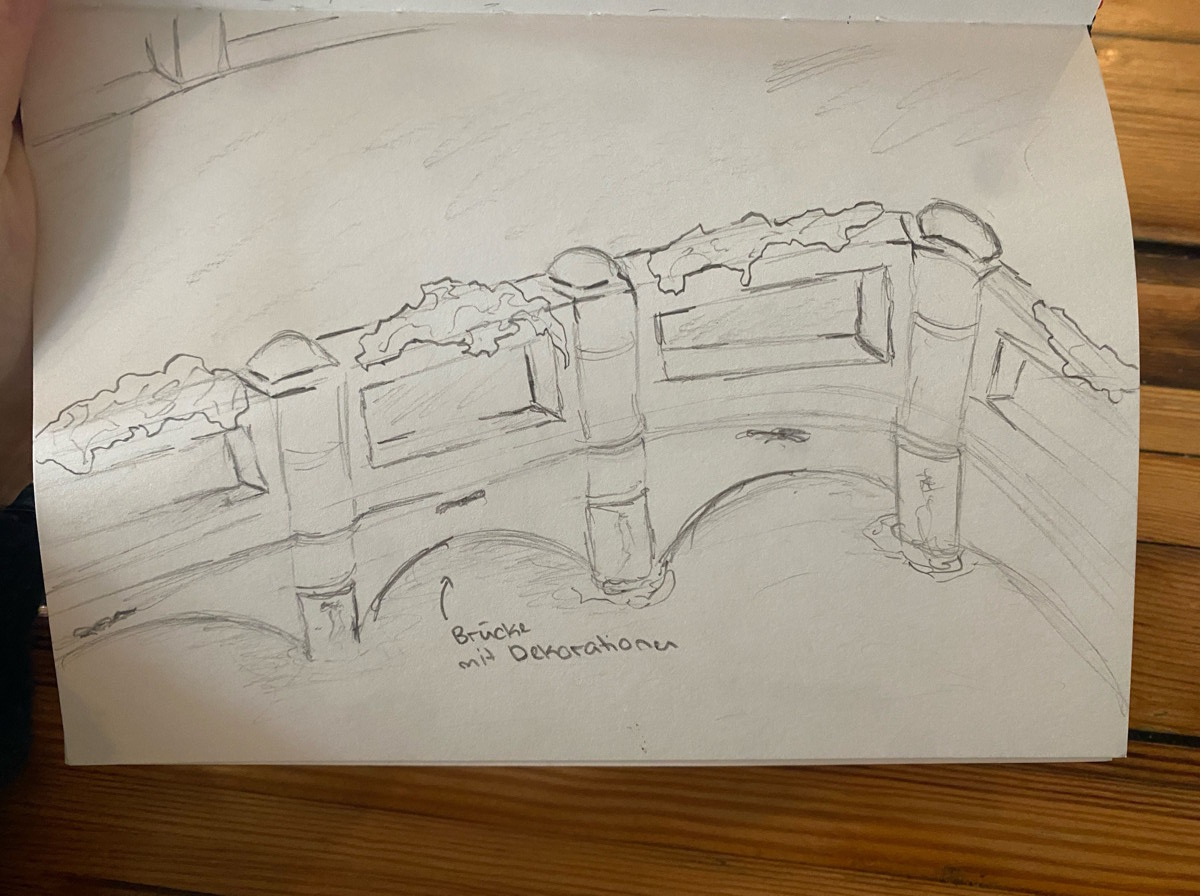
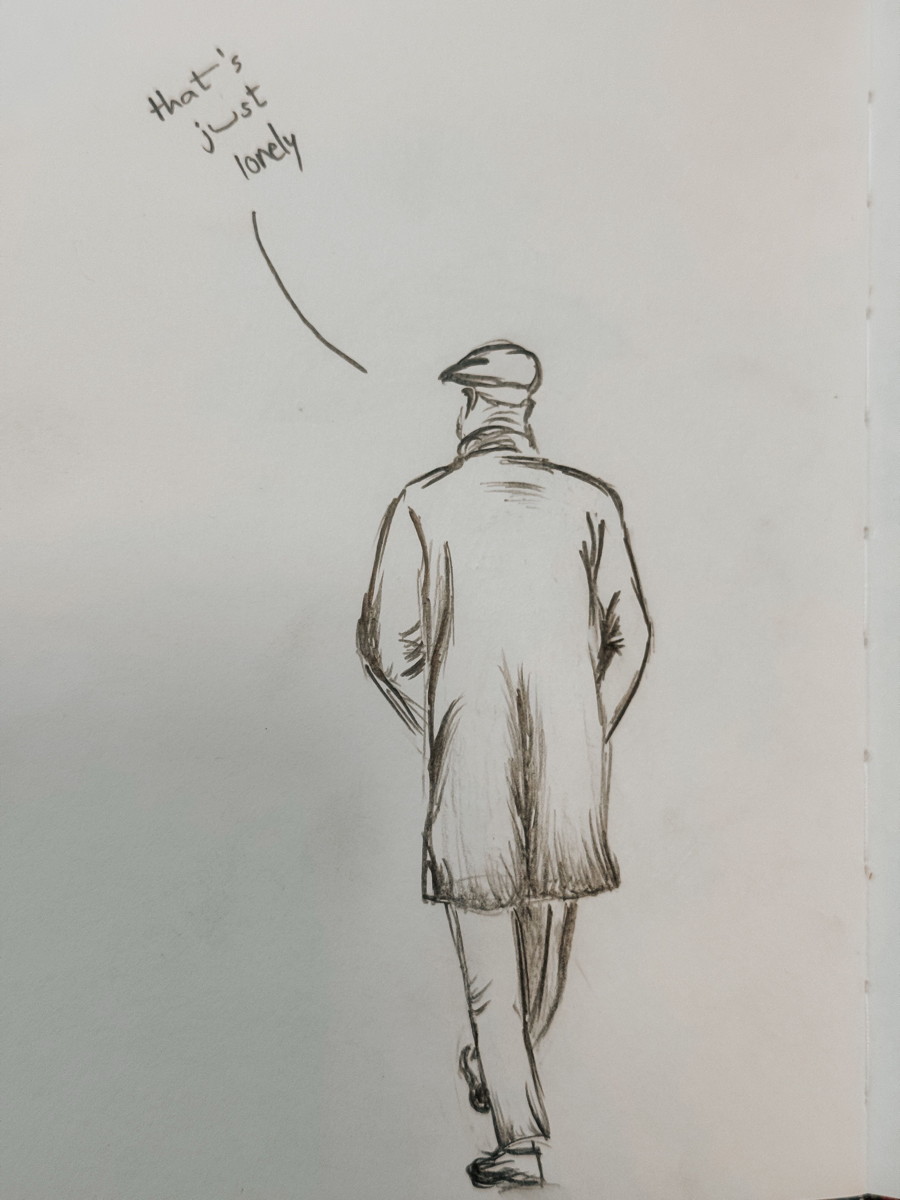
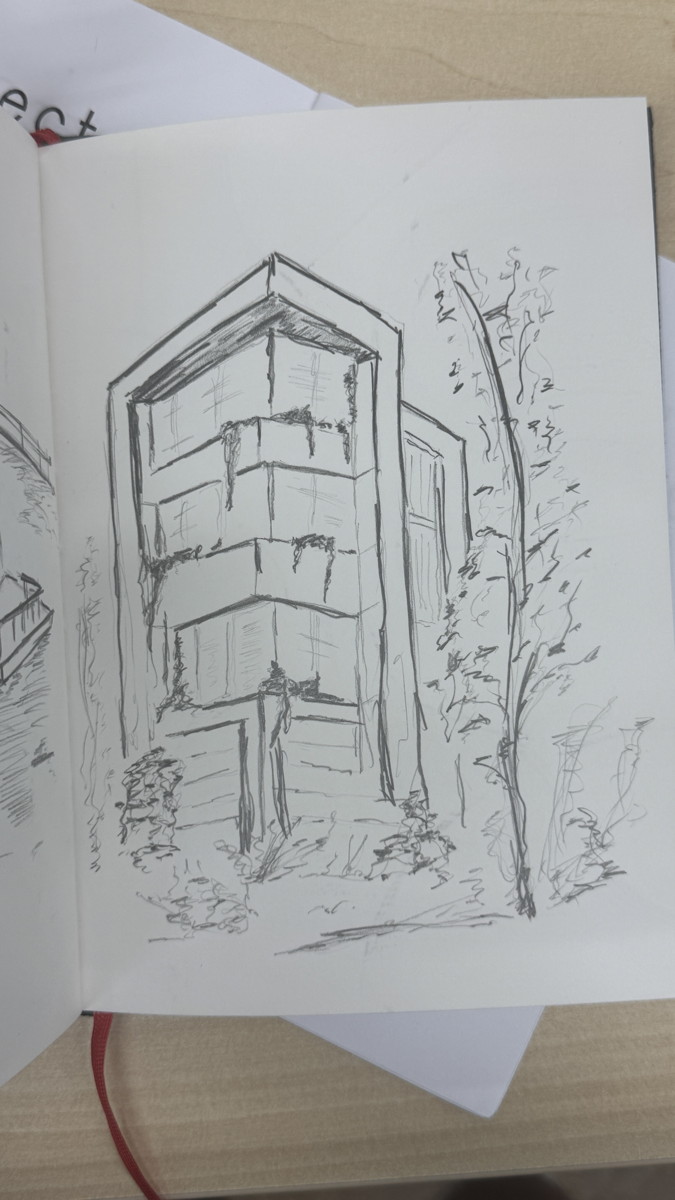
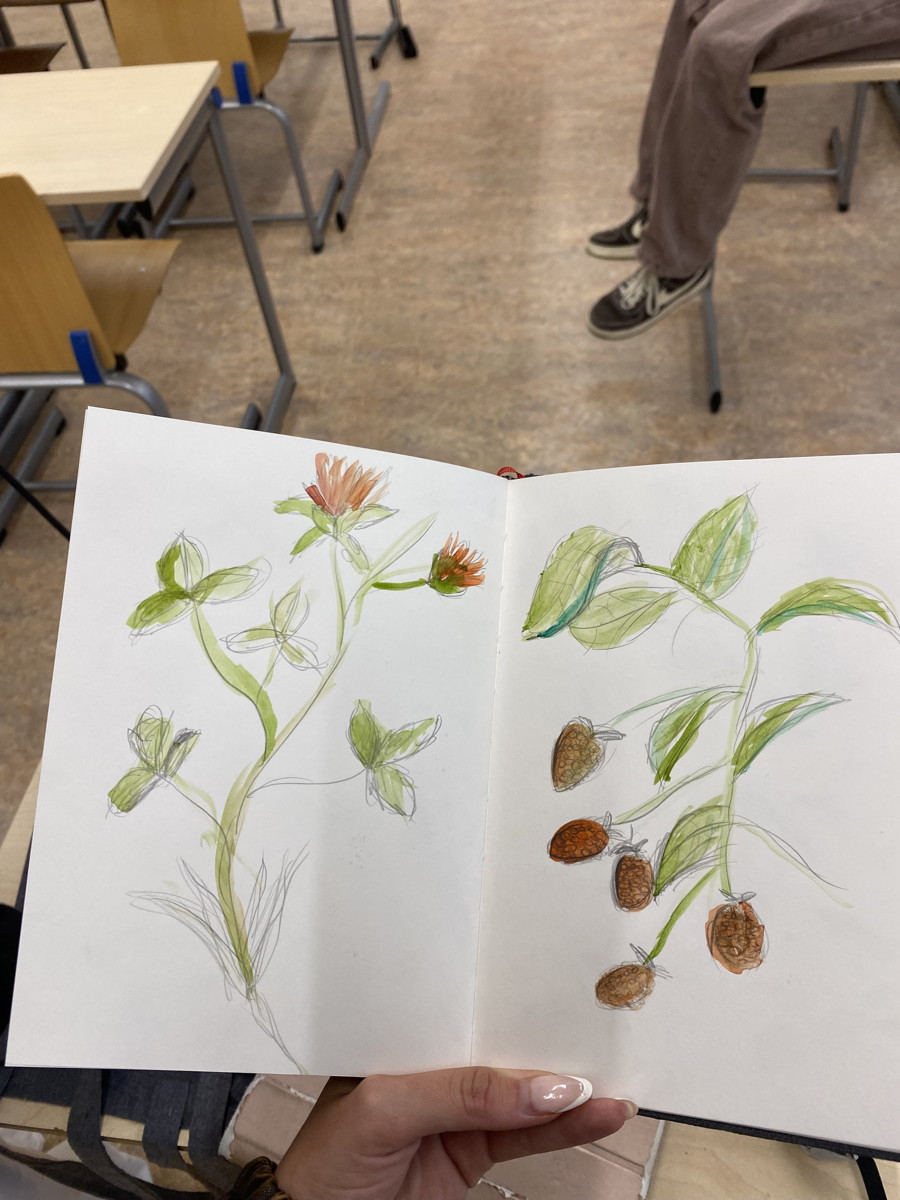
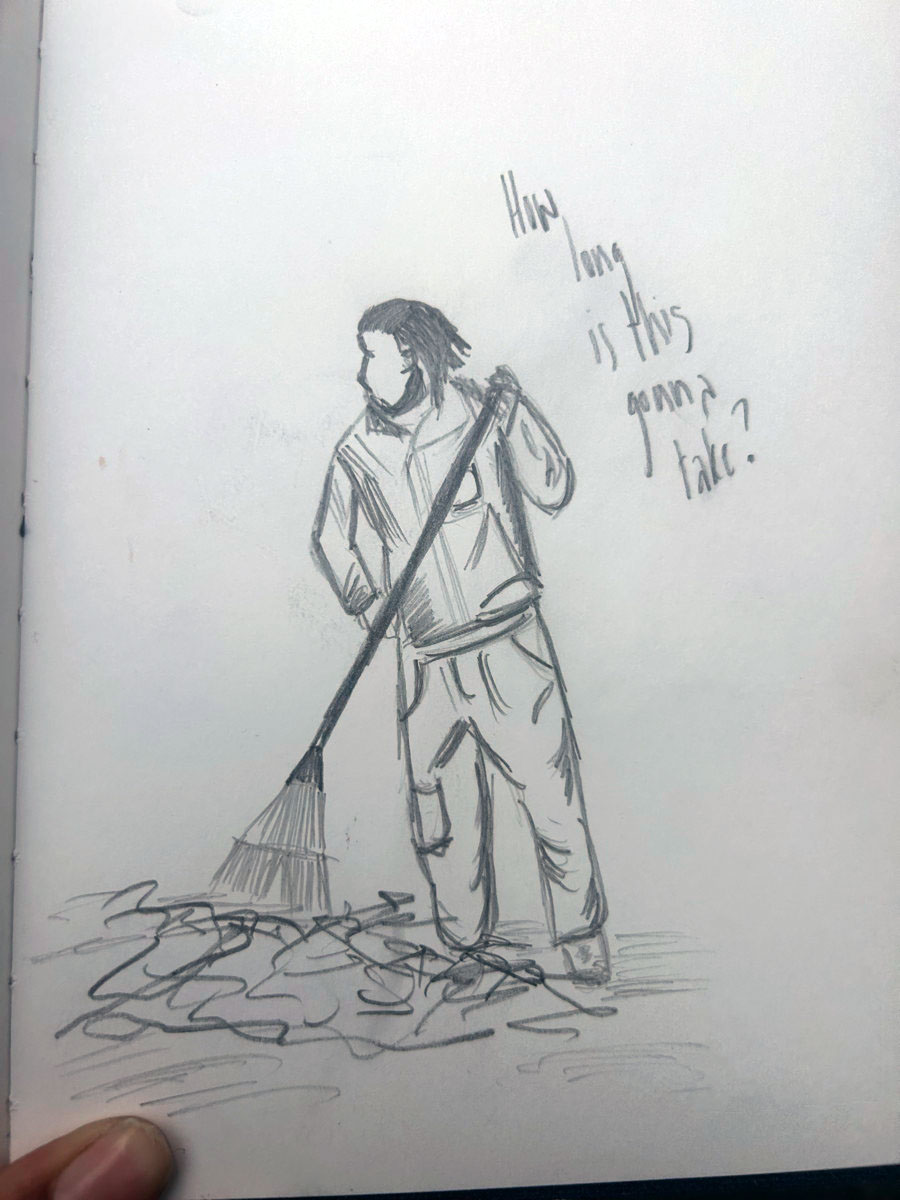
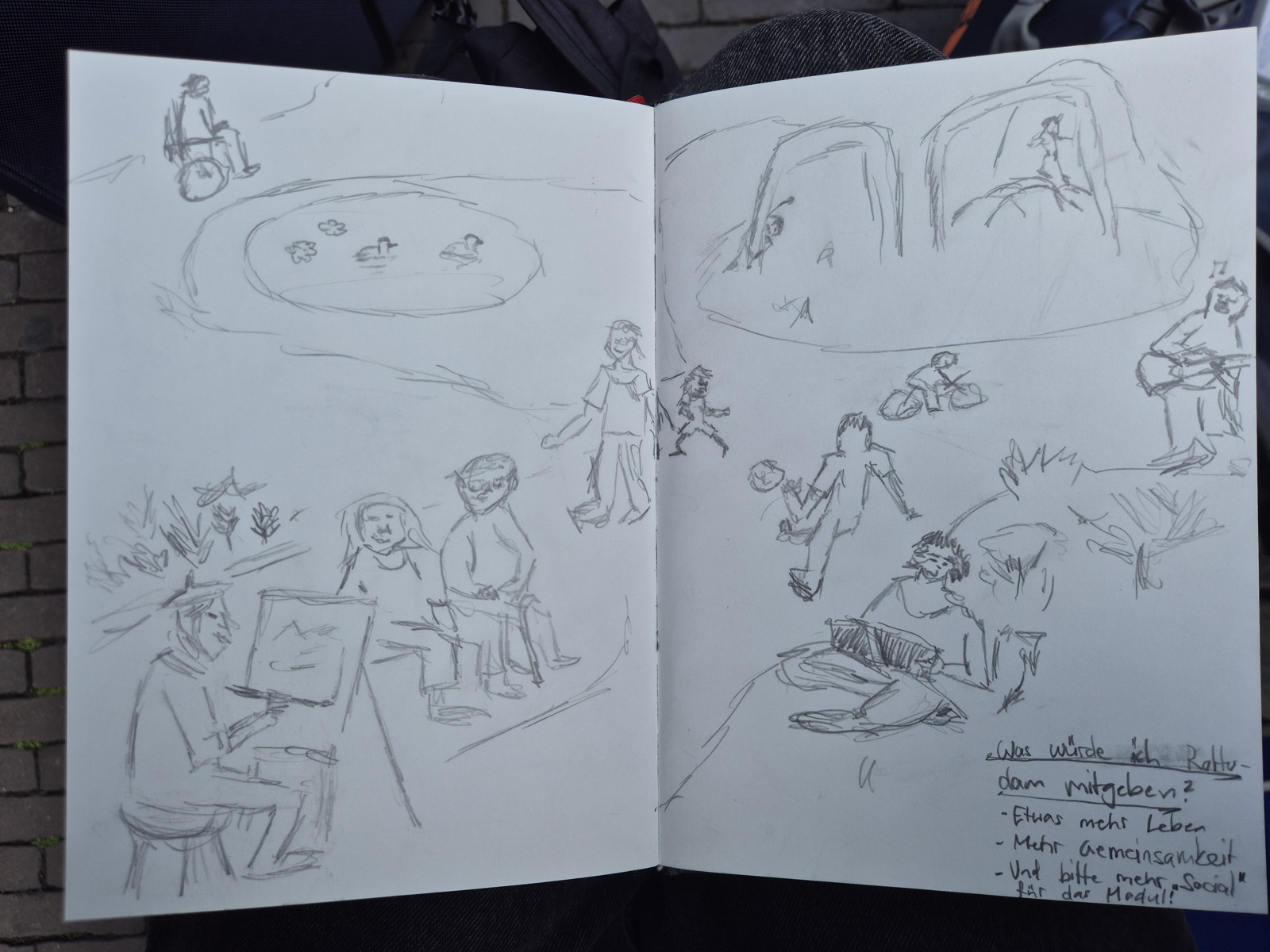
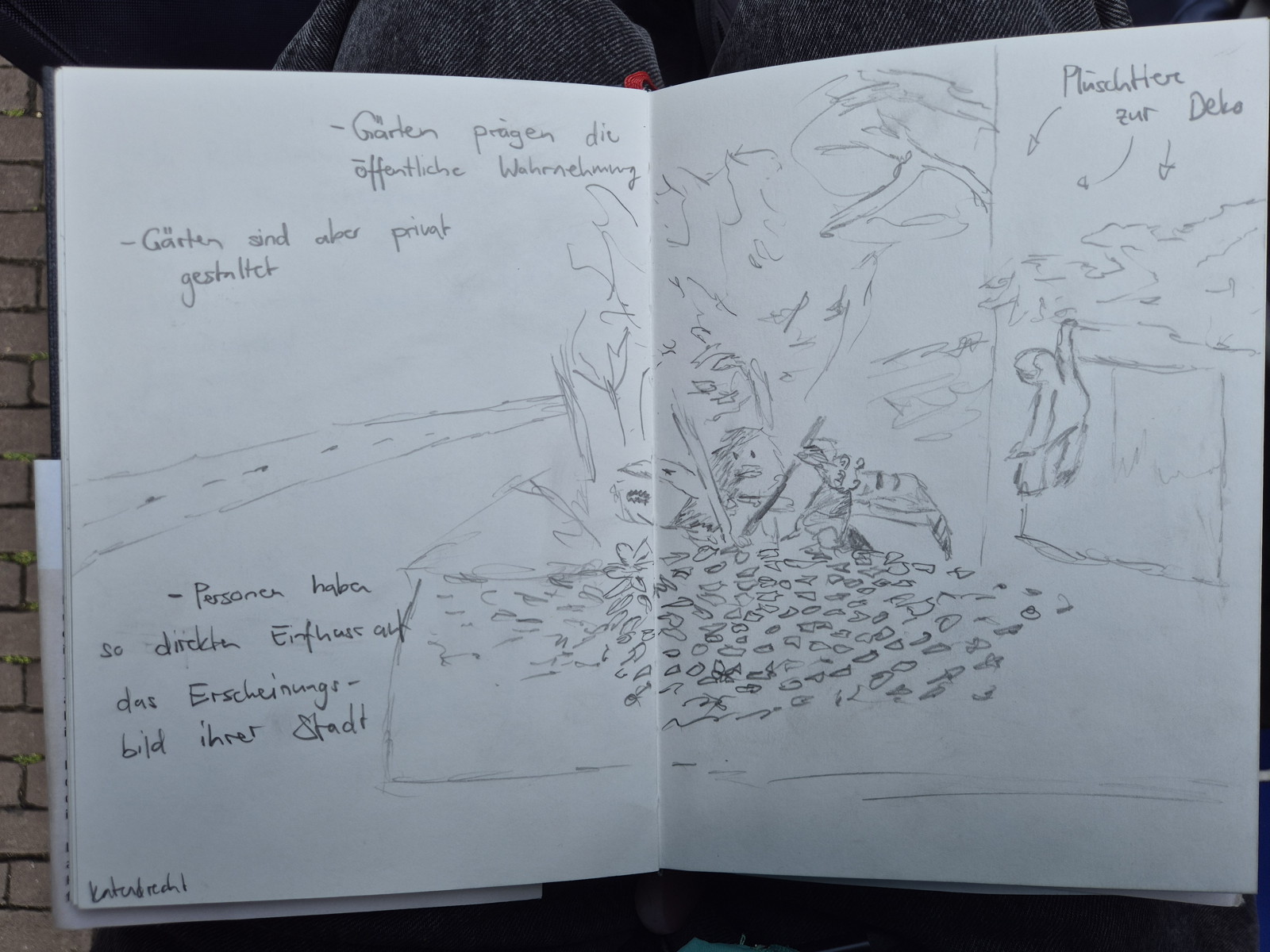
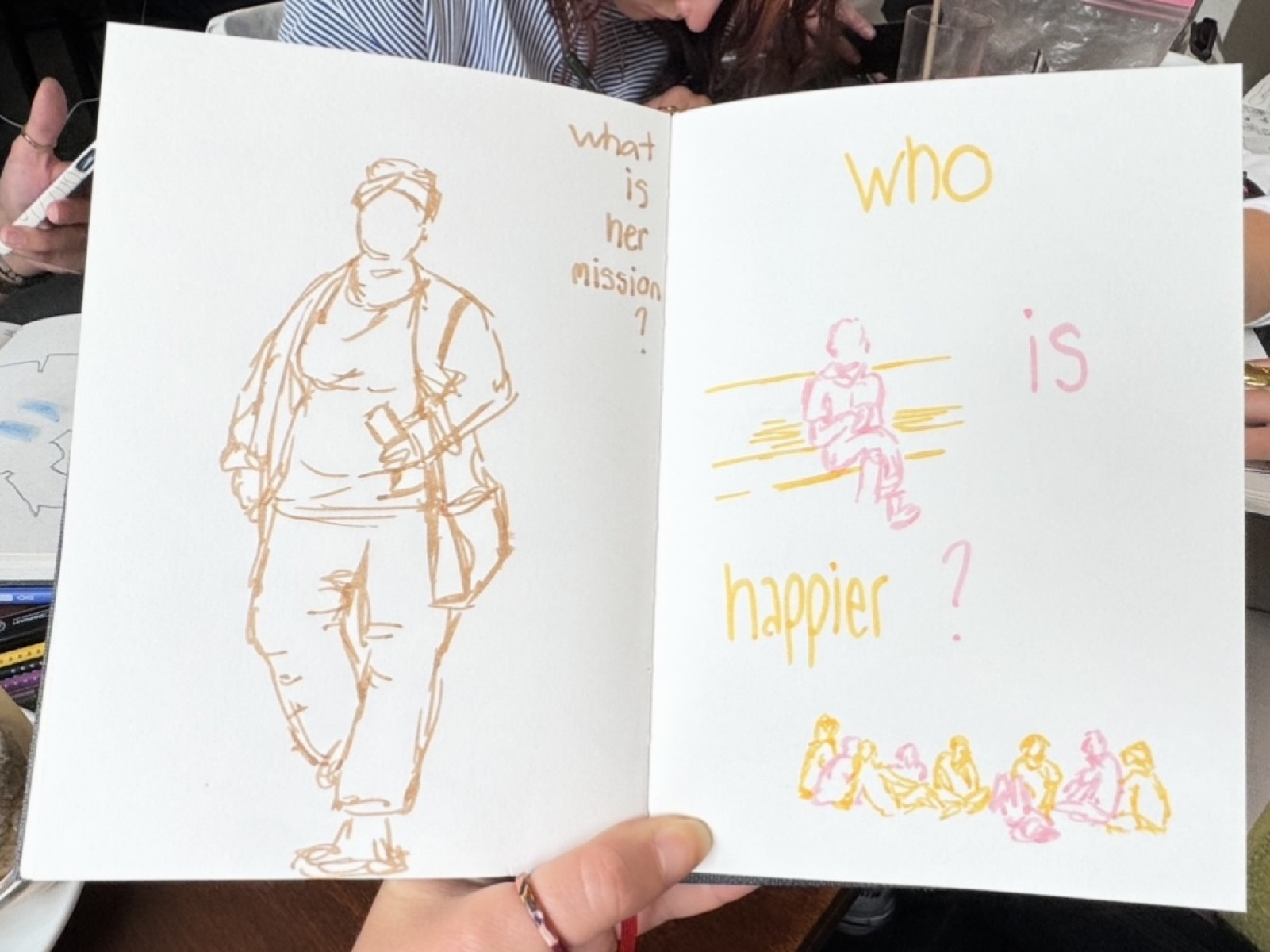
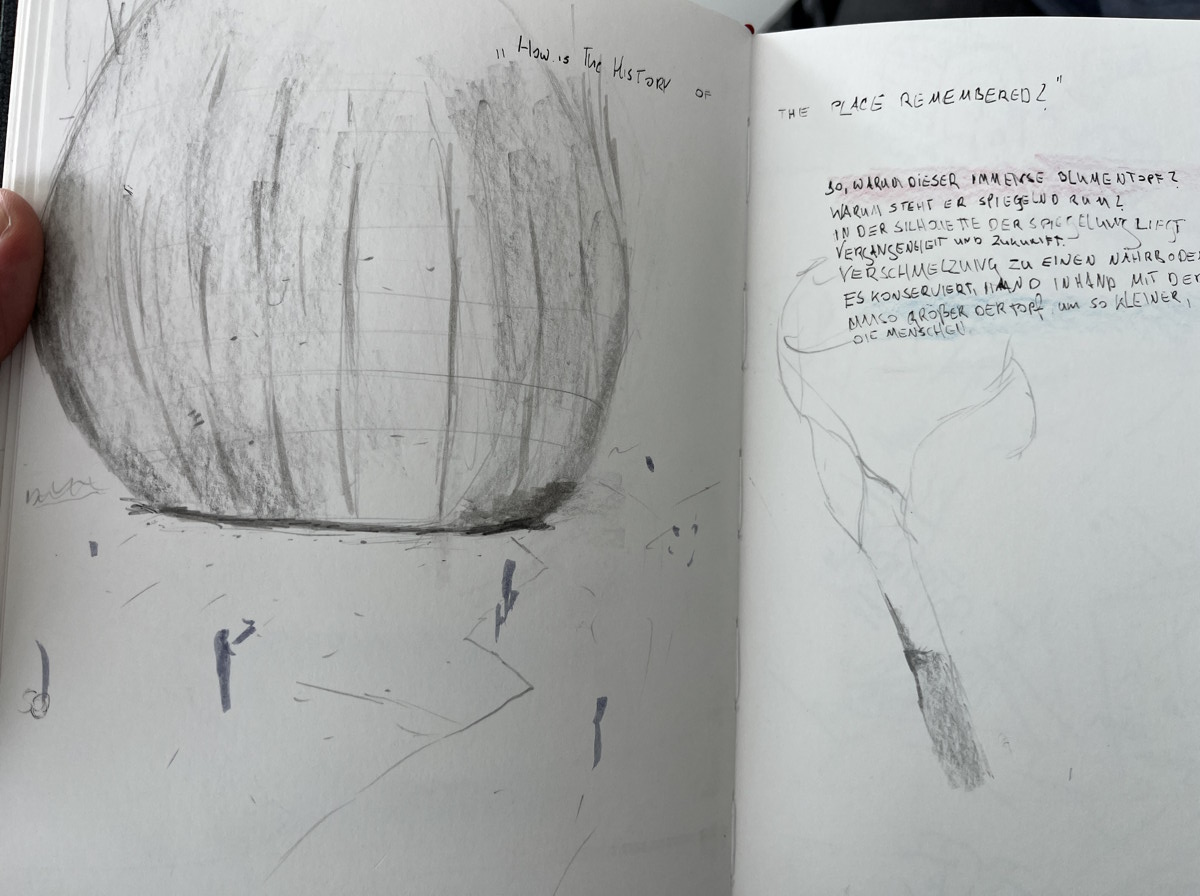
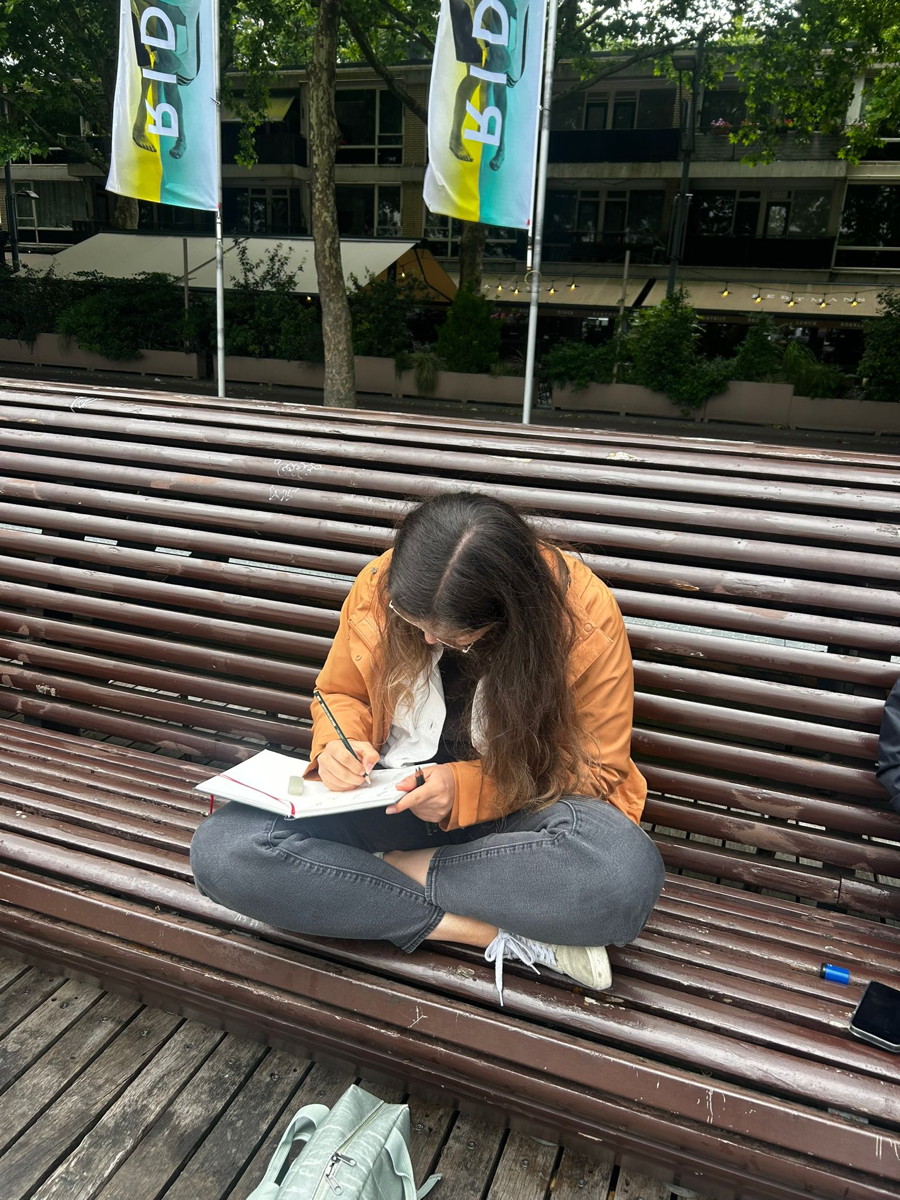
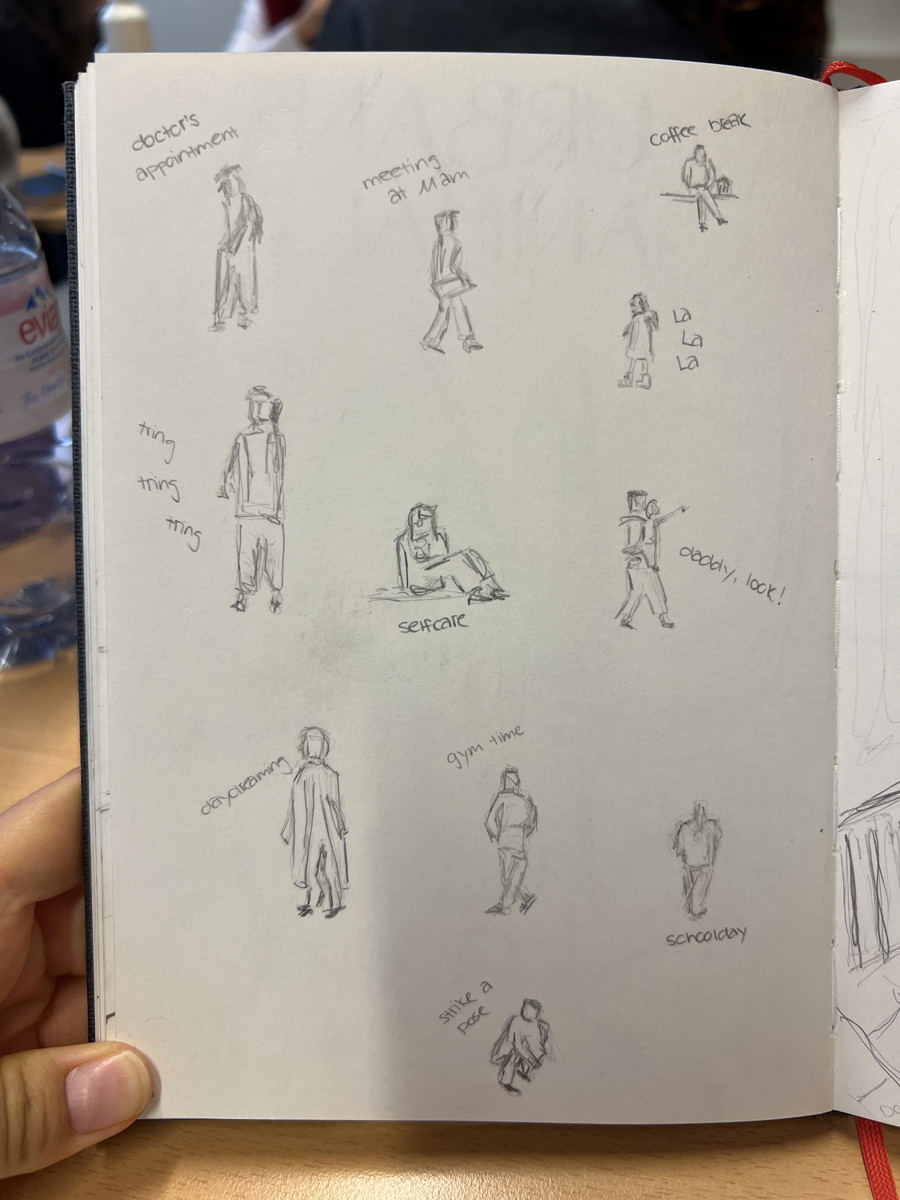
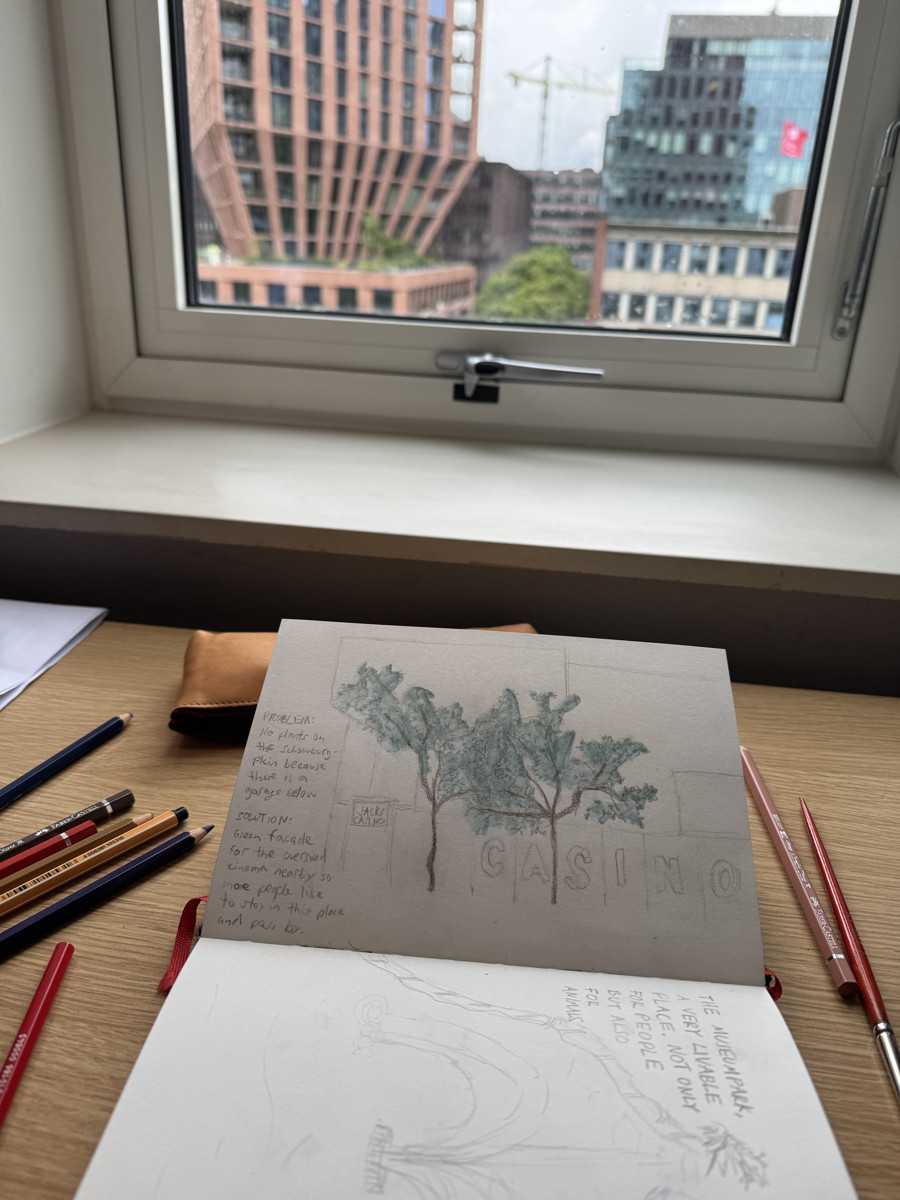
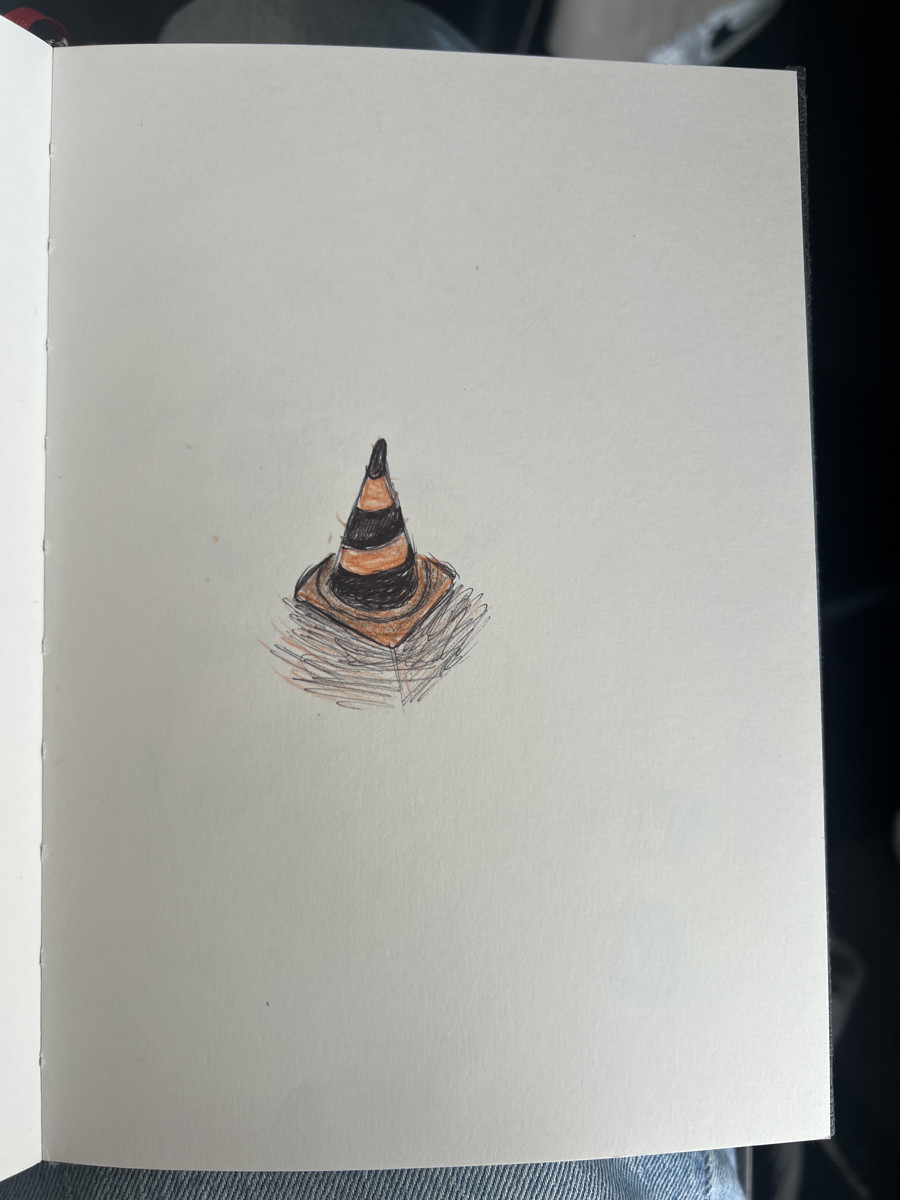
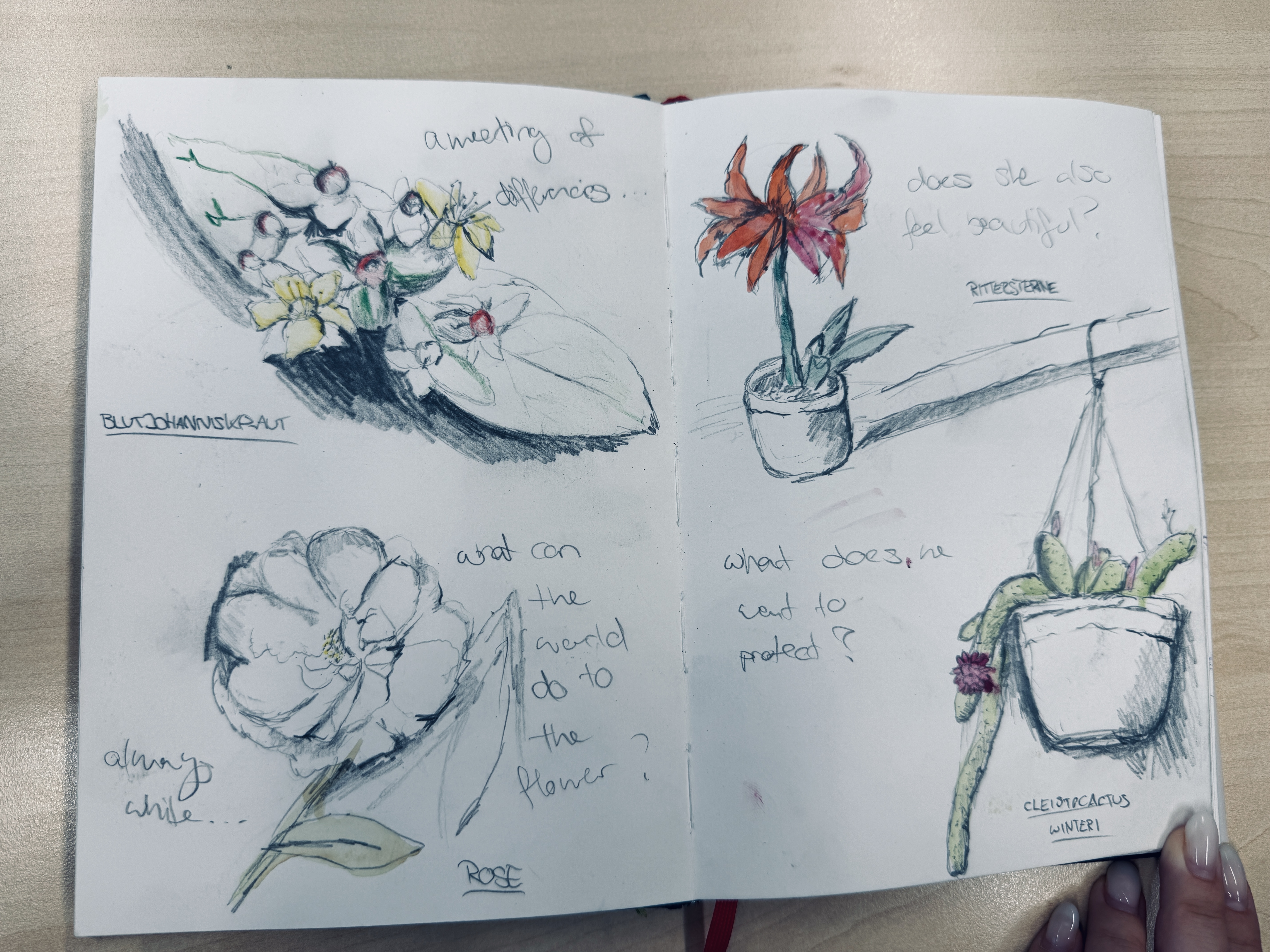
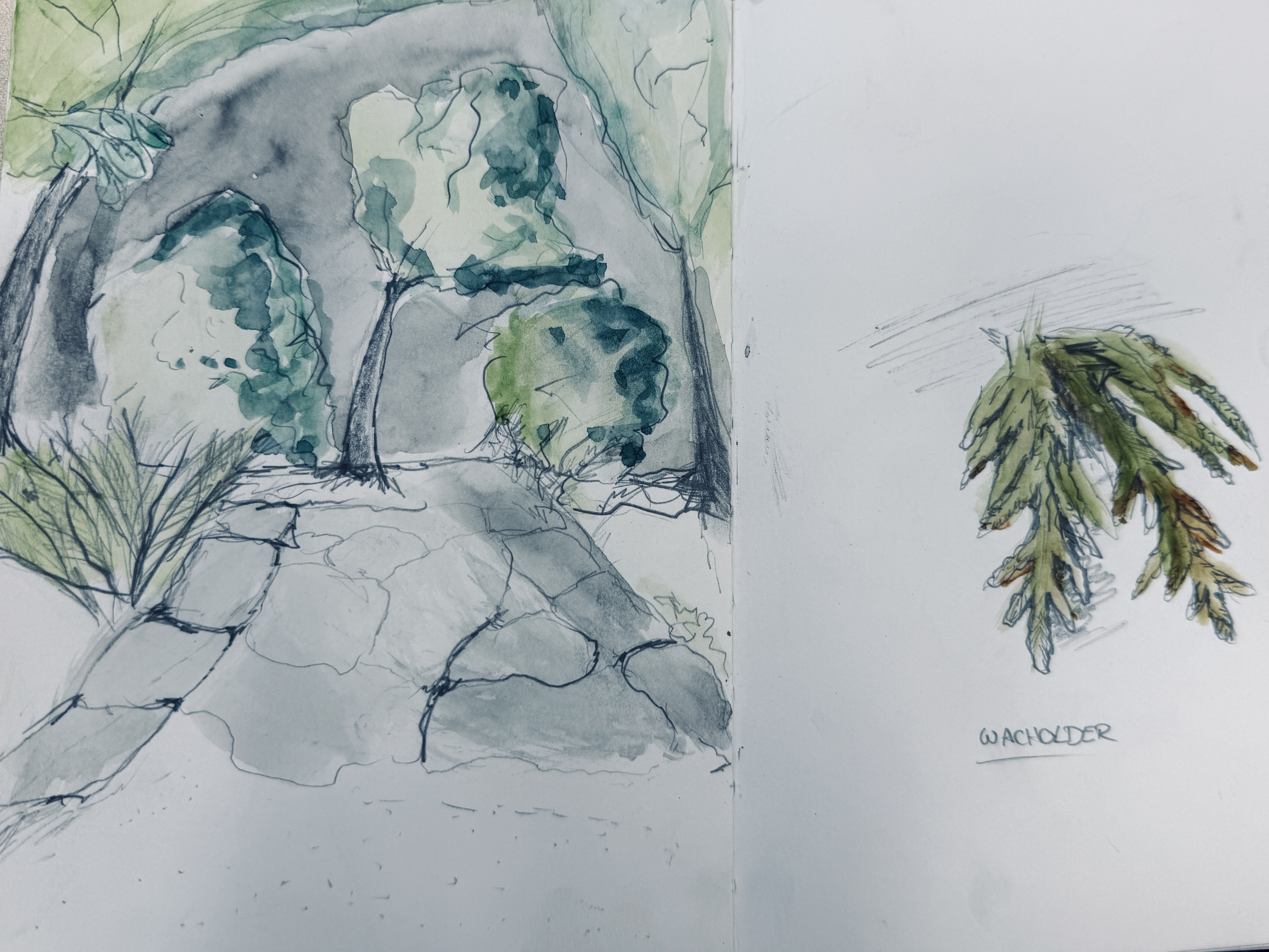
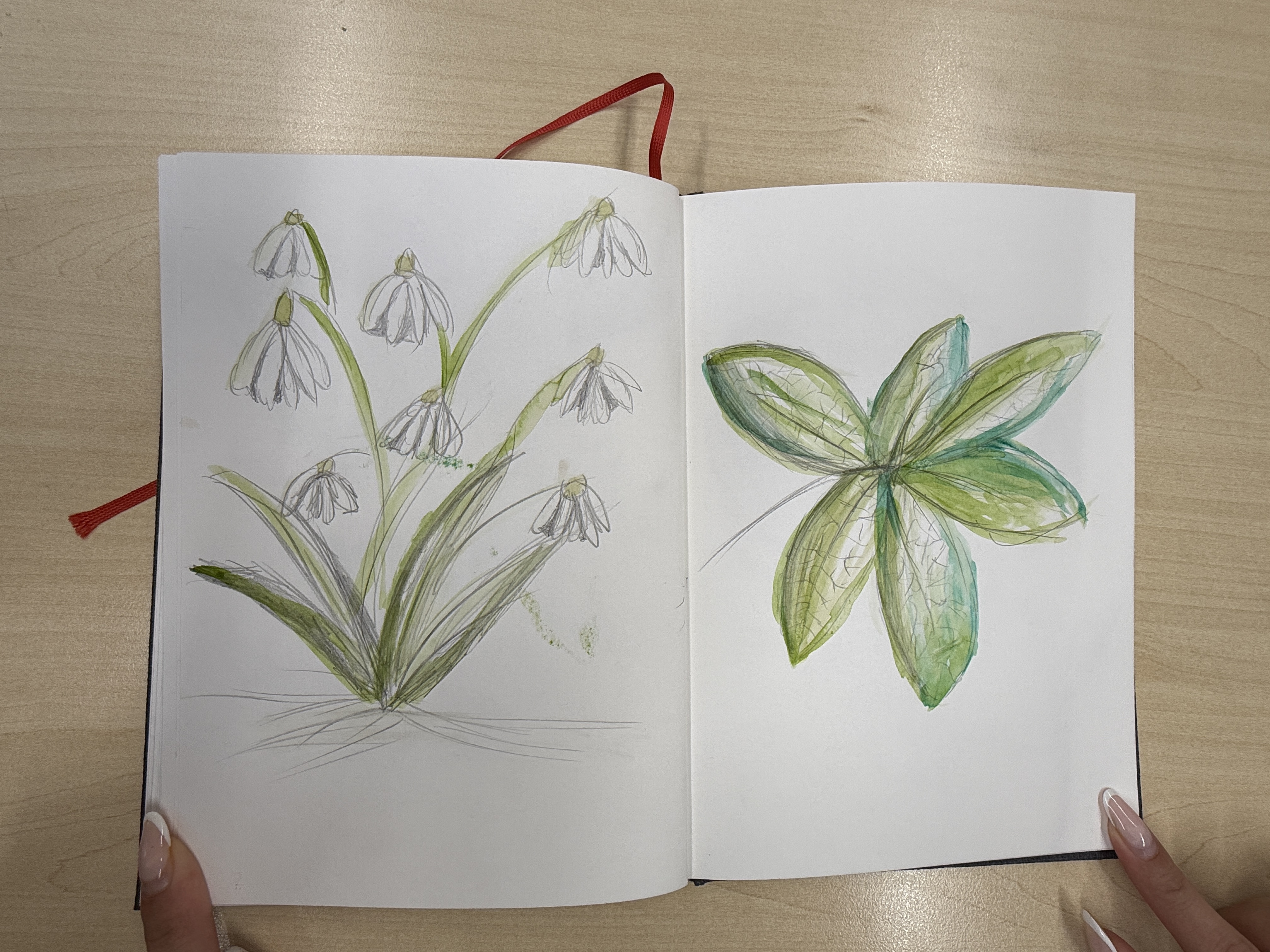
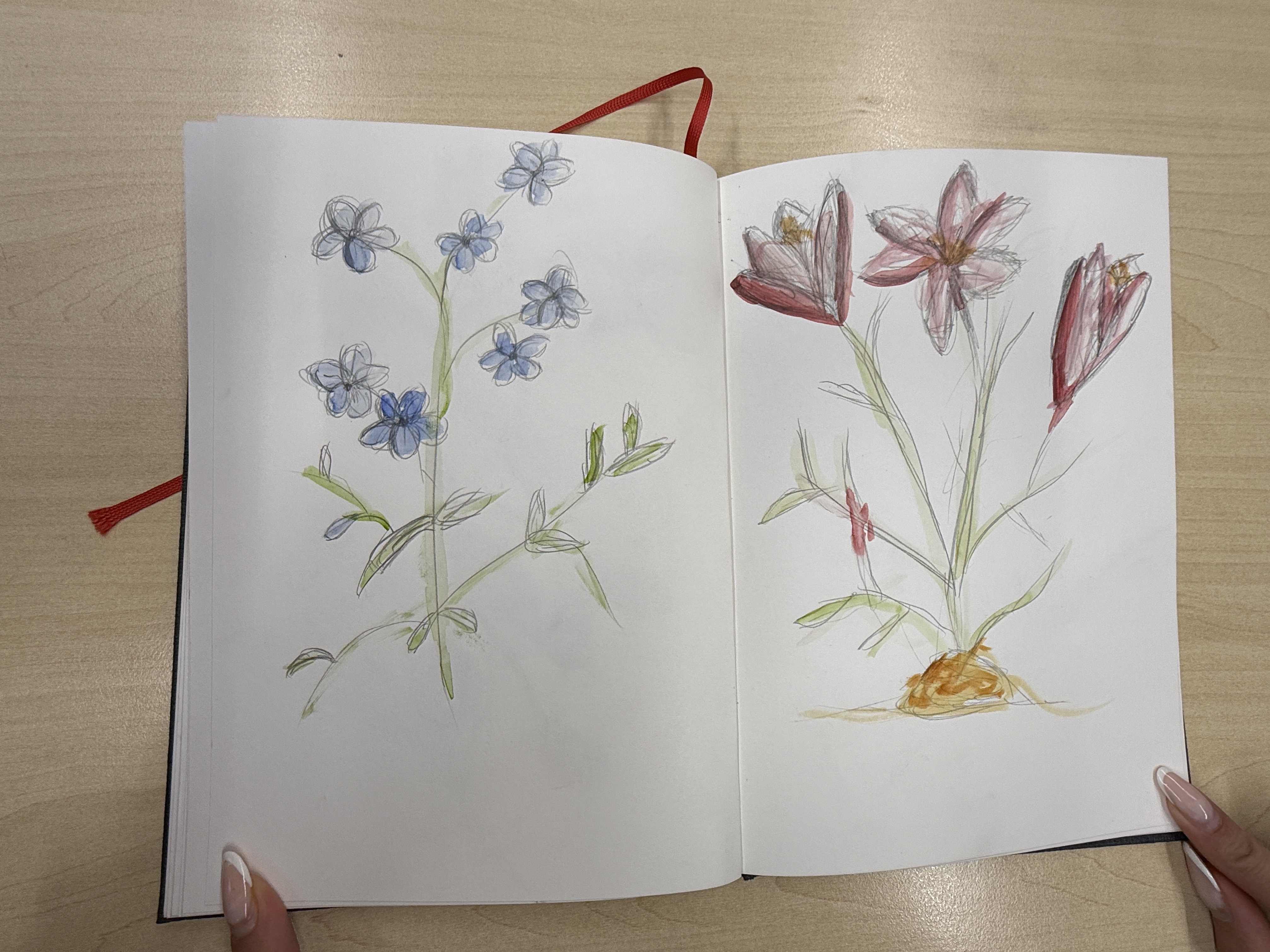
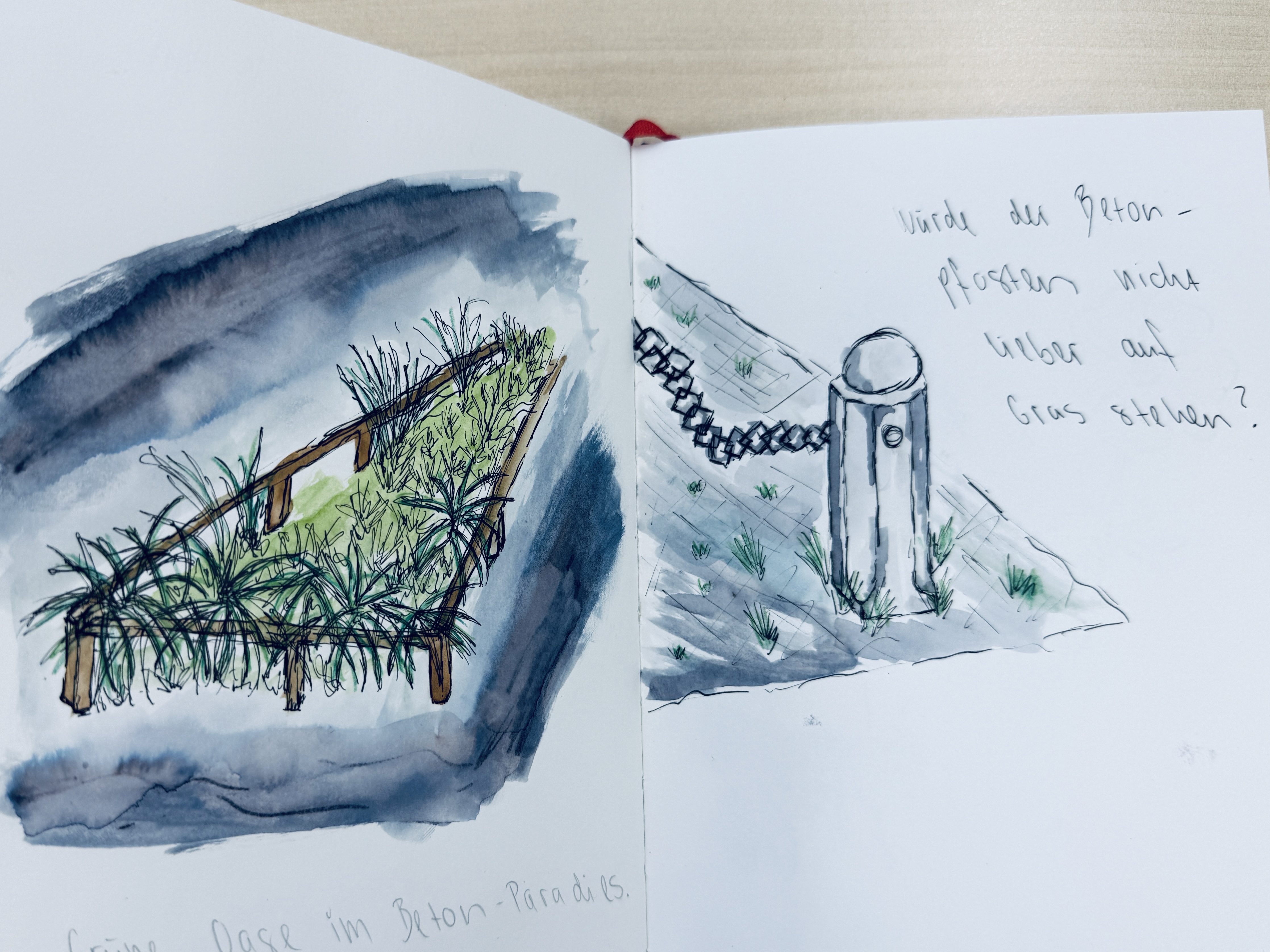
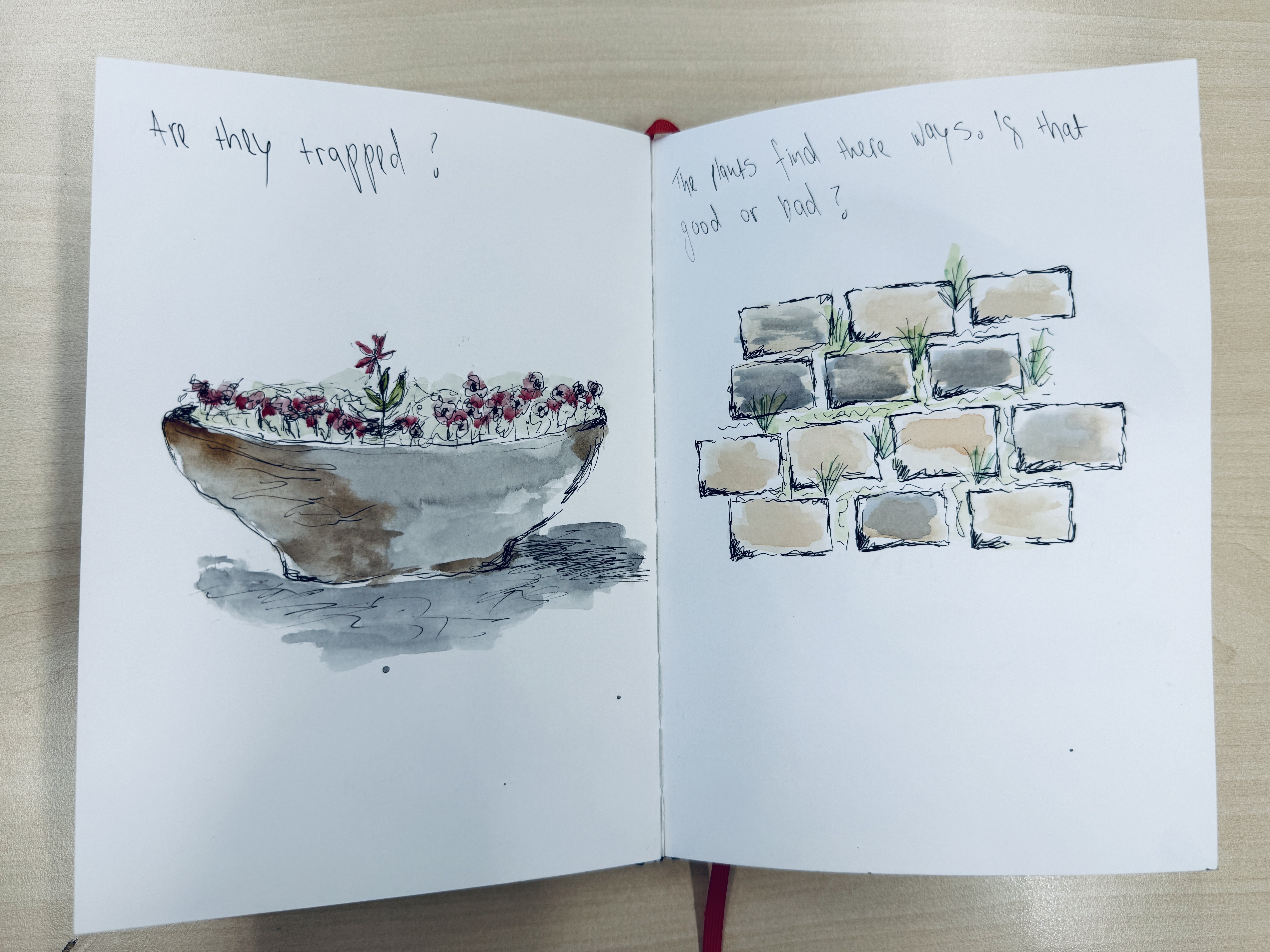
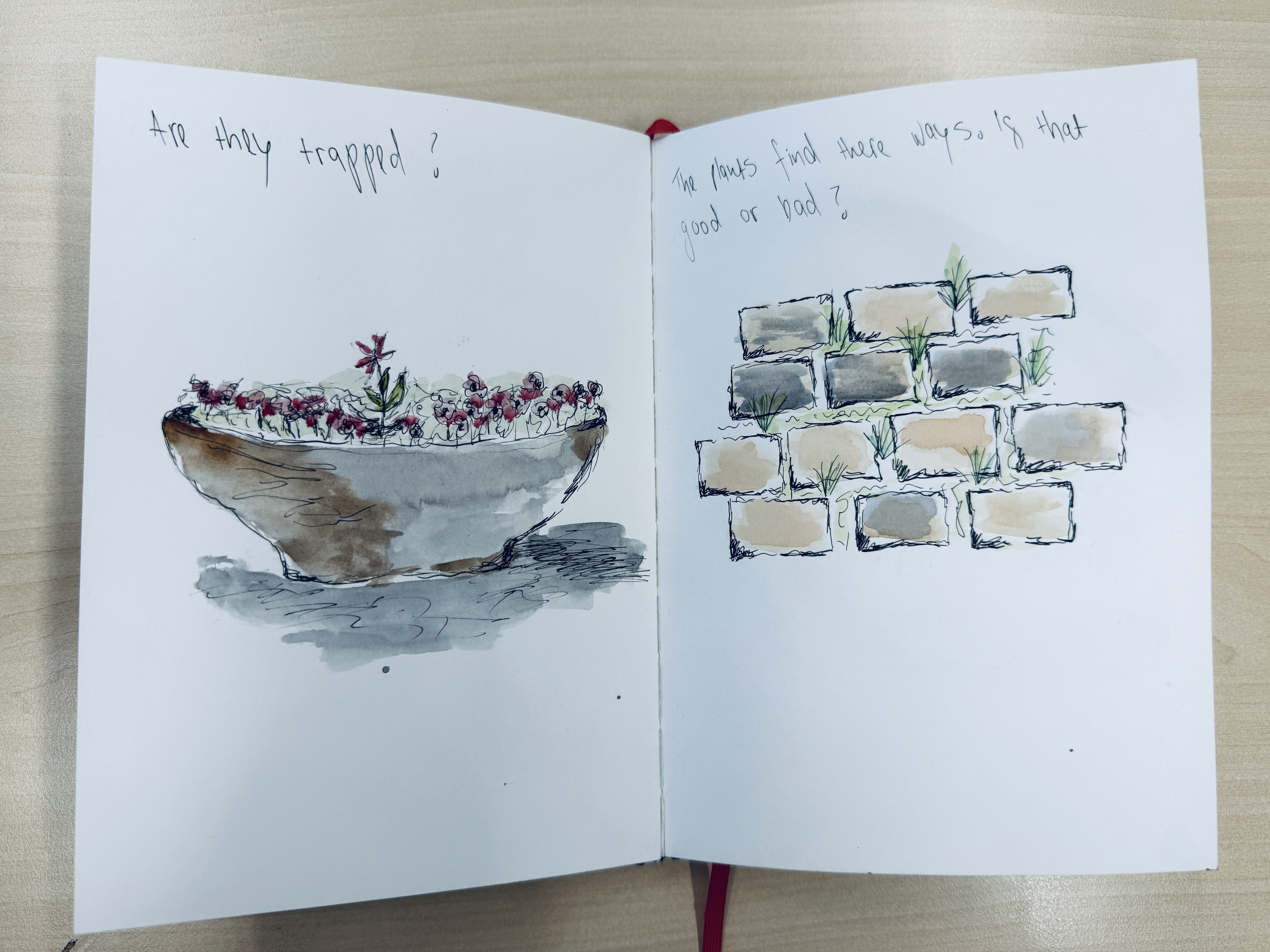
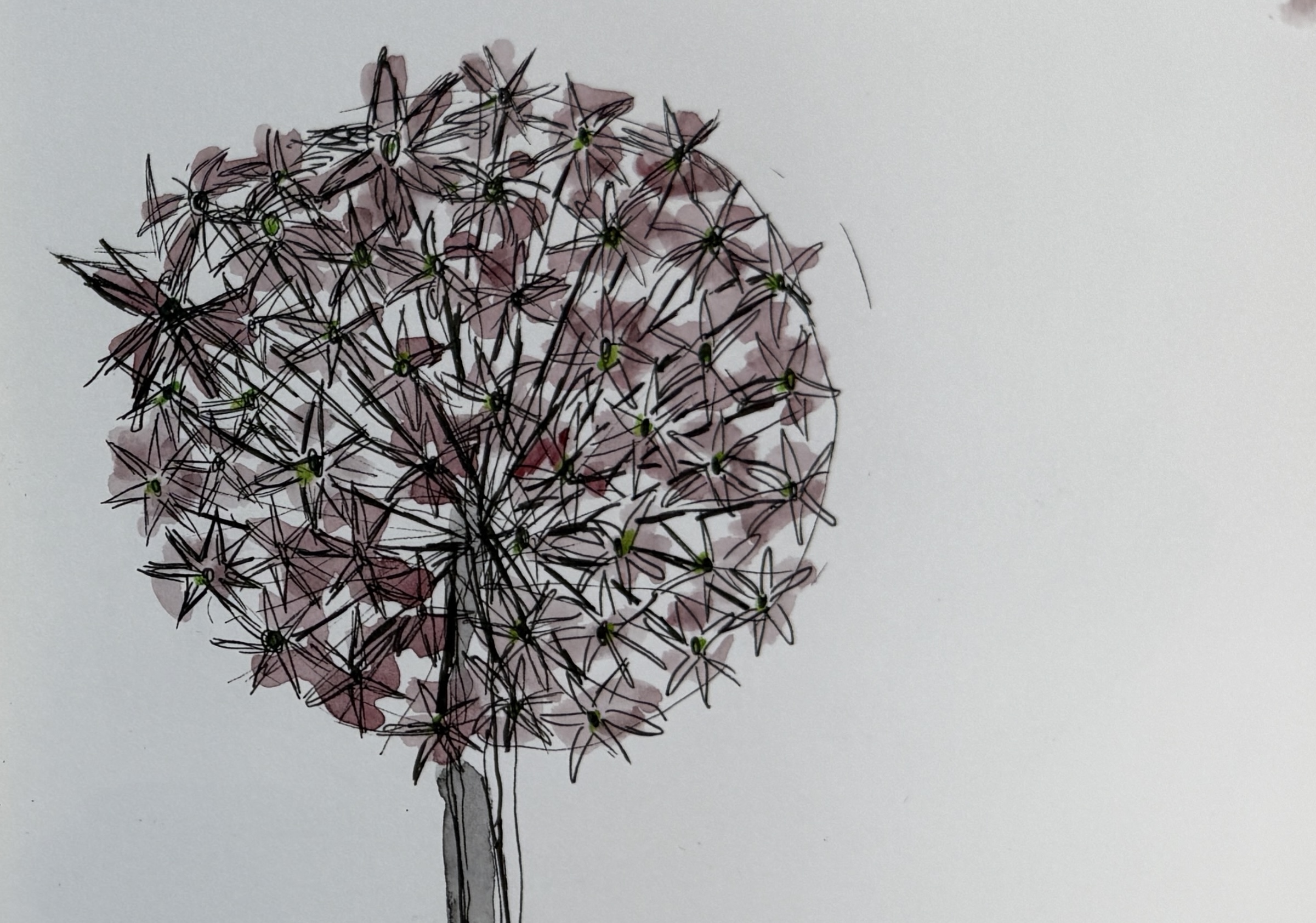
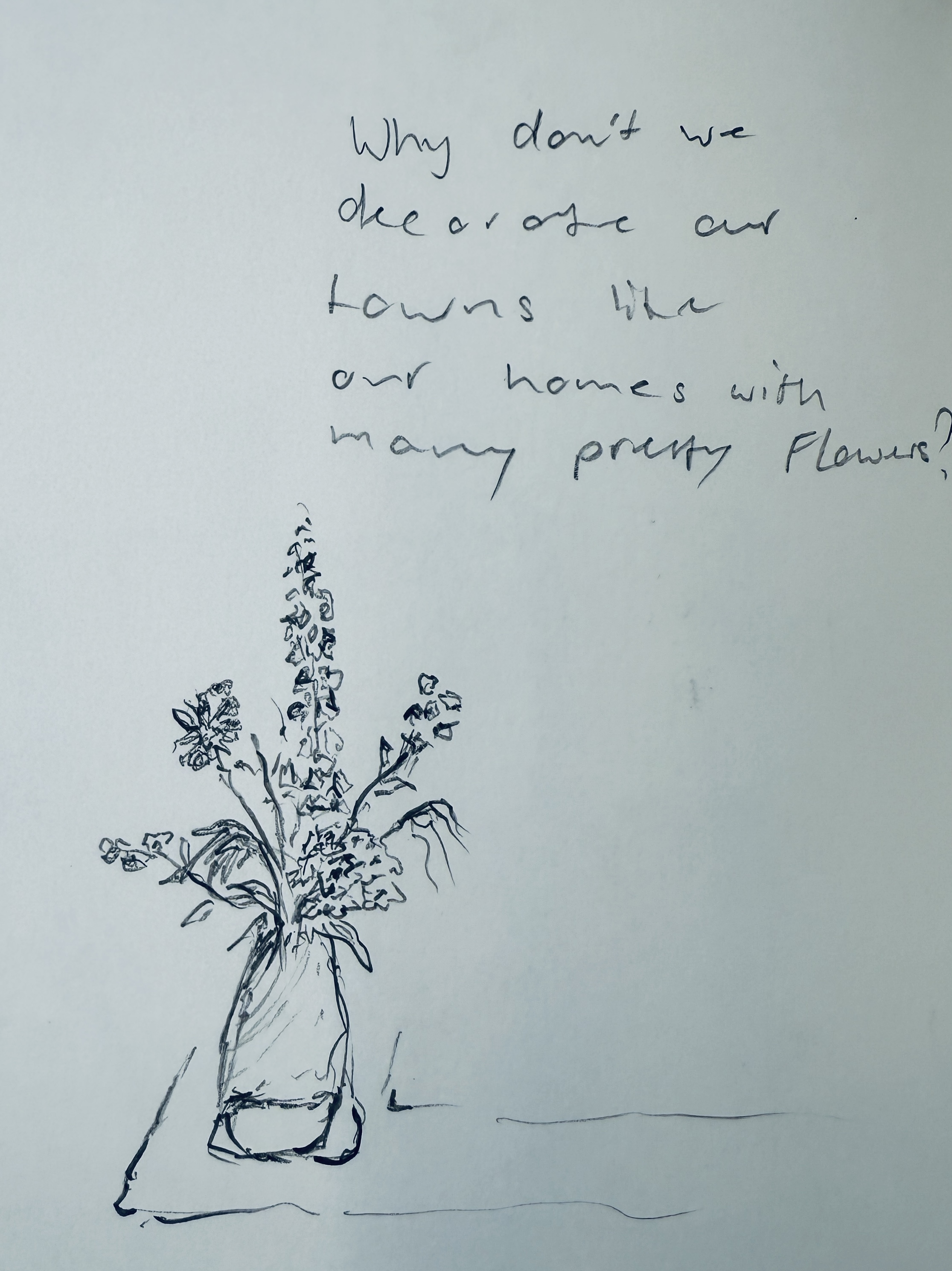
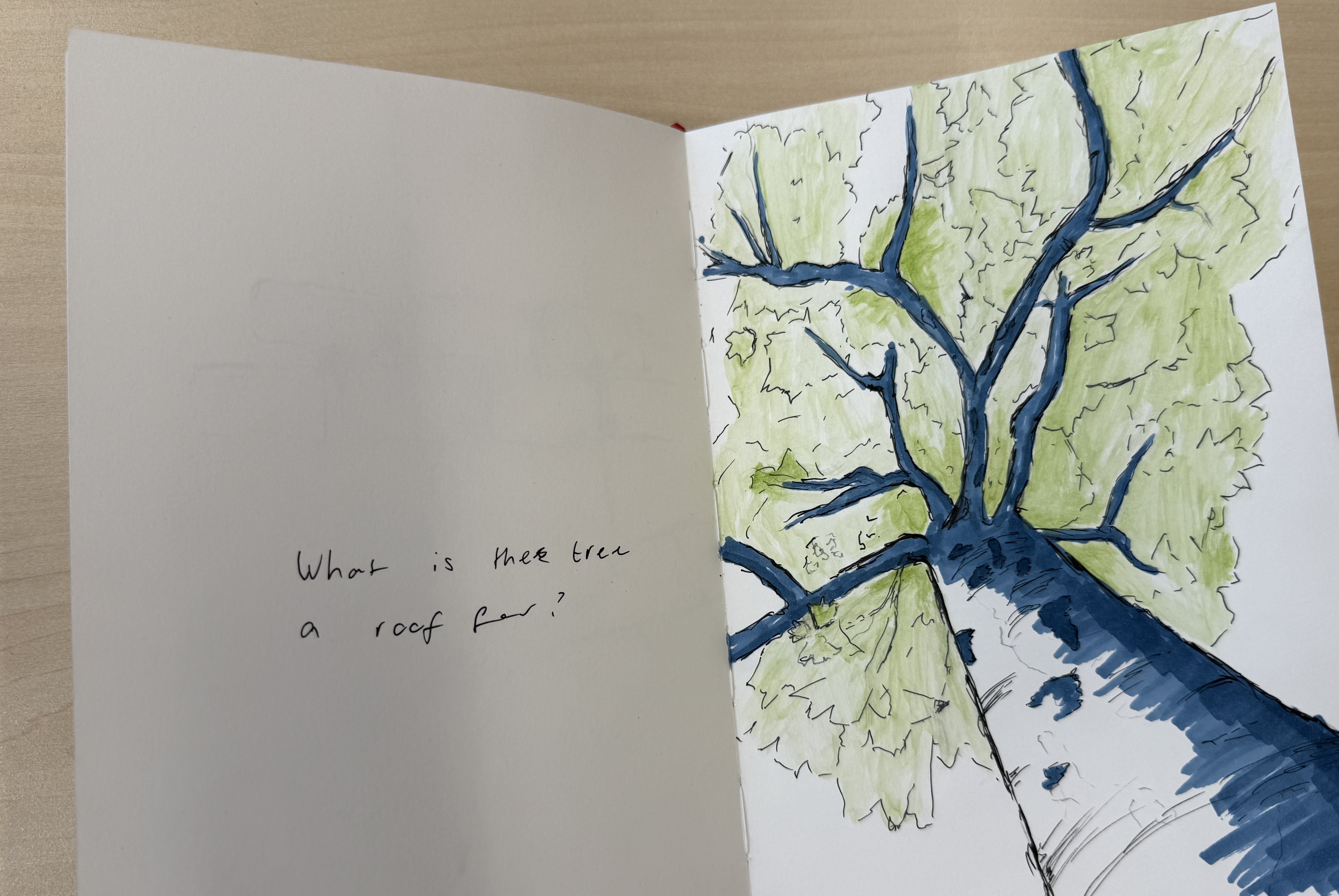
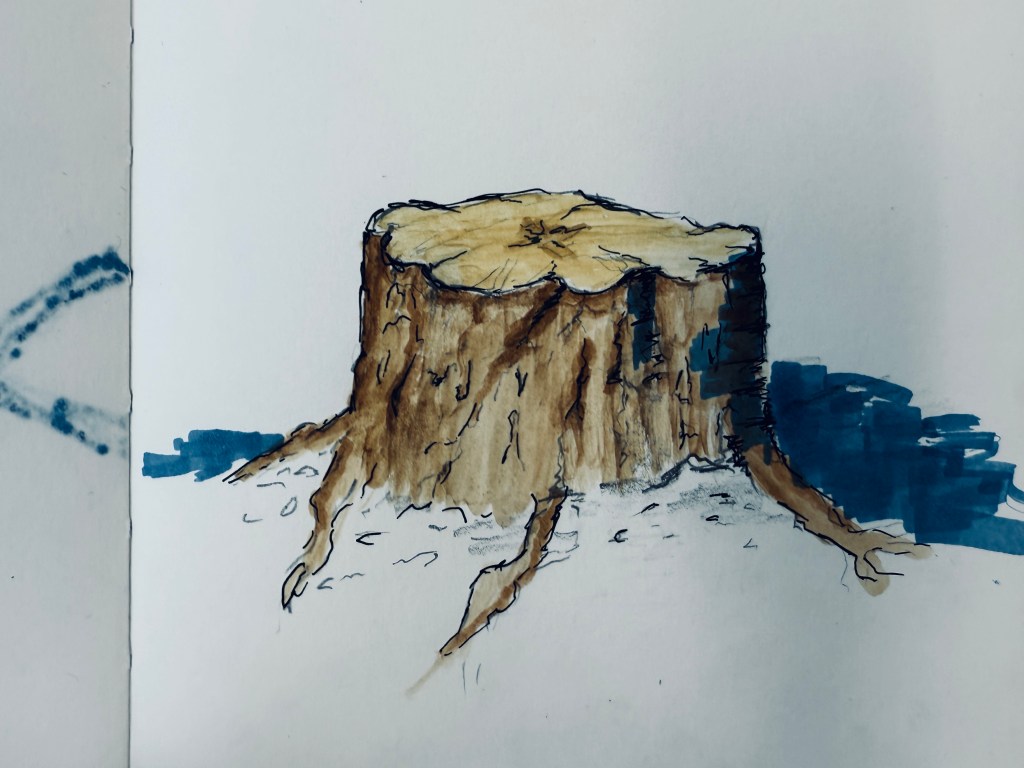
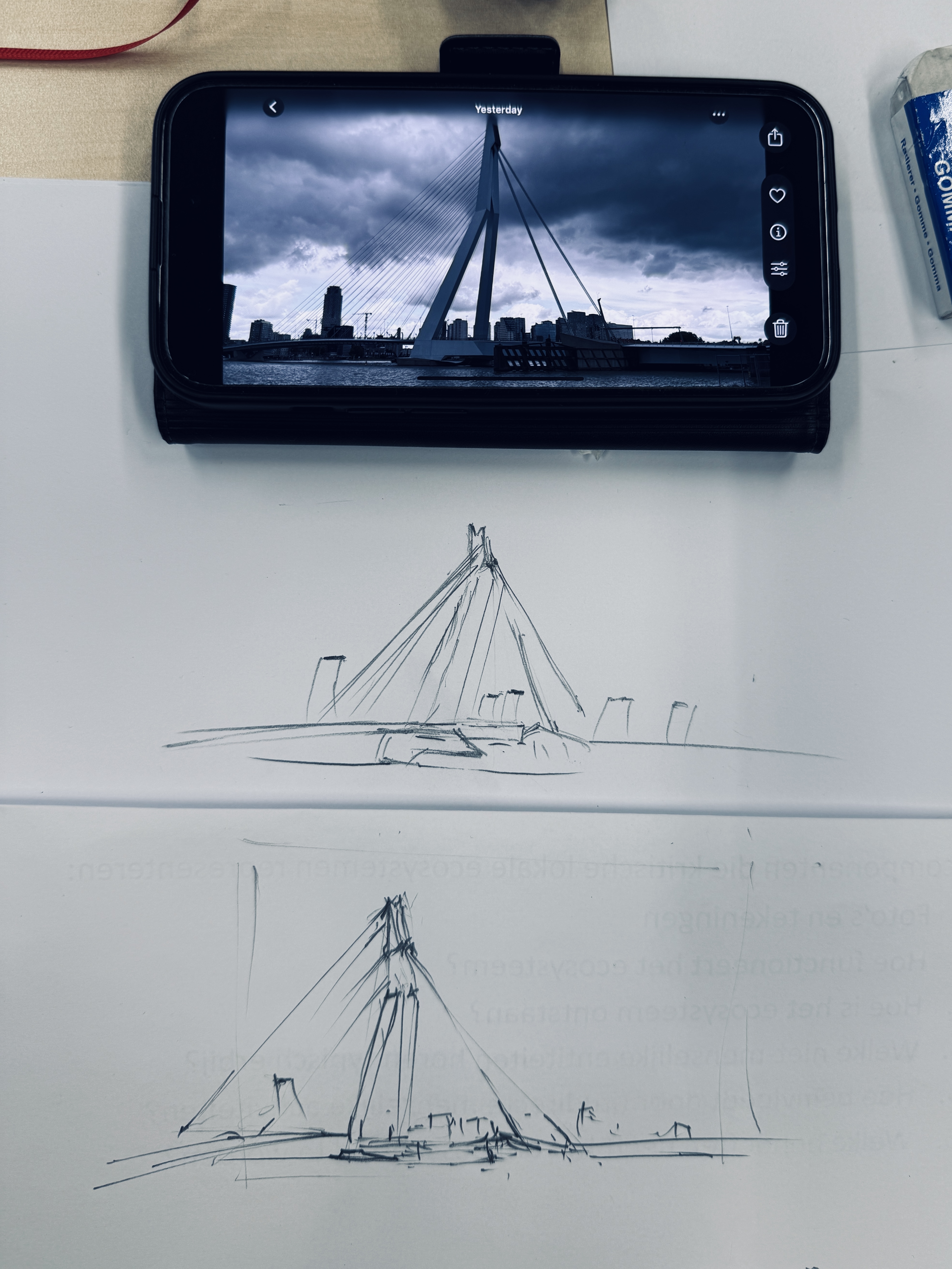
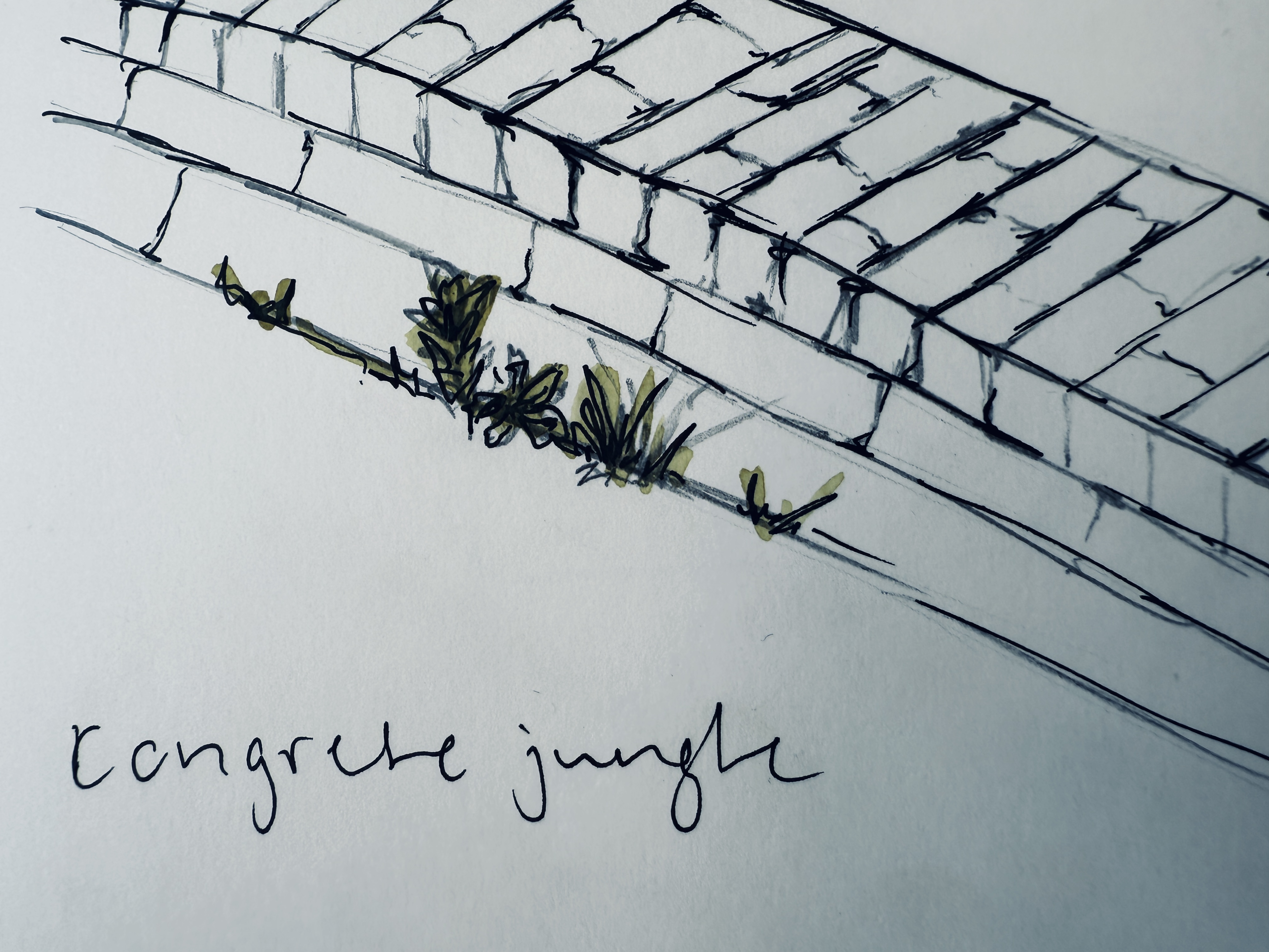
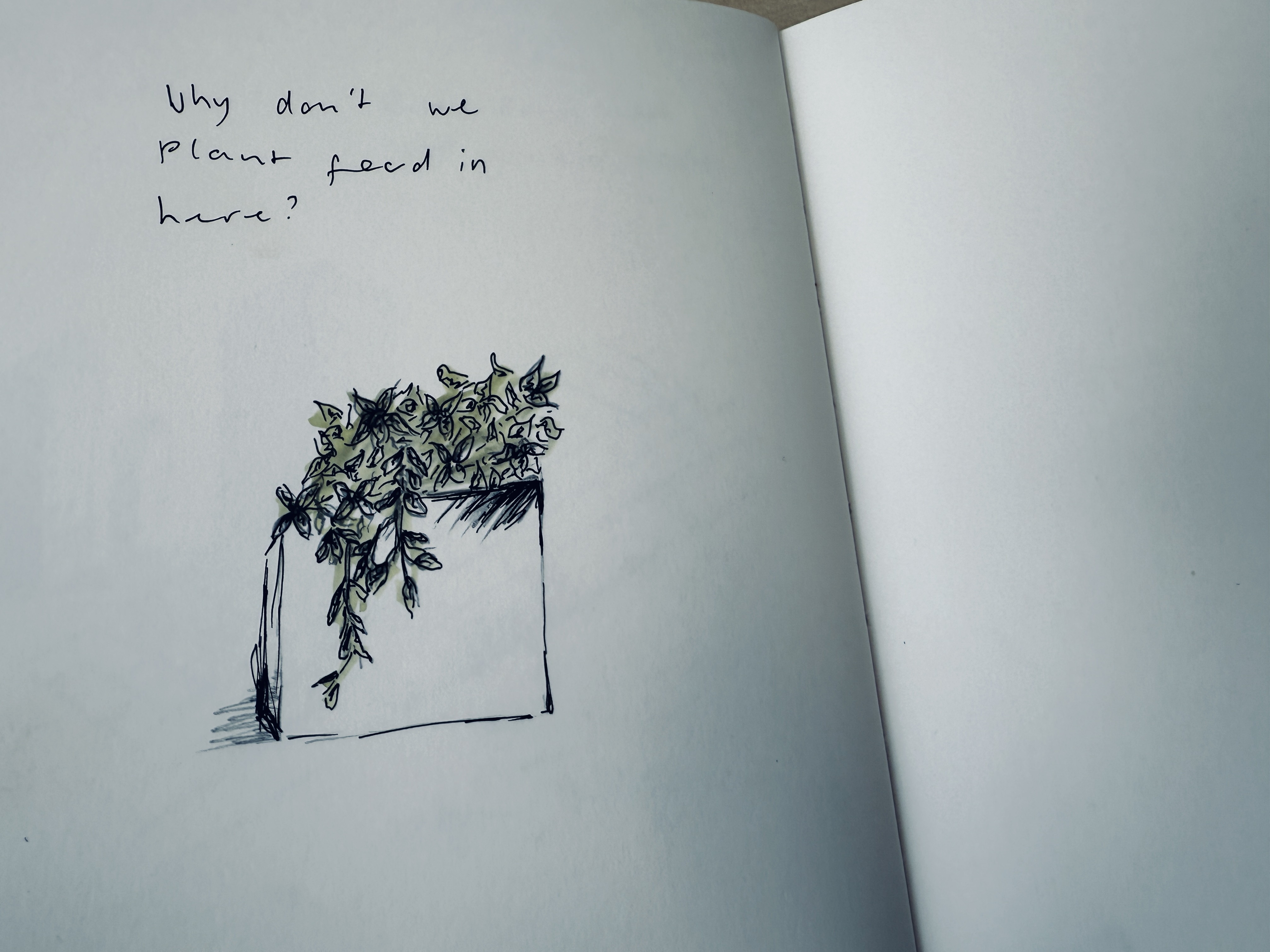
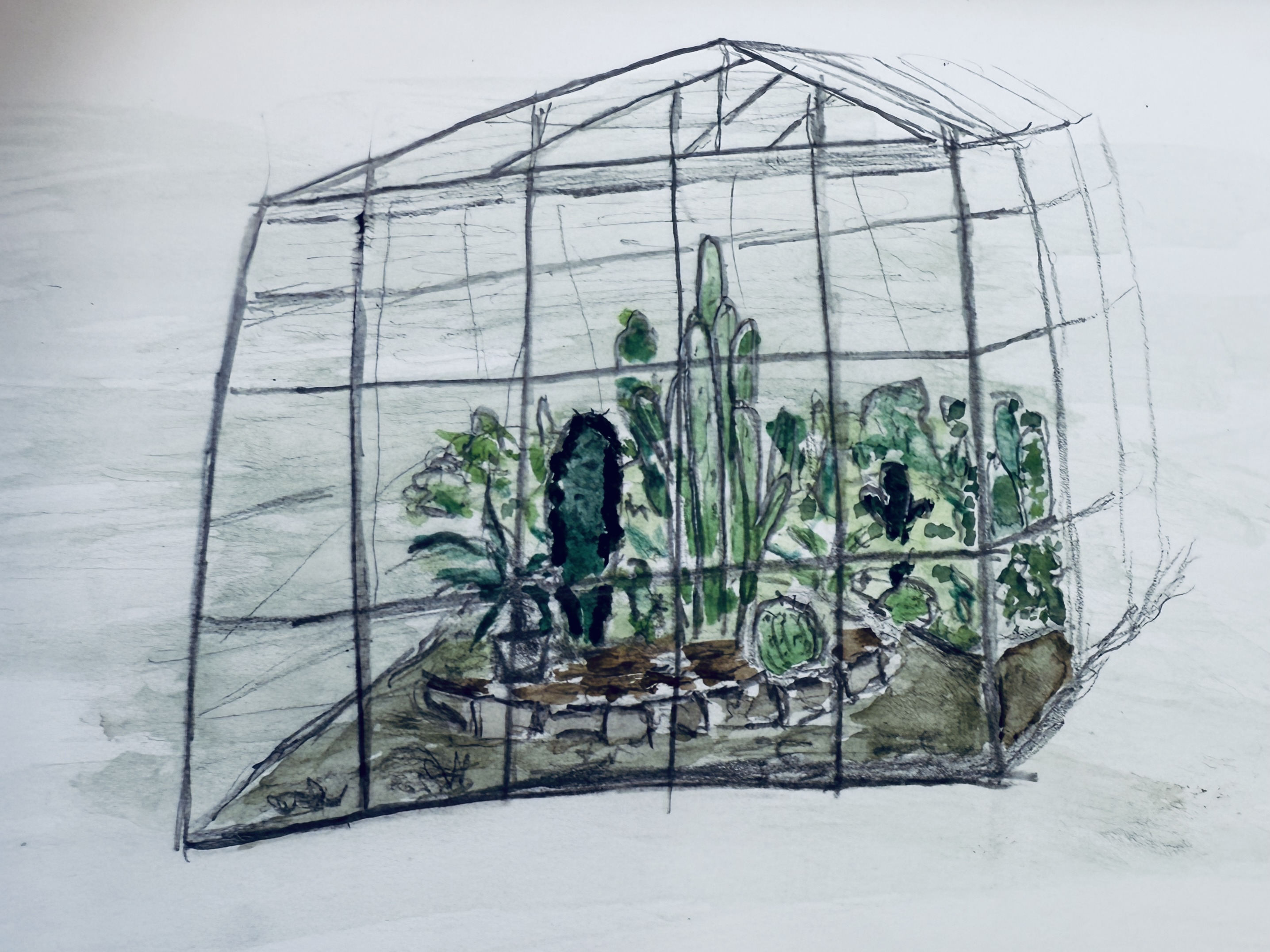
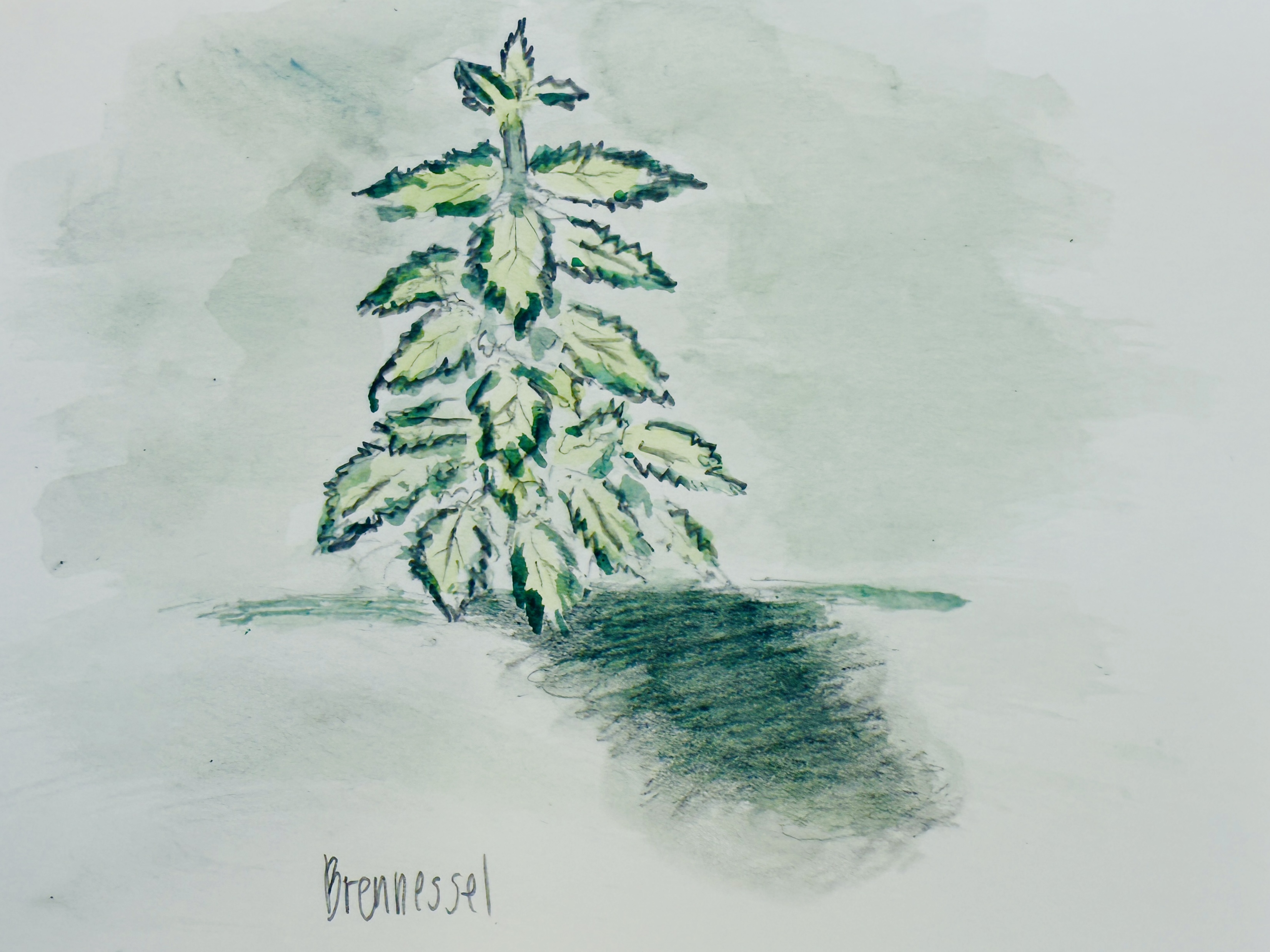
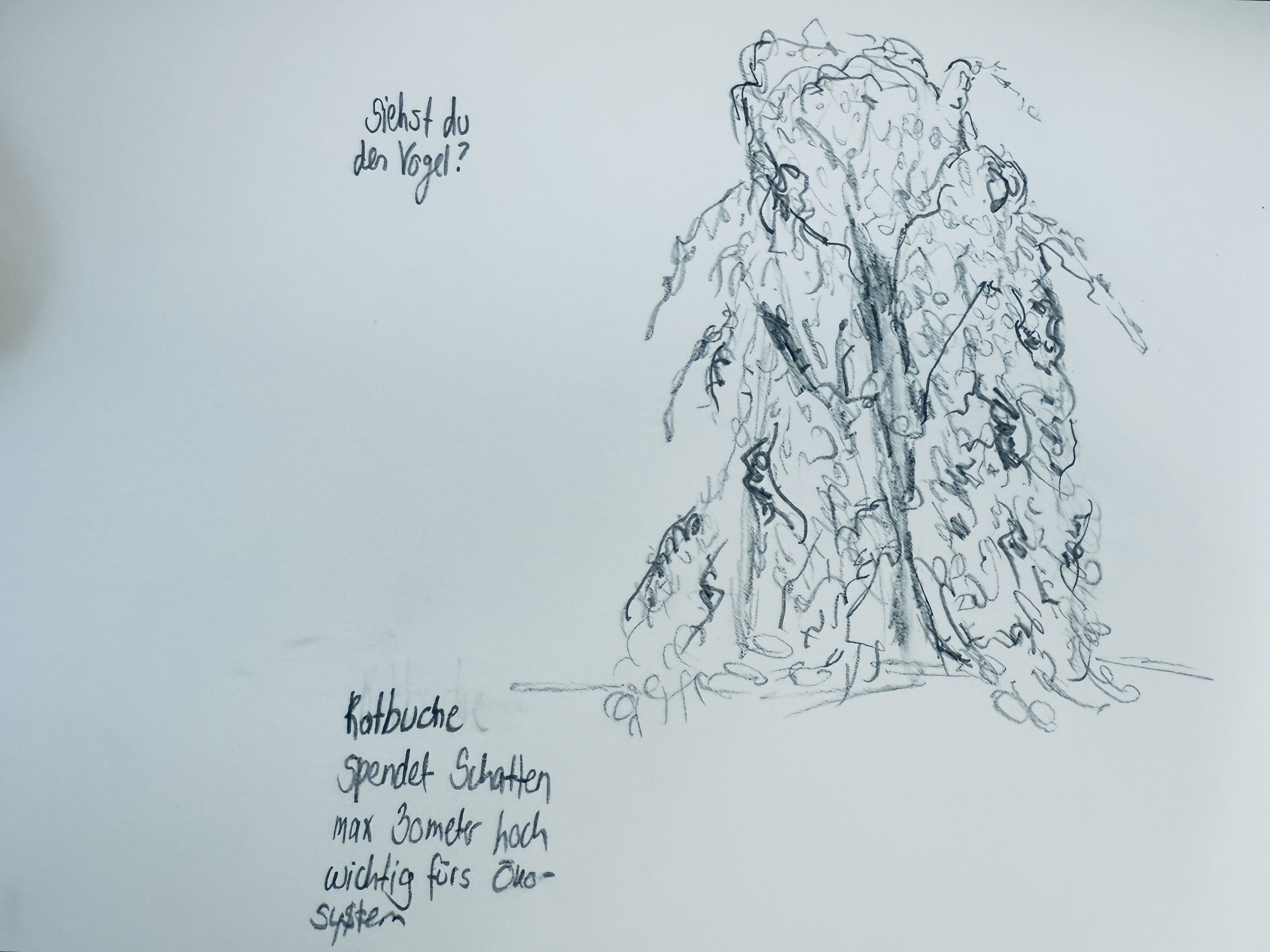
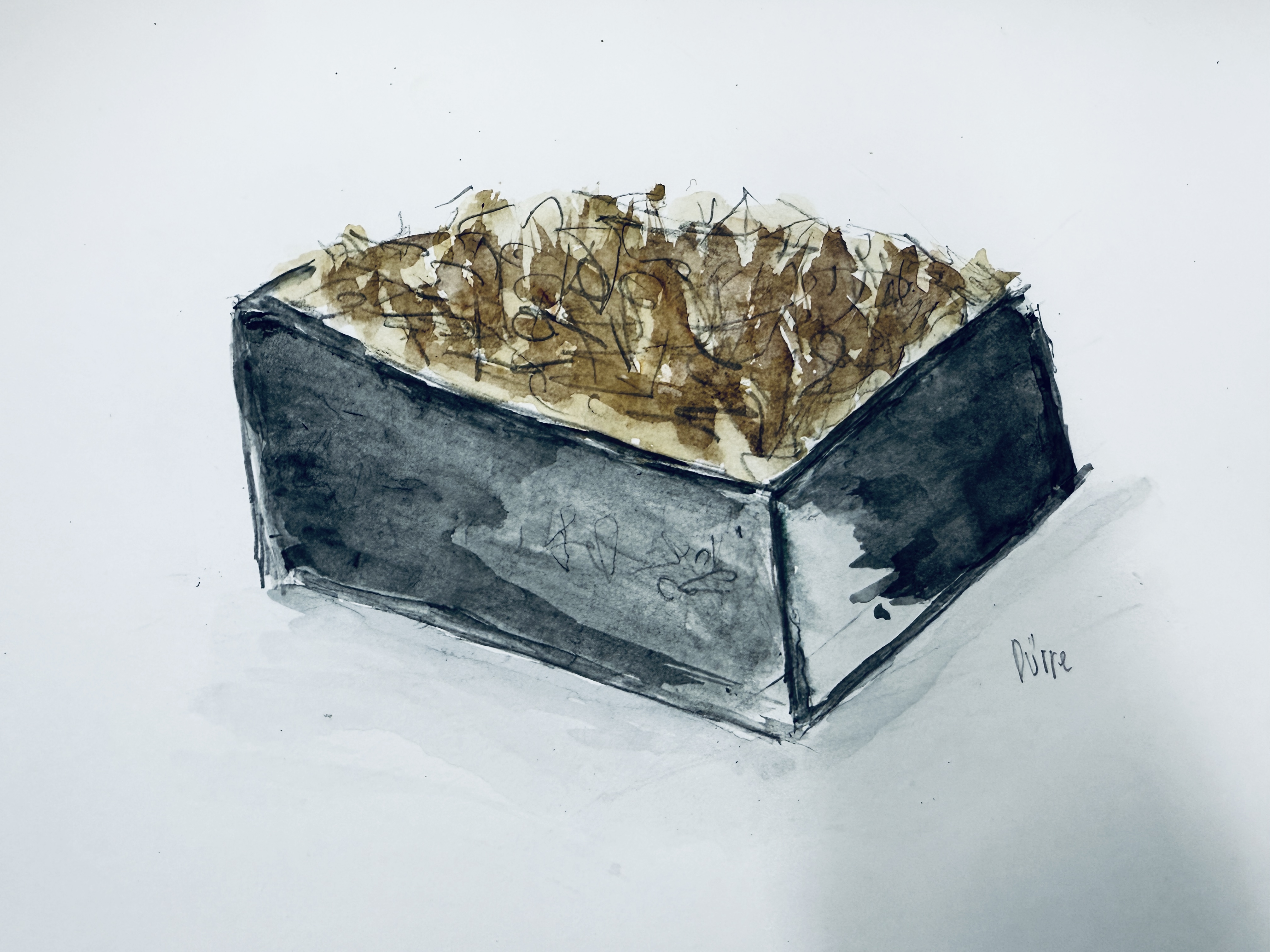
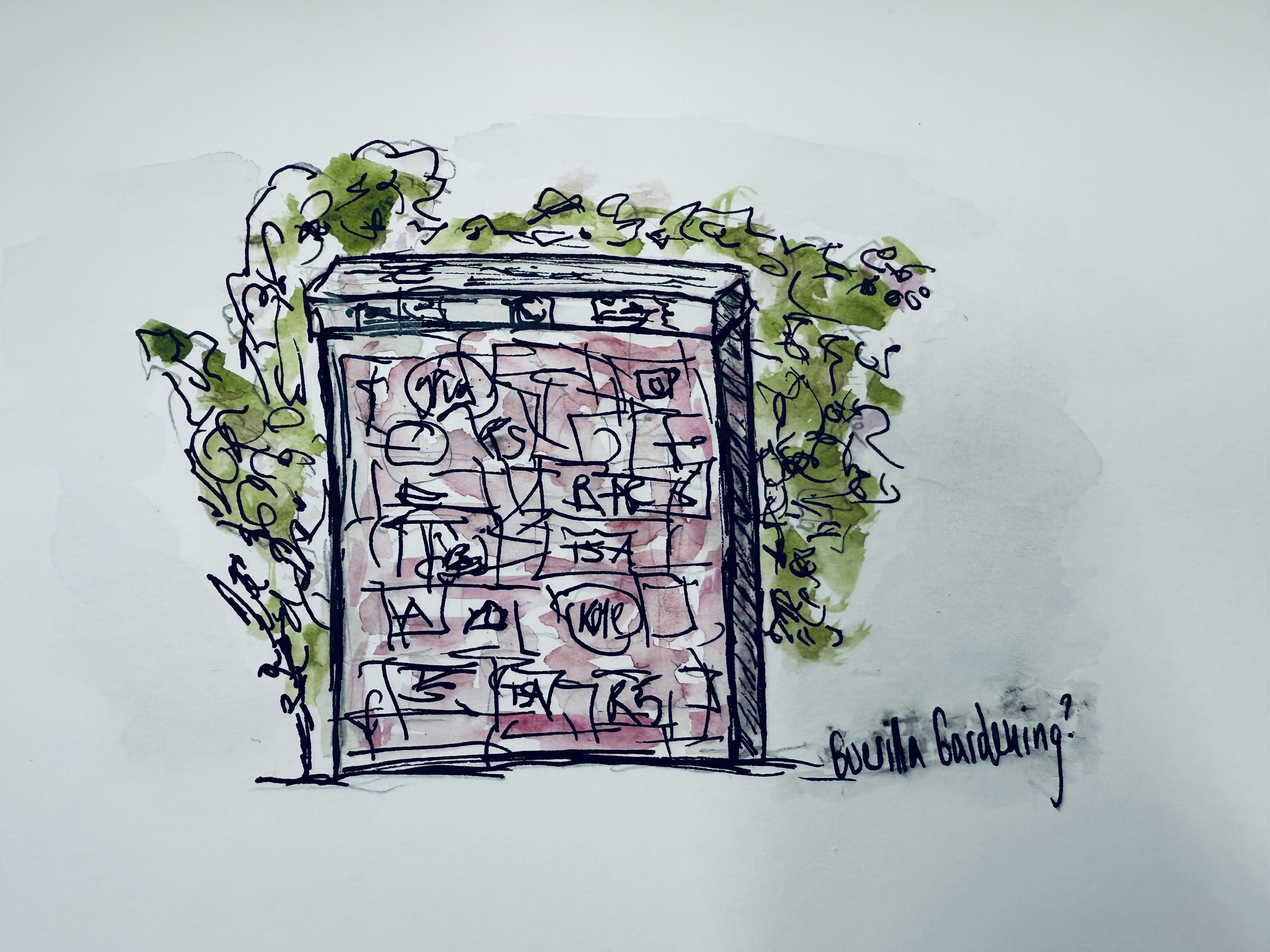
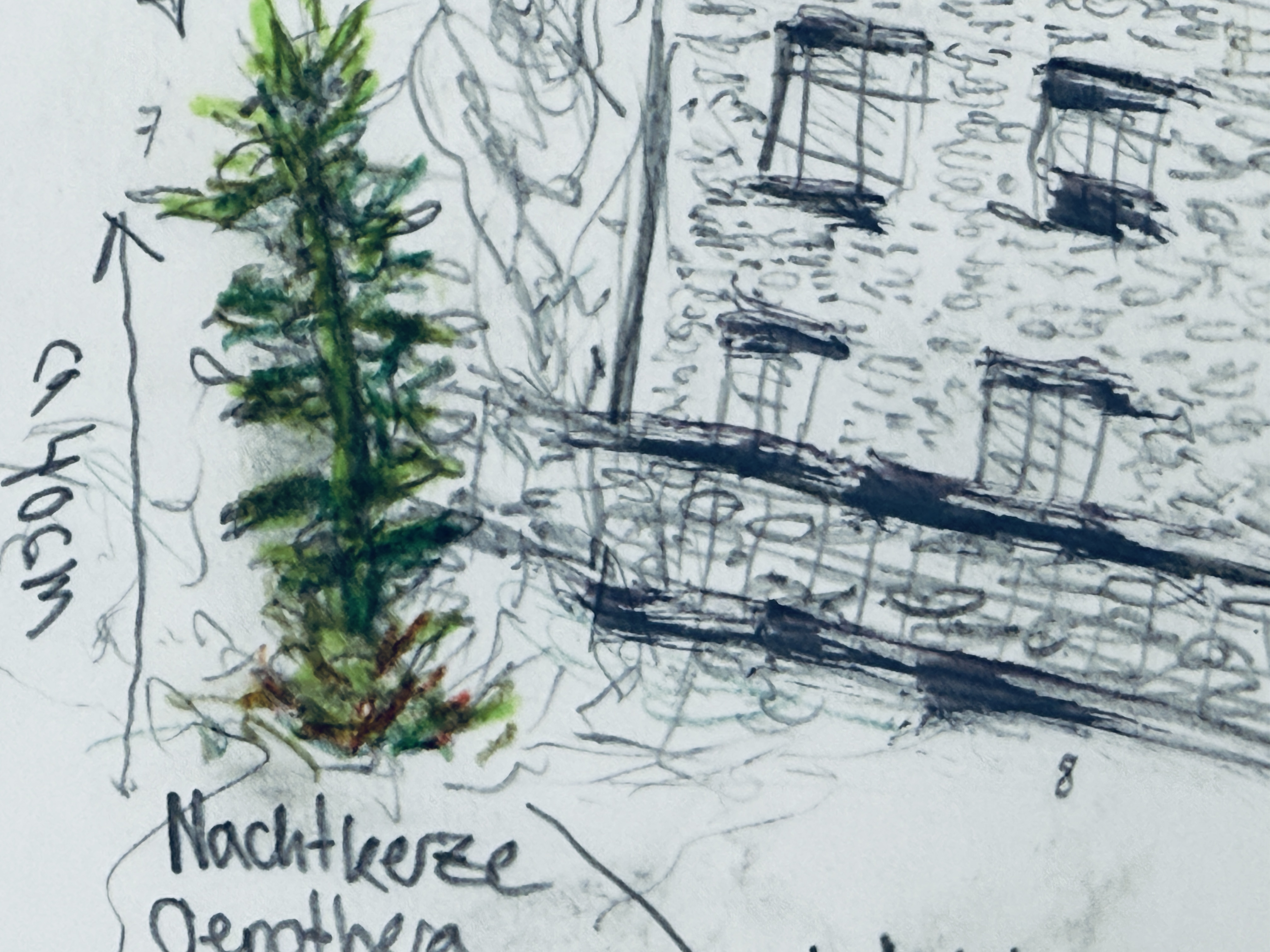
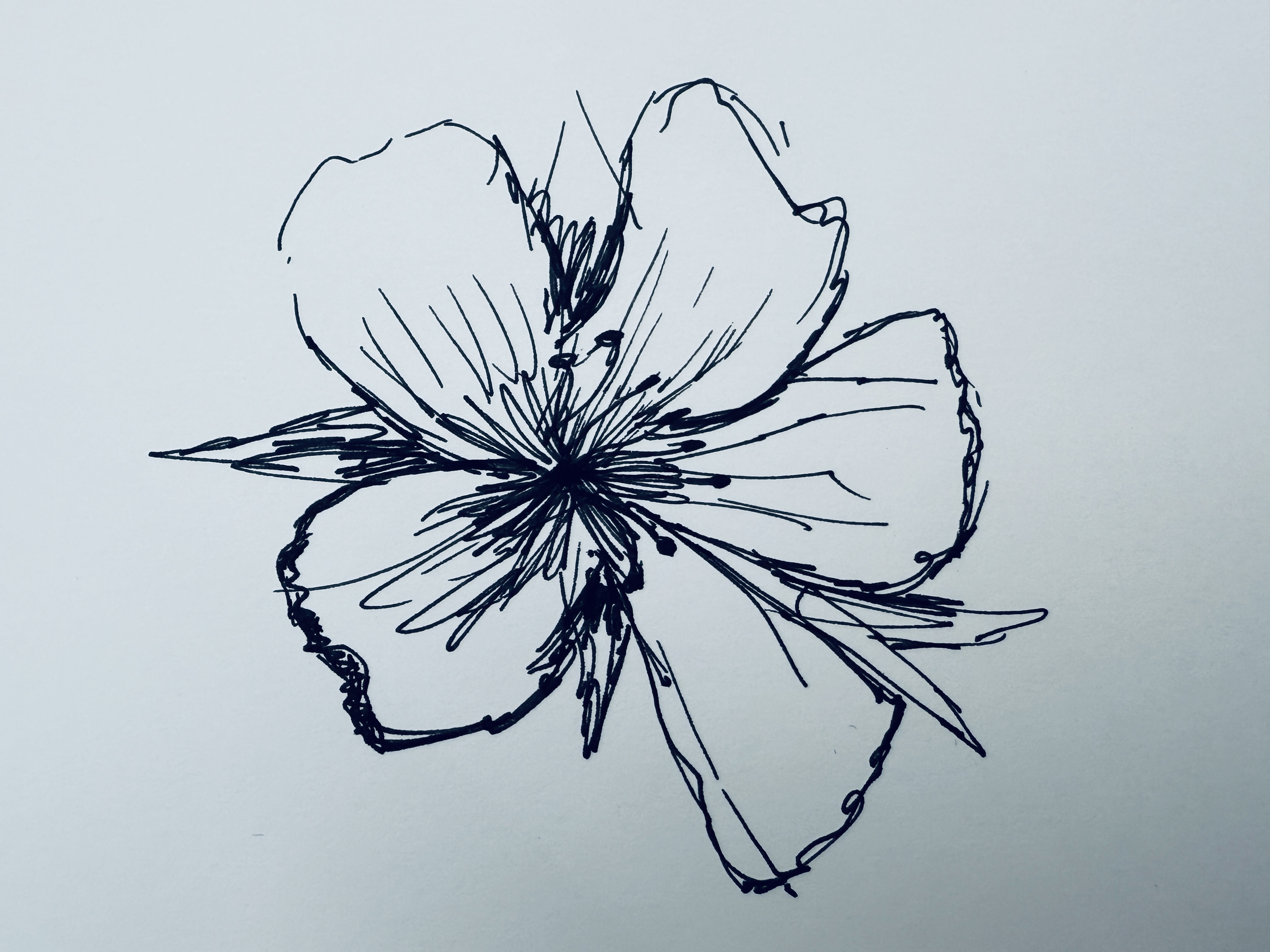
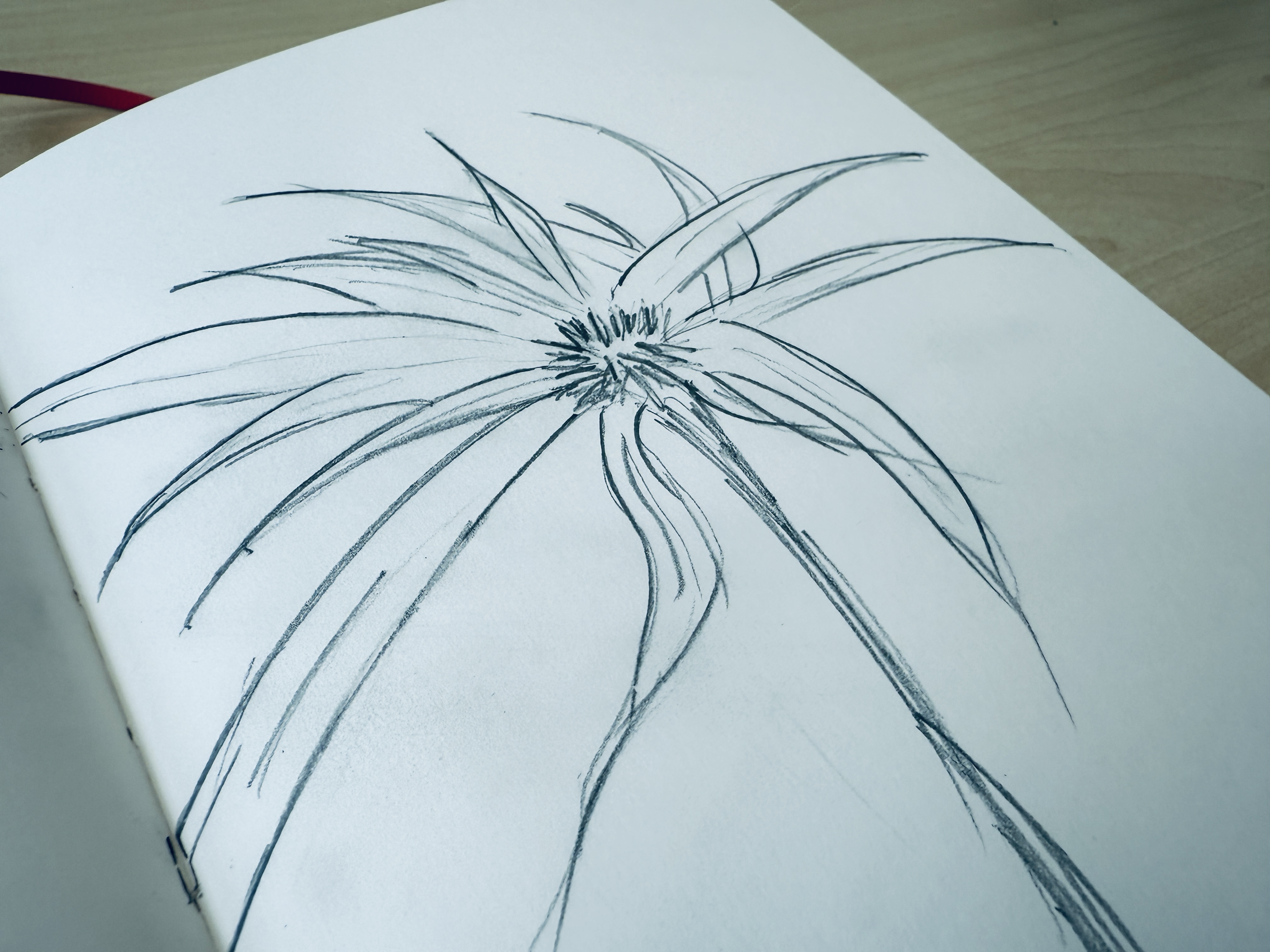
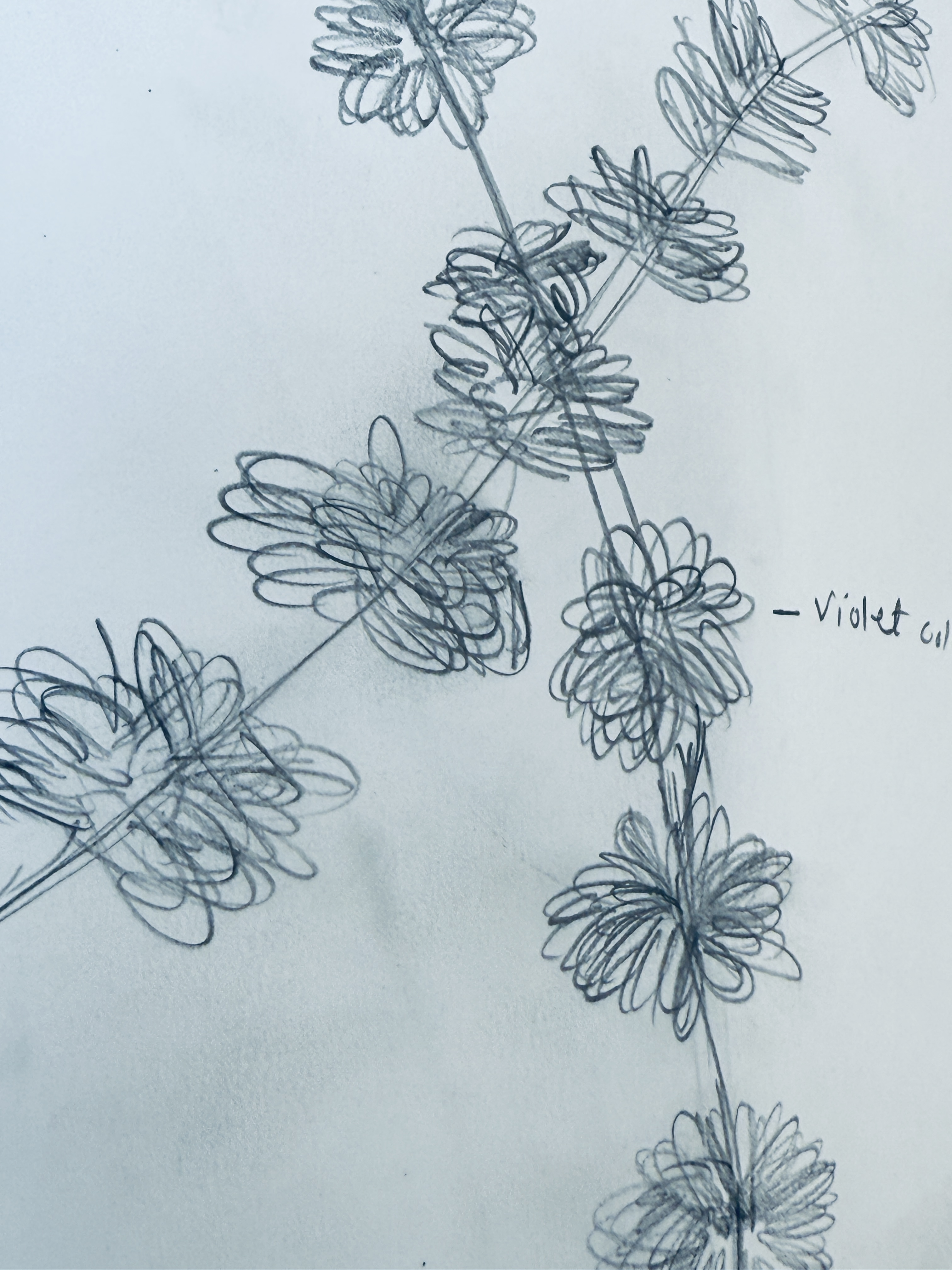
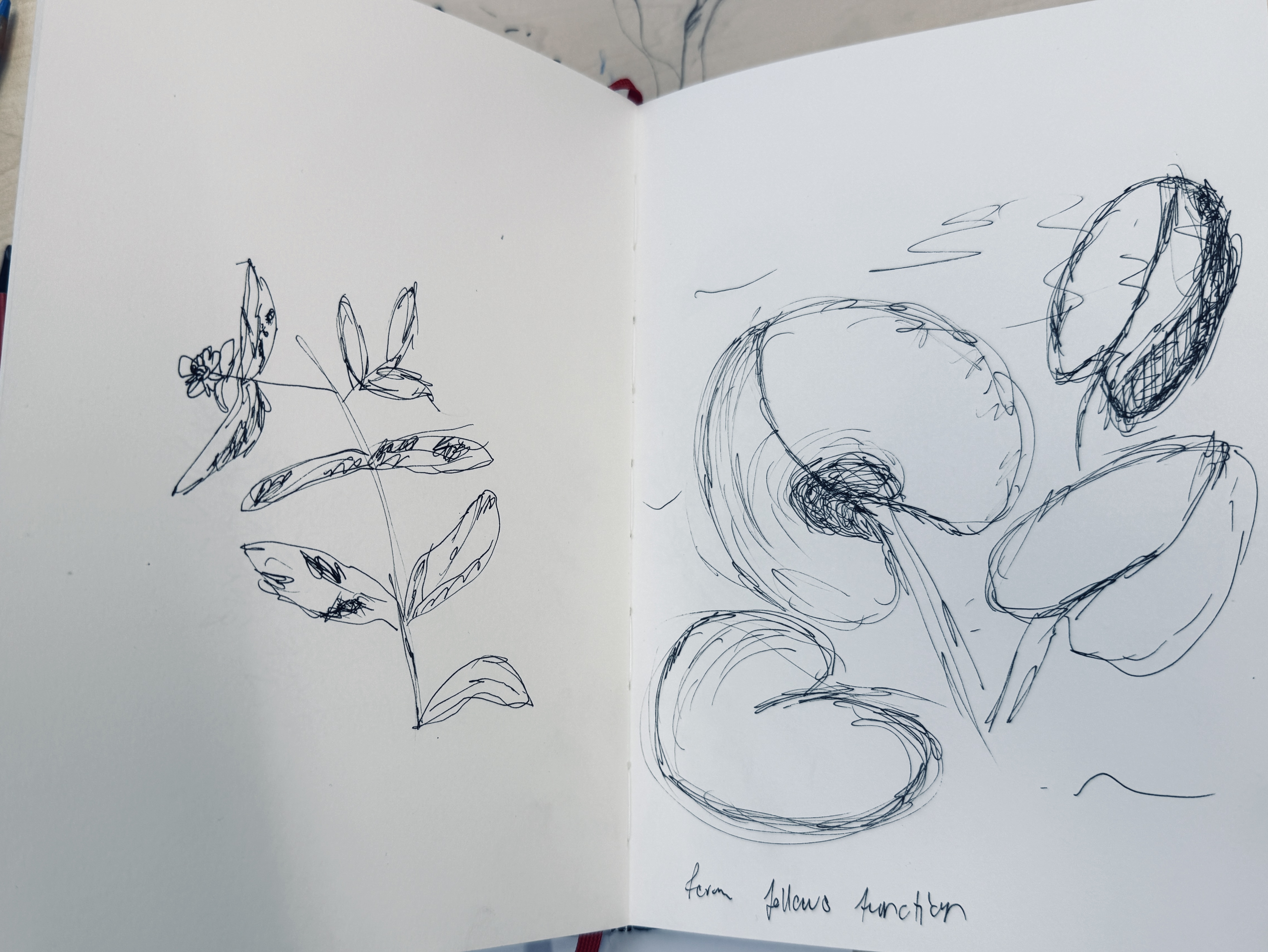
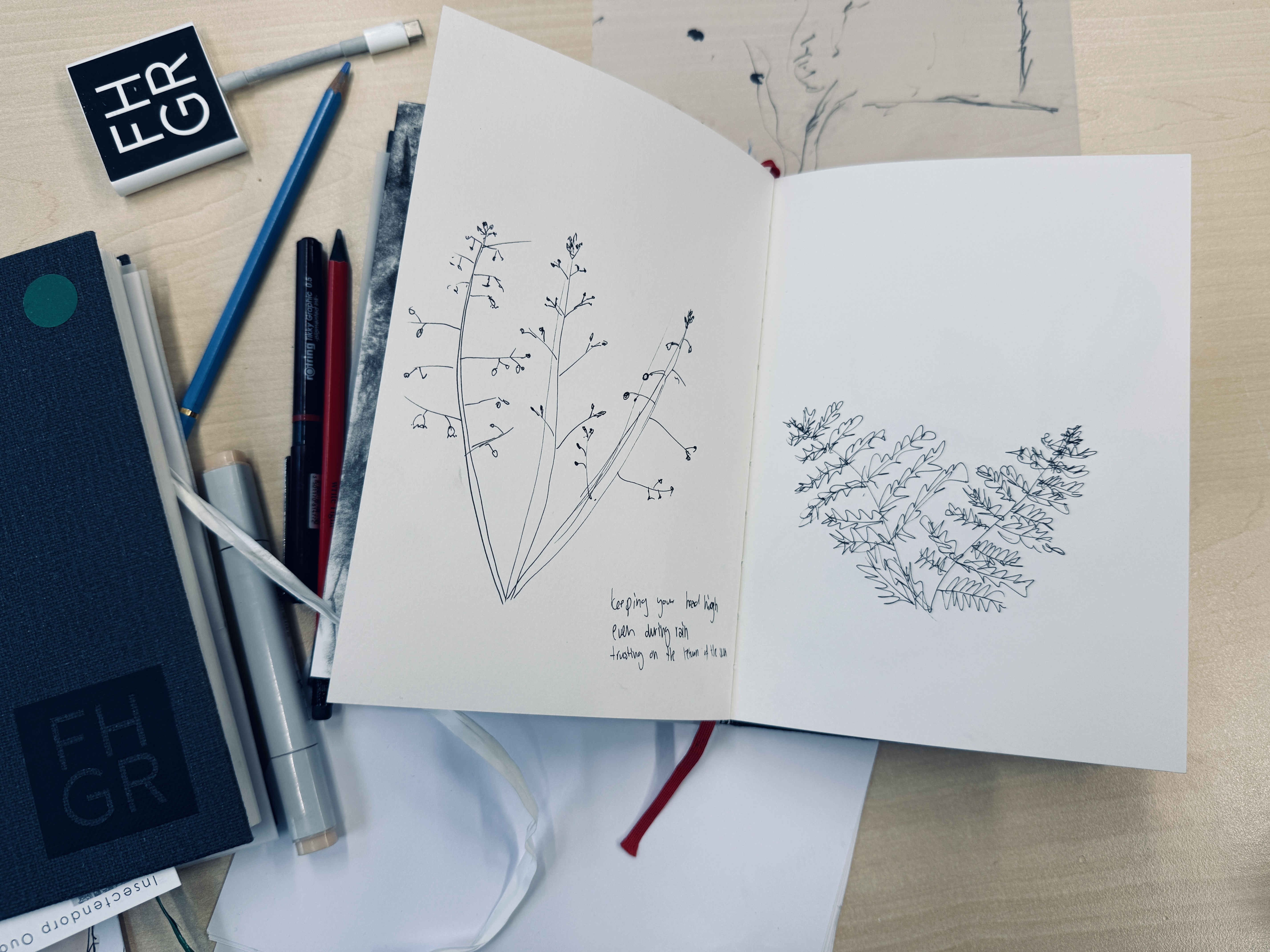
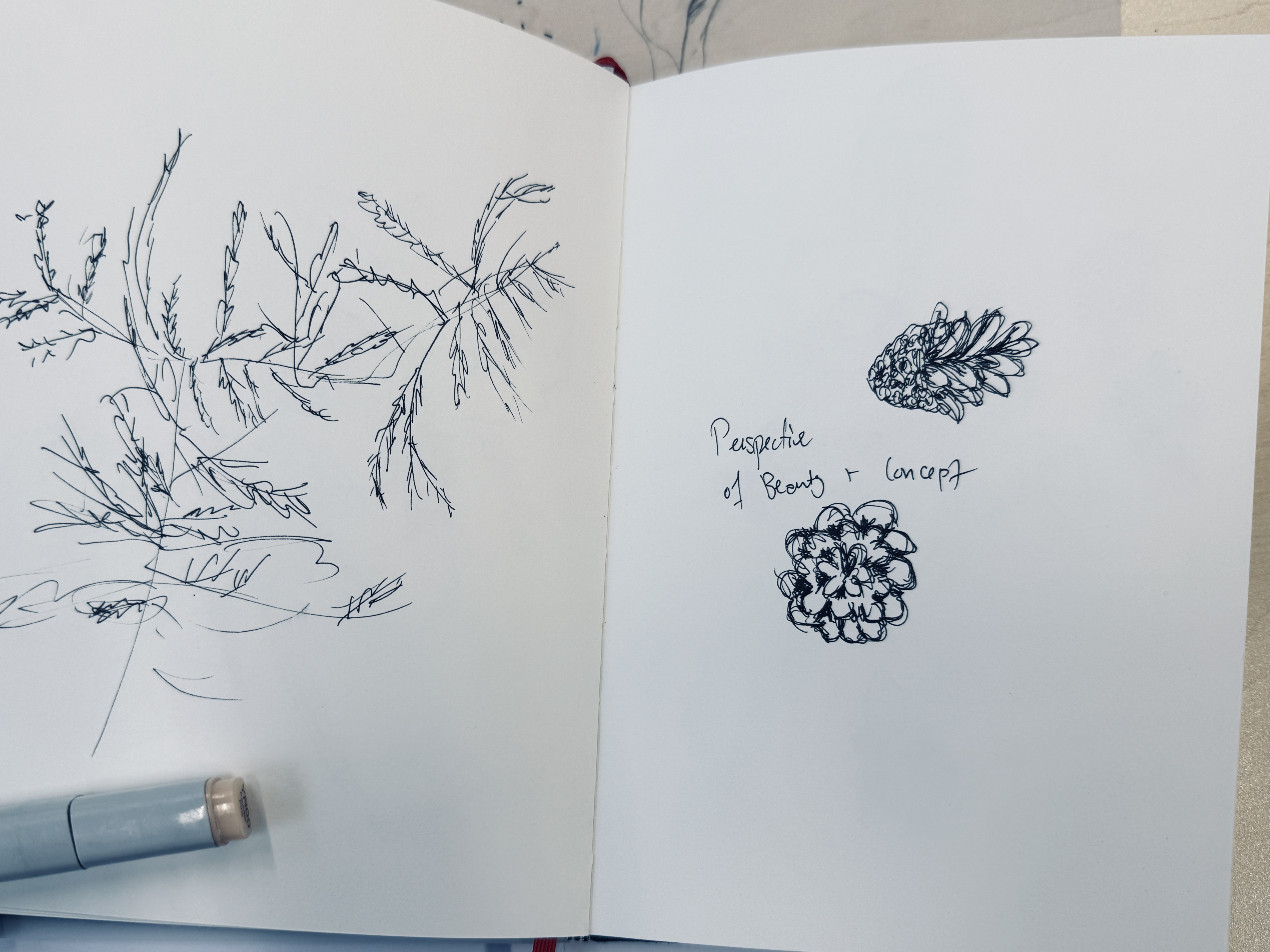
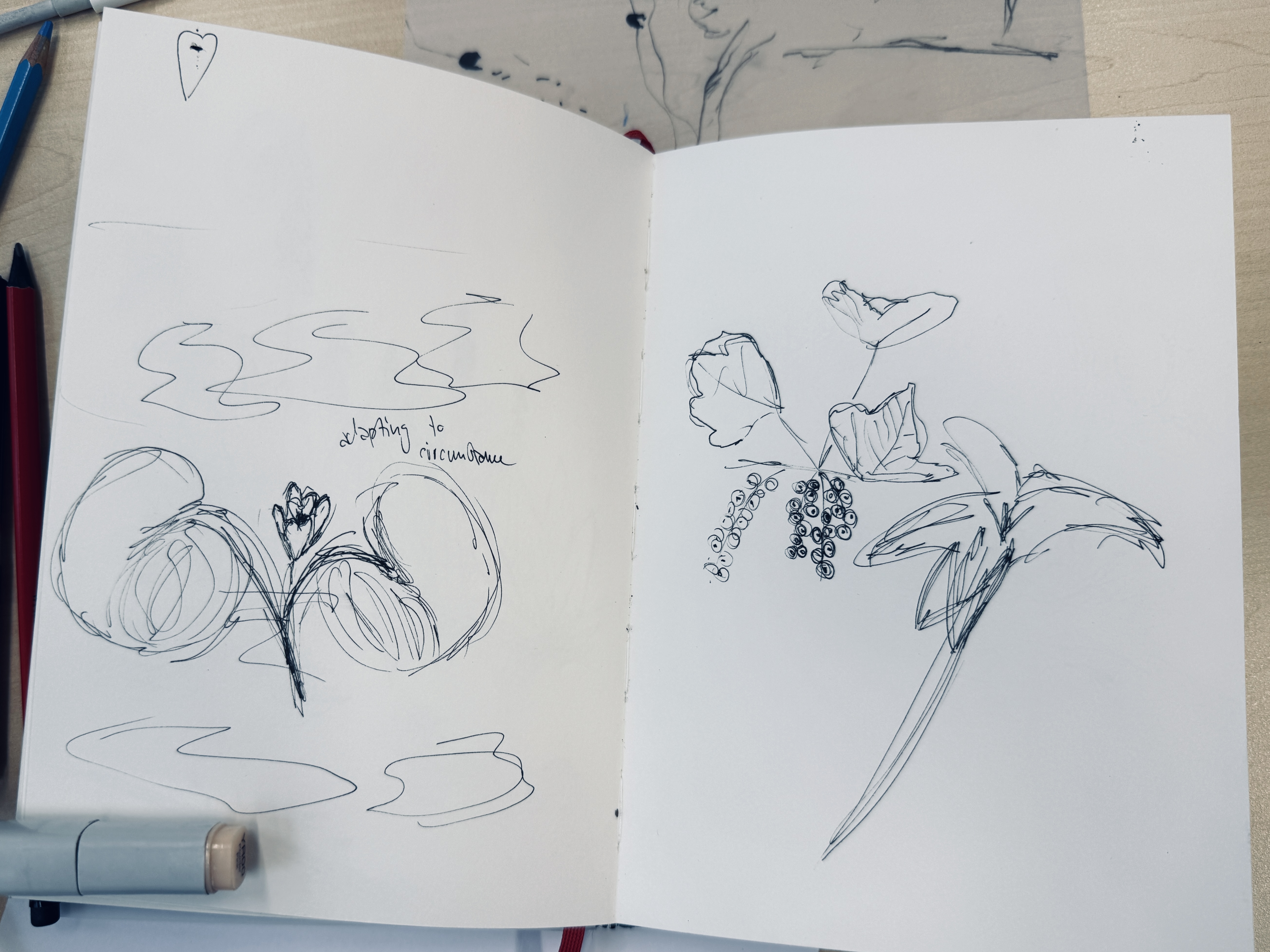
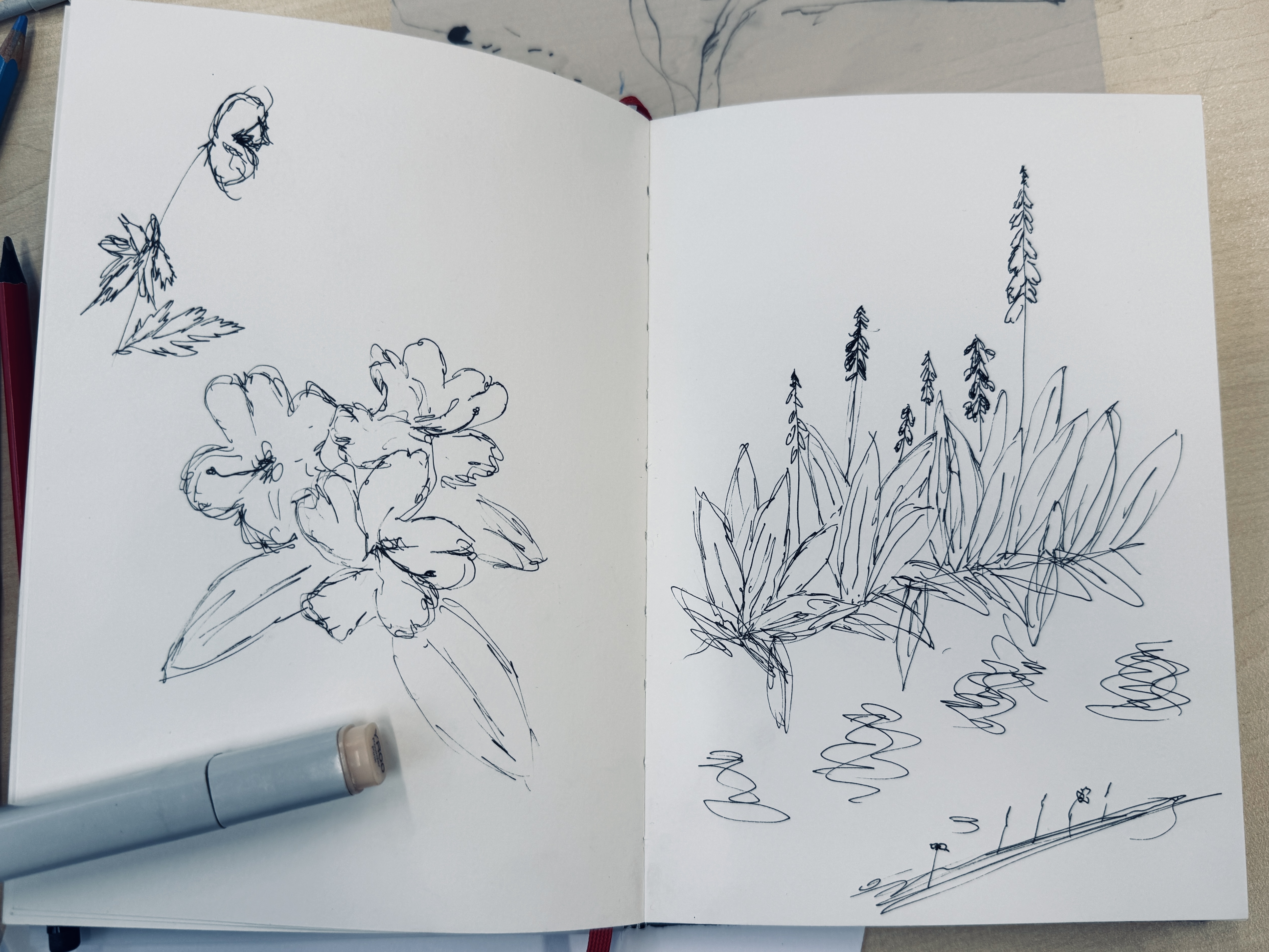
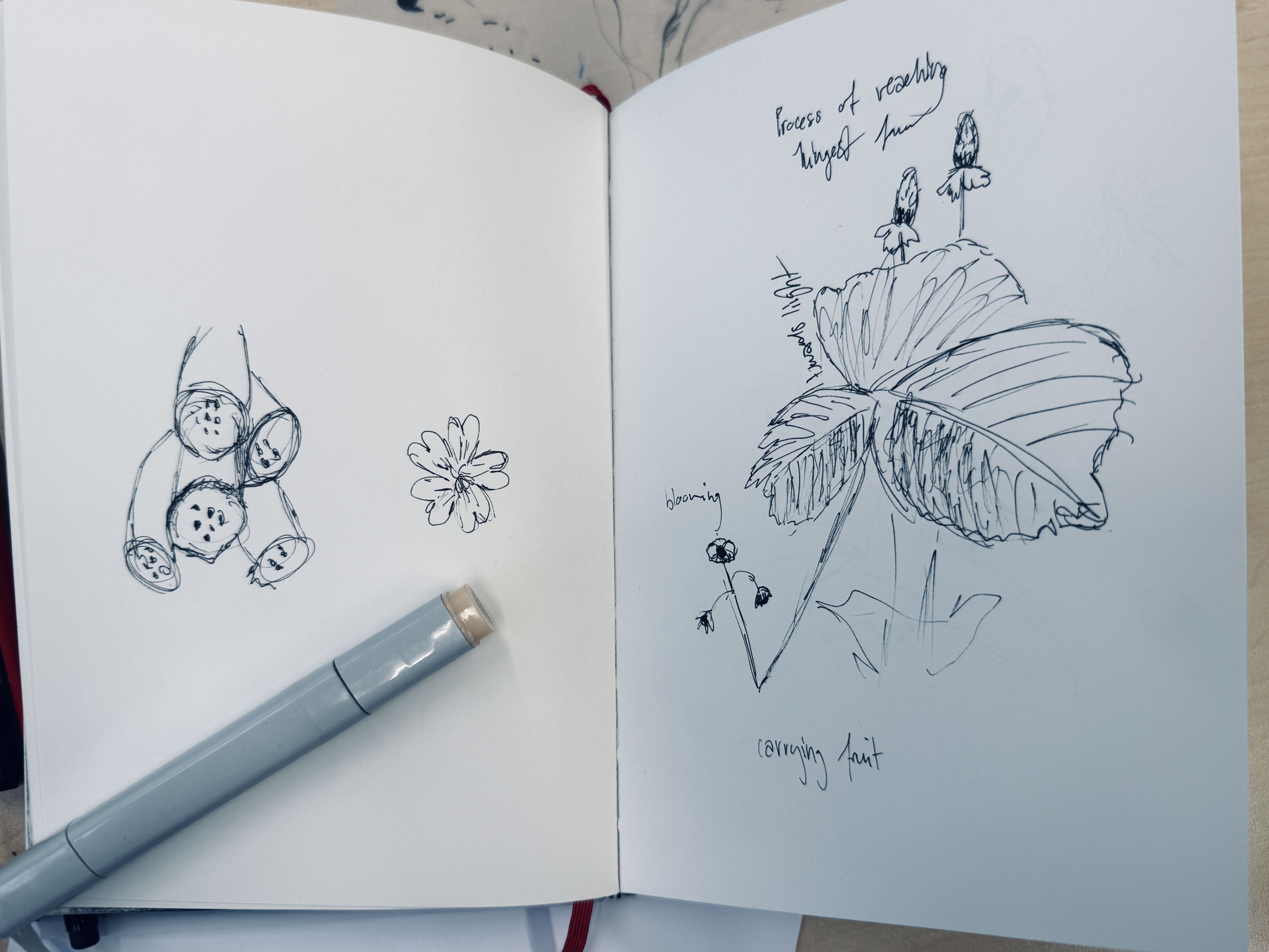
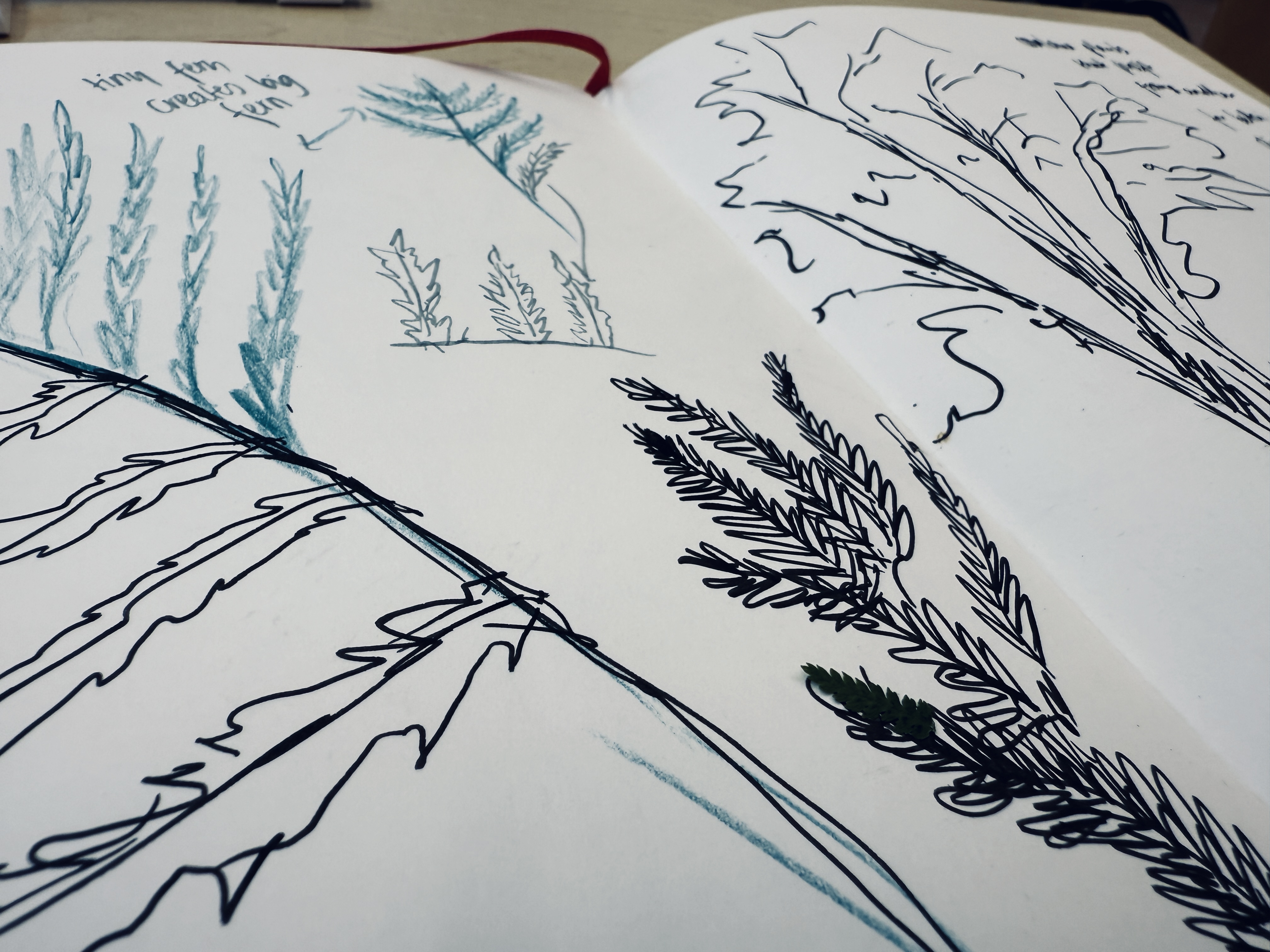
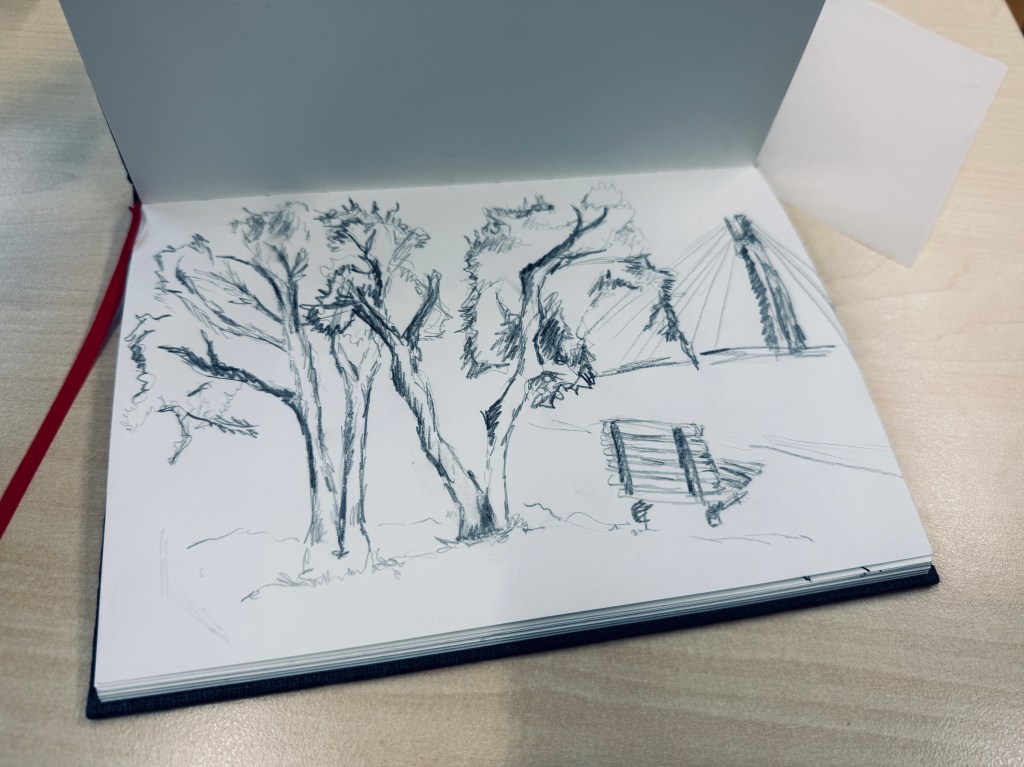
During quiet classroom moments, the act of sketching became internalised. Students used pencil and colour not to decorate, but to define what matters: movement patterns, material textures, soft borders, social thresholds.
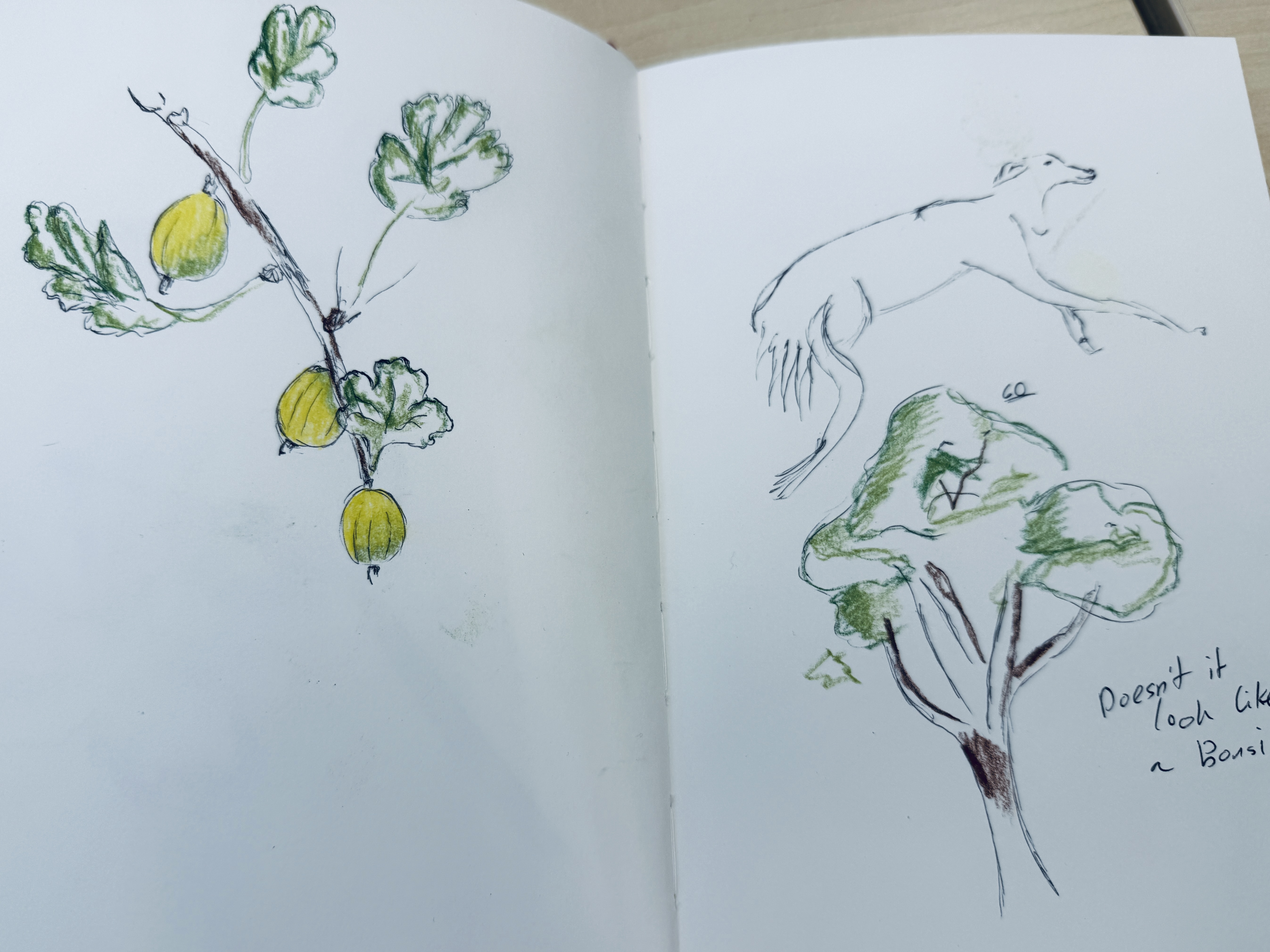
Sketching as Inquiry
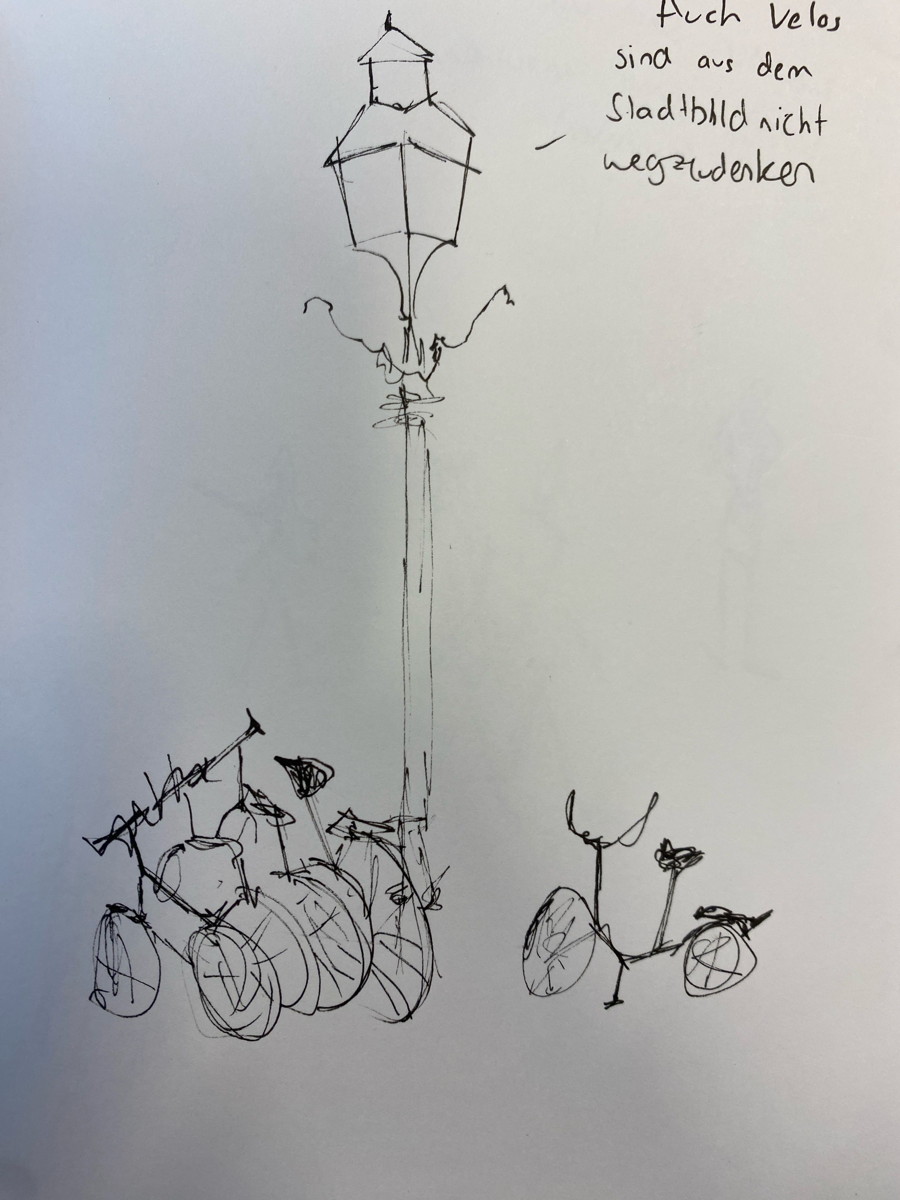
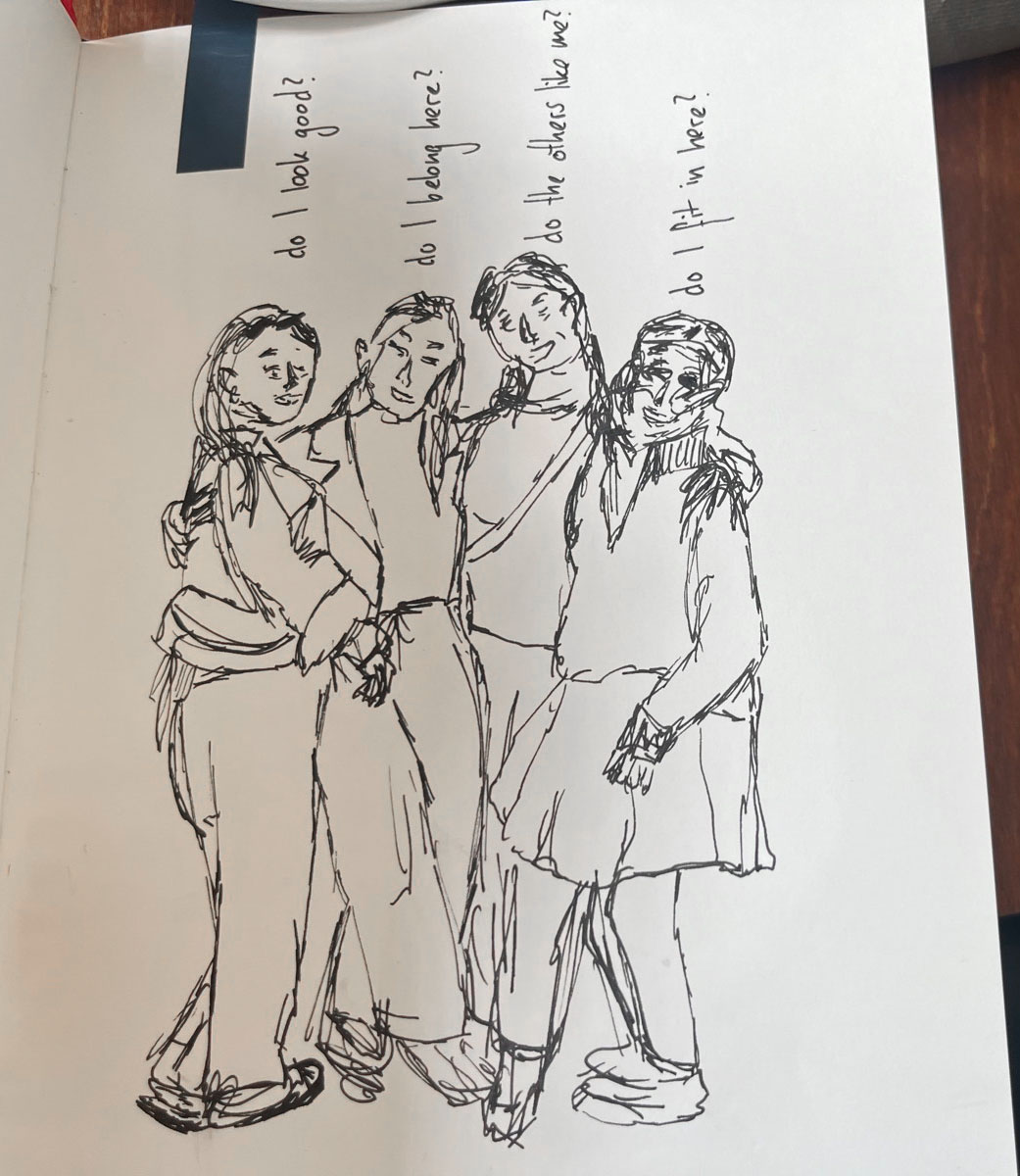
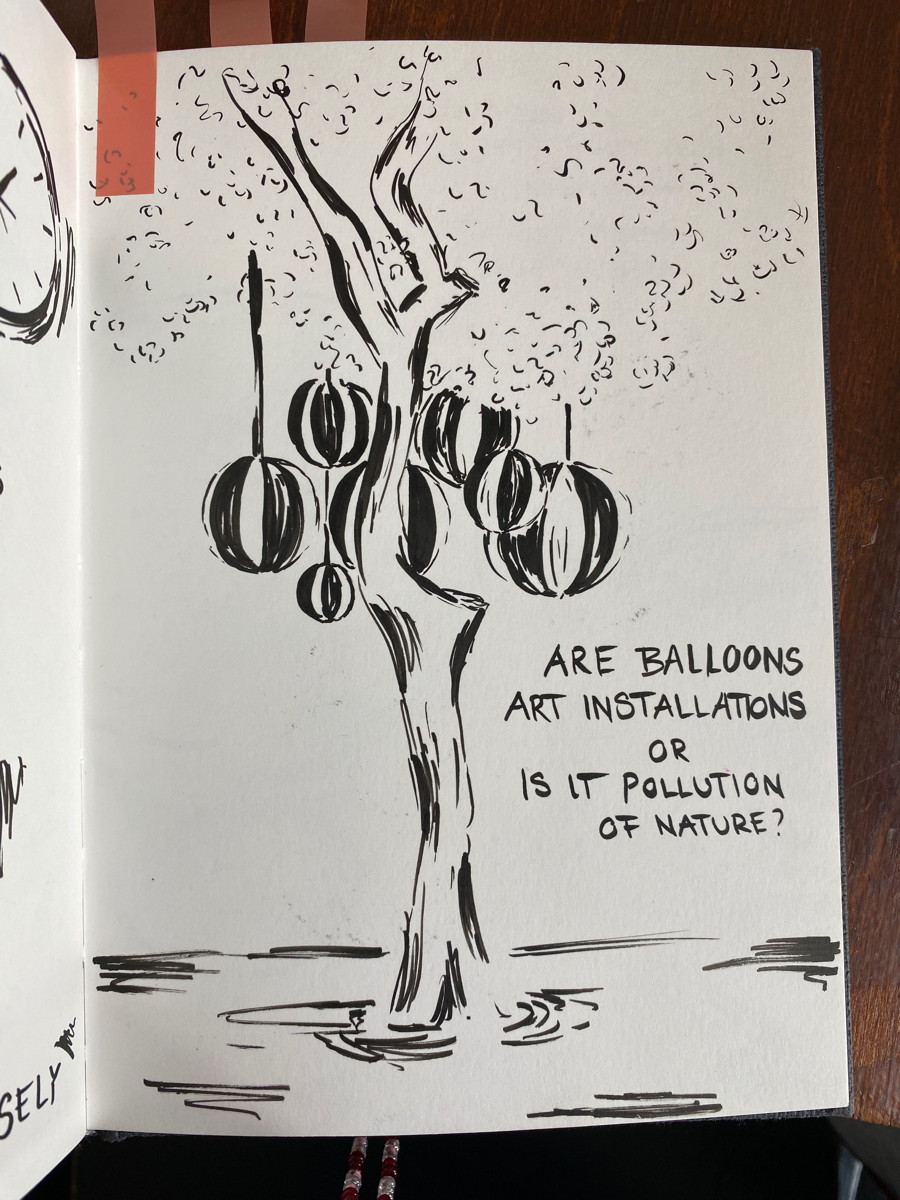
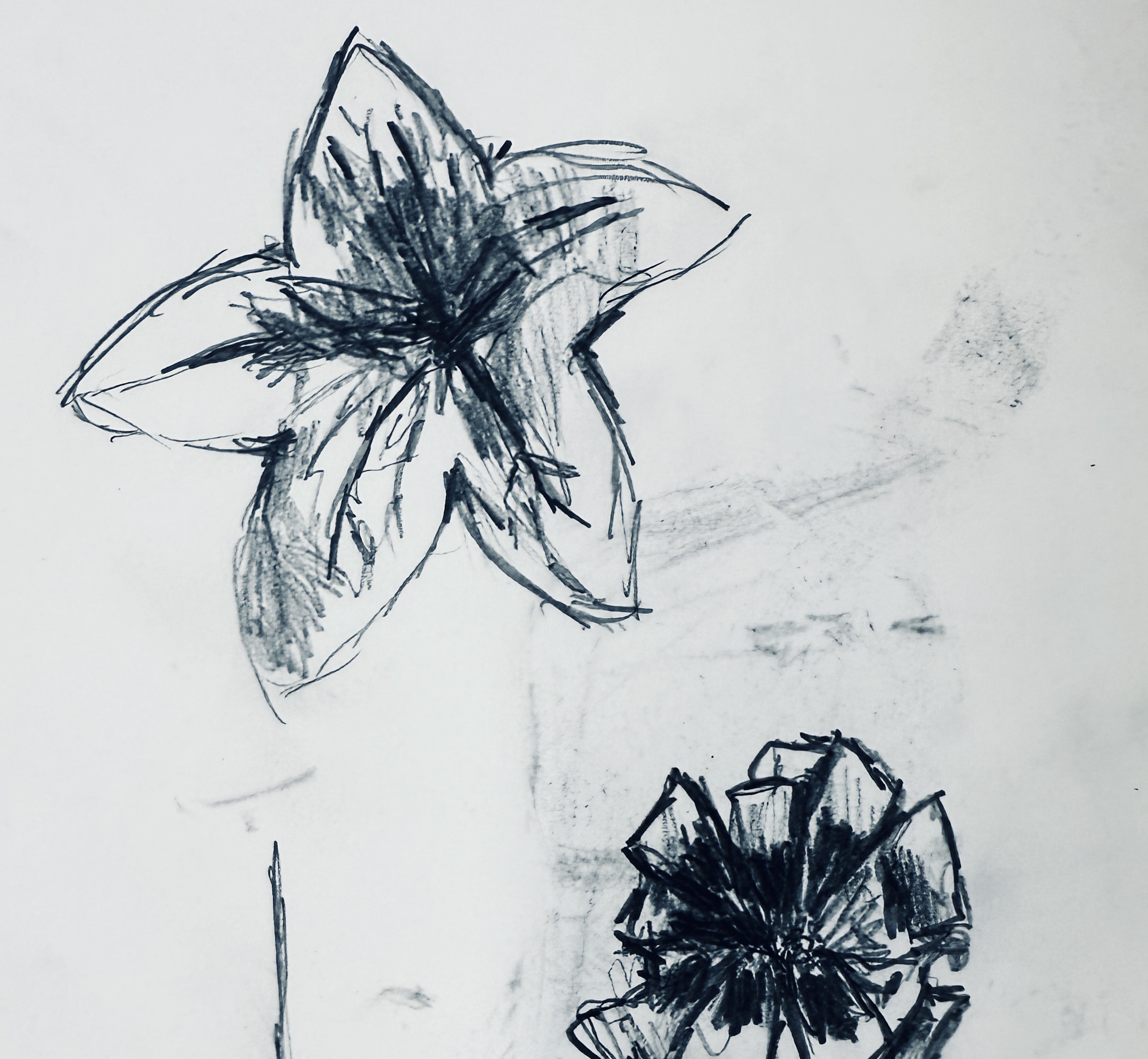
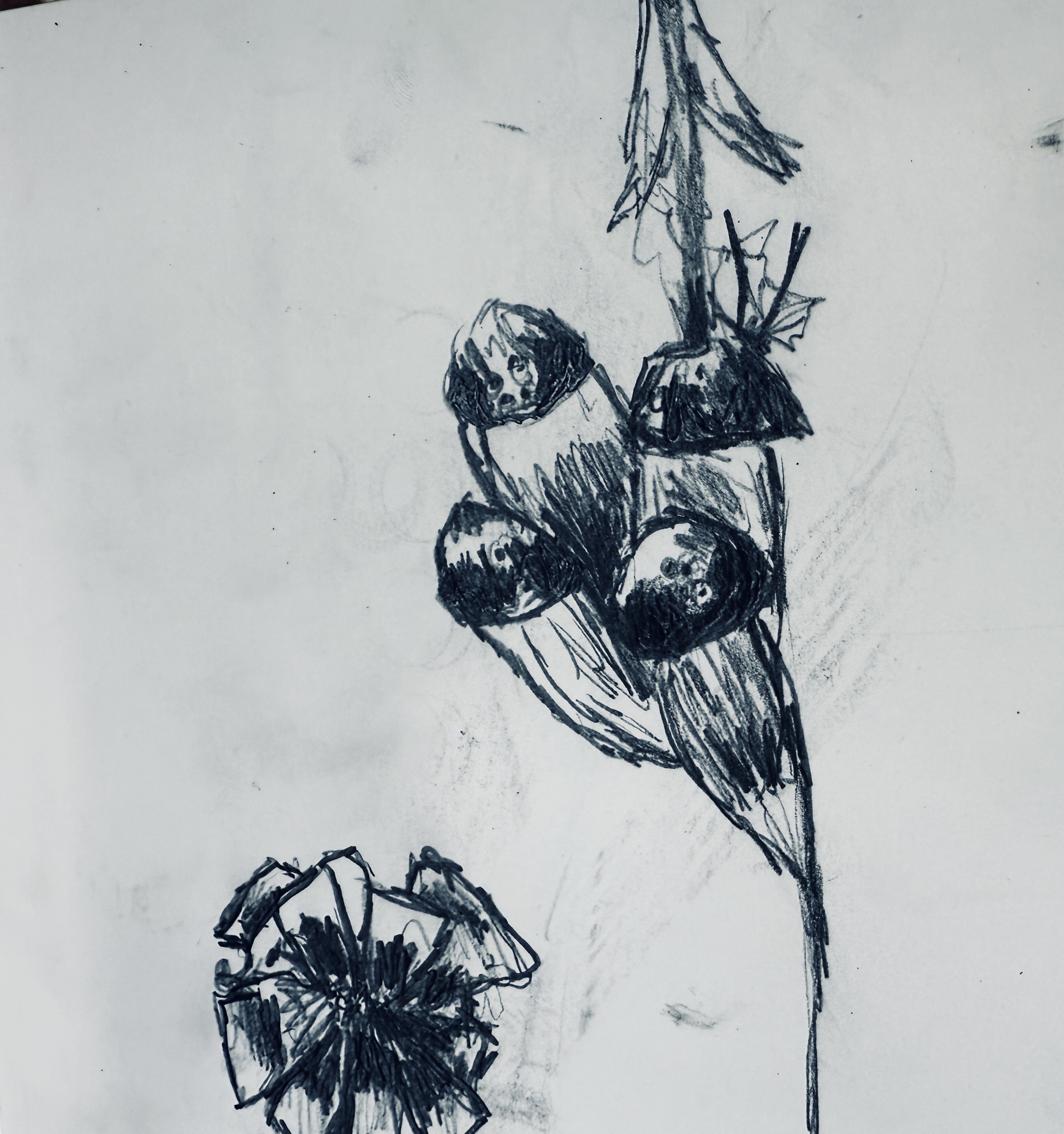
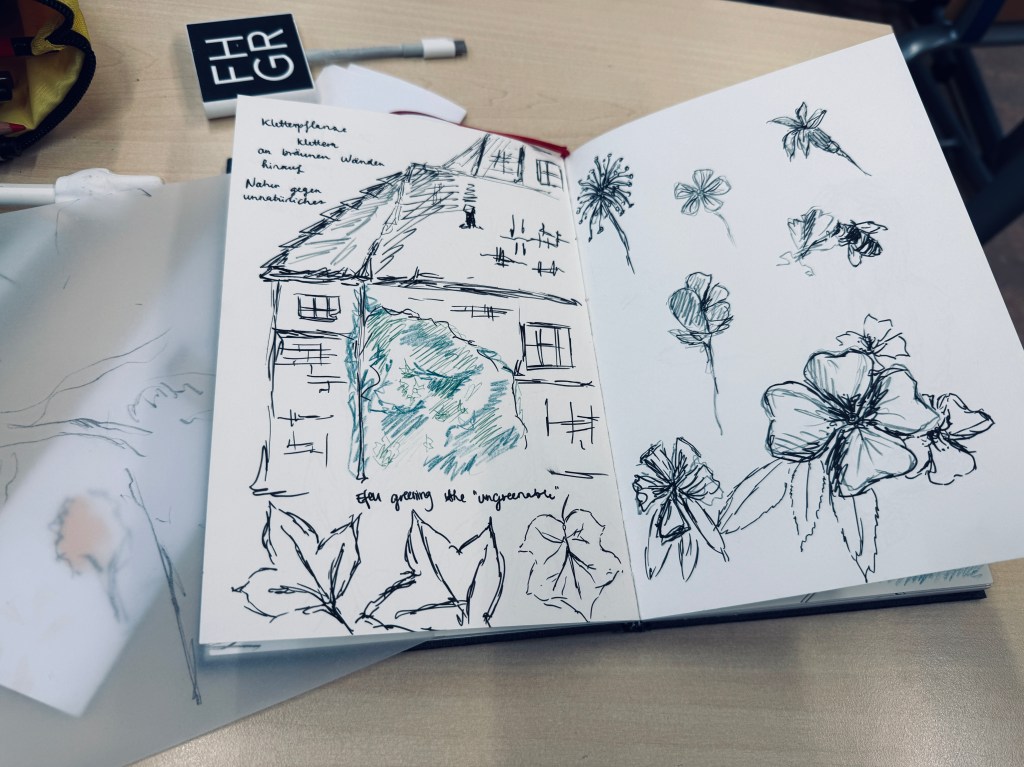
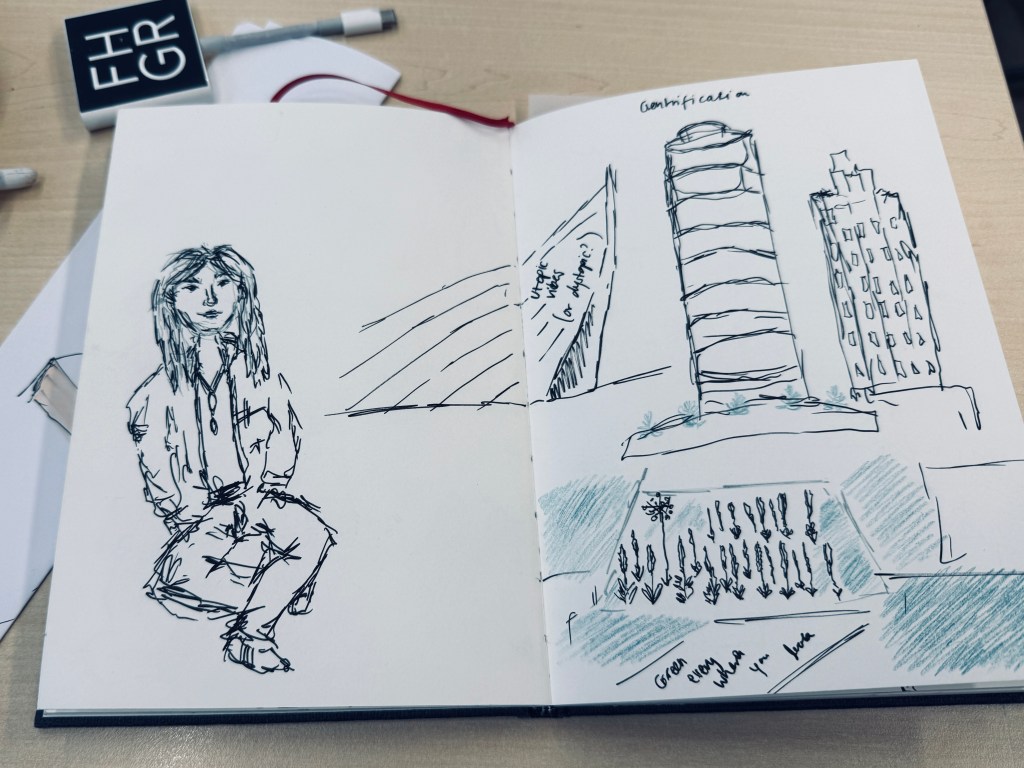
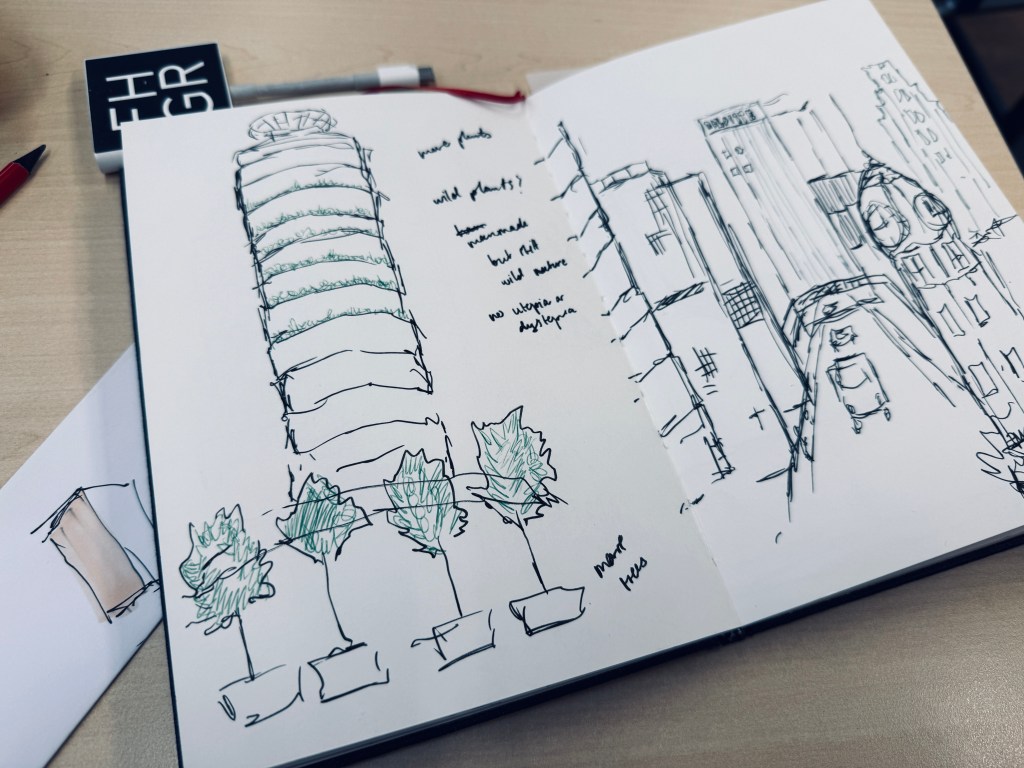
Sketching is more than observation—it is a way of thinking. Each line is a question. Each shadow, a hypothesis. Through drawing, students tested ideas about space, society, and sustainability, directly onto the paper.
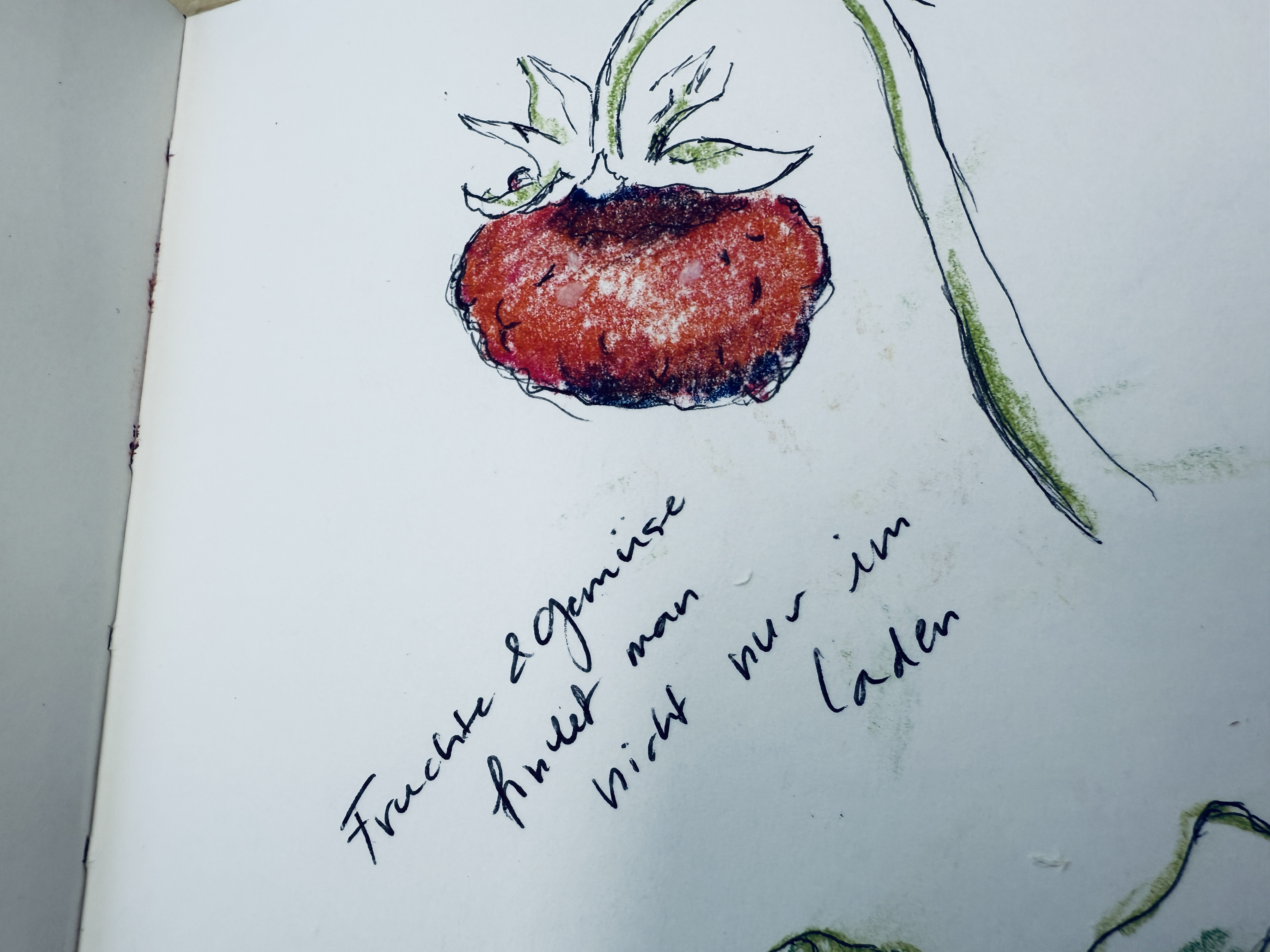
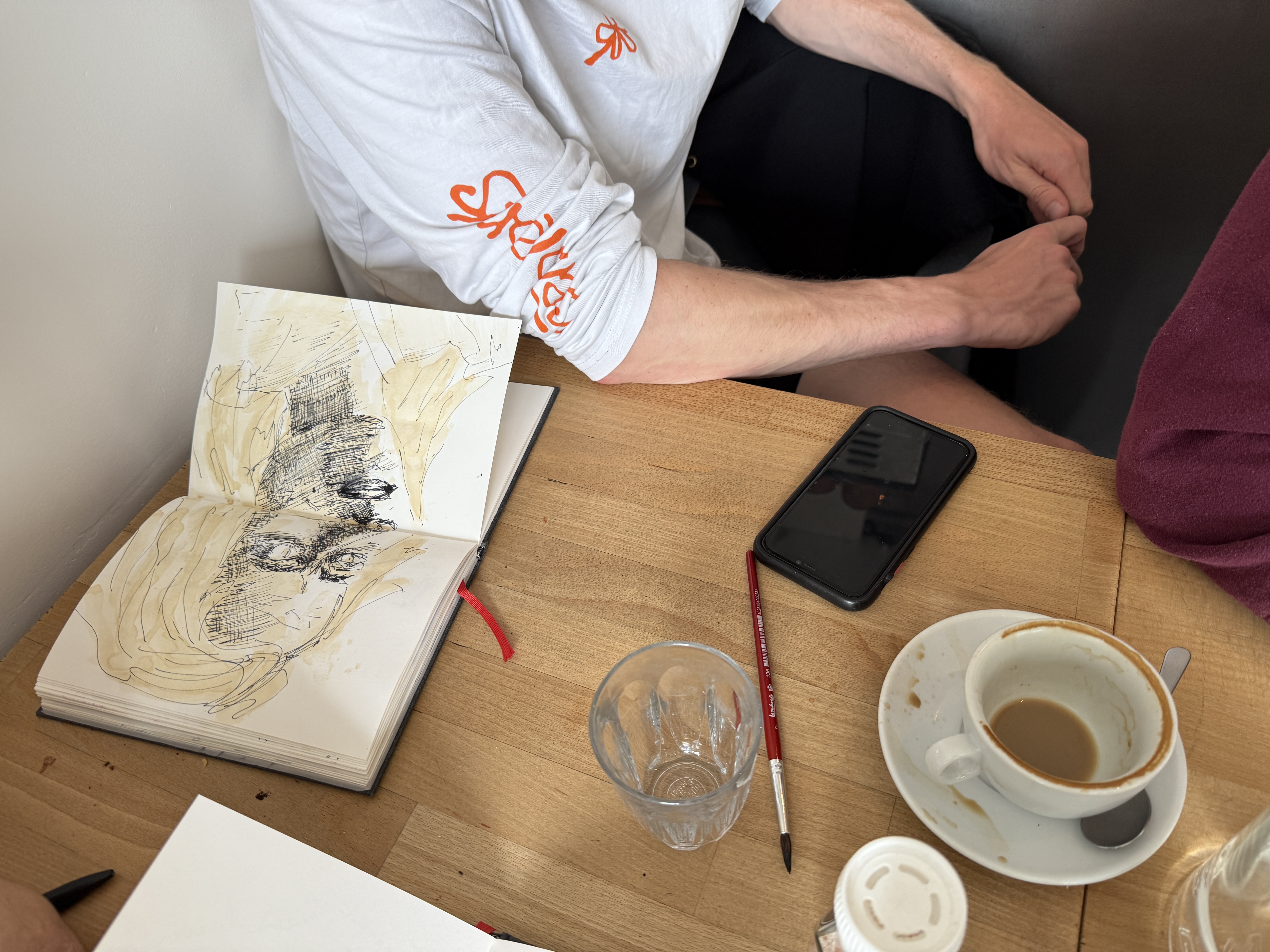
Sketchbooks as Urban Diaries
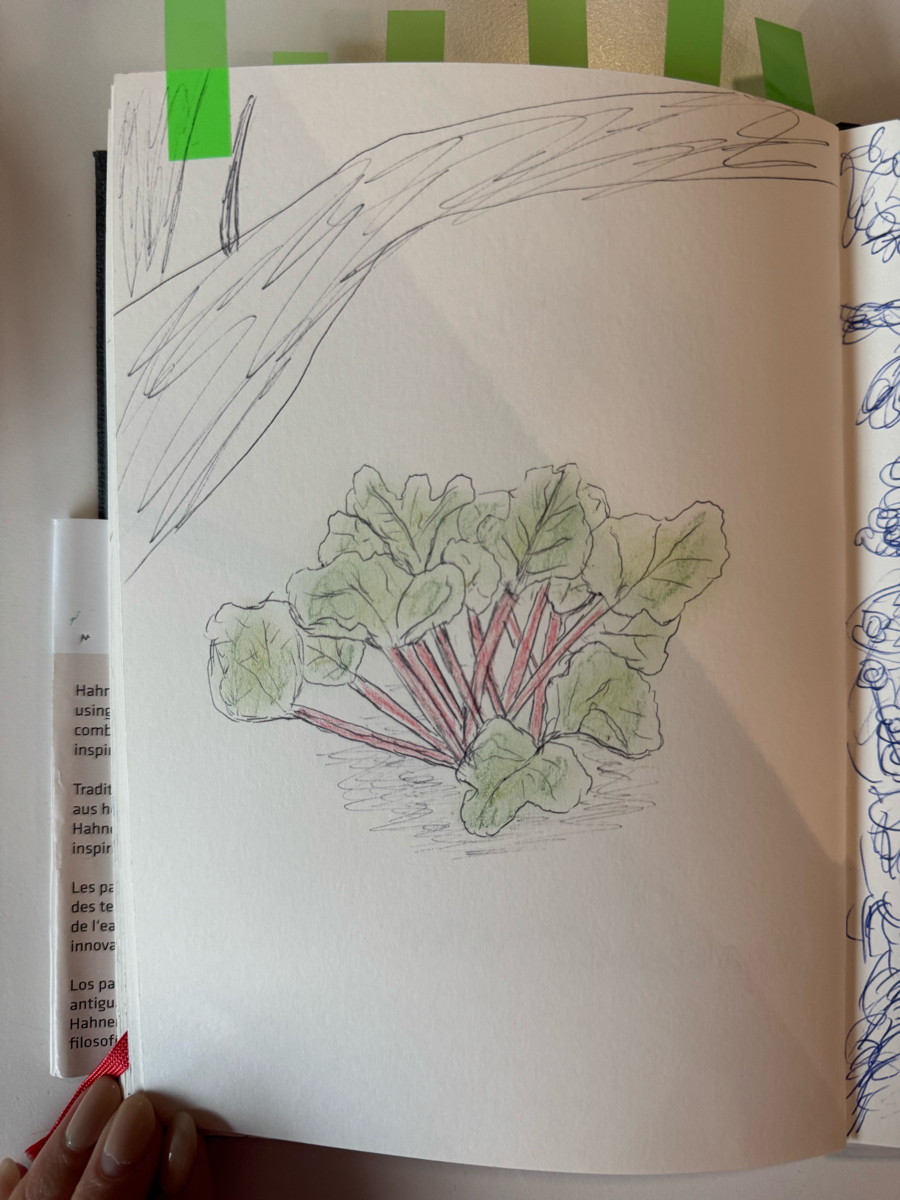
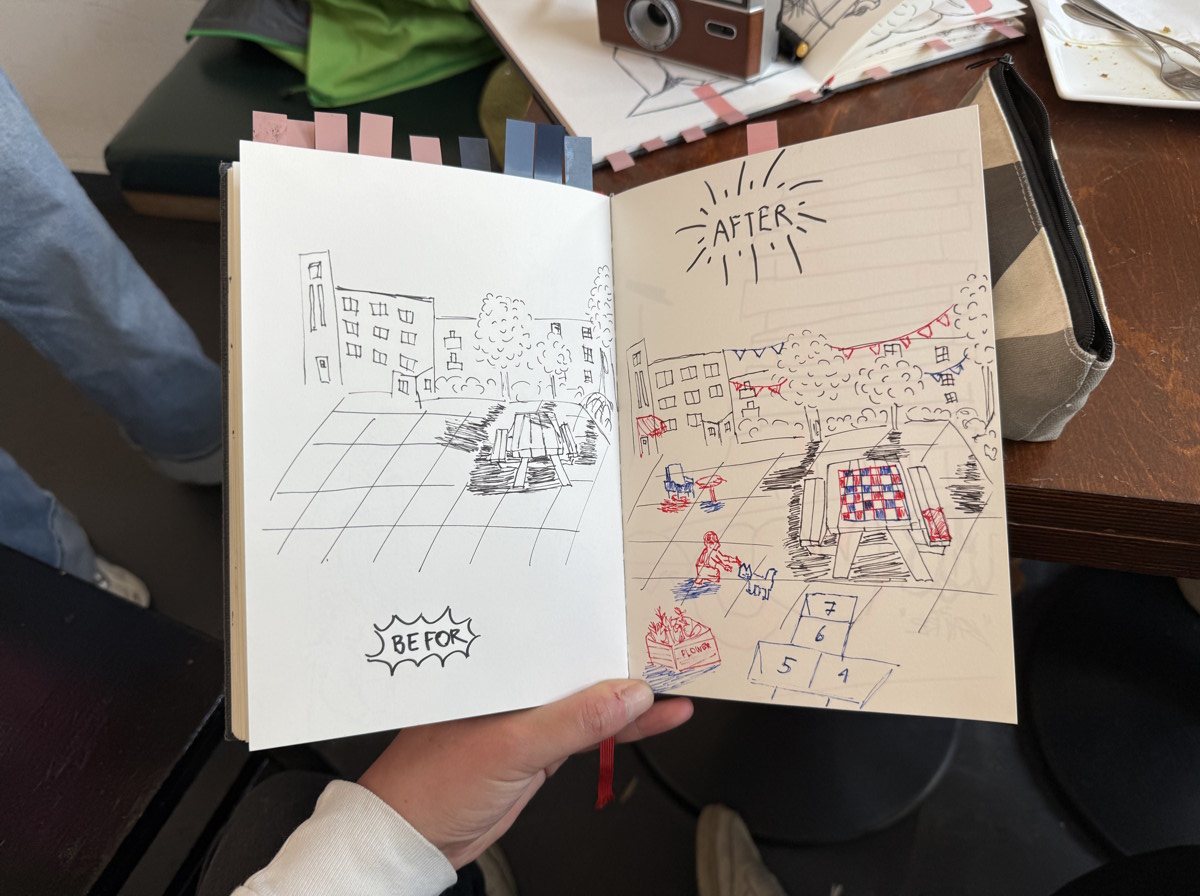
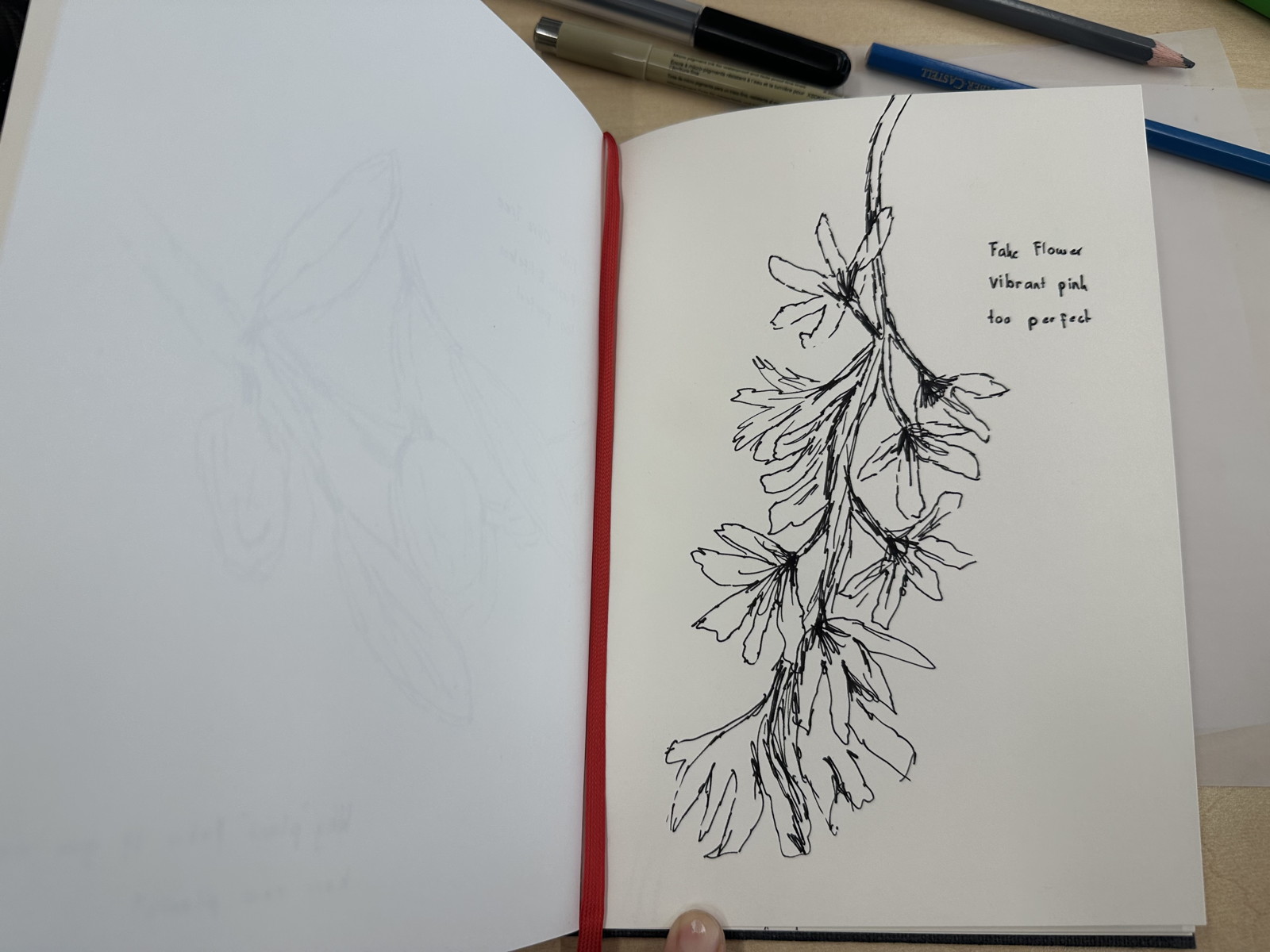
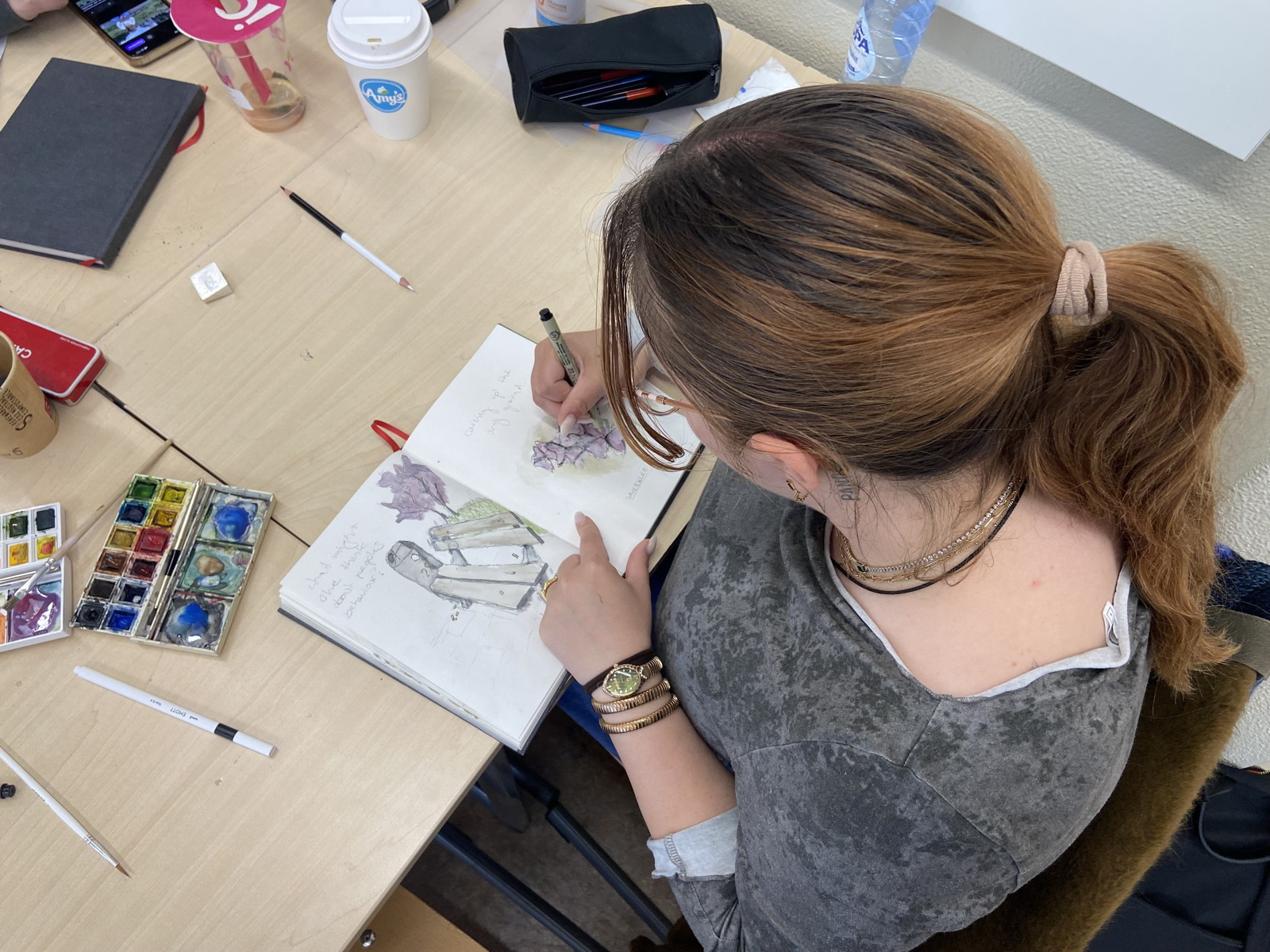
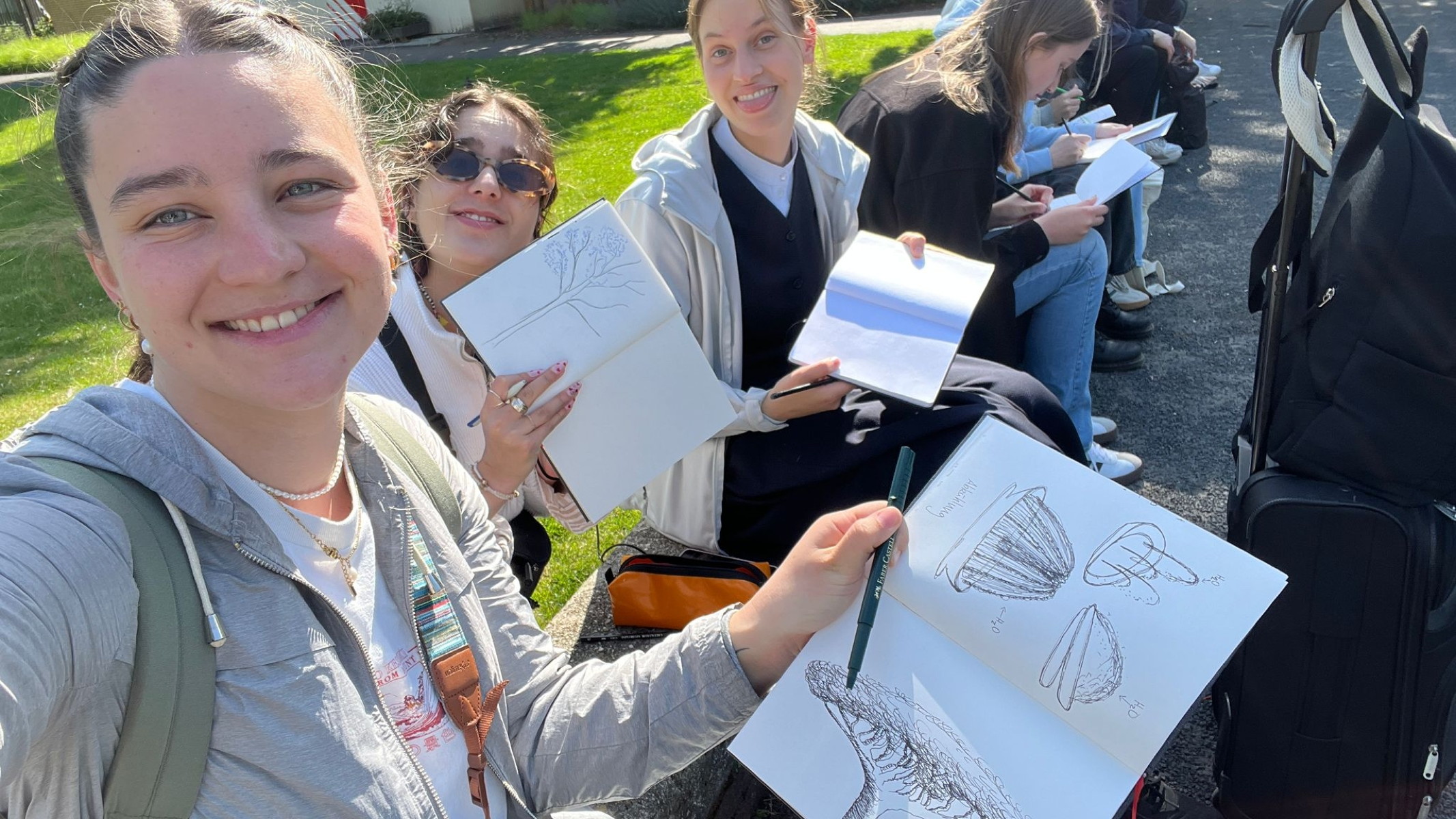
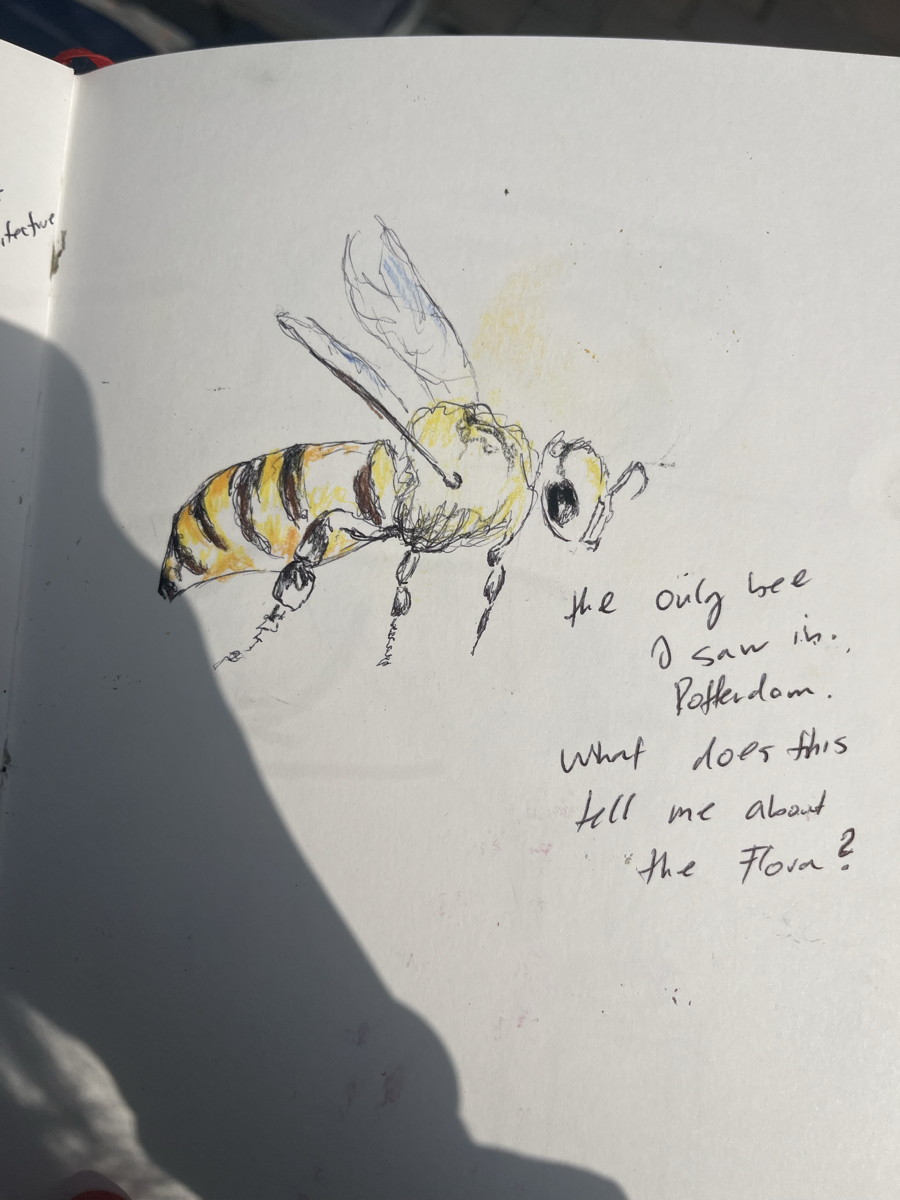
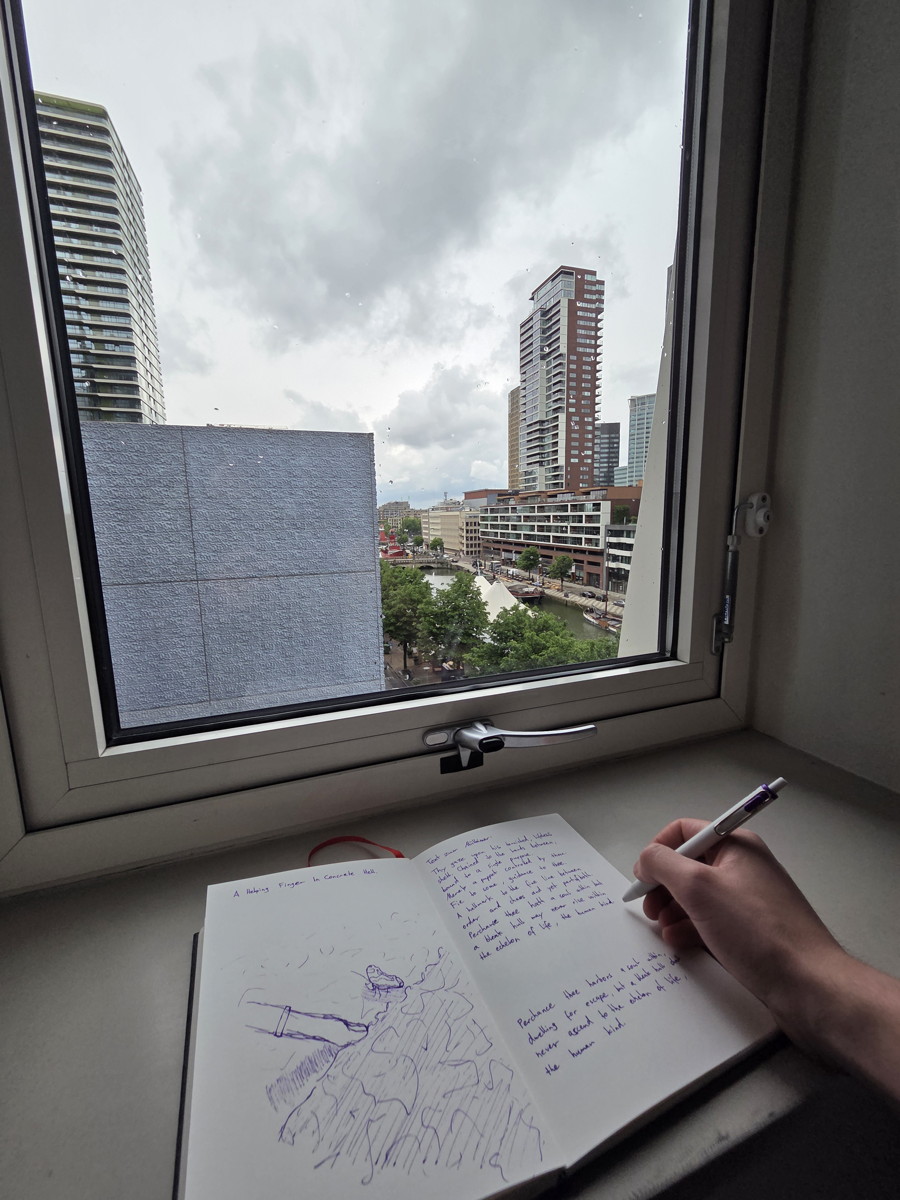
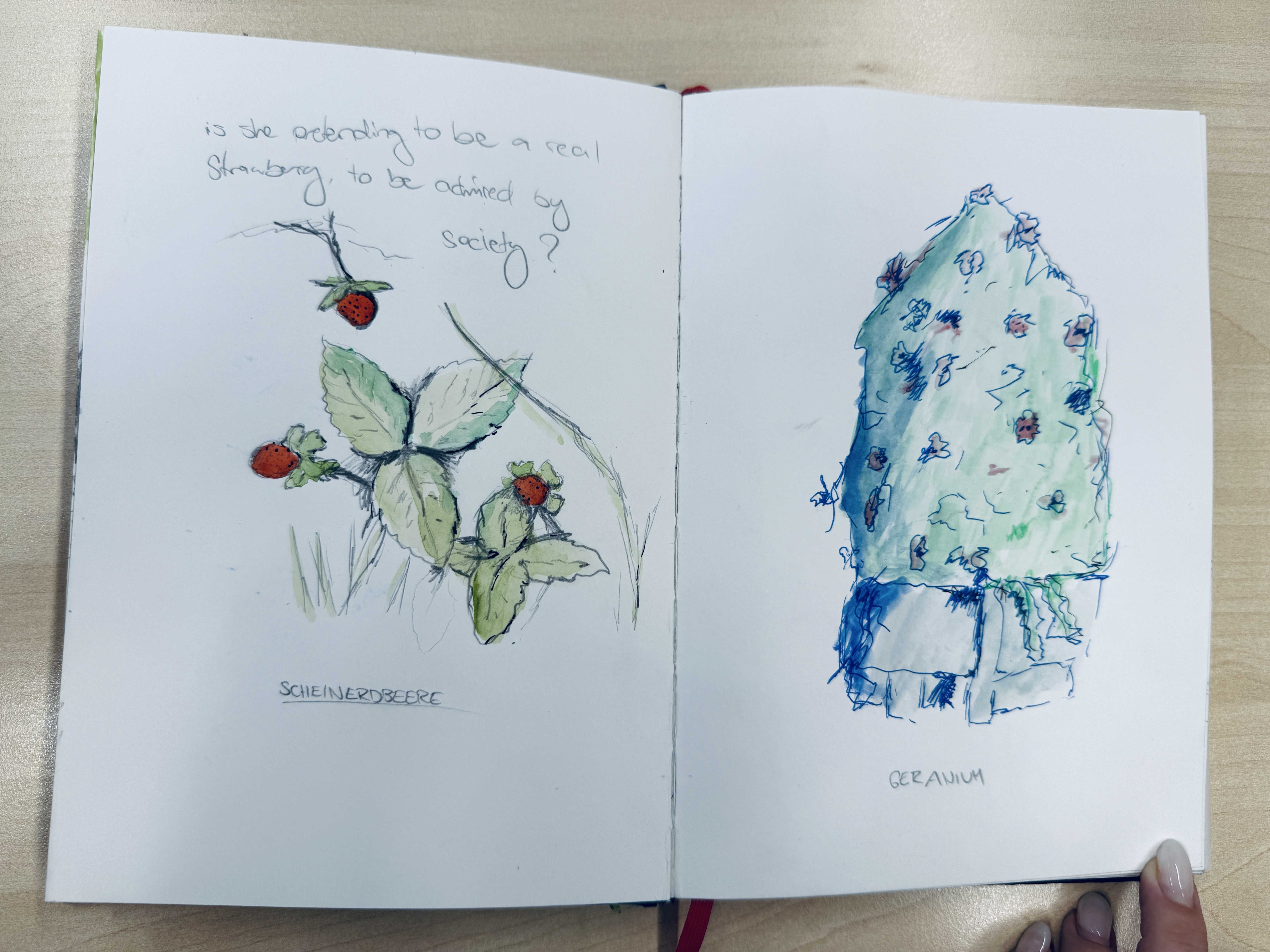
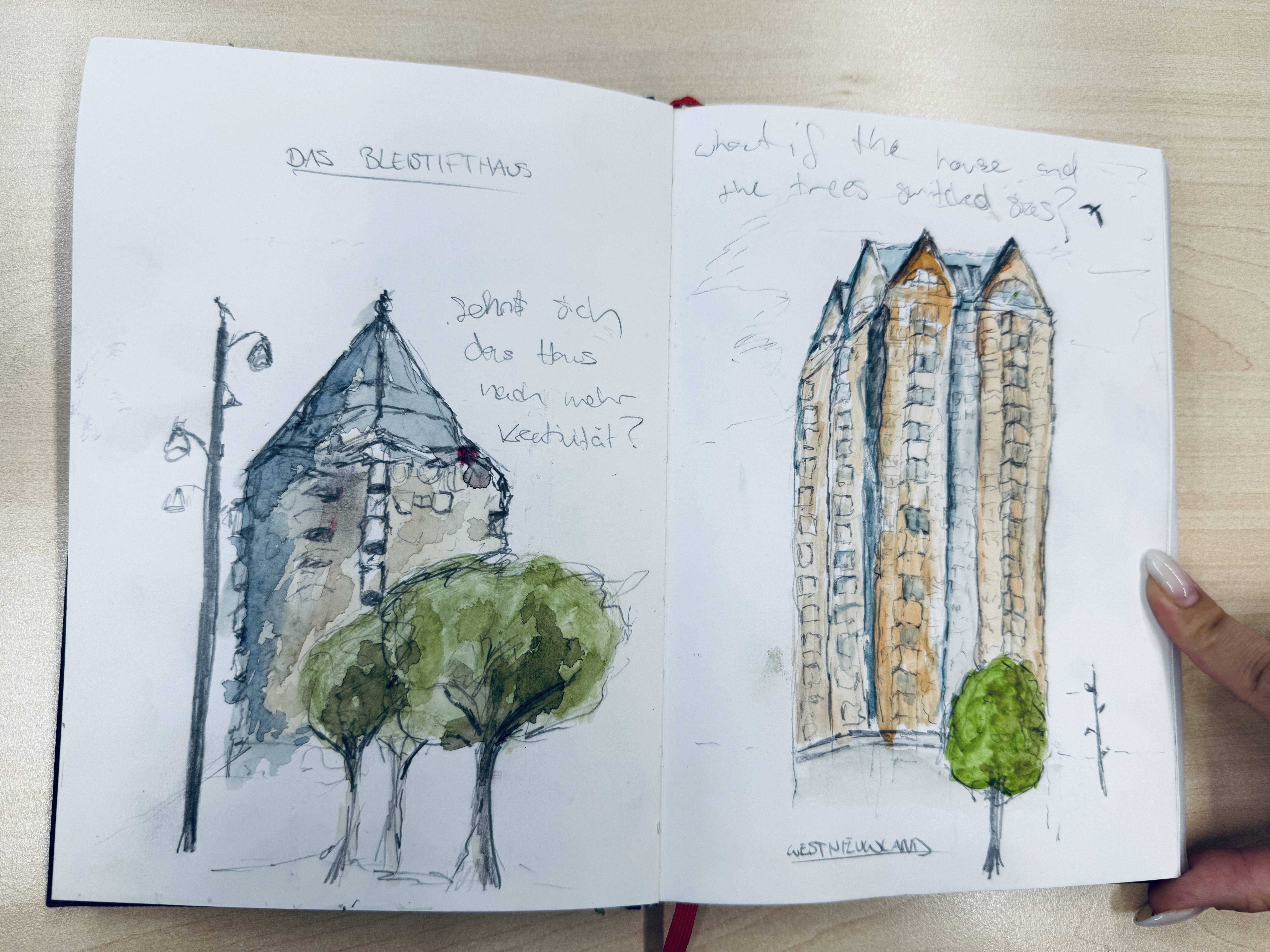
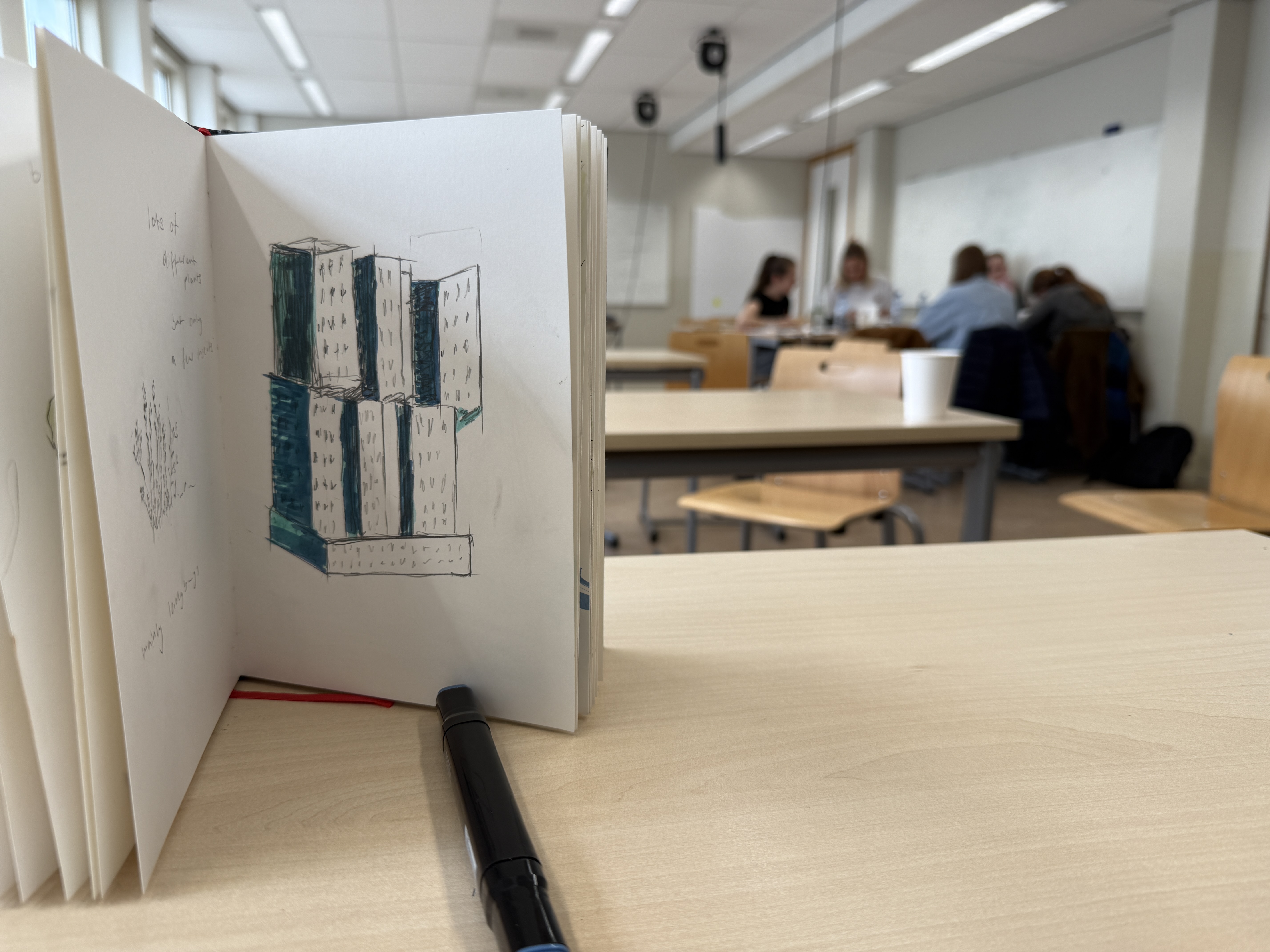
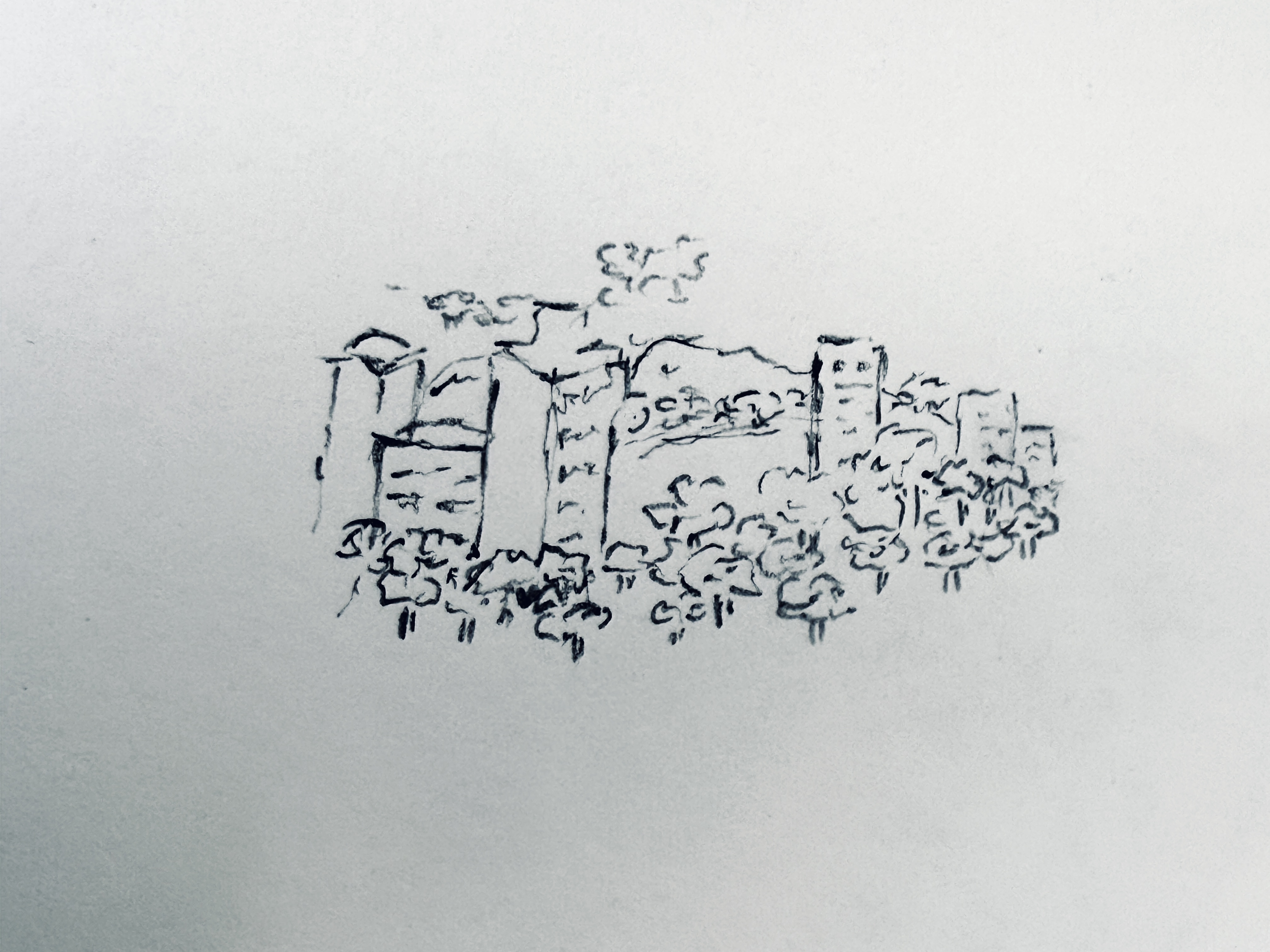
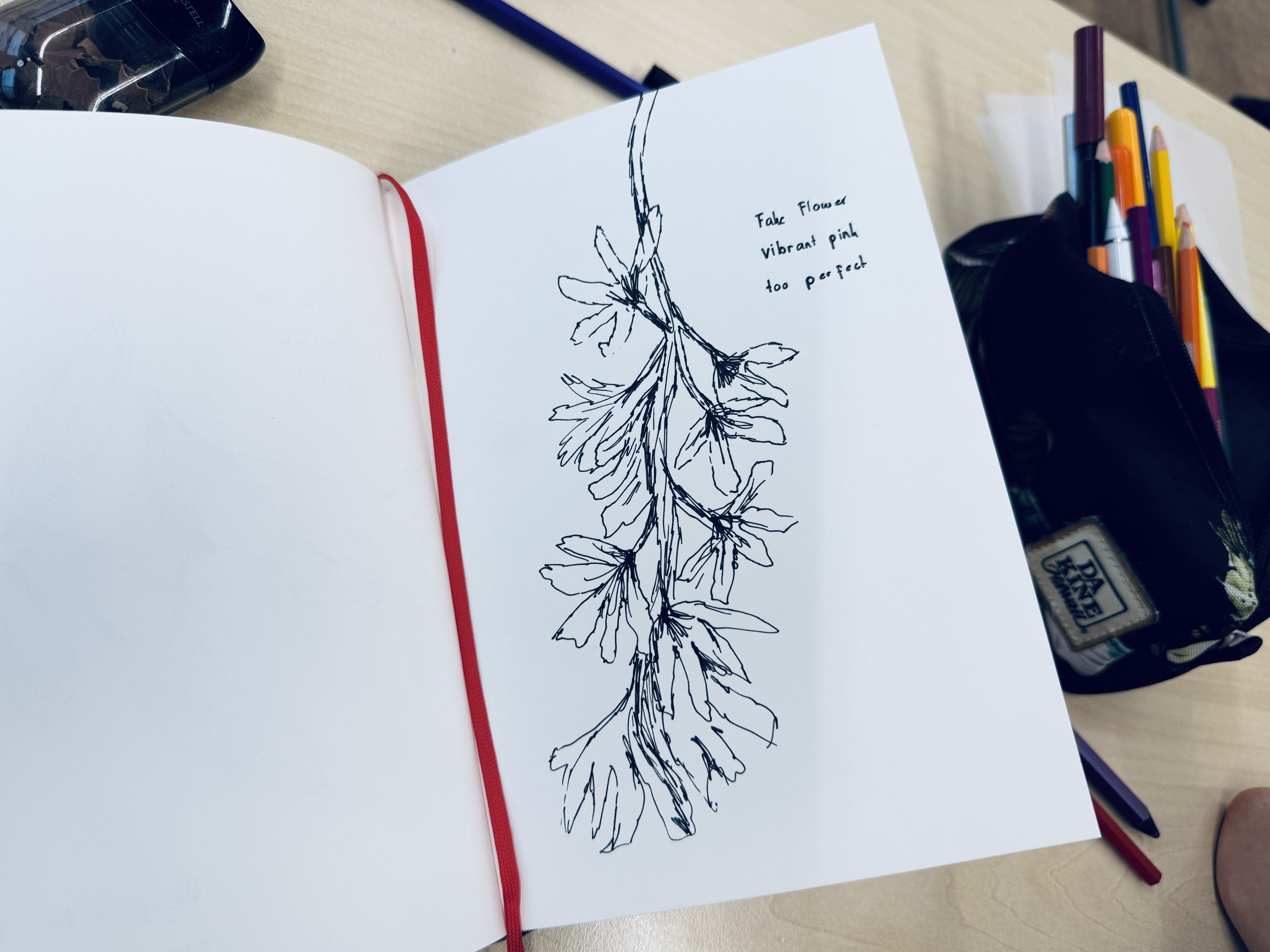
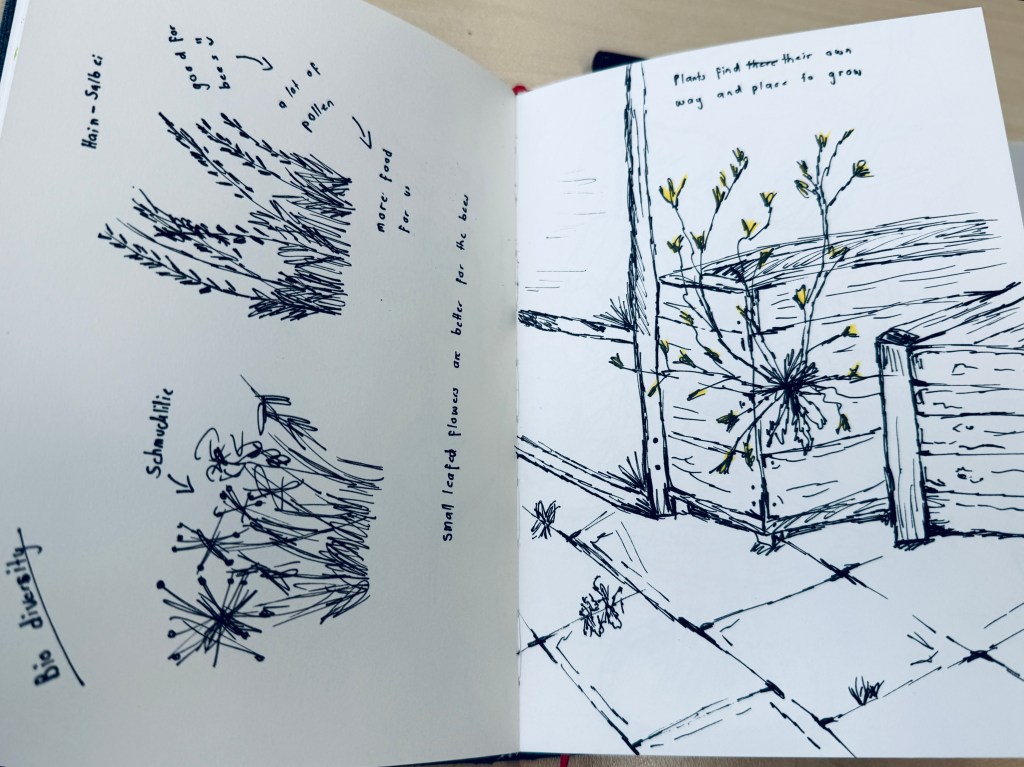
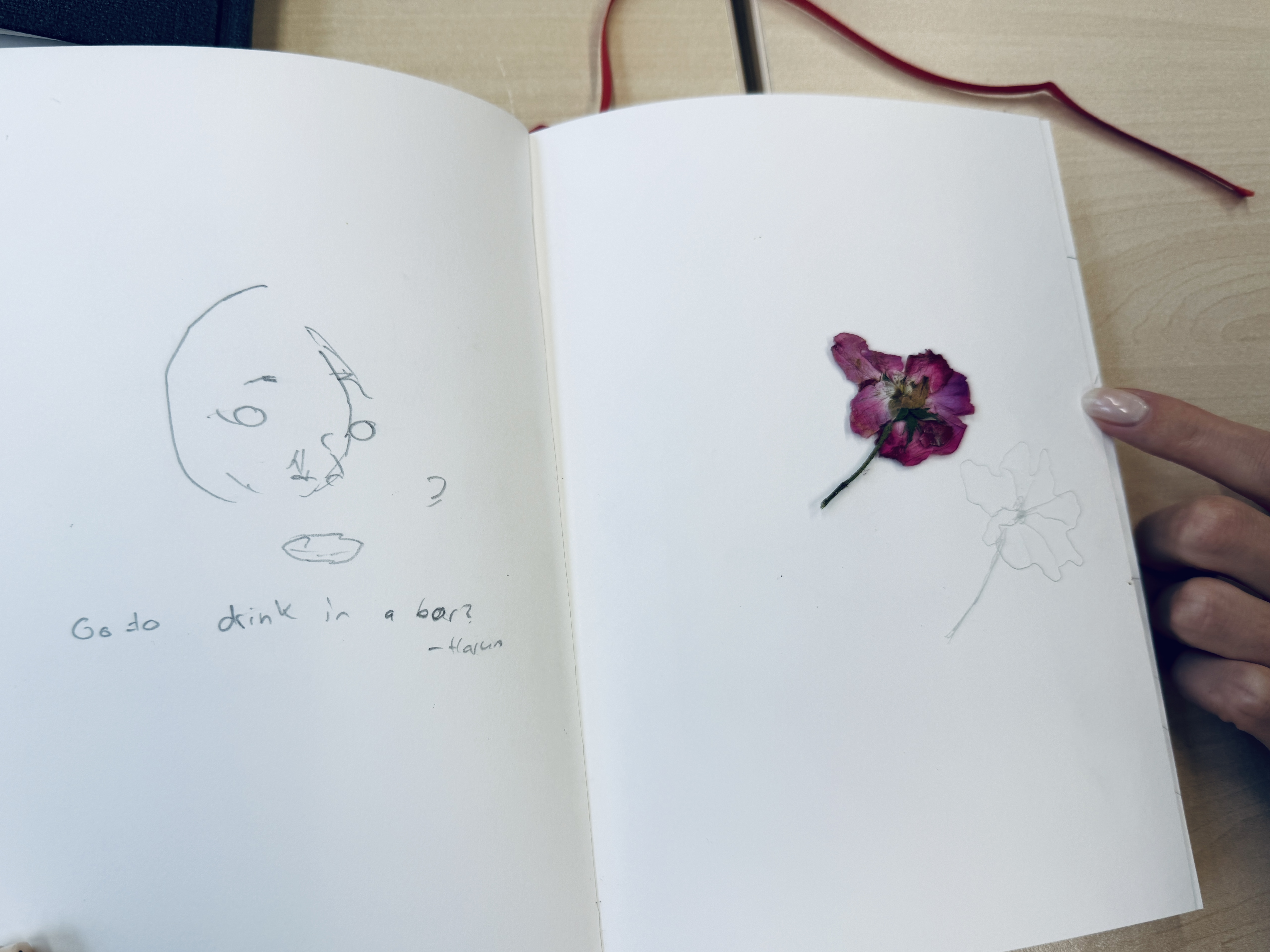
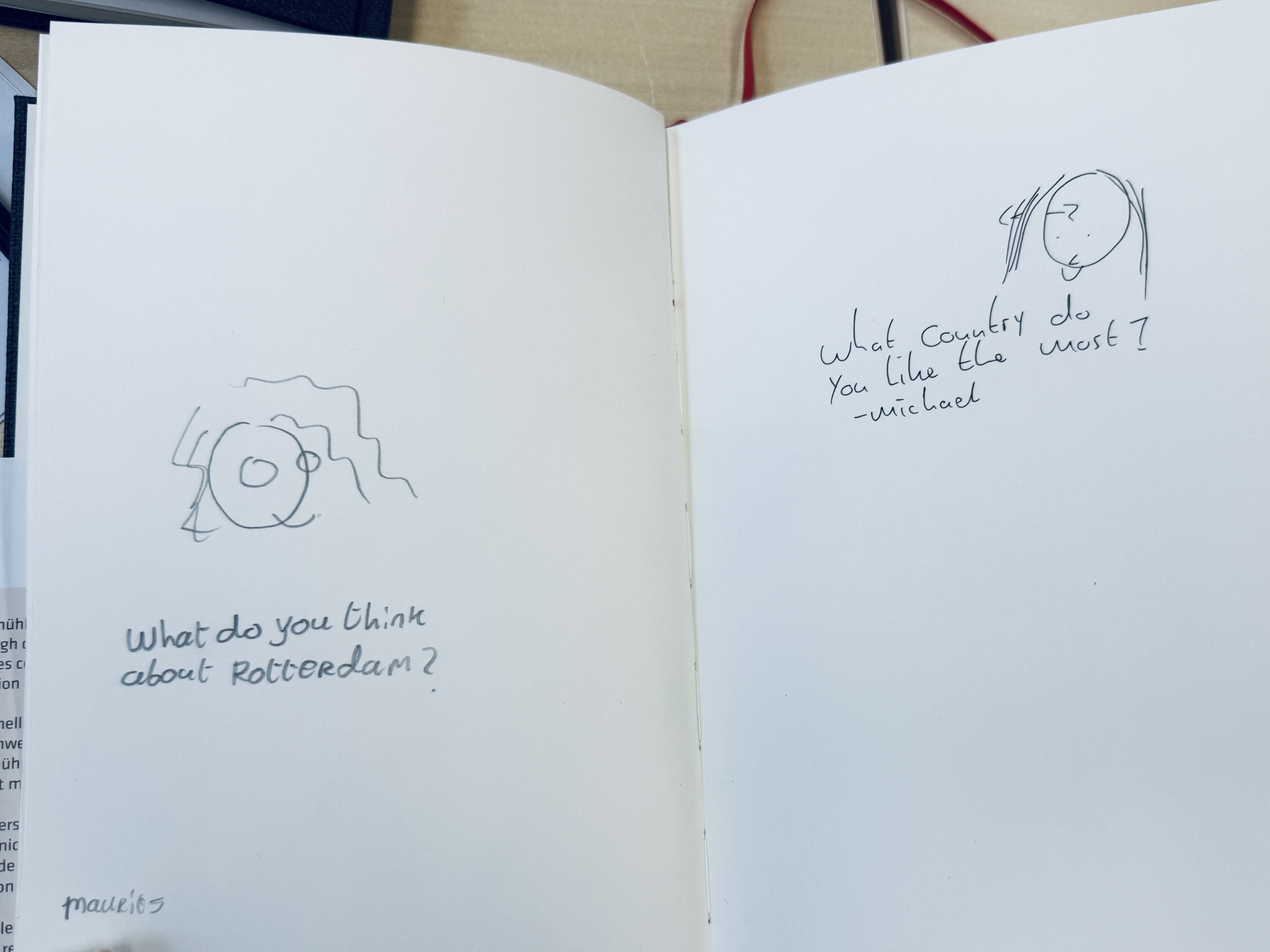
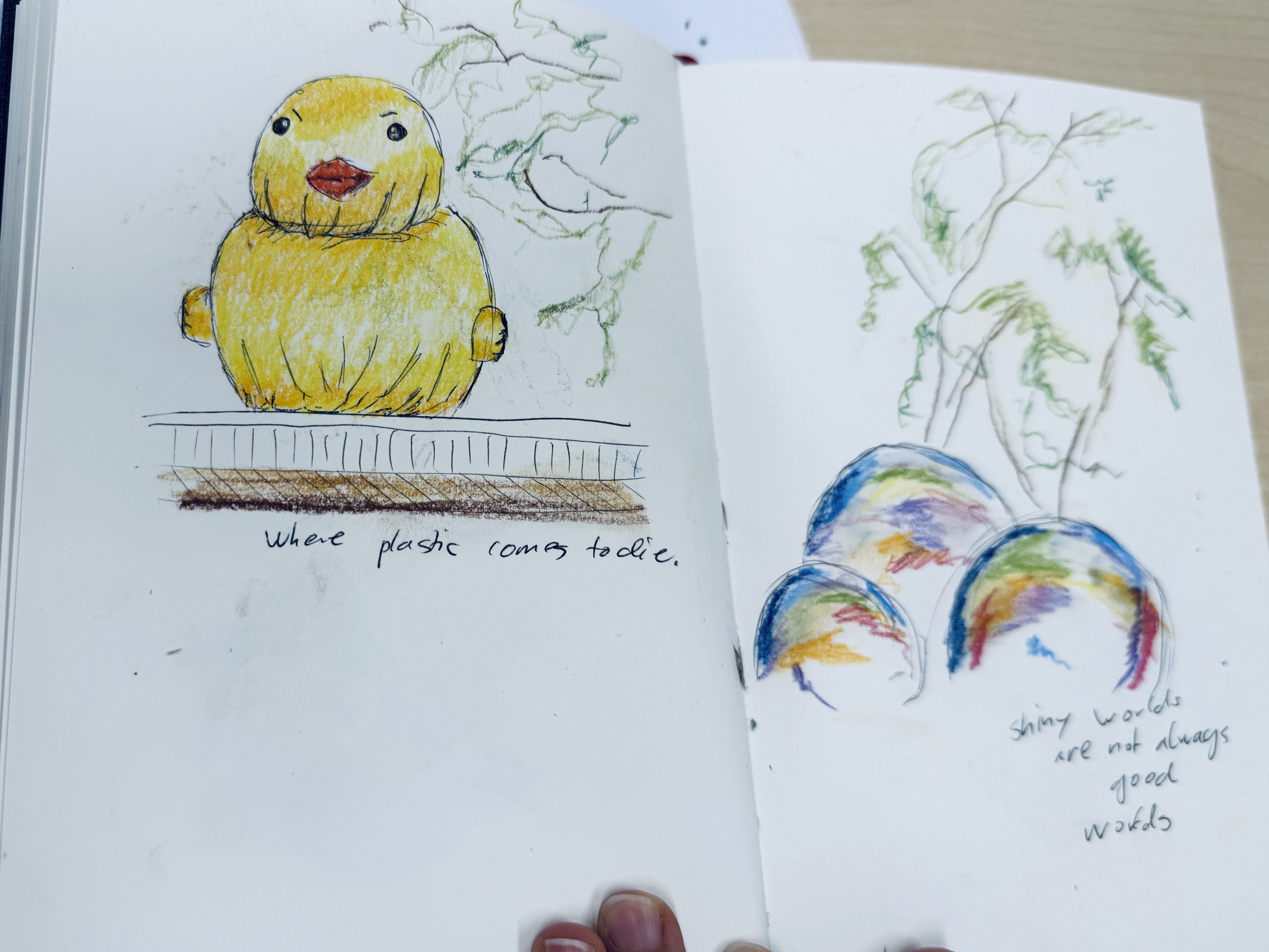
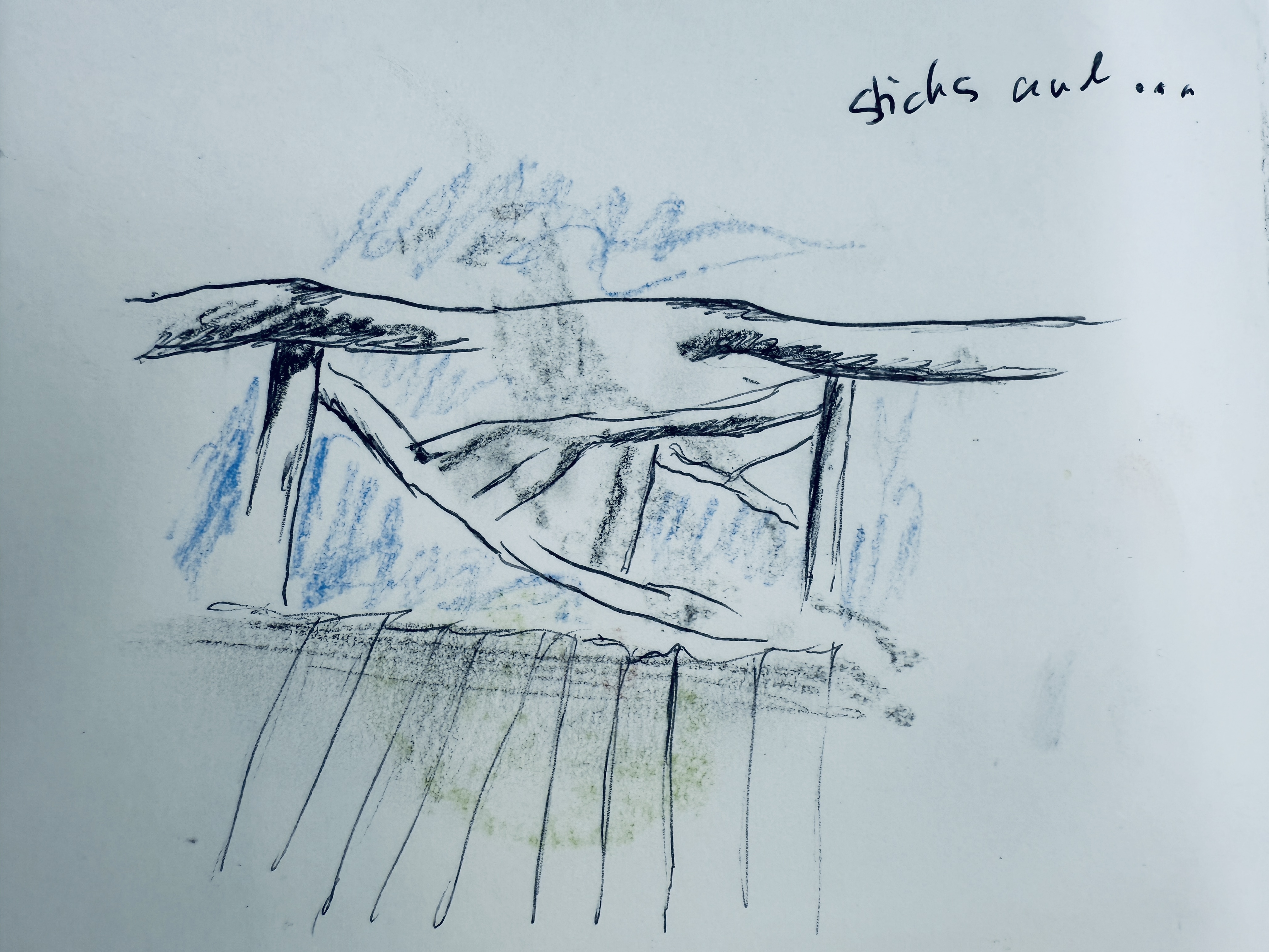
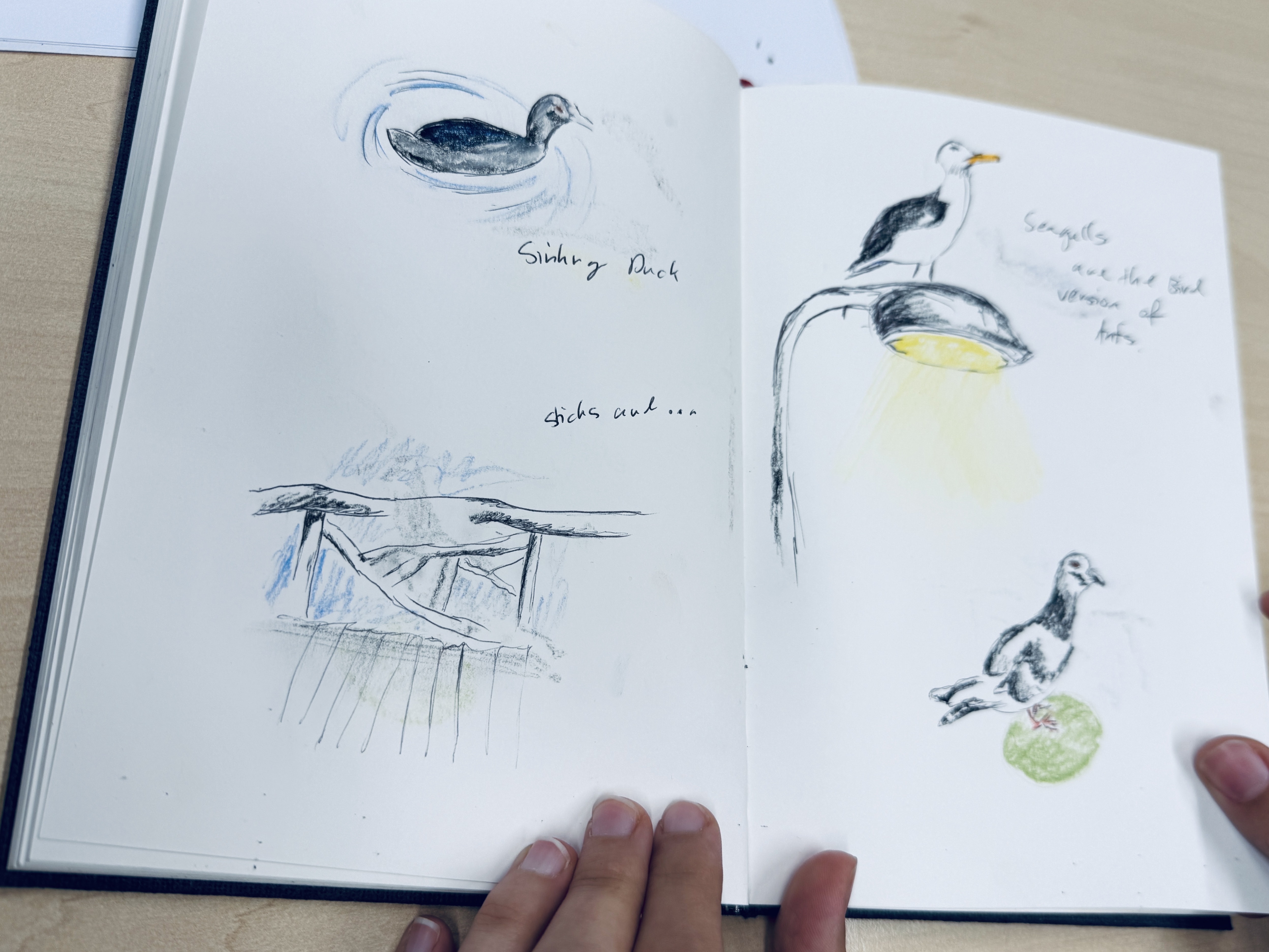
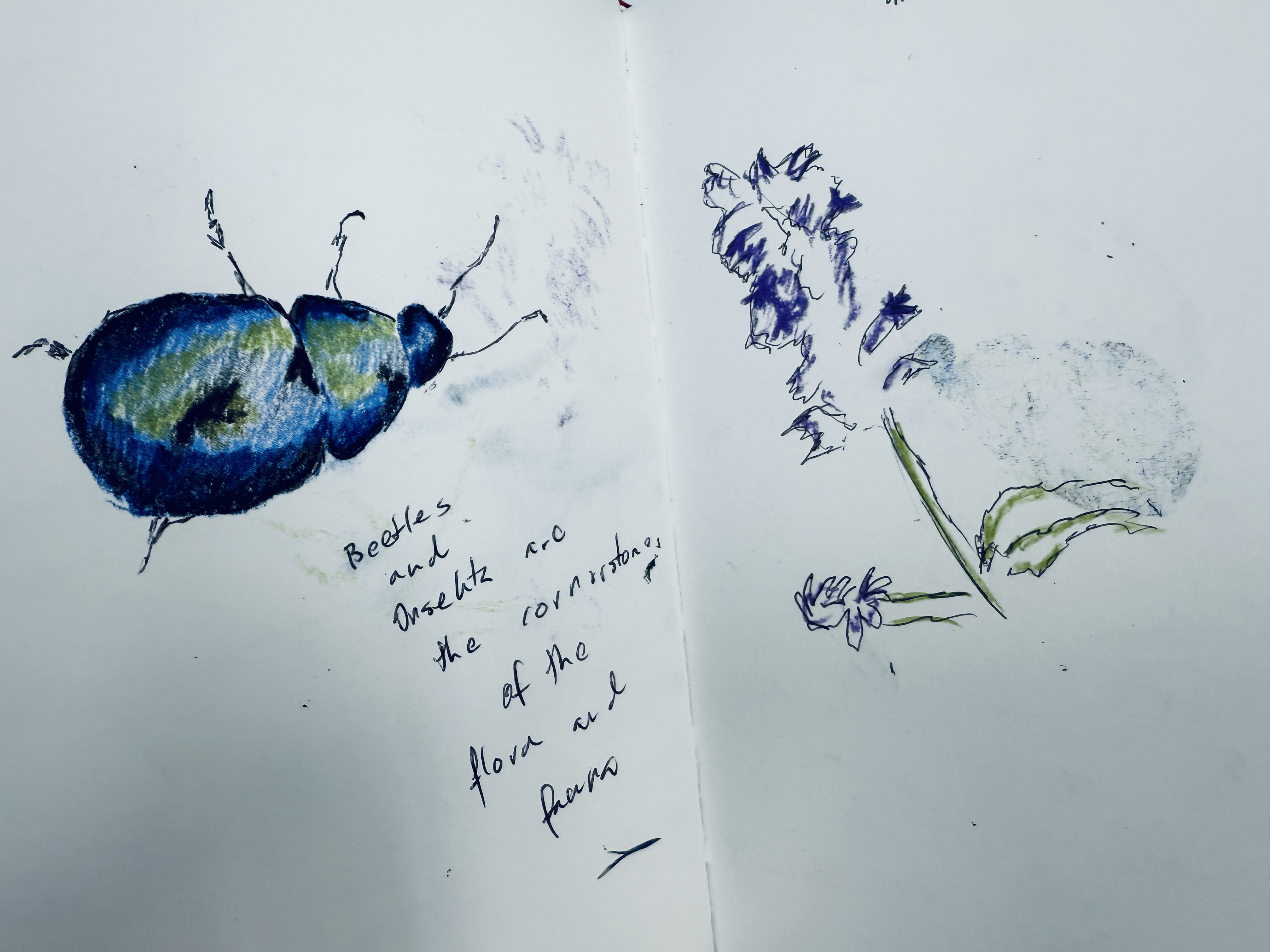
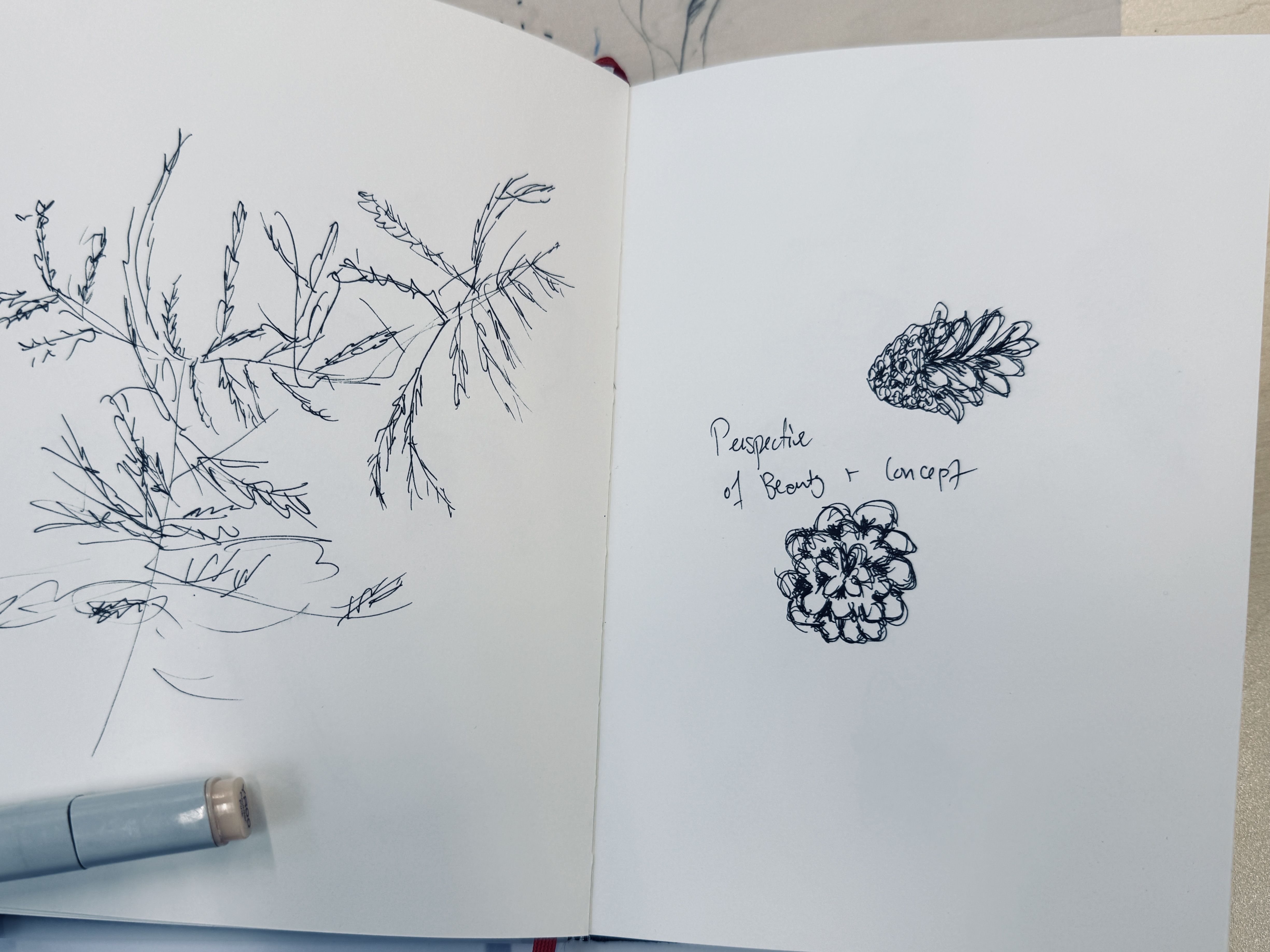
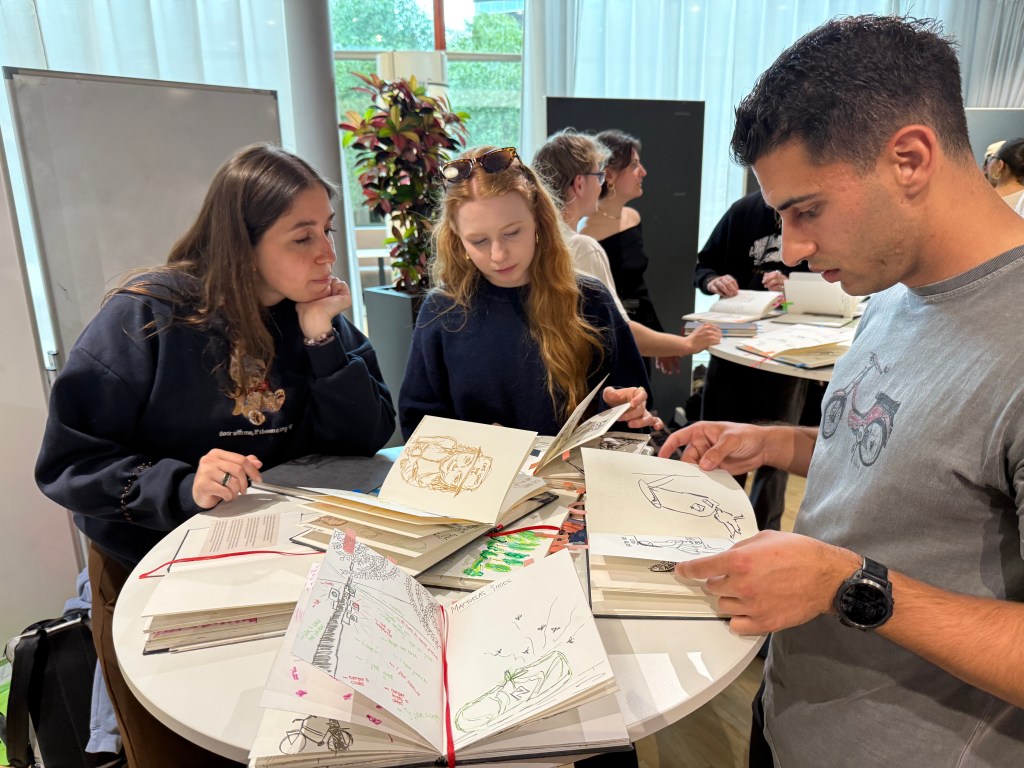
Each sketchbook became a unique city diary—filled with impressions, emotions, overheard voices, plant names, building forms. No two books were alike. Each one offered a different reading of Rotterdam.
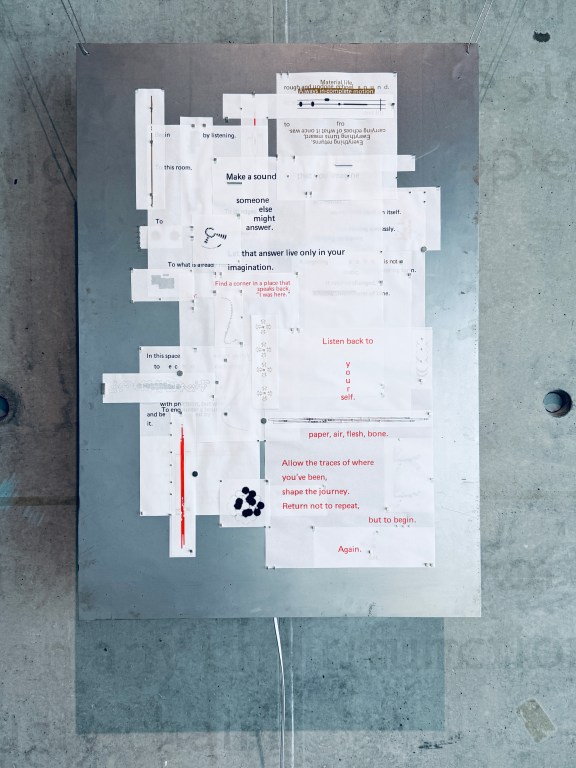
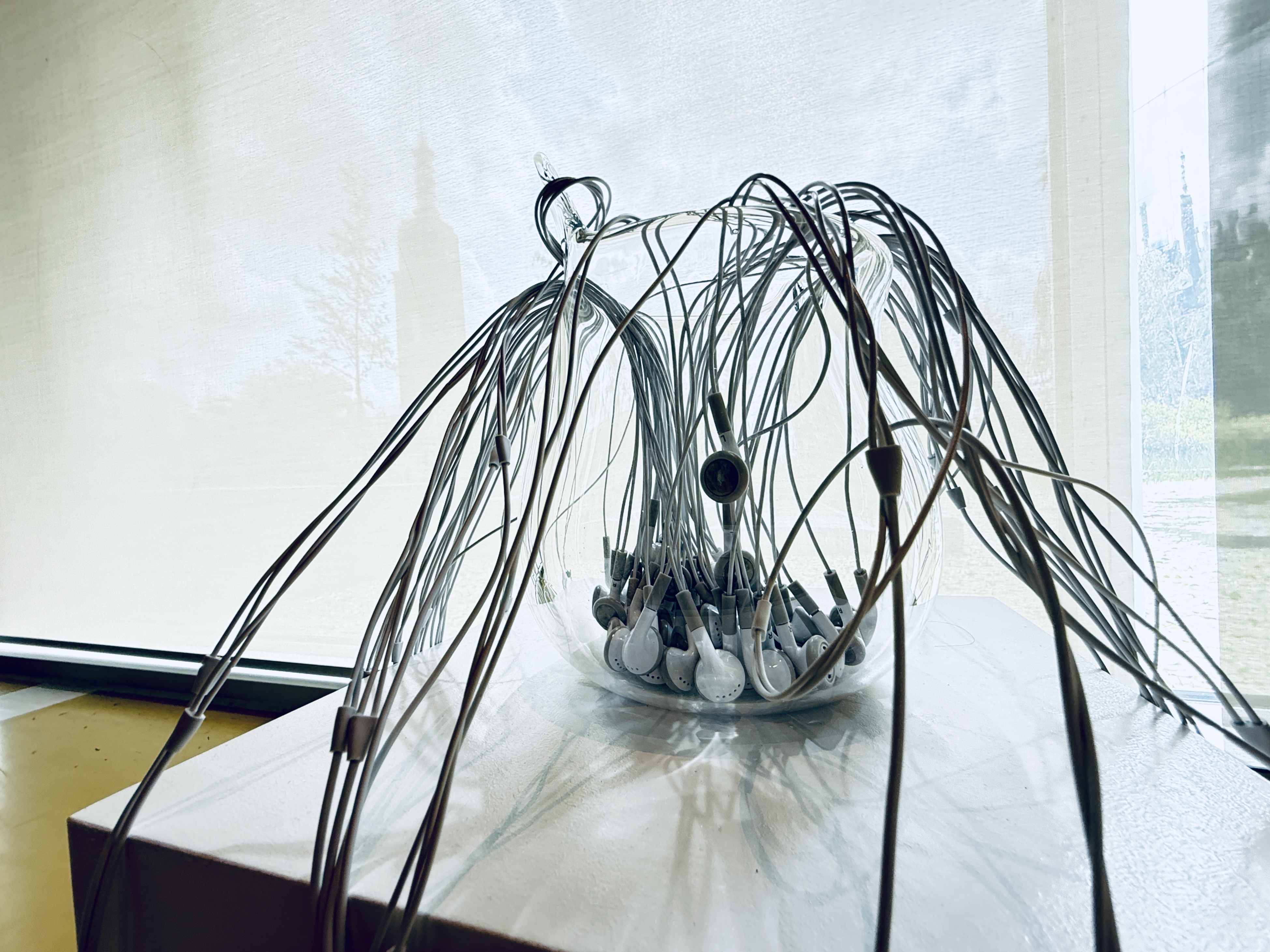
Colouring and Context
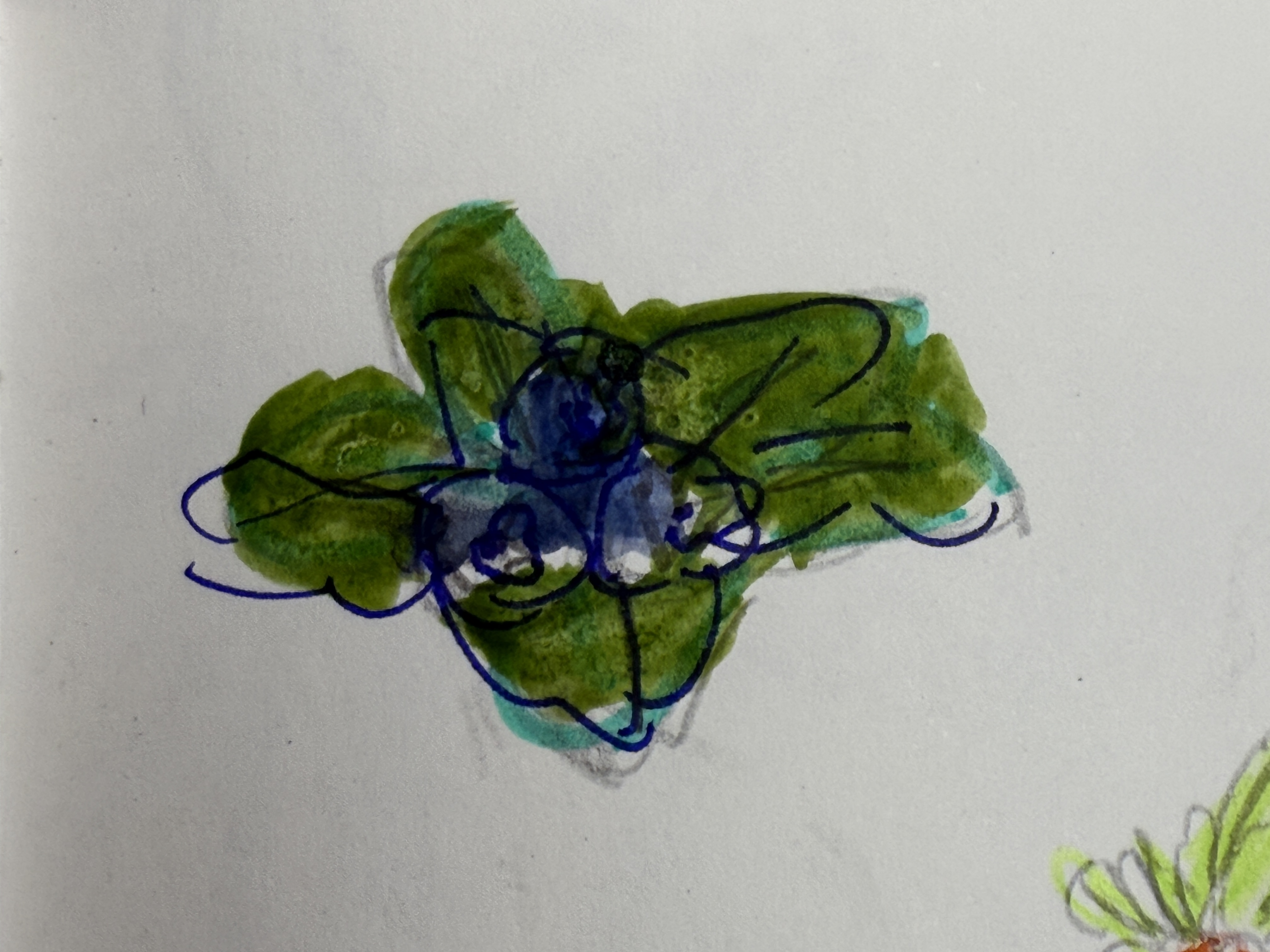
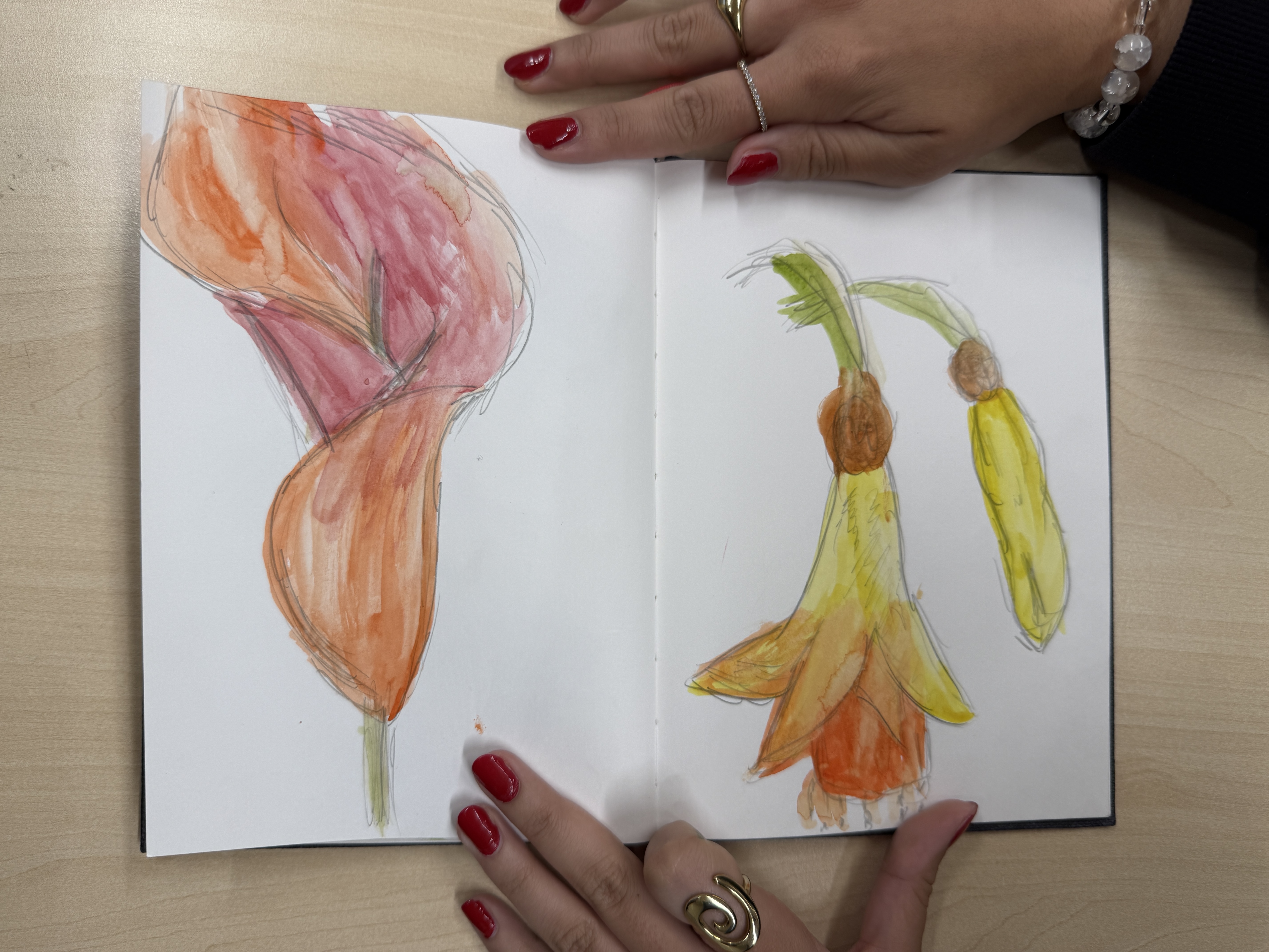
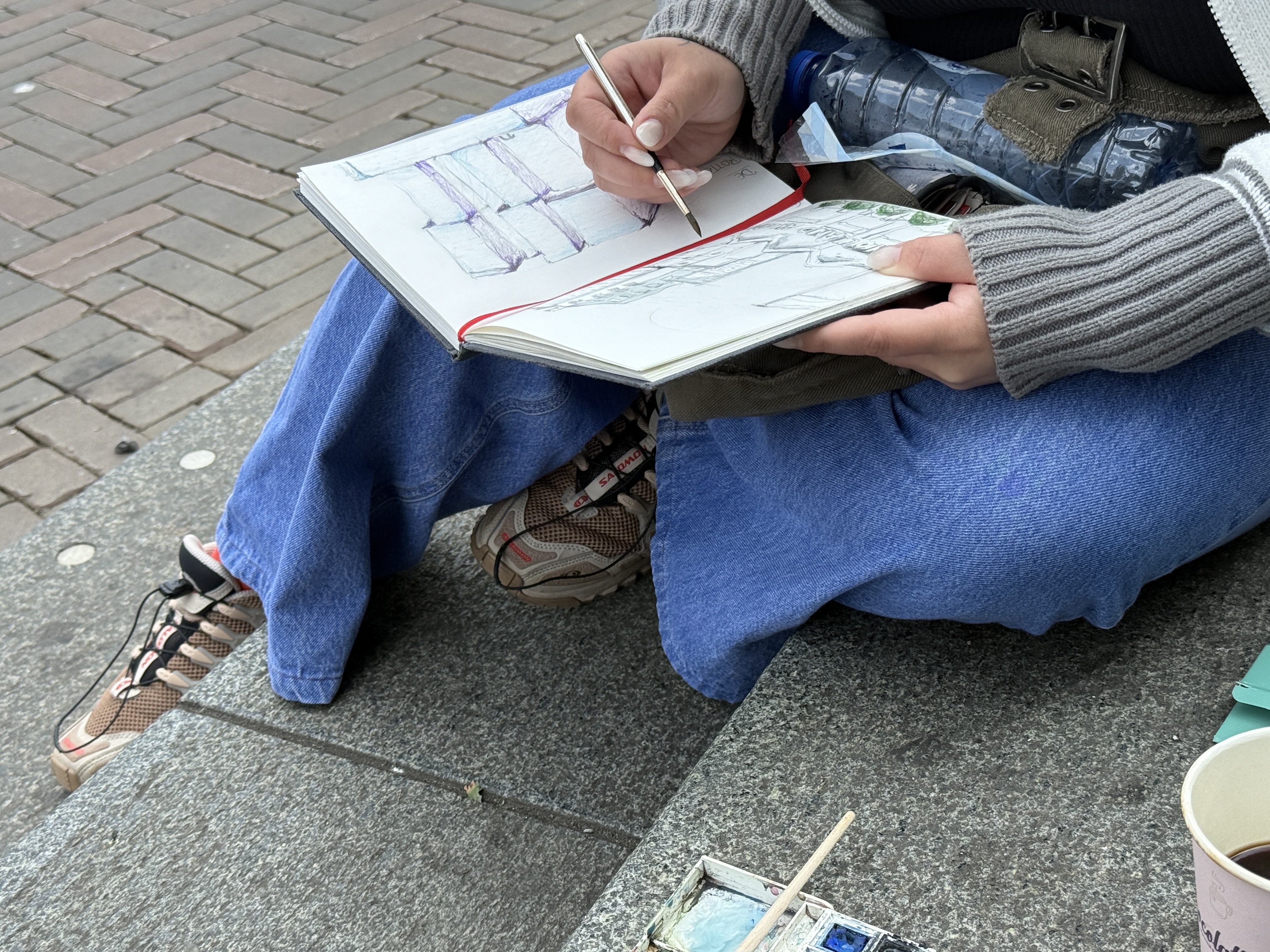
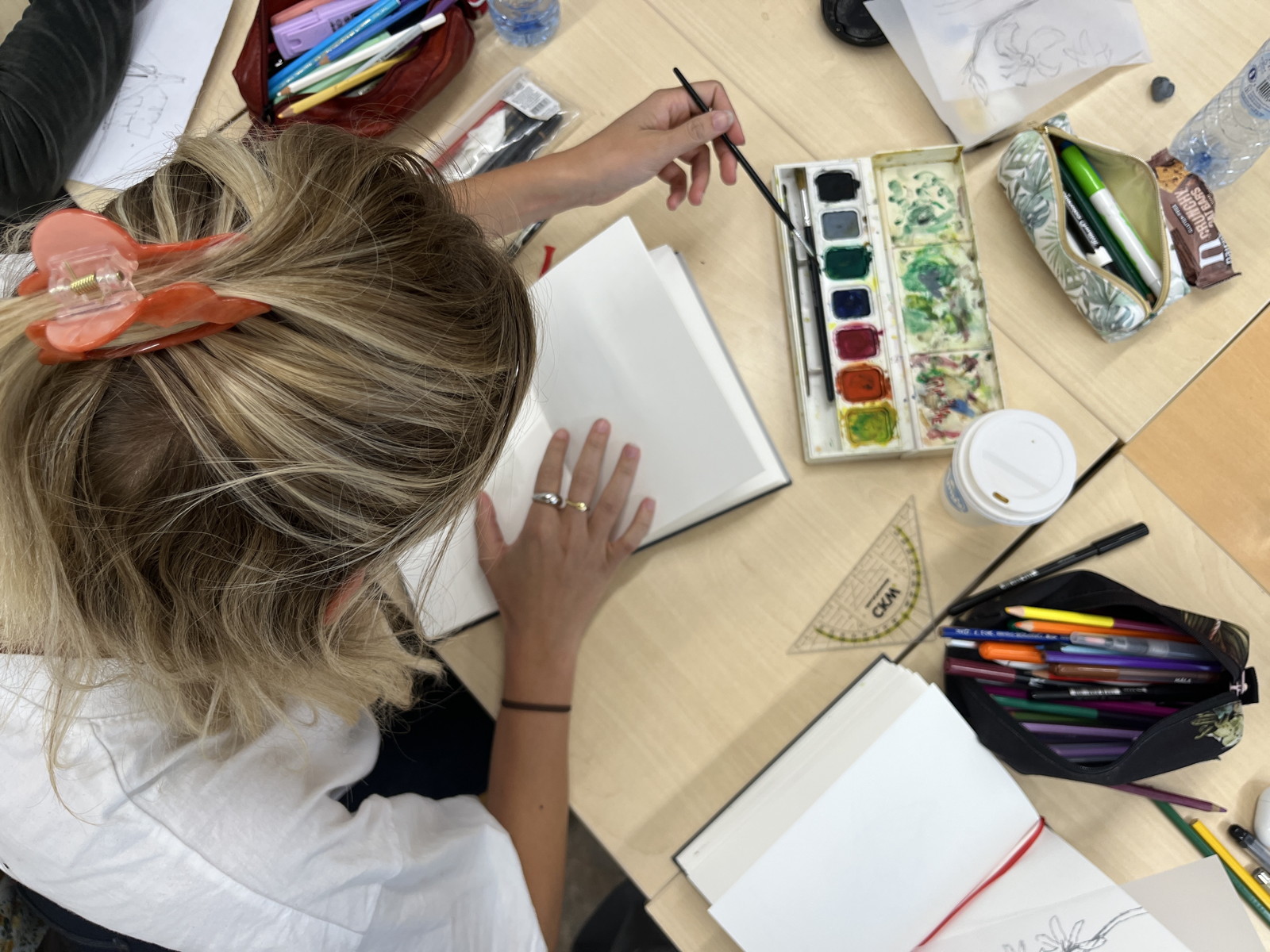
During our indoor sessions, students add colour, texture, and depth to their initial drawings—transforming impressions into visual arguments.
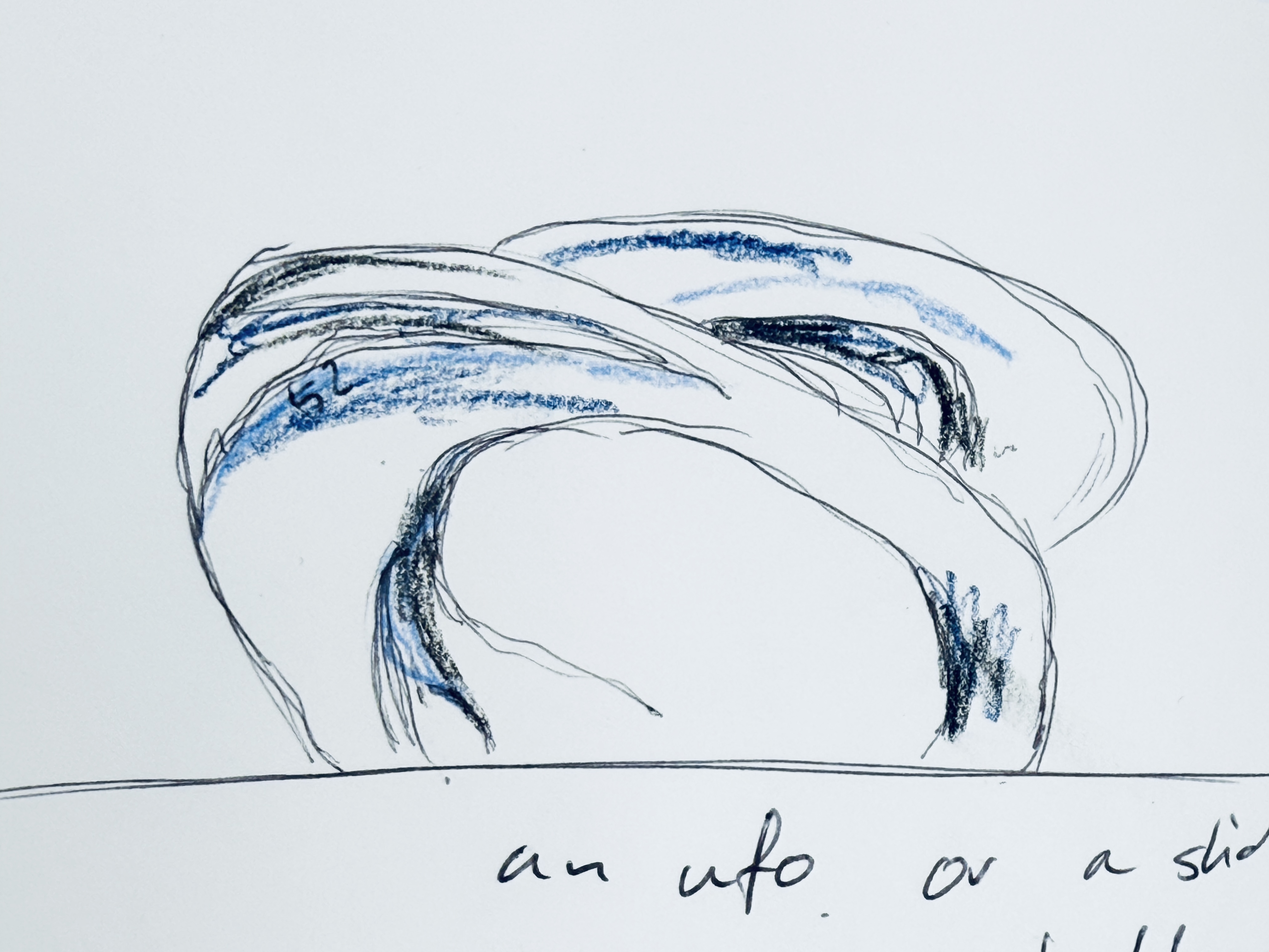
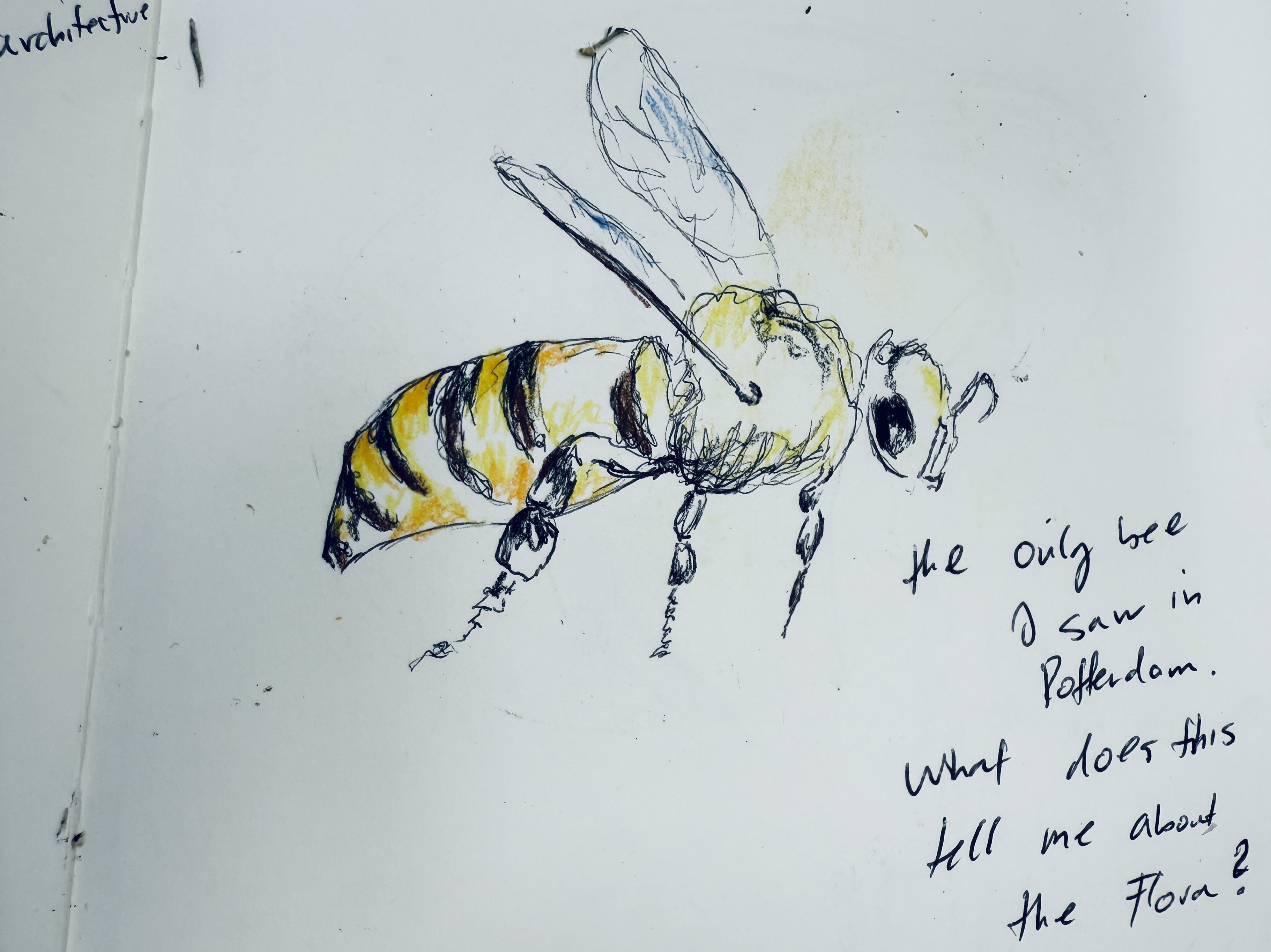
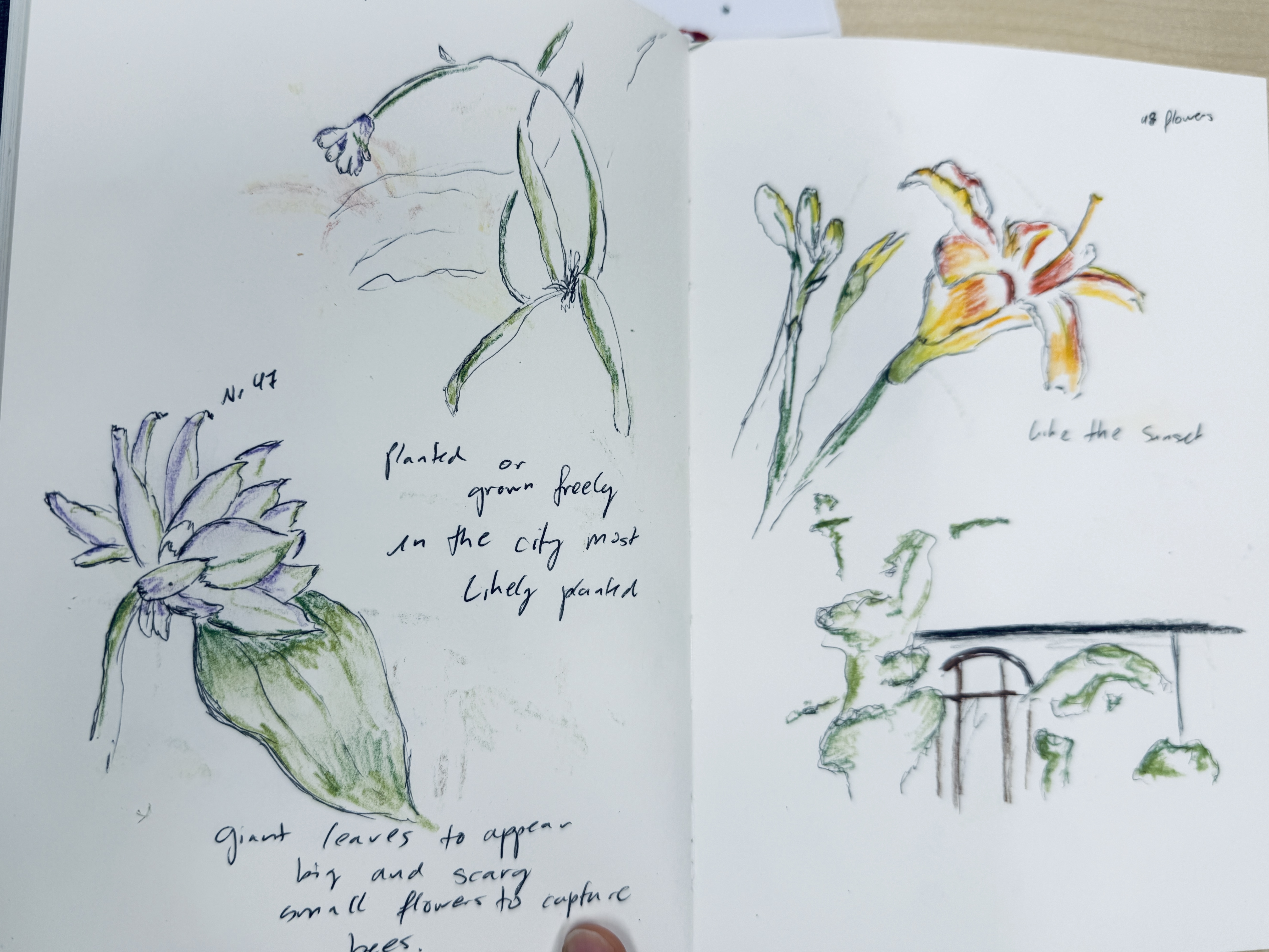
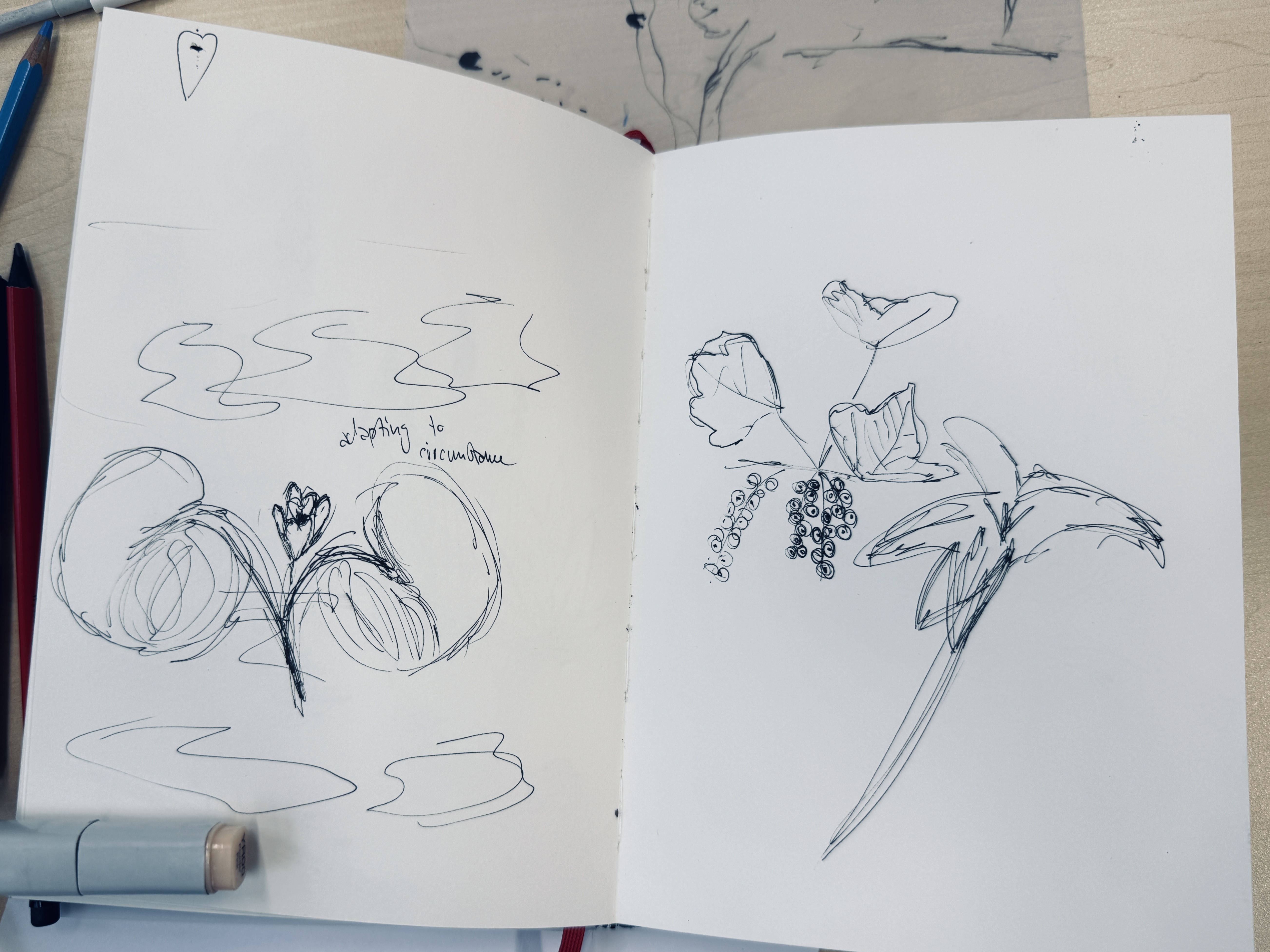
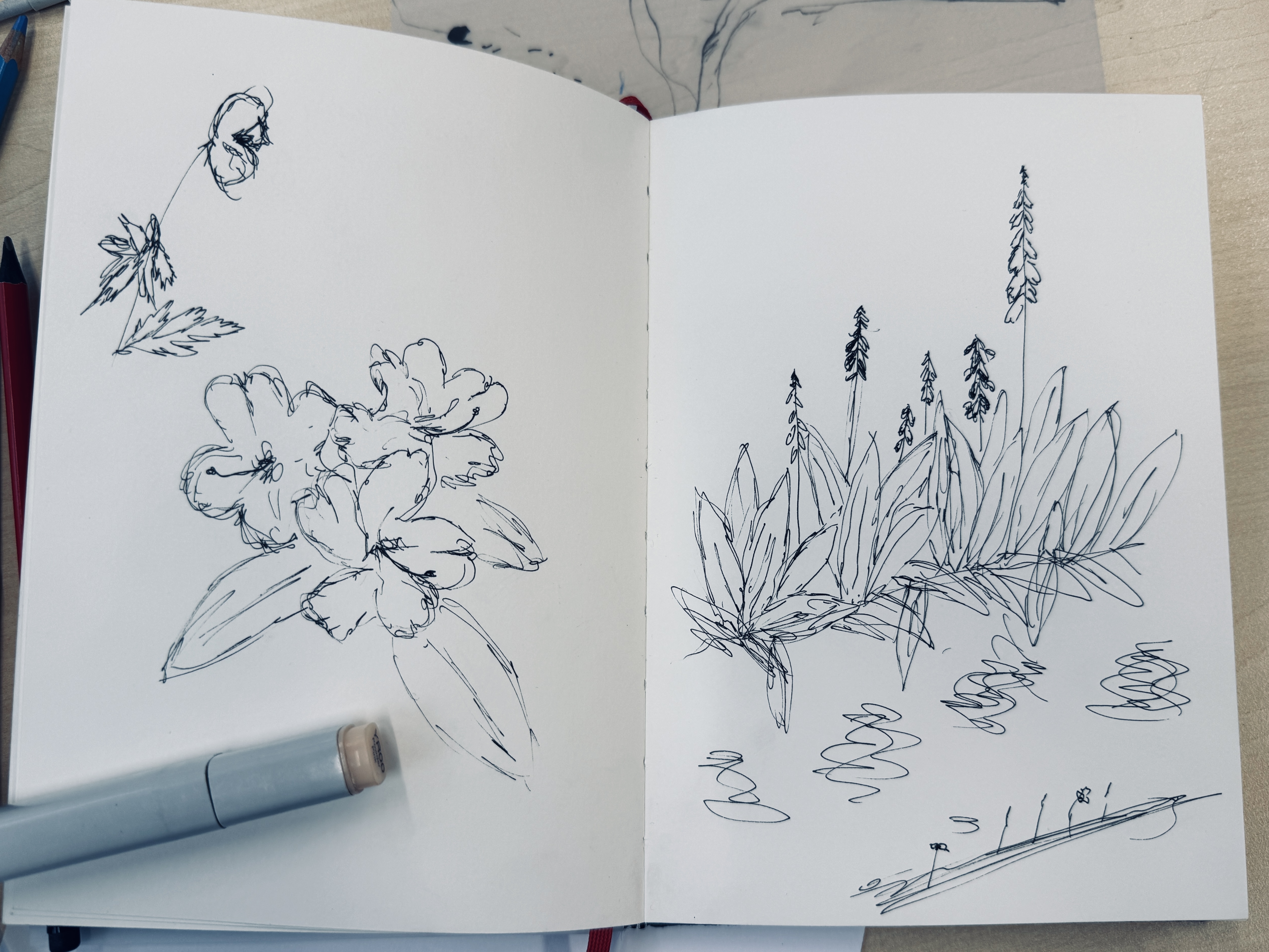
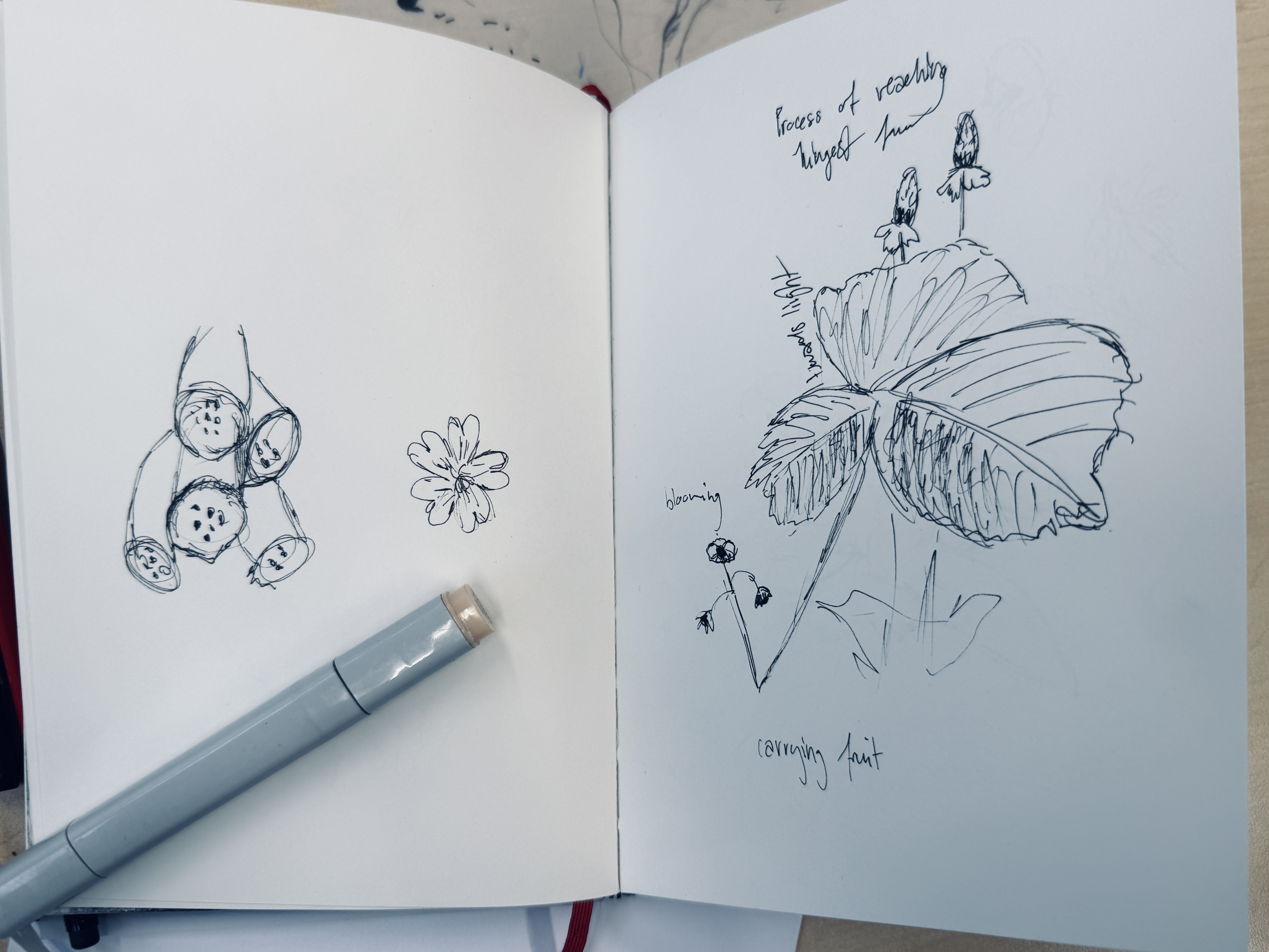
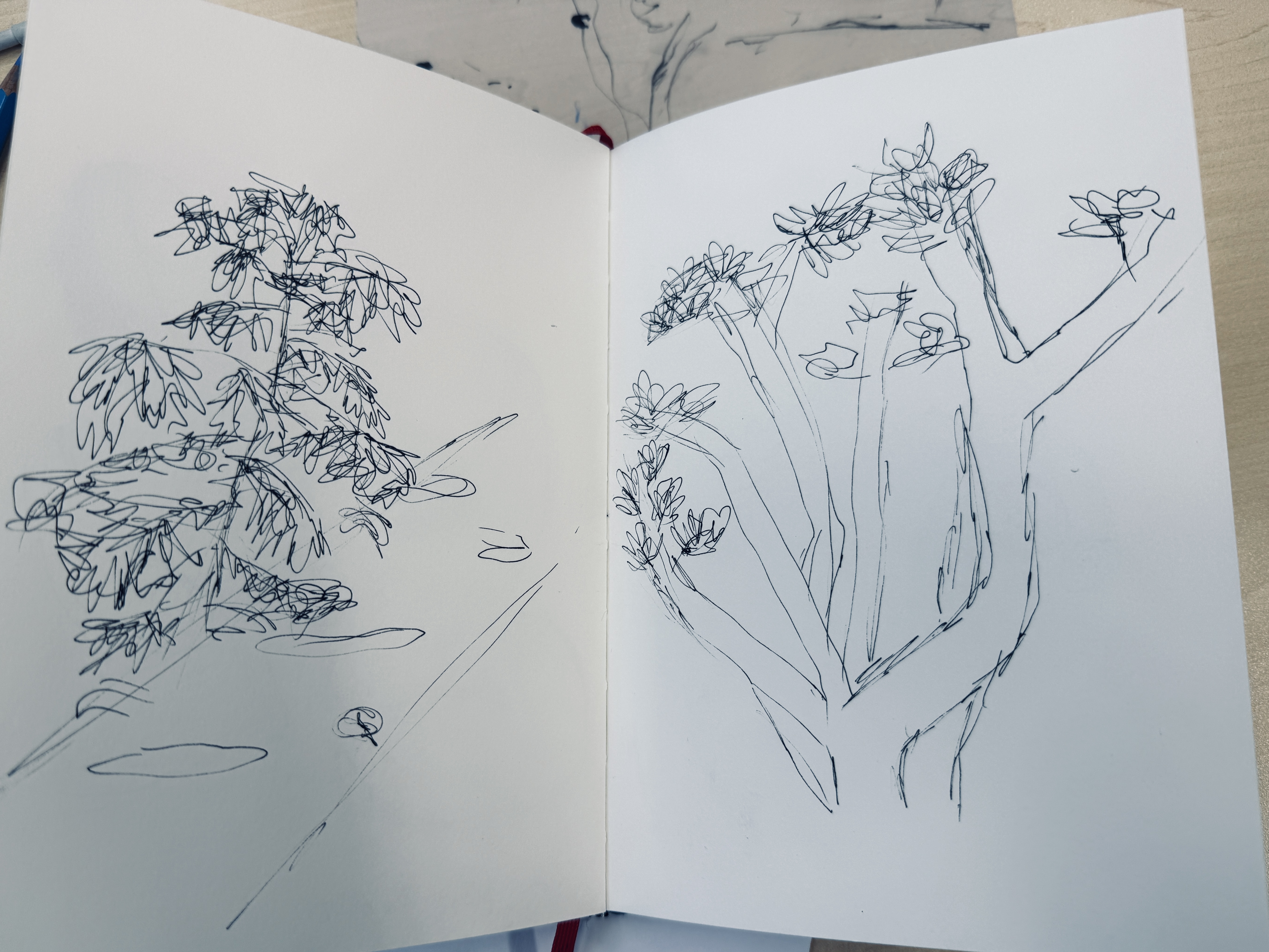
Sketching the Unseen
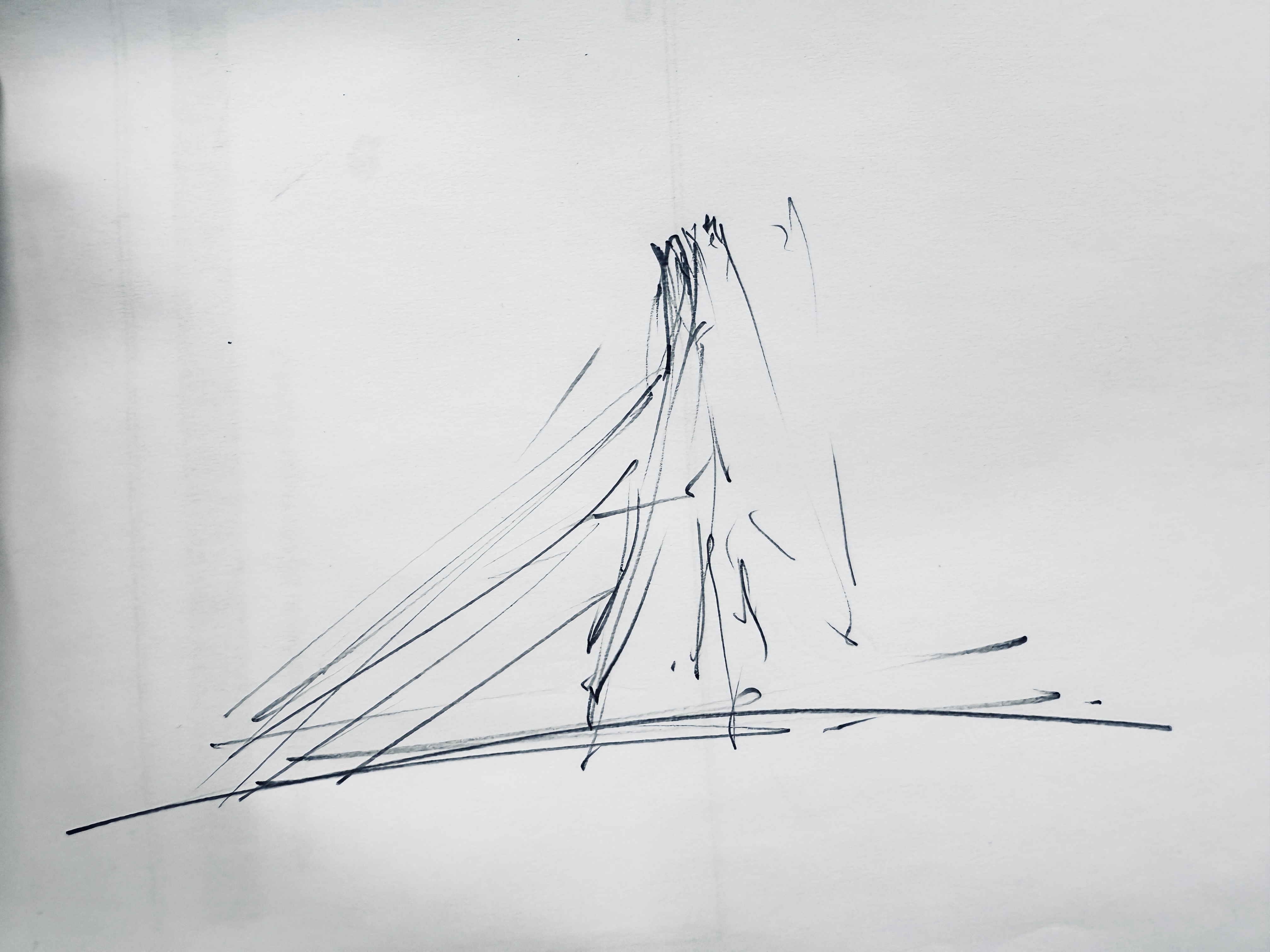
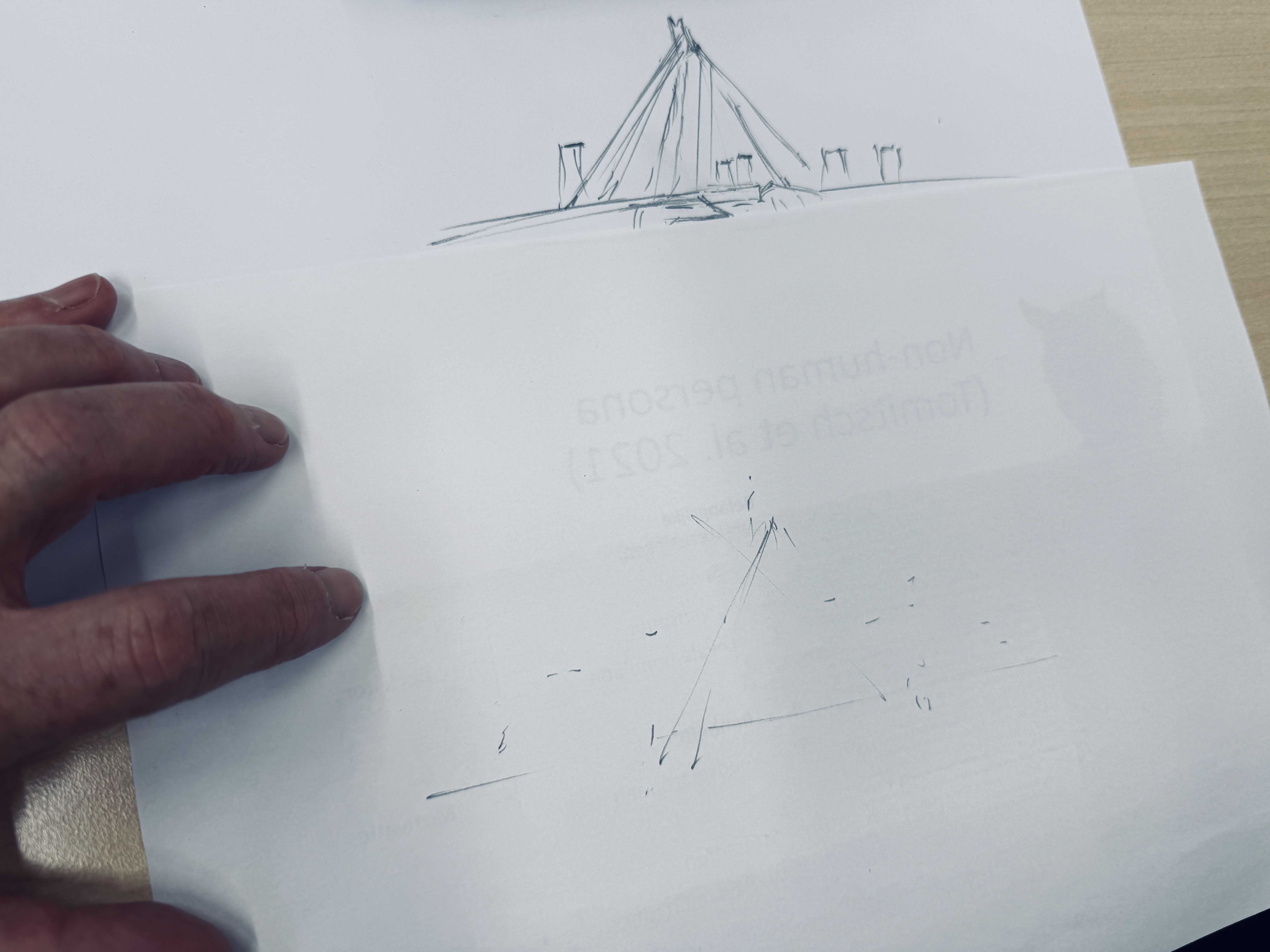
How do you draw things you cannot see—like power relations, social inequalities, or microclimates? With metaphor, layering, and openness. Sketch&Draw taught students to leave room for the invisible to appear.
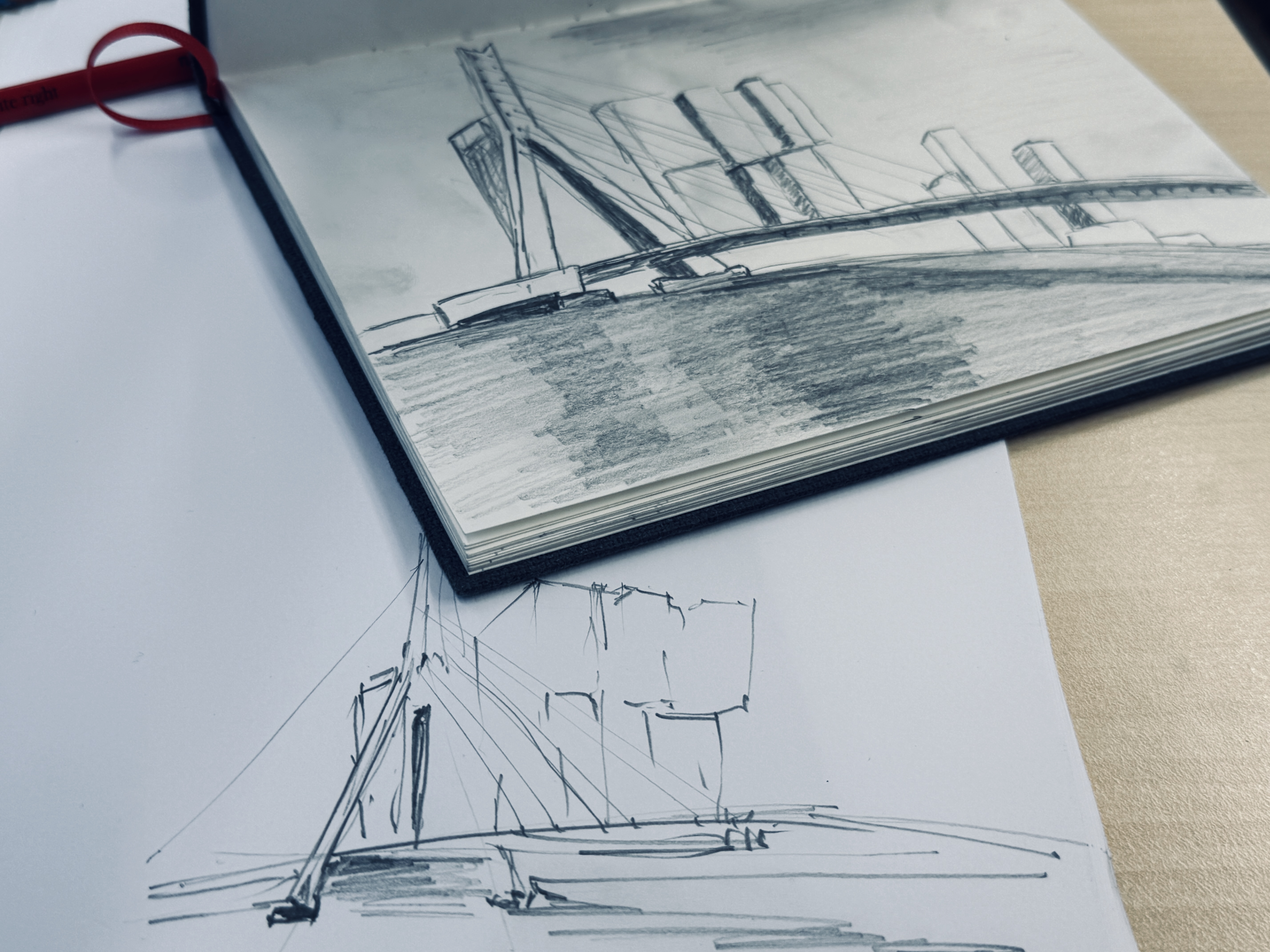
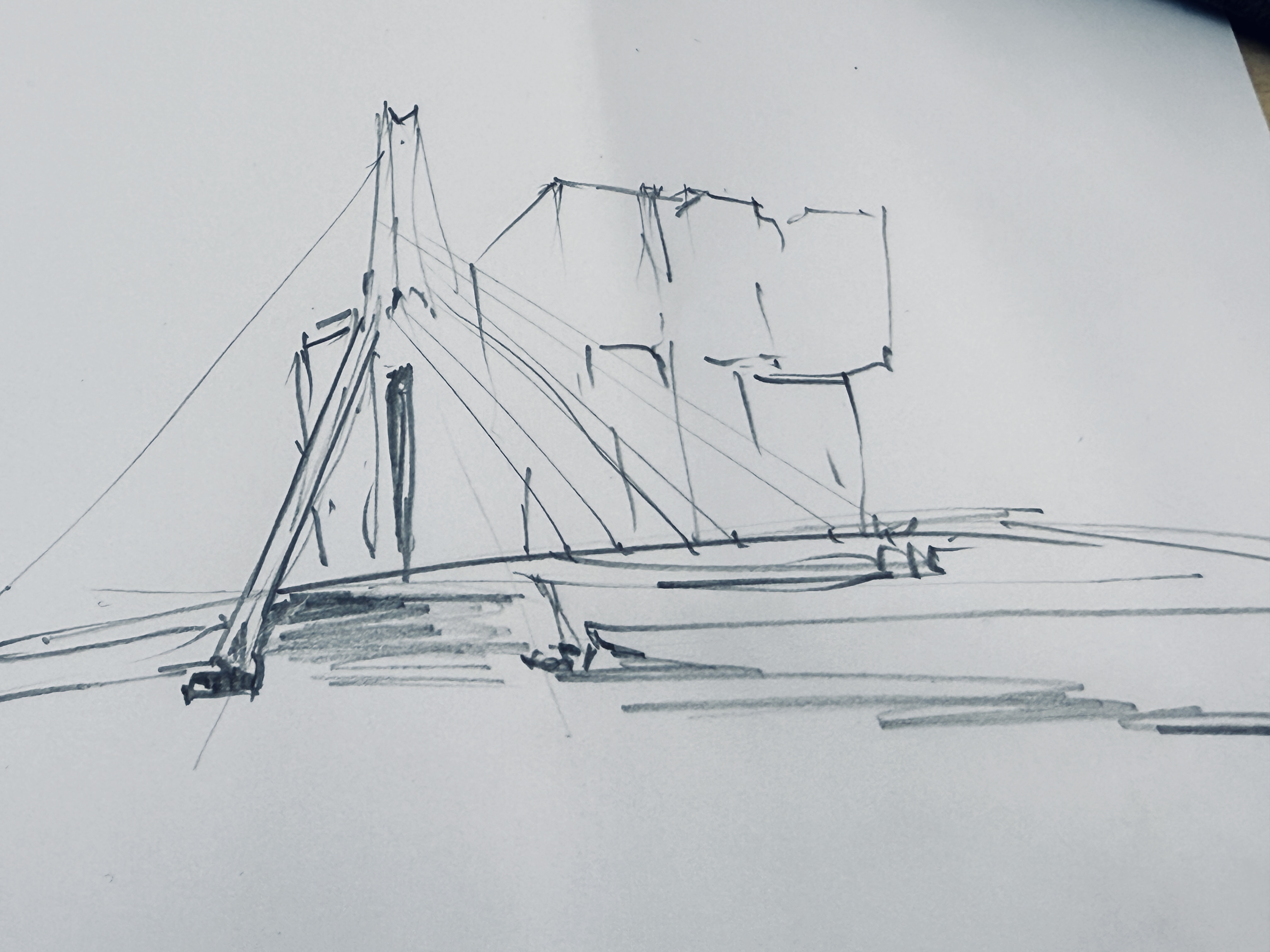
From Street to Studio
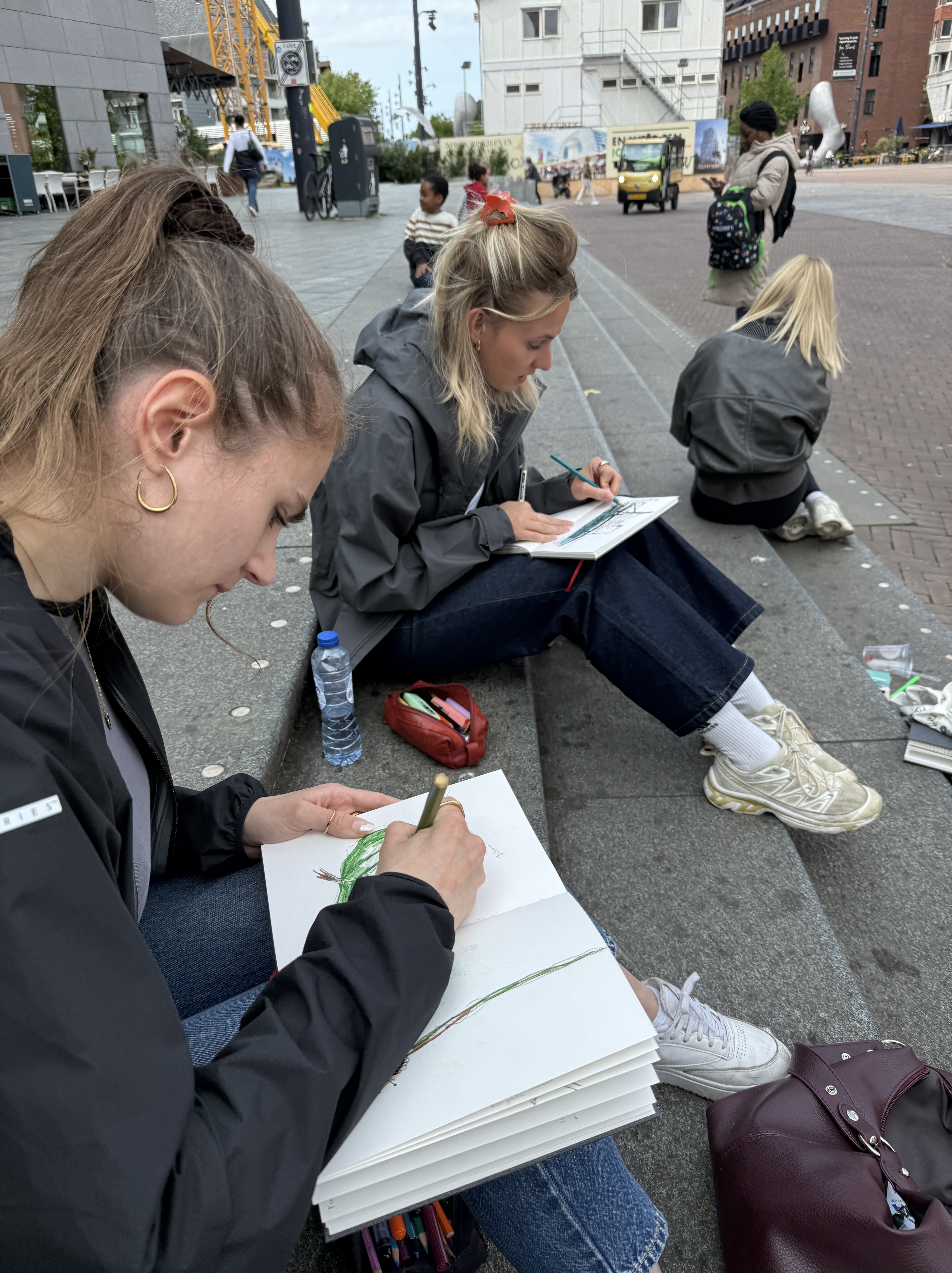
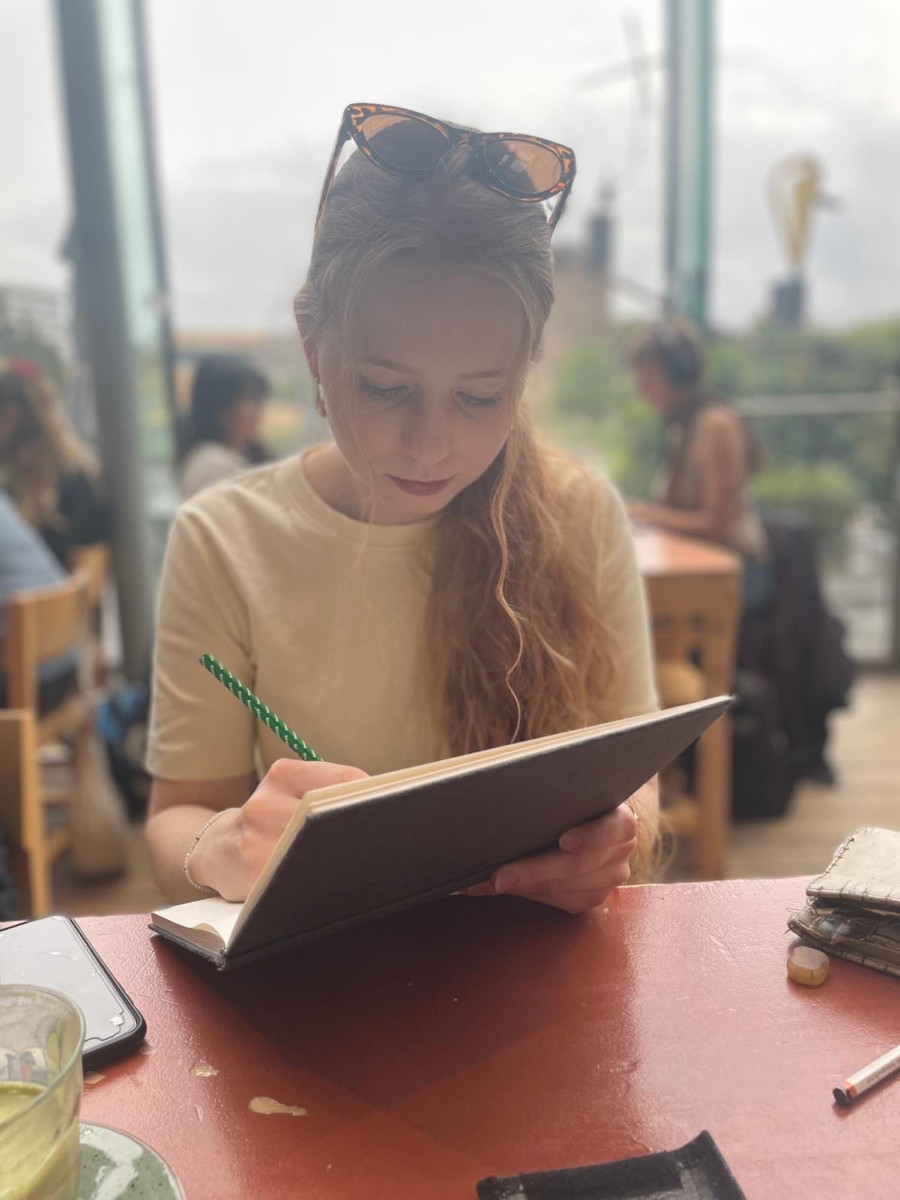
Students relocate indoors due to rain—continuing their work in museums, cafés, and classrooms, refining fragile ideas into vivid sketches.
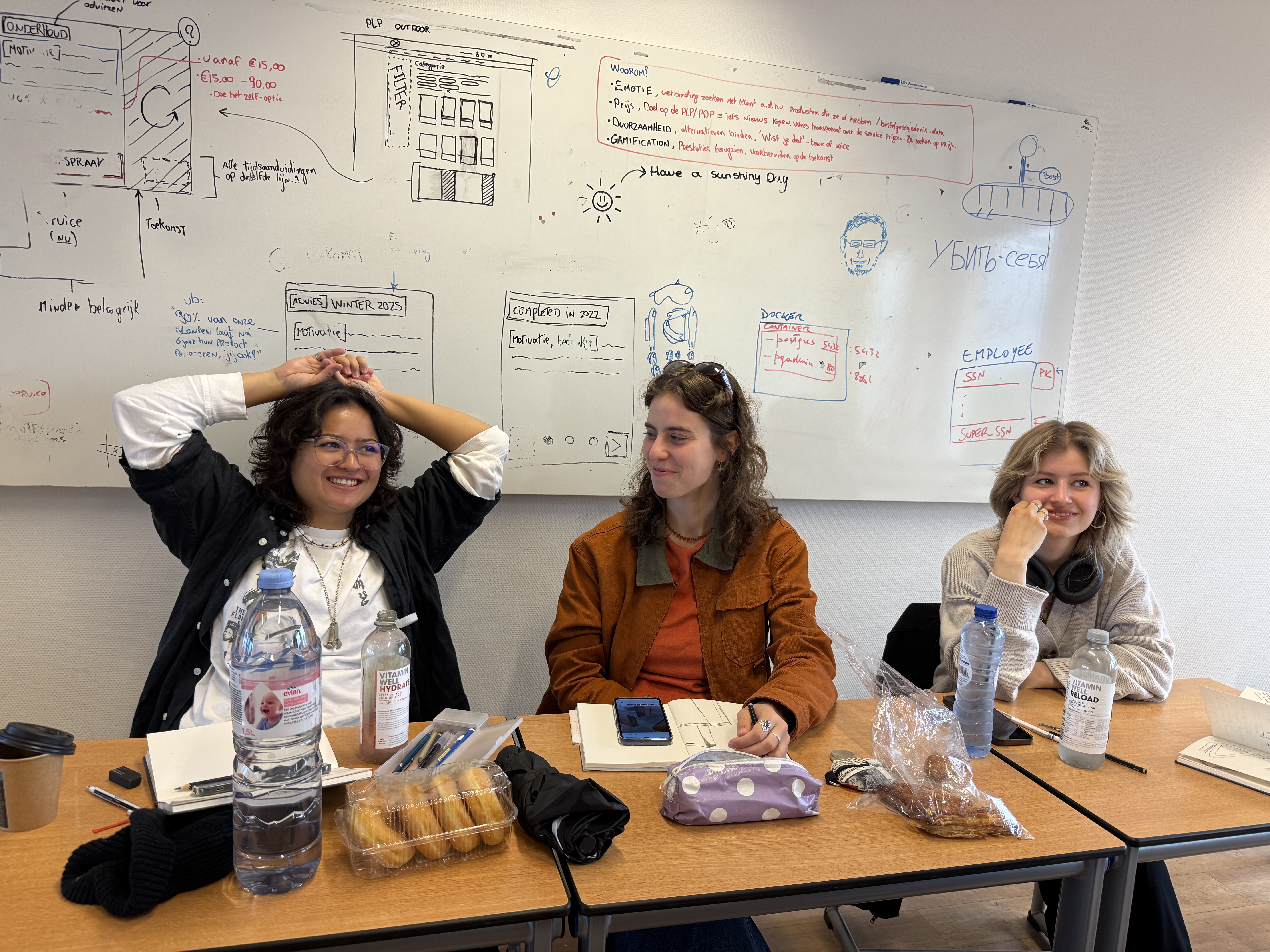
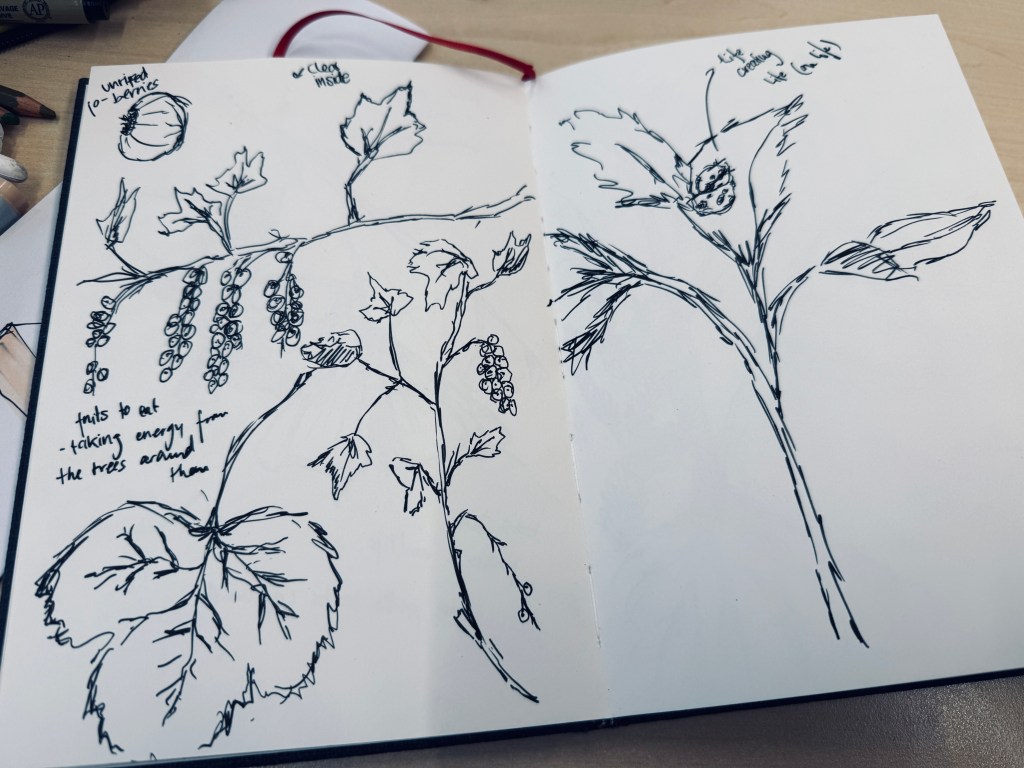
Peer Review in Progress
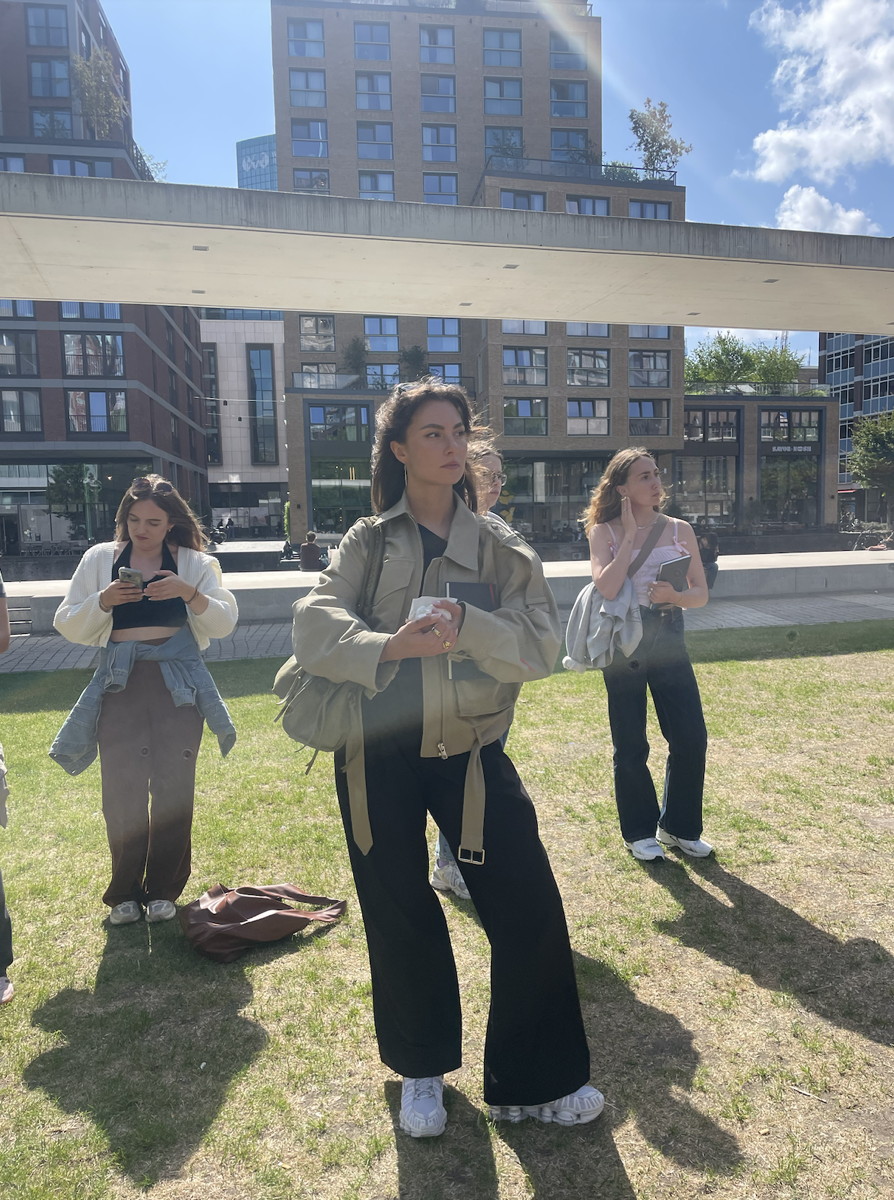
In lively group discussions, students and Dutch partners anchor their insights, trading perspectives on climate, mobility, and urban justice.
The Big Reveal
Our slideshow highlights the week’s most compelling visuals—each selection a testament to collective observation and creative interpretation.
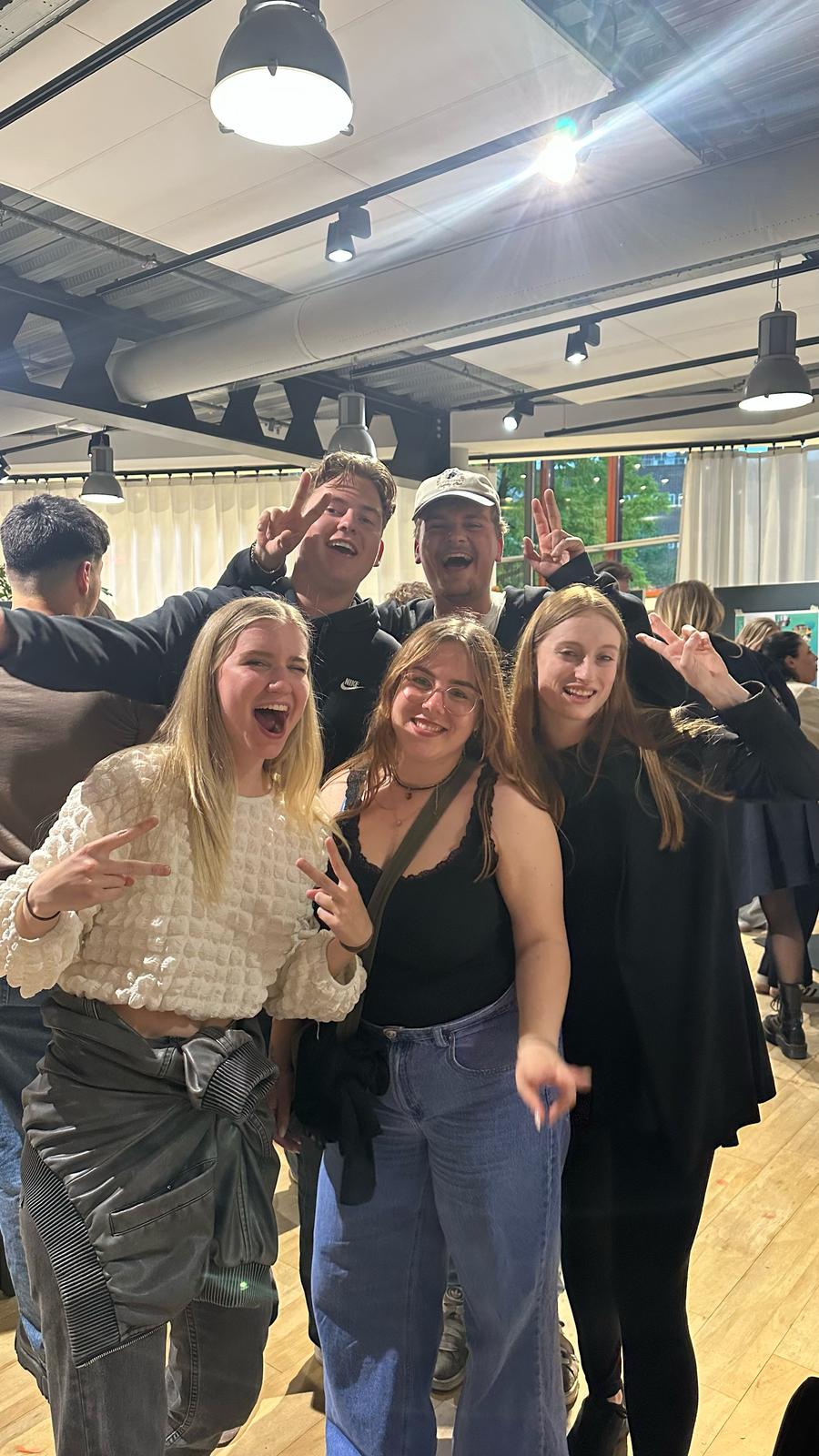
Celebration and Connection
We end the evening with music, dancing, and conversation—bridging borders, forging friendships, and celebrating shared discoveries.
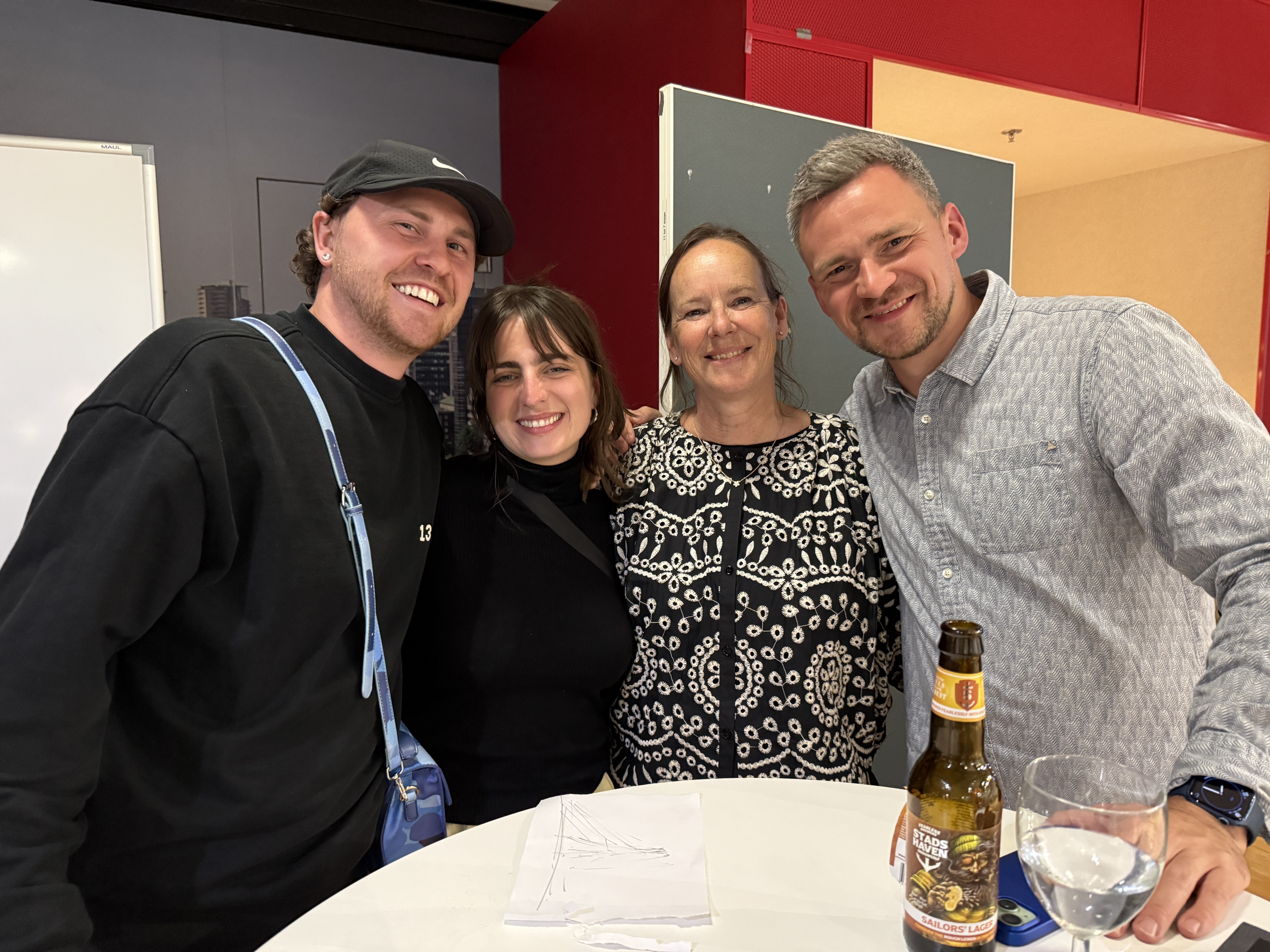
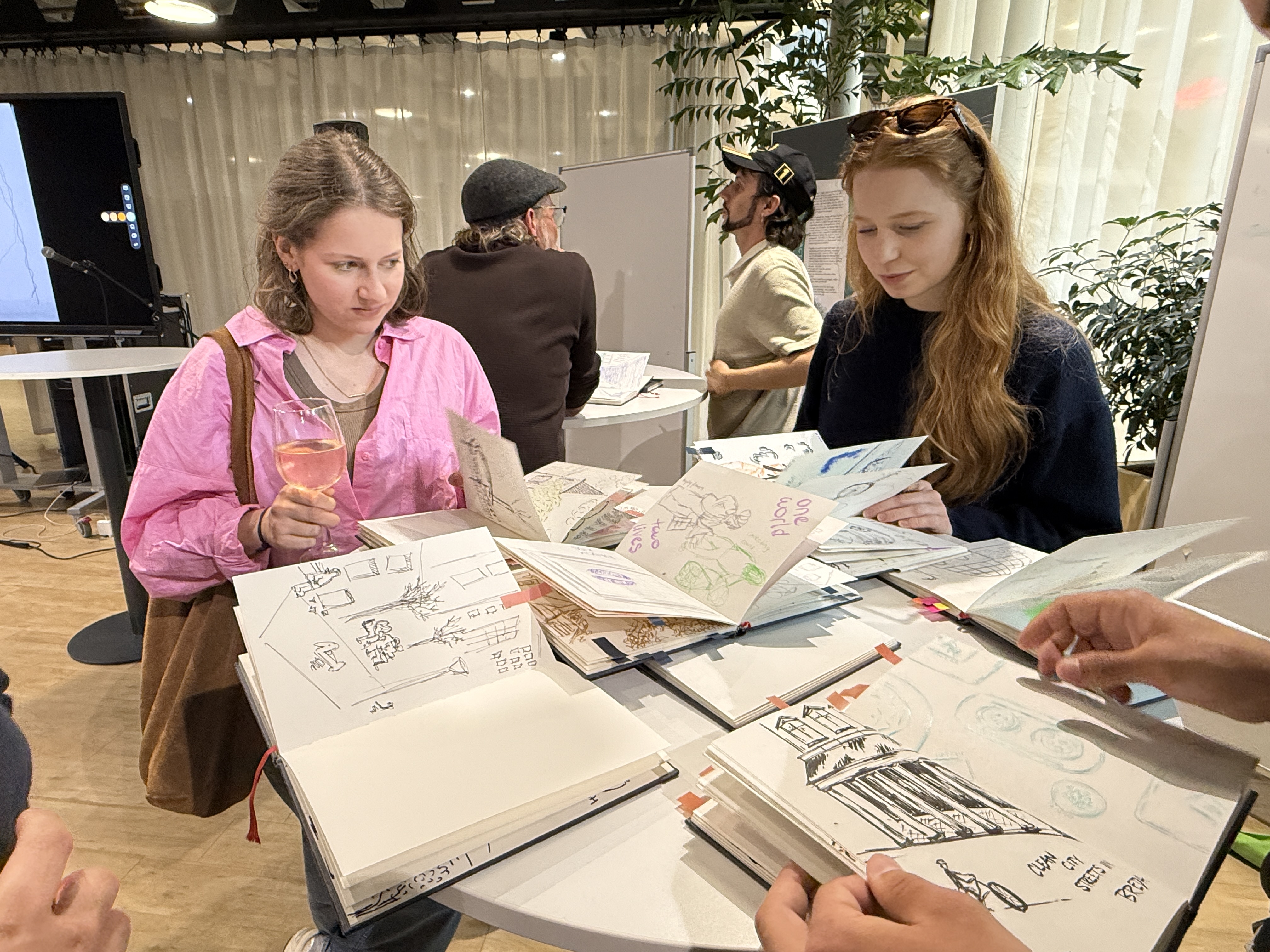
Sketching Together, Thinking Together
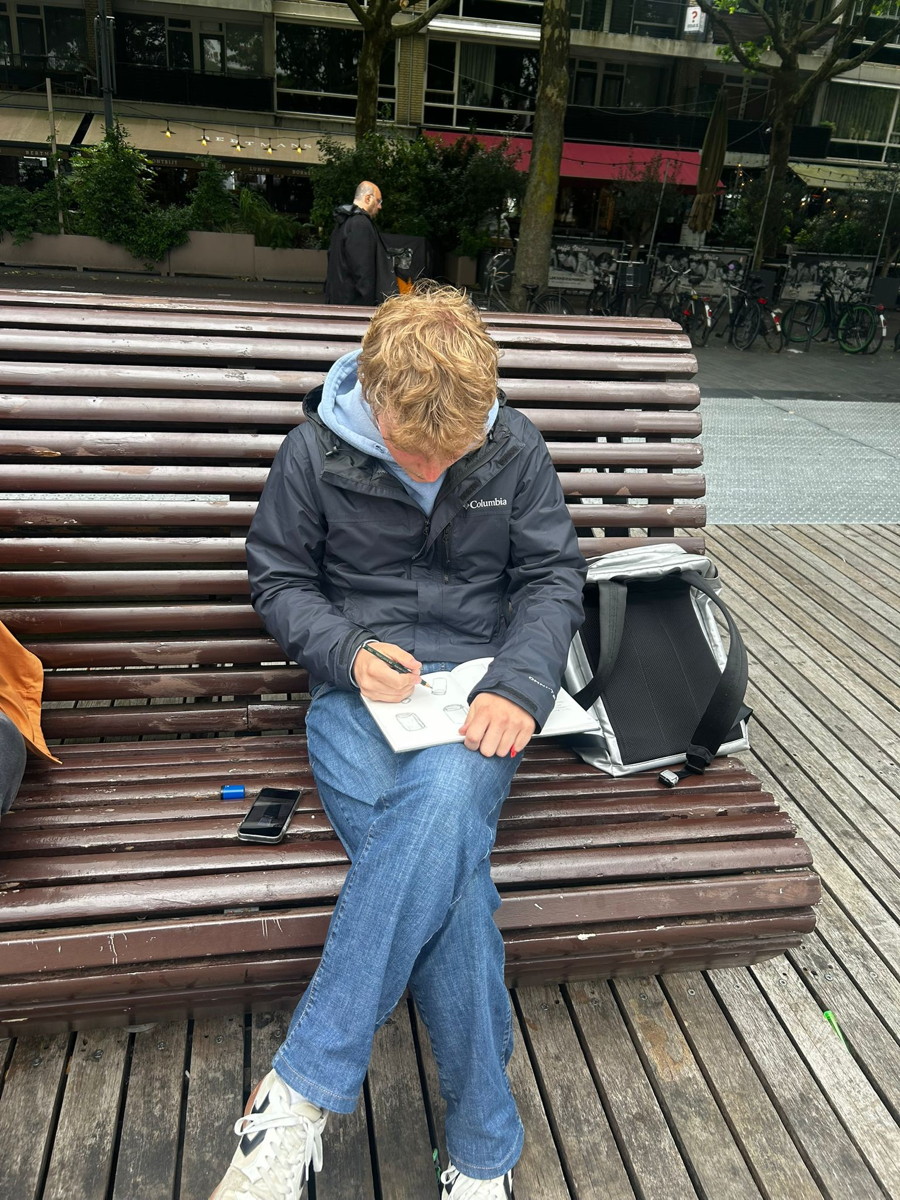
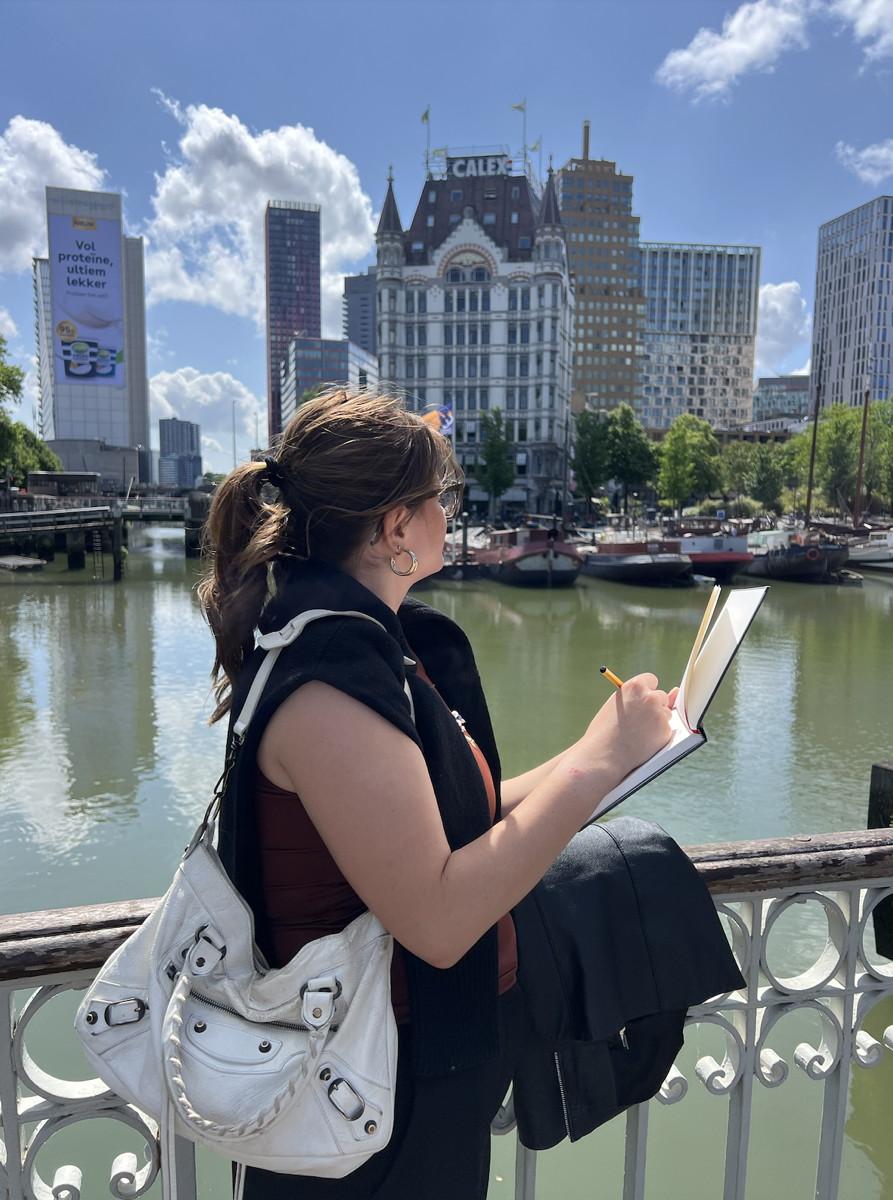
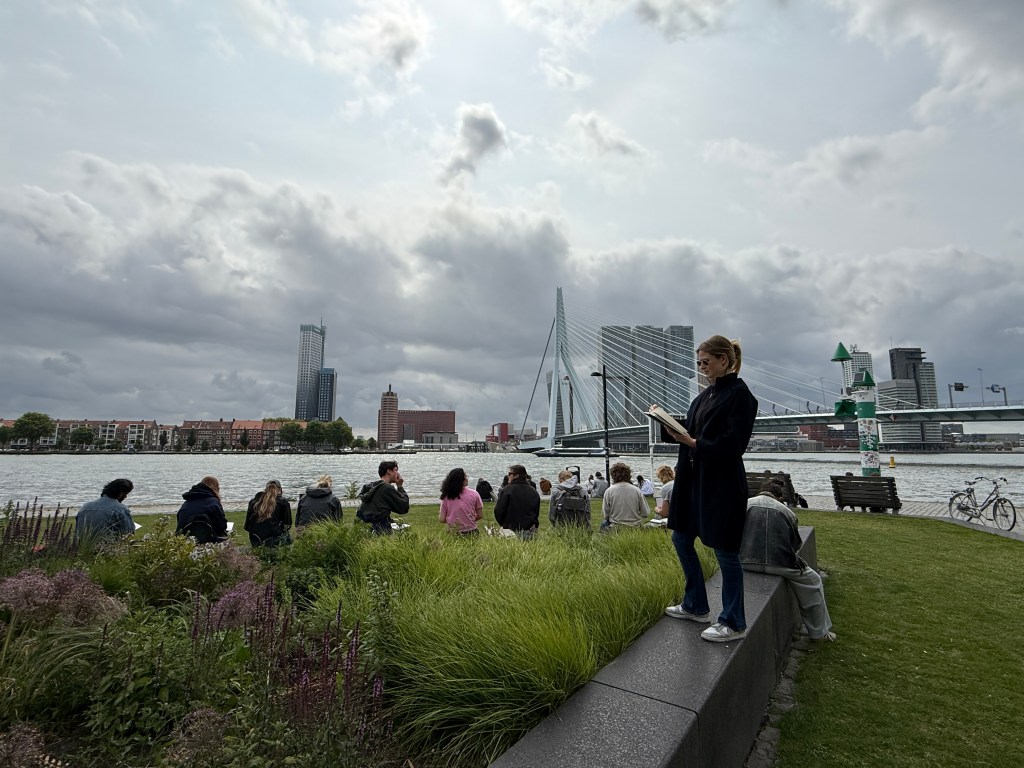
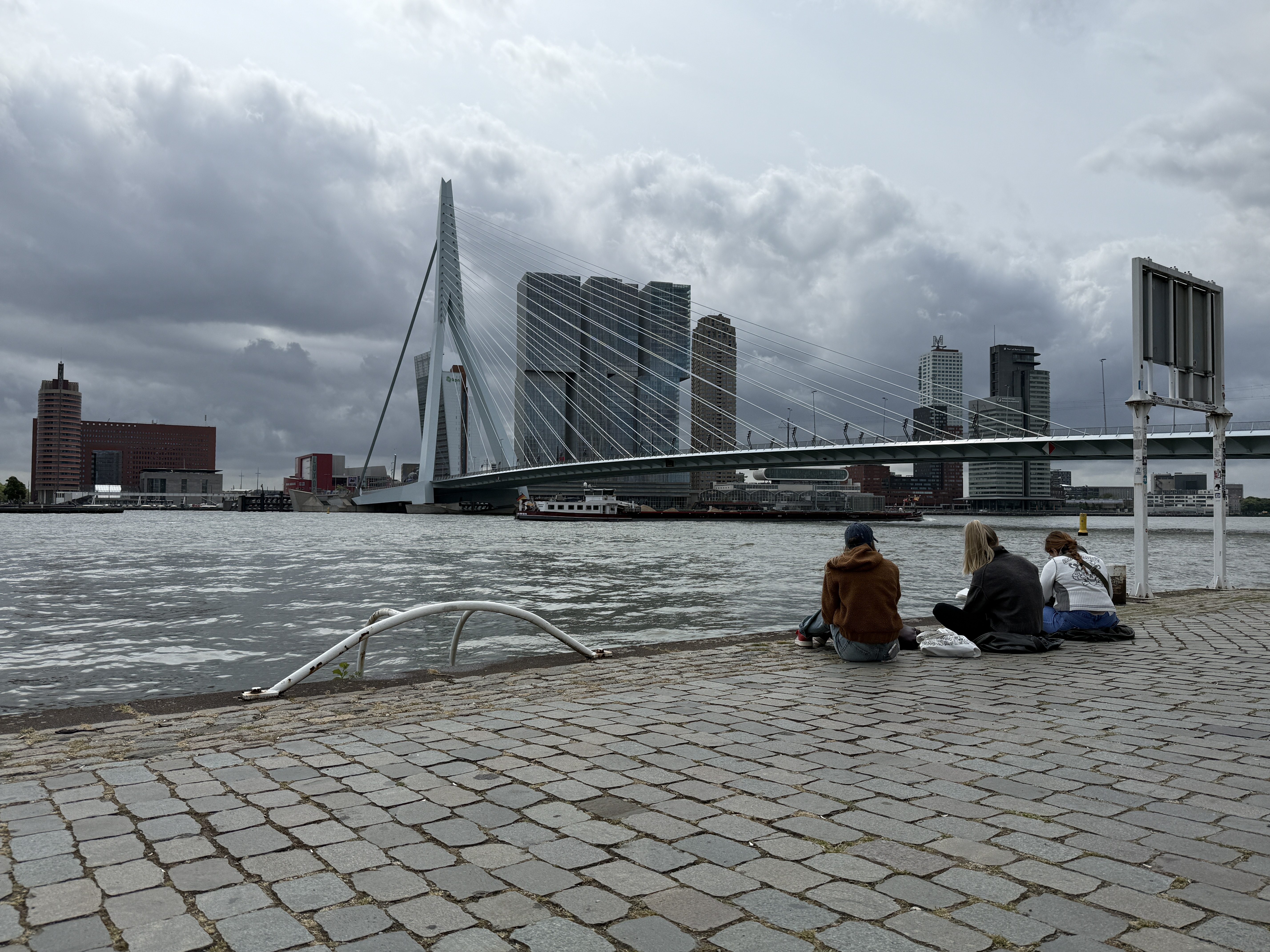
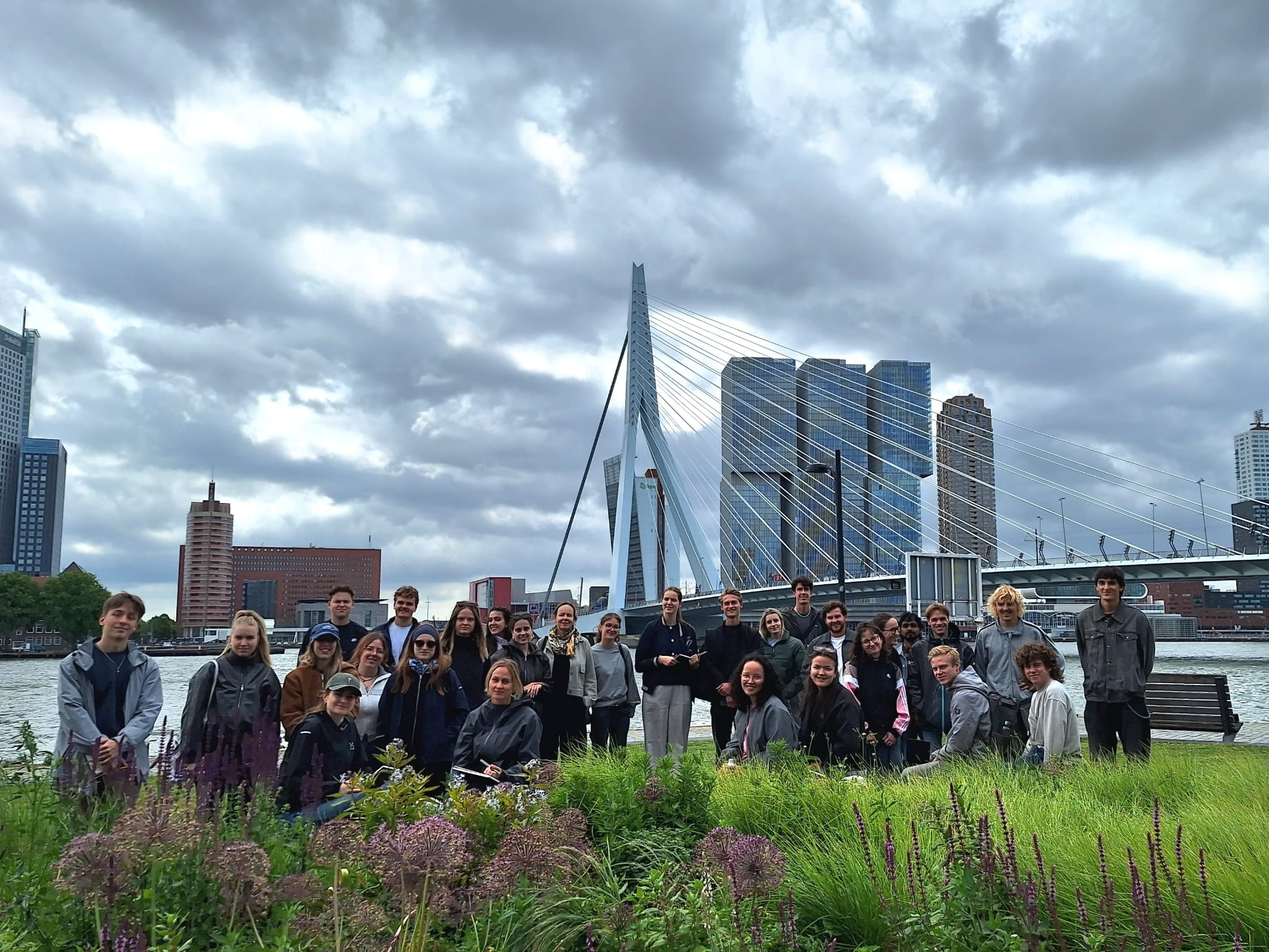
Sketching in public created spontaneous moments of exchange—with Dutch students, locals, and fellow observers. Drawing became not only a solitary act, but a shared one—an invitation to dialogue.
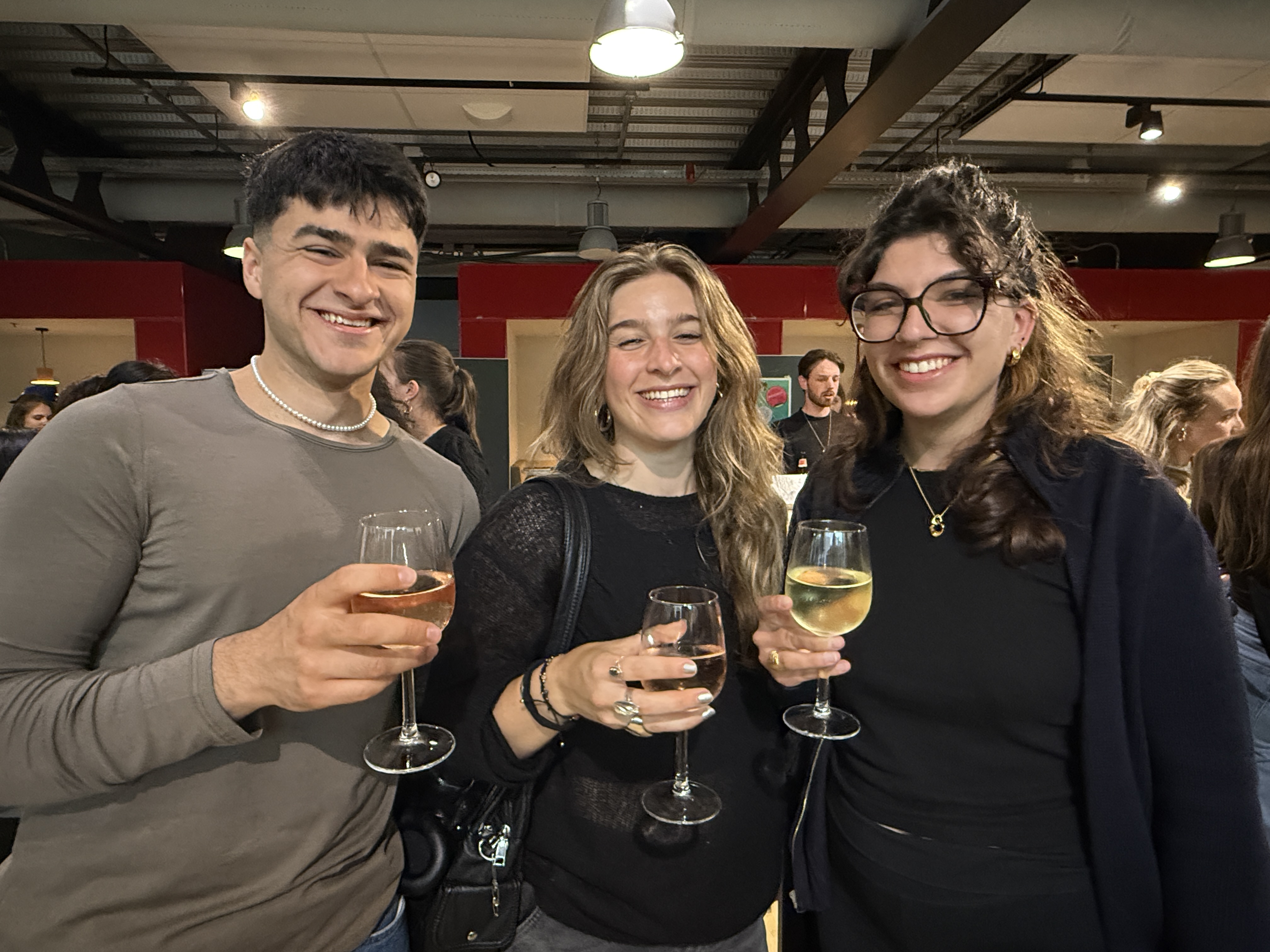
Drawing as Translation
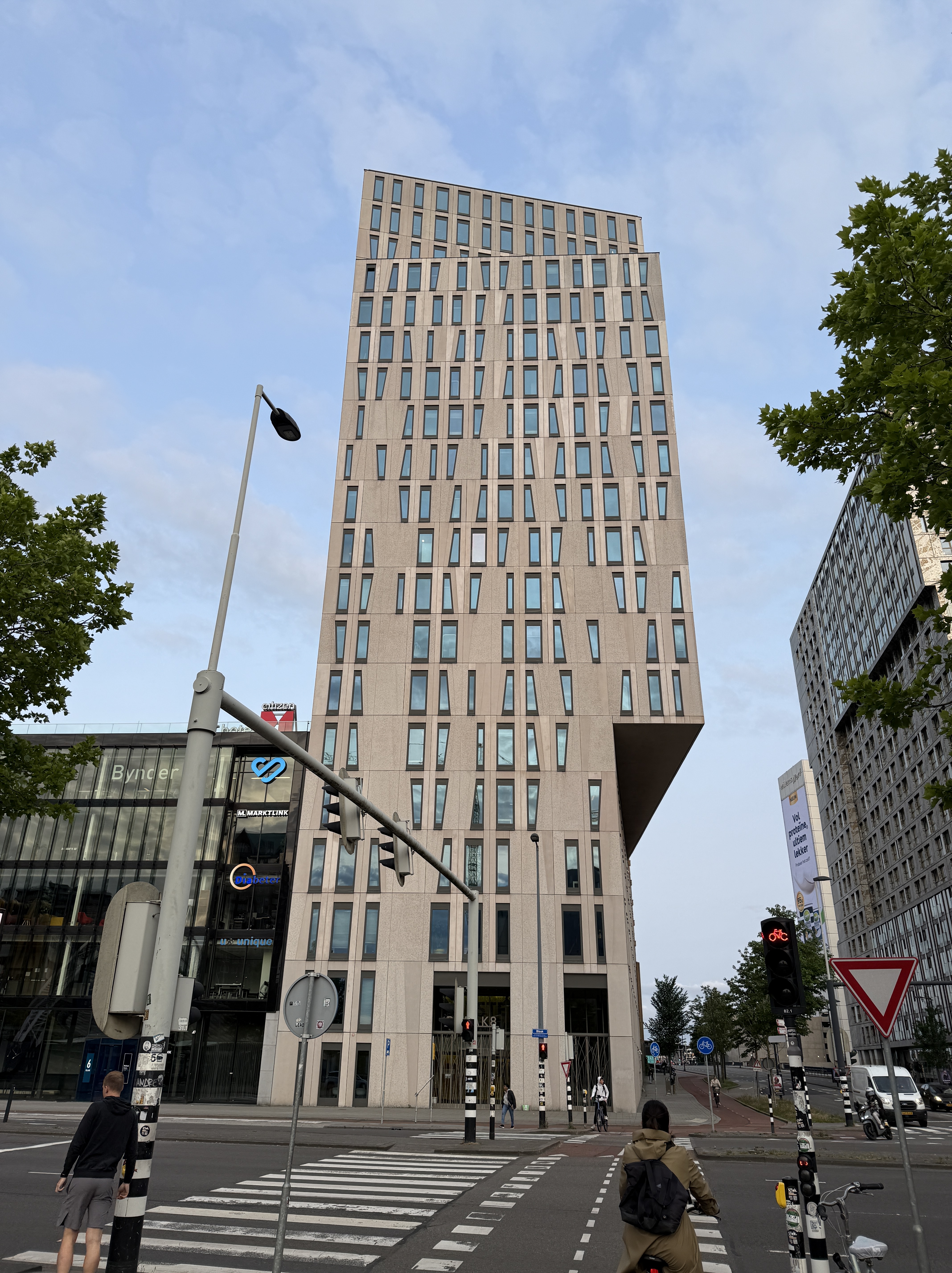
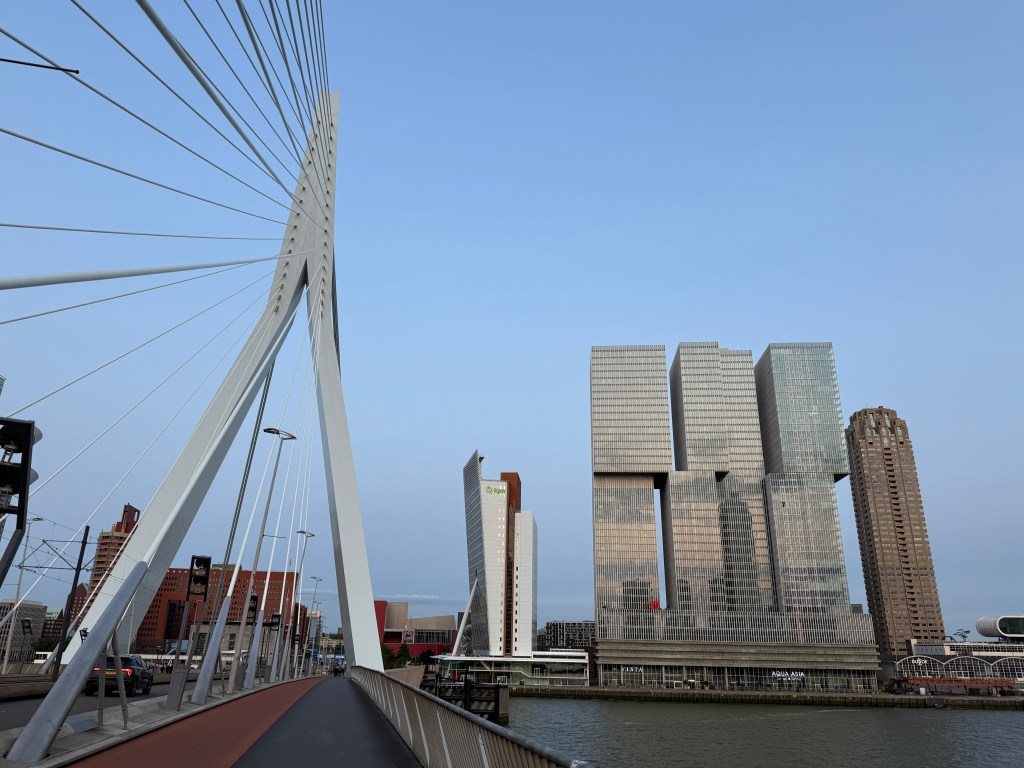
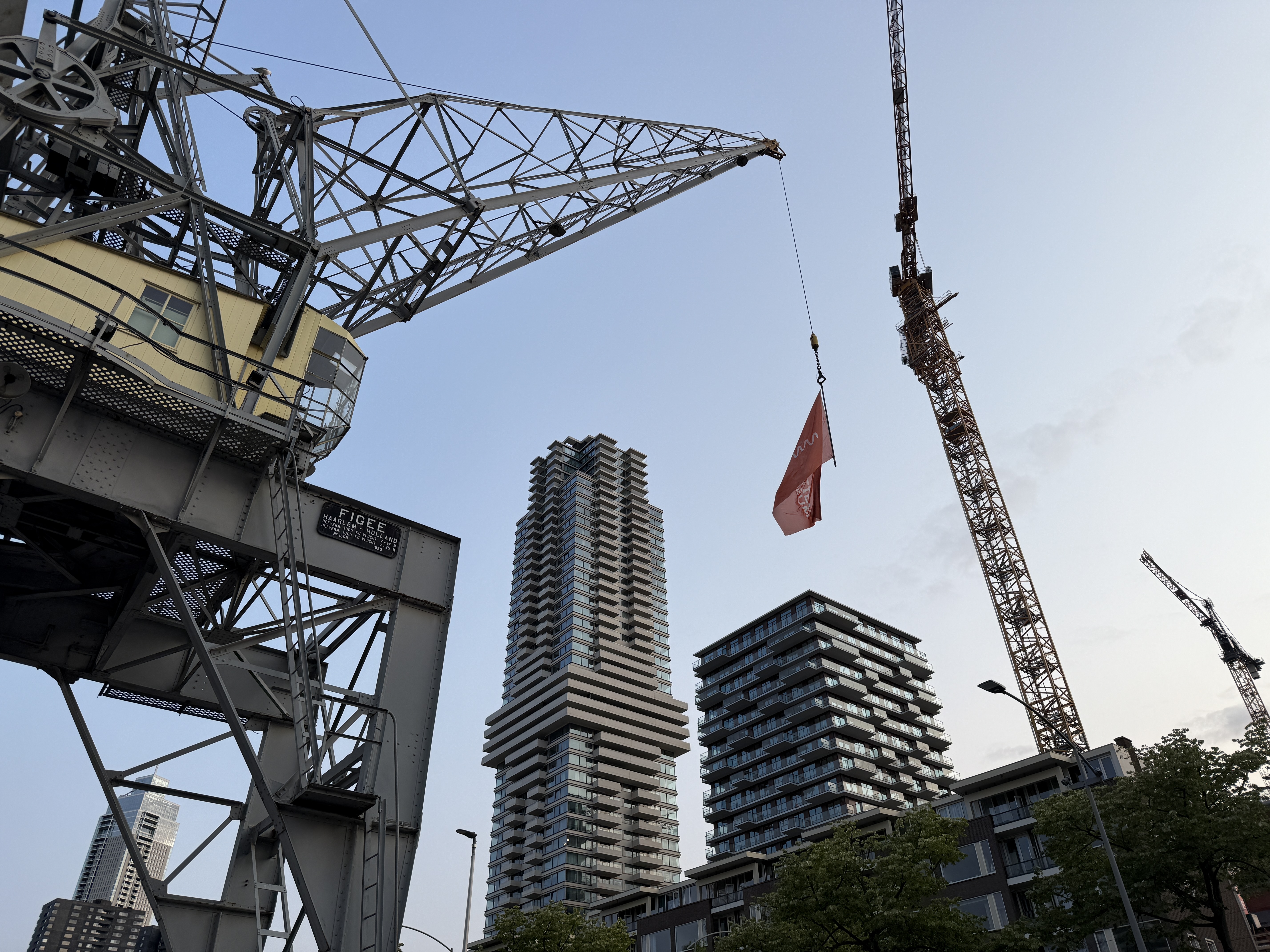
Rotterdam’s urban layers—its post-war reconstruction, its experimental architecture, its climate infrastructure—became the raw material. Sketching helped students translate these complexities into visual, accessible narratives. And helped with international understanding.
Sketching as Celebration
The final exhibition celebrated not just beautiful drawings, but sharp thinking and sensitive seeing. Sketching here was a form of participation in the city—an act of care and curiosity.