1 Architecture | 2 Biodiversity | 3 Climate Change & Water | 4 Social Impact | 5 Mobility & Accessibility
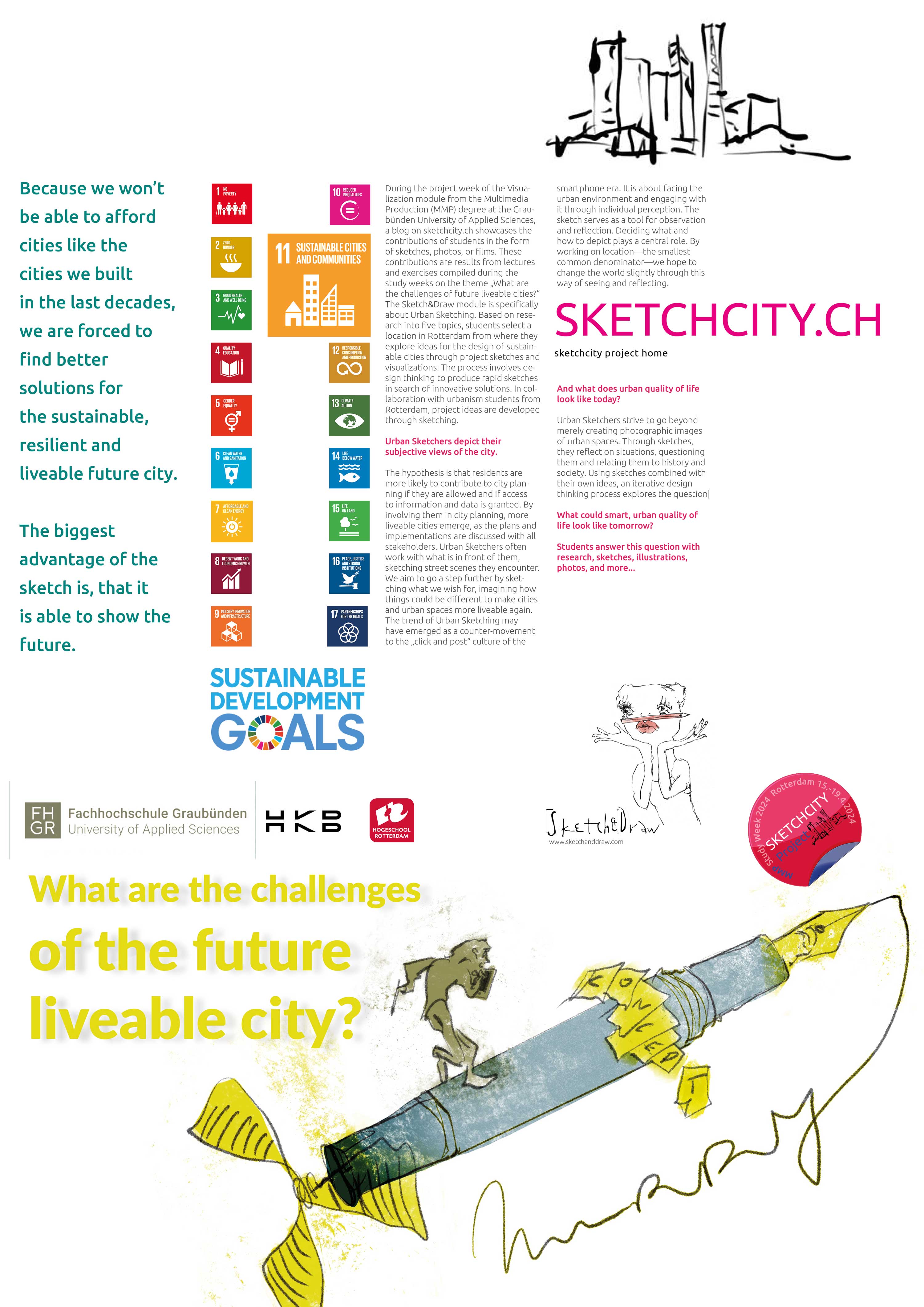
1 Architecture |
Rotterdam‘s architecture is a vibrant testament to its resilience and innovative spirit, especially in the face of historical challenges and the ongoing demands of urban sustainability and climate adaptation. The city’s architectural landscape is a dynamic mix of cutting-edge contemporary designs, post-war reconstruction buildings, and bold initiatives that push the boundaries of urban living and sustainability. Here’s an overview of how architecture in Rotterdam addresses various facets of urban development, sustainability, and resilience.
Post-War Reconstruction | After much of Rotterdam was destroyed during World War II, the city embarked on an ambitious reconstruction plan that laid the groundwork for its modern architectural identity. Unlike cities that chose to rebuild in historical styles, Rotterdam embraced modernism and innovation. This decision has led to a cityscape characterized by bold, experimental designs that symbolize the city‘s resilience and forward-thinking approach.
Innovative and Sustainable Design | Rotterdam is renowned for its commitment to sustainable architecture and green building practices. The city is home to several iconic sustainable buildings, such as the Timmerhuis, known for its energy efficiency and flexible, mixed-use spaces, and the Markthal, an architectural marvel that combines a market hall with residential living, reflecting the city’s emphasis on sustainability and innovation. These buildings not only serve functional purposes but also embody the city‘s environmental commitments.
Water-Resilient Architecture | Given its vulnerable position near the North Sea and below sea level, Rotterdam has become a global leader in water-resilient architecture. This includes the development of floating houses and buildings designed to adapt to rising sea levels and the potential for flooding. These innovative solutions not only tackle the practical challenges of climate change but also offer new ways of thinking about living in harmony with water.
Public Spaces and Urban Connectivity | Rotterdam’s architectural strategy places a strong emphasis on public spaces and urban connectivity. The city‘s layout, characterized by open spaces, pedestrian zones, and extensive cycling paths, encourages social interaction, enhances the quality of urban life, and promotes sustainable modes of transportation. Architecture in Rotterdam is not just about individual buildings but also about creating a cohesive urban environment that supports community and sustainability.
Cultural and Historical Integration | Despite its focus on modern architecture, Rotterdam also respects and integrates its cultural and historical heritage. Projects like the renovation of the Rotterdam Central Station blend contemporary design with the city’s historical elements, creating spaces that are both functional and reflective of Rotterdam’s rich history. This approach demonstrates the city’s commitment to preserving its identity while advancing towards the future.
Experimental and Future-Oriented Projects | Rotterdam serves as a laboratory for architectural innovation, hosting experimental projects that explore future living concepts. Examples include the Cube Houses, designed by Piet Blom, which challenge conventional residential design, and the upcoming development of M4H, a former harbor area being transformed into a sustainable and creative hub. These projects exemplify Rotterdam’s role as a testing ground for new ideas in urban living and sustainability.
Rotterdam’s architectural narrative is one of resilience, innovation, and sustainability. Through its buildings and urban spaces, the city continues to explore new paradigms of living and environmental stewardship, making it a significant point of reference for global urban development and architectural innovation. Likewise, infrastructures in the hinterland, such as hospitals, are almost unaffordable.
2 Biodiversity |
Rotterdam, a city not immediately associated with biodiversity, is actively working to redefine its urban landscape by embedding nature into its very fabric. Amid its bustling port and urban density, Rotterdam faces the crucial task of enhancing urban biodiversity to create a resilient and sustainable city for the future. This effort is critical not only for the well-being of its residents but also for the ecological health of the city and its surroundings.
The city‘s initiatives aim to transform urban areas into green havens that support a wide variety of species, while also improving the quality of life for its inhabitants. Rotterdam‘s strategy involves the development of green roofs, urban gardens, and the restoration of natural habitats within the city. These green roofs, for example, not only reduce the urban heat island effect but also serve as stepping stones for pollinators and other wildlife, thereby enhancing urban biodiversity.
Moreover, Rotterdam‘s commitment to biodiversity is evident in its efforts to create ecological corridors that connect different green spaces within the city, allowing for the free movement of species and contributing to a more robust ecosystem. The city also focuses on the conservation of local flora and fauna through the management of parks, water bodies, and other natural areas, ensuring that native species thrive.
In addition to these physical transformations, Rotterdam engages its citizens in biodiversity efforts, recognizing the importance of community involvement in sustaining urban ecosystems. Educational programs and participatory projects encourage residents to contribute to the city‘s greening efforts, fostering a sense of stewardship and connection to the natural world.
Rotterdam‘s approach to biodiversity underscores the city‘s recognition of the intrinsic value of nature in urban environments. By integrating biodiversity into its urban planning and development, Rotterdam not only enhances its ecological resilience but also sets a precedent for how cities can contribute to the global effort to preserve and enhance biodiversity.
3 Climate Change & Water |
Rotterdam is committed to Carbon Reduction by drastically reducing its carbon footprint through various initiatives. These include promoting renewable energy sources, enhancing public transportation, and encouraging the use of electric vehicles. The city also invests in energy-efficient buildings and infrastructure, aiming to become more sustainable and less reliant on fossil fuels.
Green Infrastructure | Understanding the importance of green spaces in urban settings, Rotterdam has been pioneering in developing green roofs, parks, and other green spaces. These areas not only absorb CO2 but also provide cooling effects, reducing the urban heat island effect. Green infrastructure plays a crucial role in enhancing the city‘s resilience to climate change by managing rainwater runoff, thus reducing the risk of flooding.
Water Management | Given its vulnerability to flooding, Rotterdam has become a world leader in innovative water management techniques. Projects like the Water Square (Benthemplein) demonstrate how urban design can beautifully integrate functionality with climate adaptation measures. These initiatives not only protect the city from flooding but also repurpose rainwater for urban green spaces, contributing to the city’s climate resilience.
Community Engagement and Education | Rotterdam recognizes the importance of involving its citizens in its climate change strategies. Through educational programs and participatory planning processes, the city fosters a collective sense of responsibility and action towards sustainability. Engaging communities in climate resilience efforts ensures that adaptation measures are more effective and grounded in local needs and knowledge.
Adaptive Architecture and Urban Planning | Rotterdam is at the forefront of designing buildings and urban spaces that are adaptable to the changing climate. This includes constructing floating buildings, developing areas that can tolerate temporary flooding, and ensuring that new developments are both energy-efficient and resilient to climate impacts.
Rotterdam, a city renowned for its innovative approach to urban planning and sustainability, faces unique challenges and opportunities concerning water management. As one of the largest port cities in the world, situated below sea level, Rotterdam‘s relationship with water is intrinsic to its identity, culture, and infrastructure. The city confronts the pressing issues of climate change, sea-level rise, and the necessity for effective flood defense mechanisms. In response, Rotterdam has become a global leader in water resilience, pioneering solutions that integrate water safety with urban development.
The city‘s approach to water management is multifaceted, encompassing the protection of its citizens and infrastructure, enhancing the quality of life, and ensuring economic vitality. Rotterdam‘s strategies include the creation of multifunctional spaces such as water plazas and green roofs that store rainwater, reduce the heat island effect, and provide recreational areas for residents. The innovative water management projects also feature advanced dike systems, storm surge barriers like the Maeslantkering, and the exploration of floating structures to accommodate urban growth.
Furthermore, Rotterdam embraces the concept of „living with water“ rather than fighting against it. This philosophy is evident in its urban design and architecture that adapt to water‘s dynamic nature, ensuring resilience and sustainability for future generations. The city‘s commitment to these principles positions Rotterdam at the forefront of addressing global water challenges, making it a model for cities worldwide.
4 Social impact |
Rotterdam‘s approach to social impact, especially in the context of its urban development and sustainability initiatives, showcases a deep understanding of the multifaceted relationship between the environment, economy, and social well-being. As the city undertakes significant efforts to address climate change, enhance biodiversity, and manage its water resources, it also focuses on creating a resilient and inclusive society. Here’s how Rotterdam is addressing social impact through its urban initiatives.
Inclusive Urban Development | Rotterdam is keen on ensuring that its urban development projects do not only cater to a select few but are inclusive, benefiting all residents. This involves creating affordable housing, accessible public spaces, and community centers that foster social cohesion. By integrating social considerations into urban planning, the city aims to prevent the displacement of low-income communities and ensure that the benefits of urban development are shared equitably.
Enhancing Quality of Life | Through its commitment to green spaces, sustainable transport, and clean energy, Rotterdam works towards a healthier environment for its residents. These efforts directly contribute to an enhanced quality of life by reducing air and noise pollution, providing recreational areas, and ensuring that the city is livable for future generations. A focus on quality of life ensures that environmental sustainability goes hand in hand with social well-being.
Economic Opportunities and Job Creation | Rotterdam’s transition towards a green and circular economy opens up new economic opportunities and creates jobs. By investing in renewable energy, sustainable architecture, and green infrastructure, the city not only addresses environmental challenges but also stimulates economic growth. This approach ensures that the move towards sustainability also translates into tangible social benefits, such as employment and skill development.
Community Engagement and Empowerment | Recognizing the importance of community involvement, Rotterdam engages its residents in decision-making processes related to urban development and environmental sustainability. This participatory approach ensures that policies and projects reflect the needs and aspirations of the community, leading to more sustainable and accepted outcomes. Empowering residents to contribute to their city’s development fosters a sense of ownership and responsibility towards the urban environment.
Education and Awareness | Education plays a crucial role in Rotterdam’s strategy to create social impact. By integrating sustainability and environmental education into school curriculums and community programs, the city equips its residents with the knowledge and skills needed to contribute to a sustainable future. Awareness campaigns on issues like recycling, energy conservation, and biodiversity further engage the wider community in the city’s sustainability efforts.
Rotterdam‘s comprehensive approach to addressing social impact reflects an understanding that true sustainability encompasses environmental, economic, and social dimensions. By fostering an inclusive, healthy, and resilient urban environment, Rotterdam not only tackles the immediate challenges of today but also paves the way for a sustainable future for all its residents.
5 Mobility & Accessibility |
Mobility & Accessibility | Rotterdam‘s approach to mobility and accessibility reflects its status as a forward-thinking, innovative city committed to sustainability, inclusivity, and the well-being of its residents and visitors. With a strategic focus on integrating various modes of transportation, enhancing connectivity, and promoting green mobility options, Rotterdam aims to create an urban environment that is accessible and navigable for everyone, while also reducing its environmental impact. Here‘s how Rotterdam is addressing these challenges:
Integrated Public Transport System | Rotterdam boasts a highly efficient, integrated public transportation network that includes buses, trams, ferries, and a metro system. This integration ensures seamless connectivity across the city and beyond, making public transport a convenient option for daily commutes and reducing reliance on private vehicles. The city continuously invests in upgrading and expanding its public transport infrastructure to improve service quality, coverage, and sustainability.
Cycling Infrastructure | Recognizing the importance of cycling for sustainable urban mobility, Rotterdam has made significant investments in cycling infrastructure. This includes the development of an extensive network of cycling lanes, secure bike parking facilities, and bike-sharing programs. Efforts to make cycling safer and more accessible support the city’s goal of encouraging more residents and visitors to choose bicycles as their primary mode of transport.
Pedestrian-Friendly Urban Design | Rotterdam prioritizes pedestrian accessibility in its urban planning, ensuring that the city is enjoyable and safe to navigate on foot. Wide sidewalks, pedestrian zones in the city center, and traffic-calming measures in residential areas create an environment where walking is not only a viable mode of transportation but also an enjoyable way to experience the city.
Waterborne Transport | Given its location and historical connection to water, Rotterdam leverages its waterways as an integral part of its transport strategy. The city operates water taxis and ferries that provide quick and scenic connections between different parts of the city. This mode of transport not only adds to the diversity of mobility options available but also helps alleviate congestion on roads and bridges.
Innovative Mobility Solutions | Rotterdam is a testing ground for innovative mobility solutions aimed at improving accessibility and reducing environmental impact. Projects such as autonomous shuttle services, electric vehicle charging infrastructure, and smart traffic management systems are part of the city’s efforts to embrace future mobility trends. These initiatives reflect Rotterdam’s commitment to being a leader in sustainable urban transport.
Accessibility for All | Ensuring that the city’s transportation network is accessible to everyone, including the elderly, people with disabilities, and families with young children, is a key priority for Rotterdam. The city invests in making public transport vehicles, stations, and stops fully accessible, and promotes the design of inclusive public spaces that accommodate the needs of all users.
By focusing on a multimodal transport strategy that encourages sustainable, efficient, and inclusive mobility options, Rotterdam is working towards reducing congestion, improving air quality, and enhancing the quality of urban life. These efforts not only address the immediate mobility and accessibility needs of the city‘s residents and visitors but also contribute to Rotterdam’s long-term goals of sustainability and resilience.


 SketchCity.ch