Friday Excursions – Discover Art, Cities, and Stories
As part of our SketchCity study week, we warmly invite you to join one of four inspiring excursions taking place on Friday. Each excursion offers a unique opportunity to explore the urban and cultural landscapes of Rotterdam and Amsterdam with curiosity, a sketchbook in hand, and a storyteller’s eye.
Whether you want to follow the brushstrokes of architectural sketches or dive into Rotterdam’s architectural experiments and emerging narratives – each tour invites you to see the city through the lens of drawing and visual thinking.
Rotterdam is a centre of exchange – of goods, people and ideas. And an architectural metropolis: architects are inspired by Rotterdam’s architecture and love of experimentation. This interplay makes Rotterdam an urban hub in Europe.
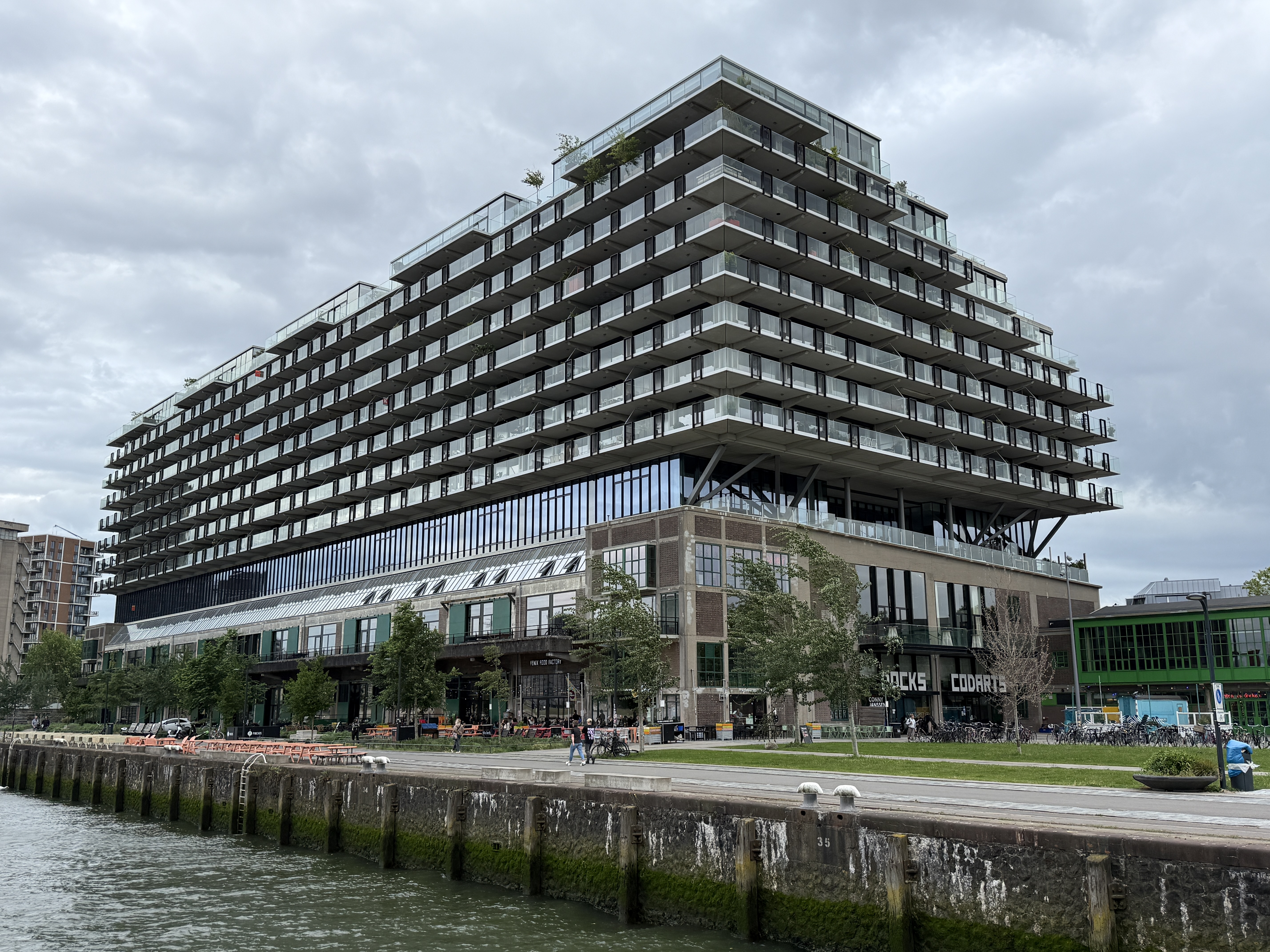
On the fifth and final day of our SketchCity journey, the students explored two of Rotterdam’s most conceptually rich institutions: FENIX and the Nieuwe Instituut. These visits offered not only shelter from the rain, but also deep insight into how architecture can express, preserve, and provoke emotion, identity, and transformation.
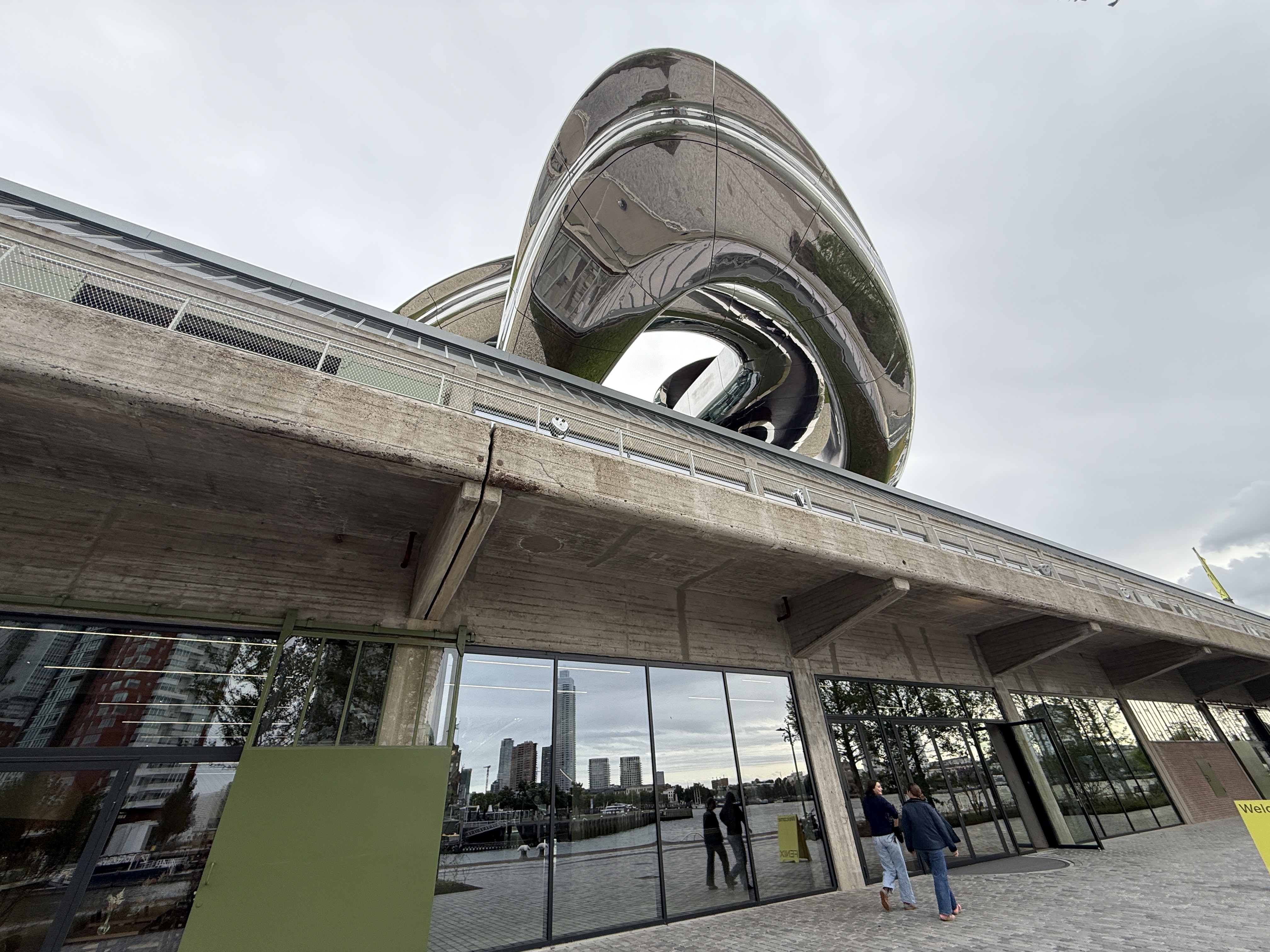
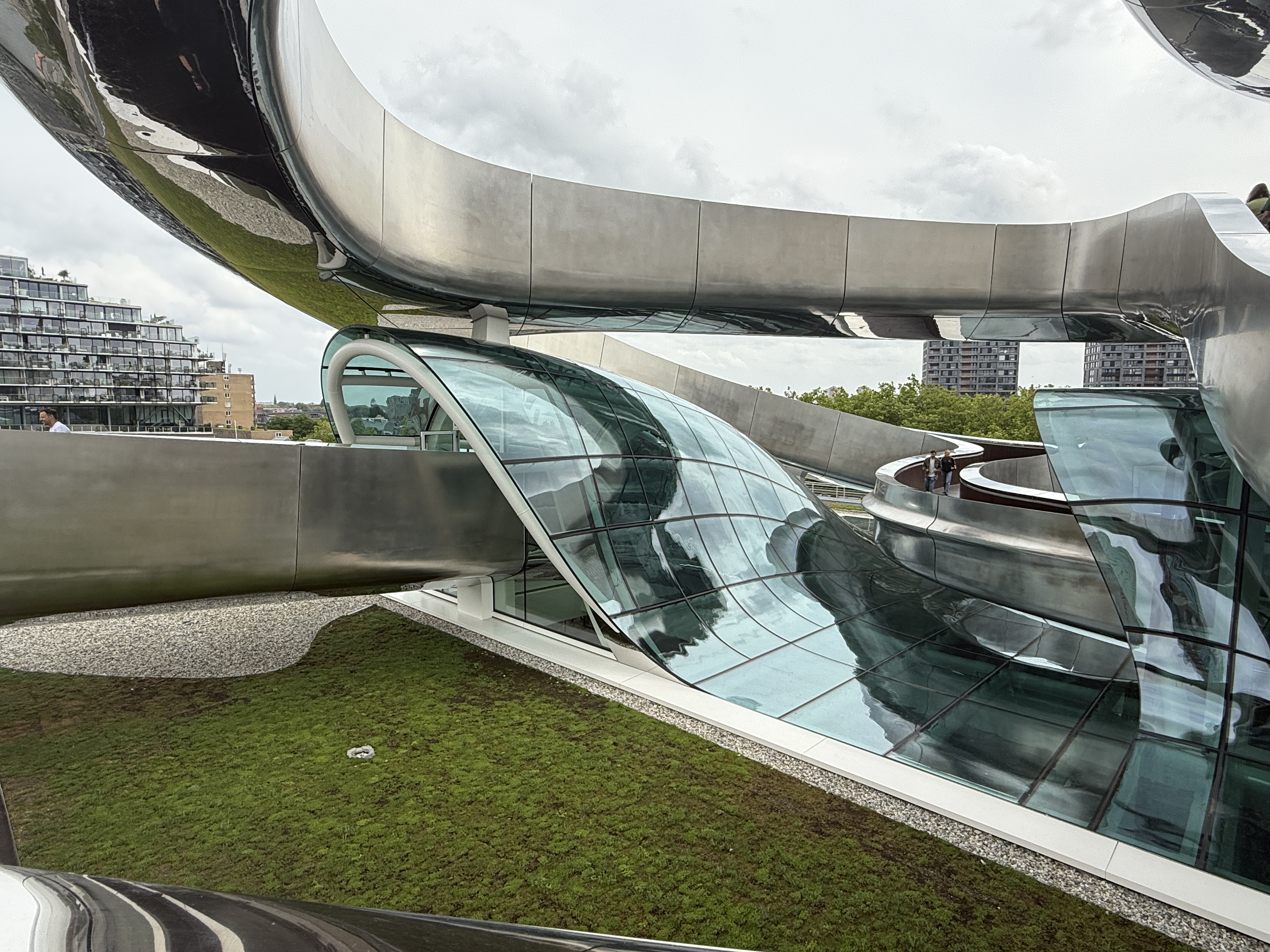
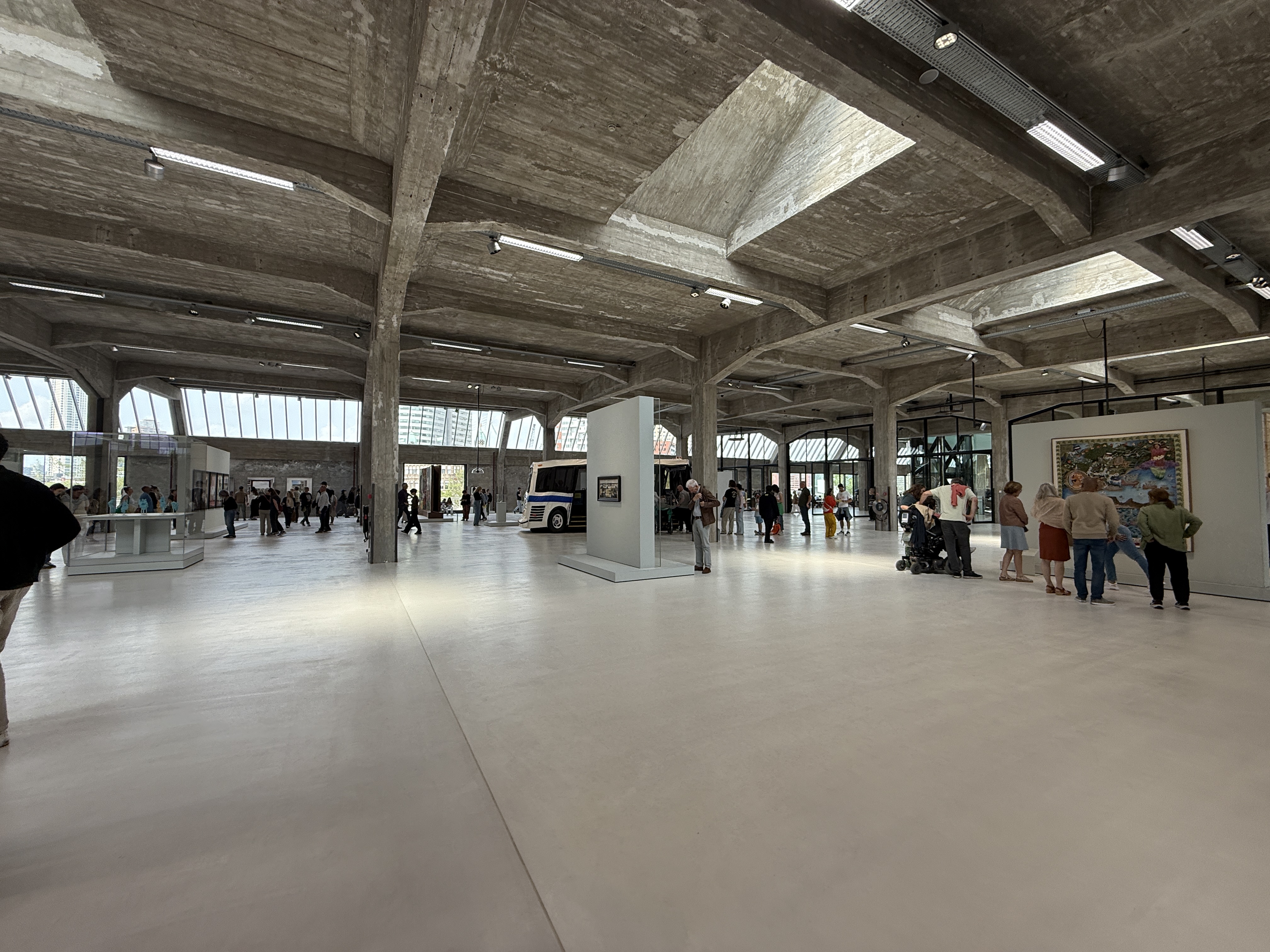
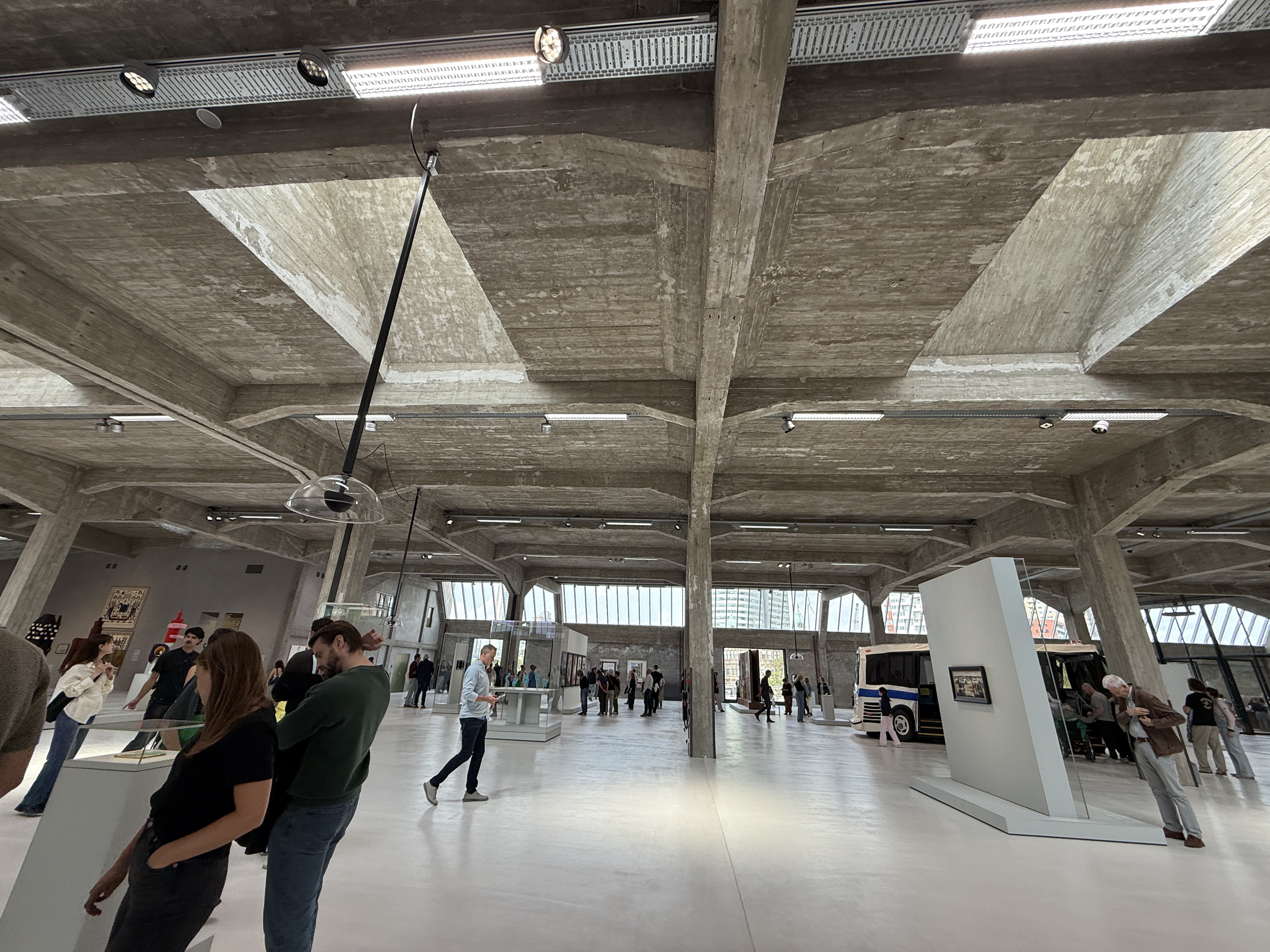
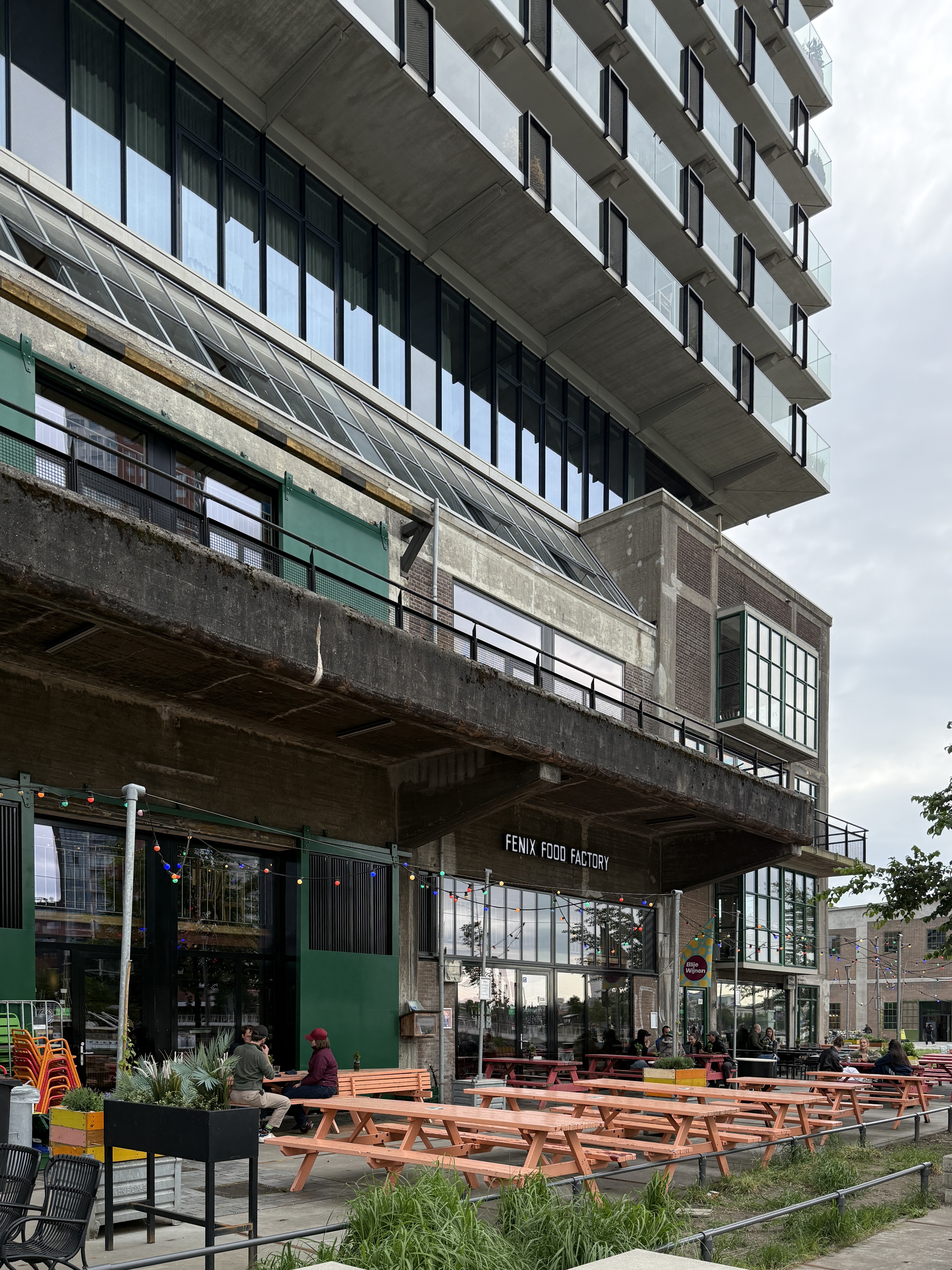
We began our day at FENIX, a bold new cultural institution on Katendrecht’s waterfront, located in a former harbor warehouse once used for migration. Still under development, FENIX is envisioned as a museum of human movement—a place that weaves together personal stories, global flows, and the traces left by migration, exile, and homecoming. Its architecture carries this legacy: robust yet open, industrial yet humane. Students sketched structural details, historic layers, and the spatial choreography that invites visitors to reflect on where they come from and where they’re going. The building becomes a narrative in itself—of departure, memory, and arrival.
Museum FENIX
Industrial Memory, Contemporary Vision
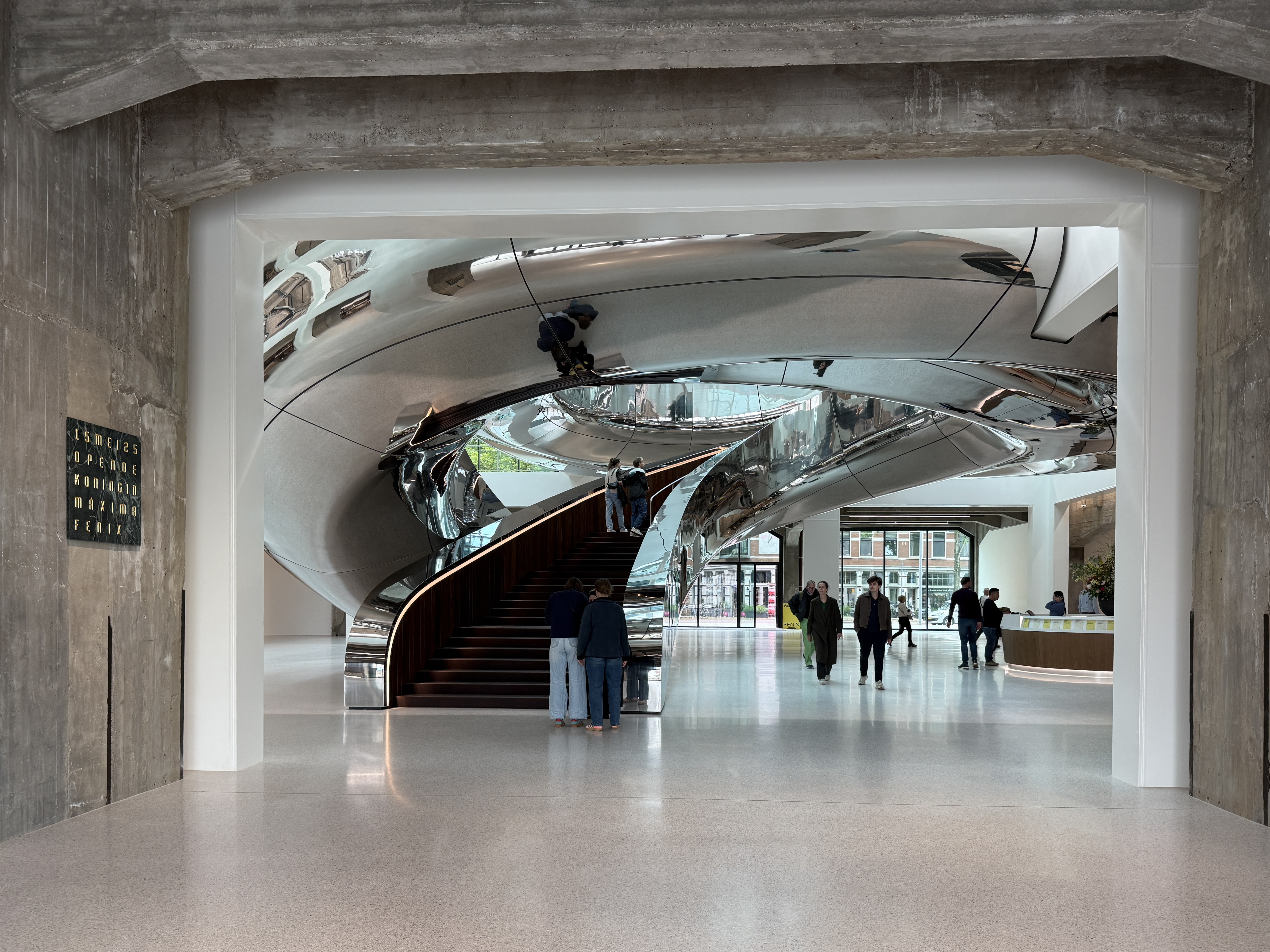
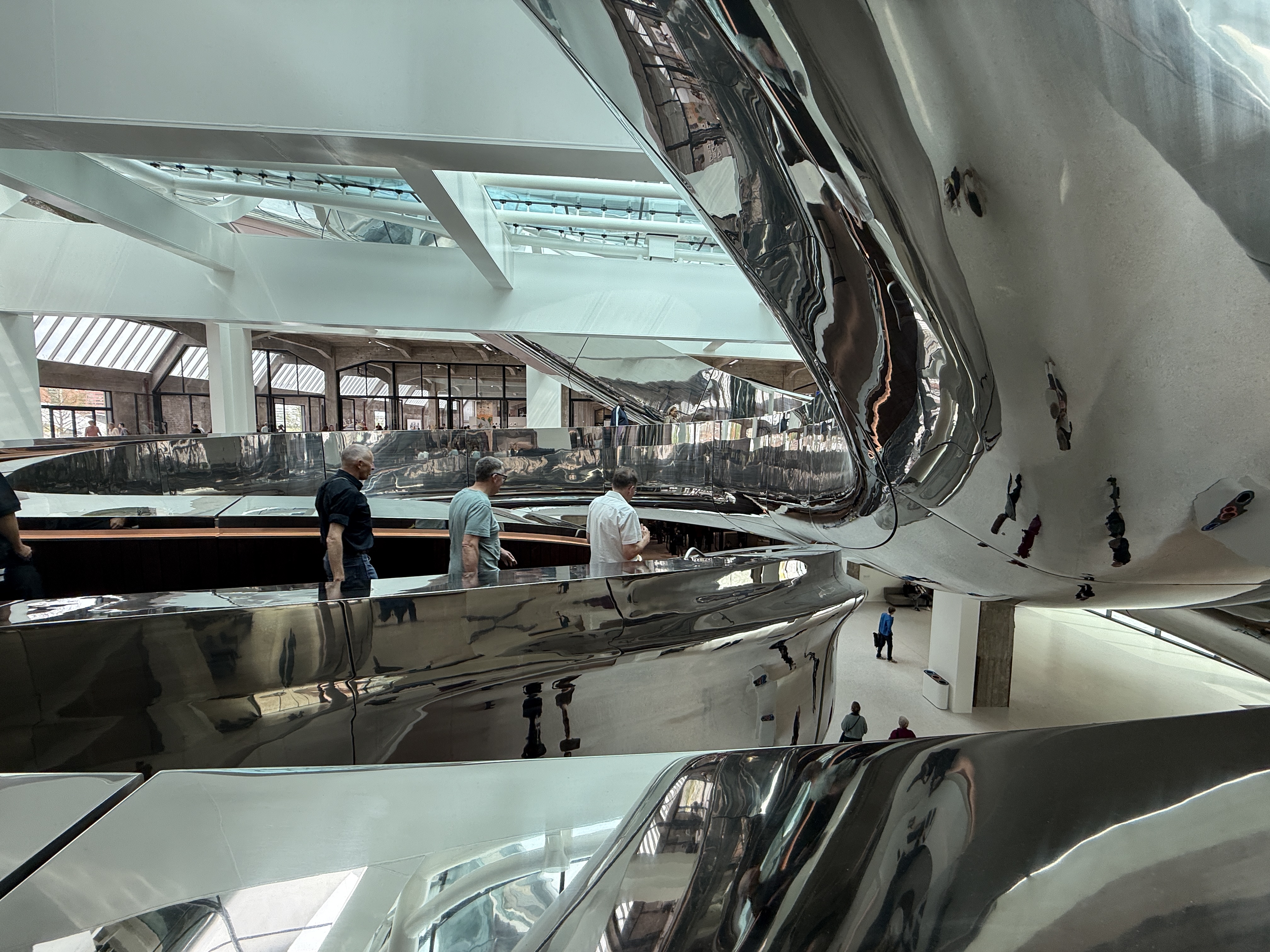
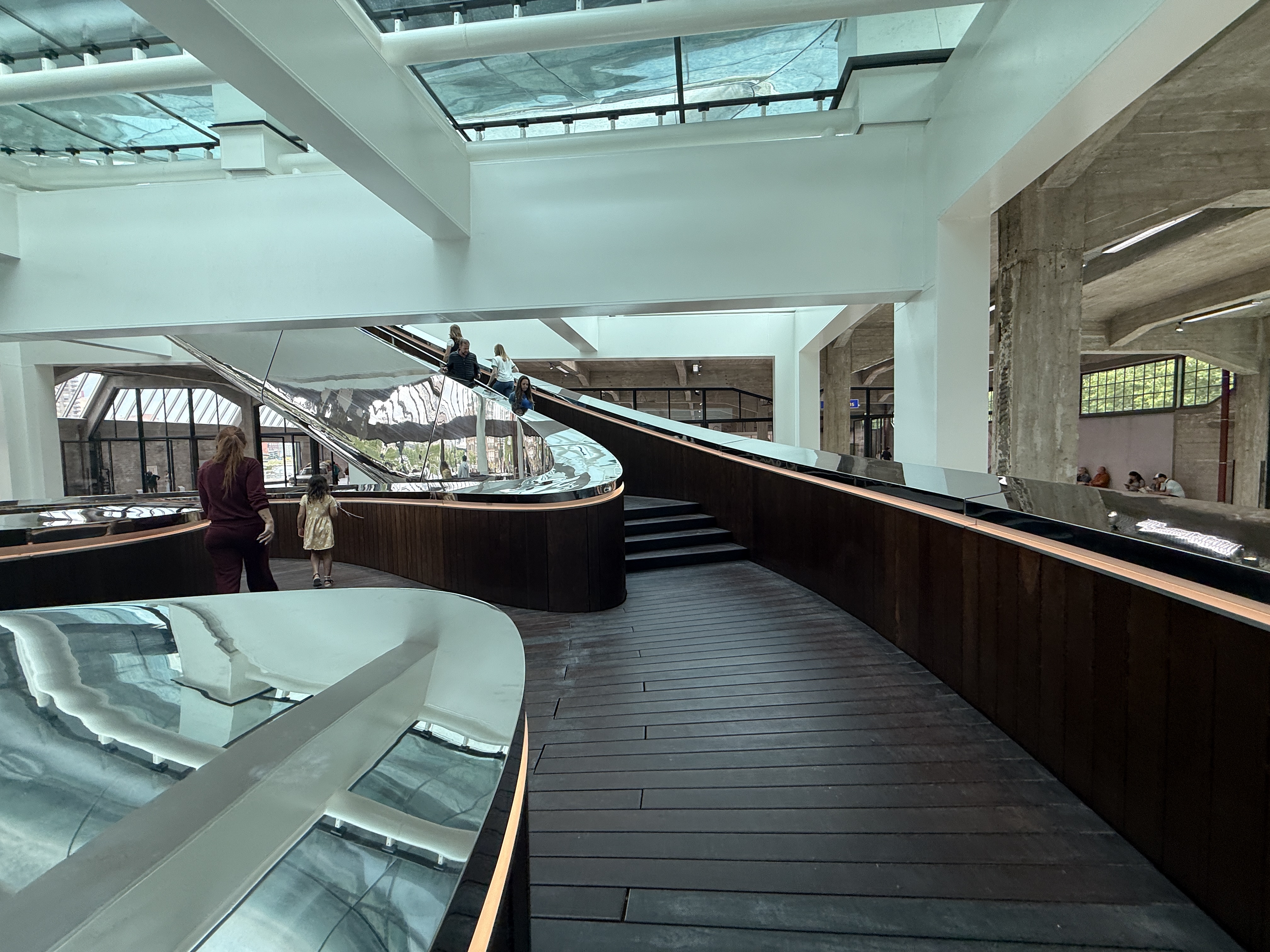
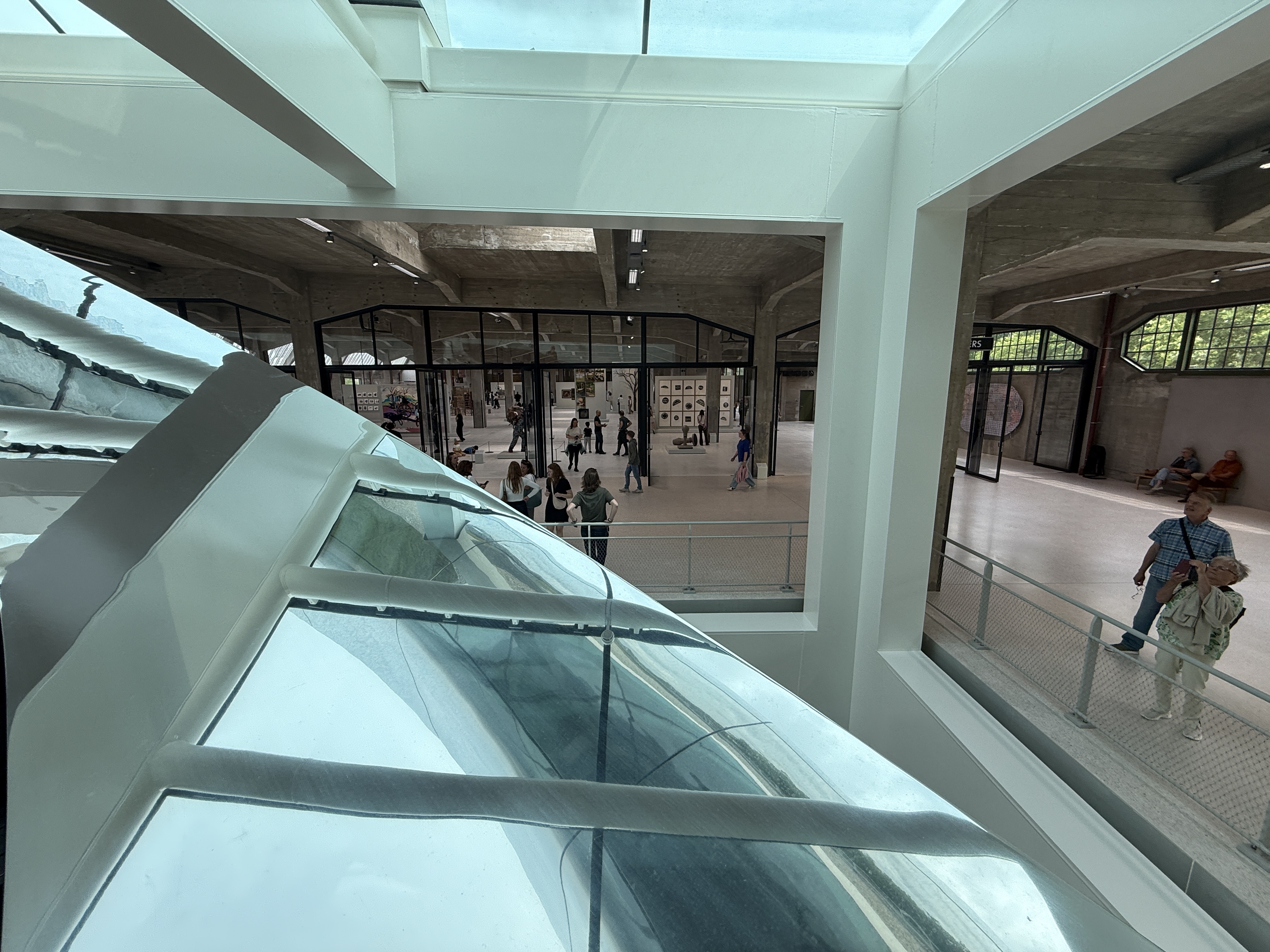
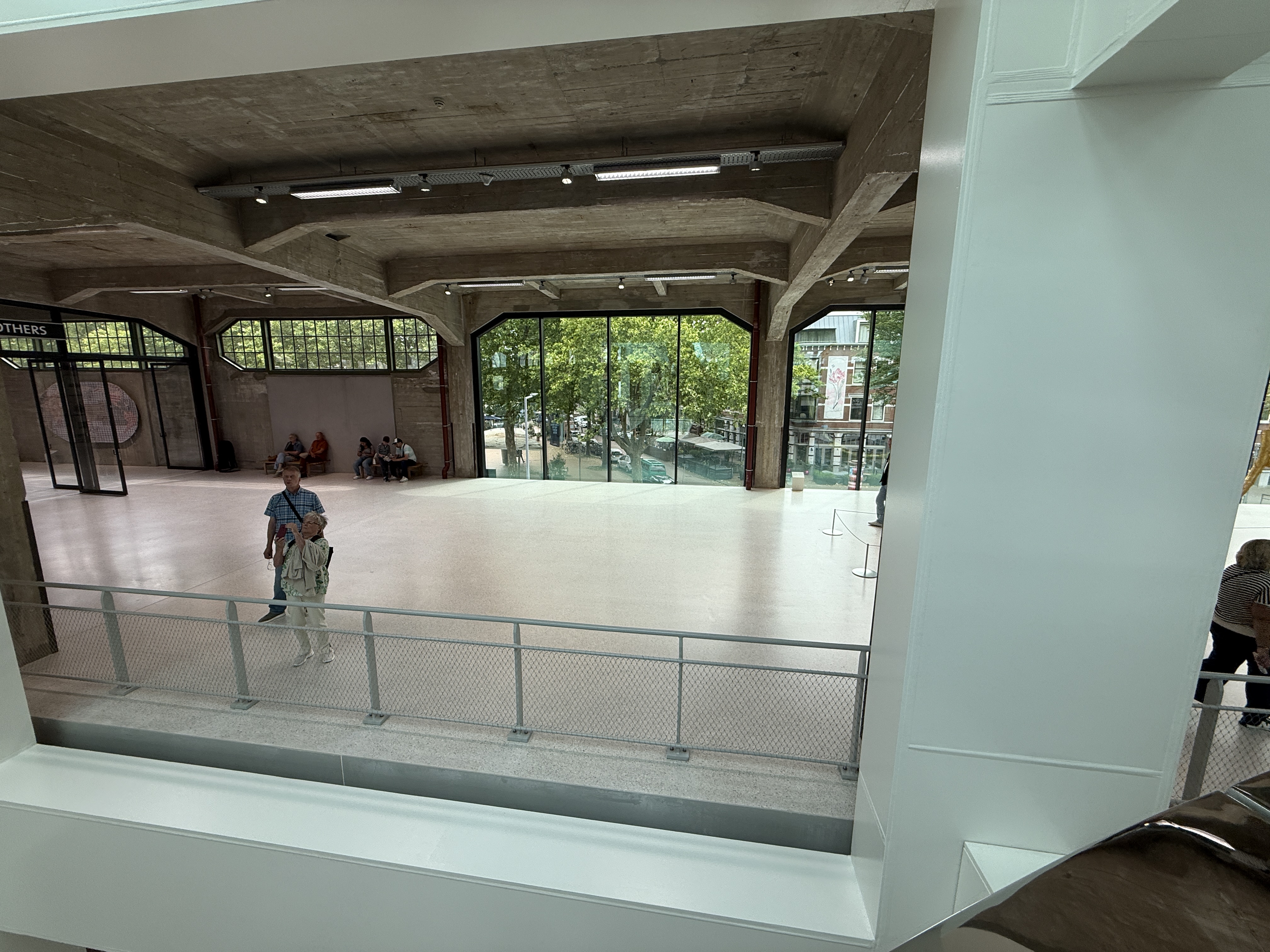
The FENIX building retains its original warehouse character—steel columns, brick walls, and massive beams—while opening up to new uses and narratives. A space where past and future coexist.

Layers of Time
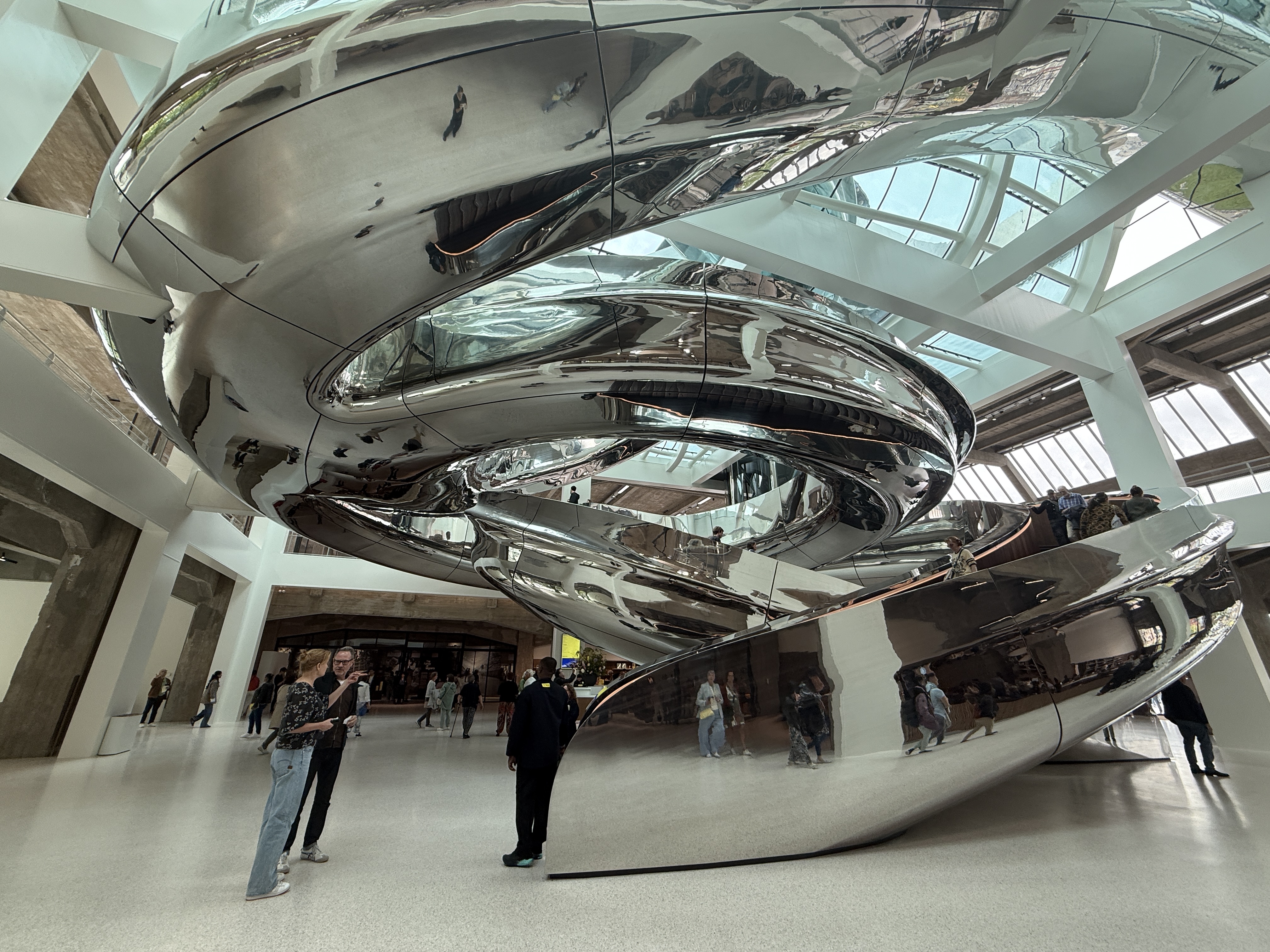
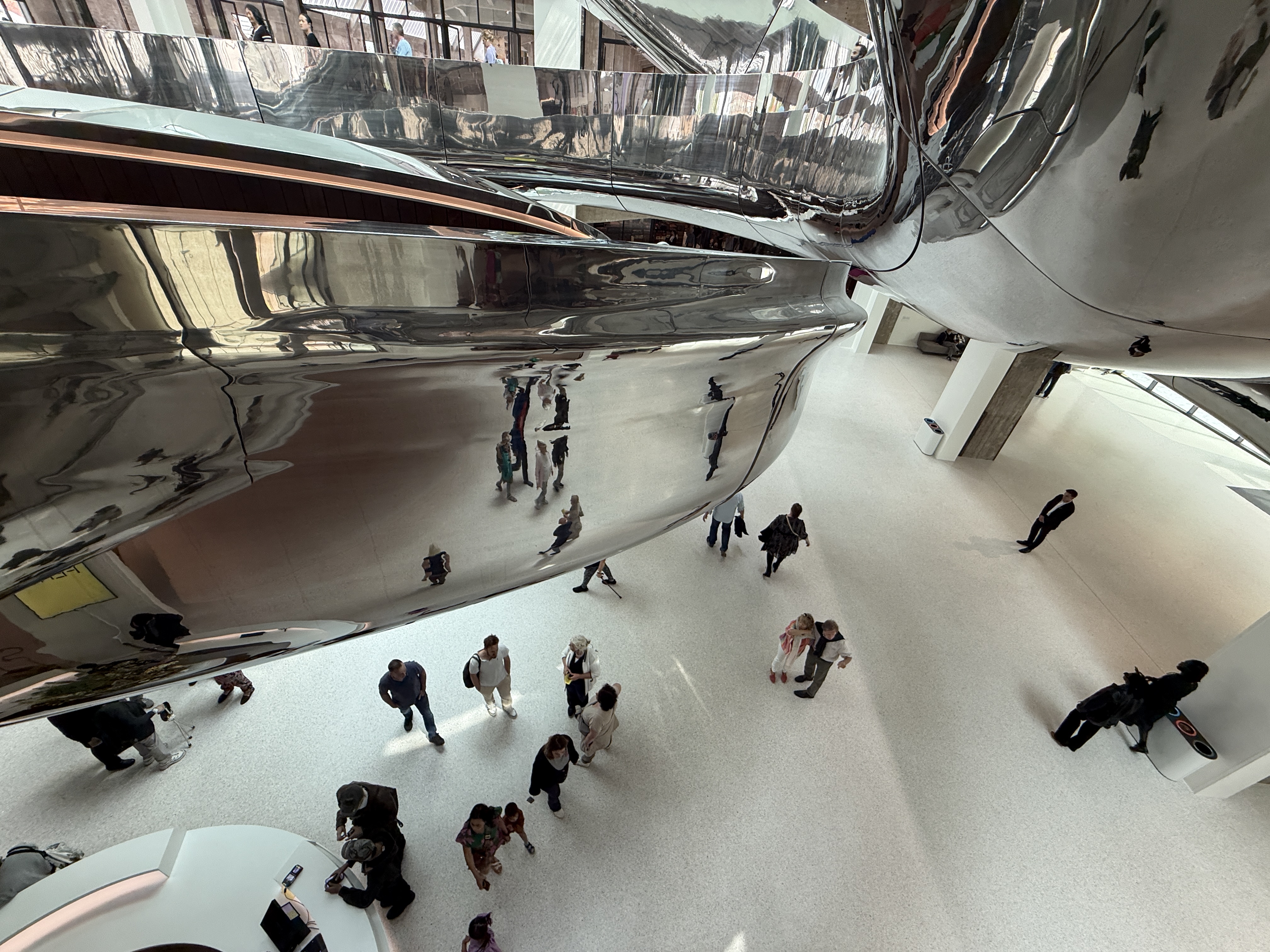
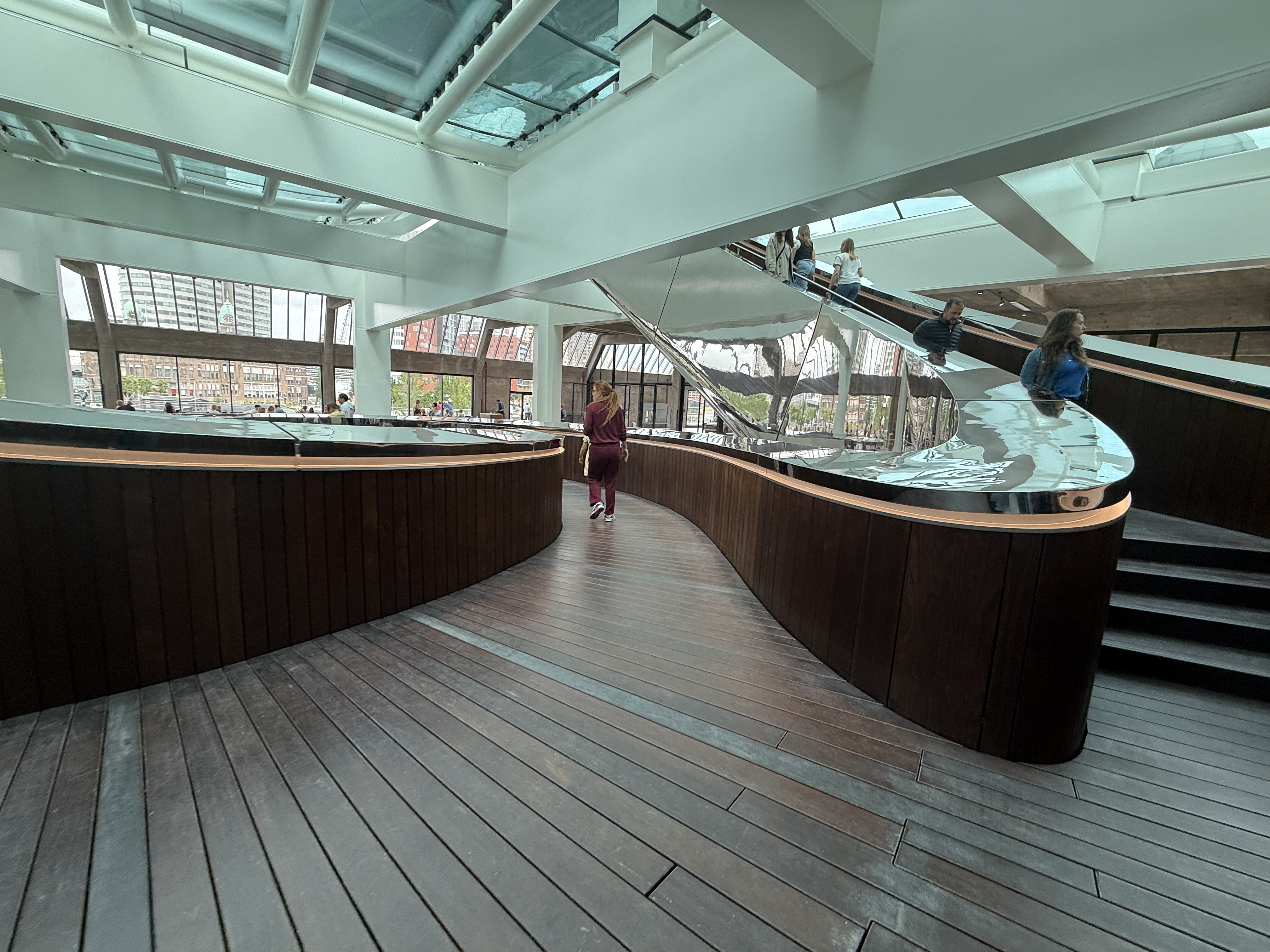
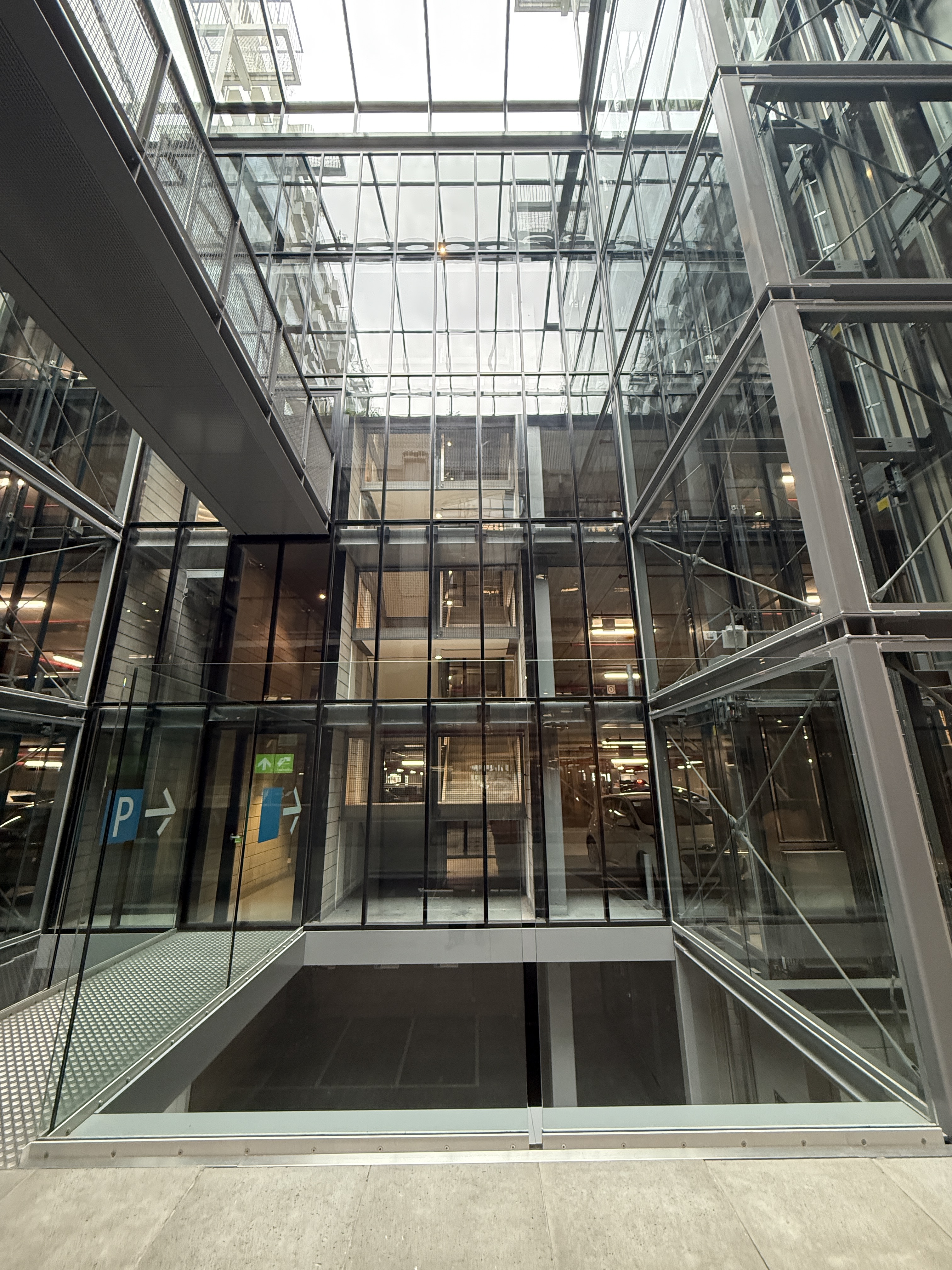
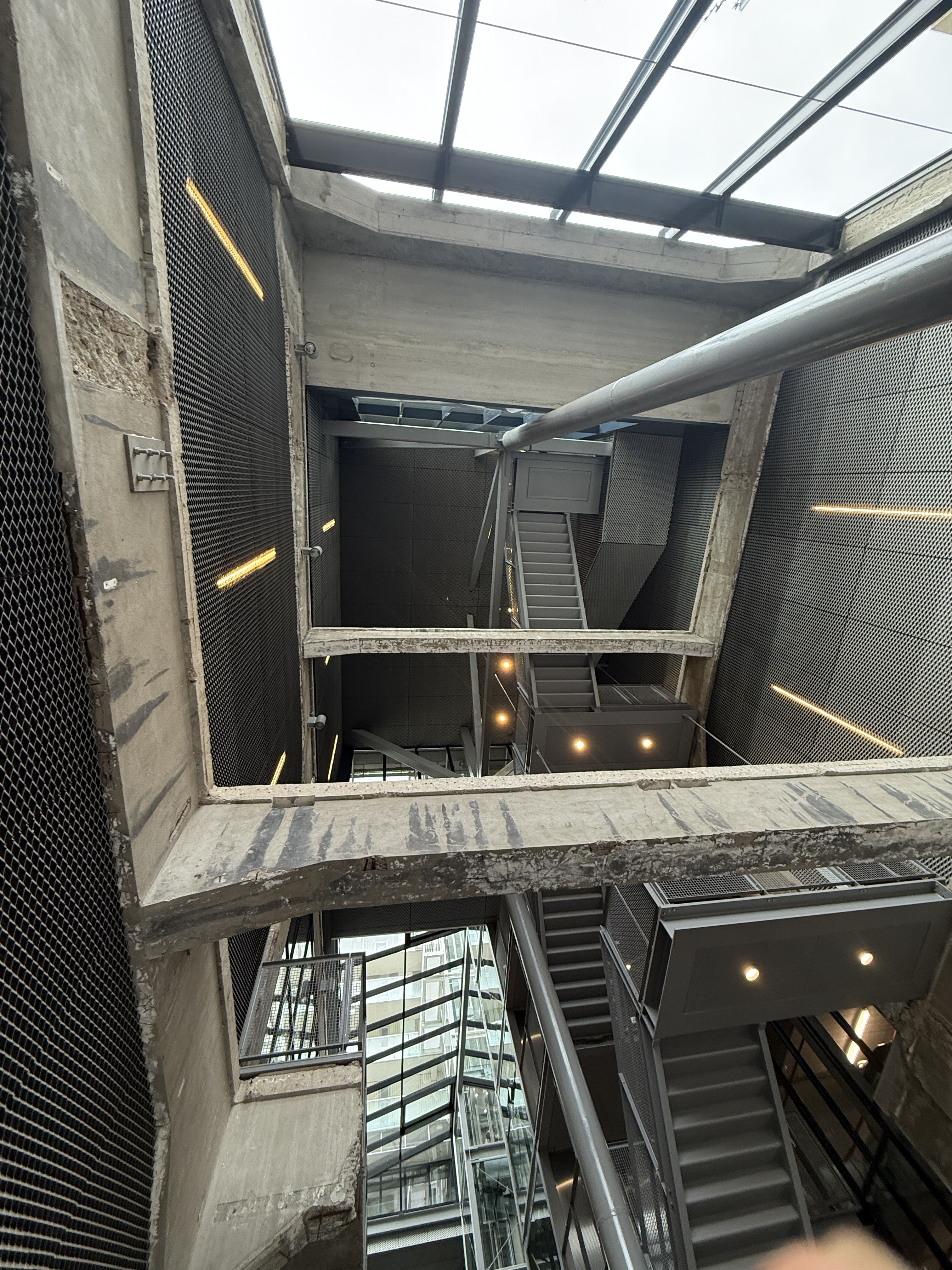
Stairways and mezzanines connect the former loading docks with new spaces, guiding visitors not only through the building, but also through its layered histories.



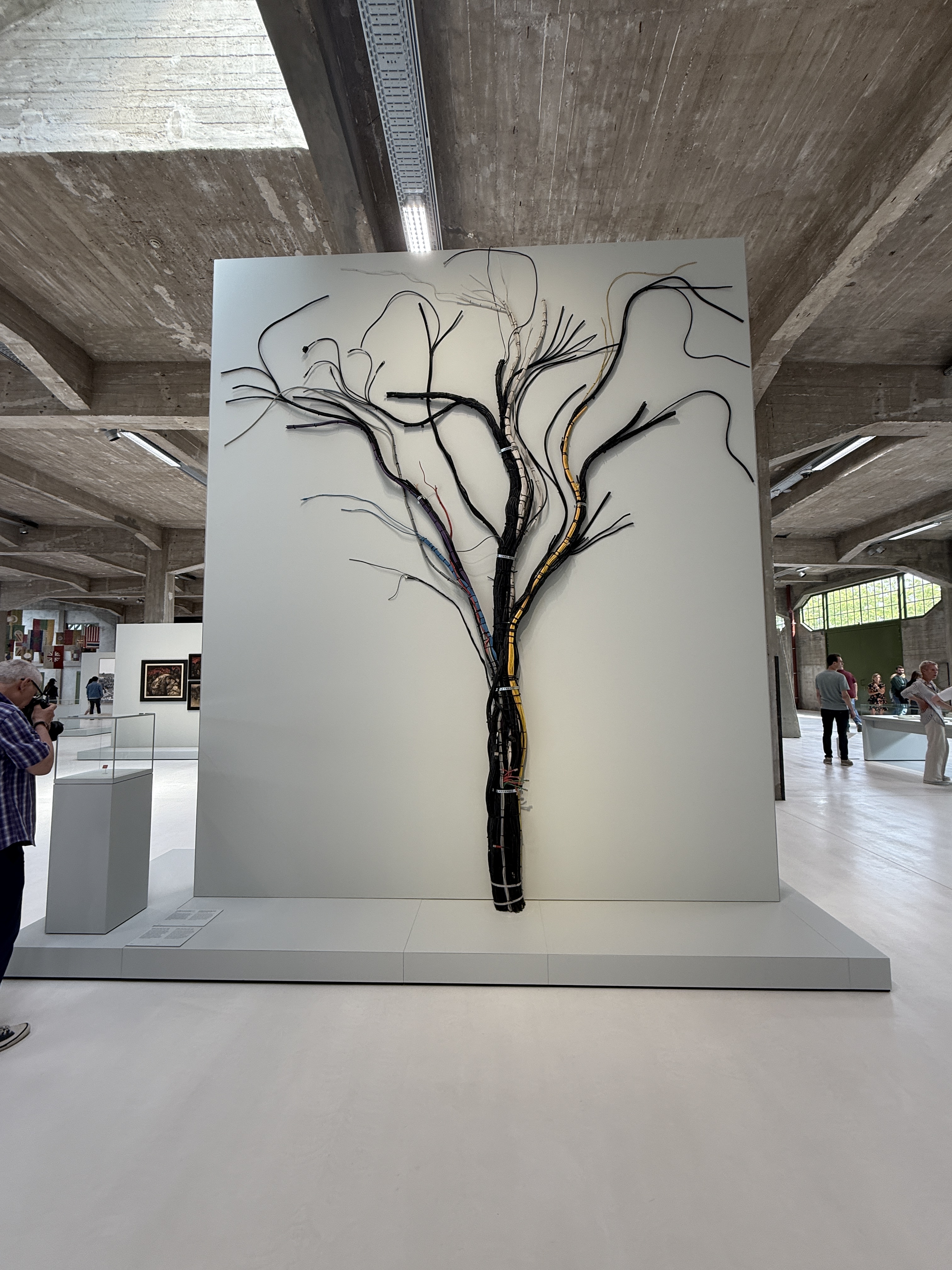
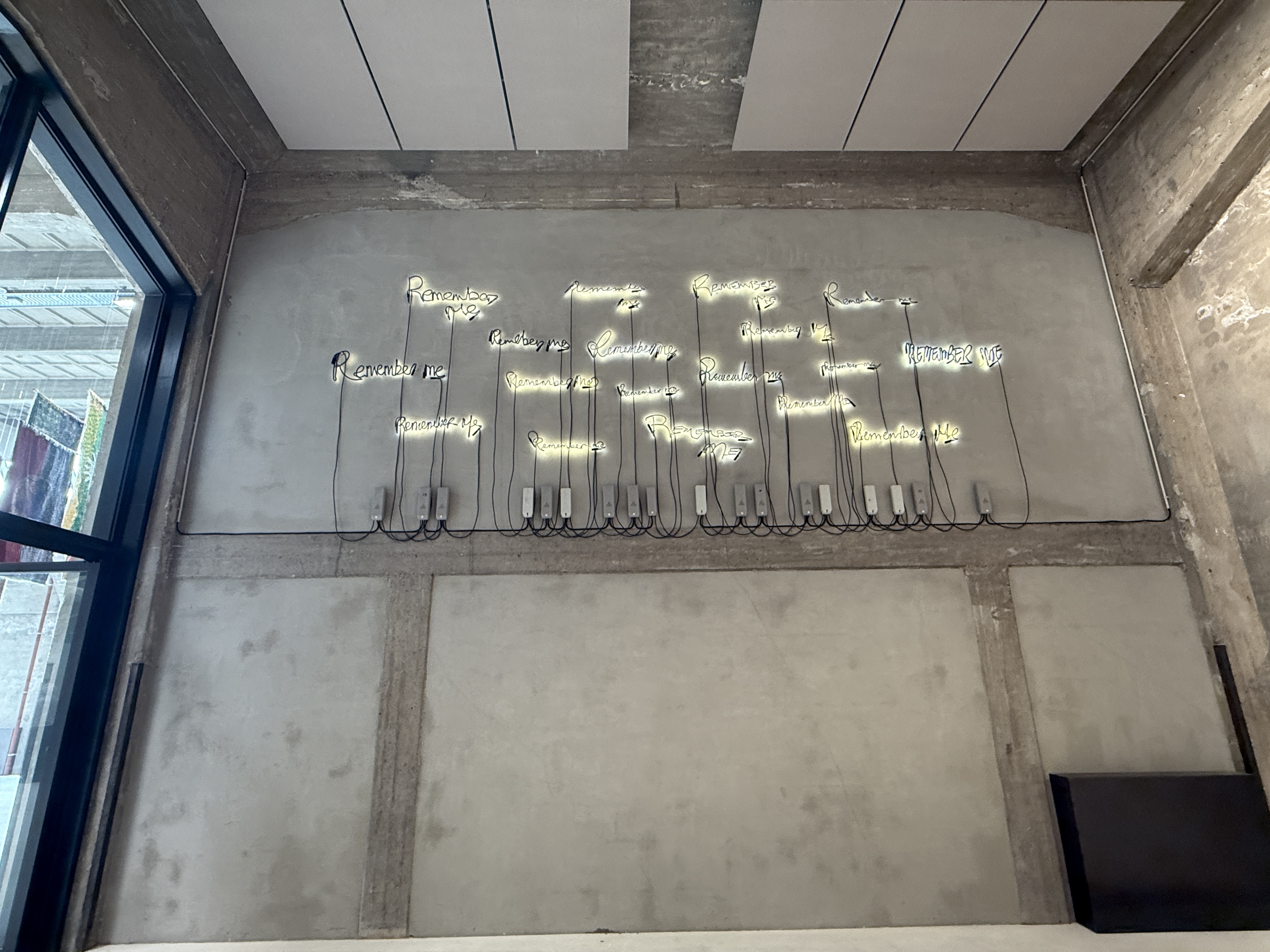
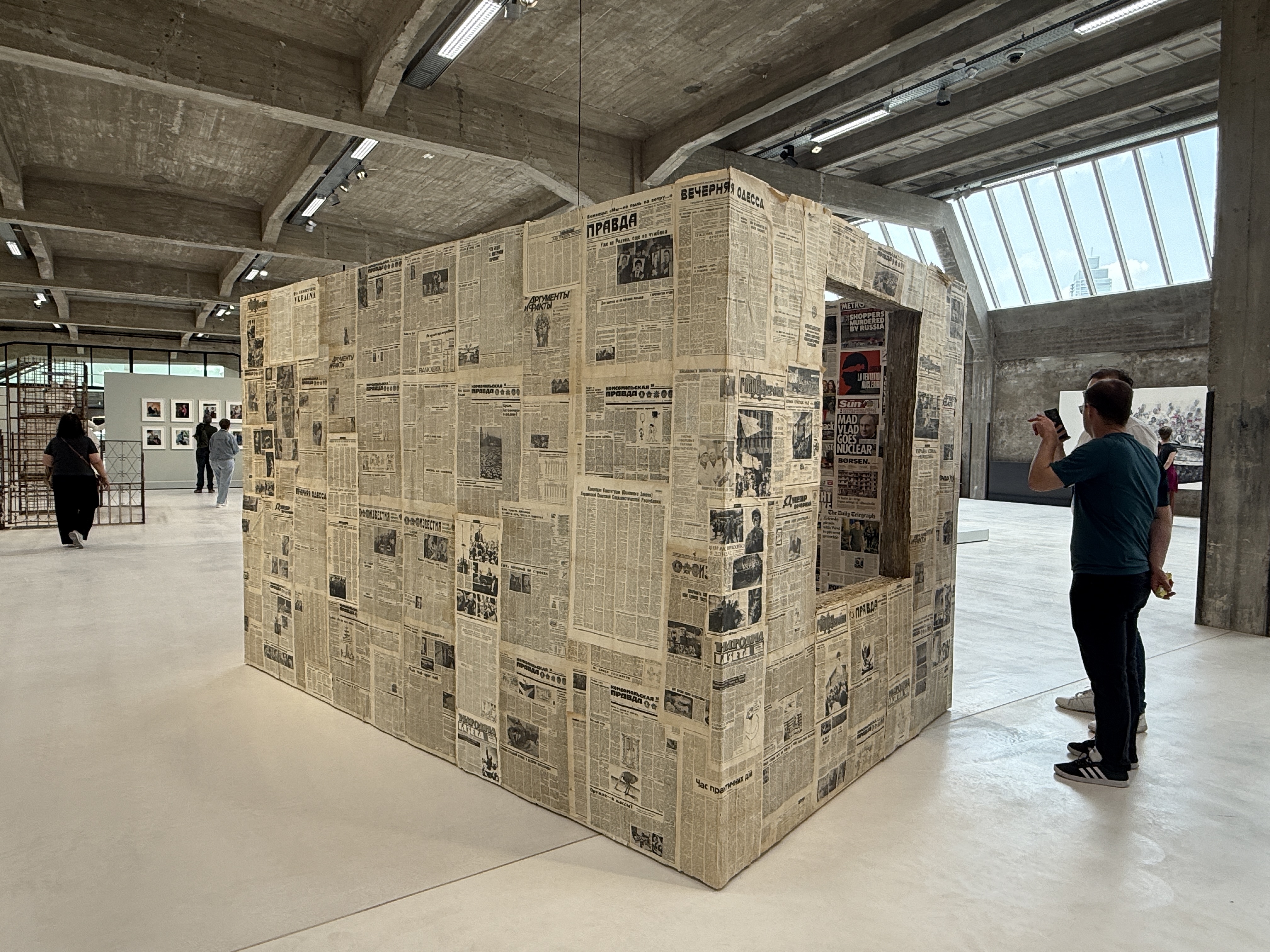

The Art Collection of FENIX – Tracing Migration Through Objects and Images
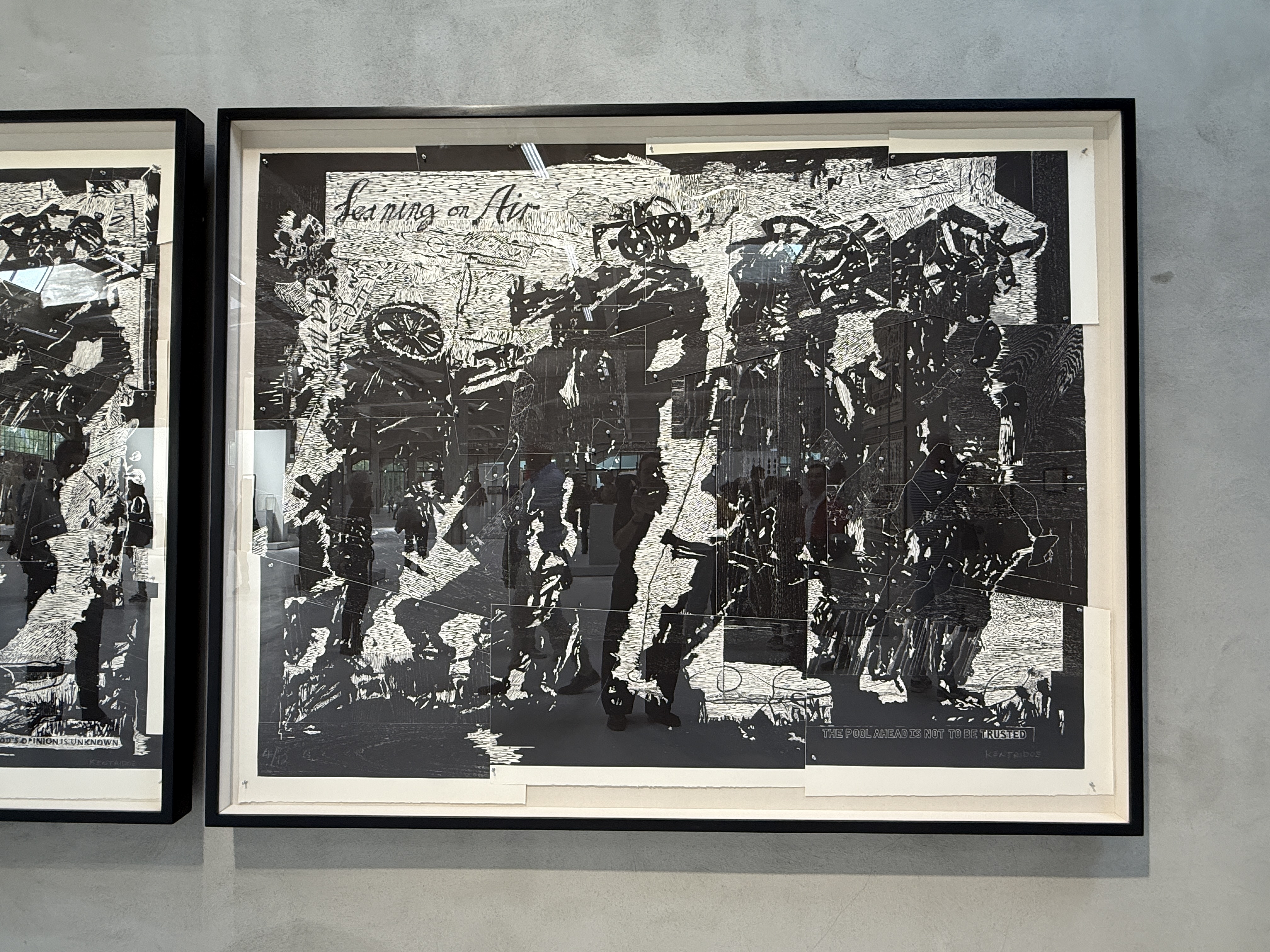
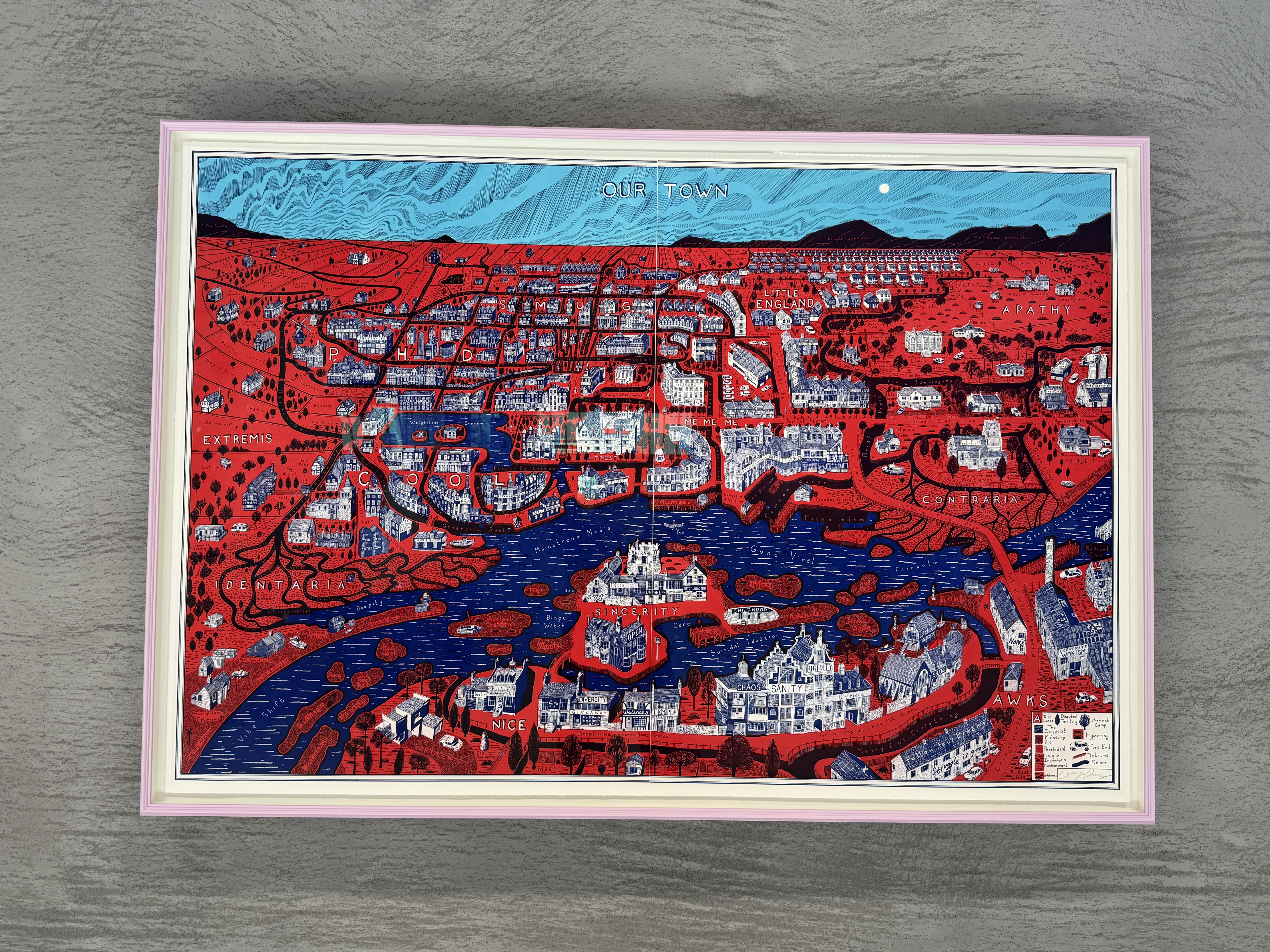
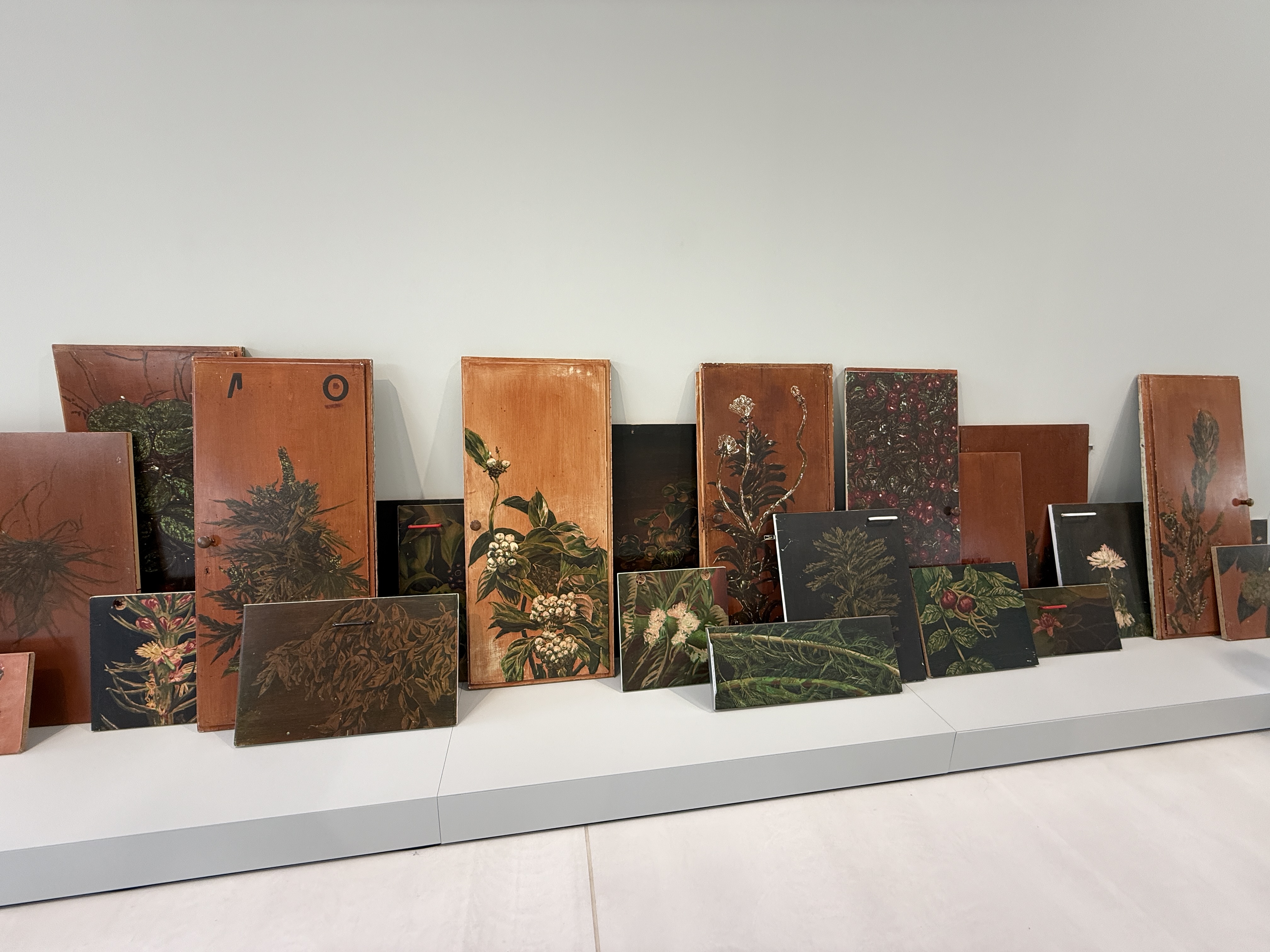
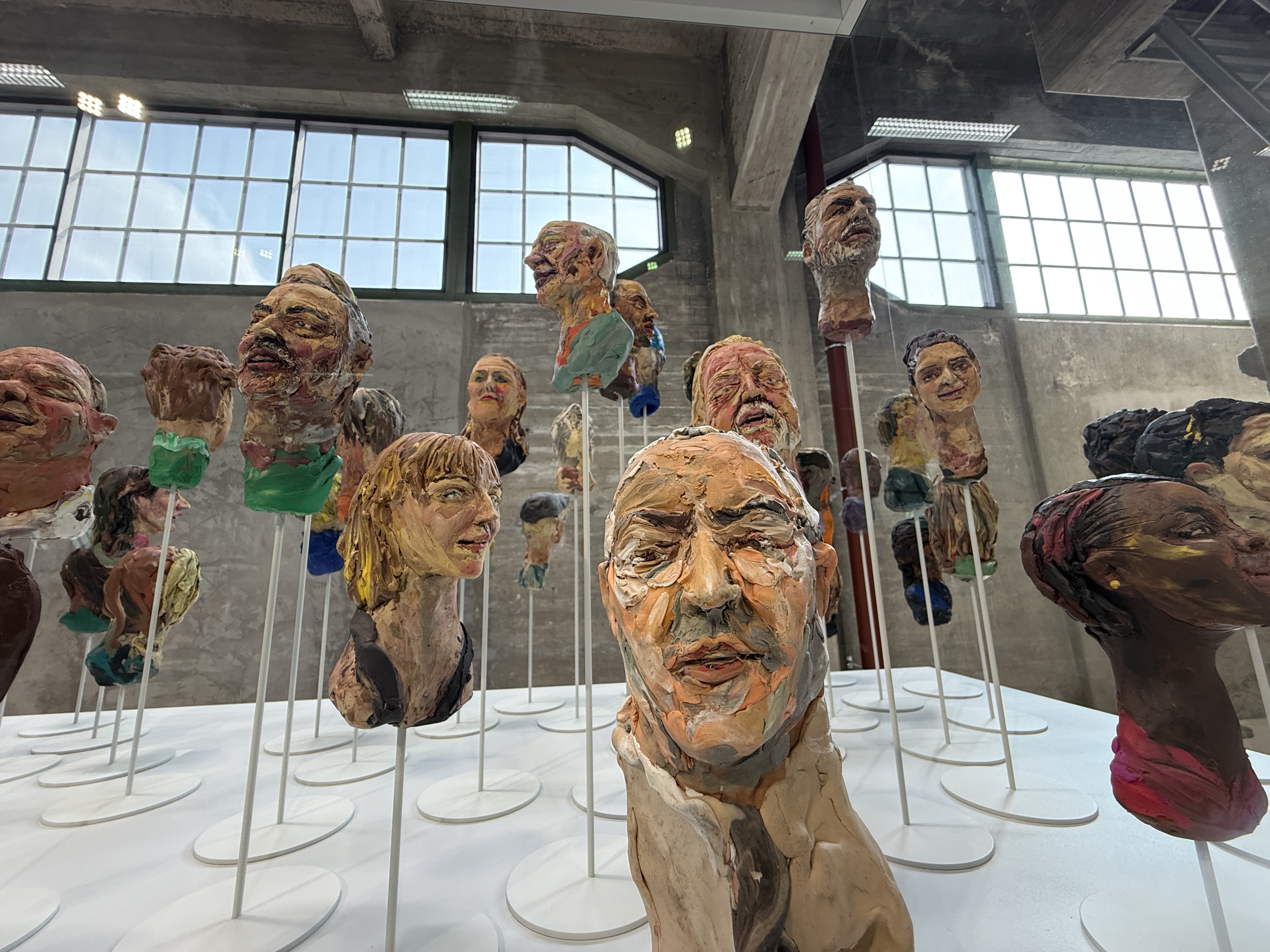
The art collection at FENIX weaves personal memory with global history. Through contemporary artworks, archival photographs, everyday objects, and immersive installations, the collection tells stories of migration—voluntary and forced, historical and ongoing. Each piece is a fragment of a larger mosaic: a suitcase, a letter, a portrait, a sound. Together, they form a polyphonic narrative of departure, longing, resilience, and belonging. In this space, art does not illustrate history—it activates it. Visitors are invited not just to look, but to connect: to find echoes of their own journeys, or to imagine those of others. The collection is a living archive, constantly growing—like the city itself.

Positioned at the historical migration quay, FENIX’s architecture speaks of movement—of thousands who once left here for other continents. The building stands as a vessel of stories.
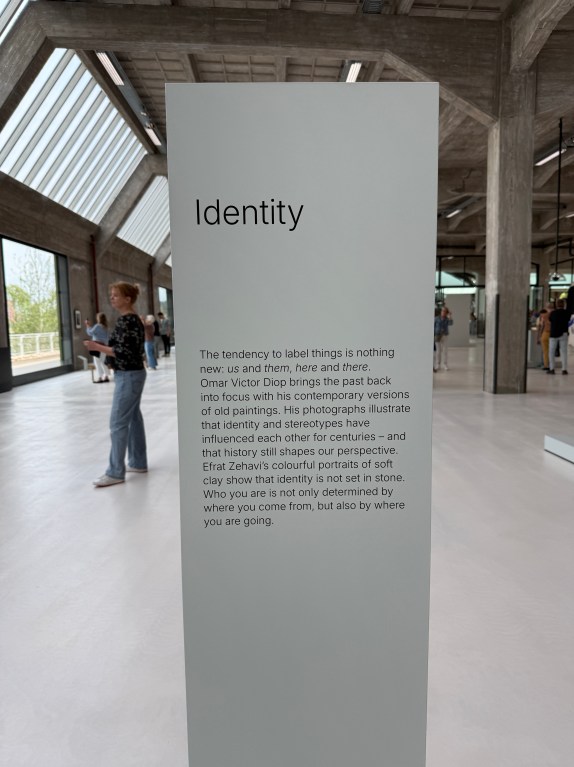
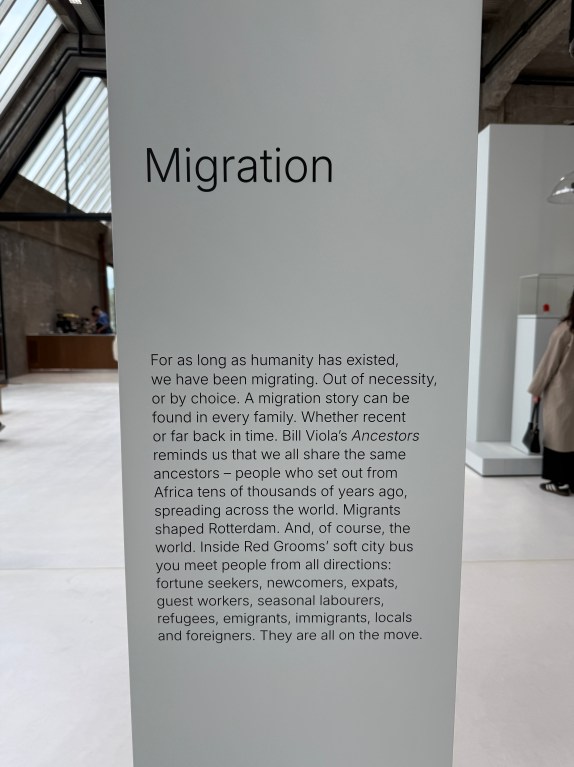
On the Edge of Departure
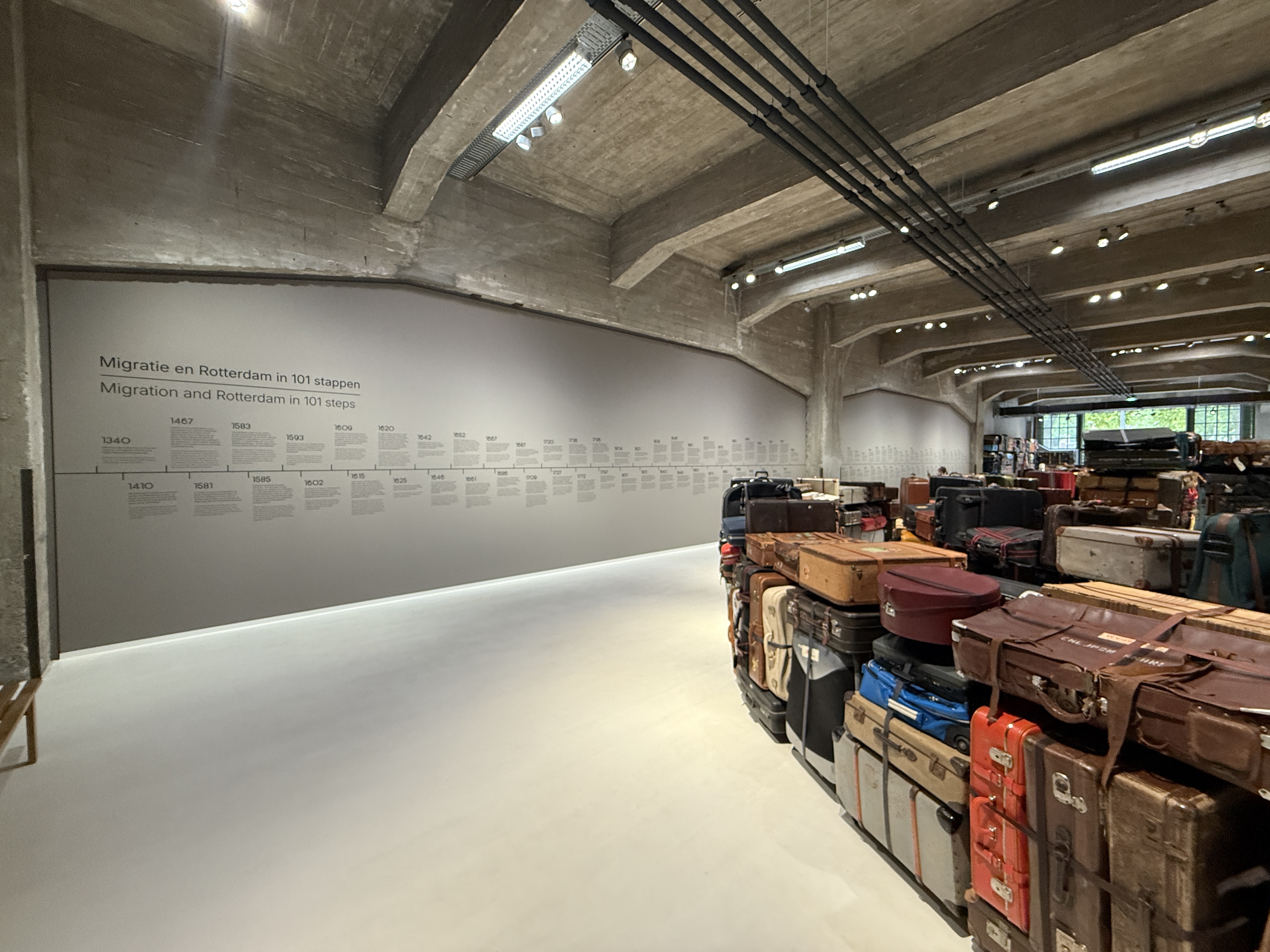
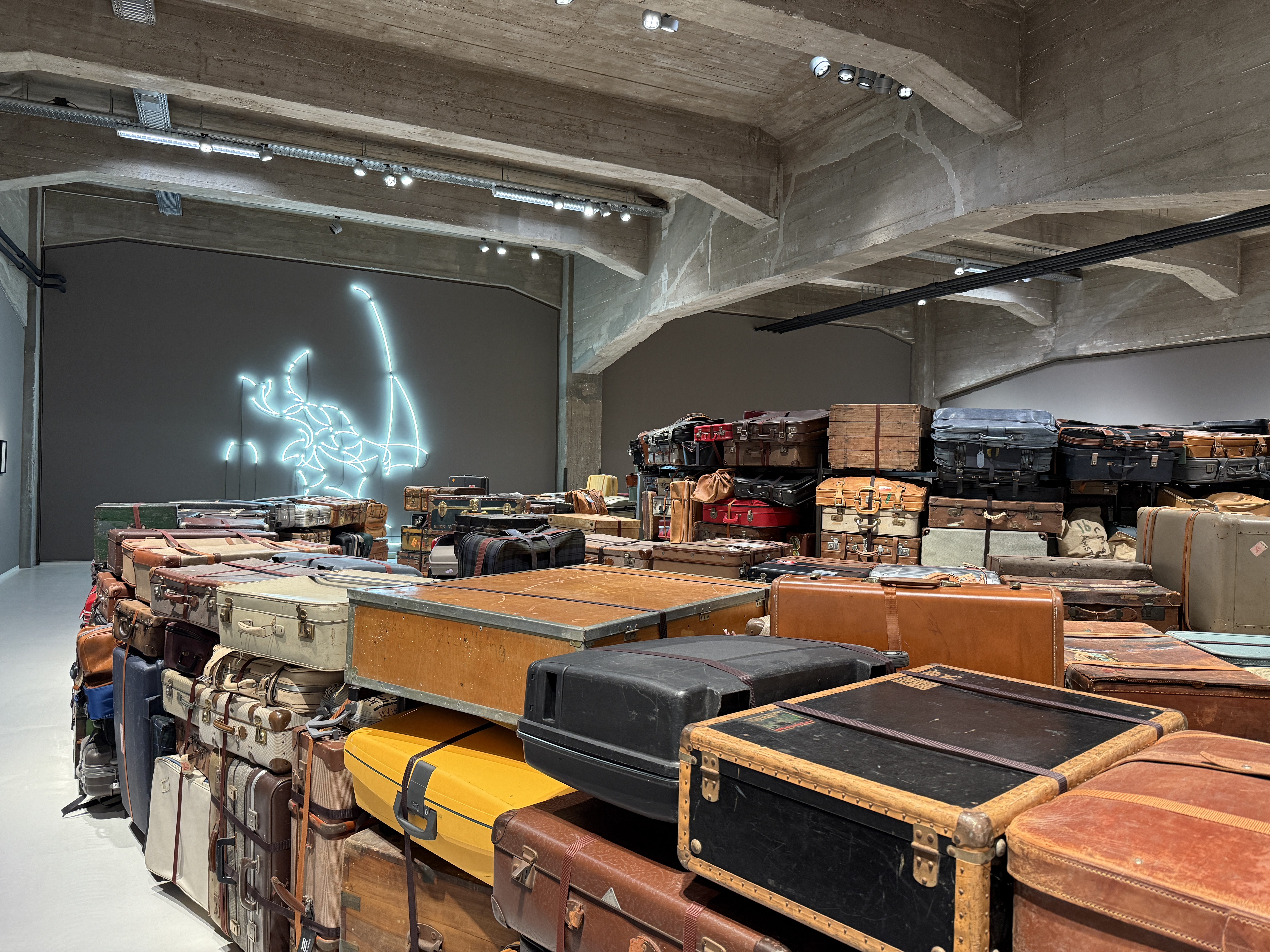

Sketching History into Form
Students respond to the spatial rhythm of FENIX with sketches that trace both structural lines and emotional resonances — capturing the tension between permanence and passage.
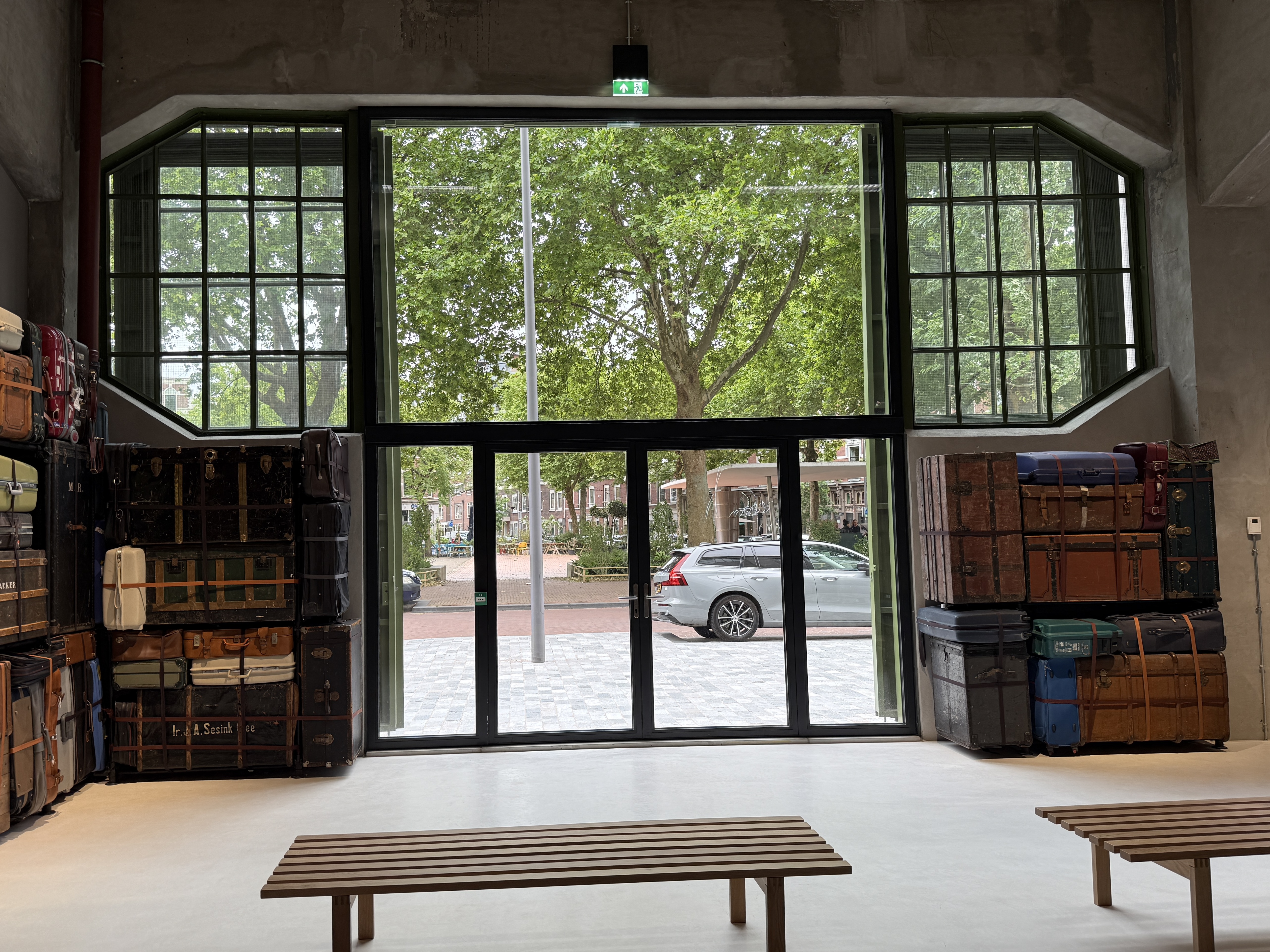
Windows on the World
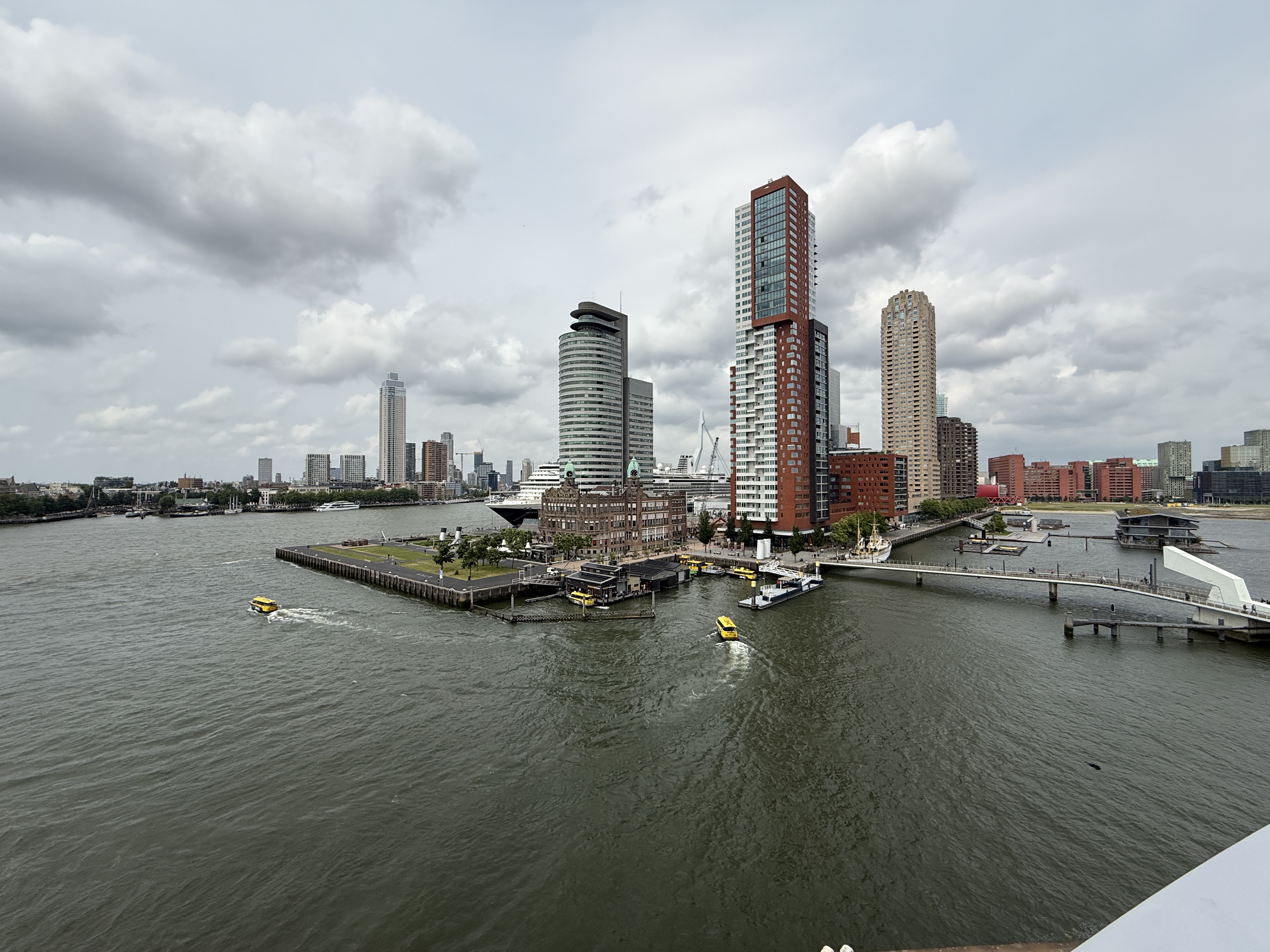
Large openings offer views onto the Maas river and the Rotterdam skyline—a reminder that this building once faced outward to the world, as the first step of many long journeys.
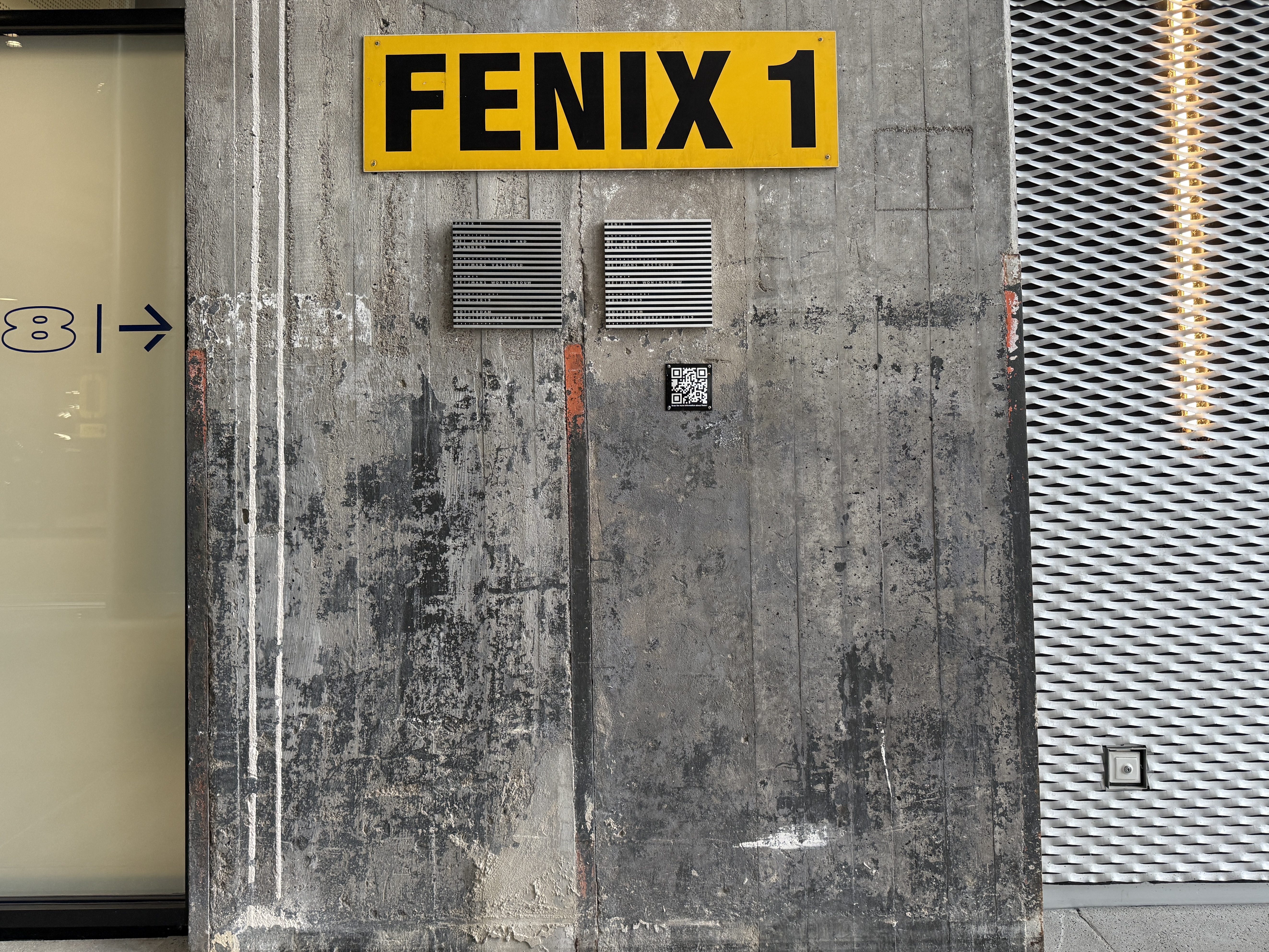
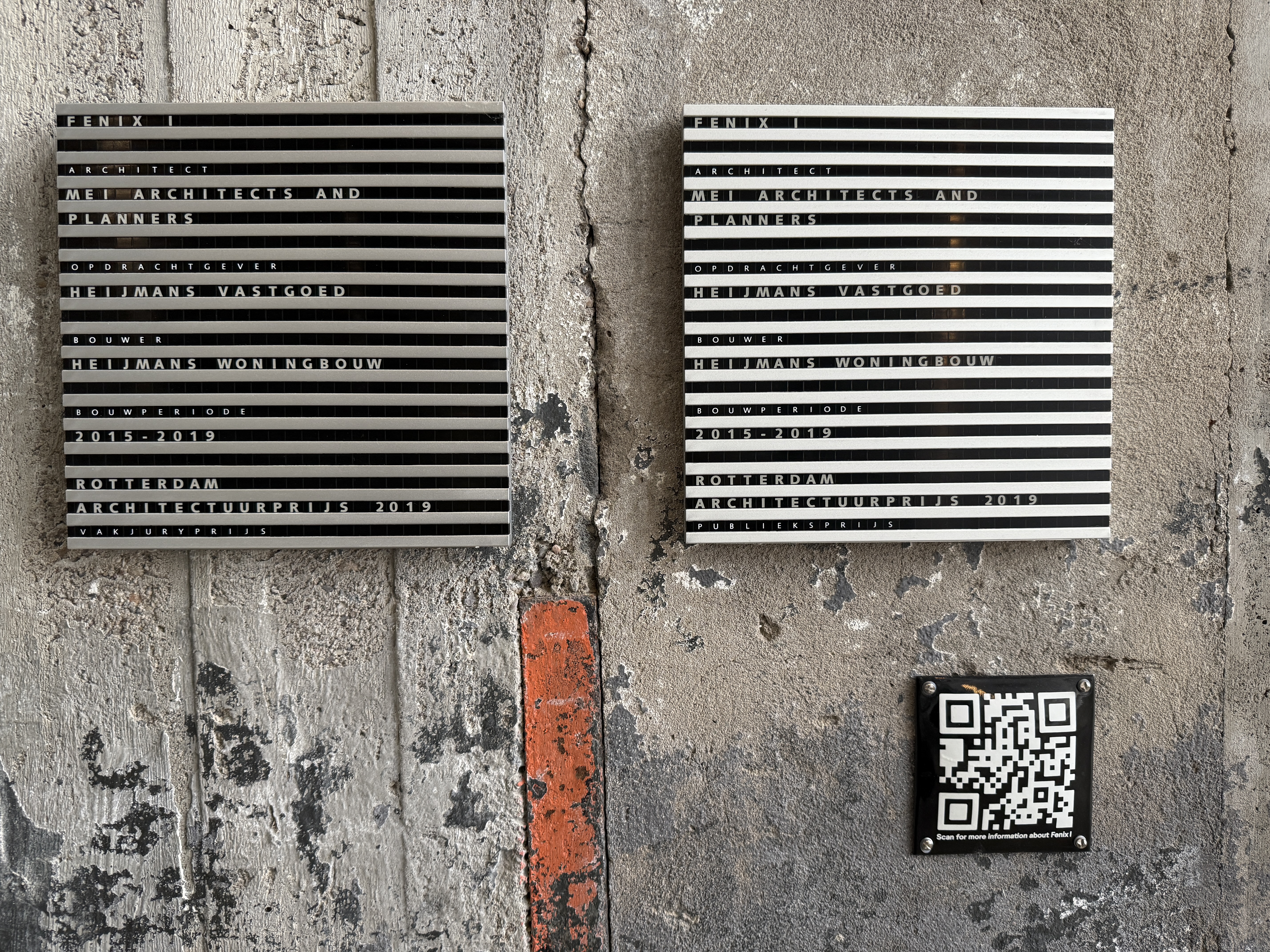
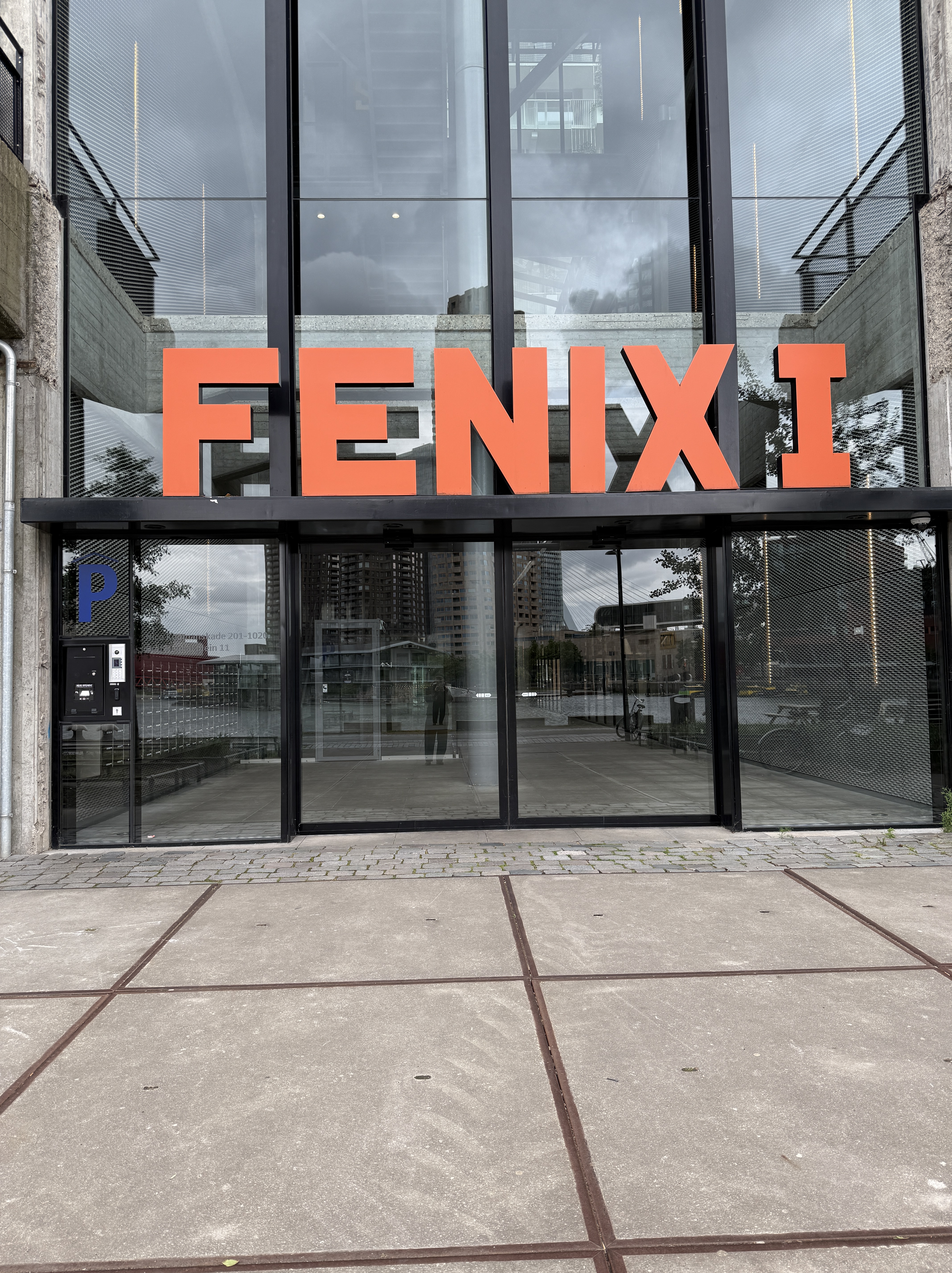
Fenix 1 Fenix I – Warehouse to Urban Catalyst
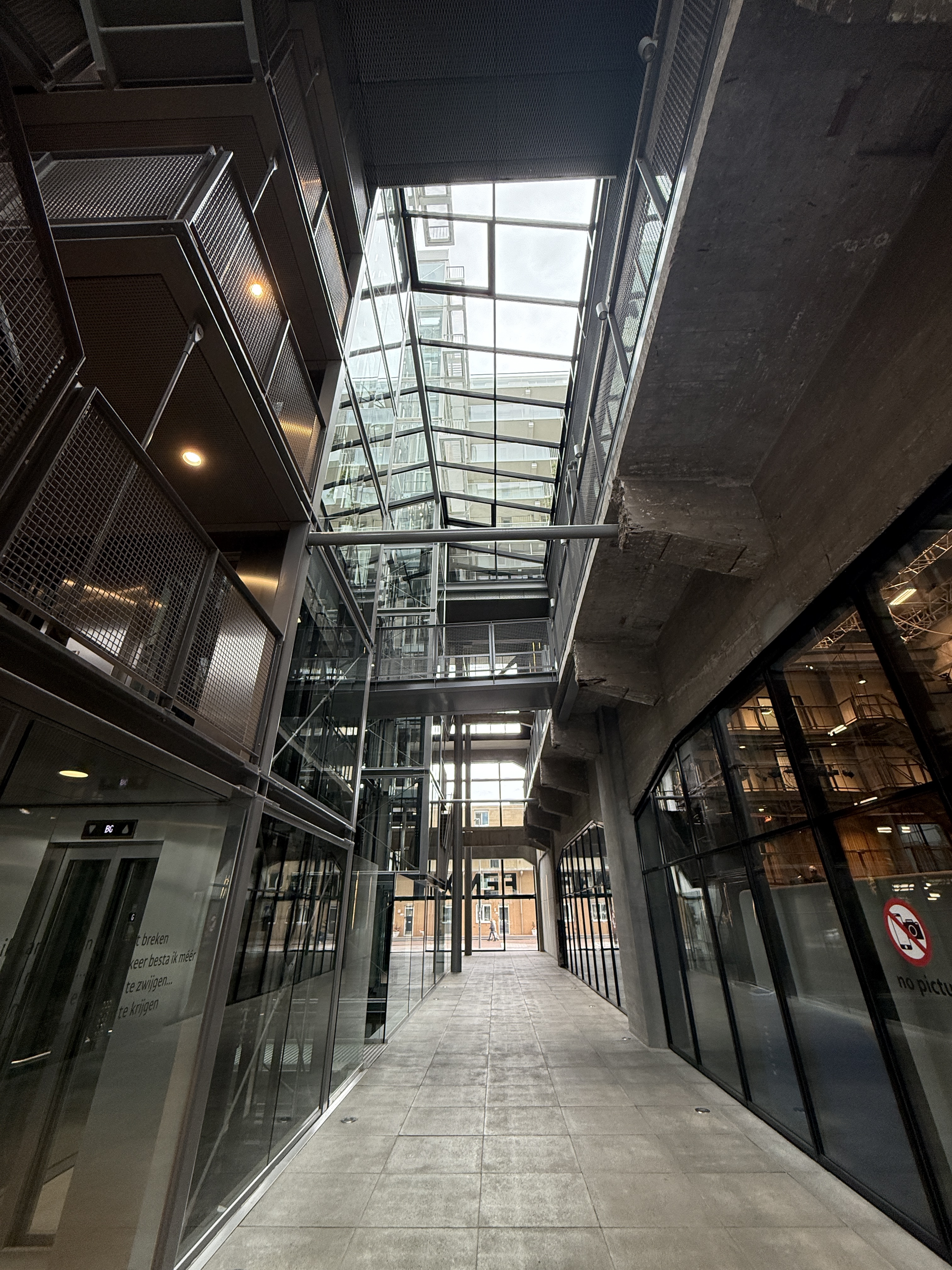
Once the San Francisco warehouse of the Holland-America Line—built in the 1920s and heavily damaged in WWII—Fenix I has been transformed into a vibrant mixed-use building that speaks of the past while shaping the future. A new residential volume floats above the original hall, supported by a striking steel “table” structure. This creates dramatic interior voids and a lush courtyard, marrying industrial heritage with contemporary living . At ground level, the building engages the city with an active plinth: a lively mix of cultural, culinary, and creative functions that animate the waterfront promenade world-architects.com. Inside, the steel-and-glass construction, including Swiss-engineered window systems, merges old and new in a technically sophisticated yet visually seamless dialogue .
Sustainability is integral: high reuse rates, green roofs, rainwater harvesting, and passive energy systems make Fenix I a forward-looking example of circular urban renewal




The Nieuwe Instituut
The Netherlands national museum for architecture, design and digital culture
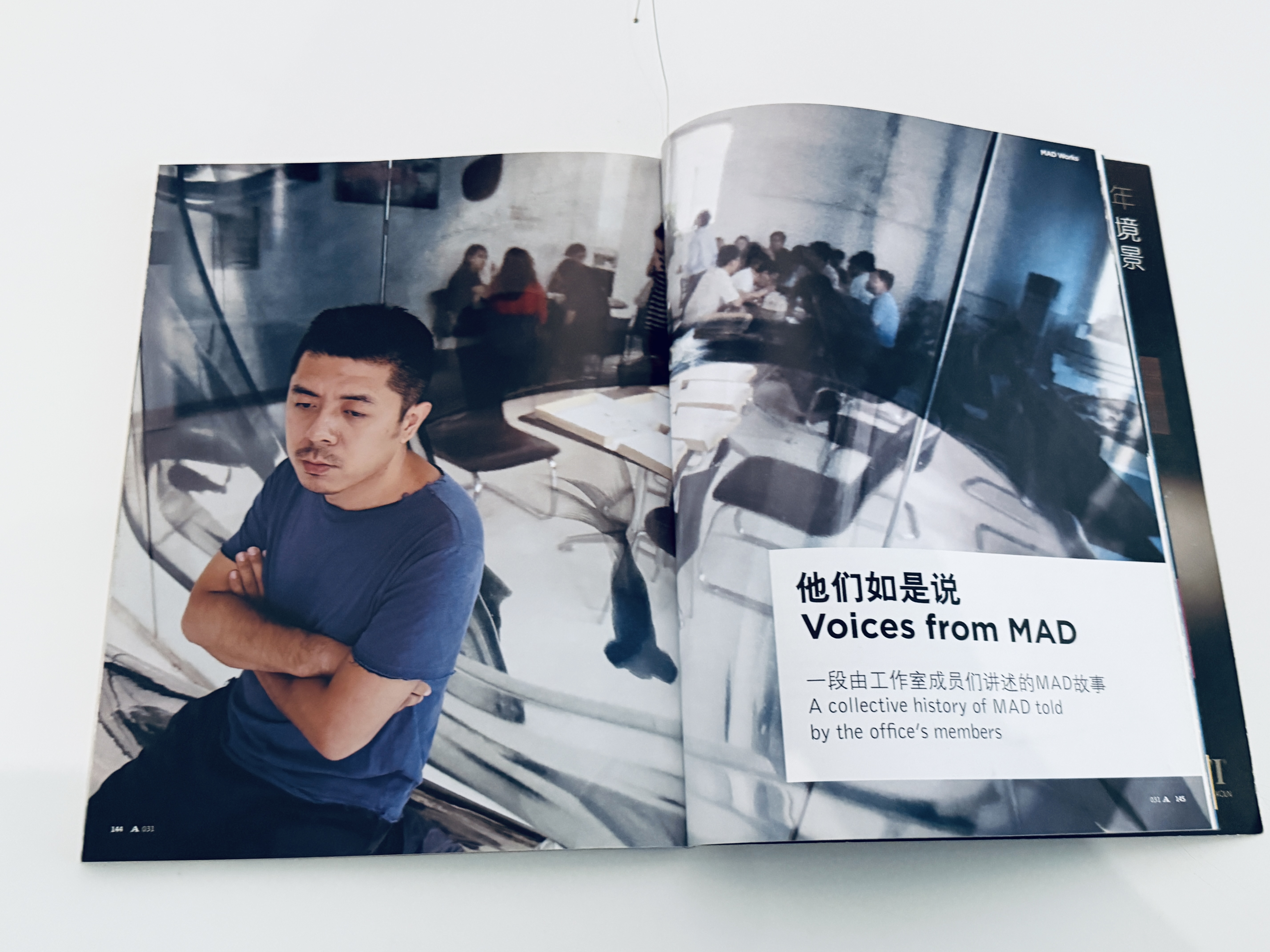
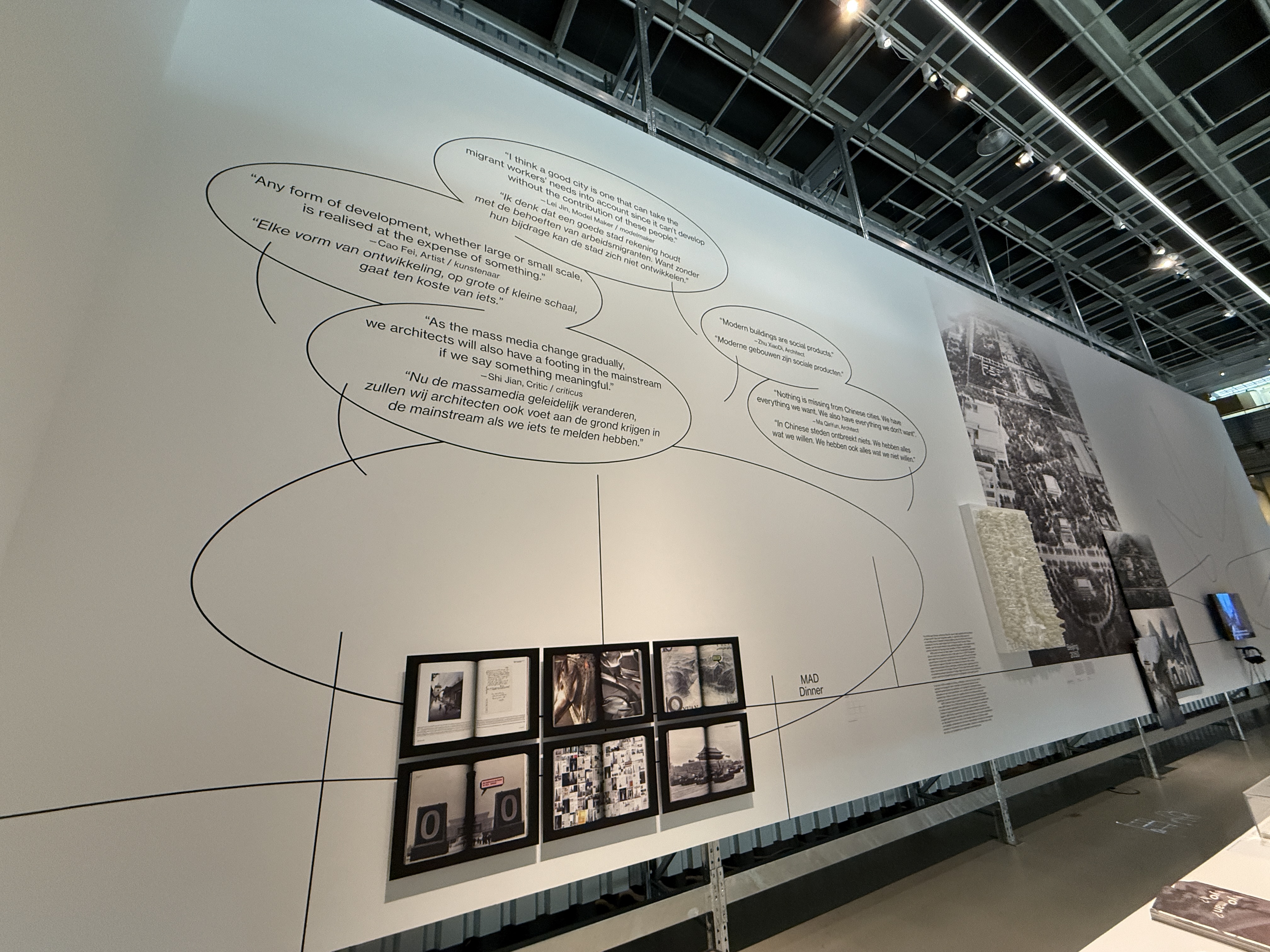
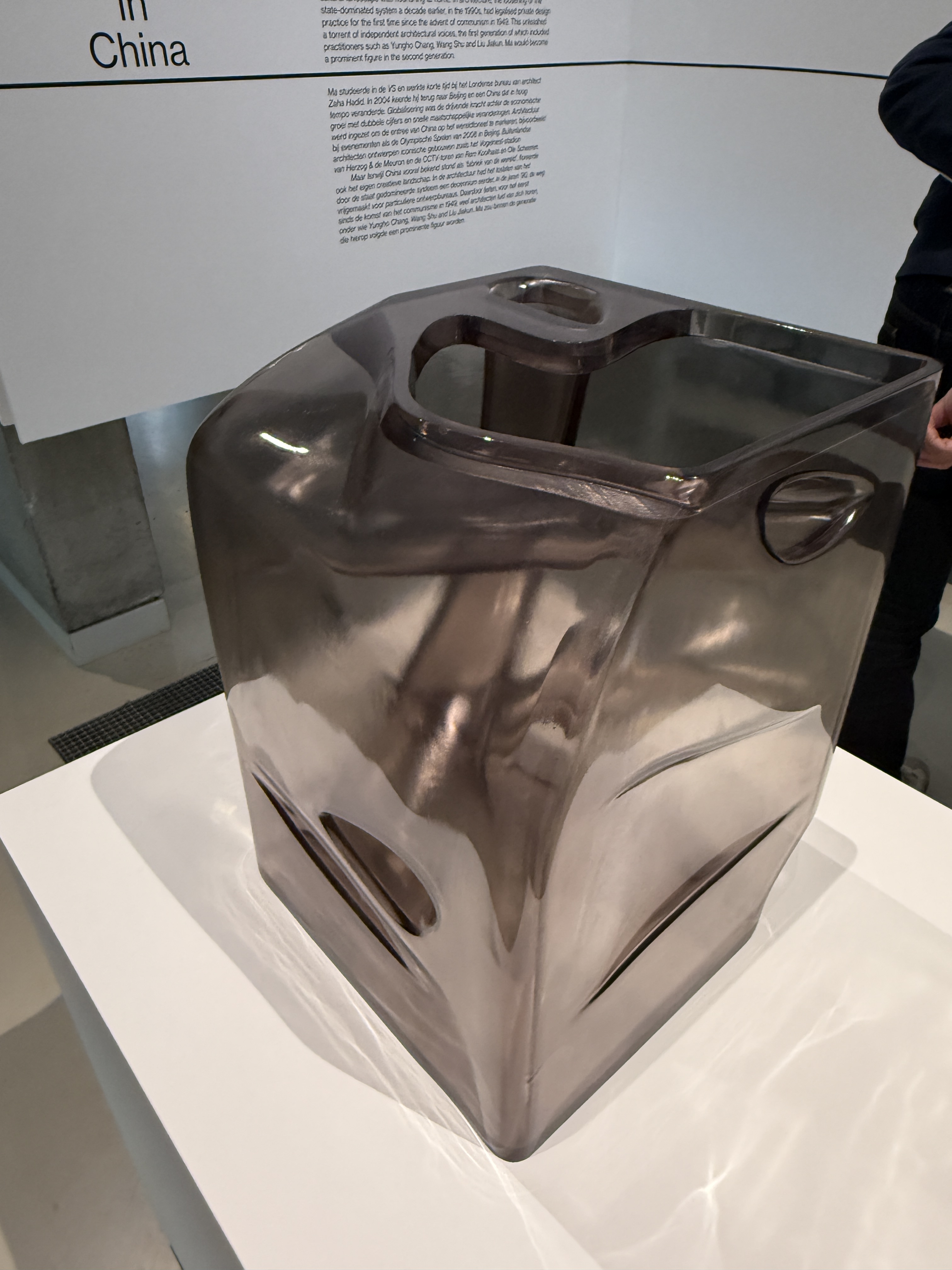
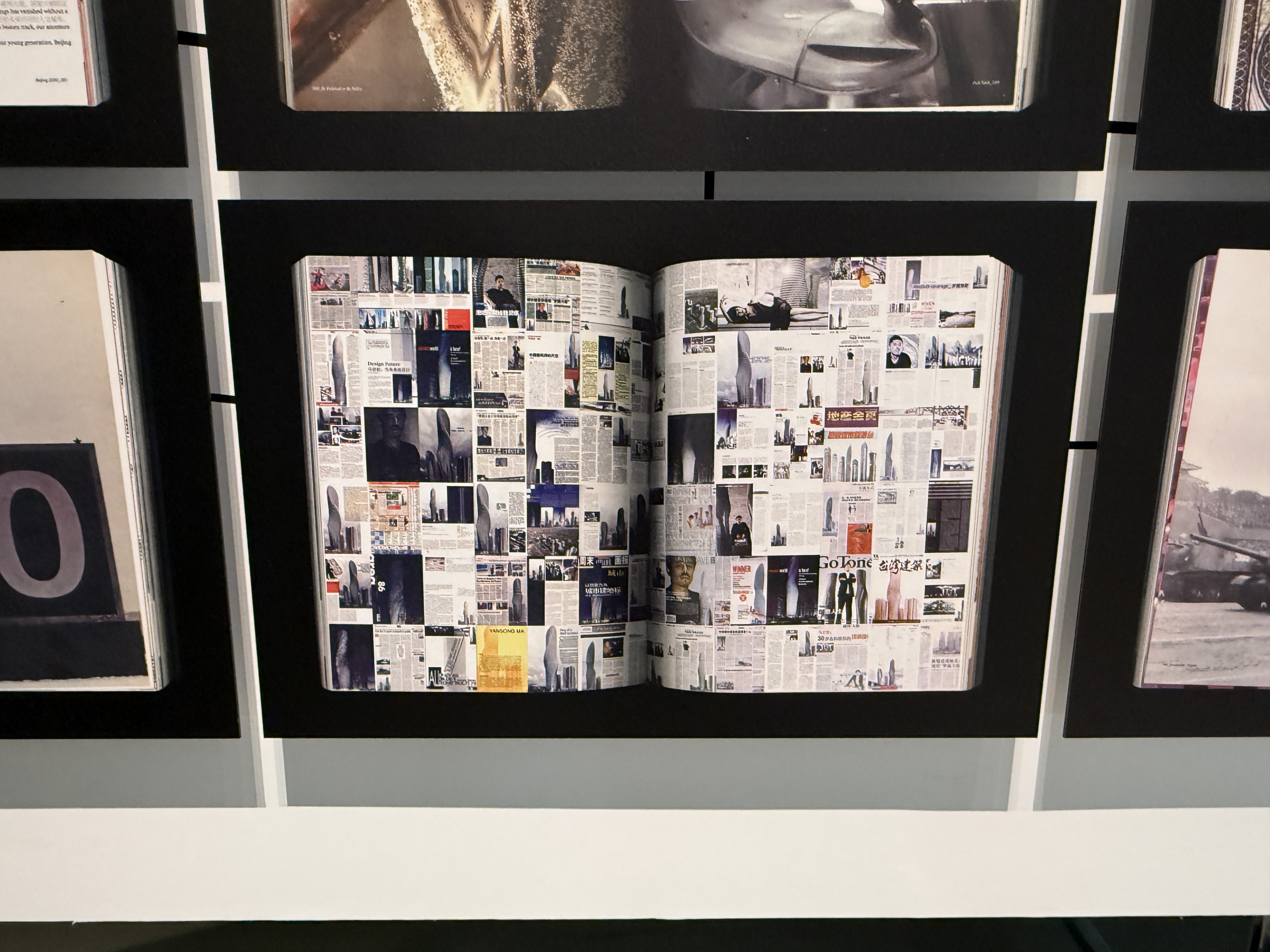
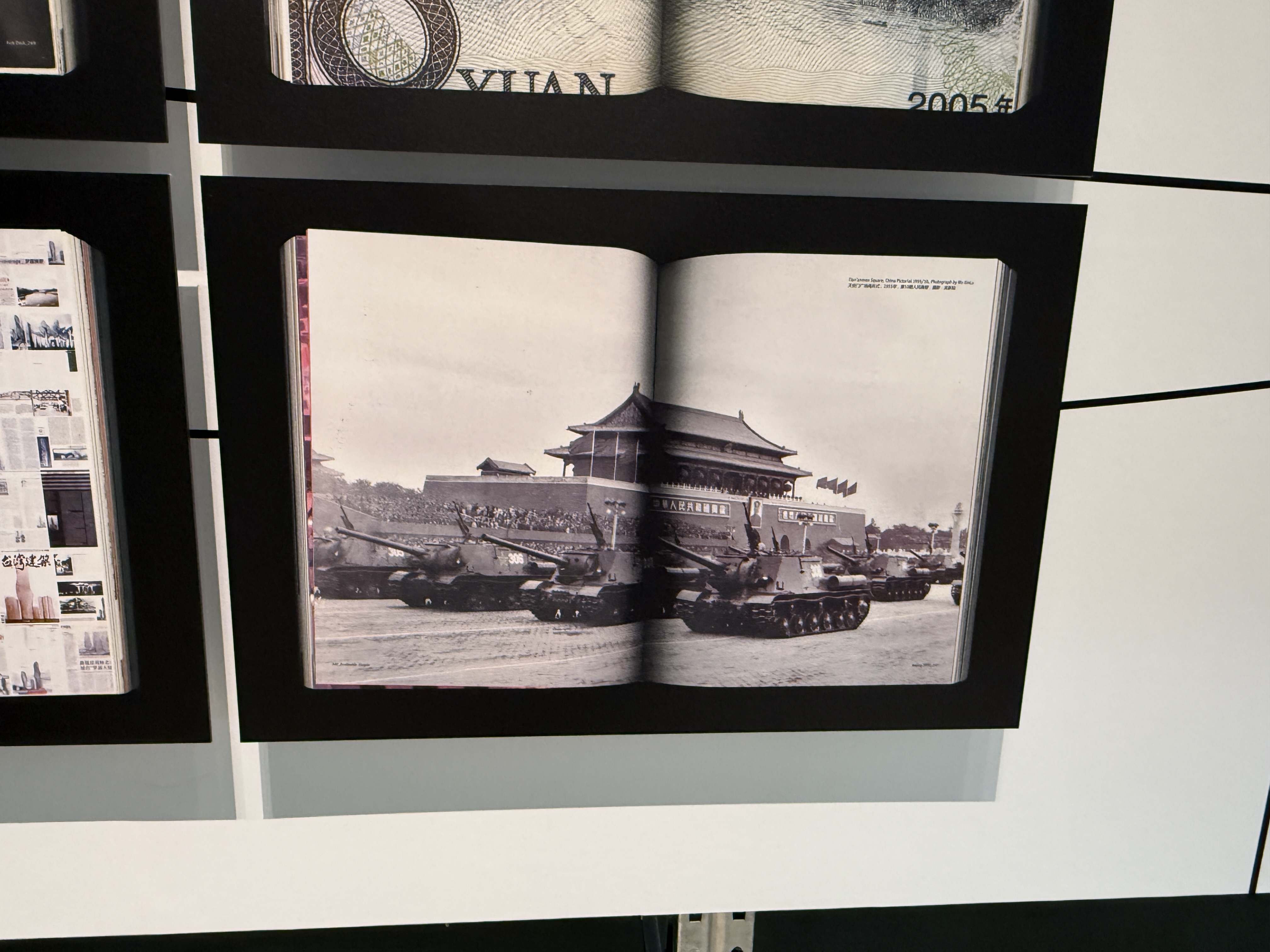
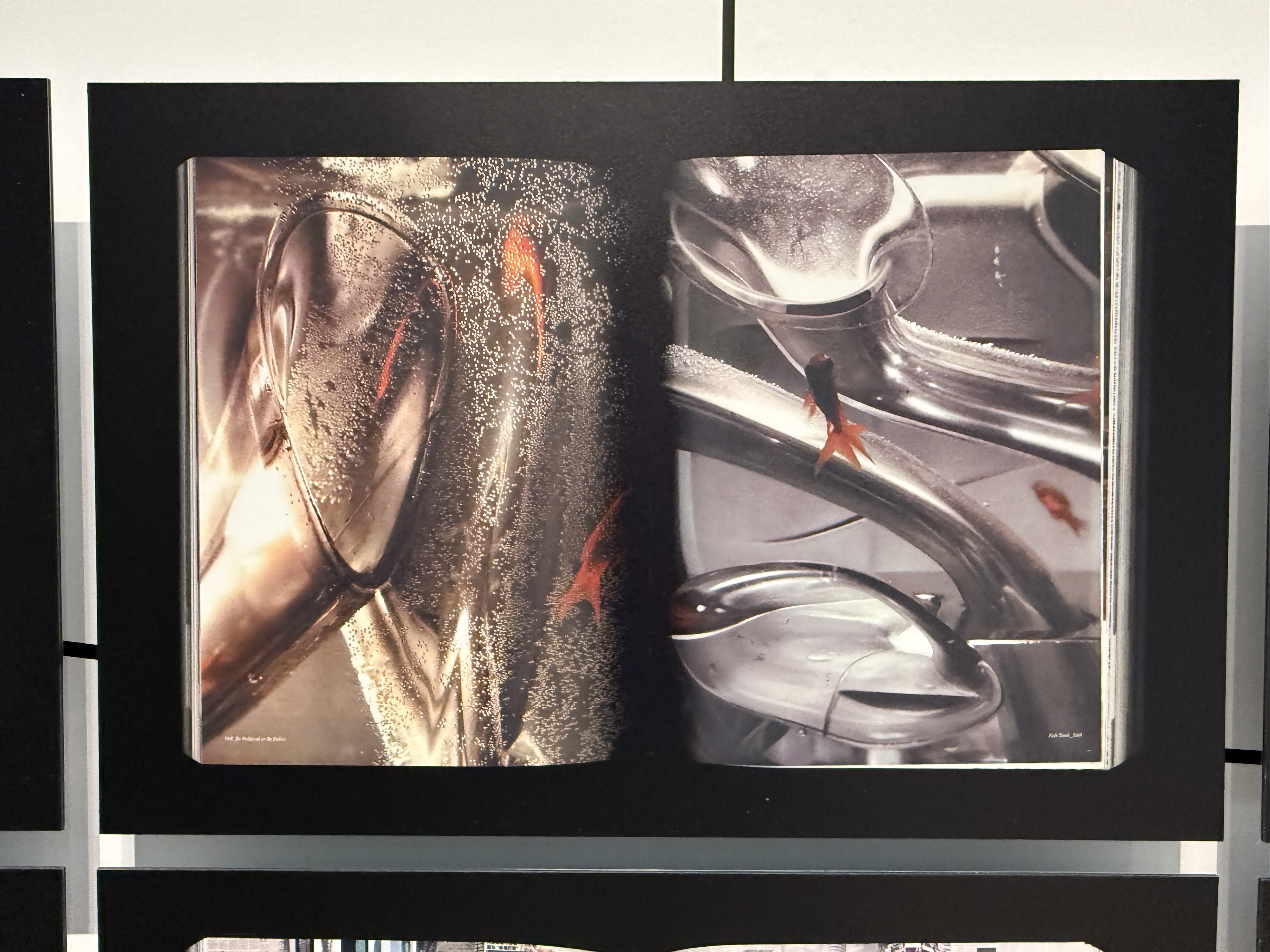
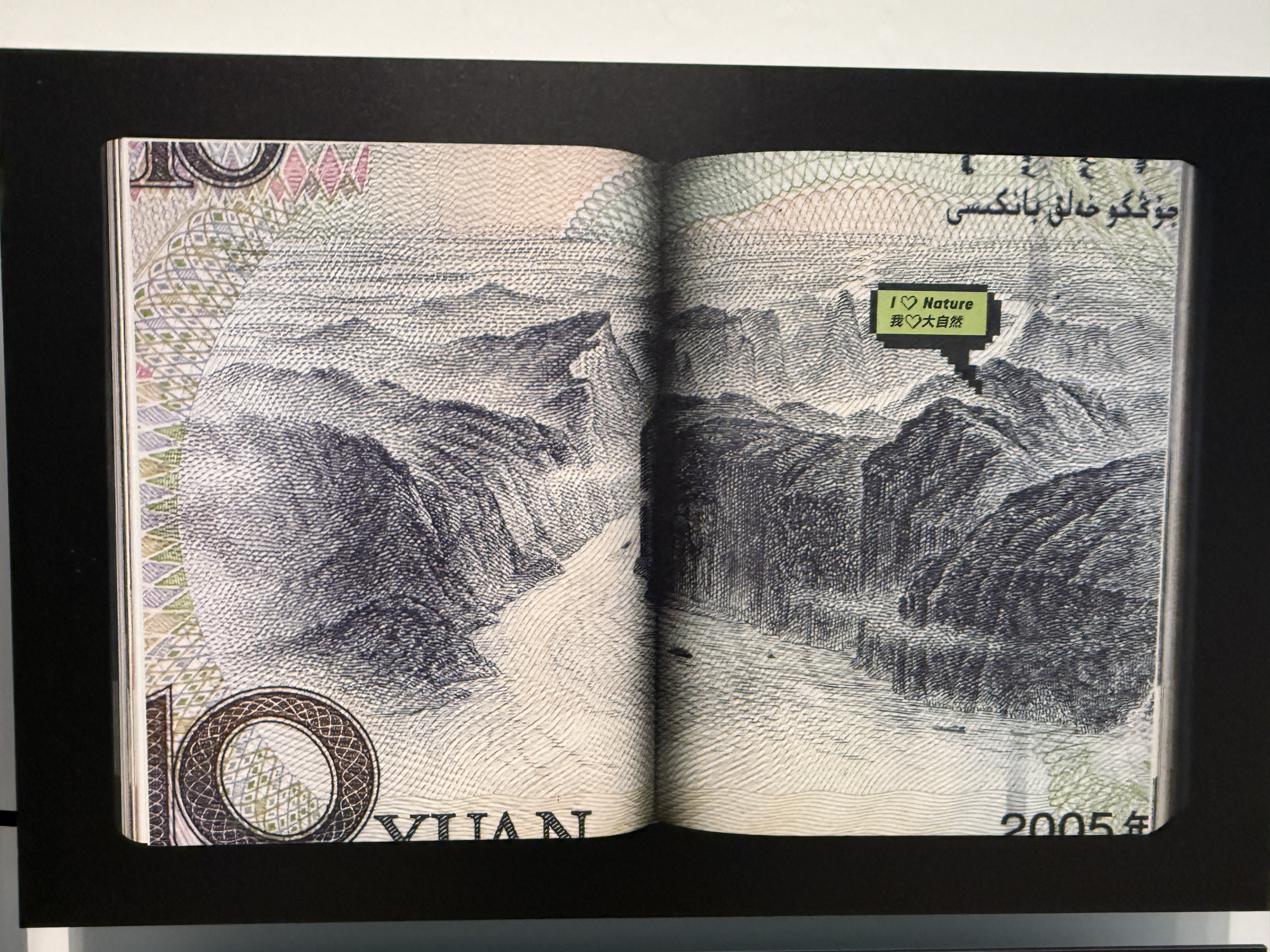
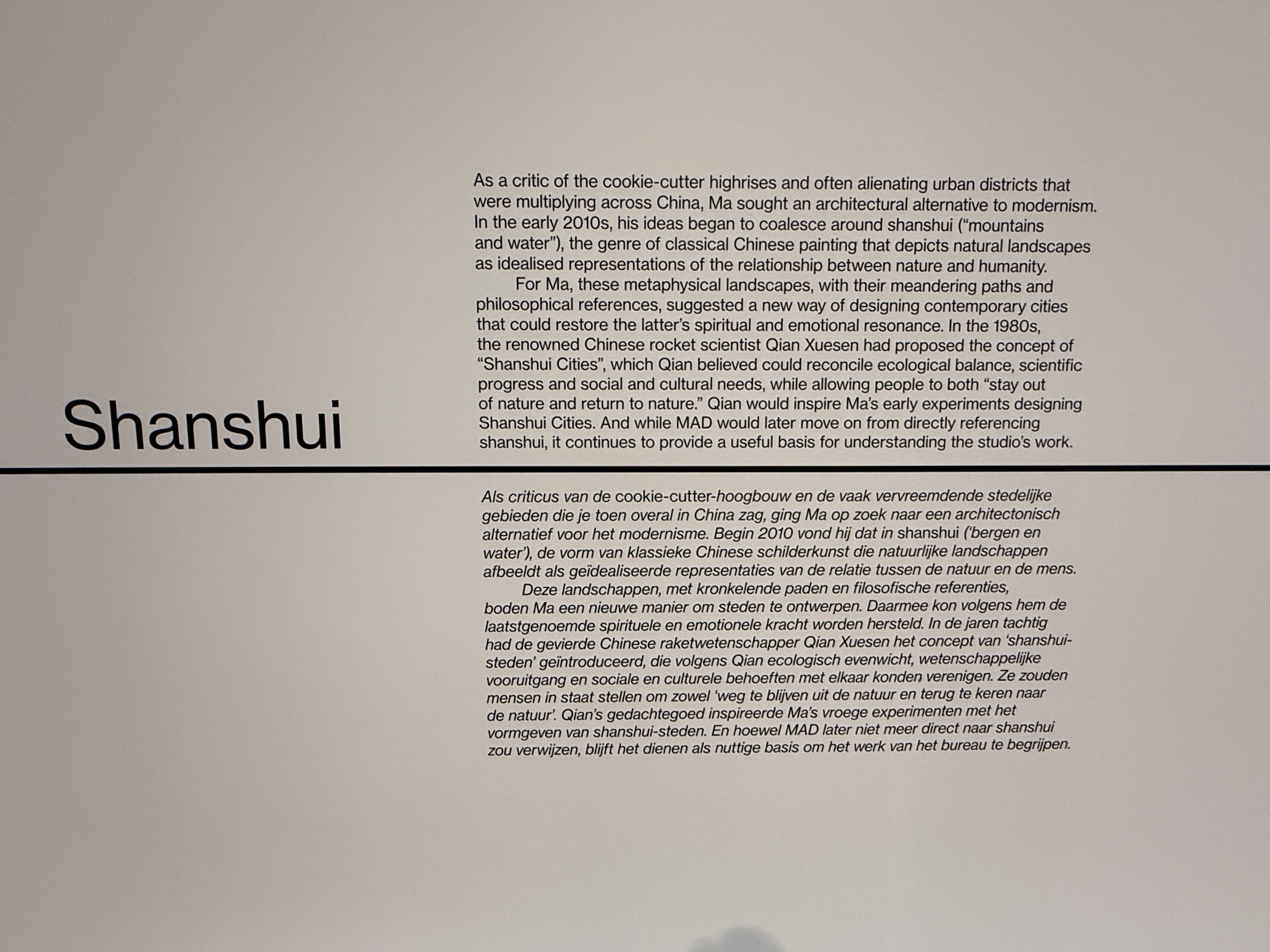
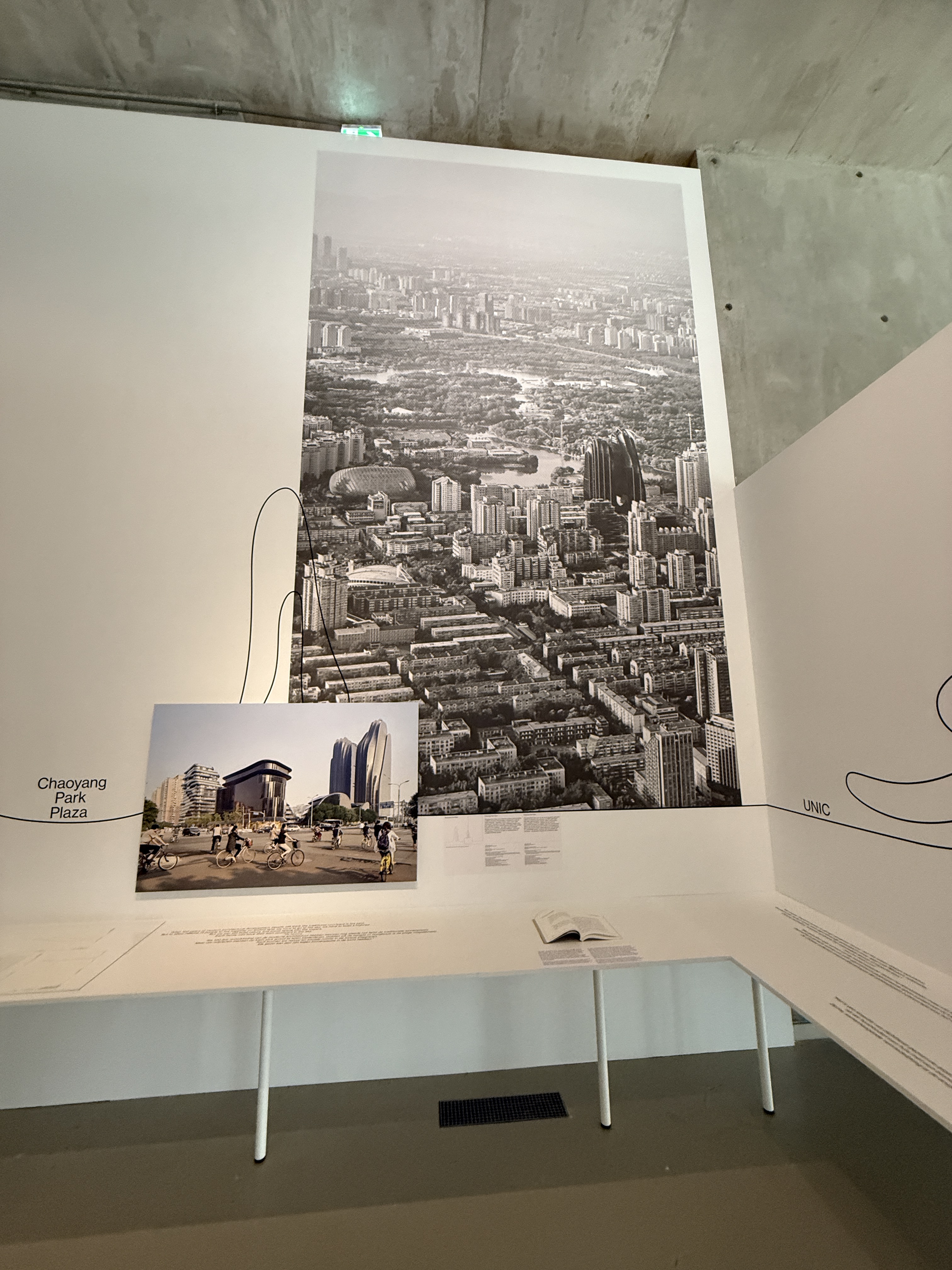
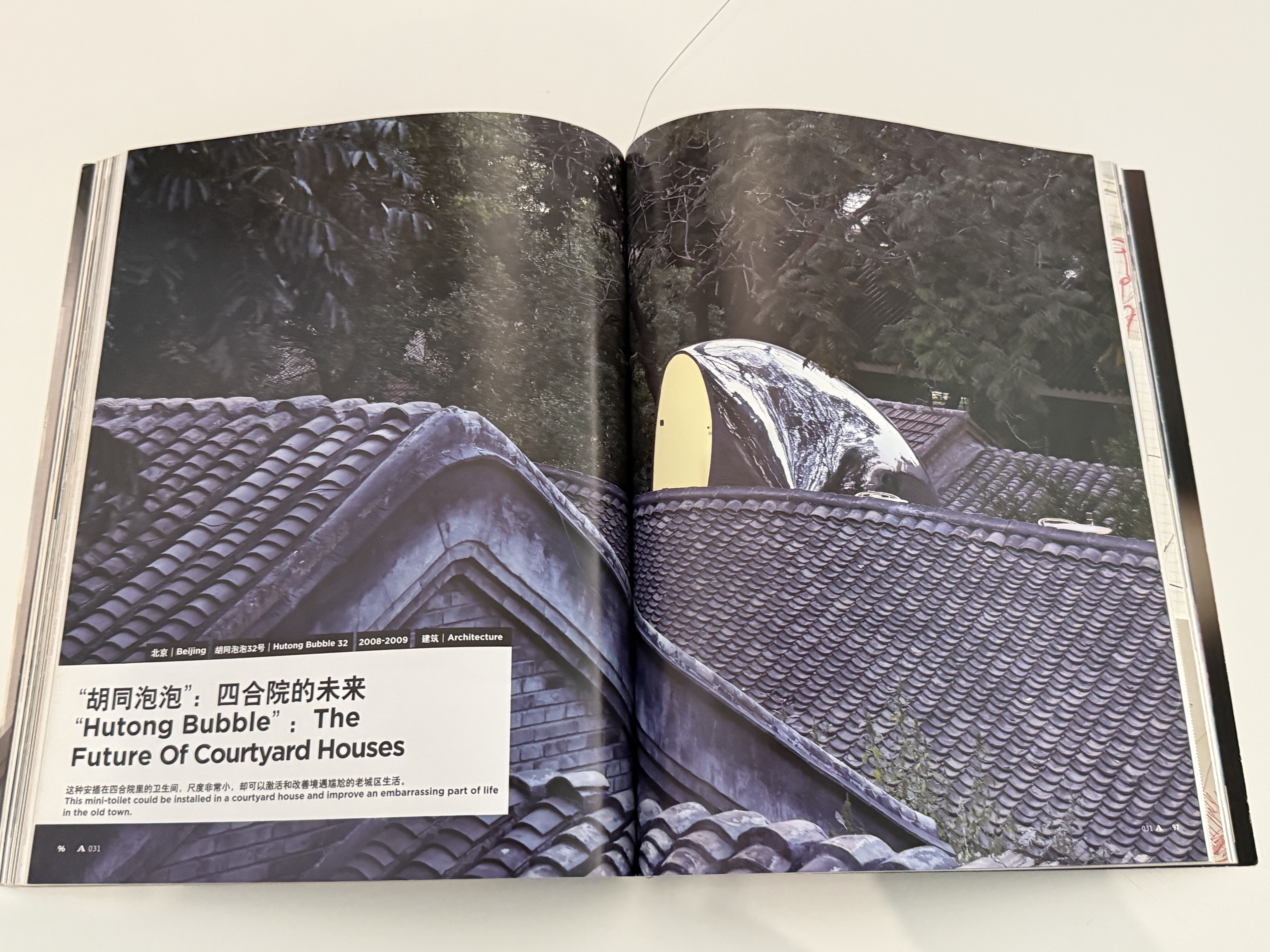
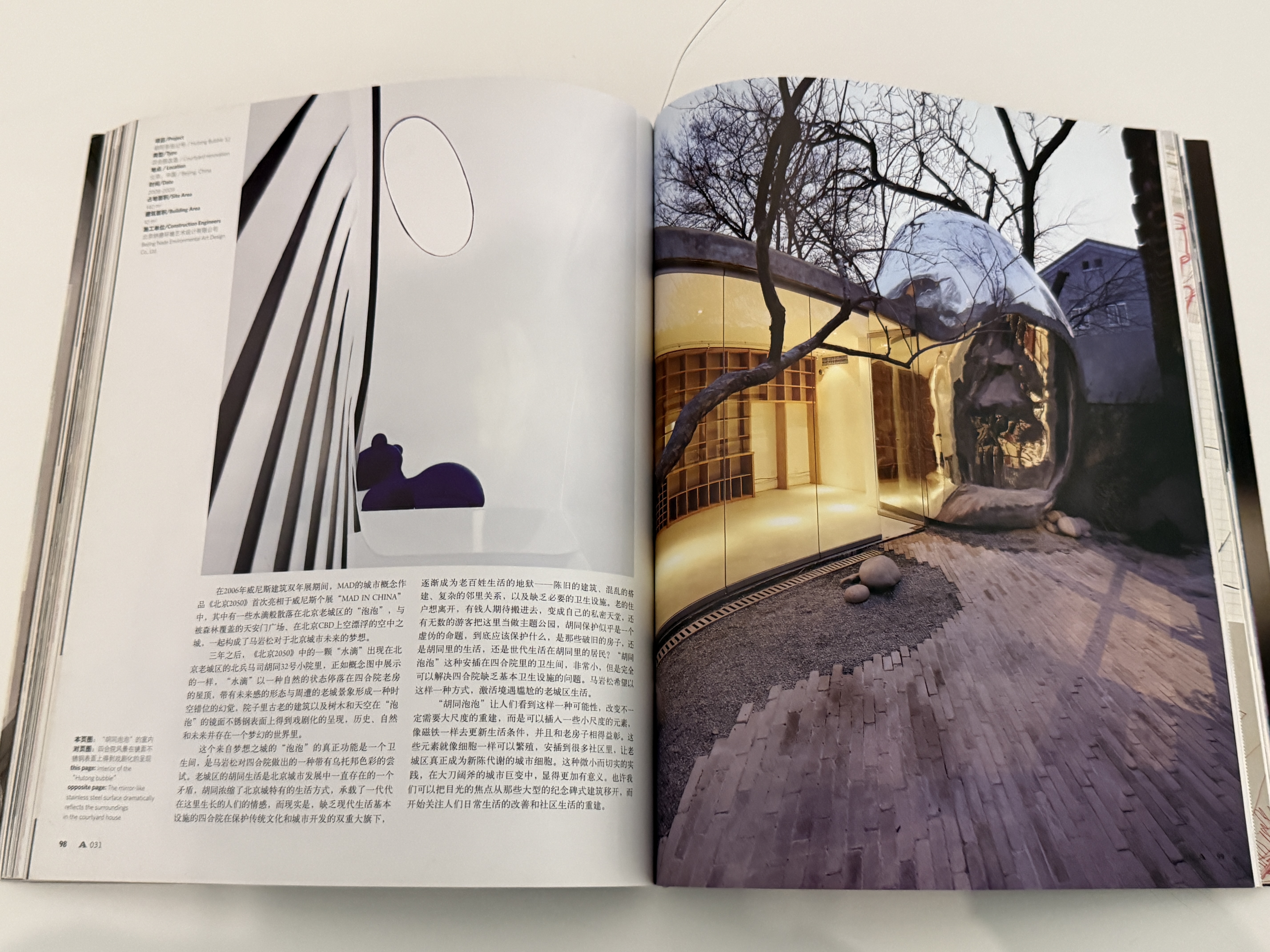
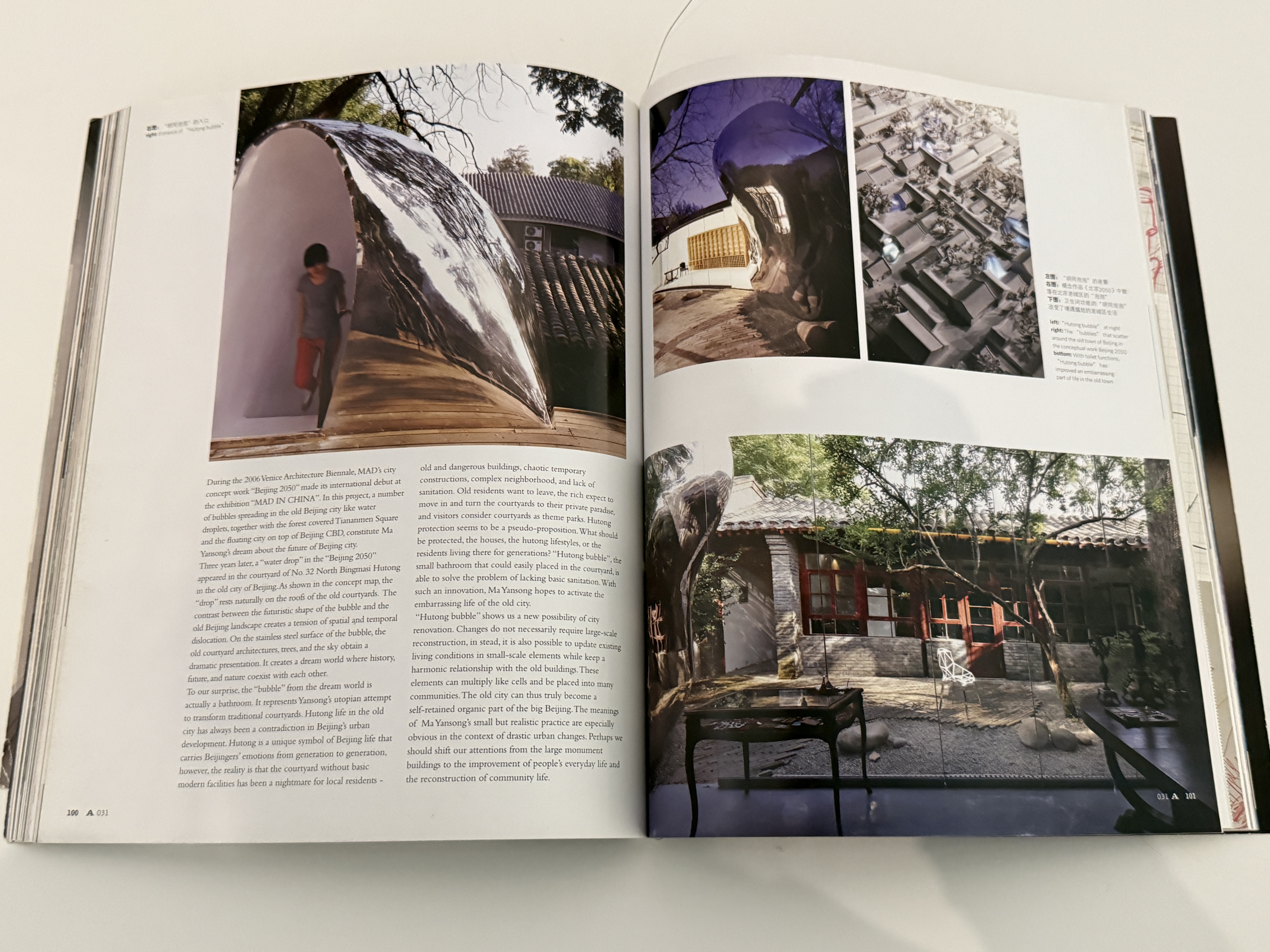
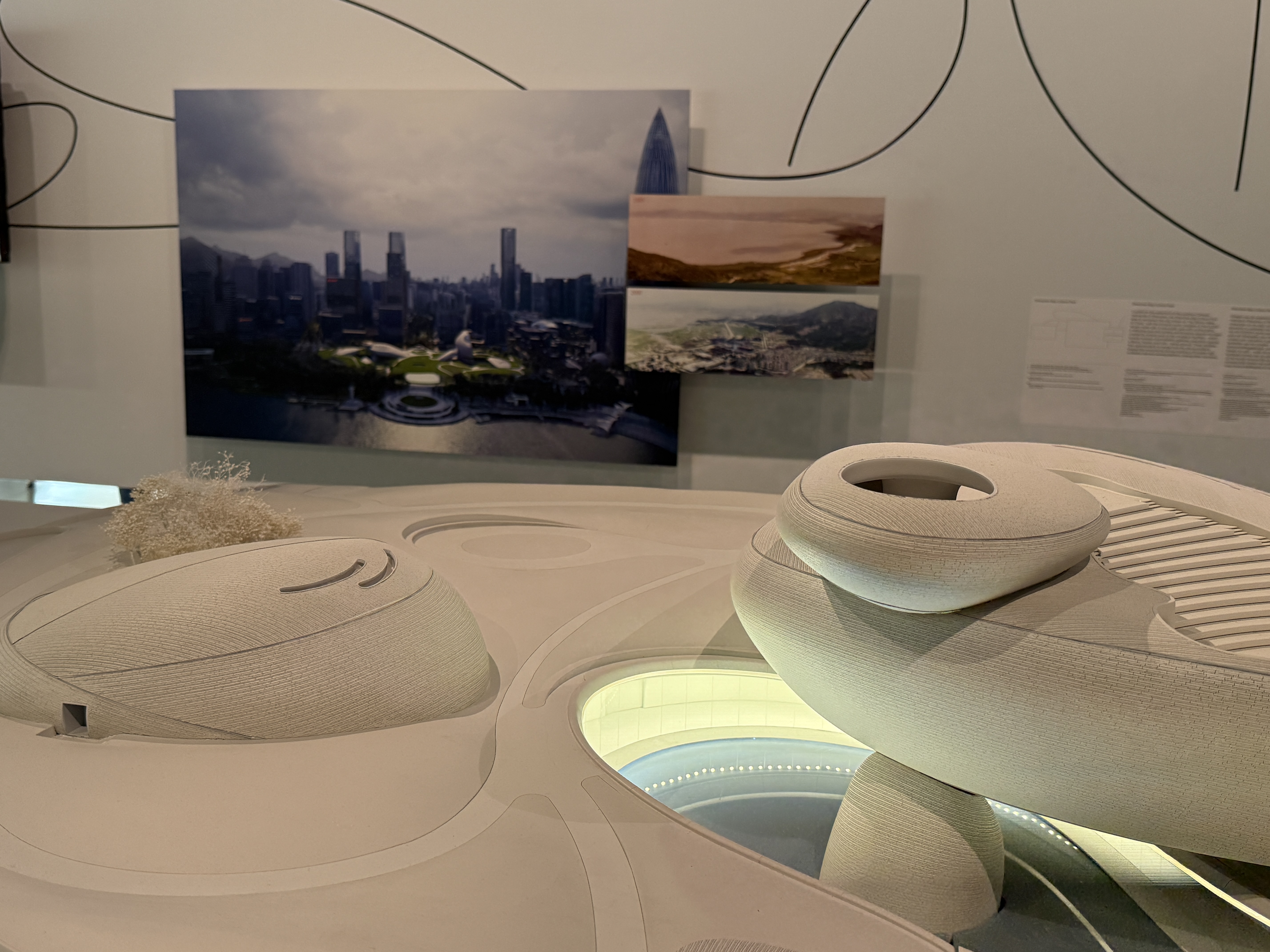
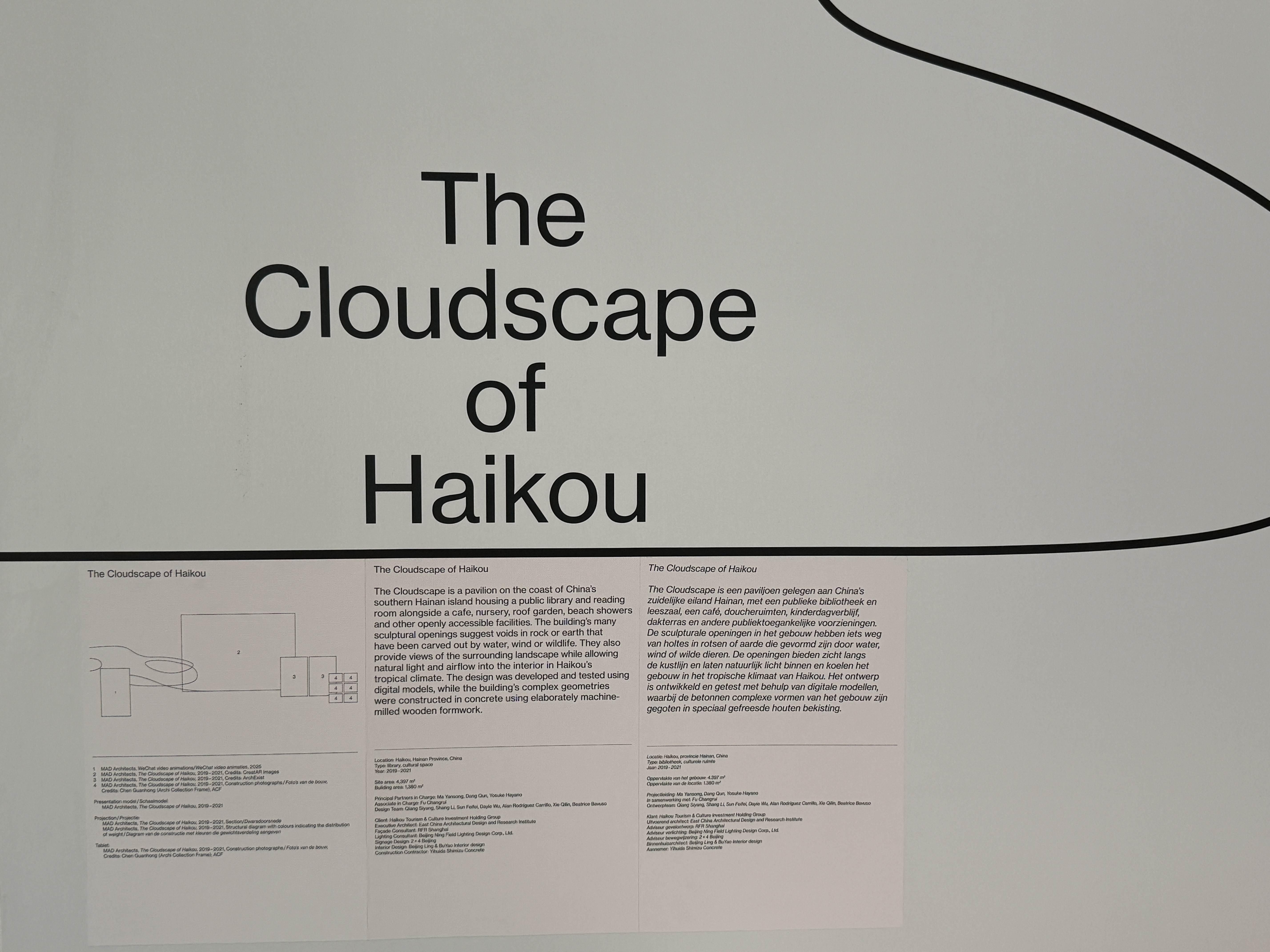
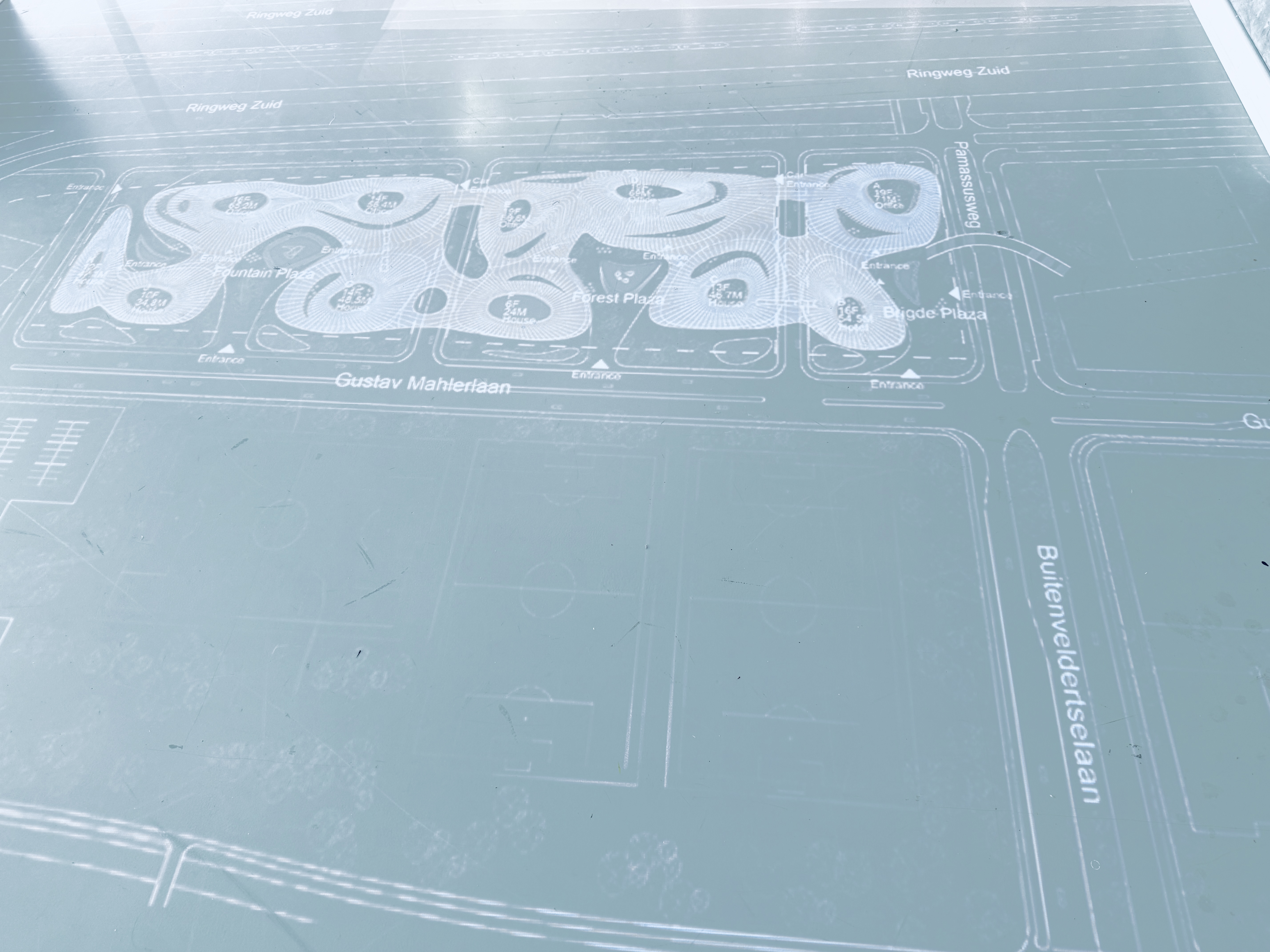
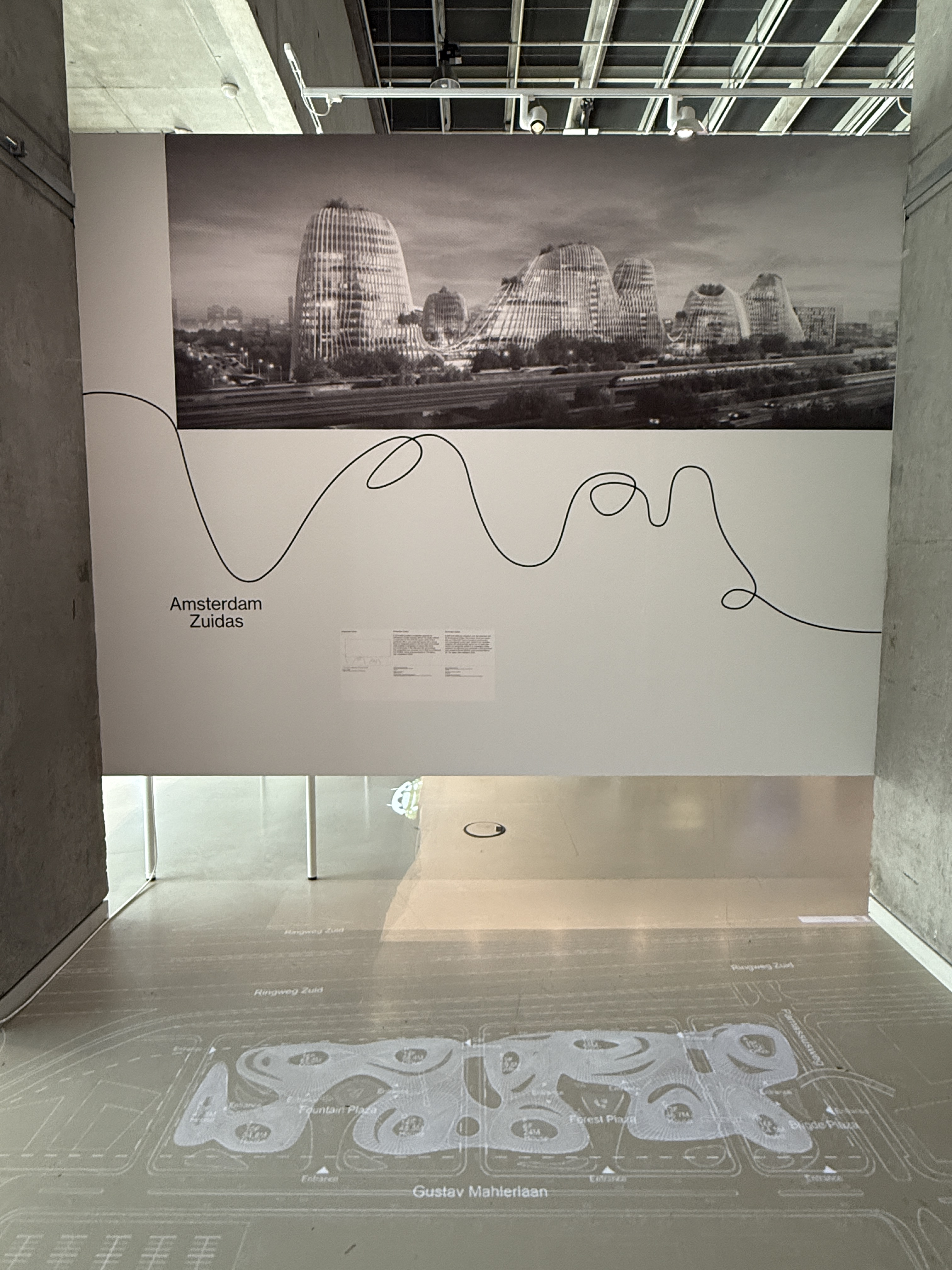
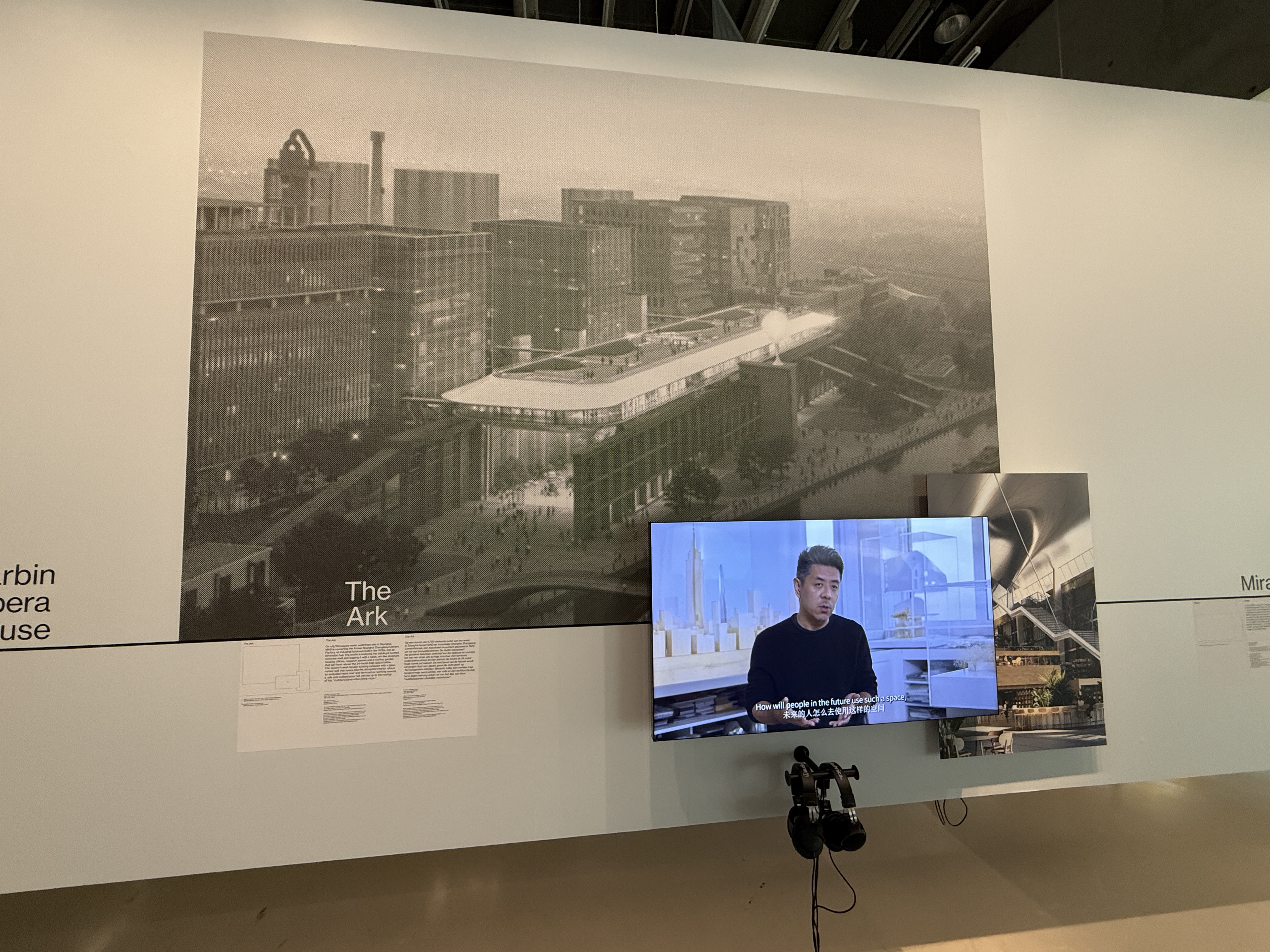
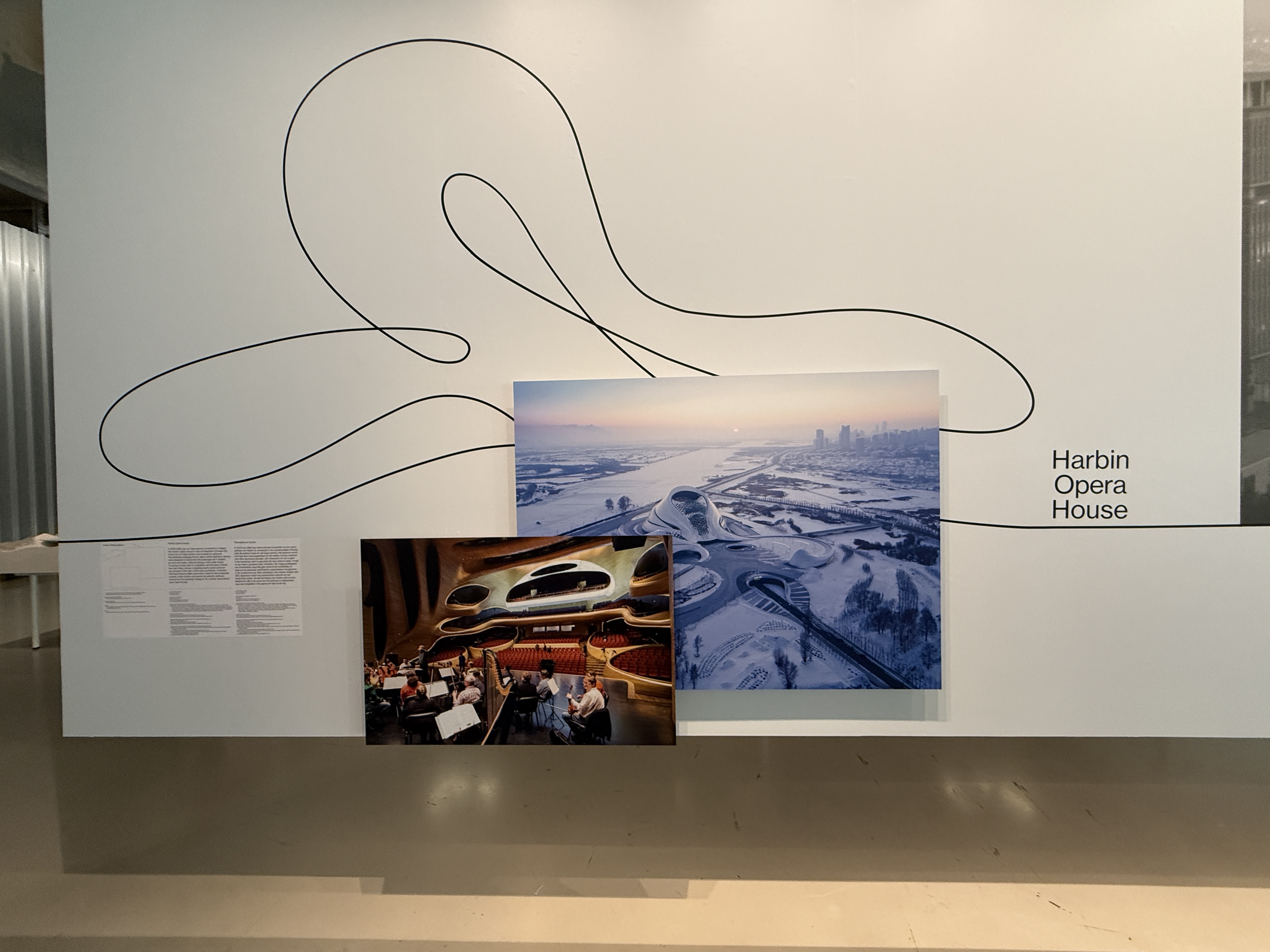
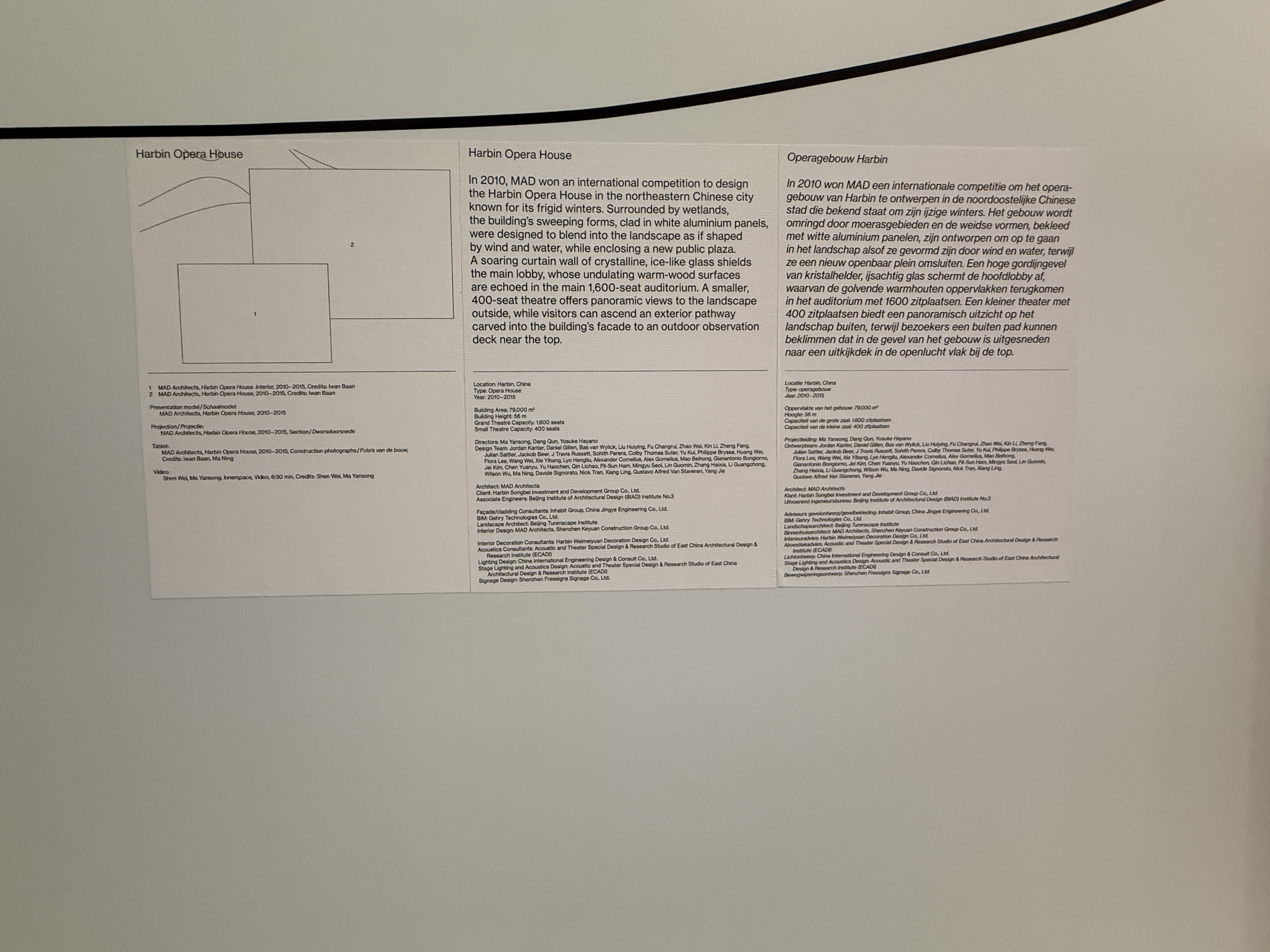
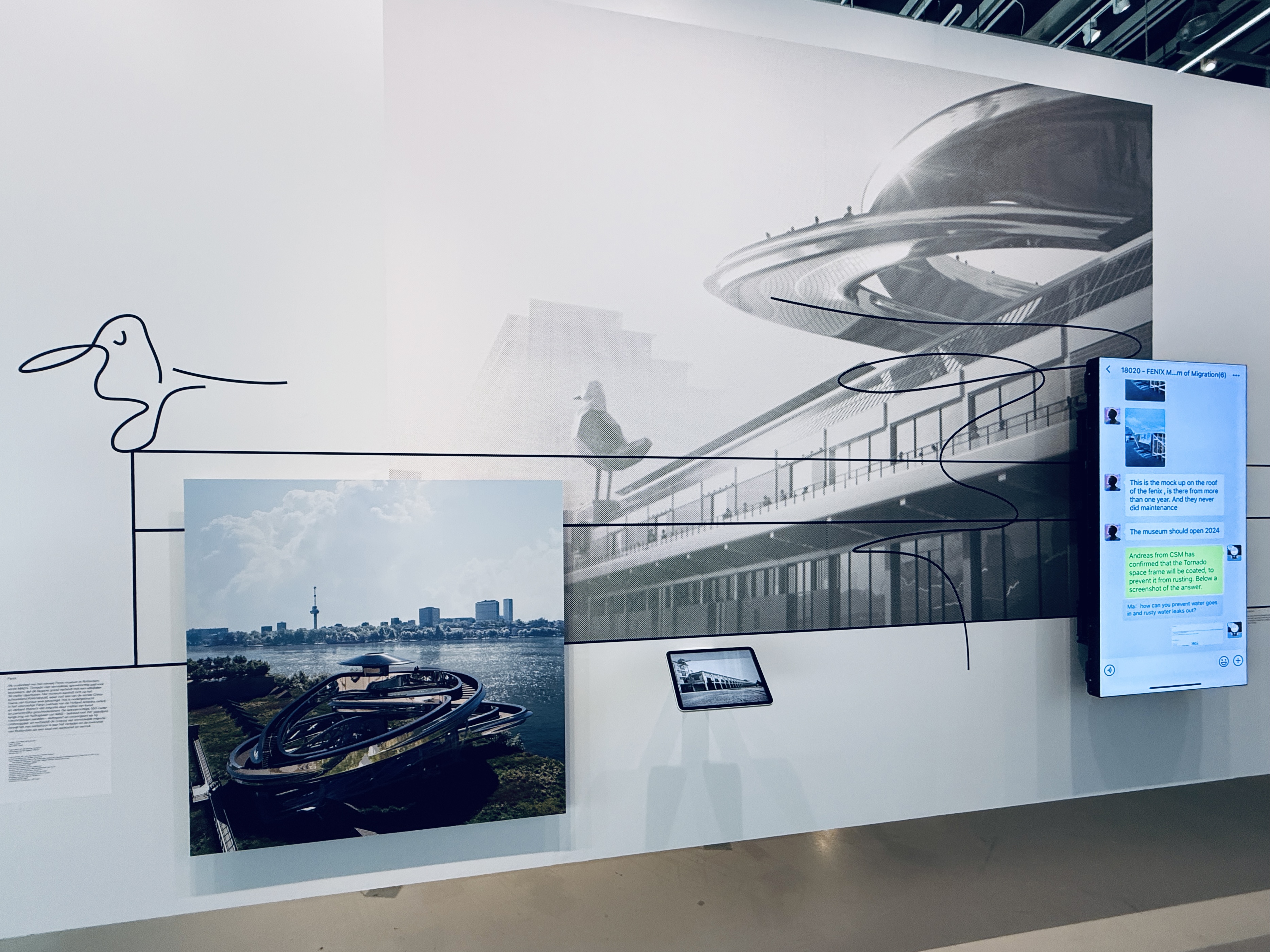
In the afternoon, we visited the Nieuwe Instituut, a leading platform for architecture, design, and digital culture in the Netherlands. There, we encountered the poetic world of architect Ma Yansong through the exhibition Architecture of Emotion. This immersive show challenged students to think beyond function—to see buildings as emotional landscapes, as characters in a larger story. Soft forms, atmospheric models, and speculative cityscapes prompted students to ask: Can architecture feel? Can it heal? Drawing in this context became speculative — less about what is, more about what could be.
Both museums offered rich terrain for sketching: FENIX invited students to draw from memory and historical weight; the Nieuwe Instituut encouraged them to draw toward the future, emotion, and architectural possibility. These final impressions rounded off a week where drawing served not just as a method—but as a mode of reflection, connection, and imagination.
📷 Share your sketches with #sketchcity2025 on Instagram!
Follow the gallery here: instagram.com/explore/tags/sketchcity2025
Feeling are Facts


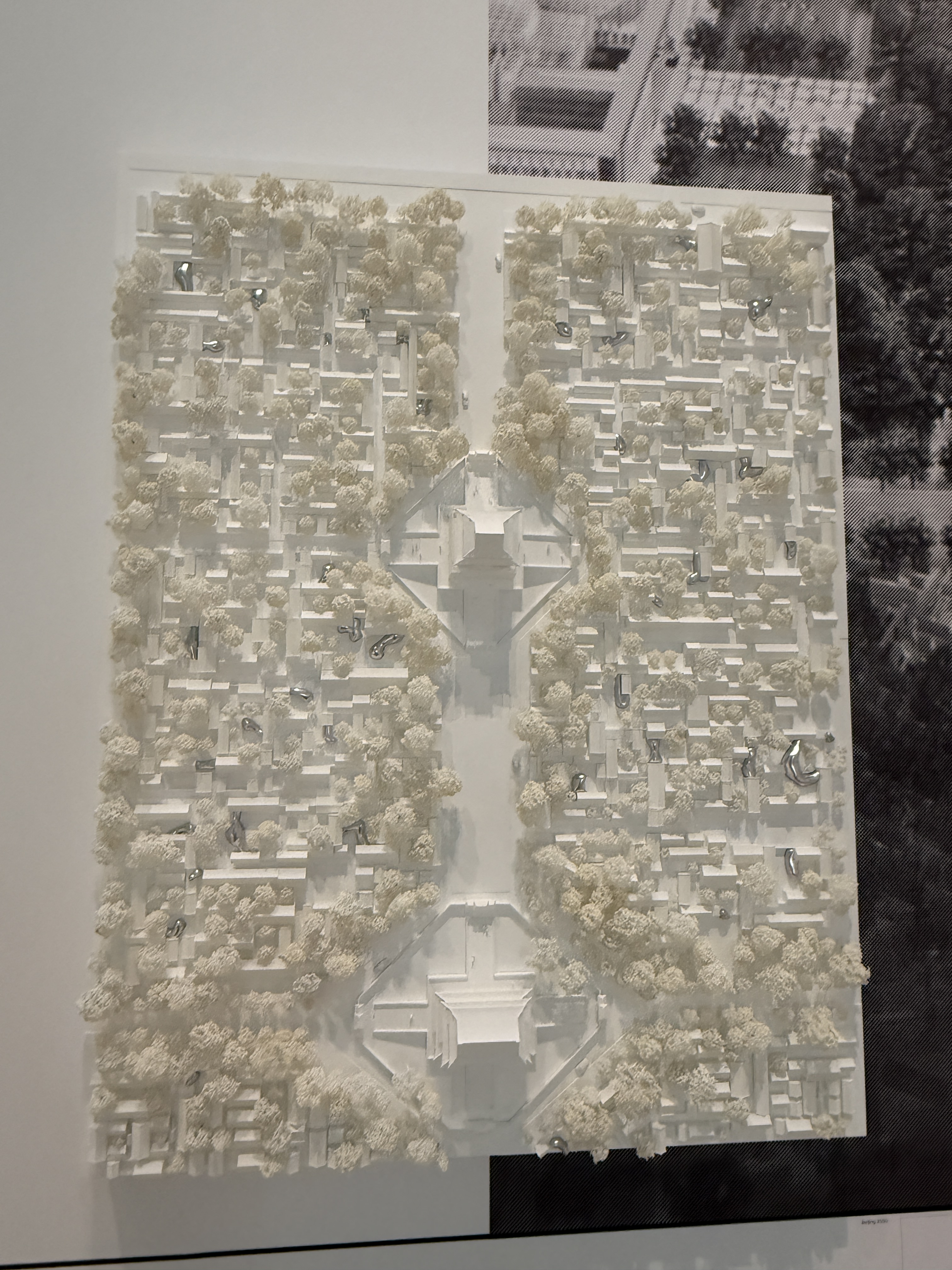
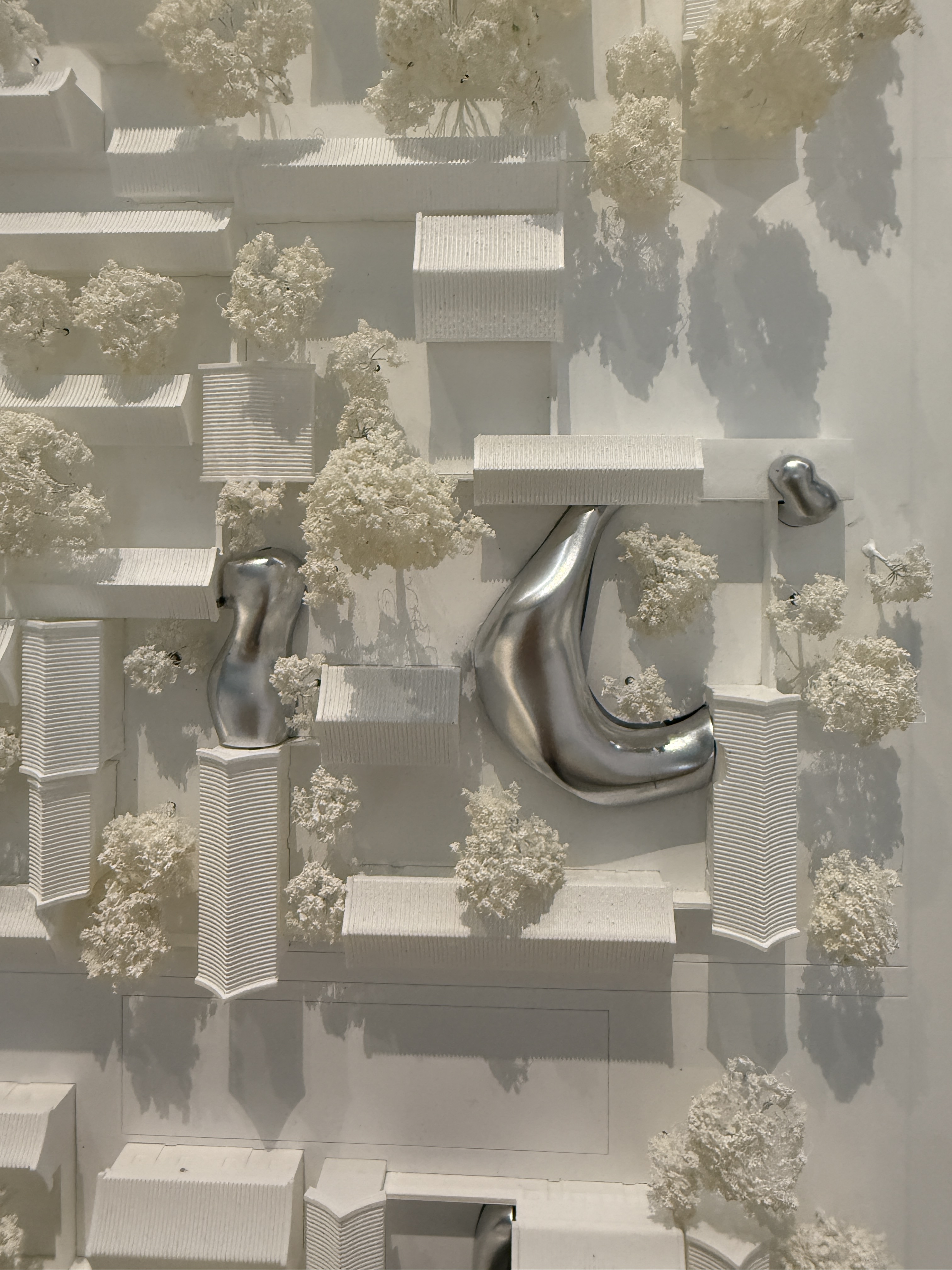
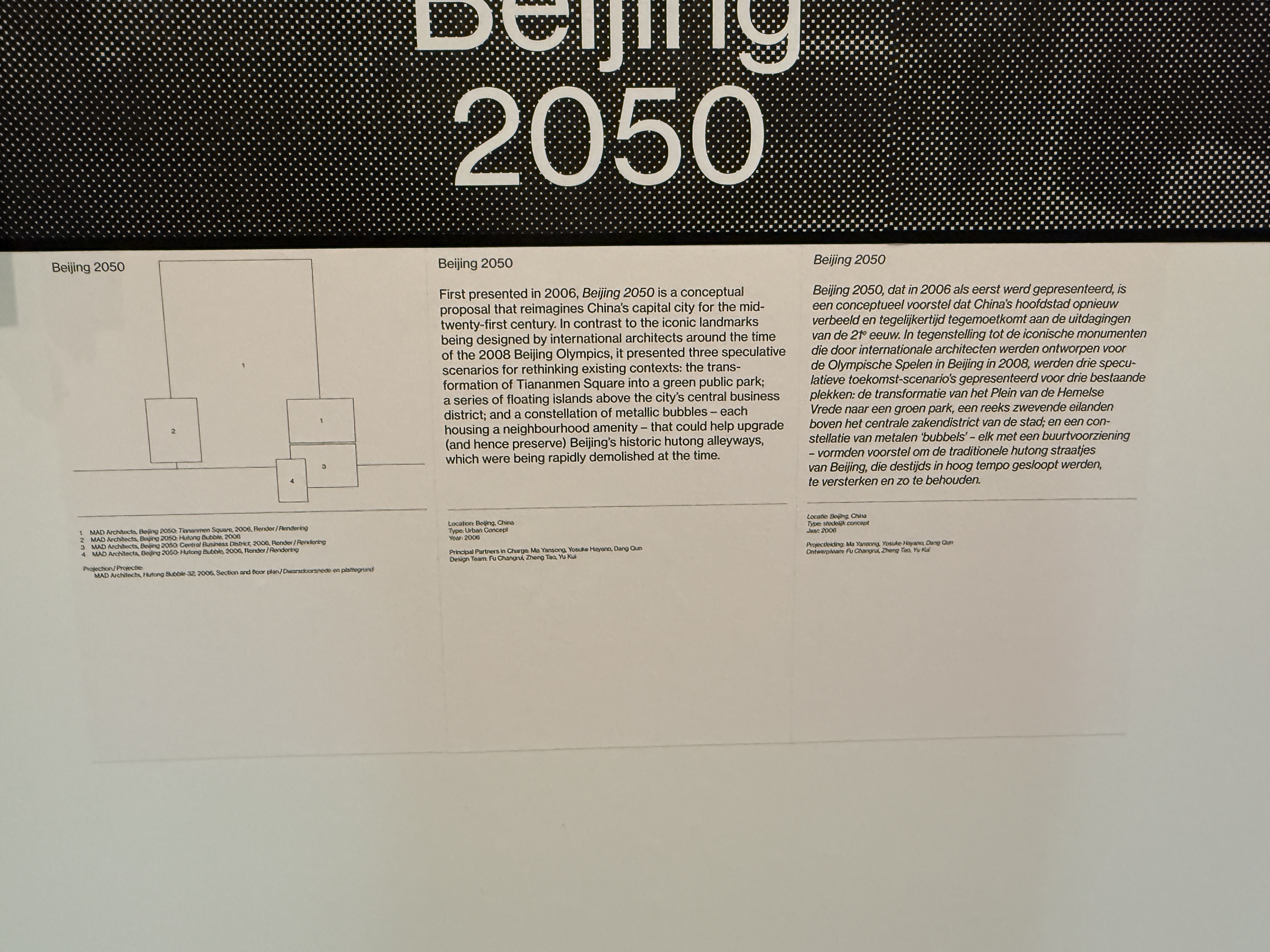

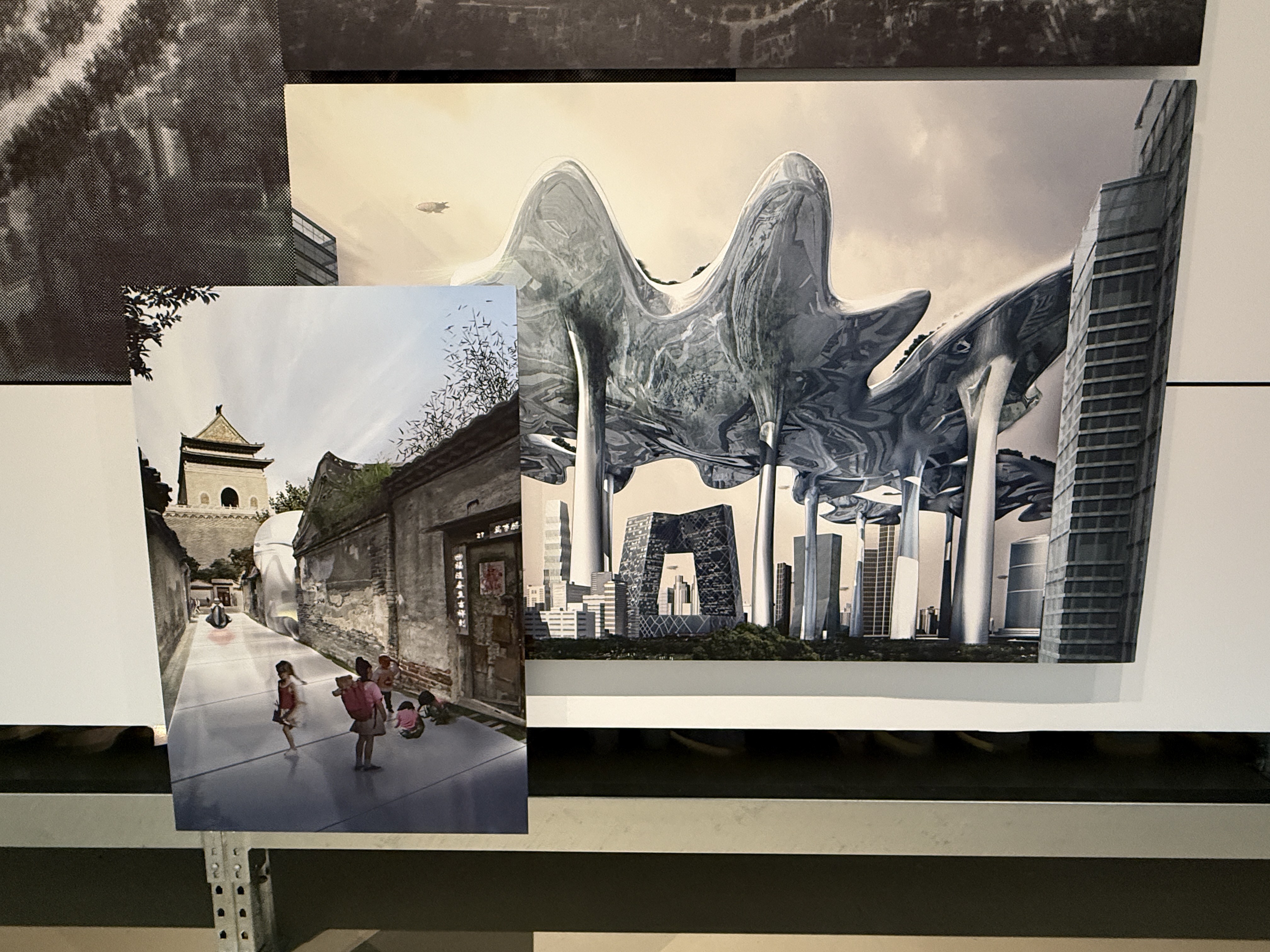
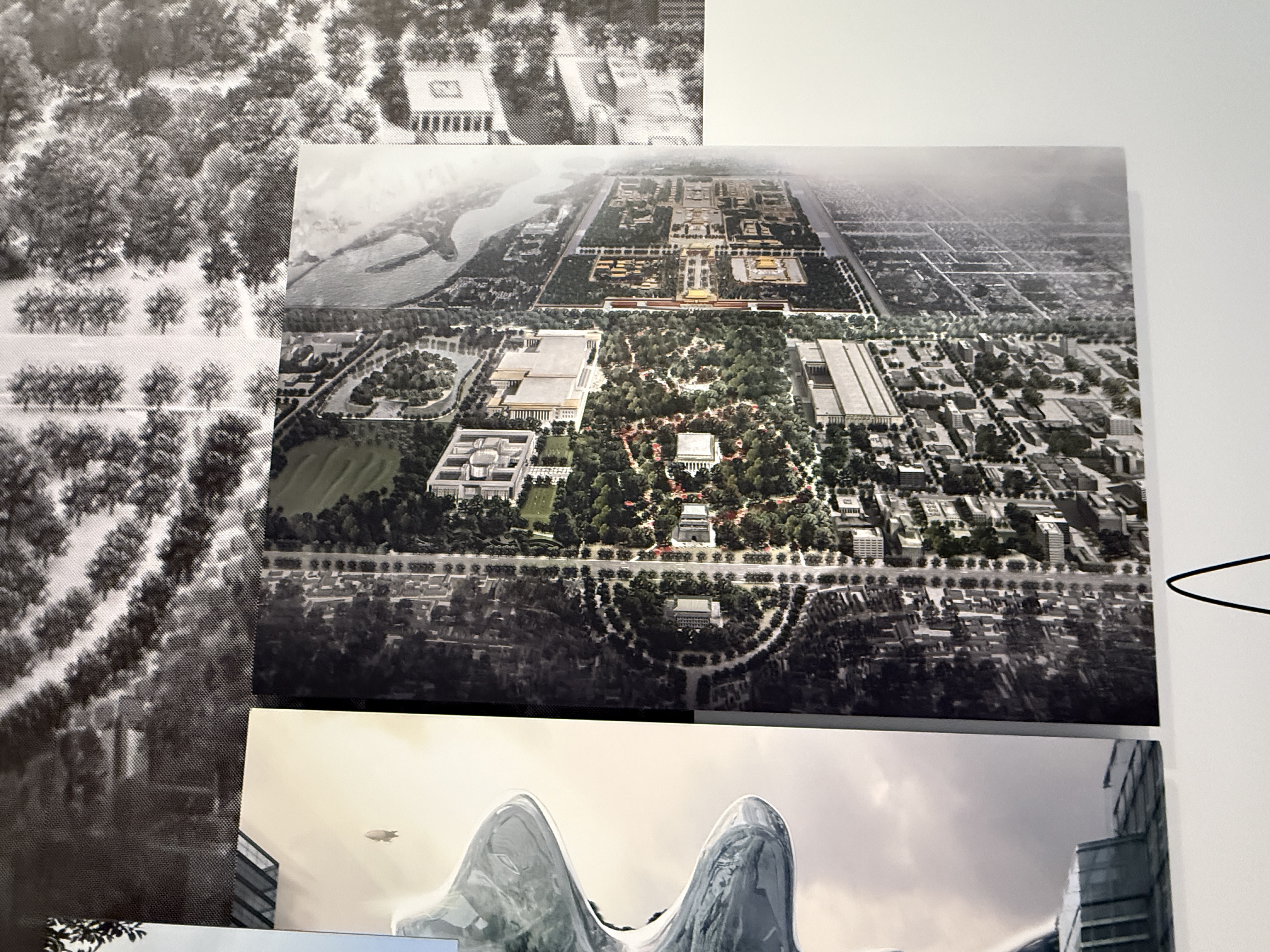

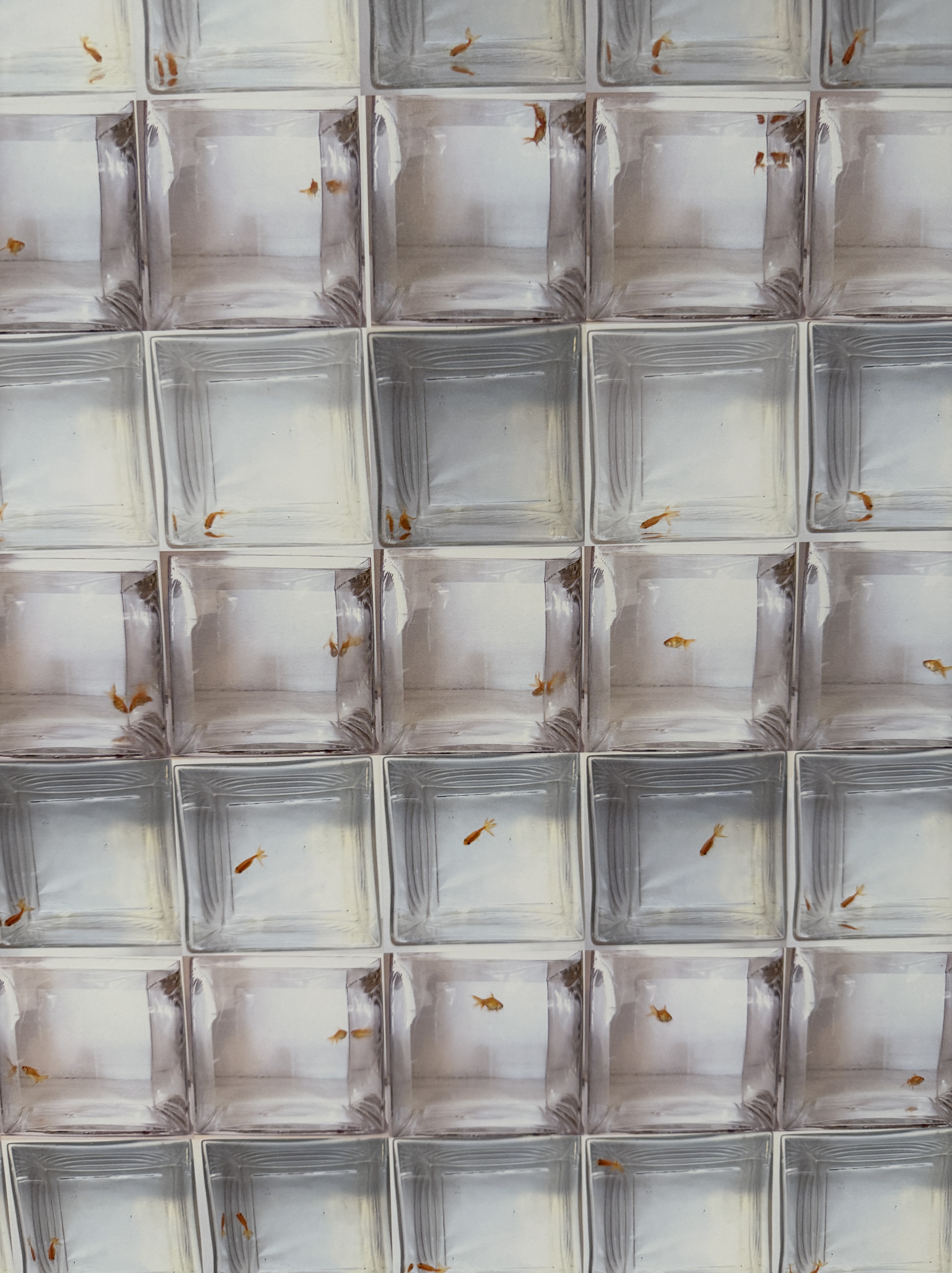
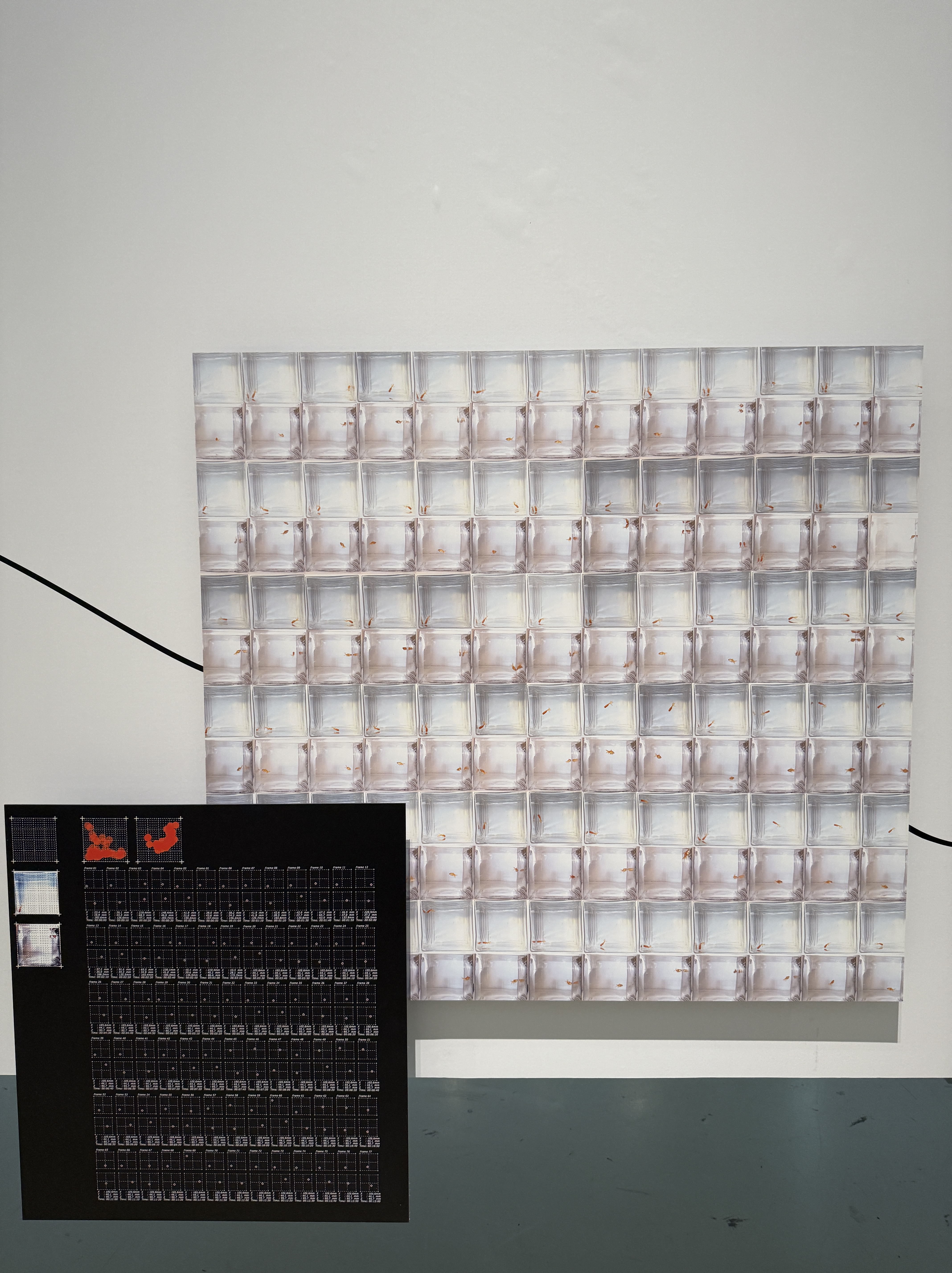
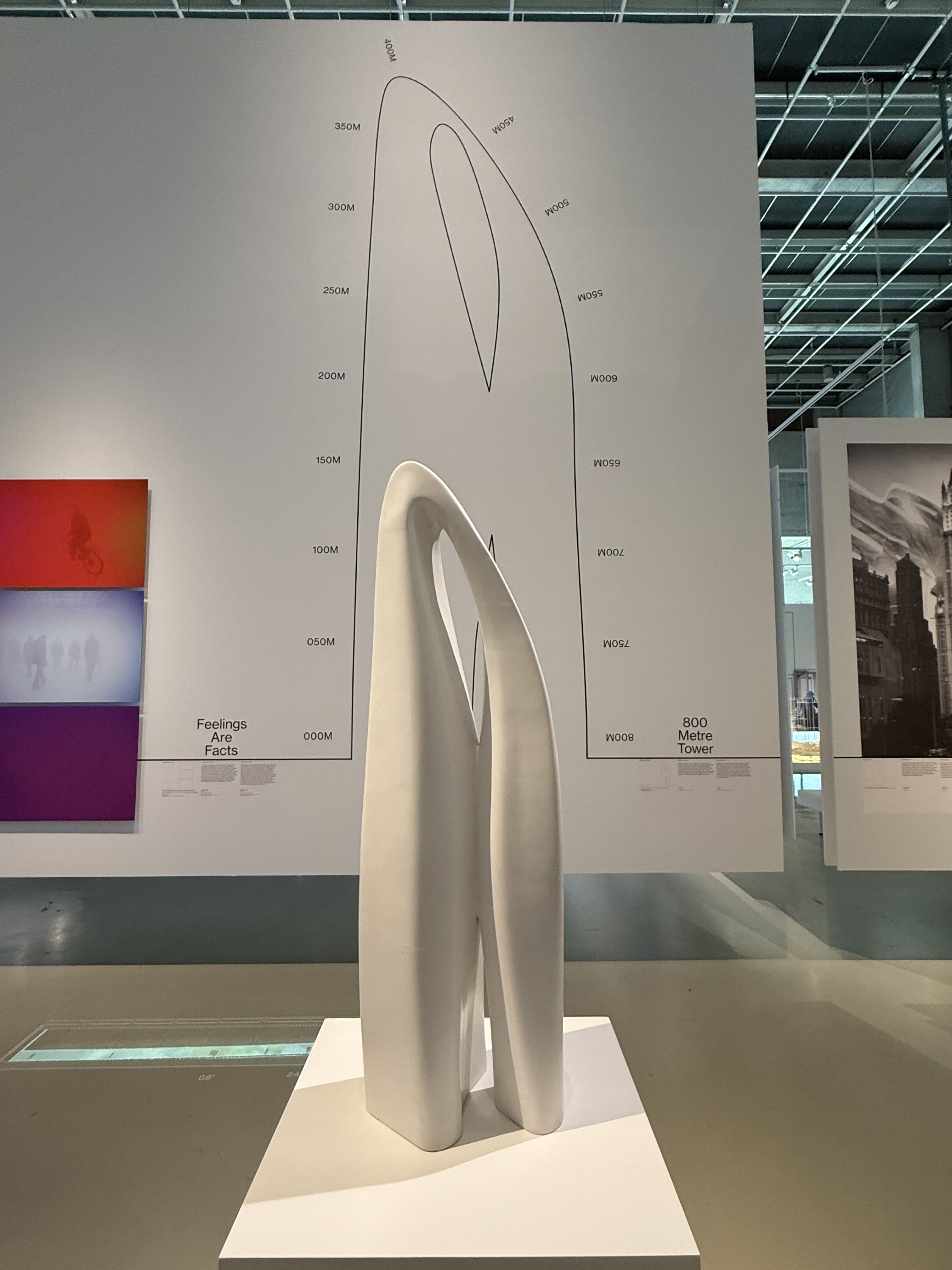

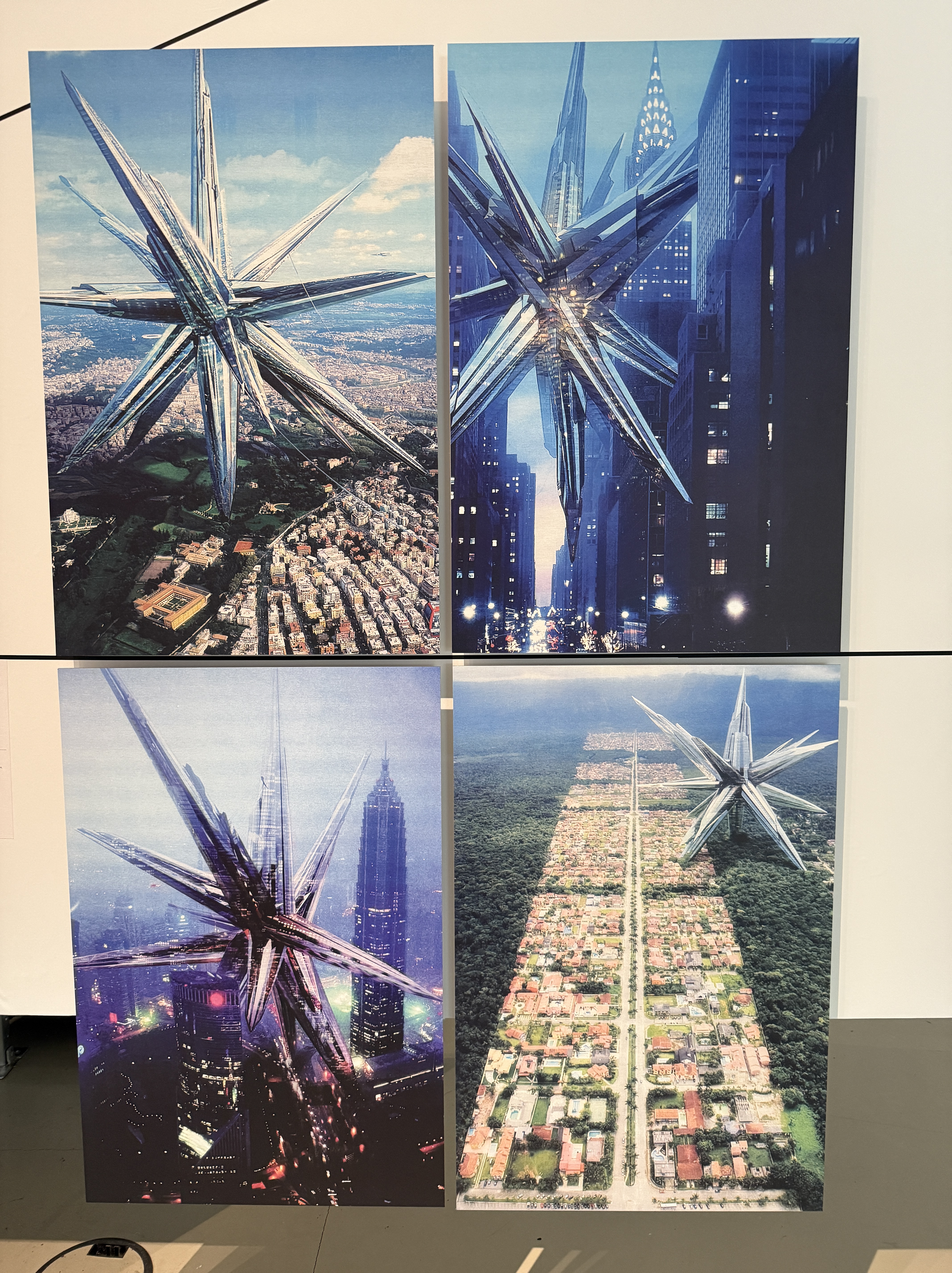


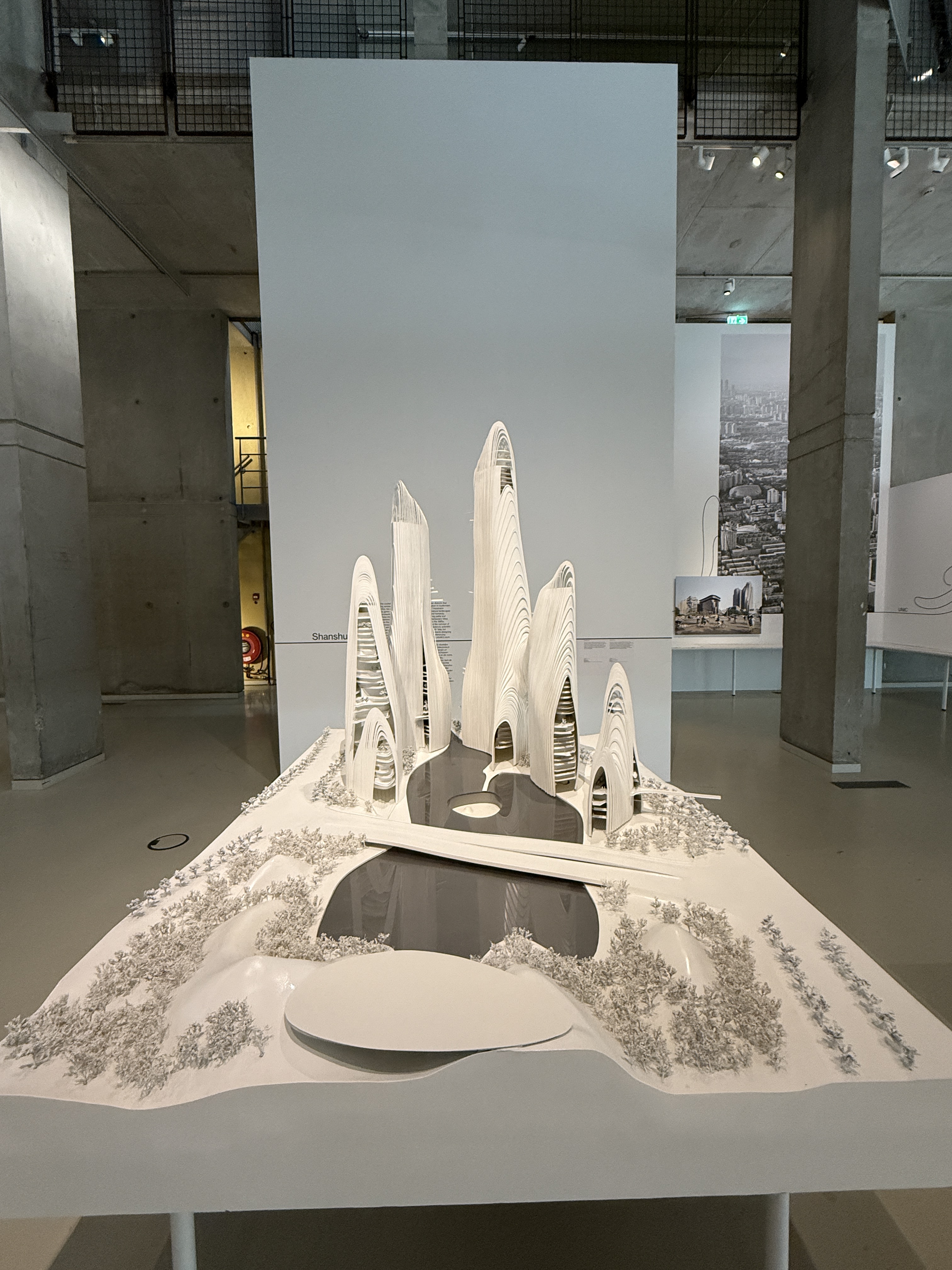
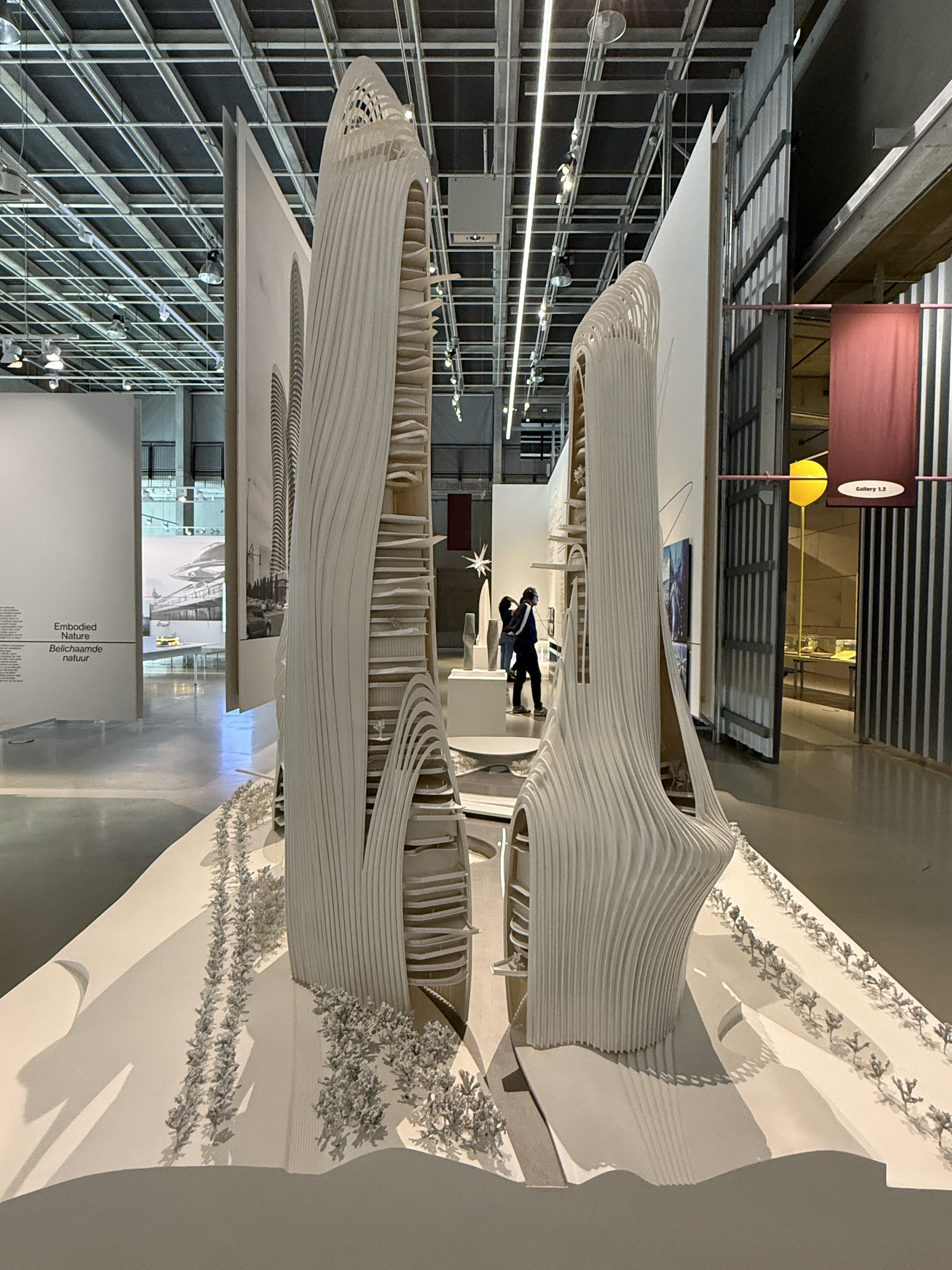
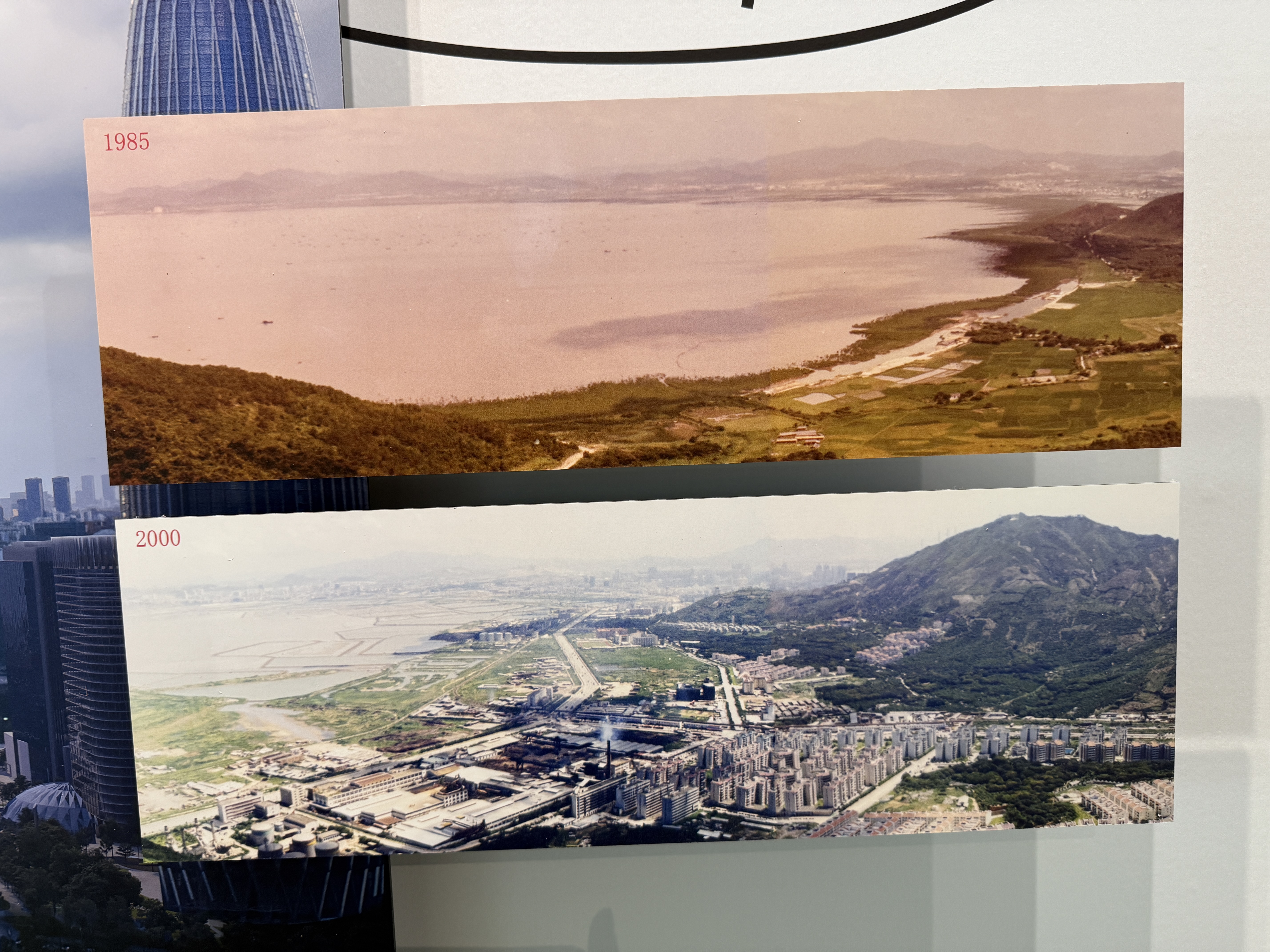
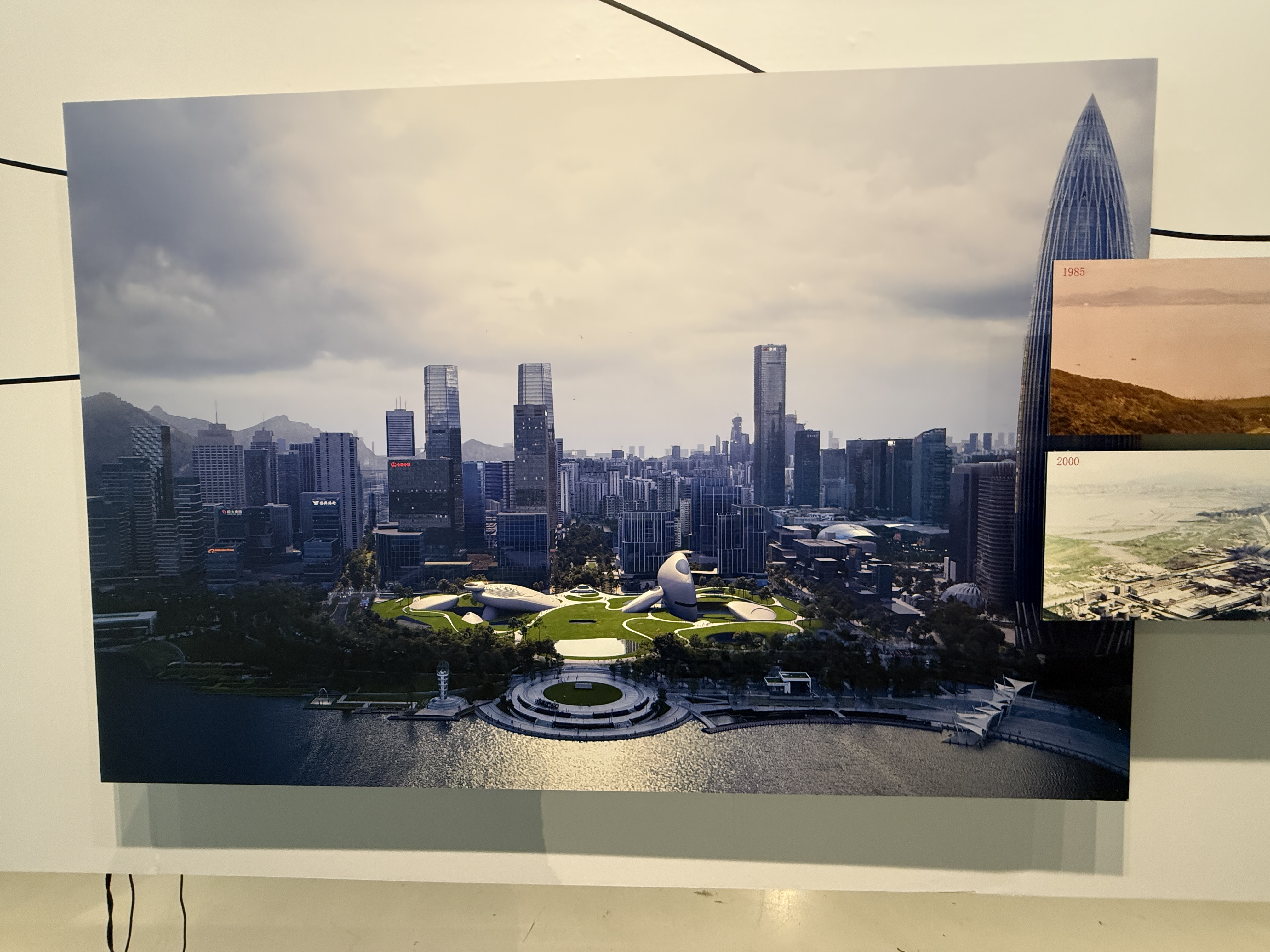
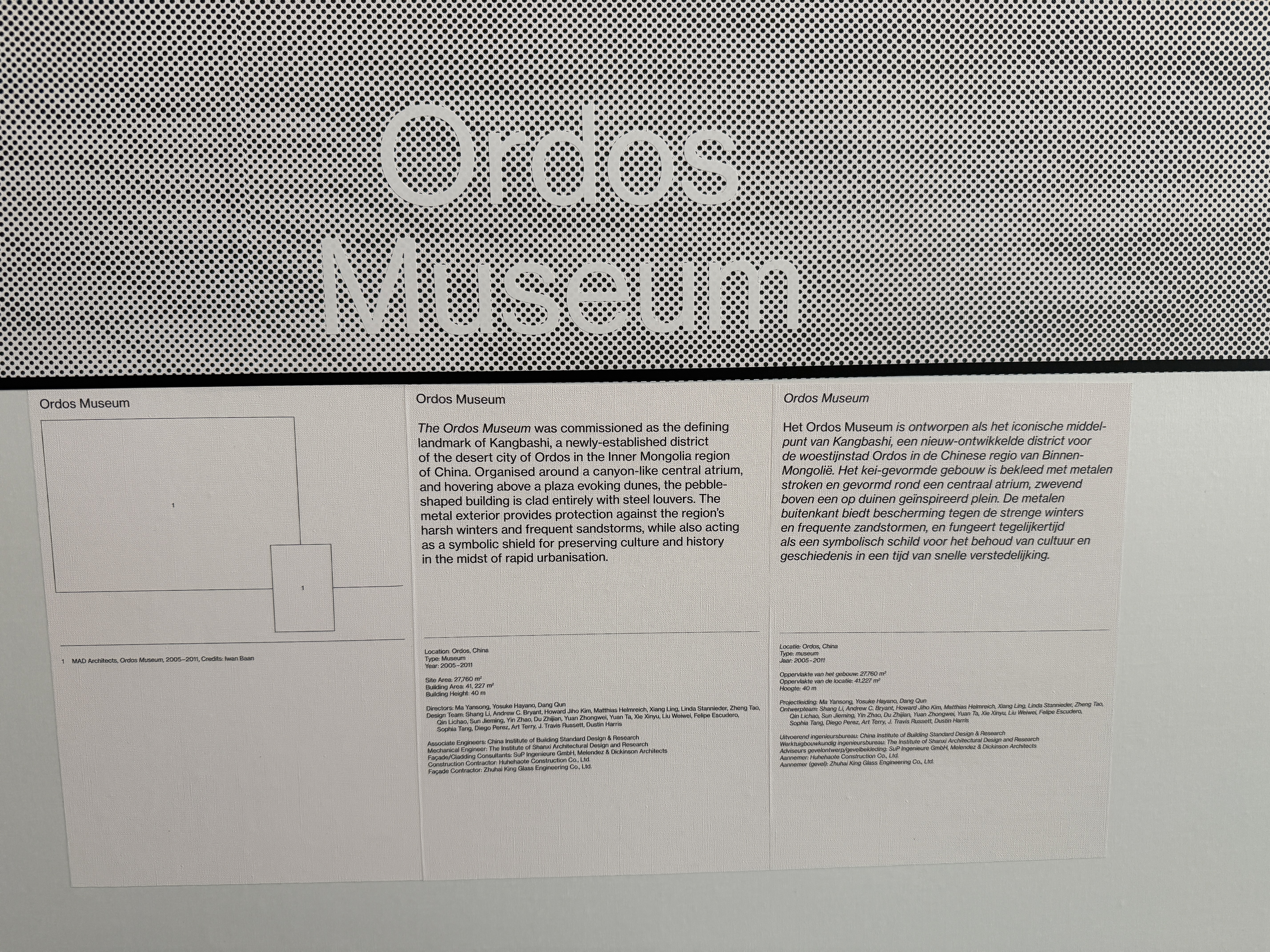


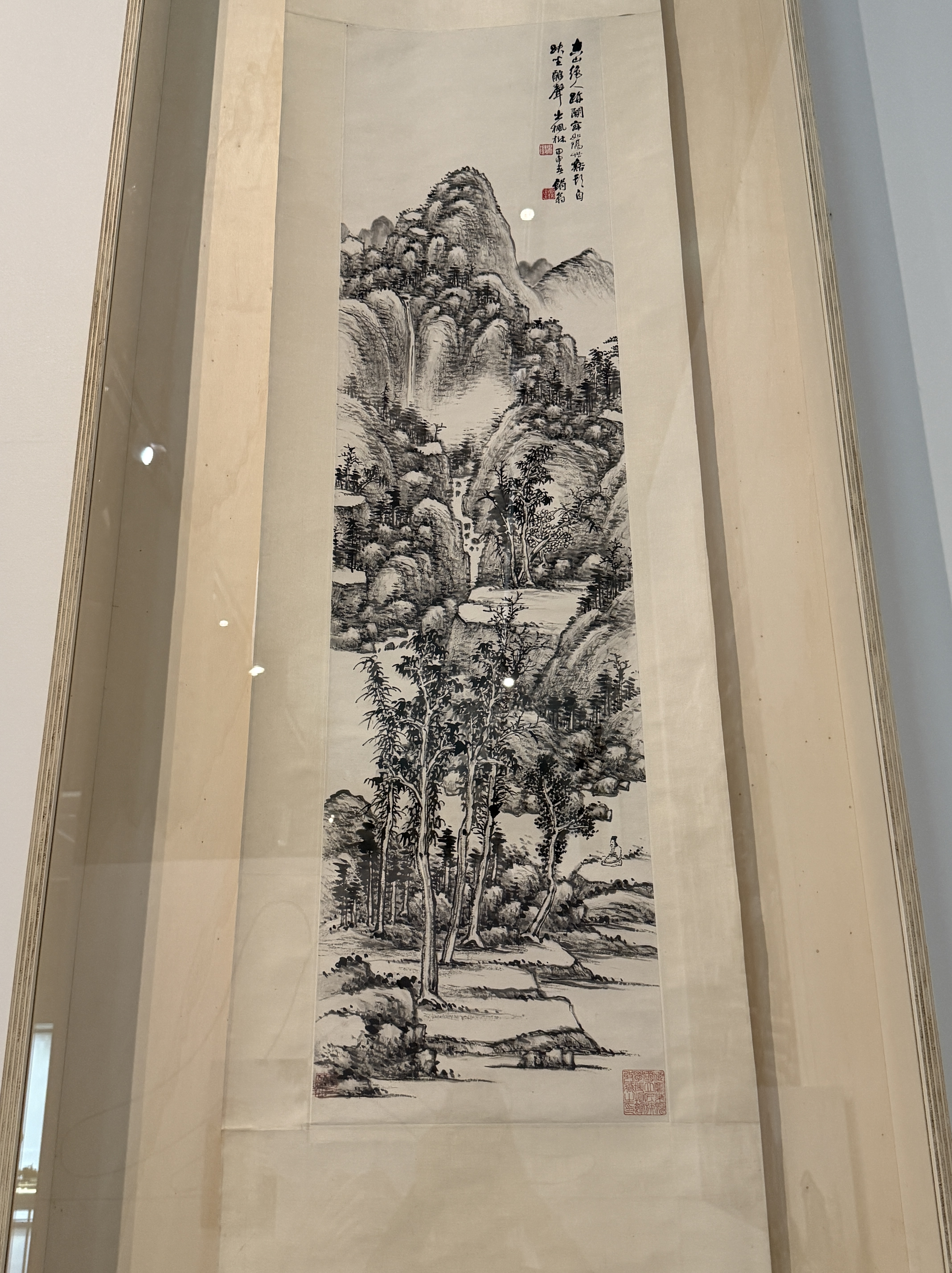




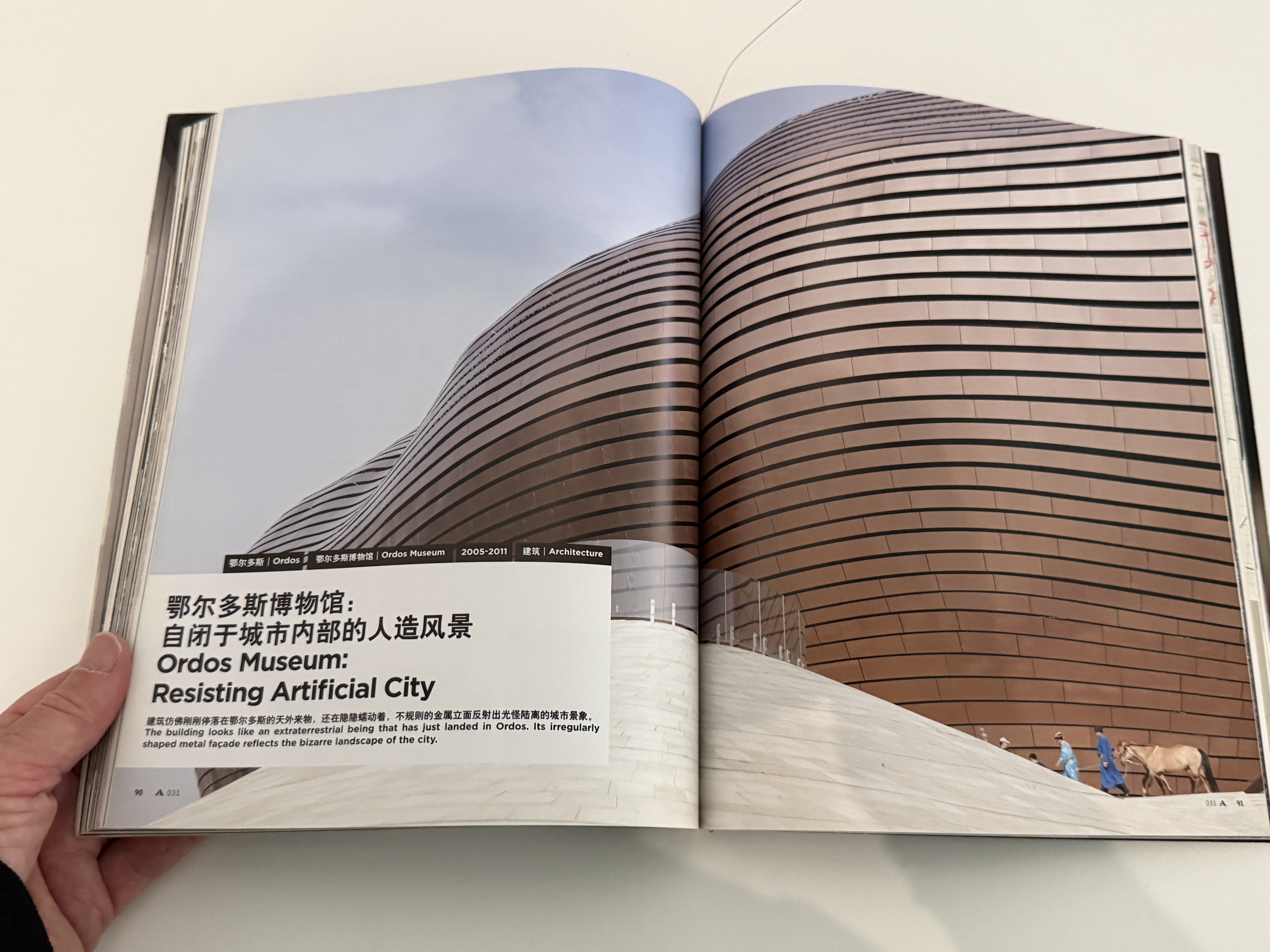
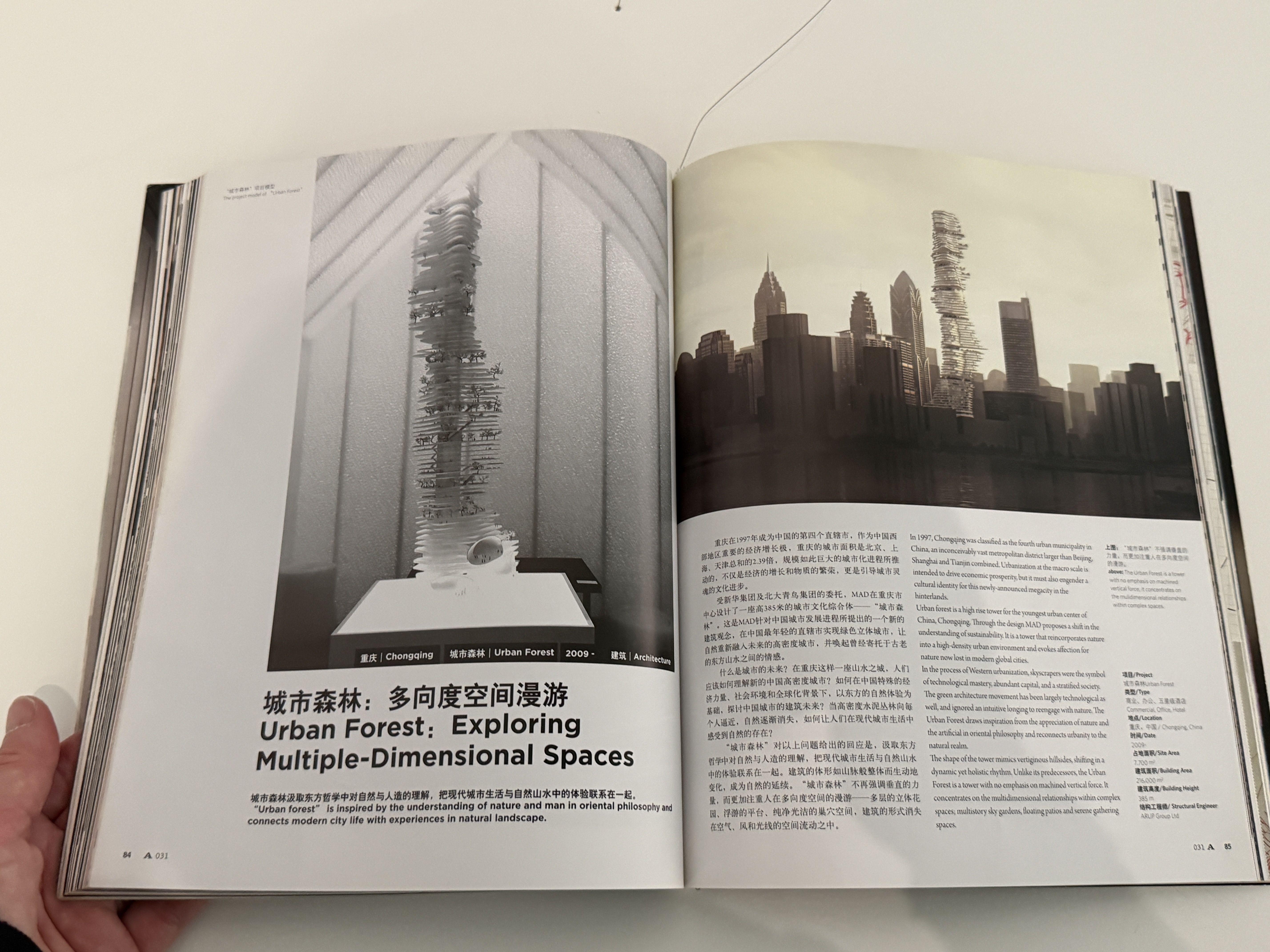
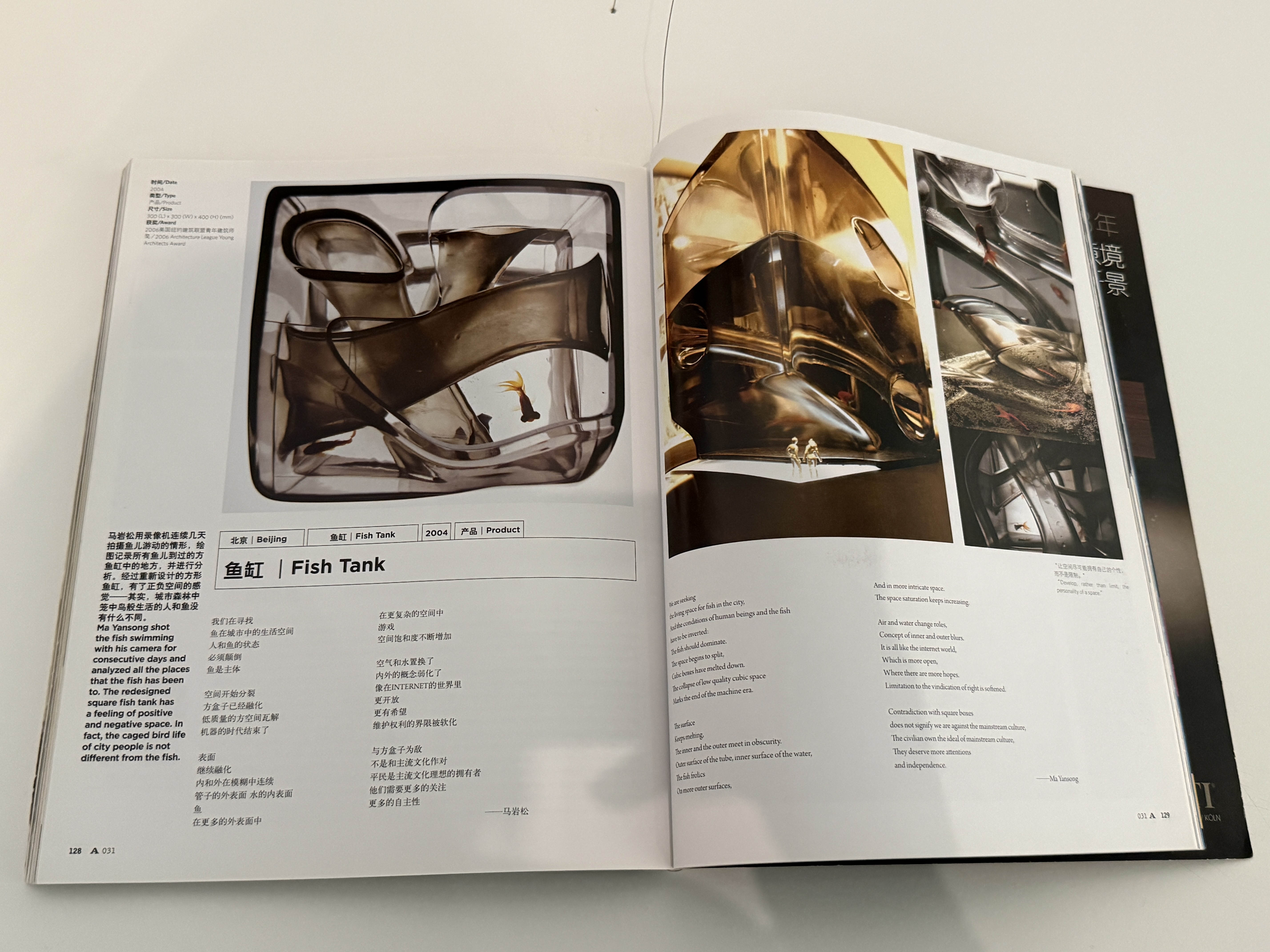
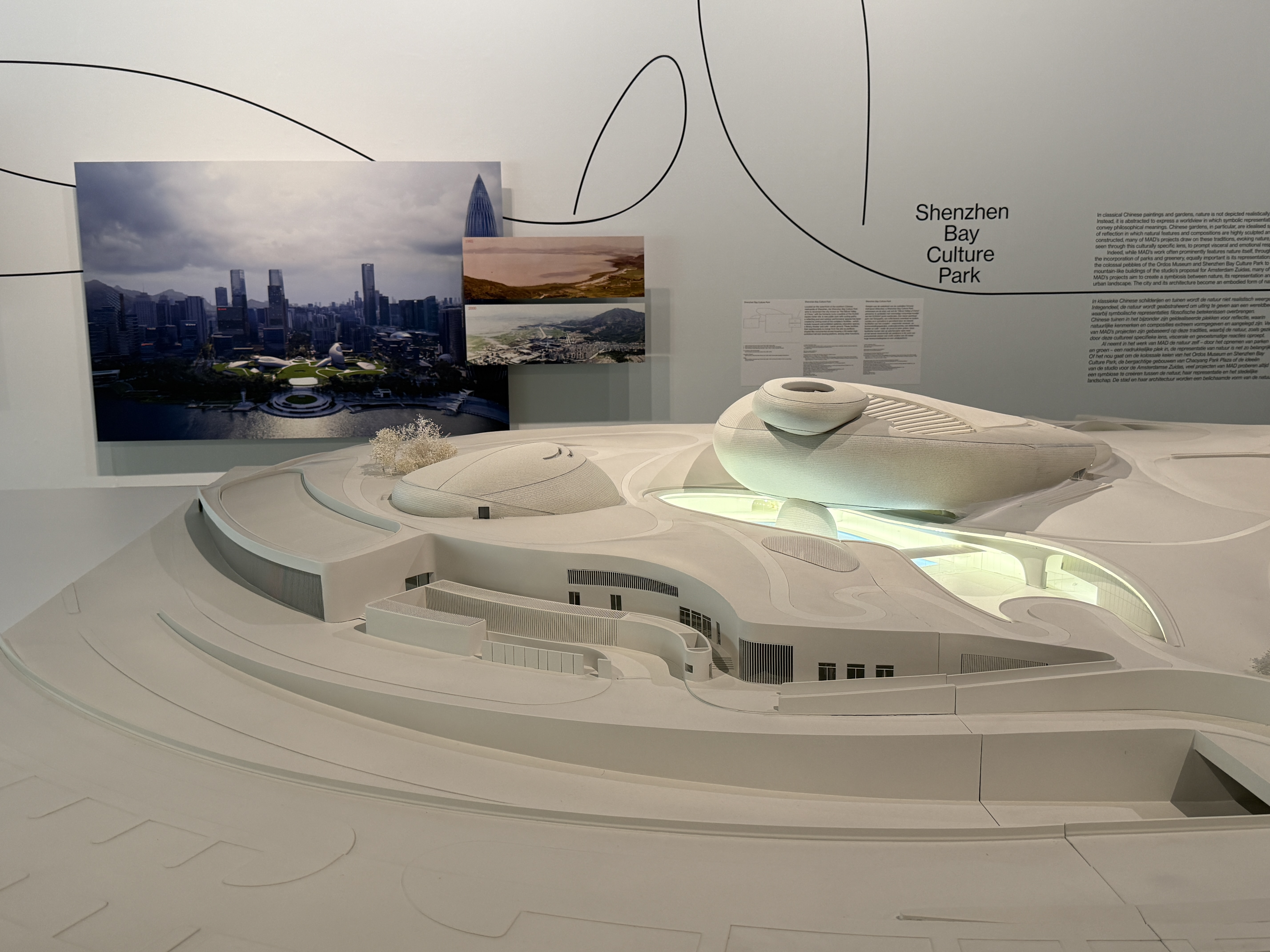
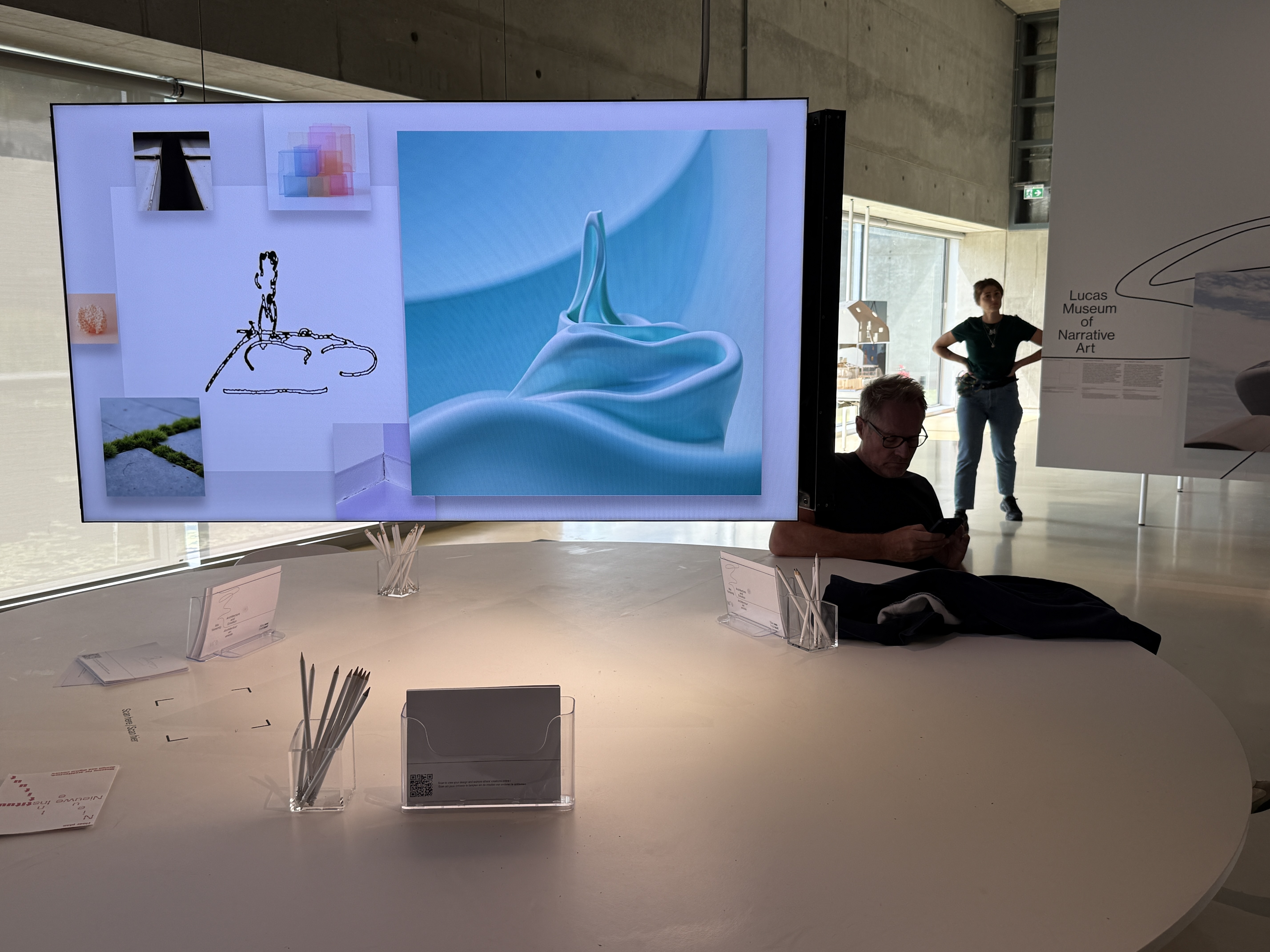


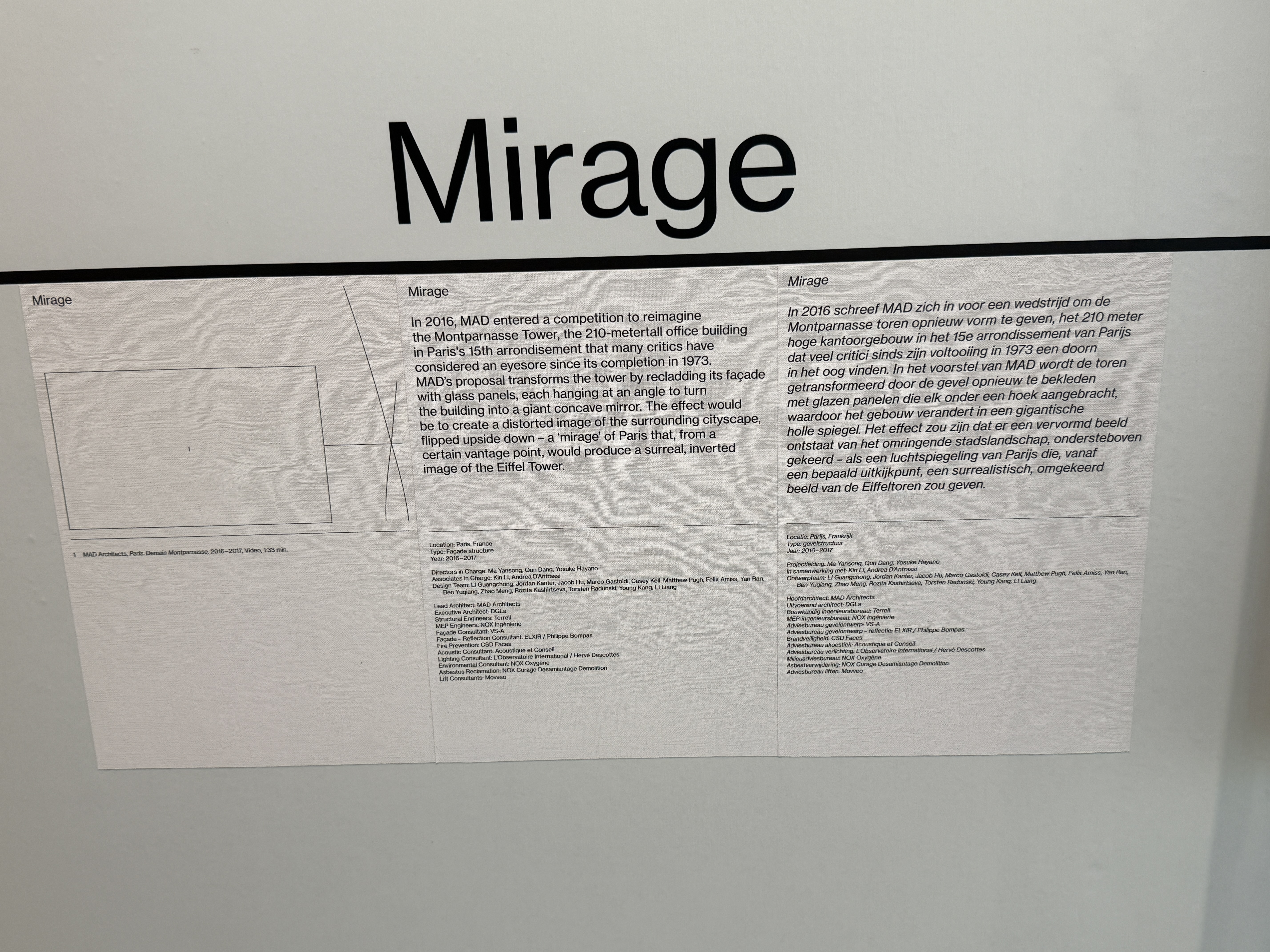
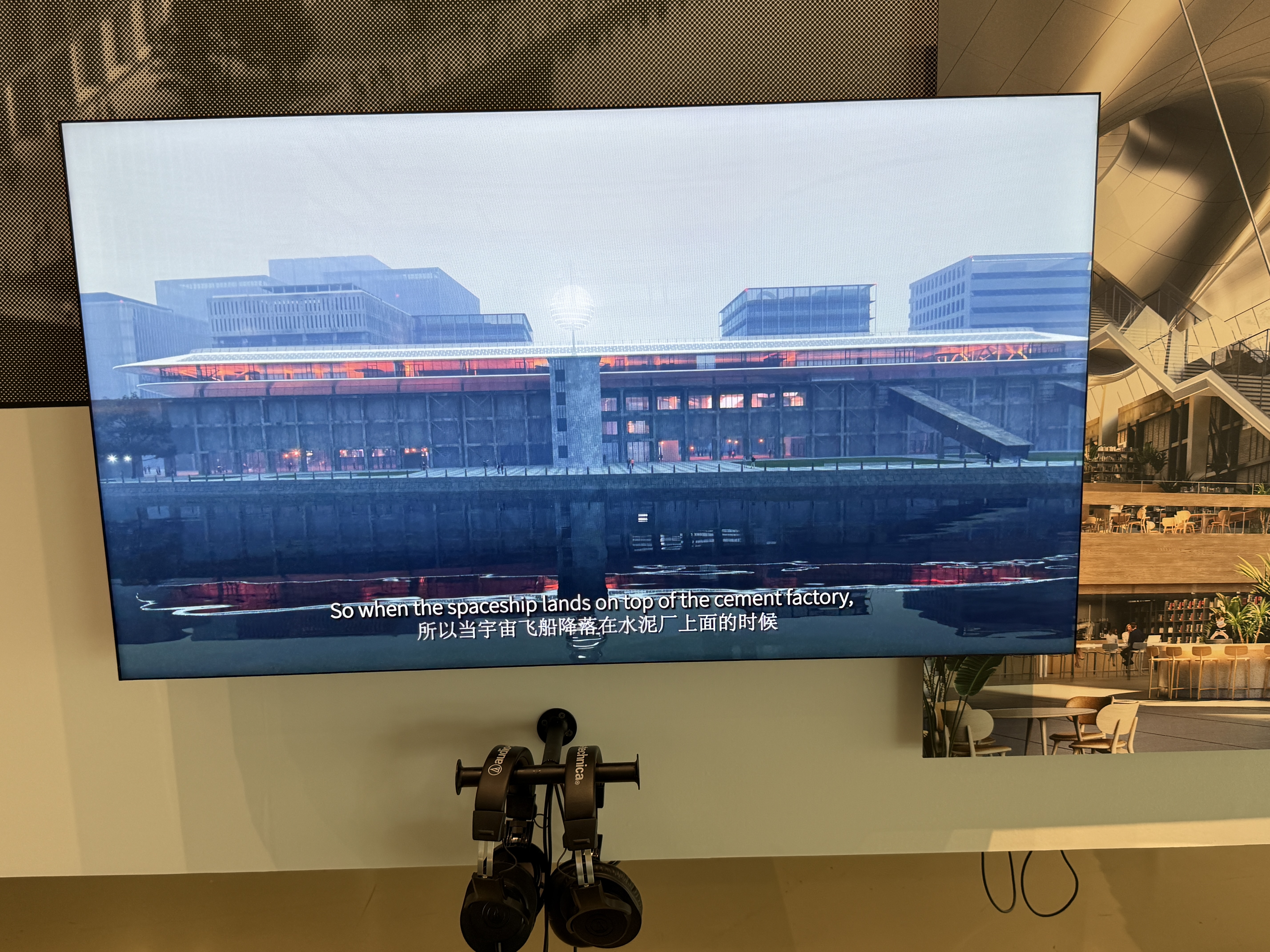
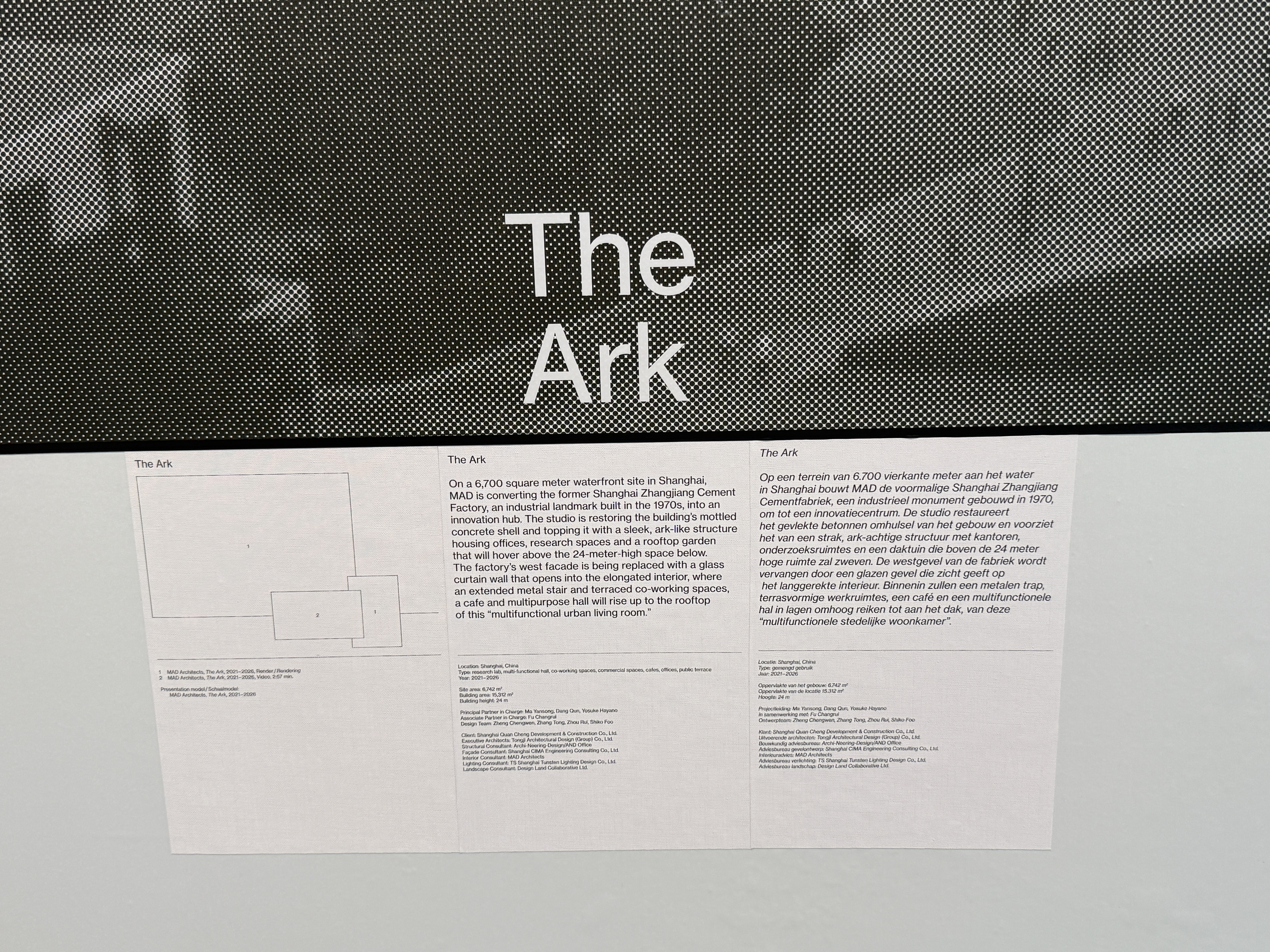

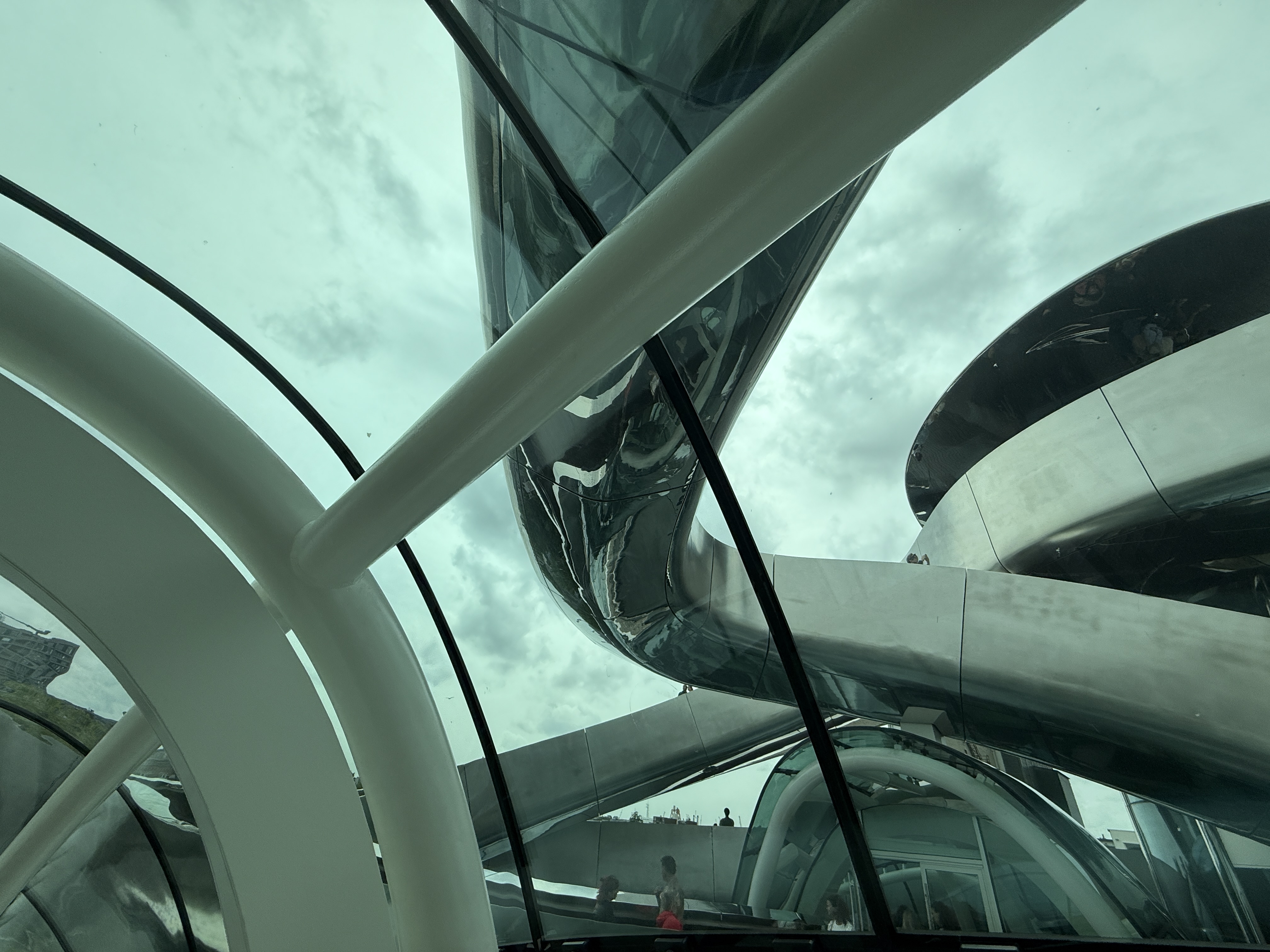
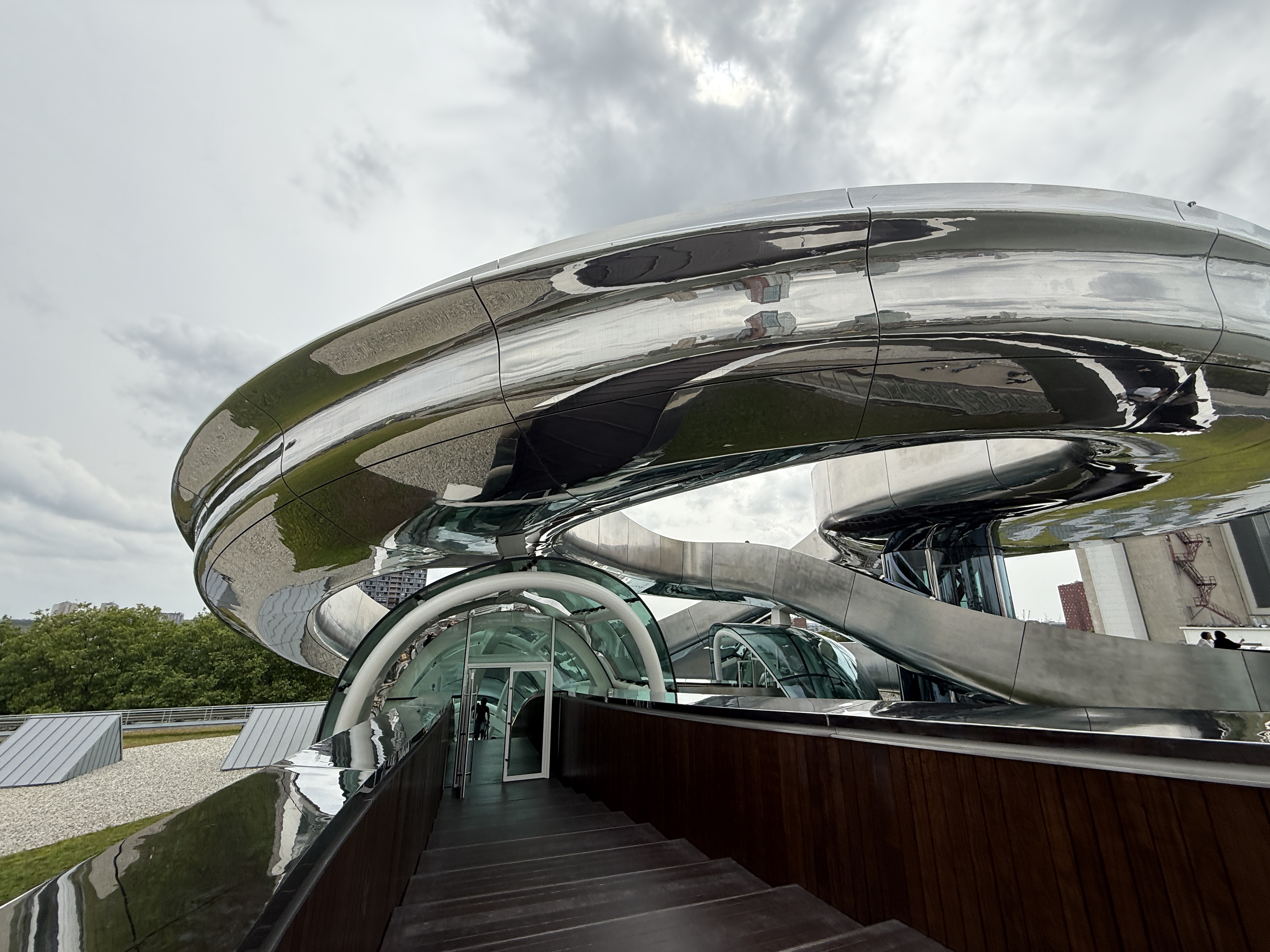
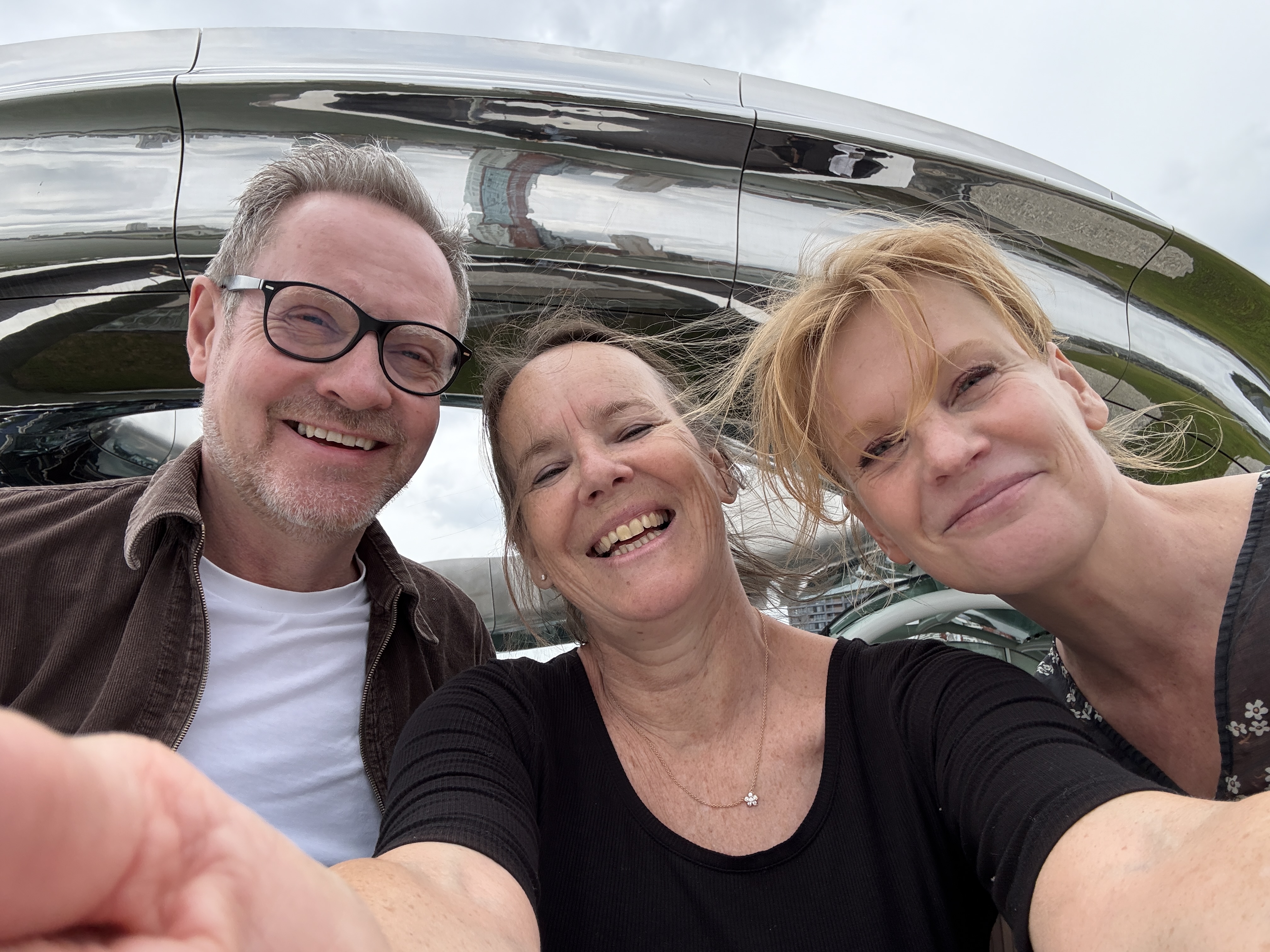
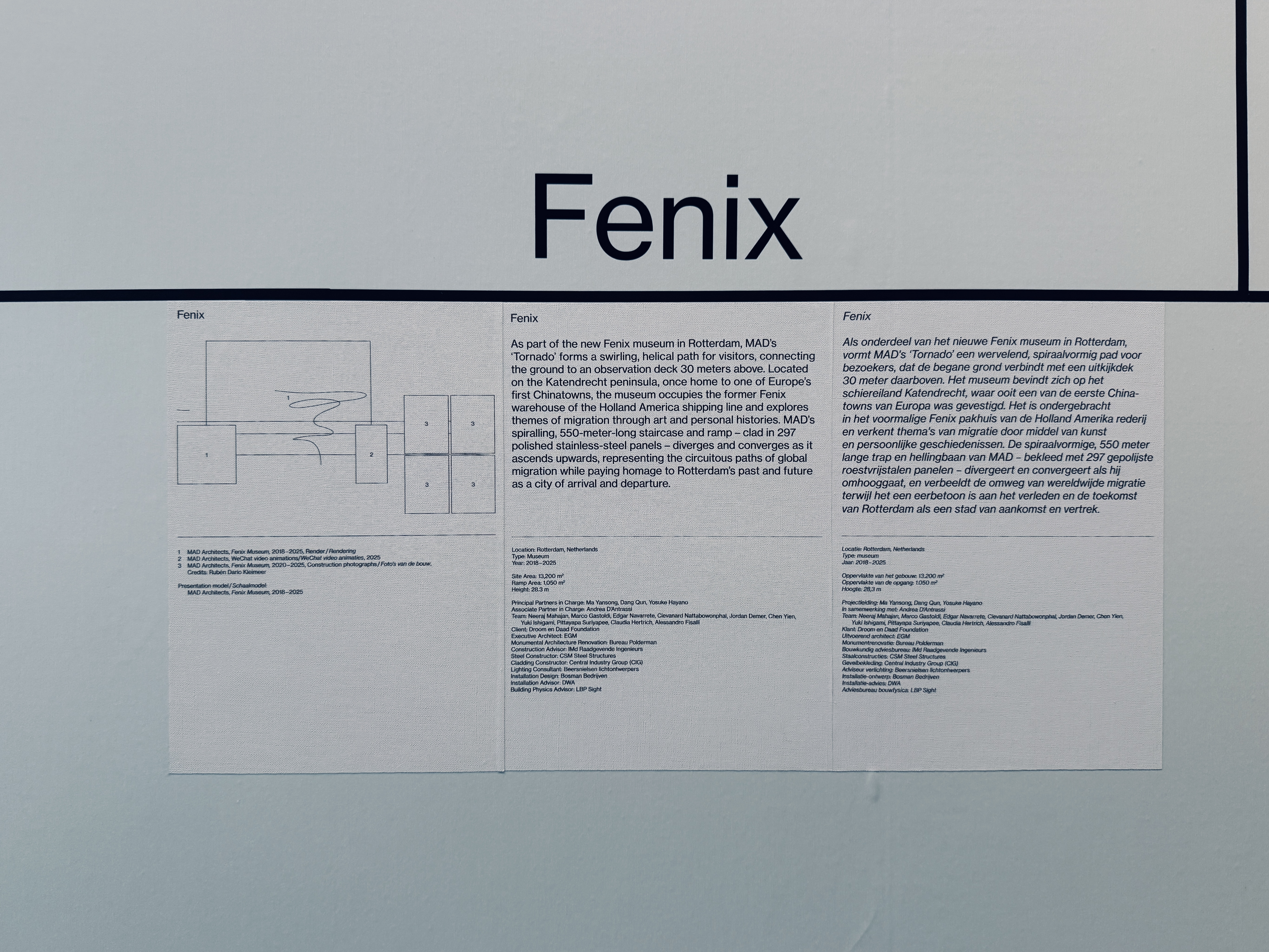
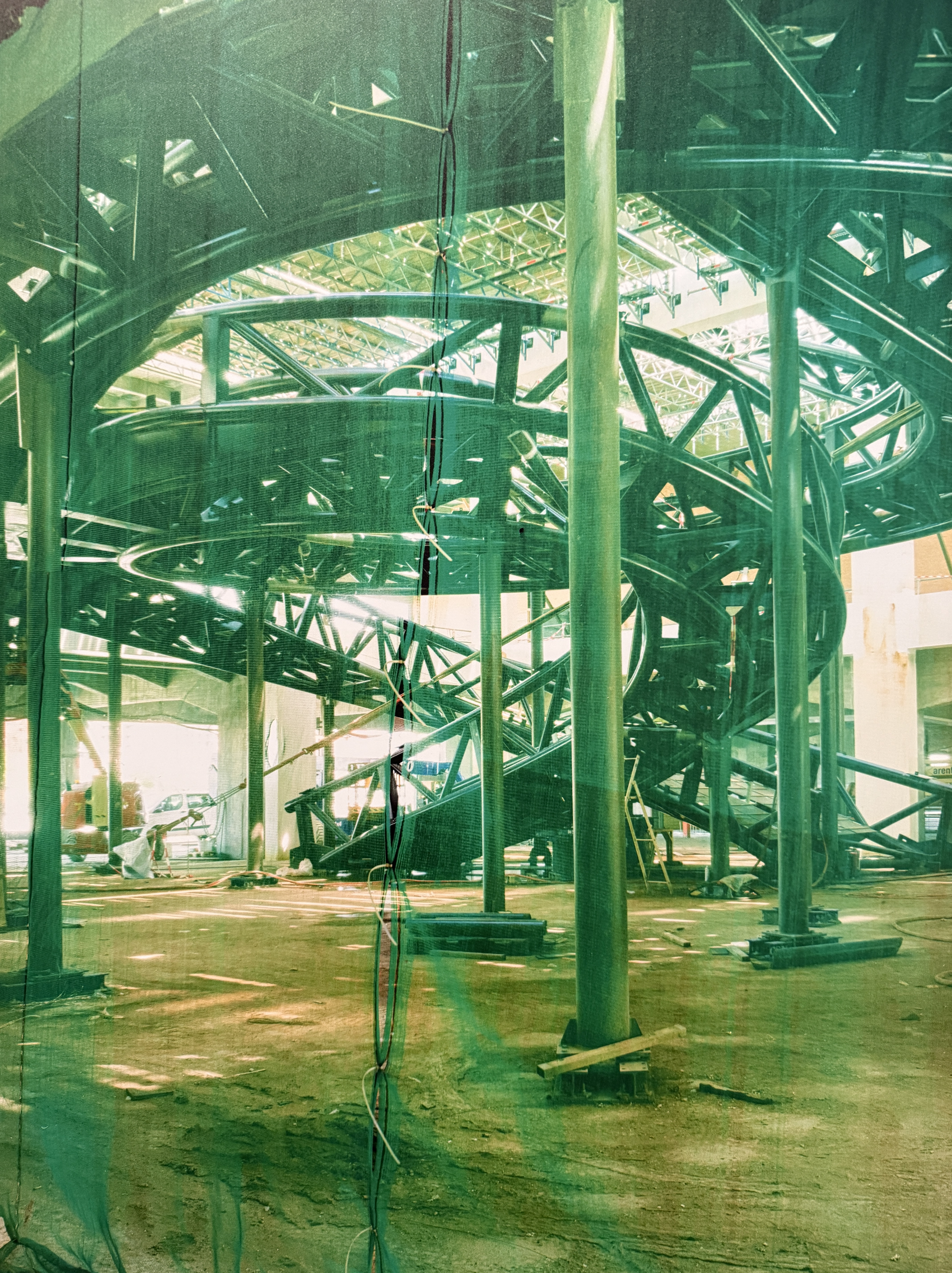
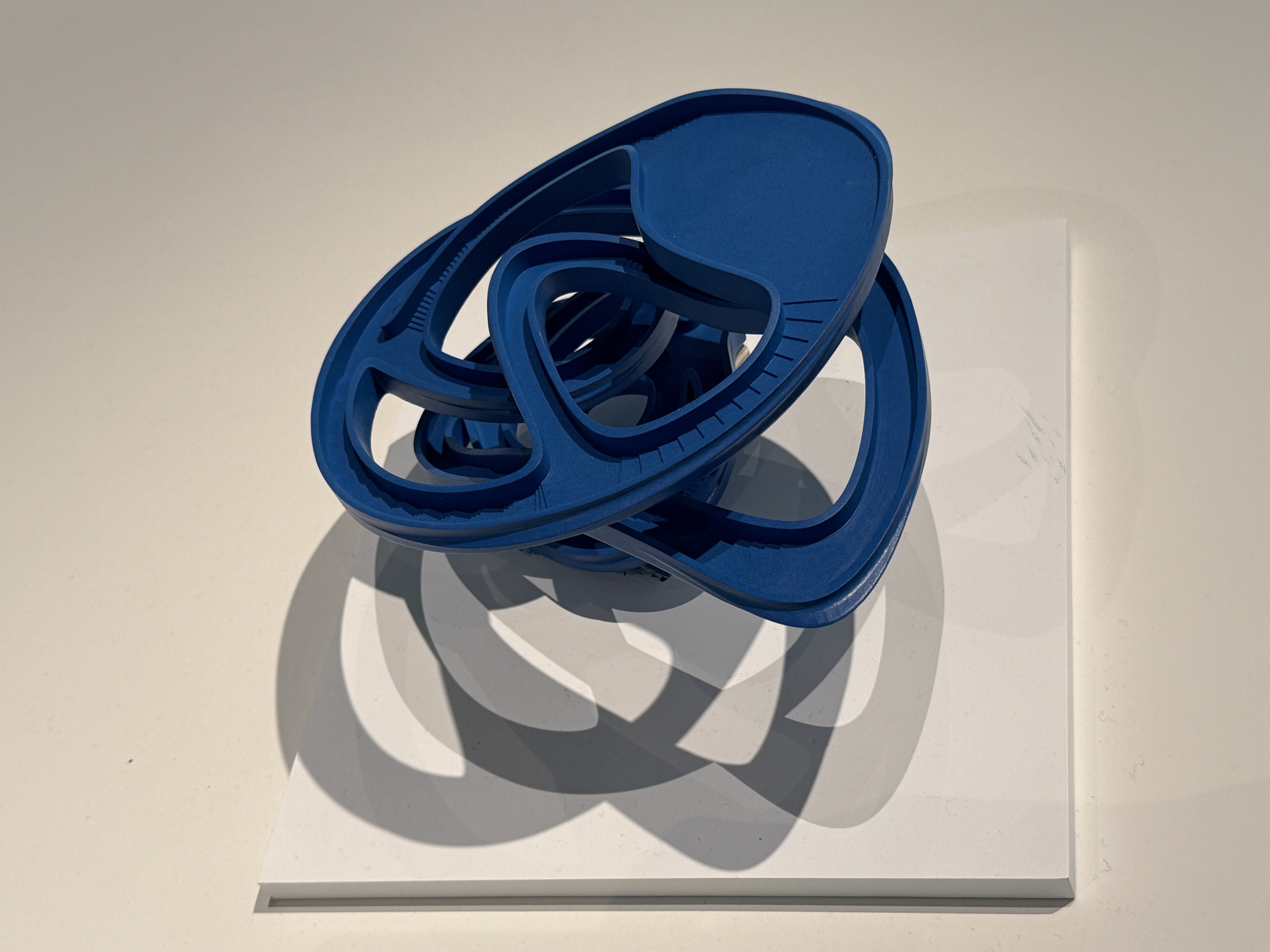
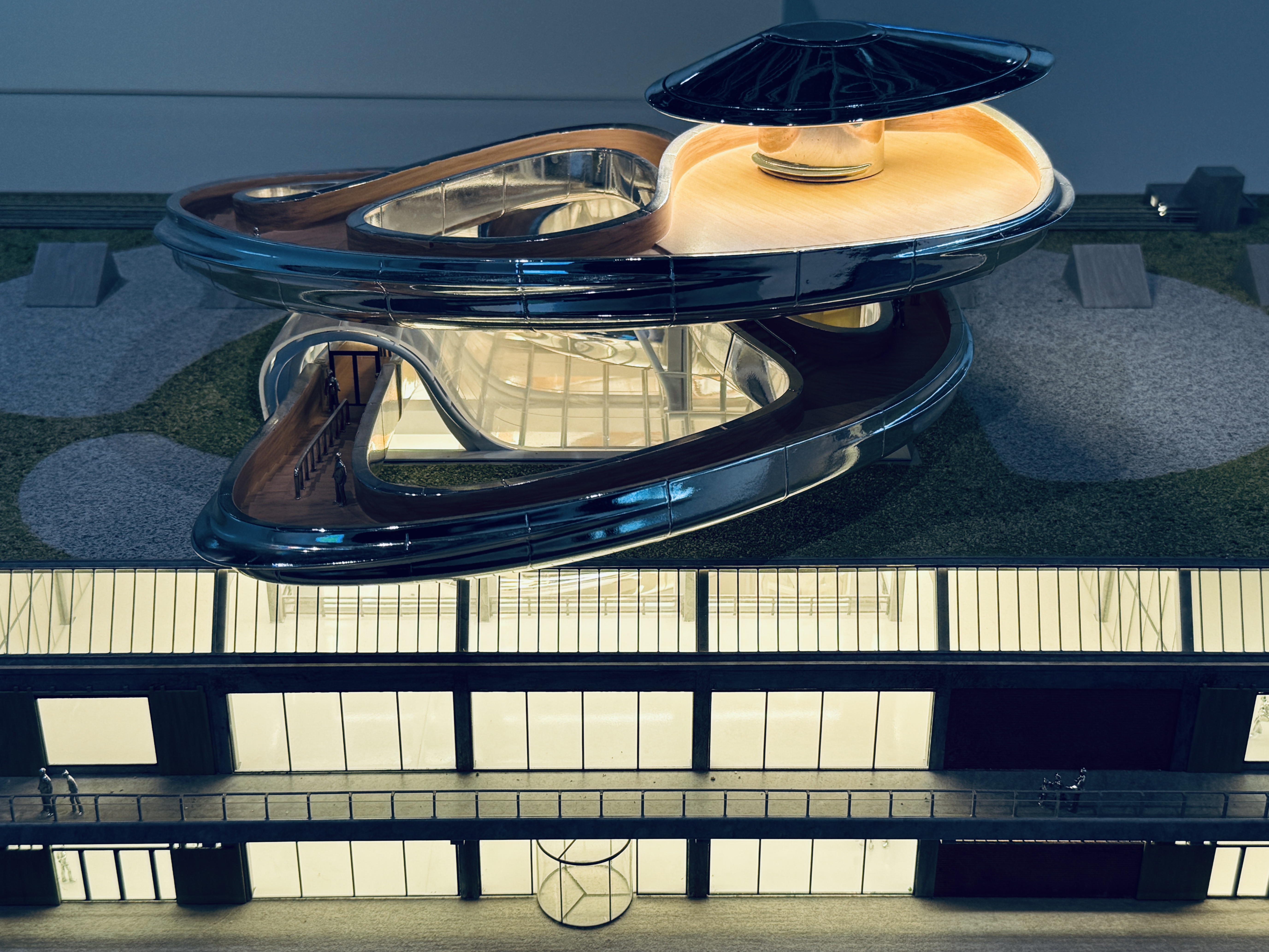
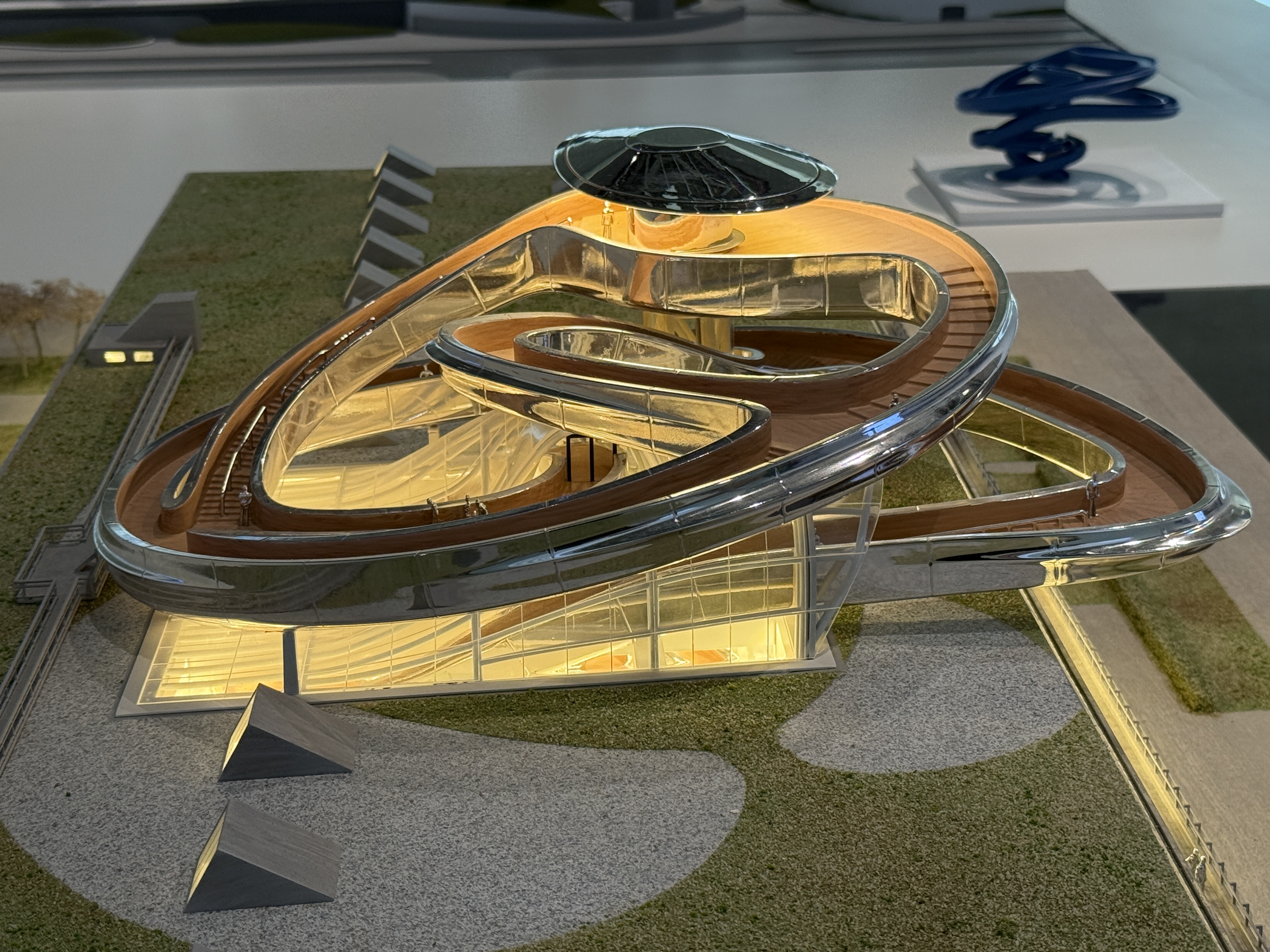
Rising like a vortex through the heart of the FENIX building, the monumental spiral staircase—dubbed the „Tornado“—is both structure and symbol. Designed as a sculptural centerpiece, it evokes movement, transition, and the emotional swirl of departure and arrival. Floating above the former migration warehouse, it invites visitors to ascend—not only through space, but through layers of memory and meaning. As much an architectural gesture as a narrative device, the staircase embodies the core theme of FENIX: the journeys that shape who we are.


What’s Next?
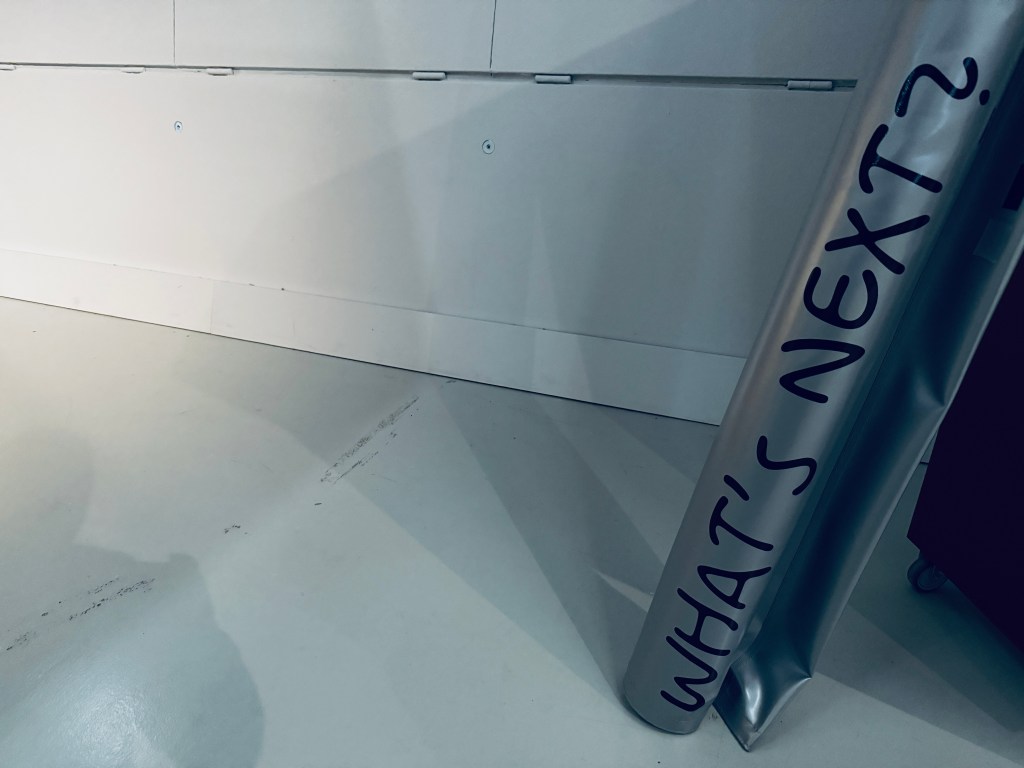
After a week of walking, sketching, observing, thinking, and sharing, the question remains: What comes next? SketchCity was never just about capturing what is—it was about imagining what could be. With sketchbooks now full of lines, layers, insights, and provocations, the next step lies in transforming these observations into action.
What does a liveable city look like—not only in Rotterdam, but in Zurich, Bern, Arnhem, Chur, or anywhere we live and study? What role will each student play in shaping that city — through design, planning, storytelling, activism, or care? The pencil may be put away for now, but the perspective it sharpened remains.
 SketchCity.ch