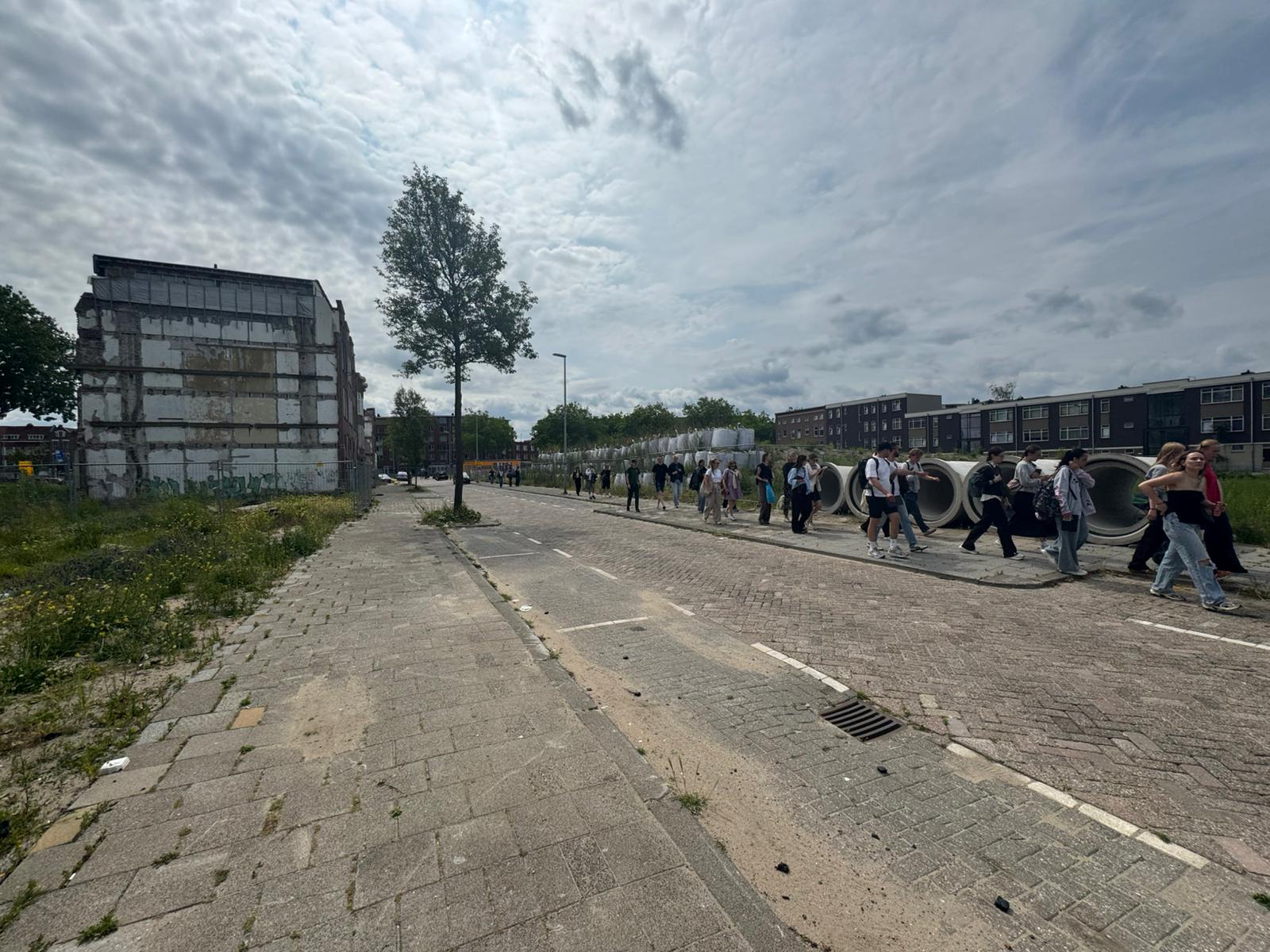
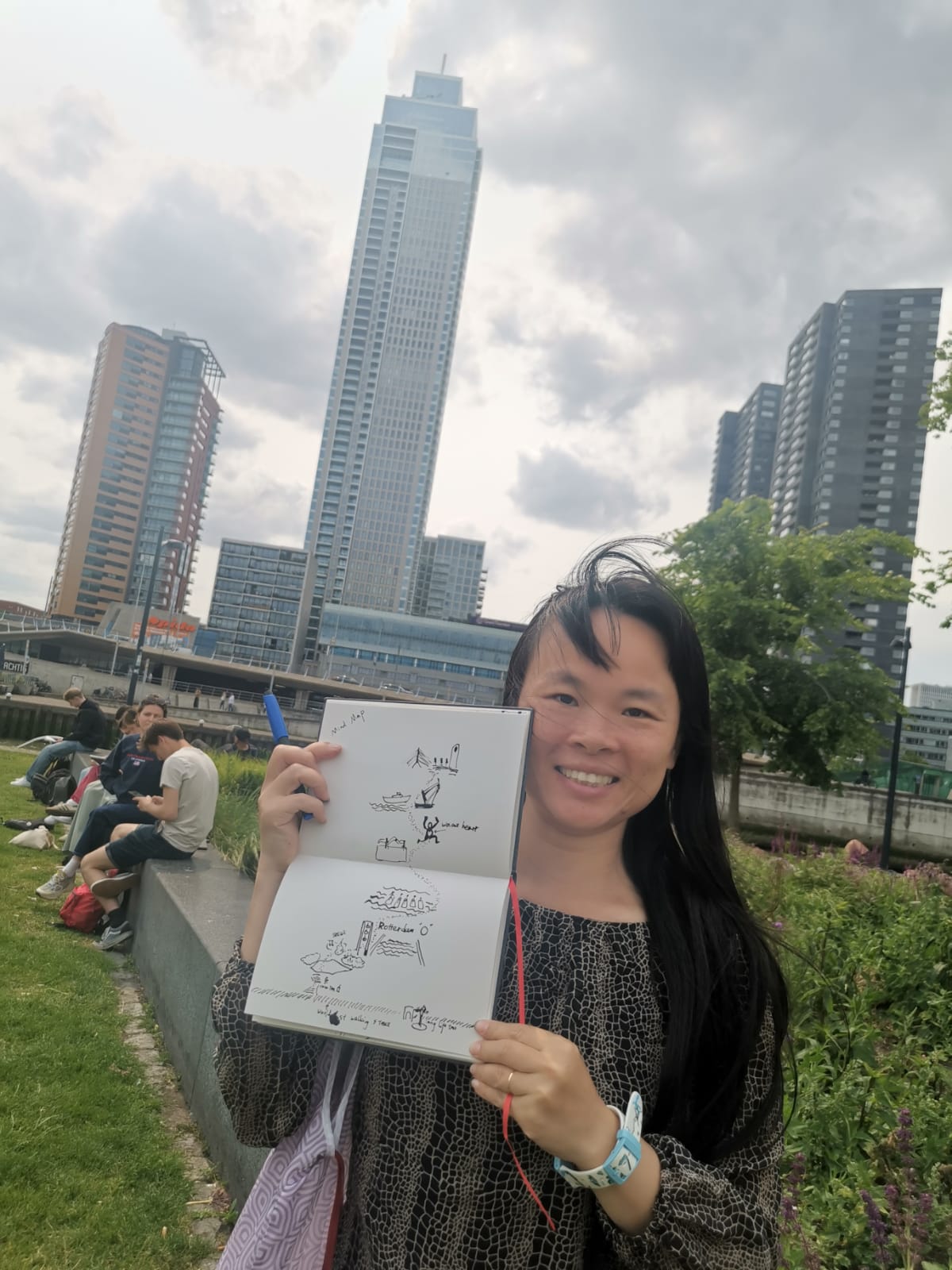
Following a series of inspiring lectures from leading urban experts—including Jan Rothuizen and the team at DeFacto Urbanism—our students took to the streets of Rotterdam, transforming the city into their open-air studio. Equipped with sketchbooks and the Sketch&Draw method, they explored the urban landscape not just as observers, but as active interpreters of spatial, social, and ecological dynamics.
Sketching the Future City: Students Explore Rotterdam through Drawing


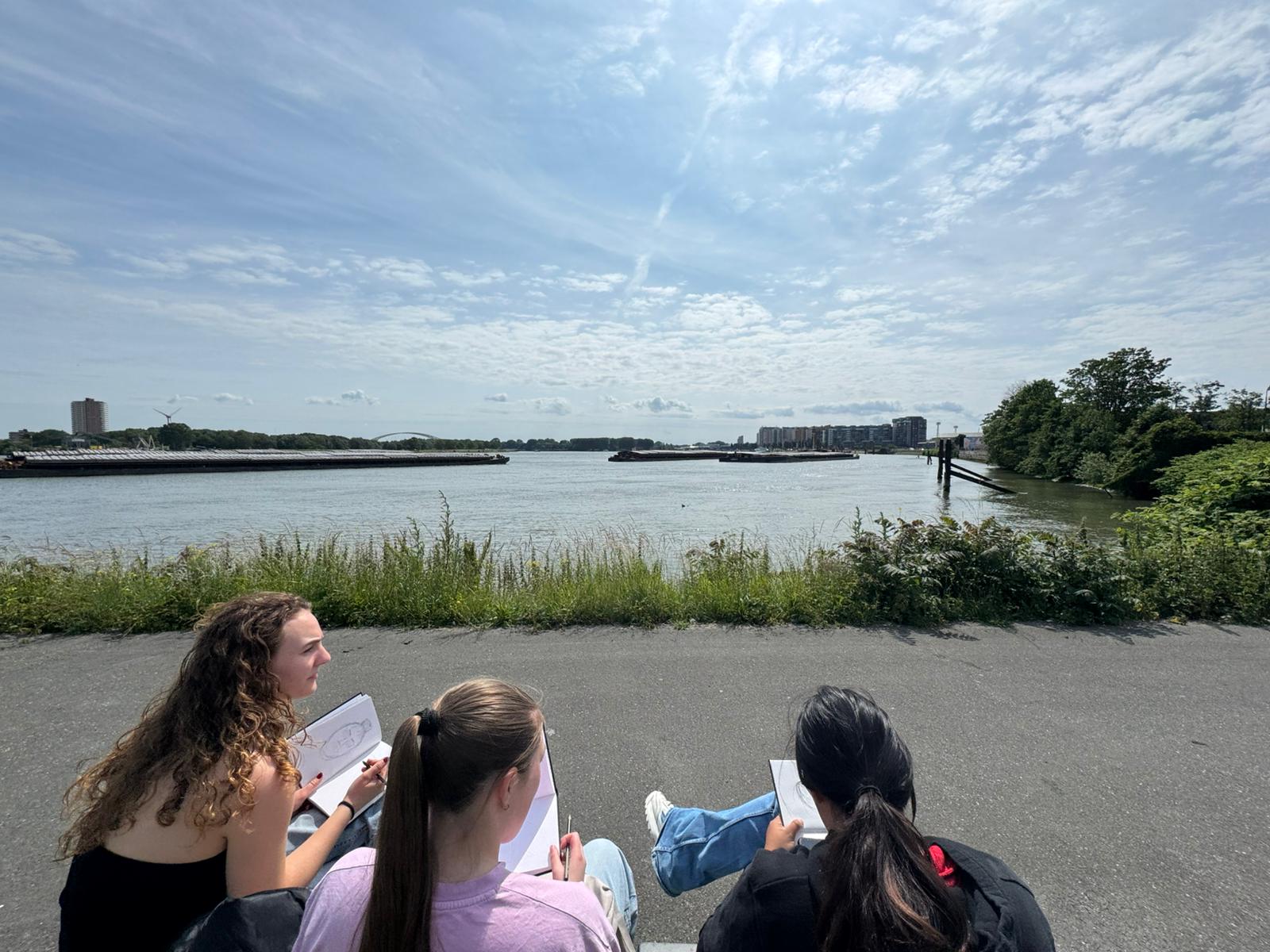
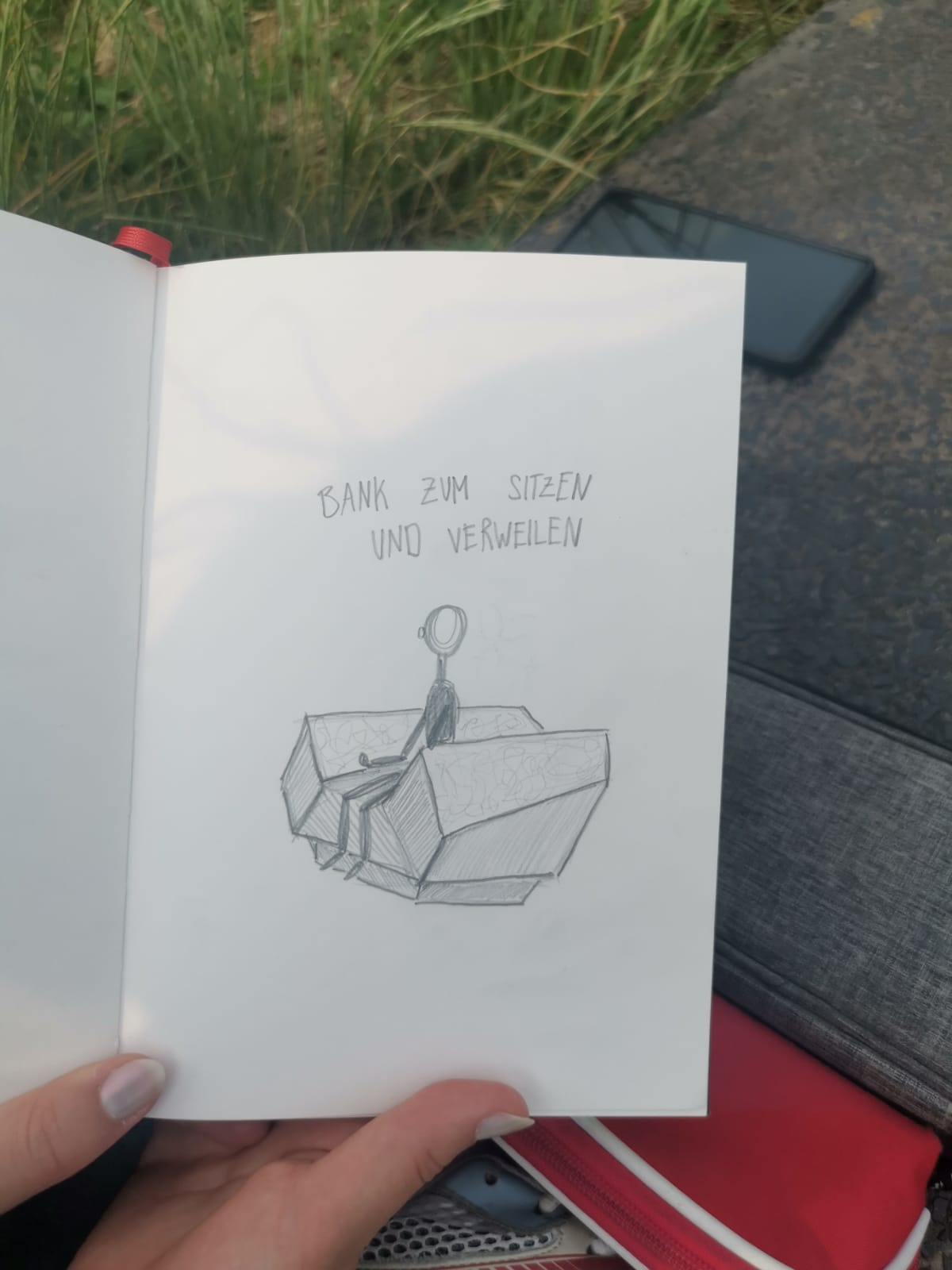

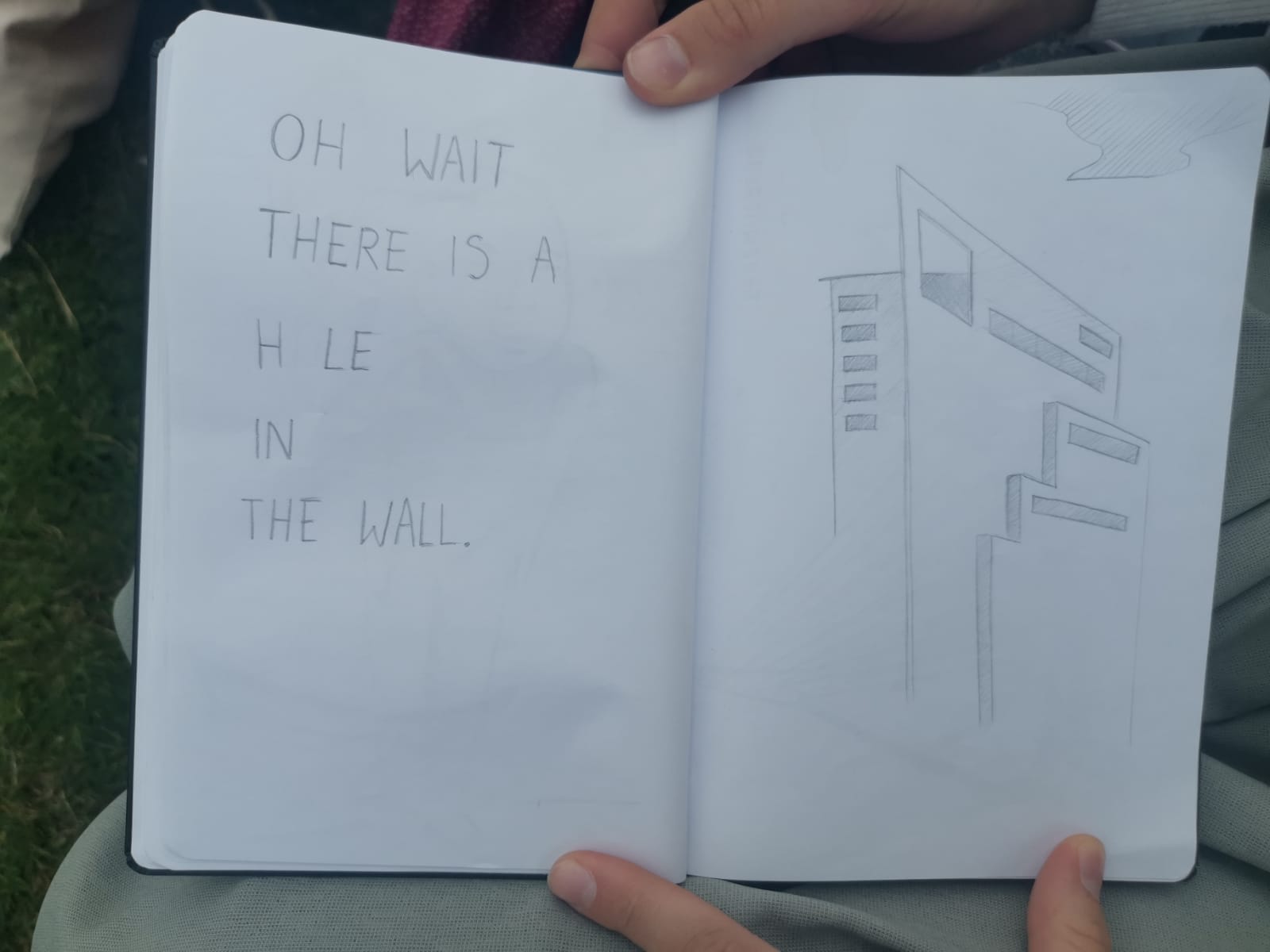
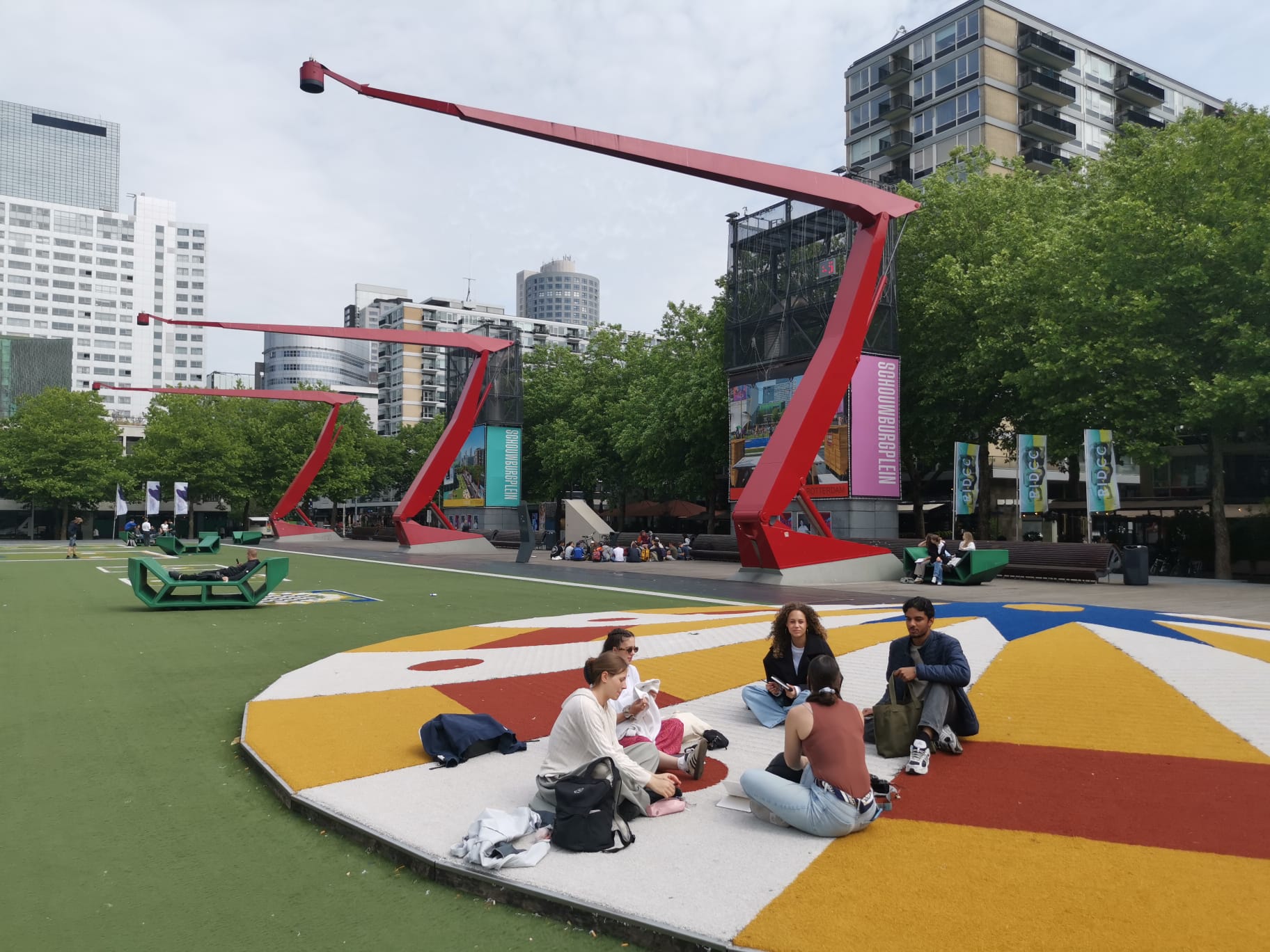



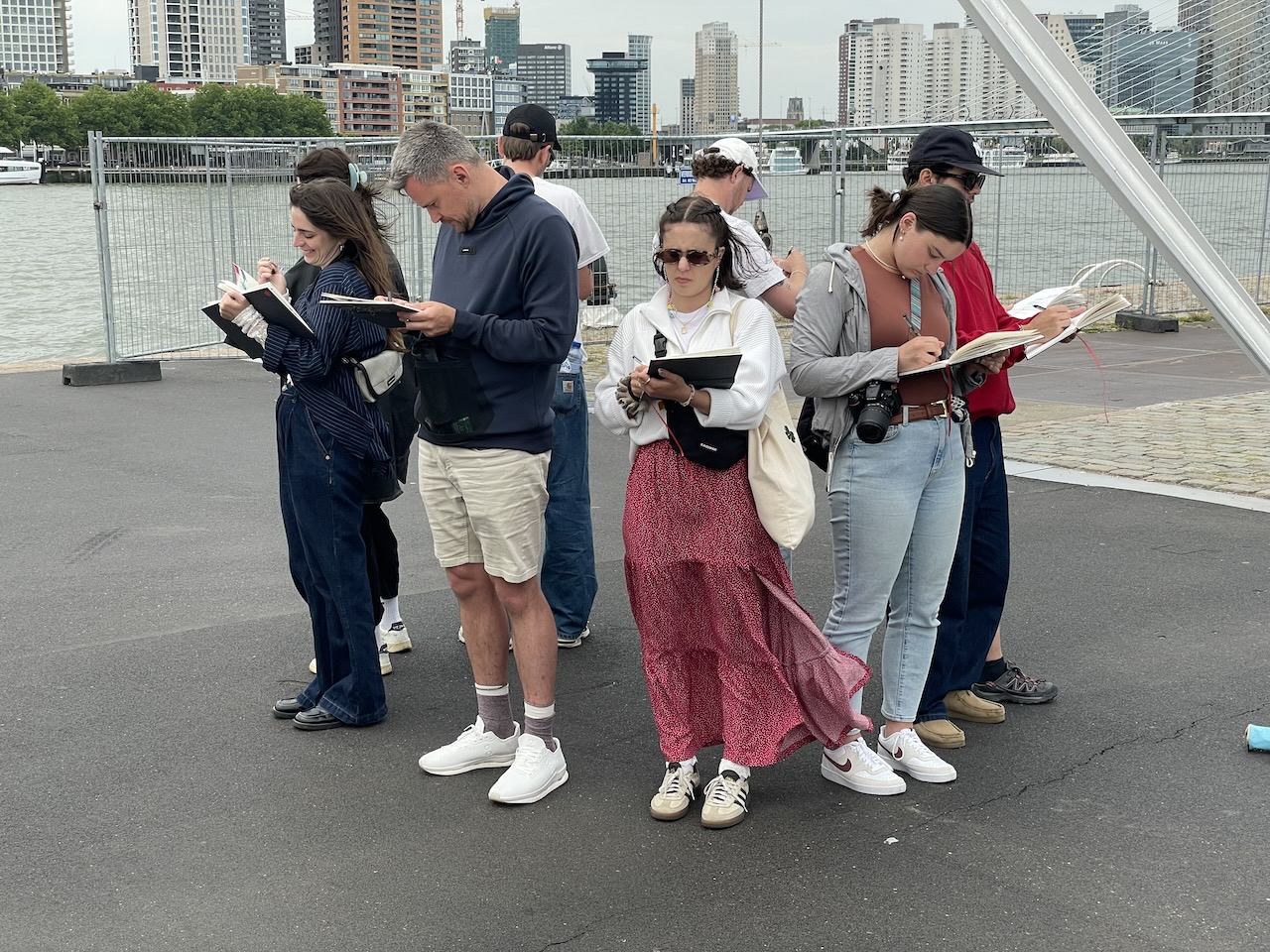
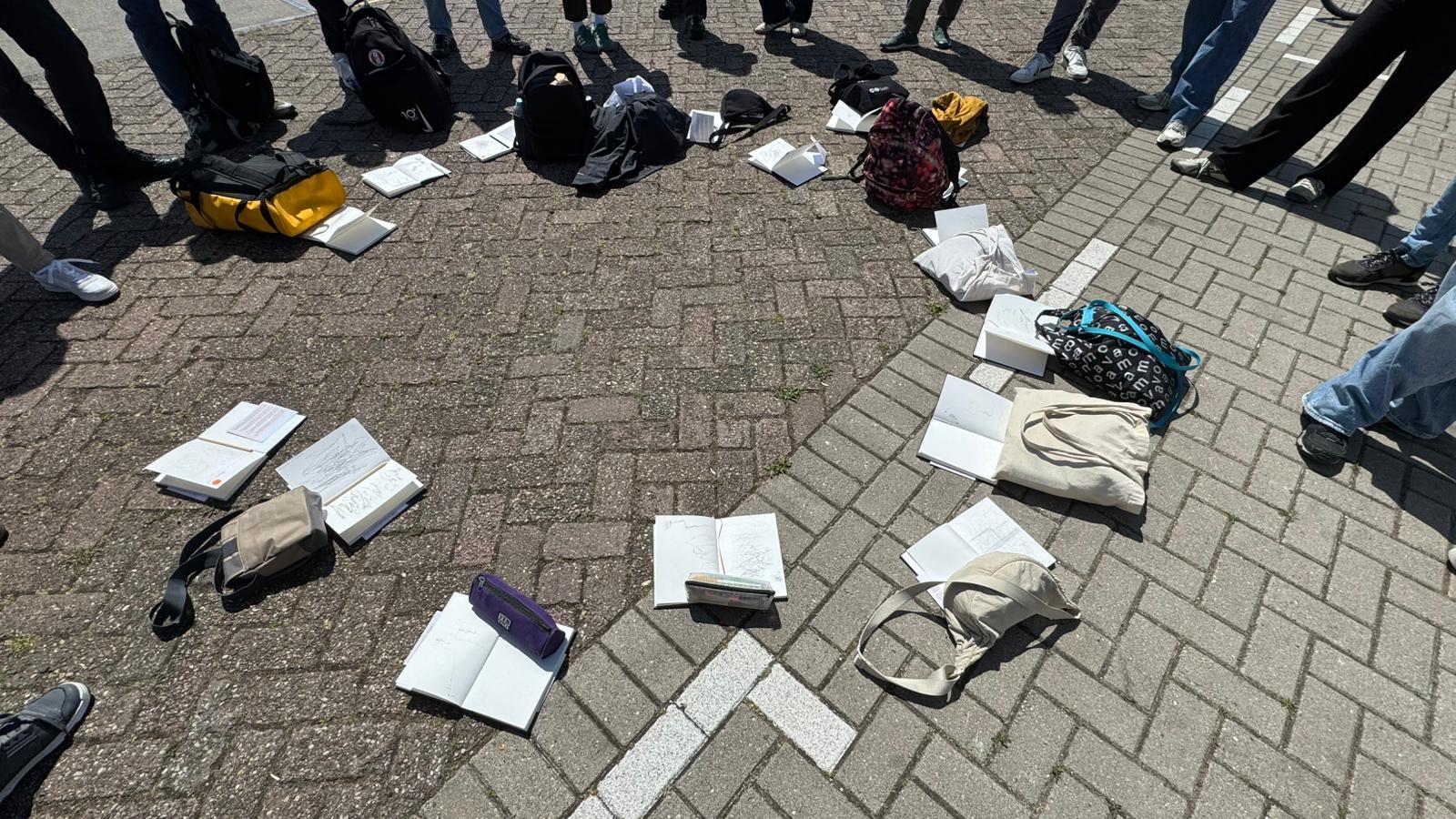
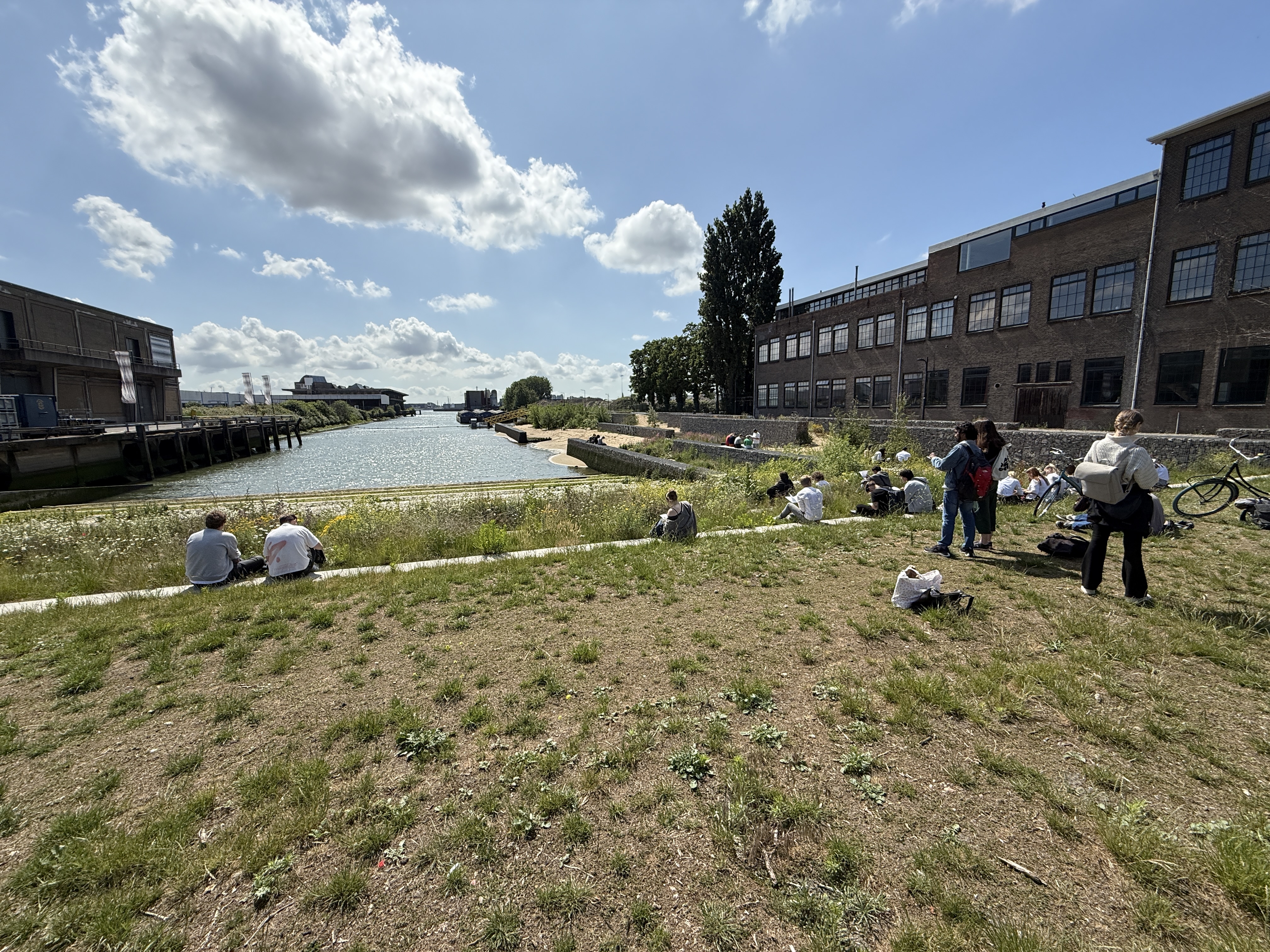

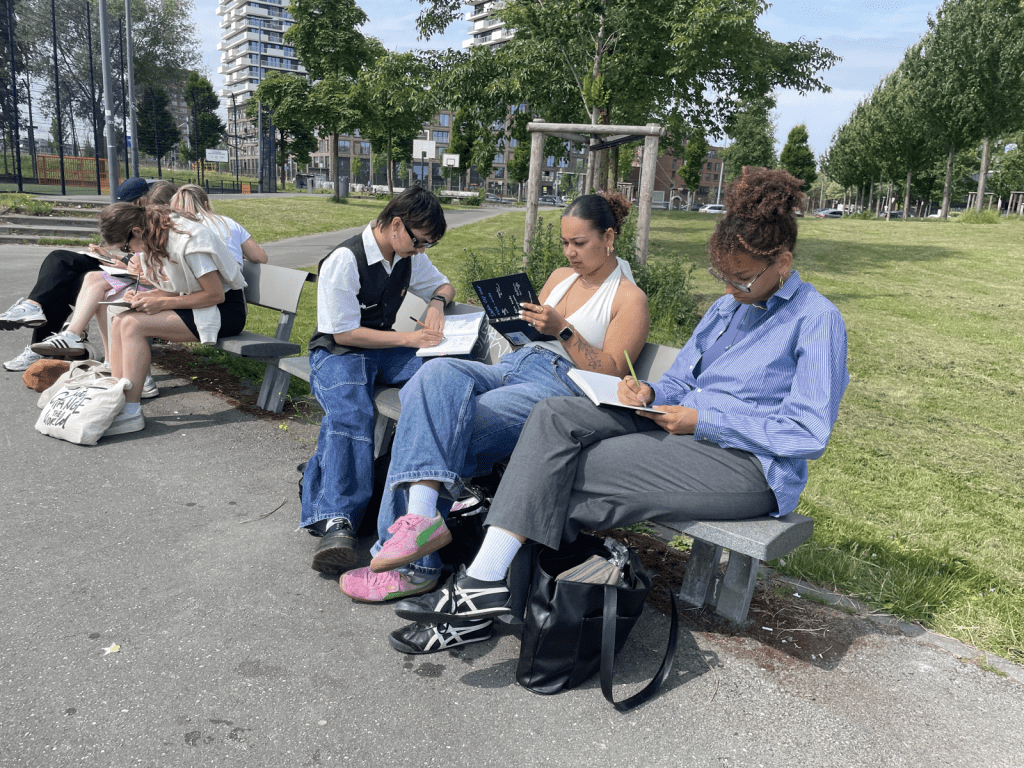
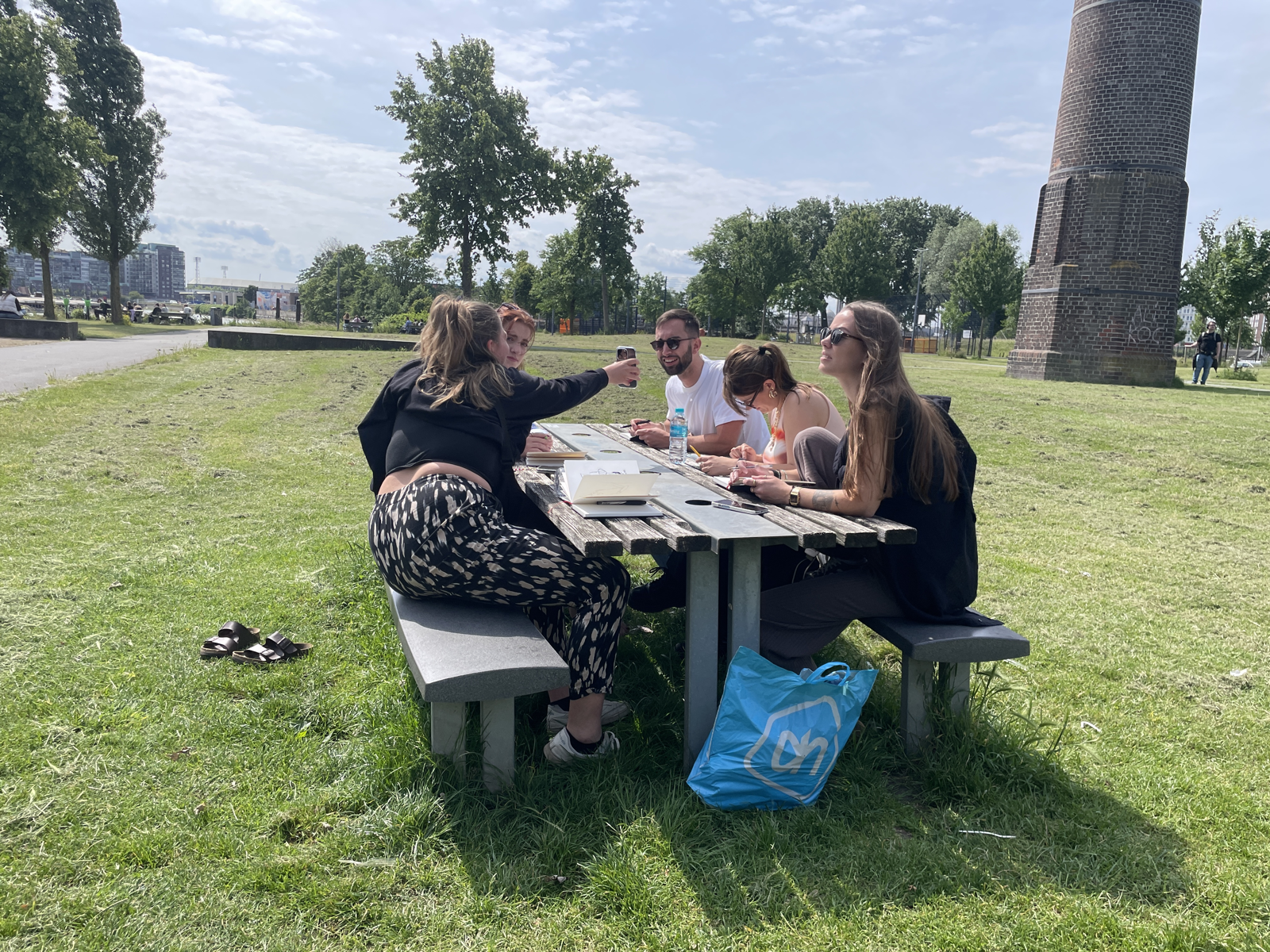
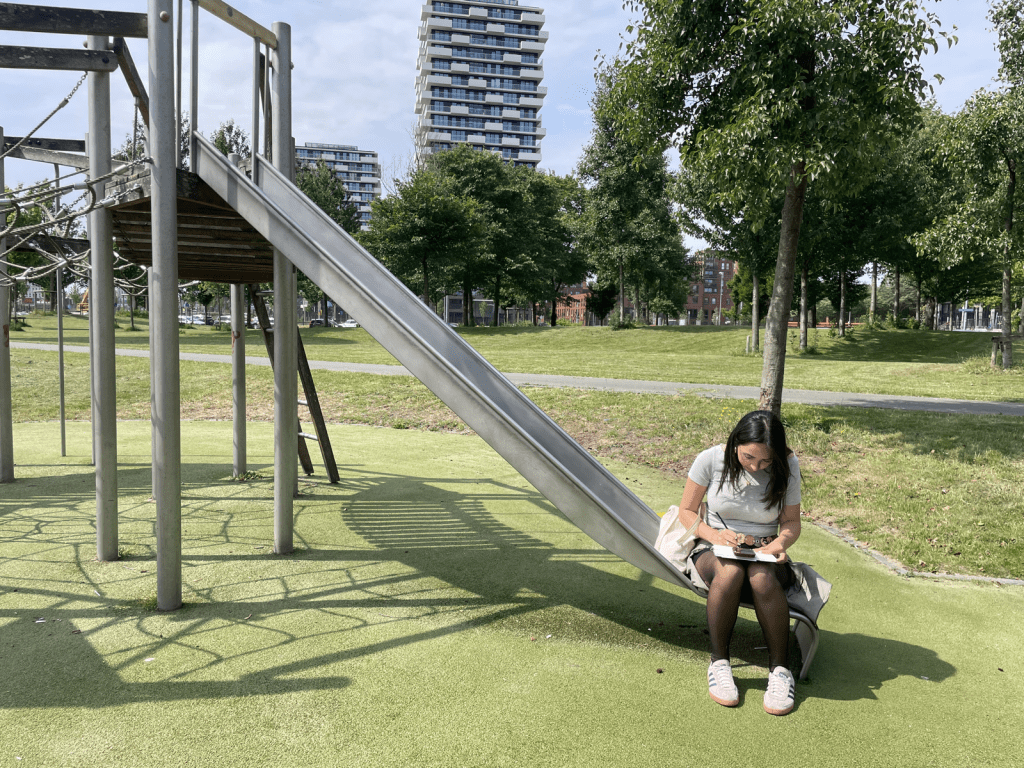

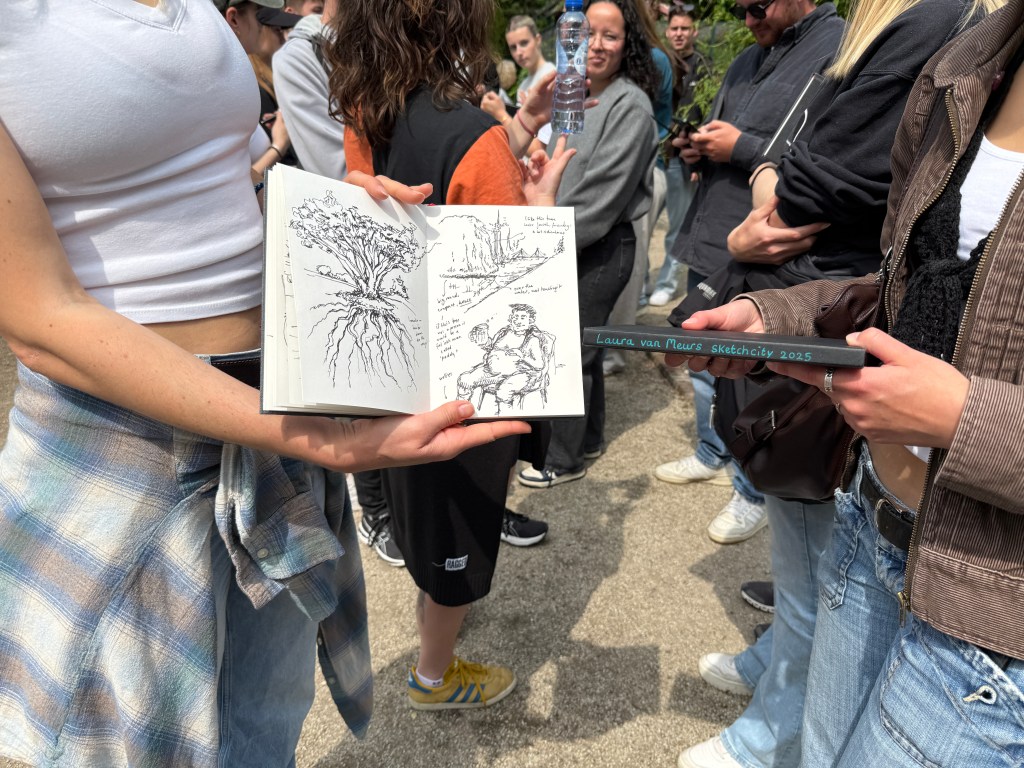
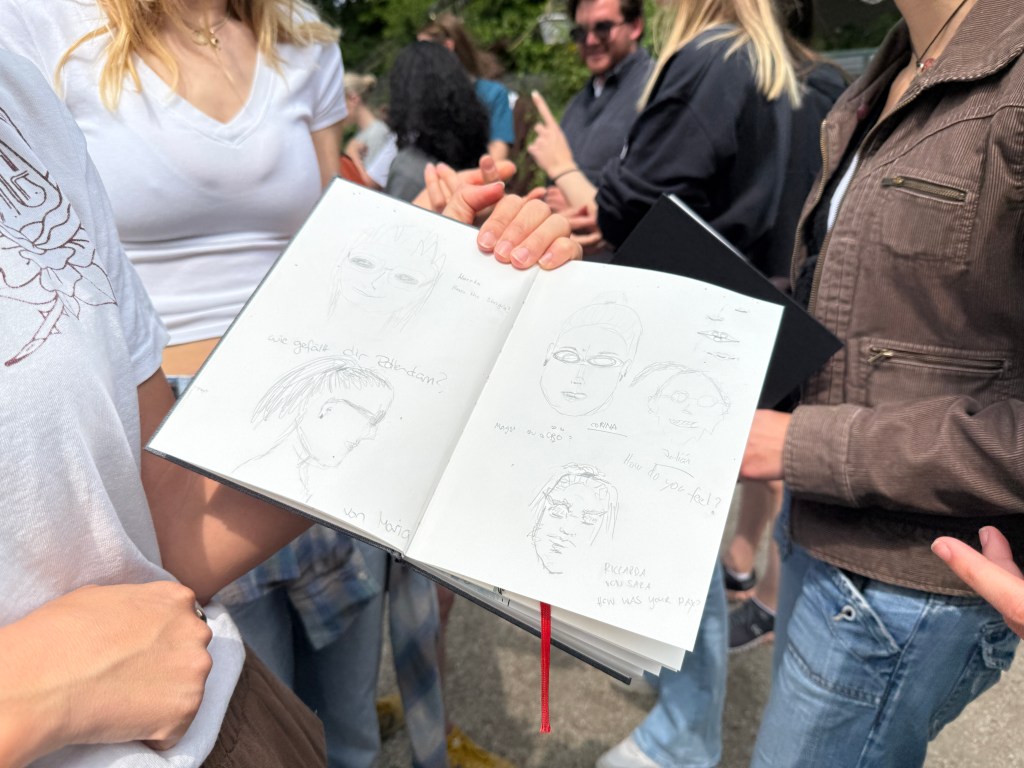
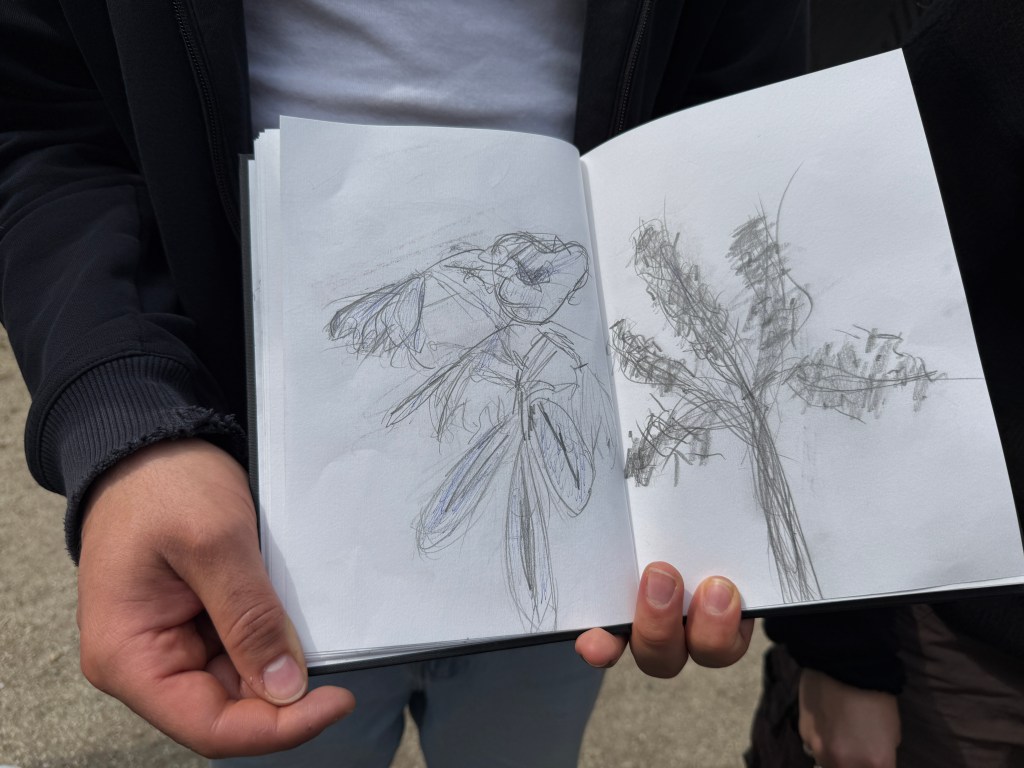
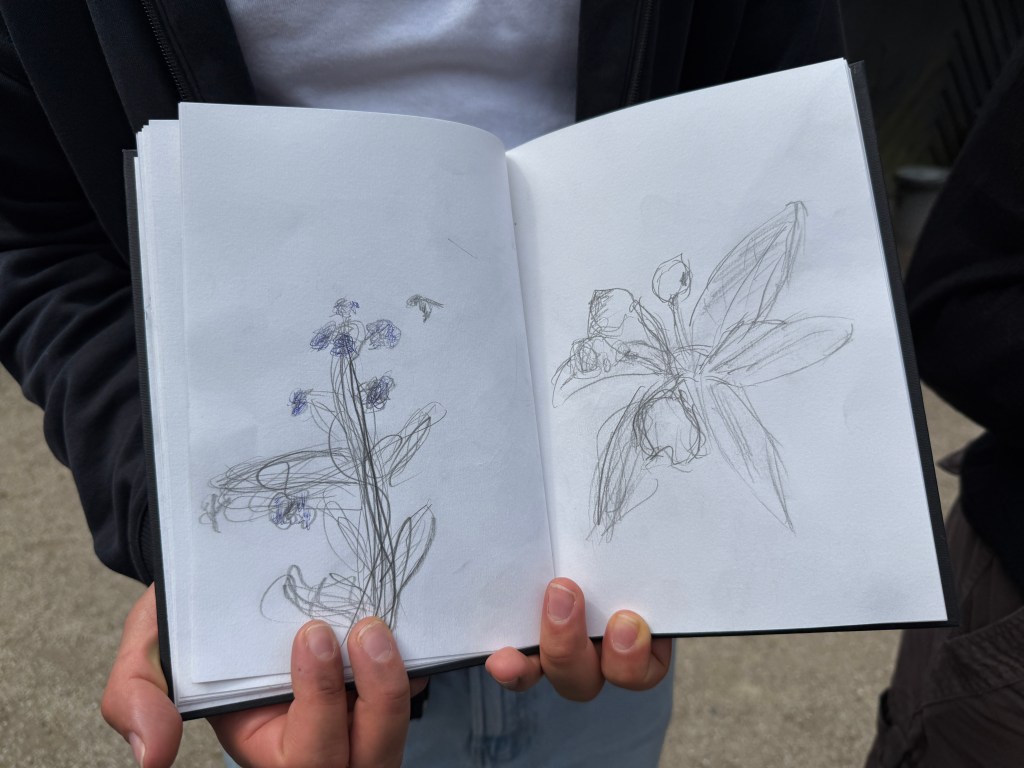
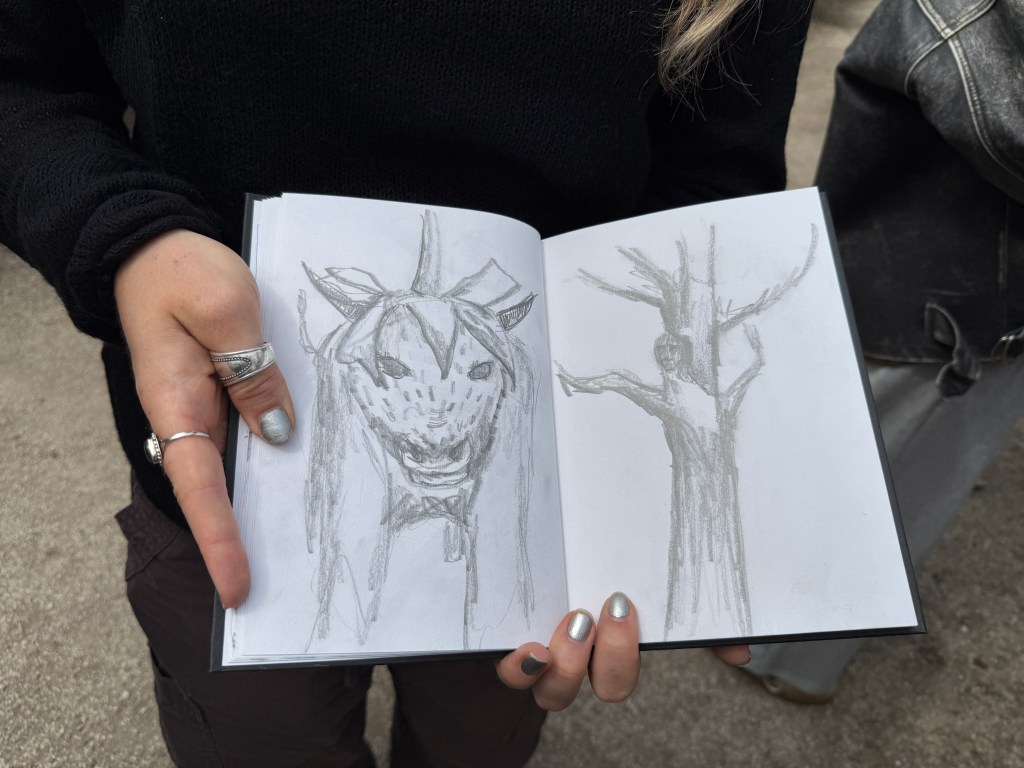
The Sketch&Draw method provided the foundation for this inquiry-based fieldwork. Students began by applying the early principles—fluttering lines, line bundles, and crossing lines—to generate visual noise that would help them discover form, structure, and meaning within the complexity of the city. These intuitive marks evolved into associative lines and open forms, allowing the sketch itself to raise questions: How does public space respond to climate risks? Where do architecture and social life collide—or connect?
Rotterdam, with its unique urban fabric shaped by post-war reconstruction, climate adaptation strategies, and forward-thinking design, proved to be the perfect setting. As a city often described as a living architecture laboratory, it challenged students to think beyond aesthetics. They observed floating buildings, elevated bike lanes, layered flood protection, and adaptive reuse of port infrastructure—all of which fed into their sketch-based reflections.
By combining on-site observation with insights from the lectures, students developed a deeper understanding of what makes a city livable, resilient, and future-oriented. Their drawings became visual essays—each one a dialogue between place, policy, and imagination.
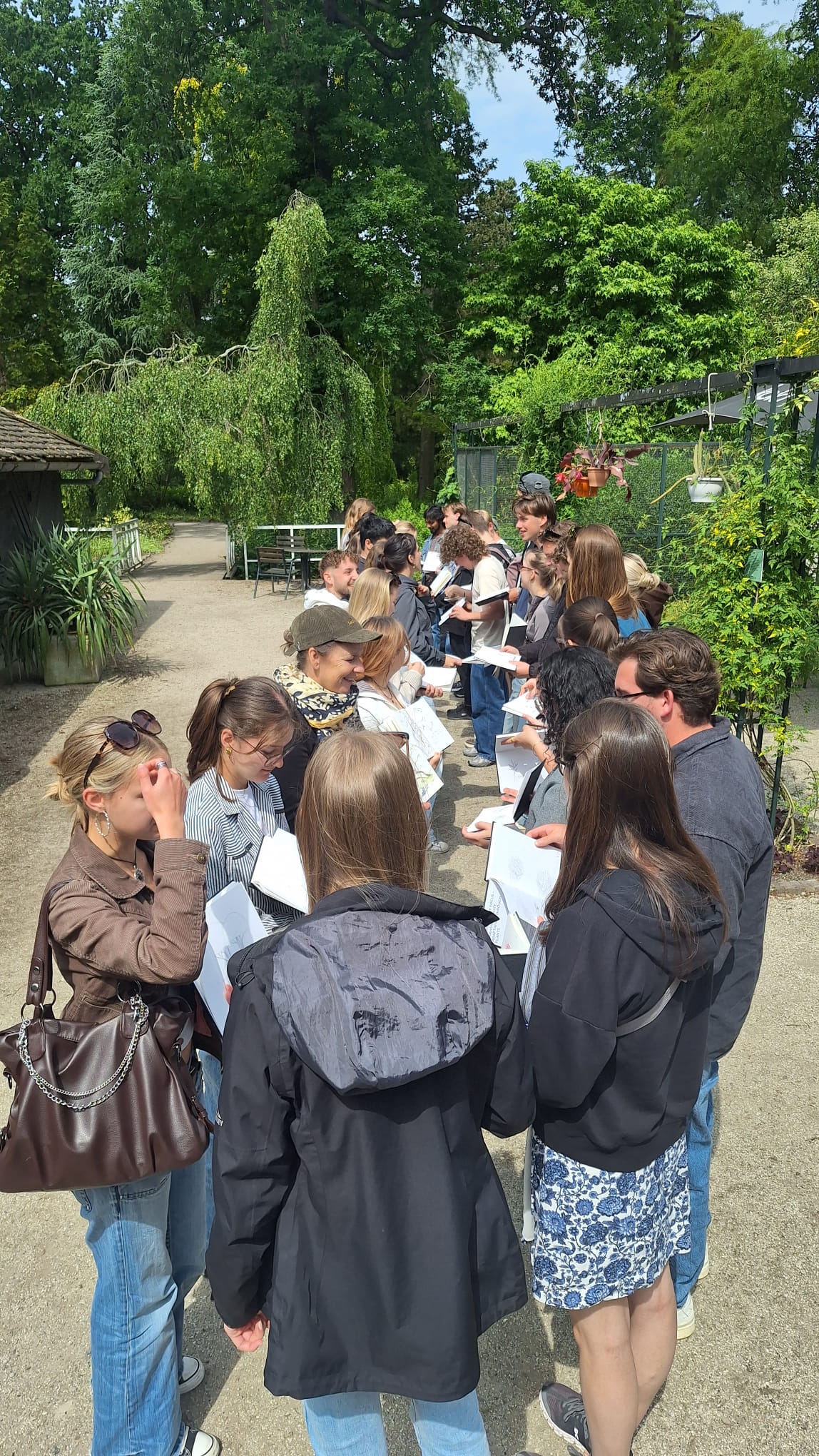
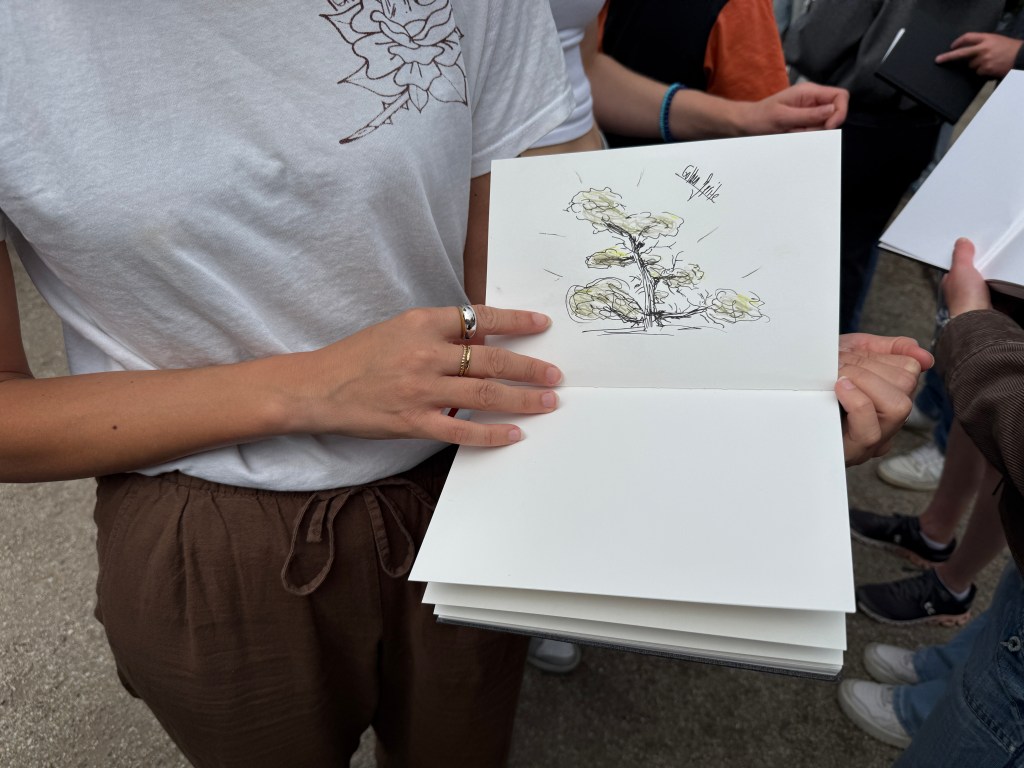
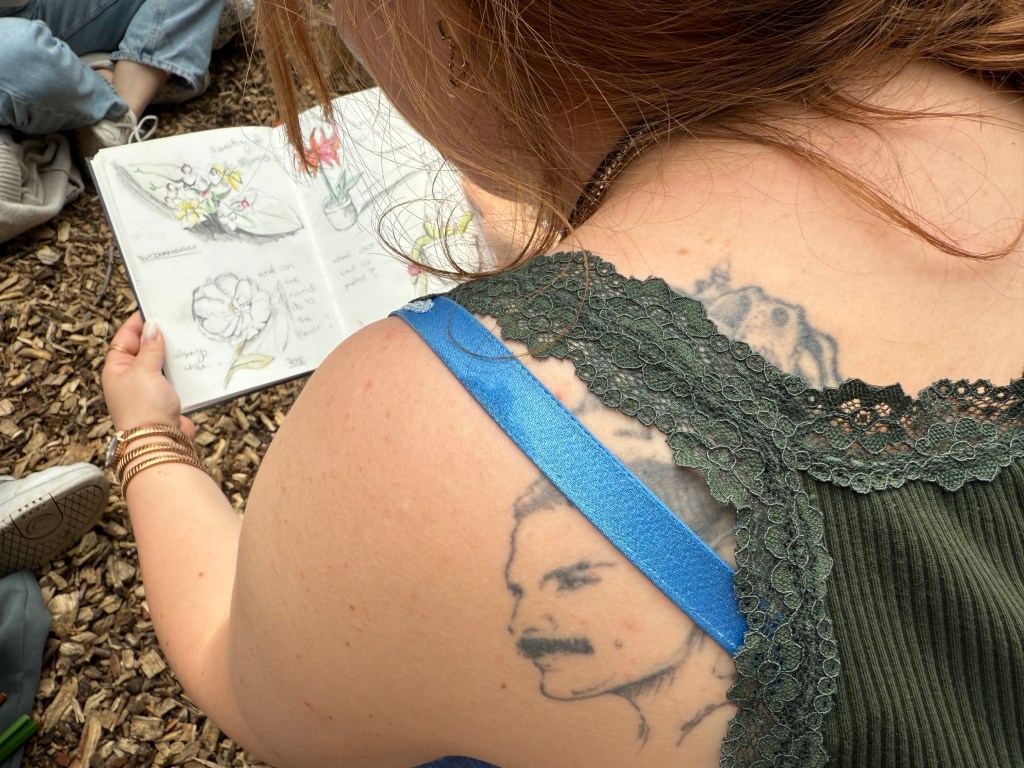
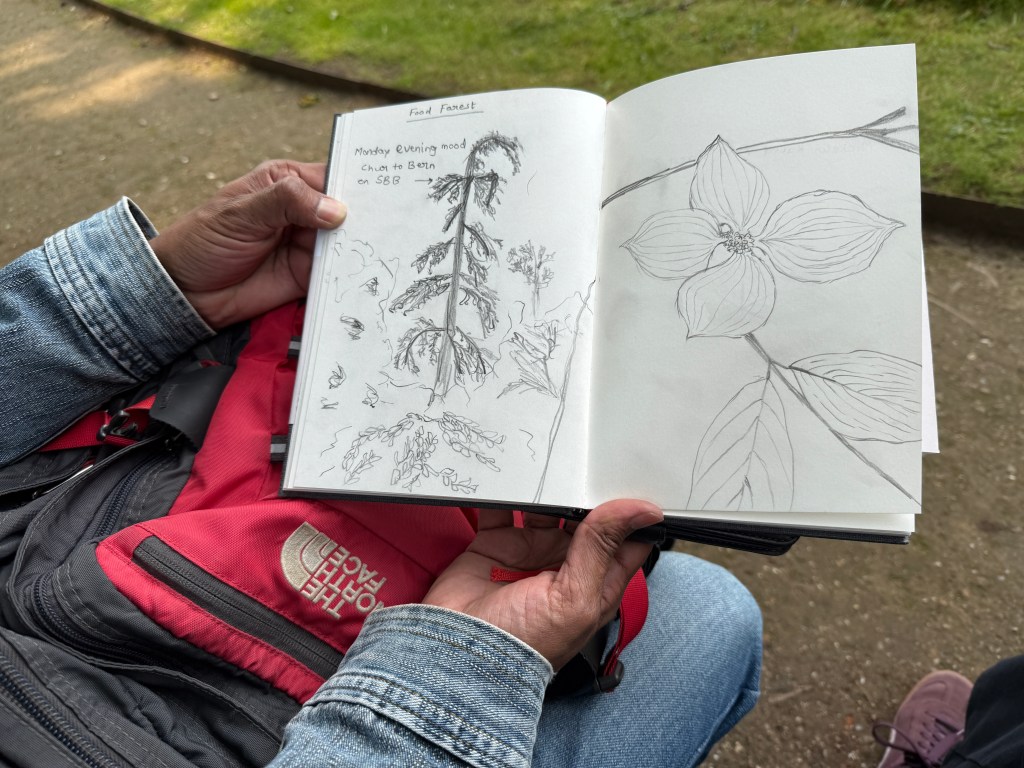
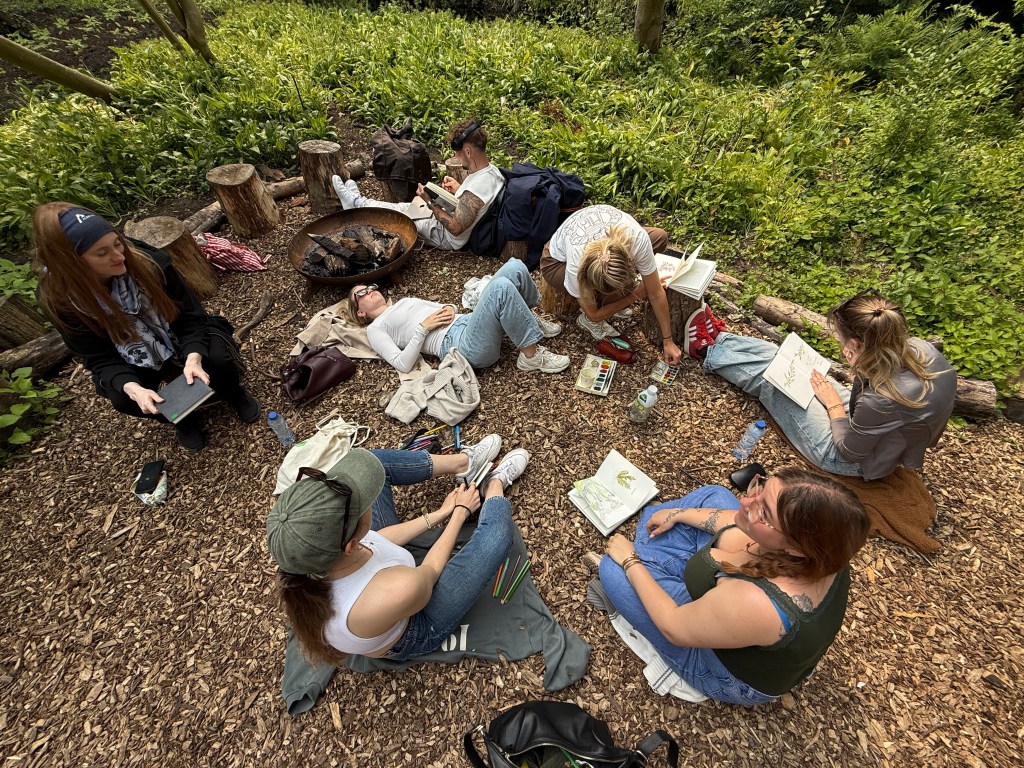
In addition to exploring the built environment, the students visited the Botanical Garden in Rotterdam, where sketching became a tool for observing the quieter, often overlooked foundations of urban resilience: plants. Amid the garden’s rich diversity of species, students documented the forms, textures, and adaptive strategies of vegetation—drawing not only what they saw, but also what these plants signify for the future of our cities. The botanical garden functions as an urban Ark of Noah—a living archive of biodiversity and a reservoir of ecological knowledge. It preserves both rare species and centuries-old horticultural wisdom, offering insights into how cities can adapt to climate change through green infrastructure, soil health, and microclimate regulation. Here, Sketch&Draw became a means of connecting human perception with botanical intelligence—of tracing the quiet power of plants in shaping more livable and sustainable urban futures.





 SketchCity.ch