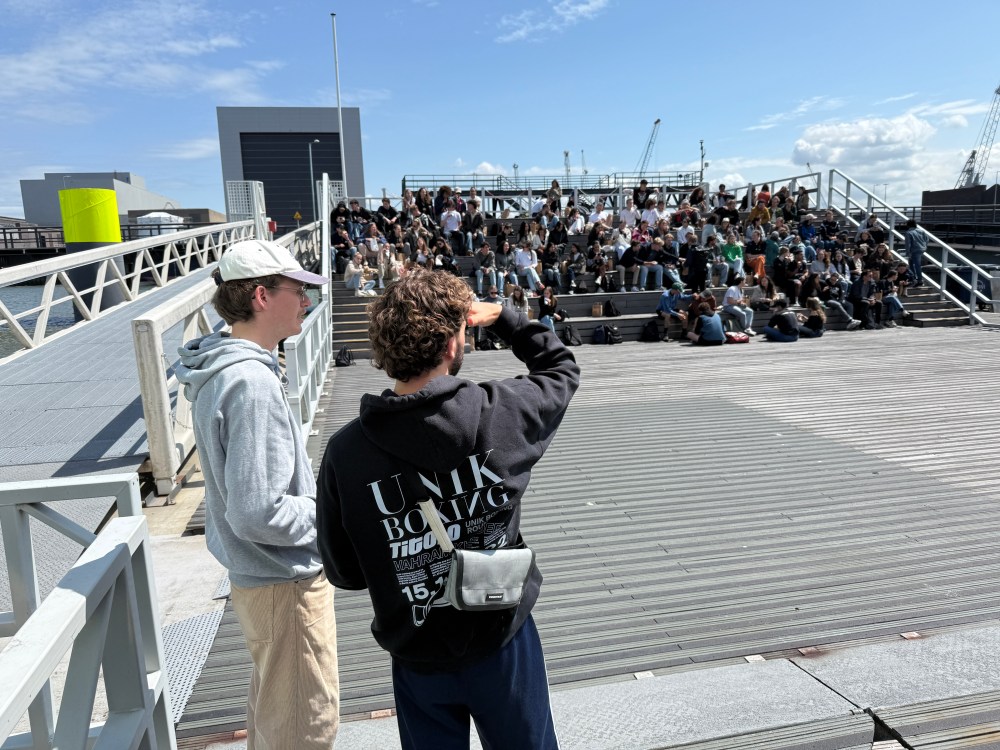
The first day of the tenth edition of the sketchcity studyweek is opened. 170 student and 7 lecturers from both countries, The Netherlands ans Switzerland celebrate this event with a guest lecture of Jan Rothuizen.

Renu Jagernath, Head of Urban Development at Hogeschool Rotterdam, welcomed us with a warm and inspiring speech on the importance of international collaboration in shaping a more sustainable and inclusive future.
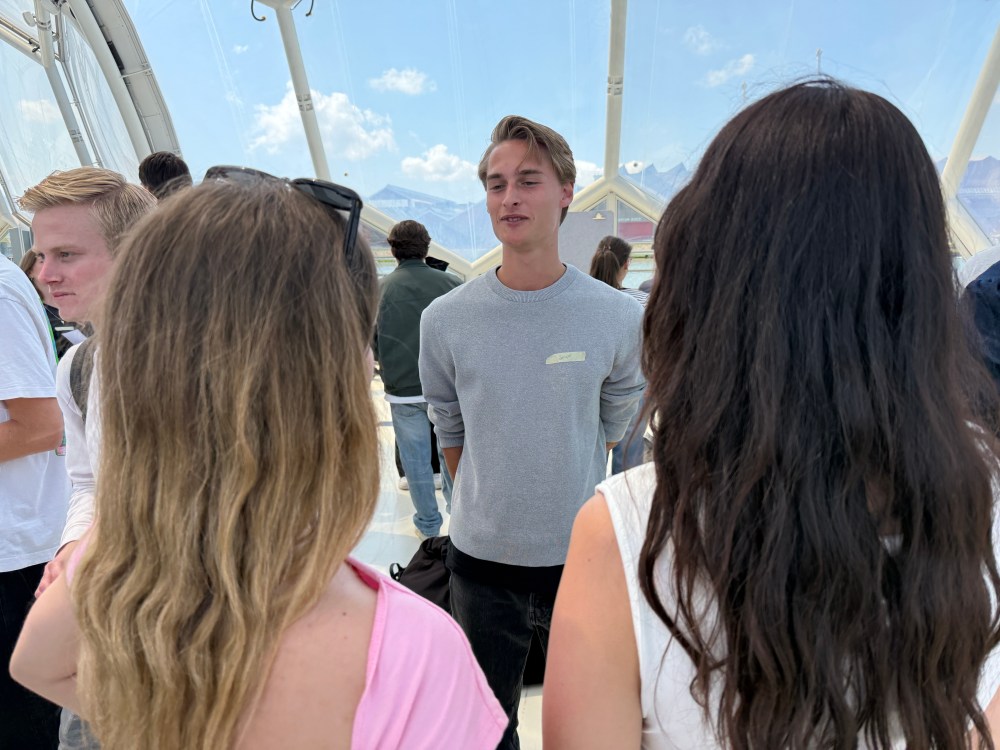
The venue – the Floating Pavilion at RDM in the Rotterdam harbour—provided a remarkable and fitting setting. As an autonomous, self-sustaining structure, the Floating Pavilion stands as a symbol of innovation in climate-resilient architecture. Today, it serves the University of Rotterdam as a unique location for special events, embodying both vision and practice in sustainable urban development.

Renu Jagernath, Head of Urban Development (Ruimtelijke Ontwikkeling), Rotterdam University
We had the honour of welcoming Jan Rothuizen, an experienced and renowned draftsman, who introduced our students to the complex challenge of how to draw a city. He shared insights from his own work, including how he mapped Cairo, and how, as early as the 16th century, cartographers in Amsterdam created bird’s-eye view maps of their city.
Jan guided us through his unique approach to visual storytelling—an approach that begins with thorough online research, an understanding of political contexts, and a deep engagement with social questions. Most importantly, he demonstrated how he uses drawing not only as a means of observation, but as a form of inquiry. For him, the pencil is a powerful tool—one that asks questions and offers responses through lines, textures, and annotations.


Lecture Marij Vreriks from Defacto
During the lecture by the Rotterdam-based office DeFacto Urbanism, we were introduced to their innovative approach, which integrates research and design to tackle the urgent needs of contemporary cities—particularly in the context of Rotterdam. We learn the imprtance of emphasising the pressing urban challenges the city faces, including climate change, flood risks, ecological resilience, and mobility transformation.
We learn about their method that combines scientific analysis with inspiring urban and landscape design. Through visualisations, scenario-building, and spatial strategies, they translate complex data into accessible and actionable design concepts. A key message was that context matters: every project begins with a deep understanding of place, supported by interdisciplinary collaboration and stakeholder involvement.
DeFacto Urbanism positions itself at the intersection of strategic planning and public space design, serving clients from international government bodies to NGOs. The office is internationally recognised for its pioneering contributions to urban climate adaptation and its ability to deliver integrated, implementable solutions that respond to the environmental and societal challenges of our time.
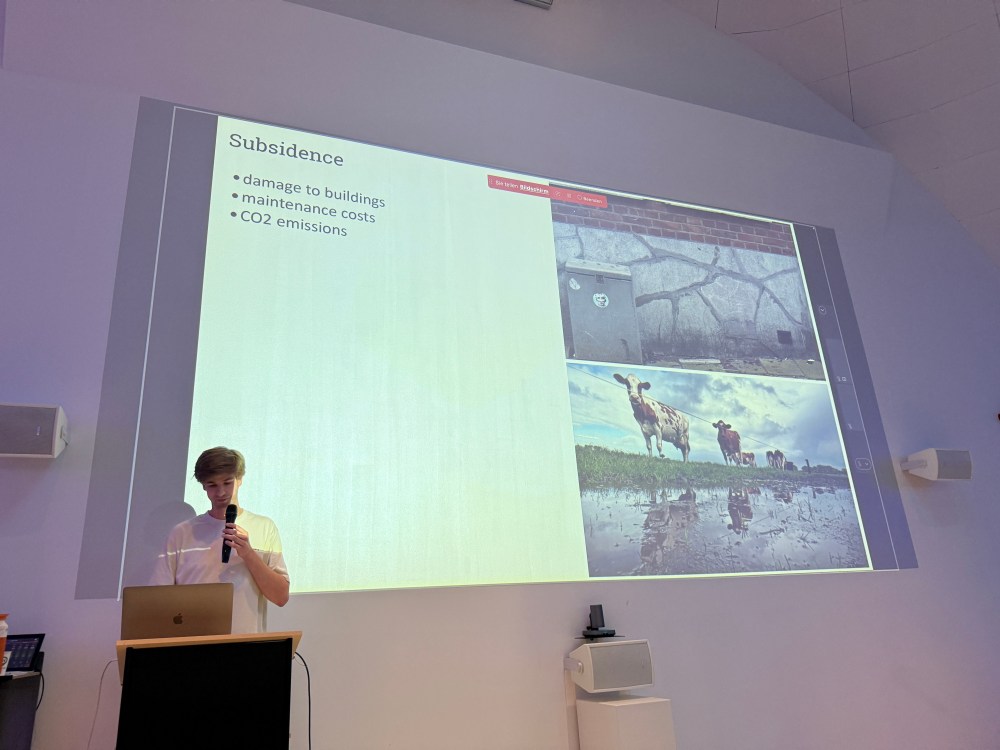
Lecture Marij Vreriks from Defacto
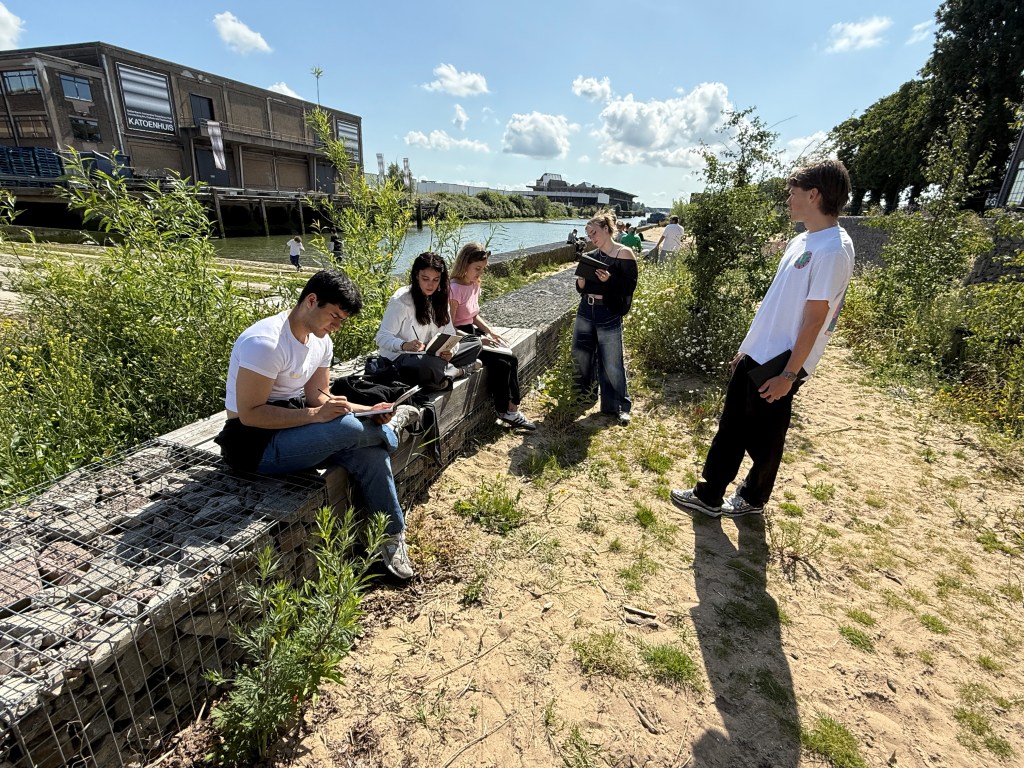
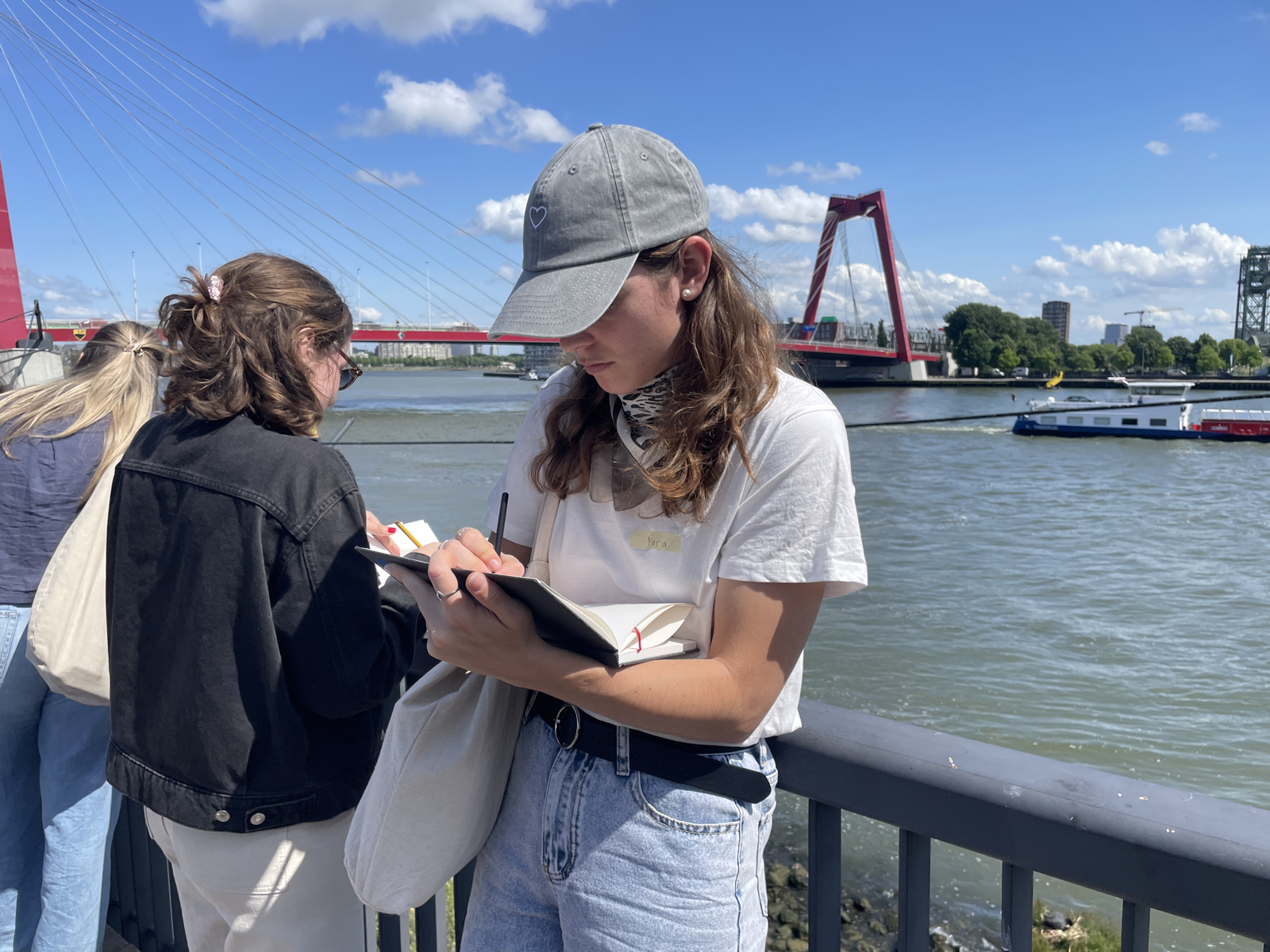
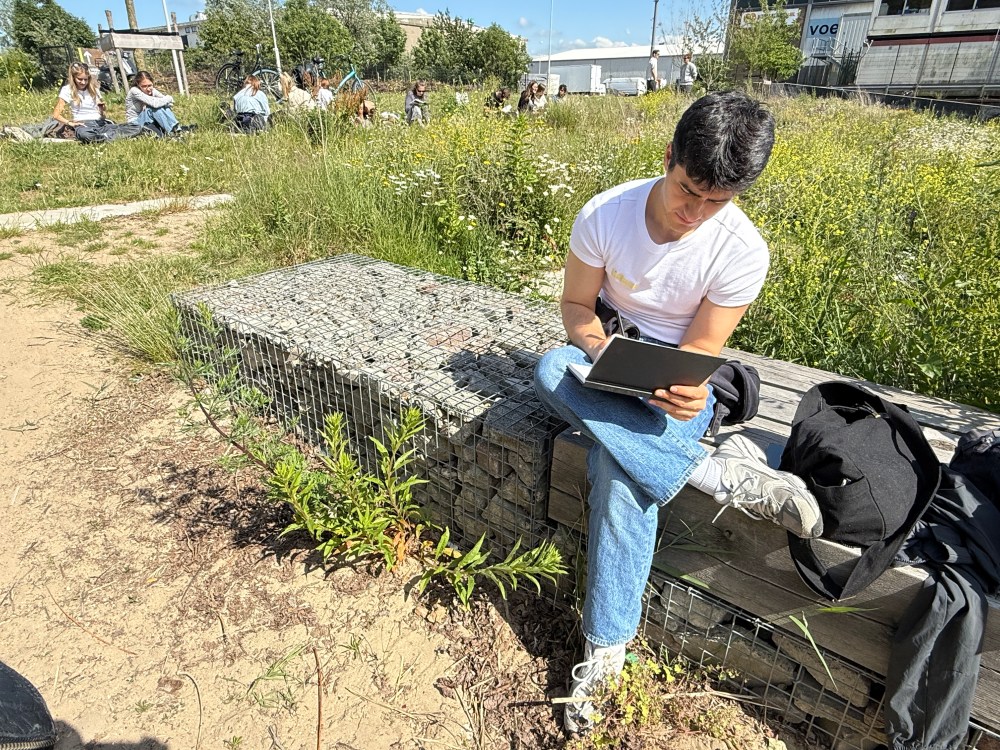
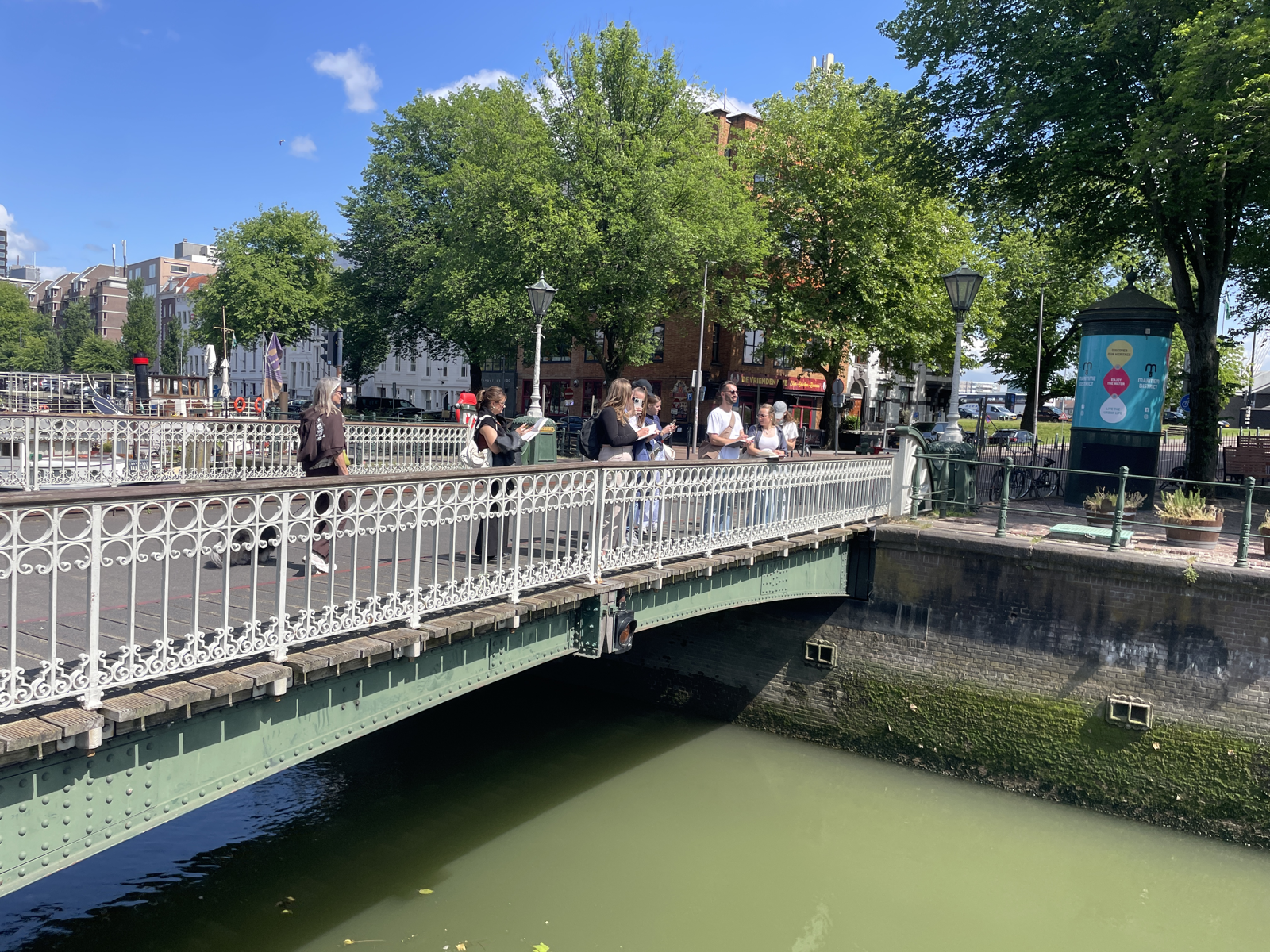
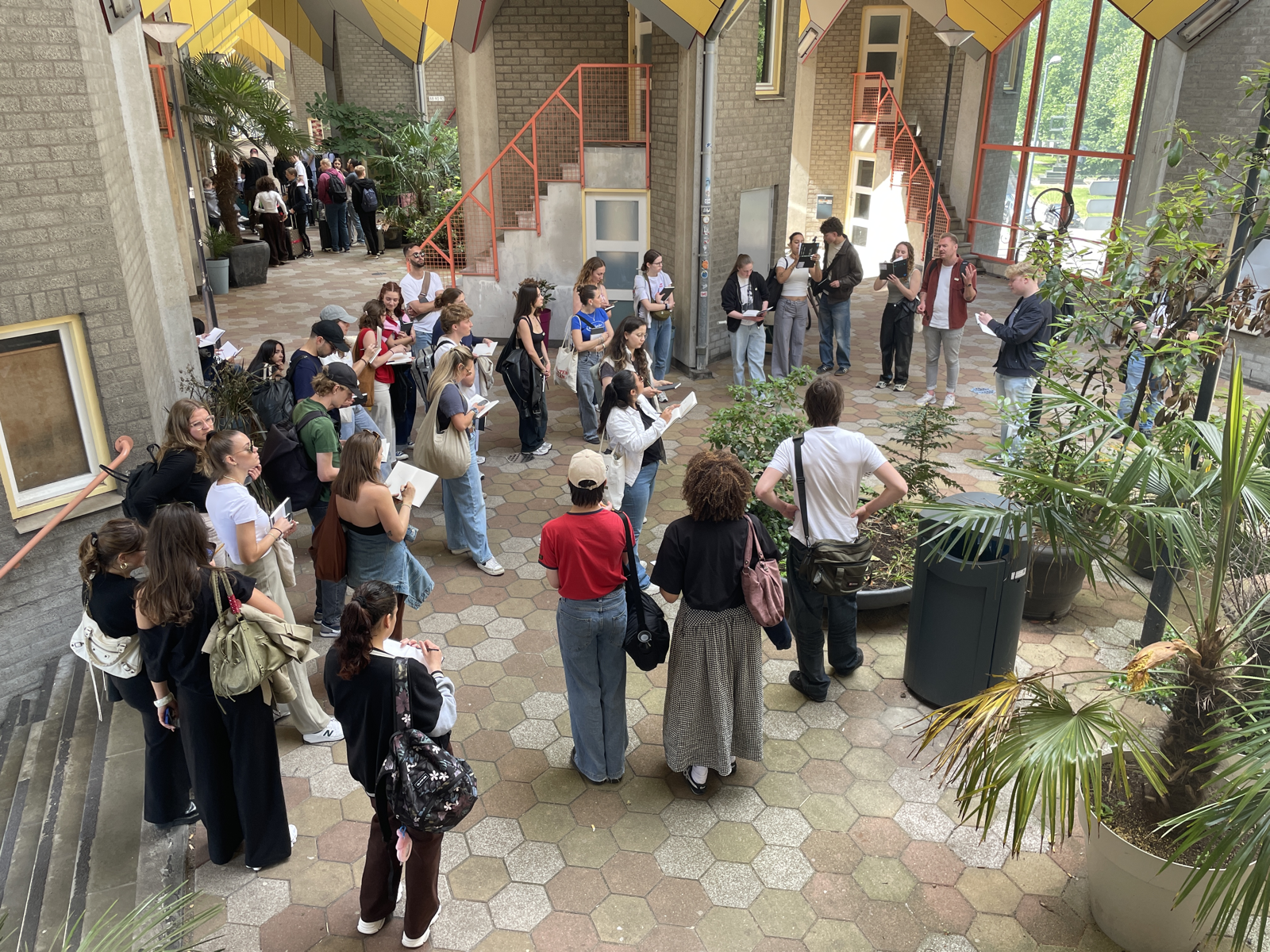
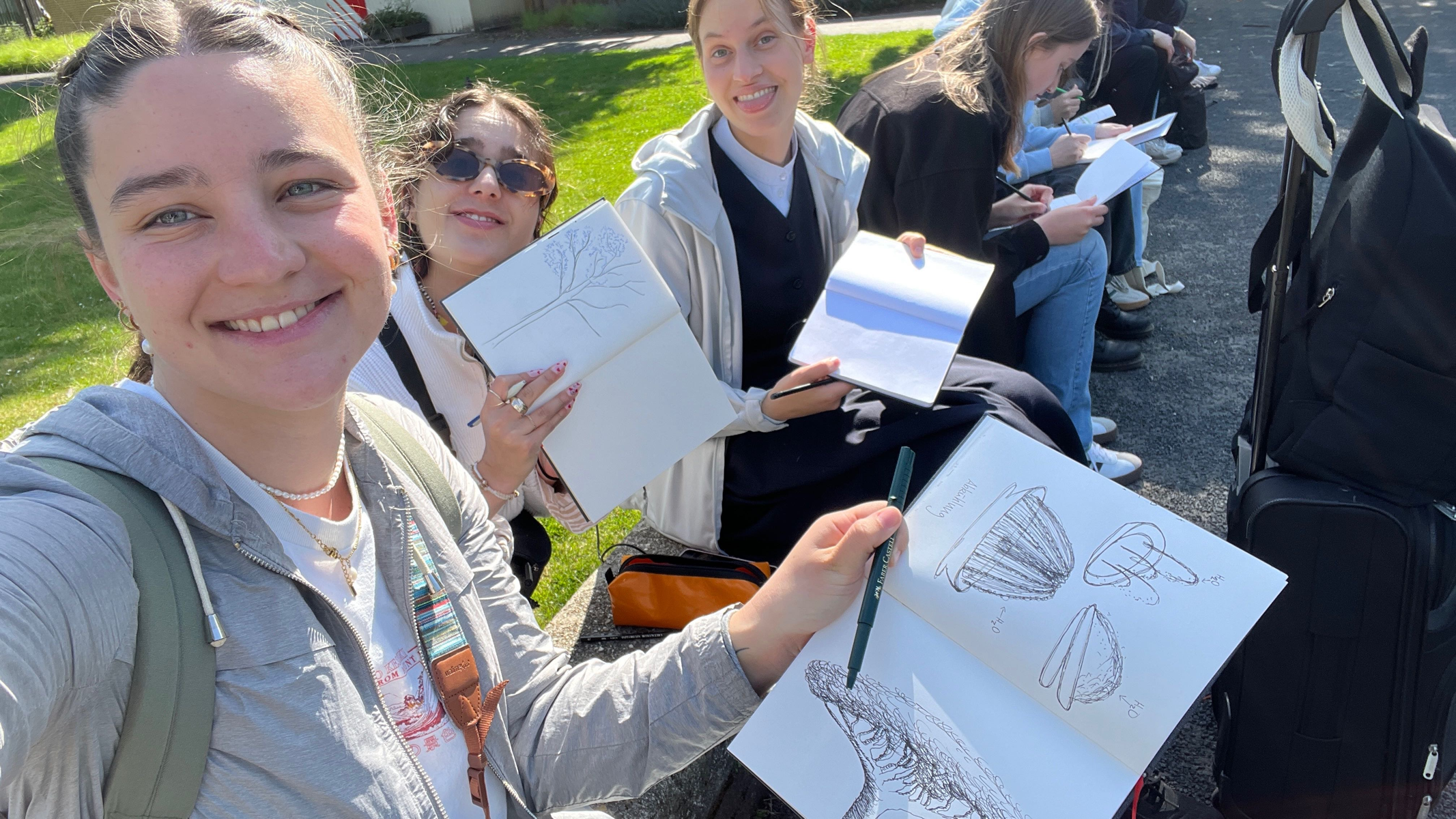
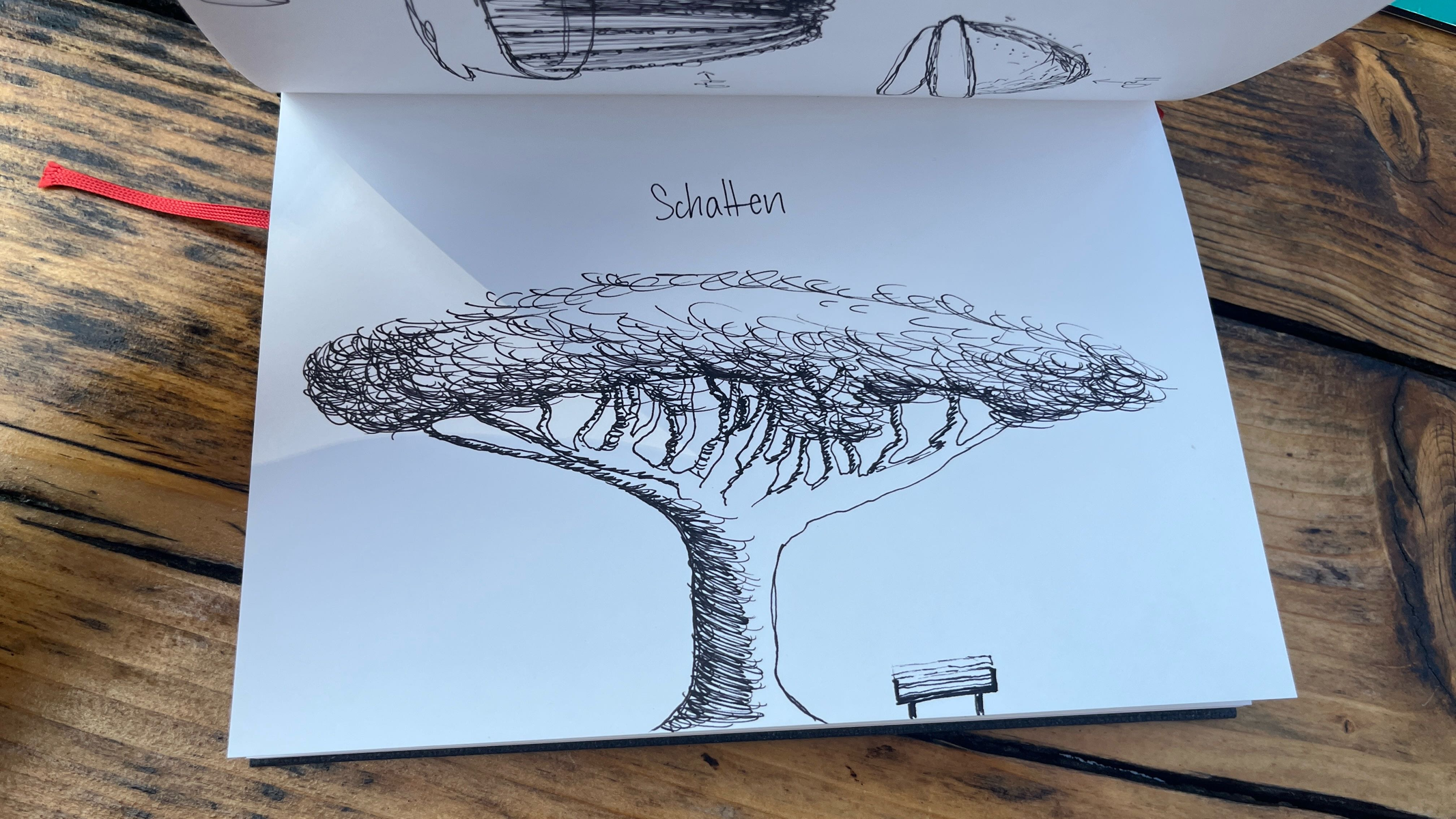
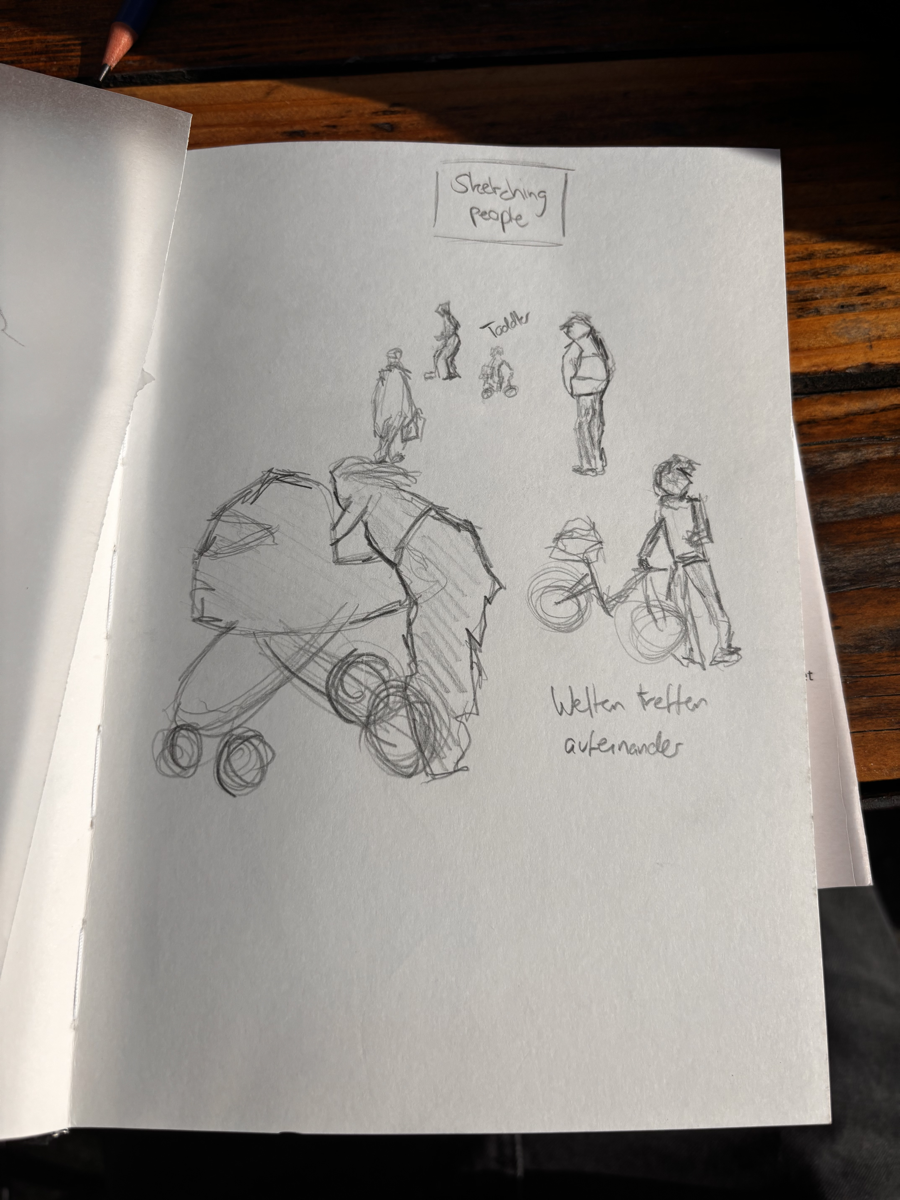
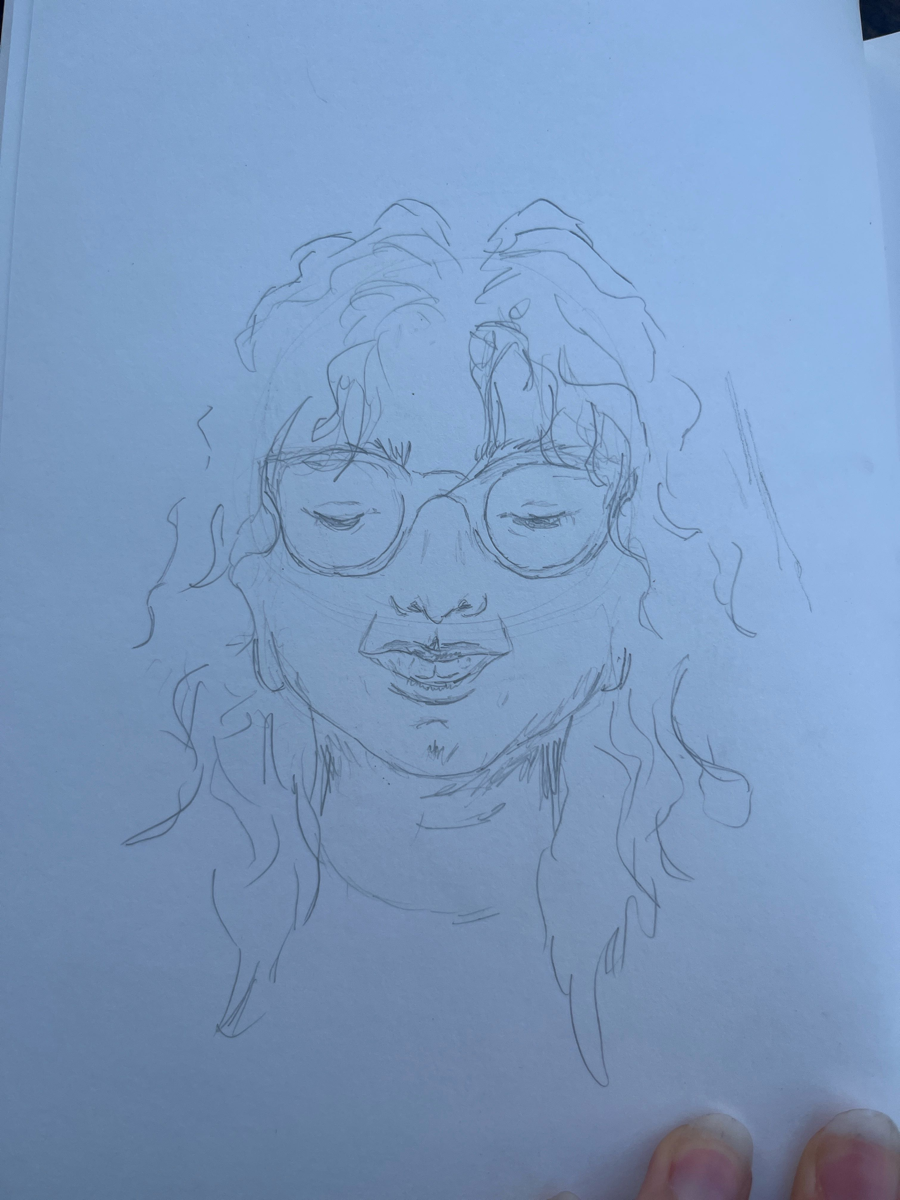
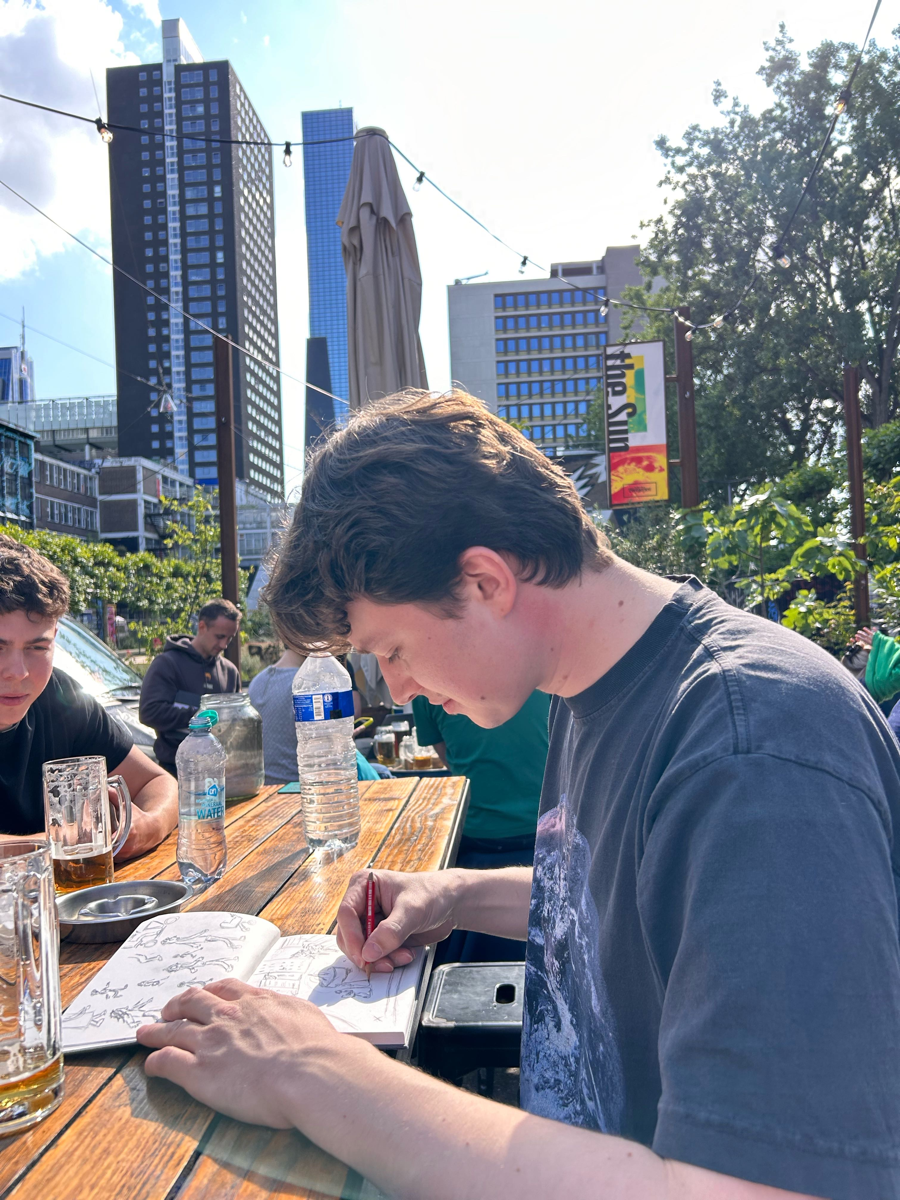
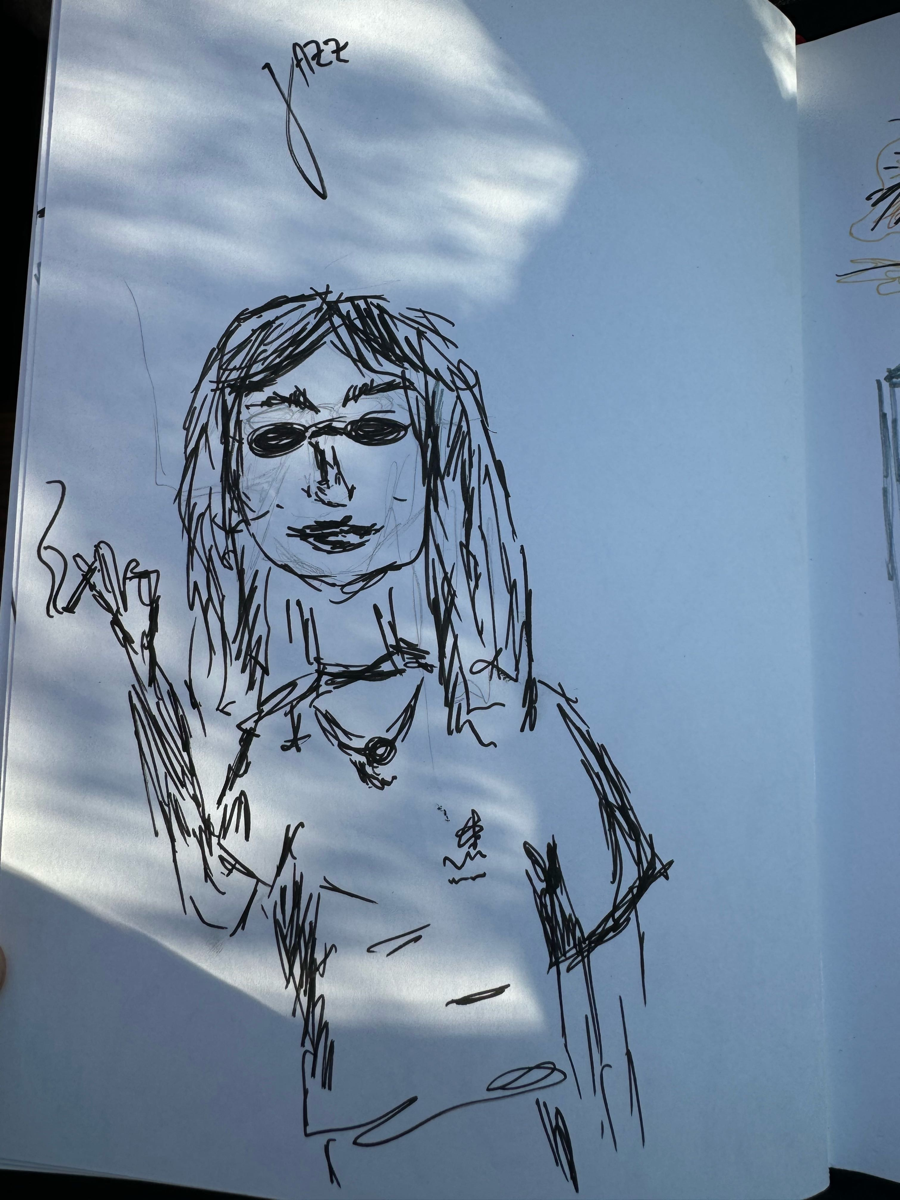
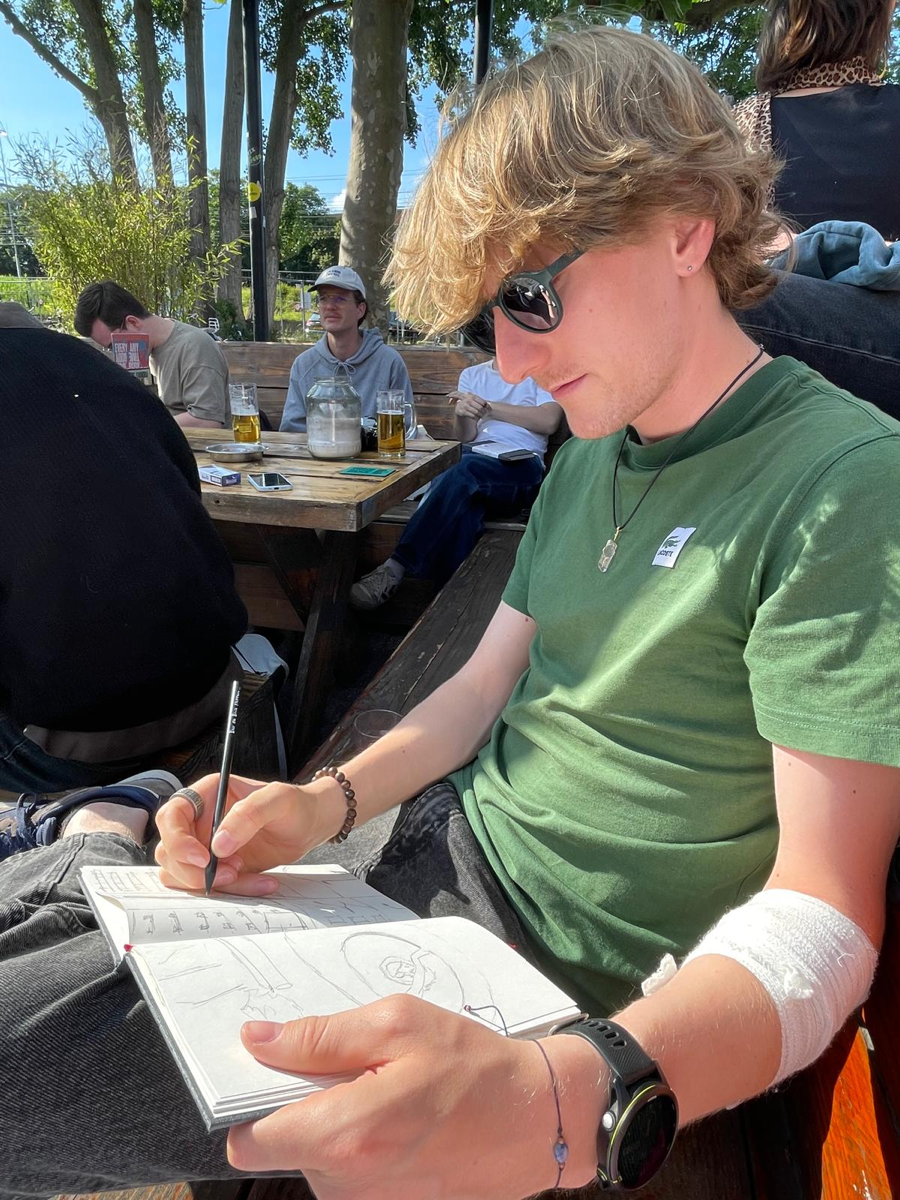
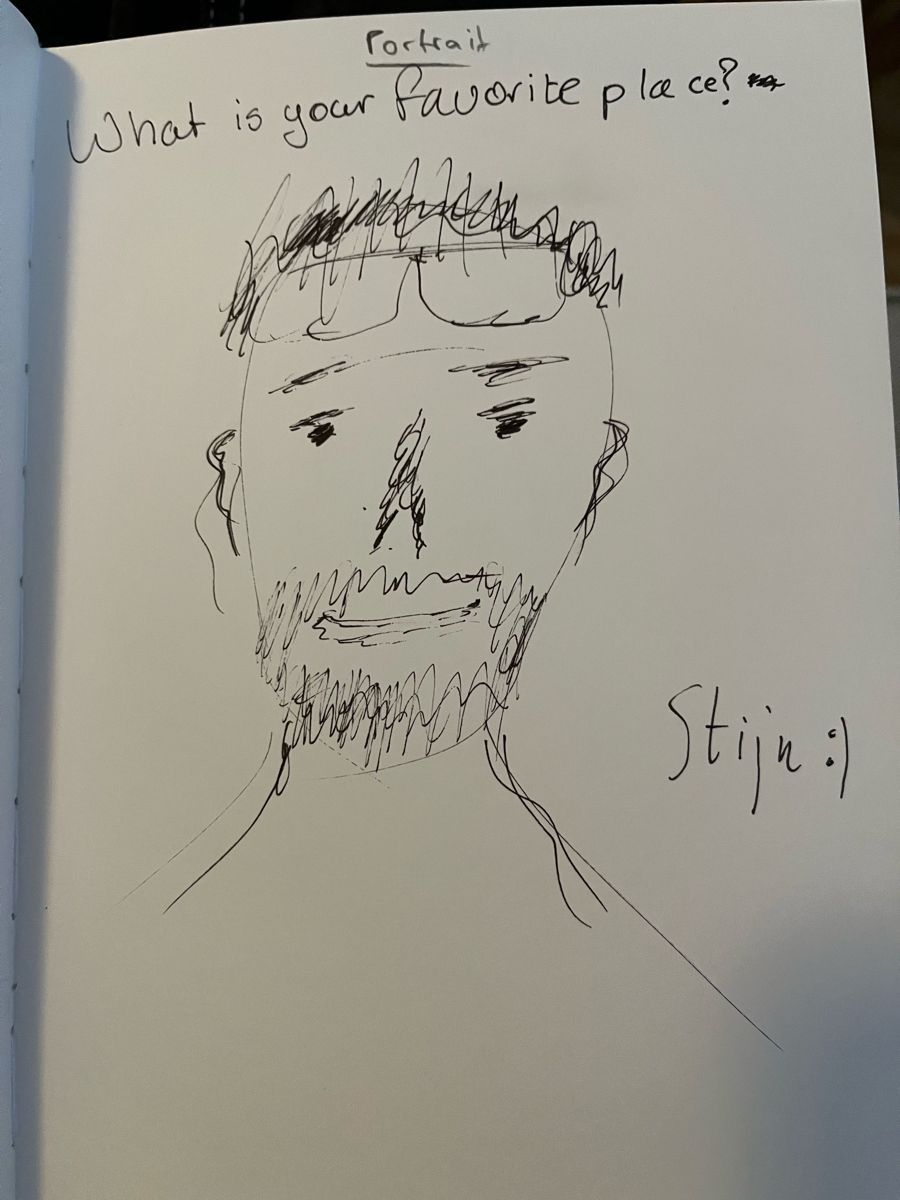
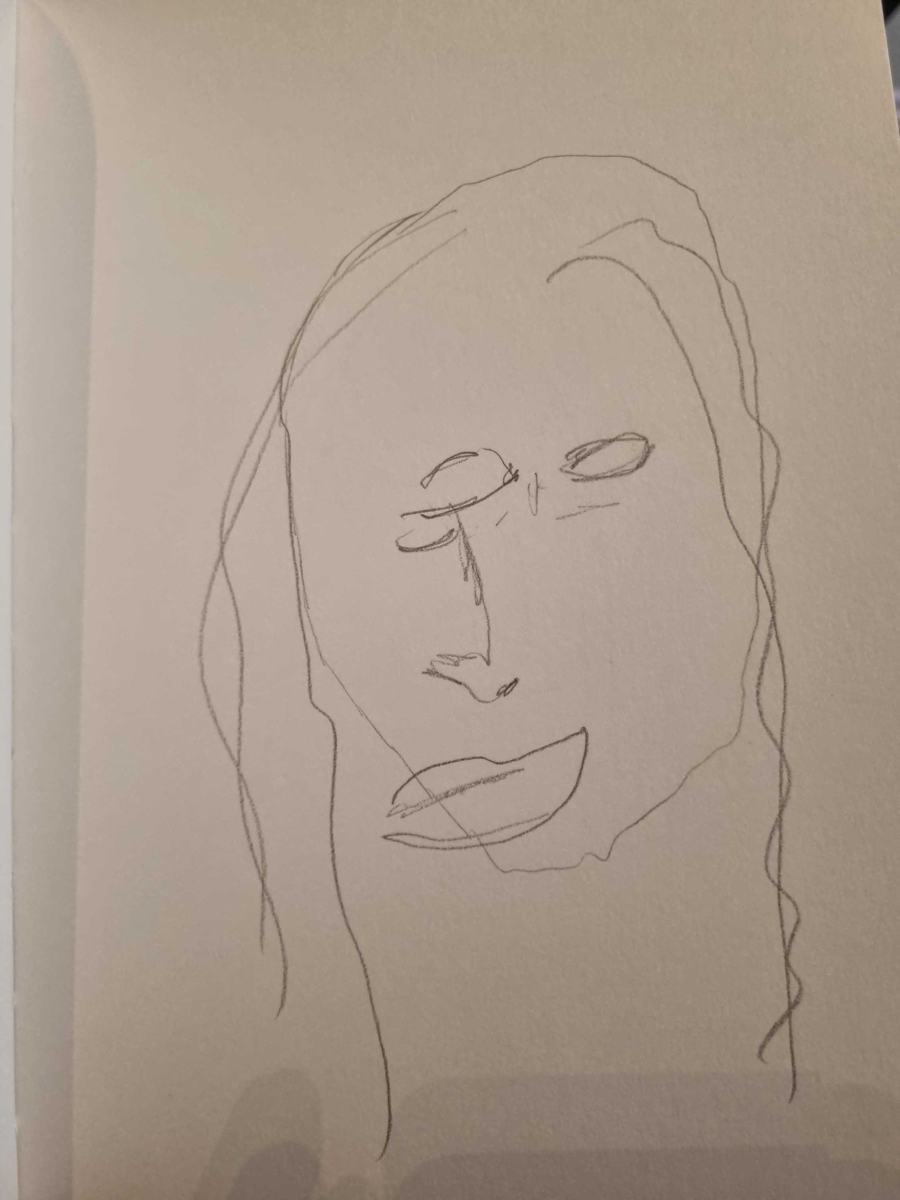
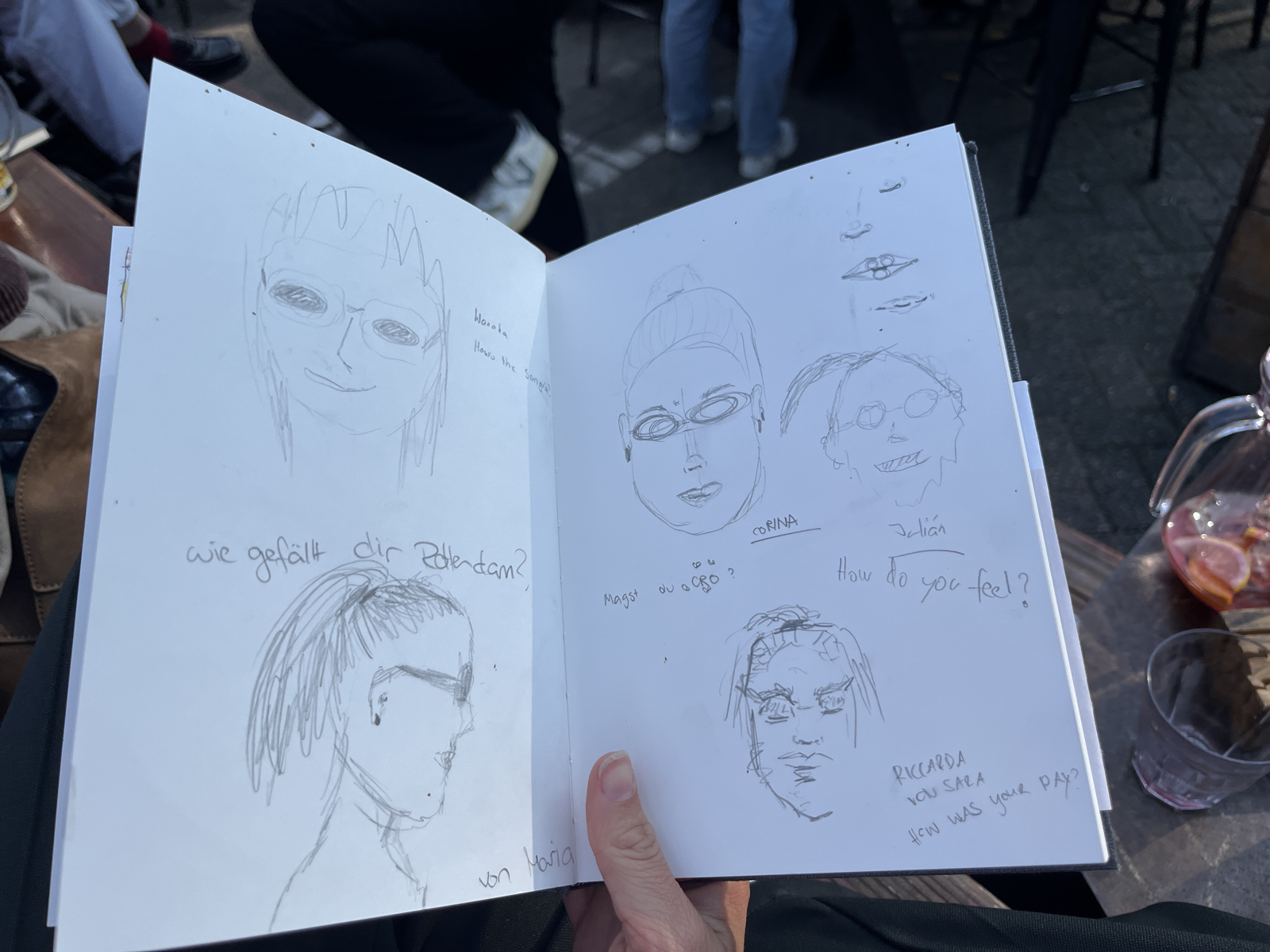
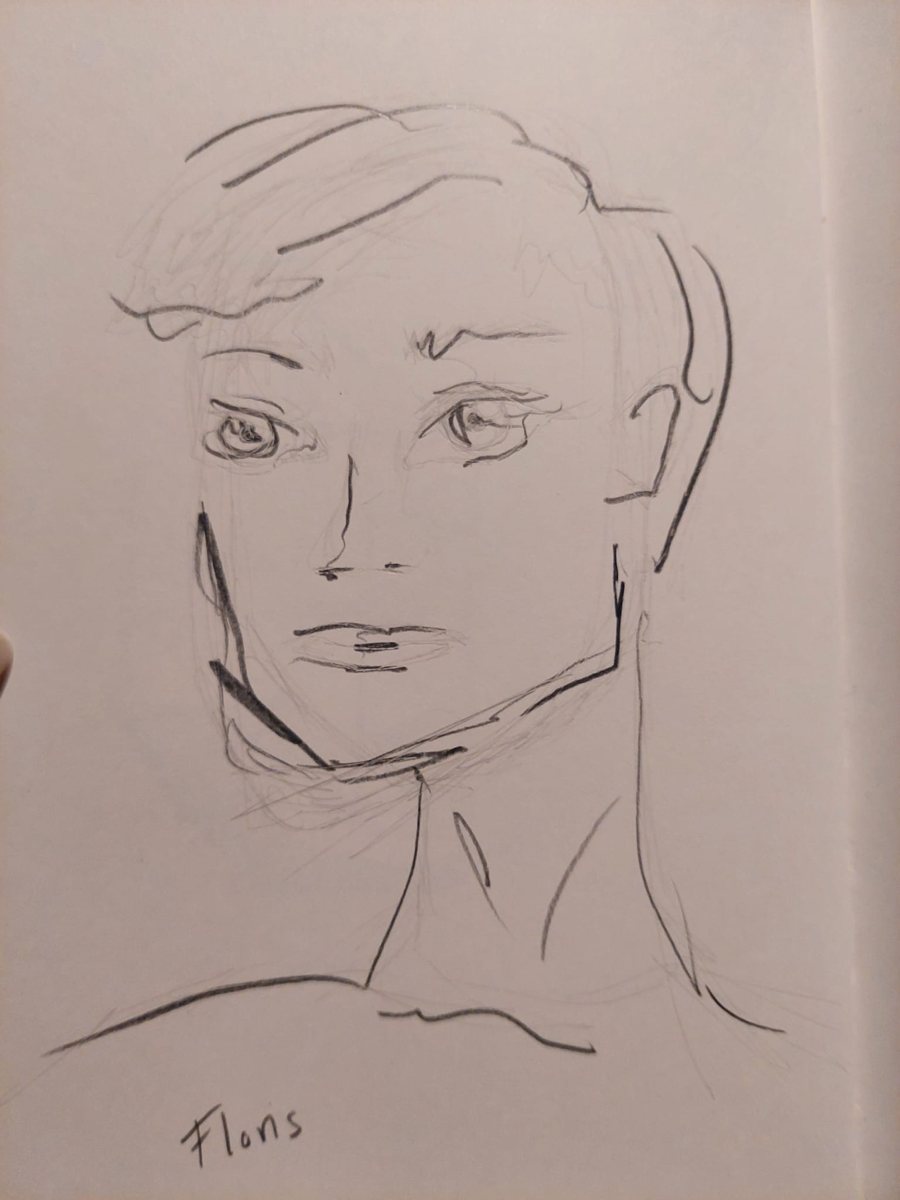
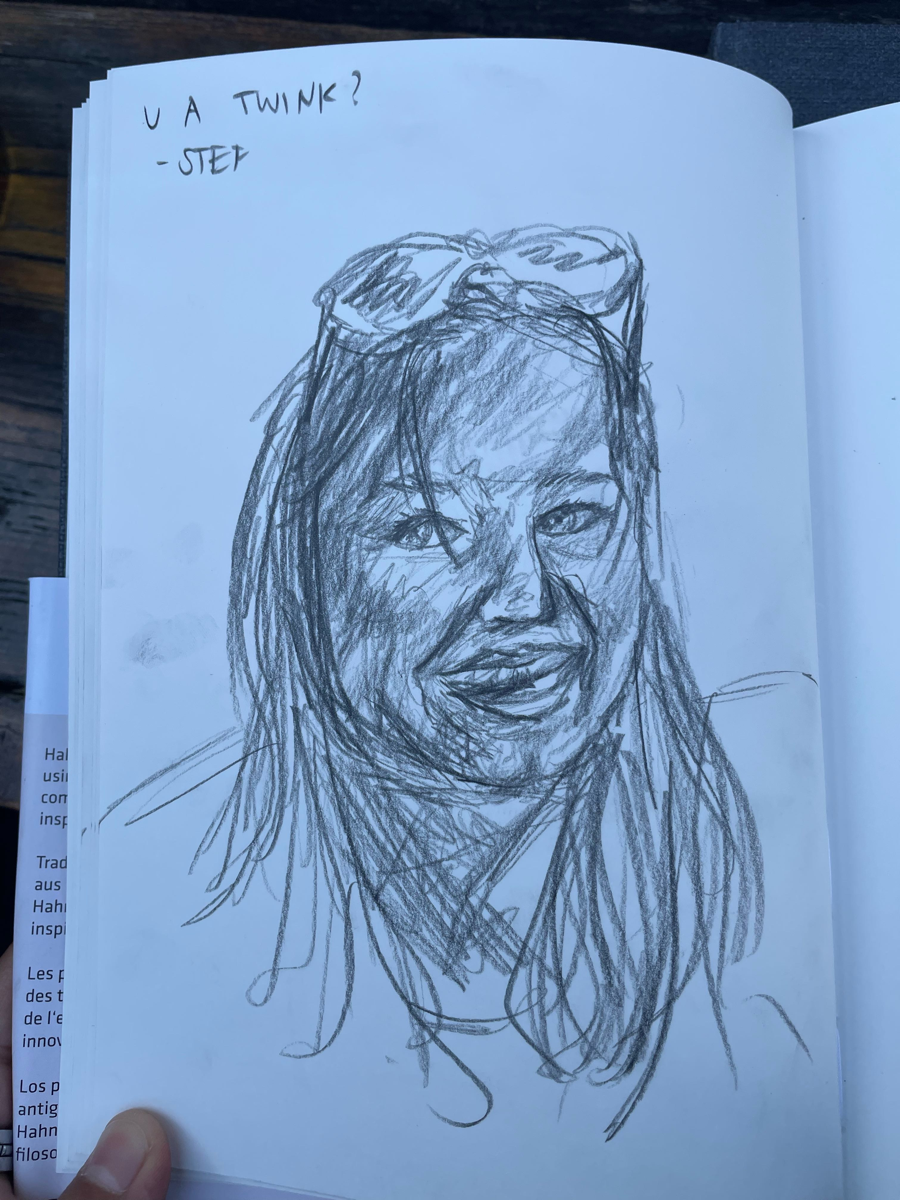
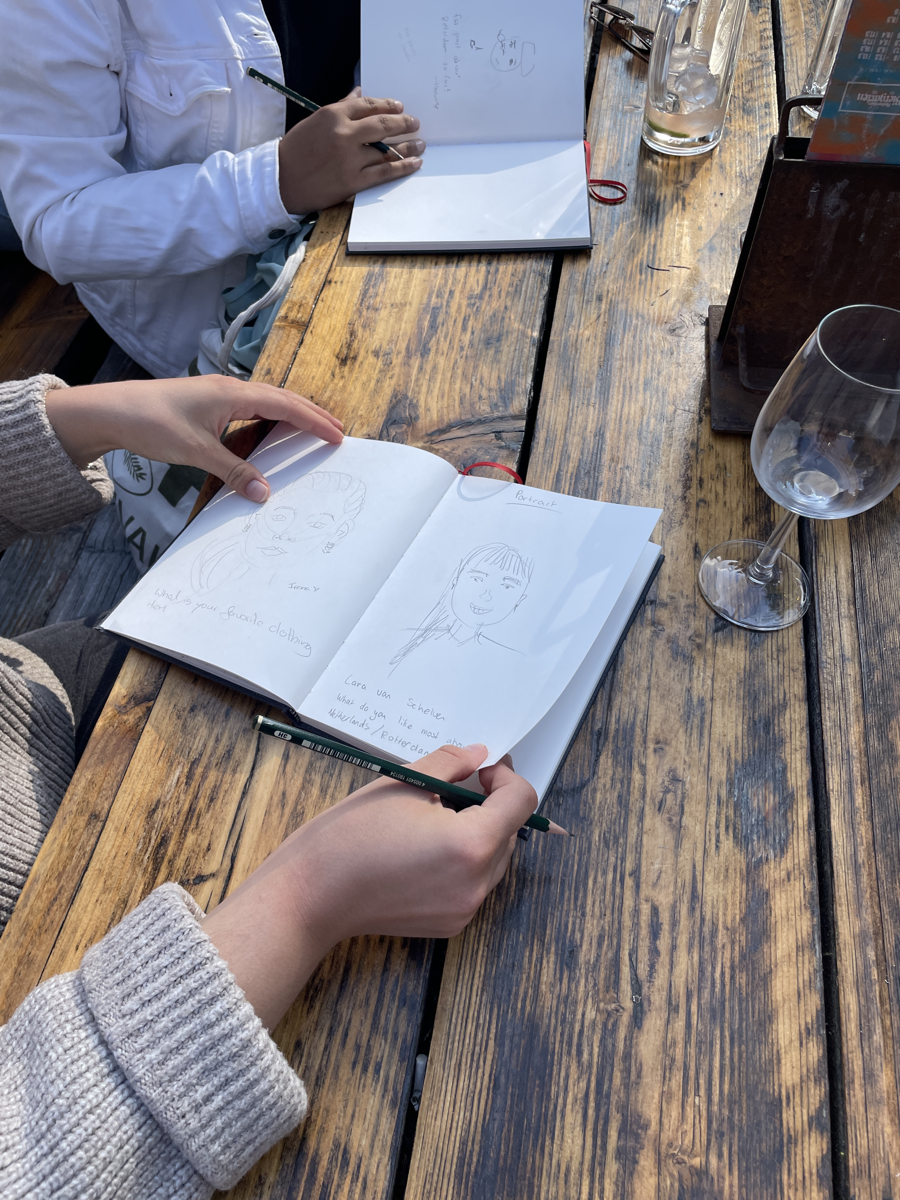
After the talks, the students ventured into the urban landscape, equipped with sketchbooks and pencils—on the lookout for visual sparks and hidden clues to help them explore the central question: What are the challenges of the future liveable city?





















 SketchCity.ch