Venue Floating Pavillion
Sketching is a fundamental tool in urban planning, especially at the beginning of the creative process when the goal is to develop ideas for the cities of the future. On the second day of our sketchcity-planning workshop, the focus is on finding an idea, which presents a challenge. At this stage, sketching is not only useful for visualizing various options but is also crucial for overcoming creative blocks.
The flexibility of sketching allows for the rapid exploration of a wide range of concepts without needing to commit immediately. This fosters creativity and aids in generating innovative solutions for the complex challenges of urban development. The physical act of drawing can break through mental barriers and rejuvenate the creative flow, which is particularly important in the early stages of the design process.
Moreover, sketching allows us to make abstract concepts tangible and to simplify problem-solving by depicting complex urban structures in simpler visual terms. This not only enhances understanding of the issue but also facilitates communication within our interdisciplinary and international planning team of urbanists and multimedia producers and later on with external stakeholders. Sketches provide a direct and often universally understandable language that stimulates discussions and allows for the integration of diverse perspectives and ideas.
Applying advanced sketching techniques, which are based on principles such as „Fluttering Line“ or „Crossing Lines,“ can further improve the sketching process. These techniques support a dynamic and explorative approach that brings together visual ’noise‘ and human intuition to develop unique and functional designs. Thus, sketching becomes an indispensable part of every urban planner’s toolkit to navigate creative crises and foster the development of innovative, vibrant urban spaces.
The advantages of sketching, by Andreas Kohli.
In this talk, Andreas Kohli explains why it’s important not just to take photographs, but how one can use a sketch or drawing to bring out the essential elements of a subject, using a poppy as an example. He emphasizes that sketching allows for a deeper engagement with the subject, enabling the artist to capture not just the visual aspects but the essence and emotion that might be missed in a photograph. Through the process of drawing, one can explore various interpretations and details, such as the delicate texture of the poppy’s petals or the dynamic form of its stem, which photography might overlook. Kohli argues that this method of careful observation and artistic rendition helps in understanding and conveying more profound characteristics of the subject.
Isometric sketching

Talk by Joelle Kost
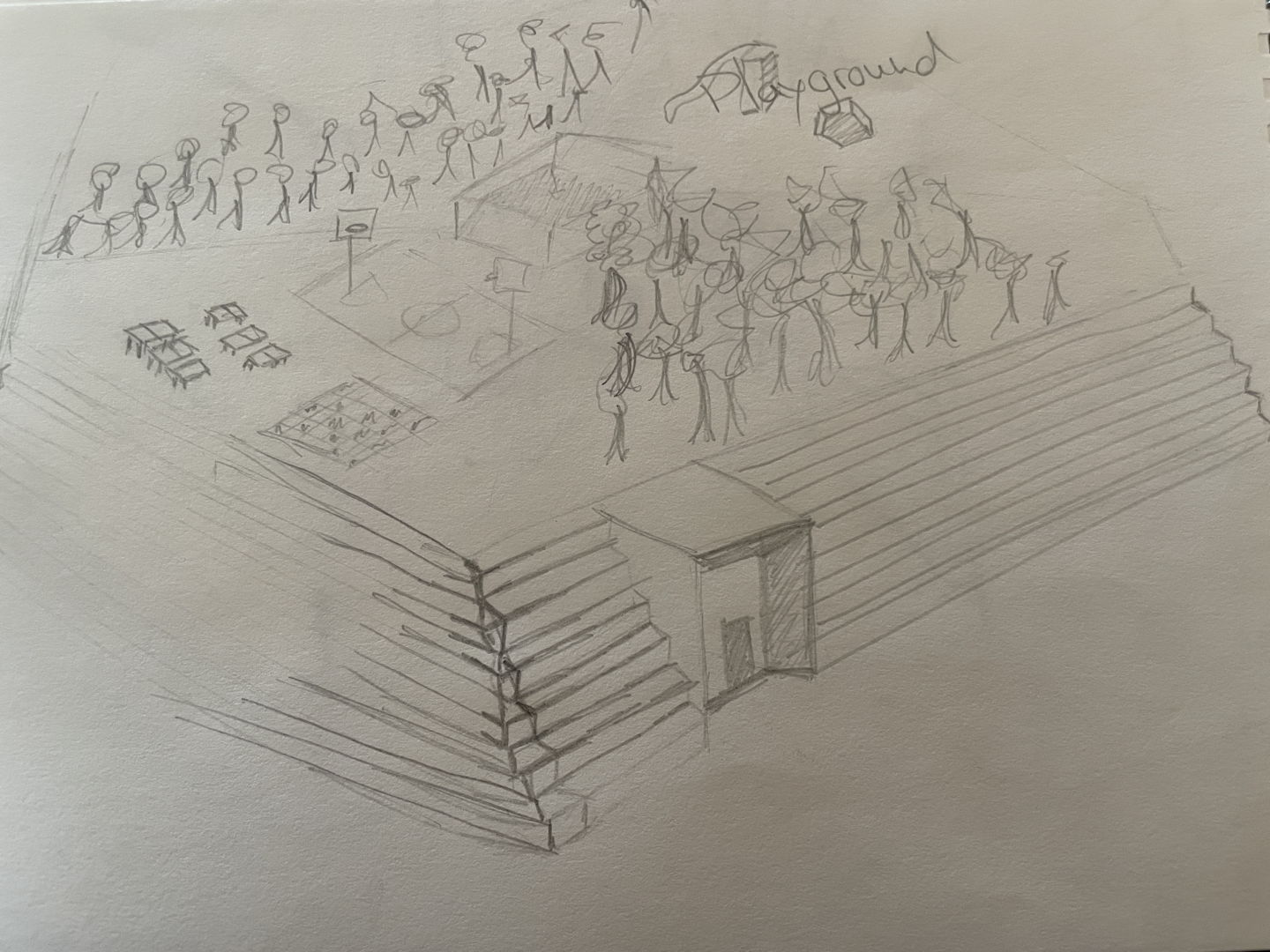
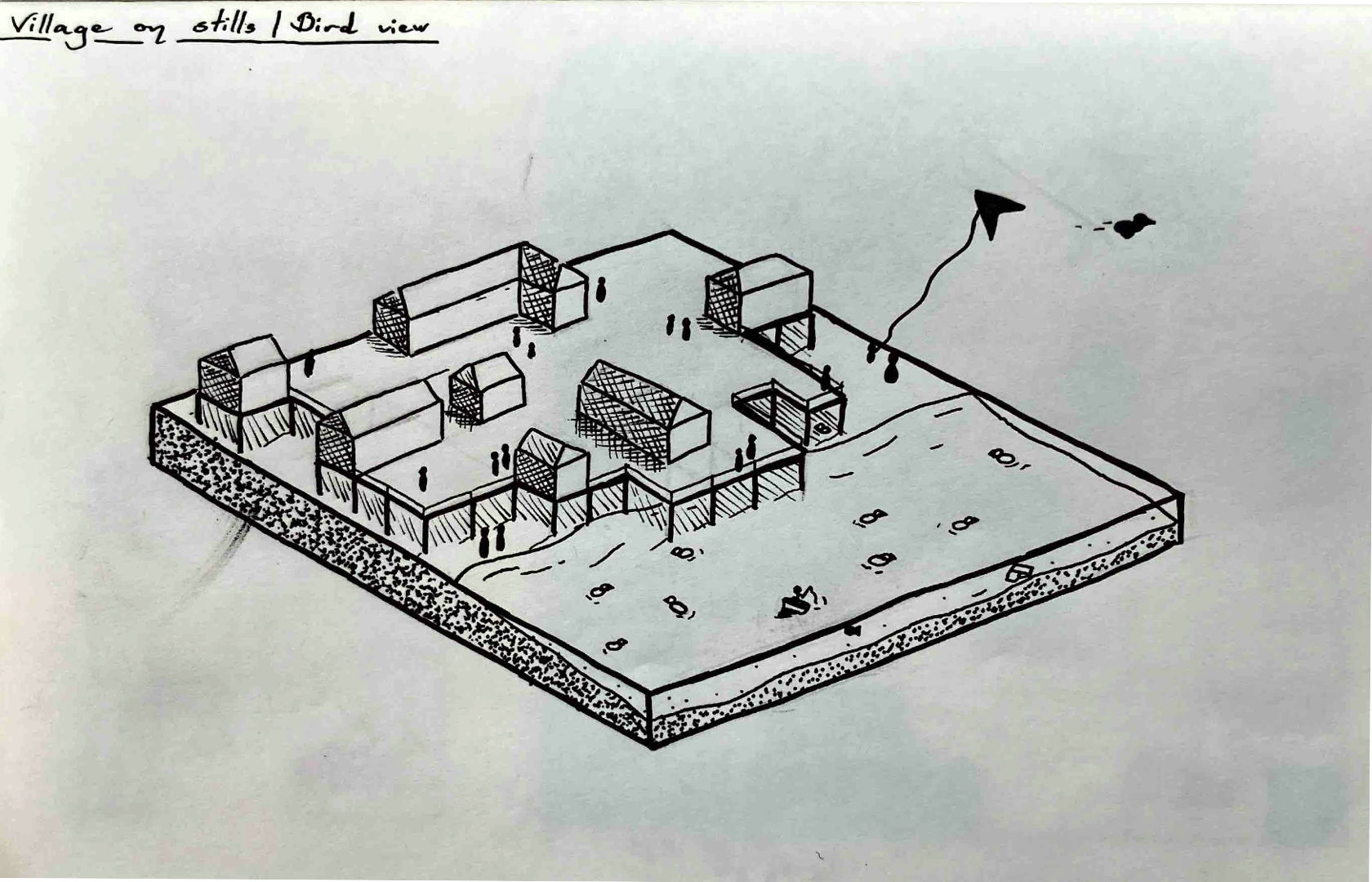
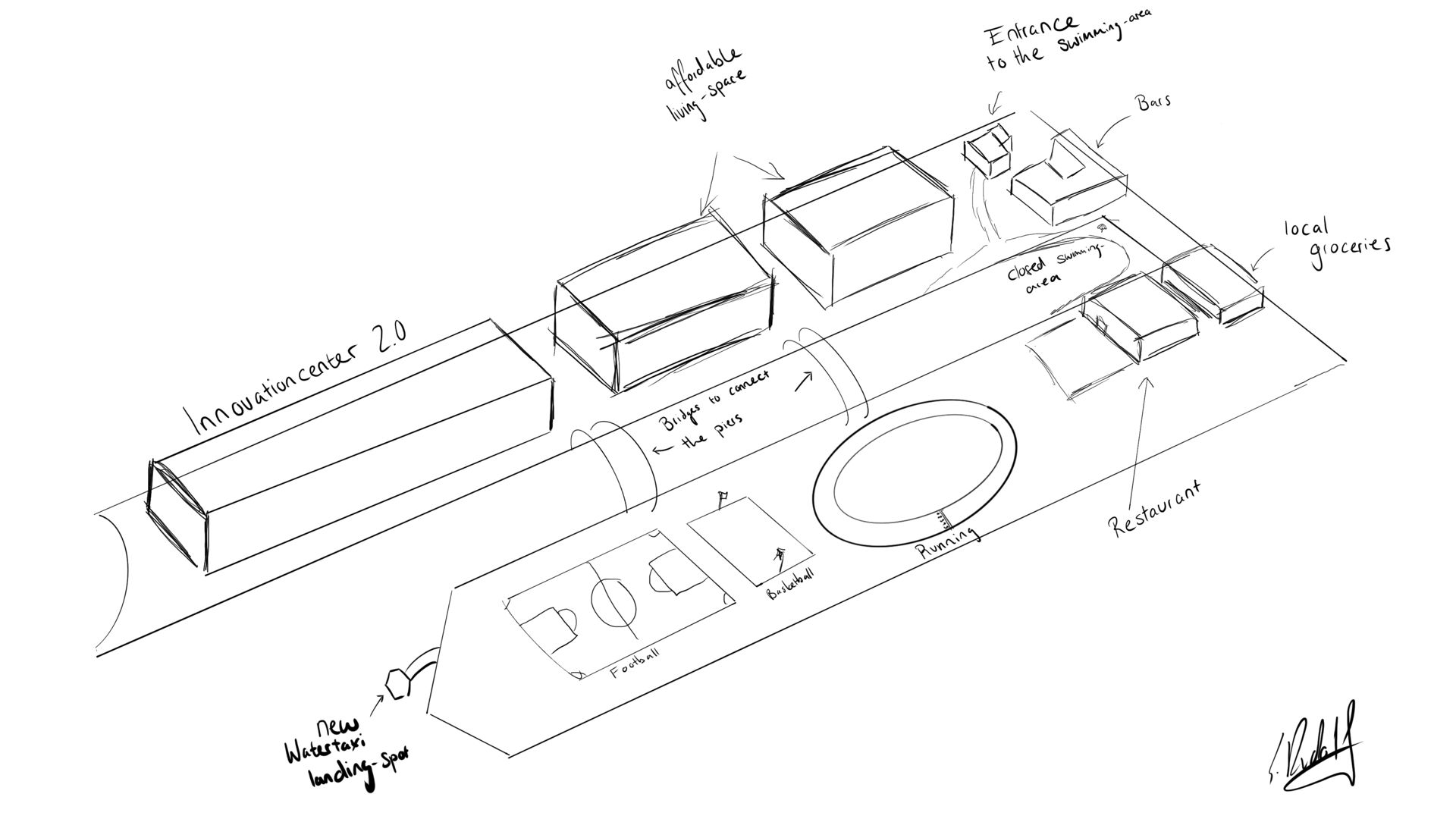
Isometric sketching is a method that helps you draw three-dimensional objects on a two-dimensional surface without perspective distortion. To use this technique, start by drawing on an isometric grid, which features lines at 30-degree angles. Sketch the primary axes of your object aligned with the grid lines to maintain consistent angles and scale. This setup allows you to accurately project the height, width, and depth of the object. Add details while adhering to the grid to keep the three-dimensional illusion intact. Isometric sketching is excellent for technical and architectural drawings, providing a clear and scaled view of complex structures.
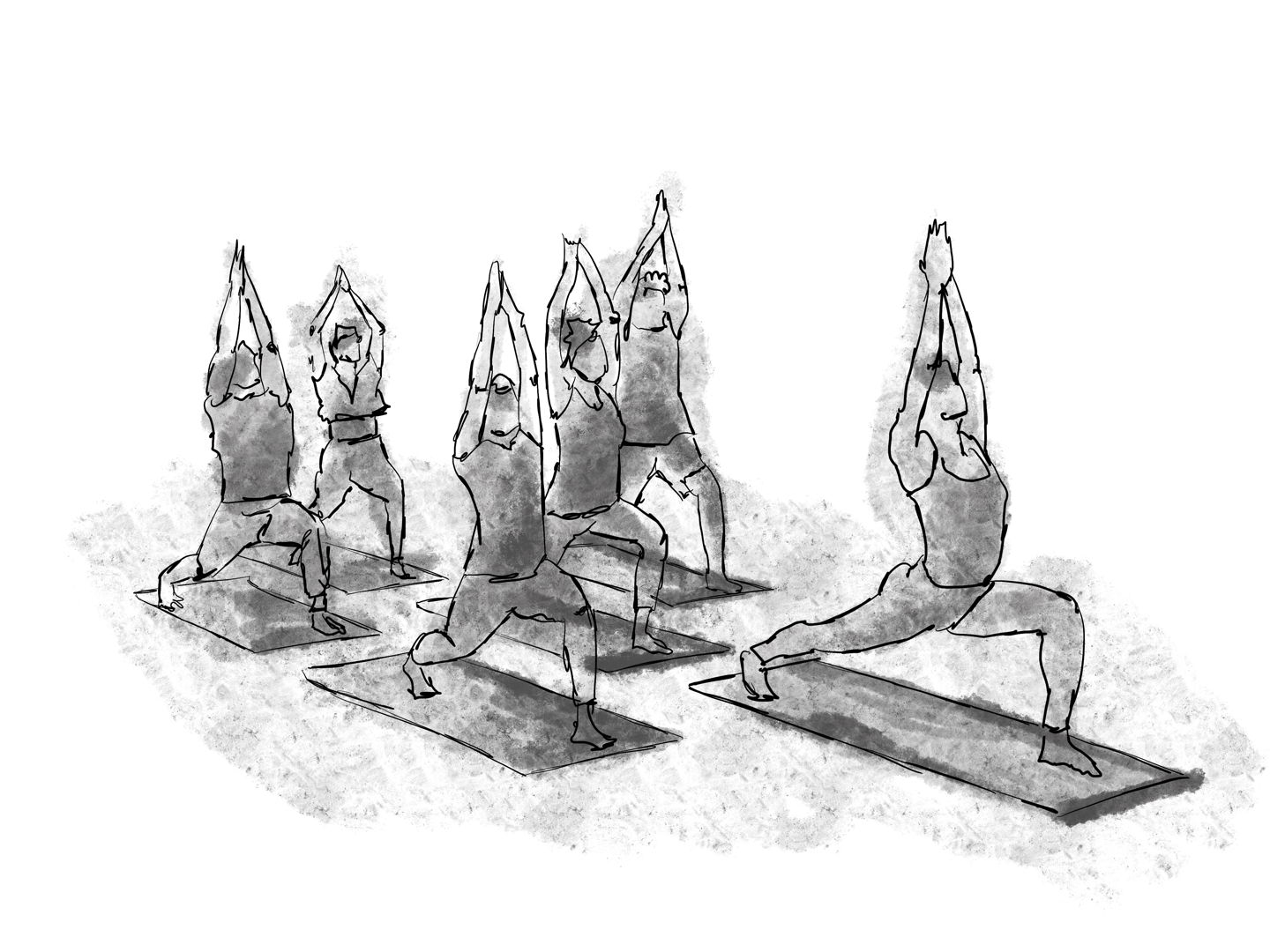
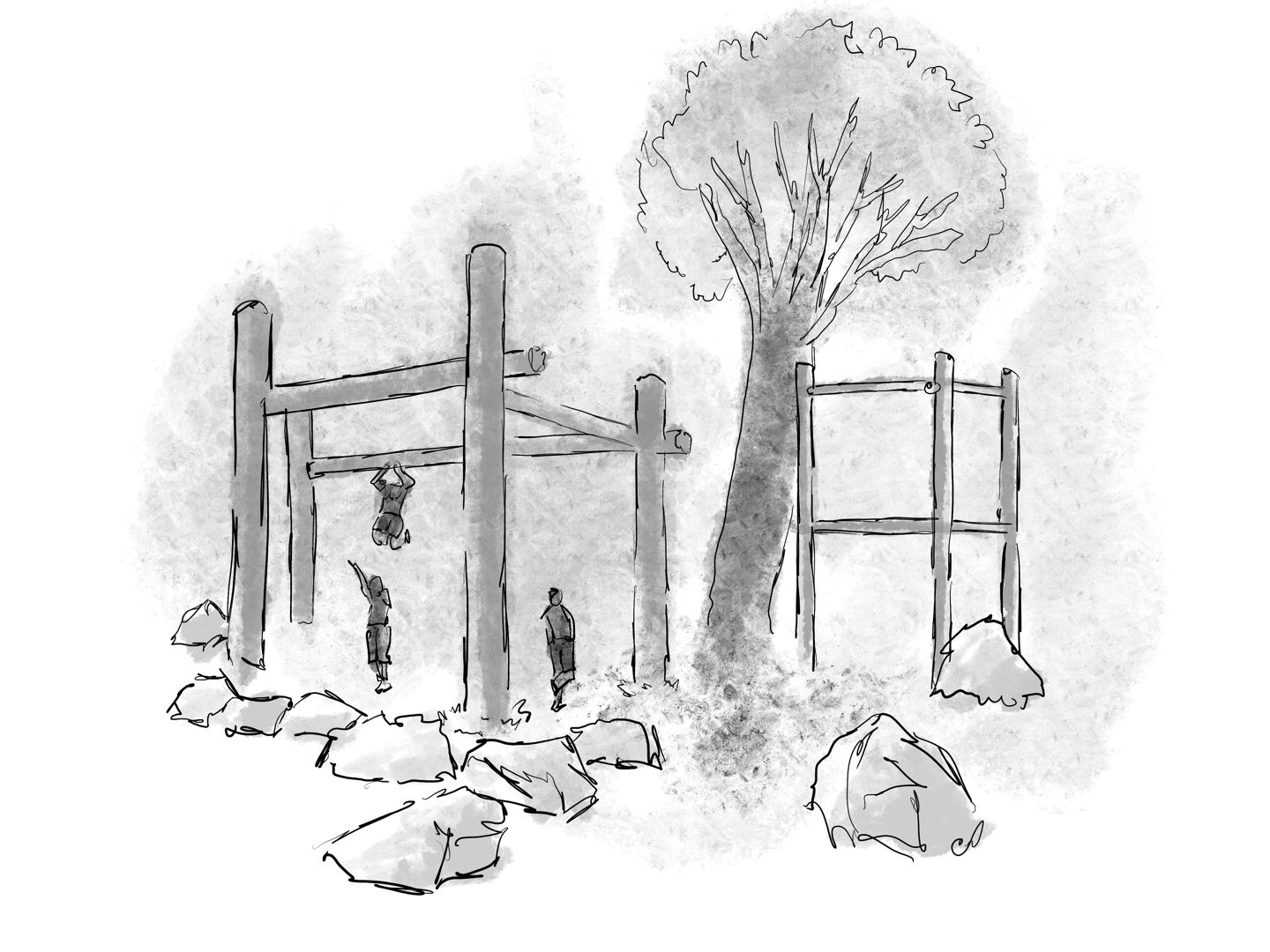
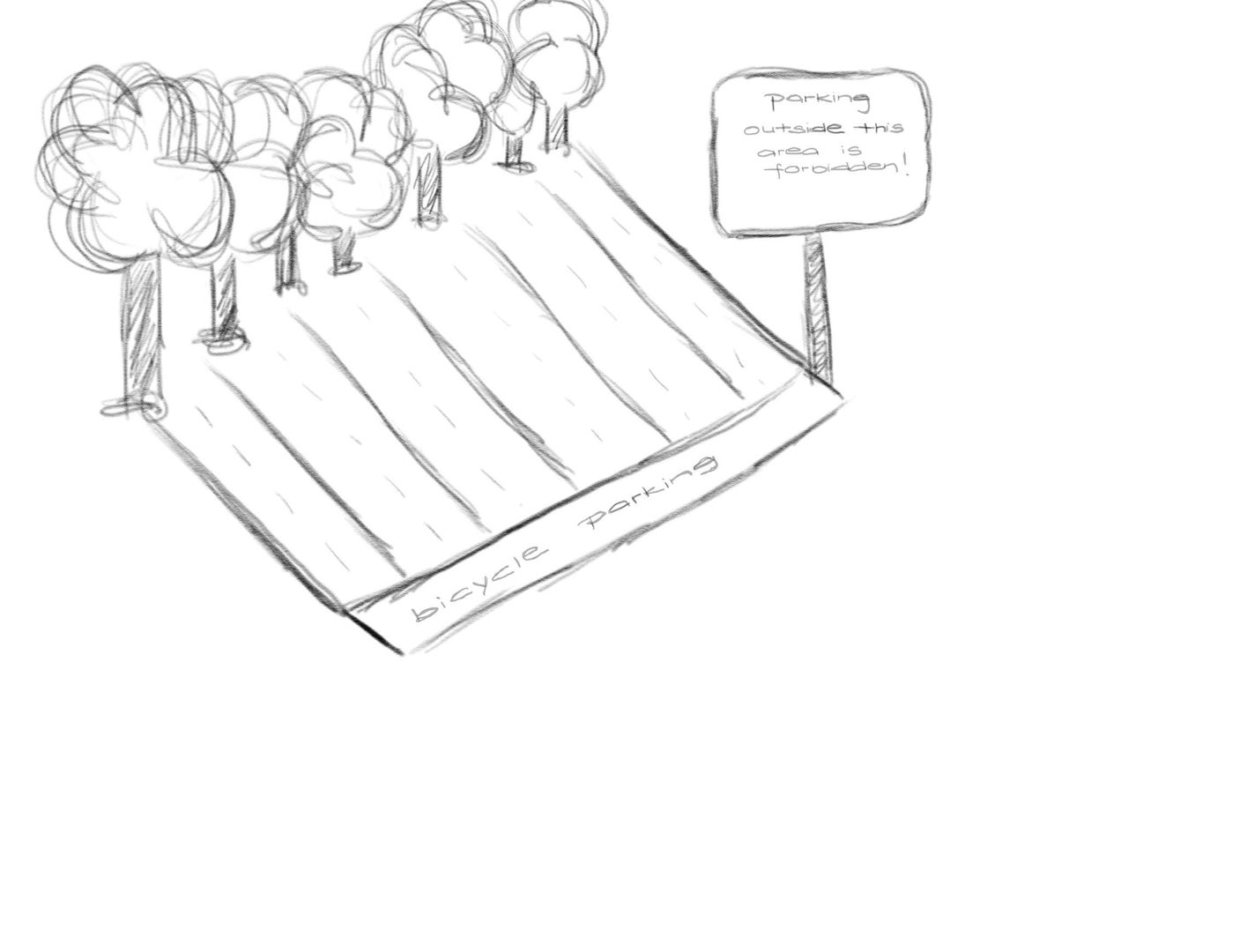
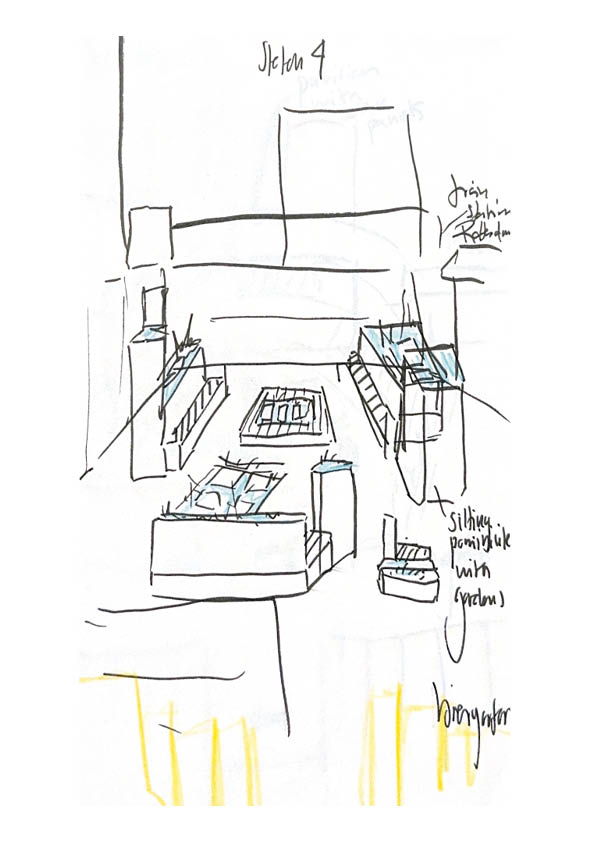
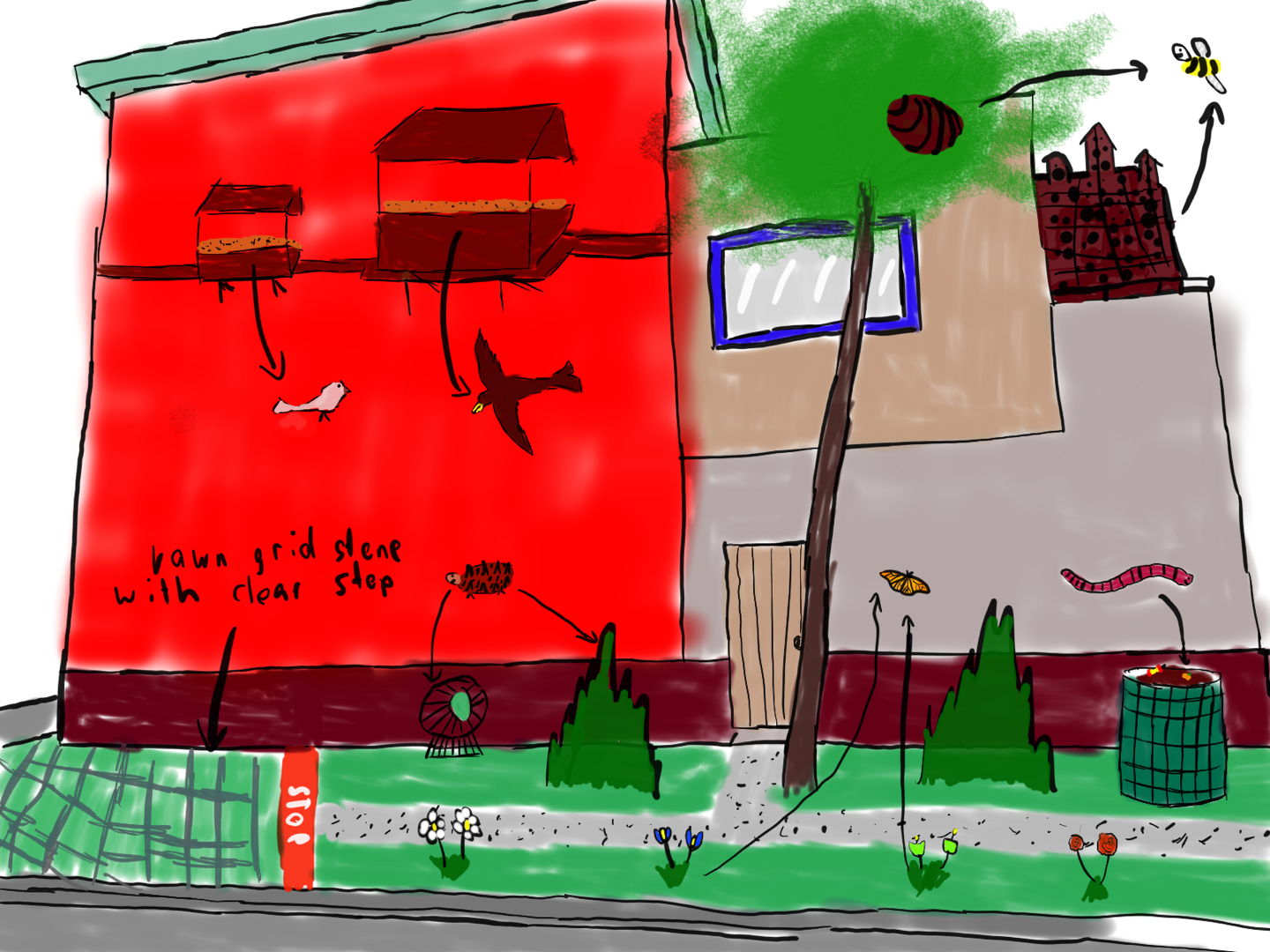
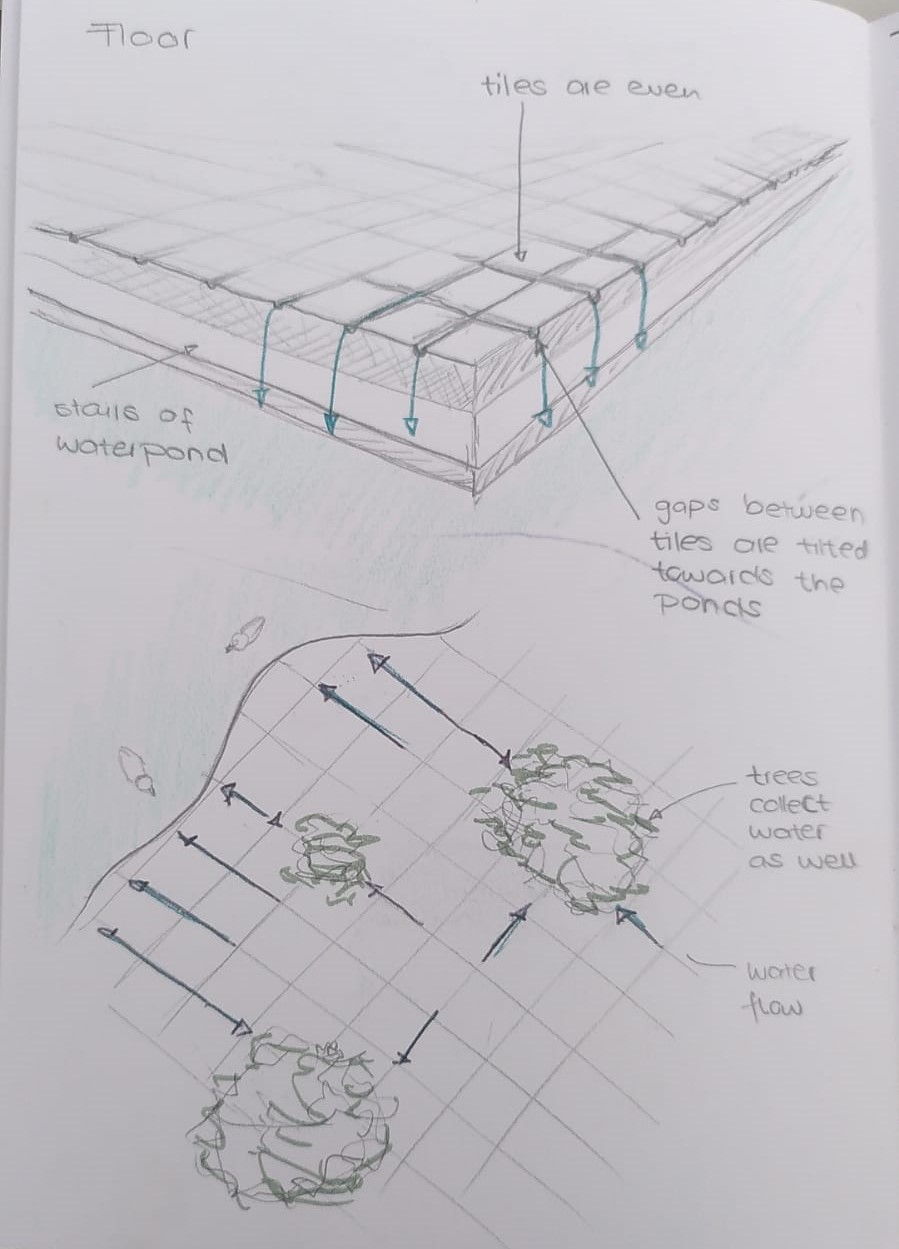
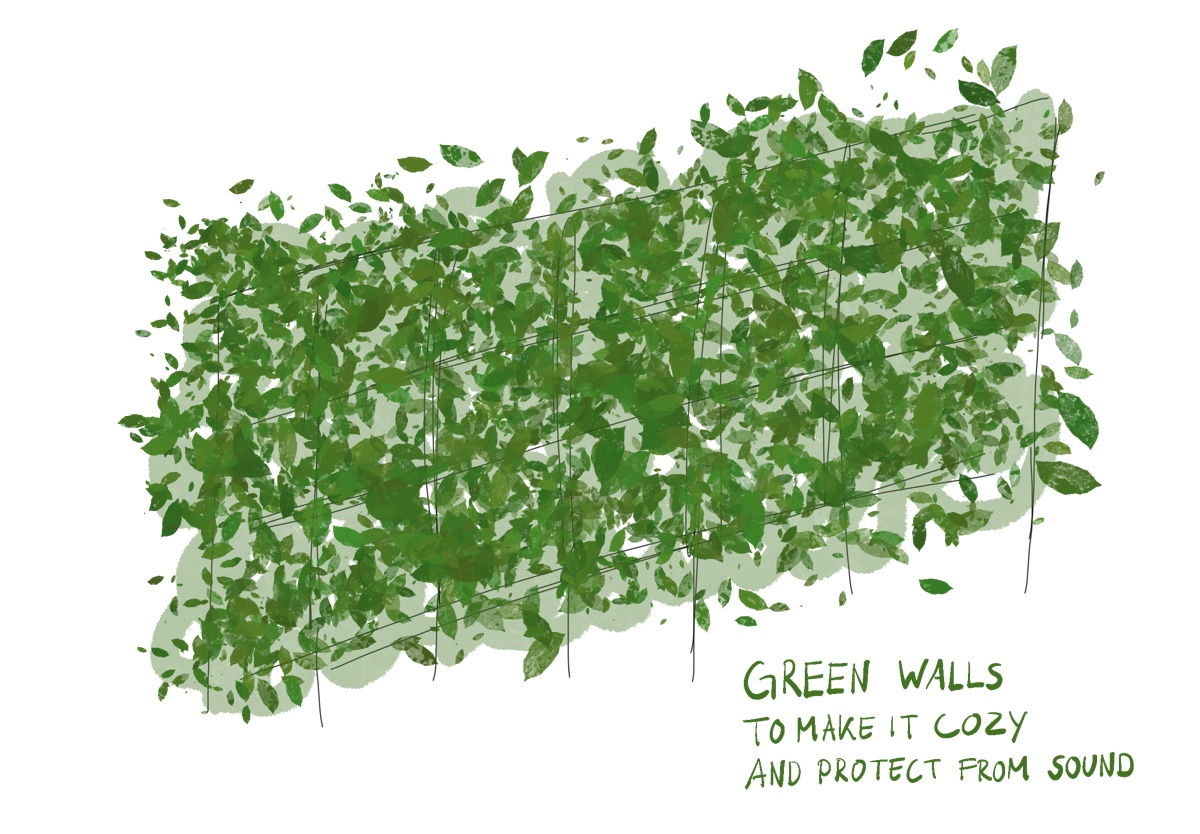
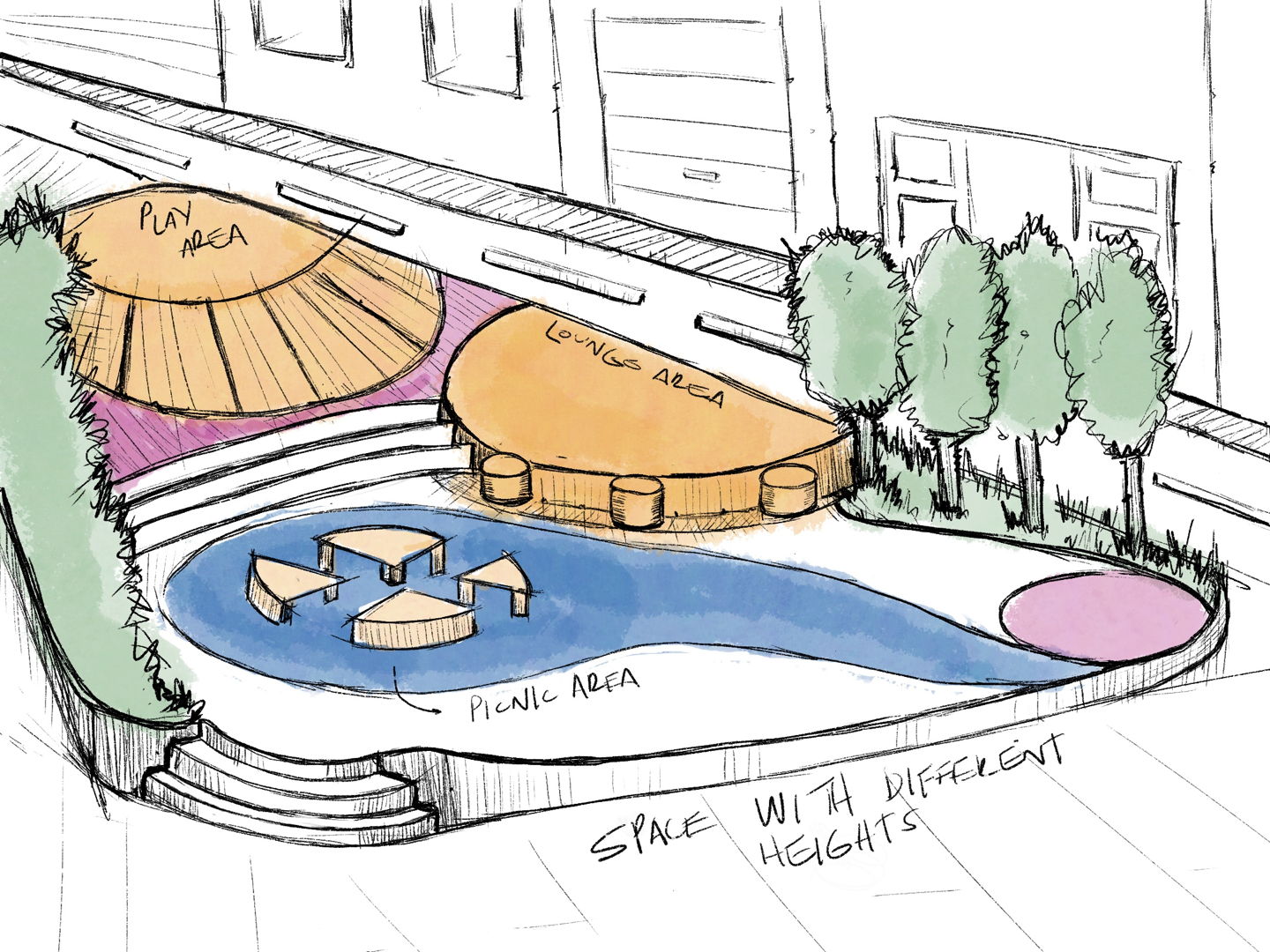
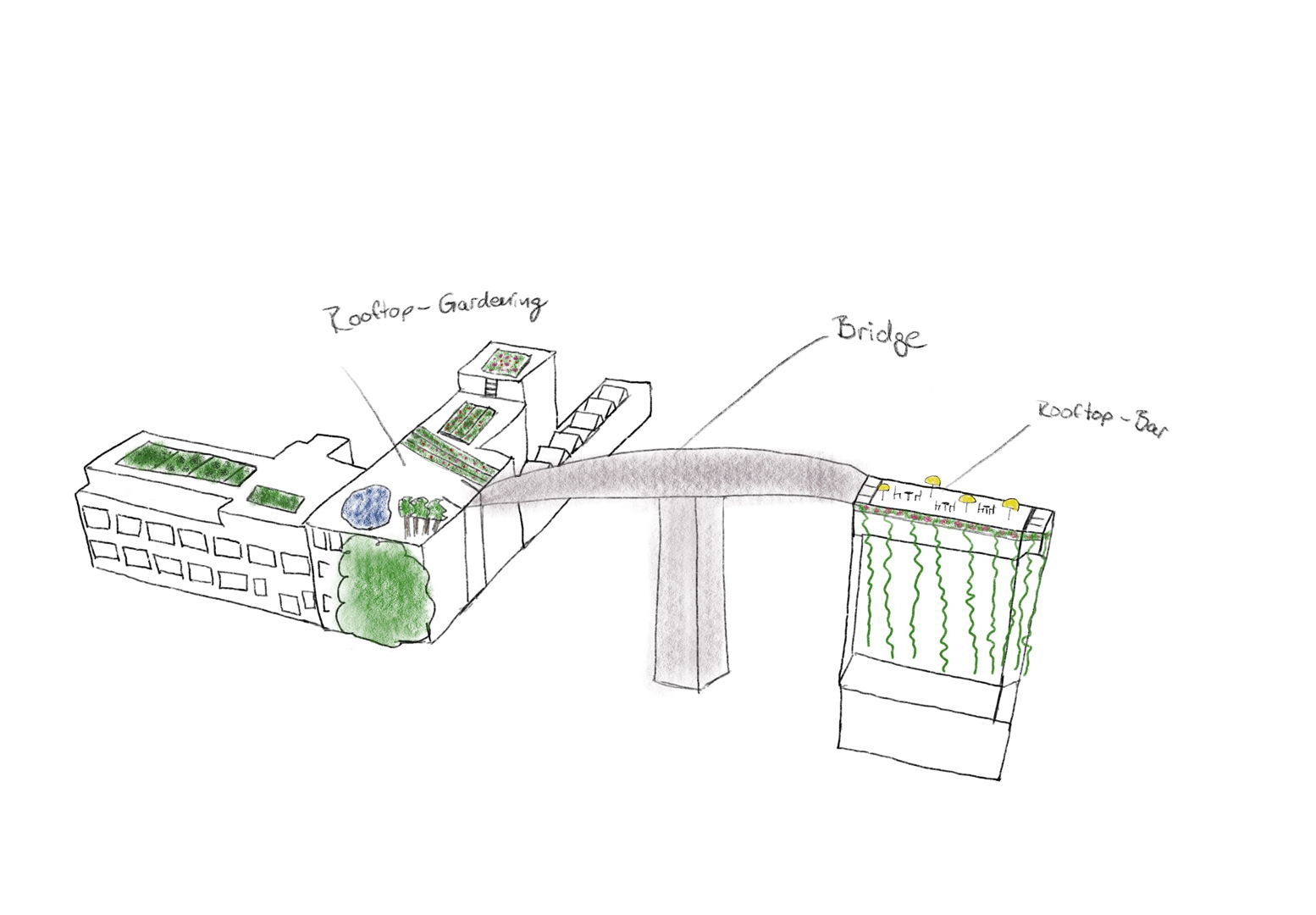
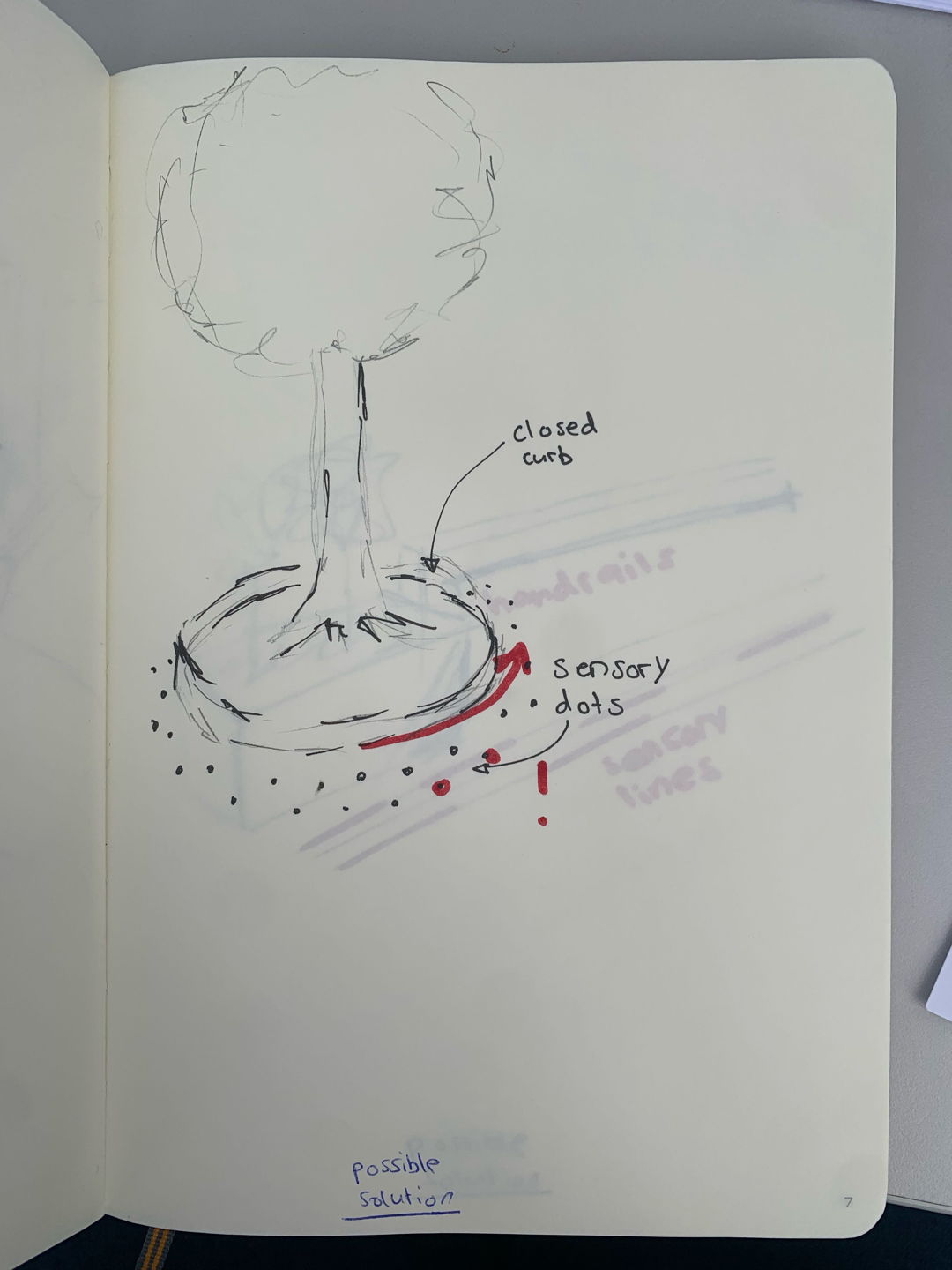
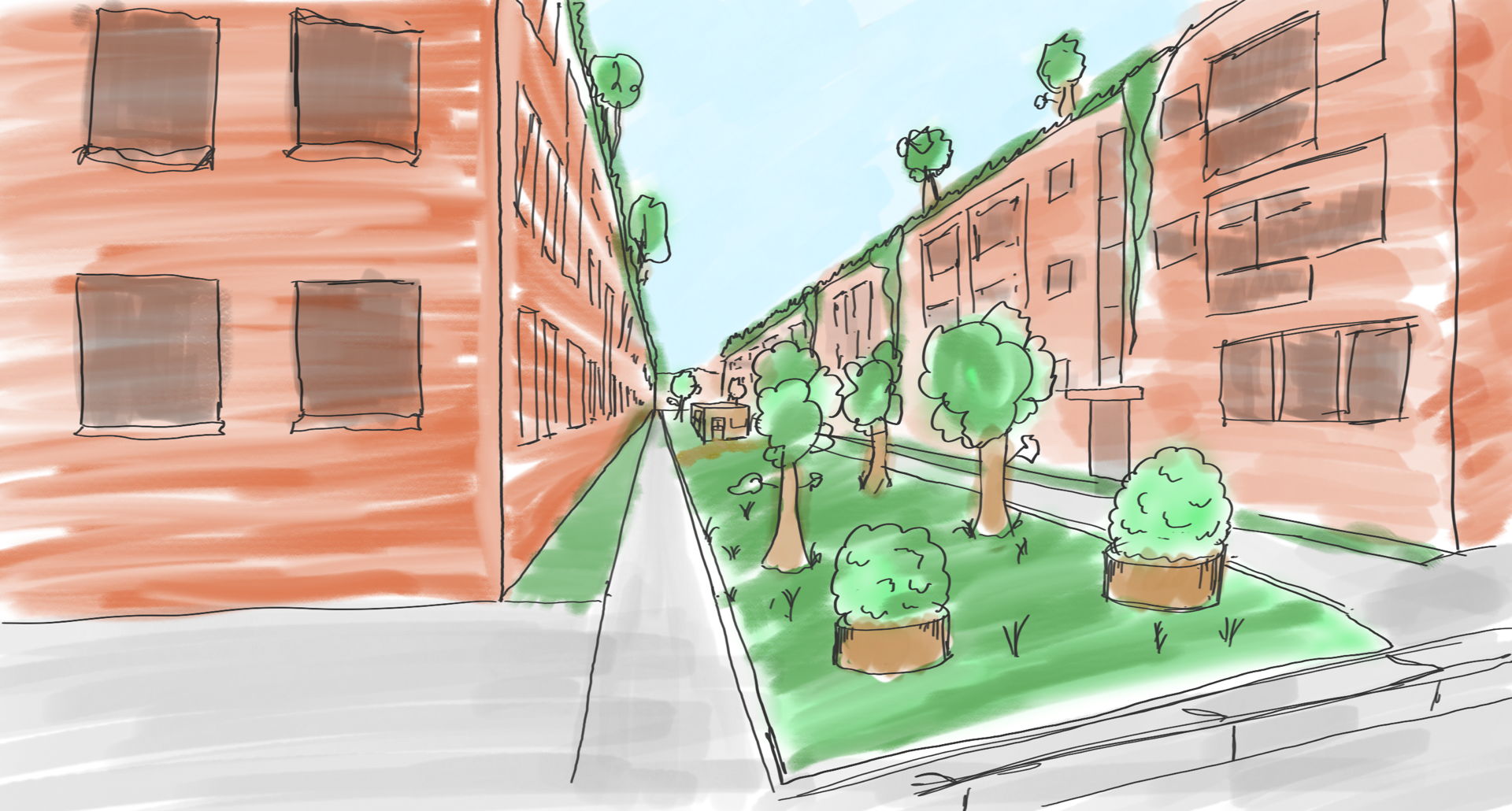
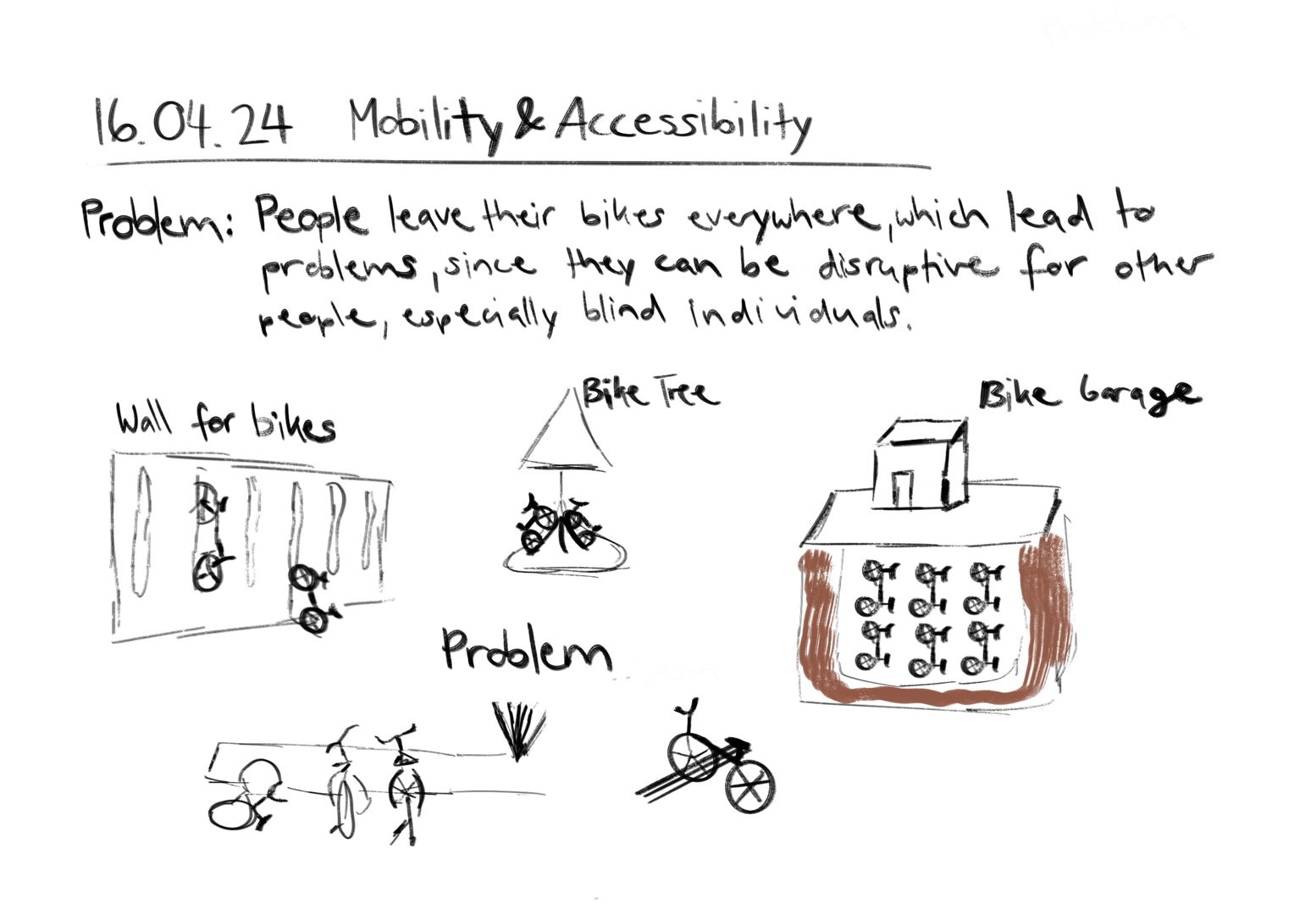
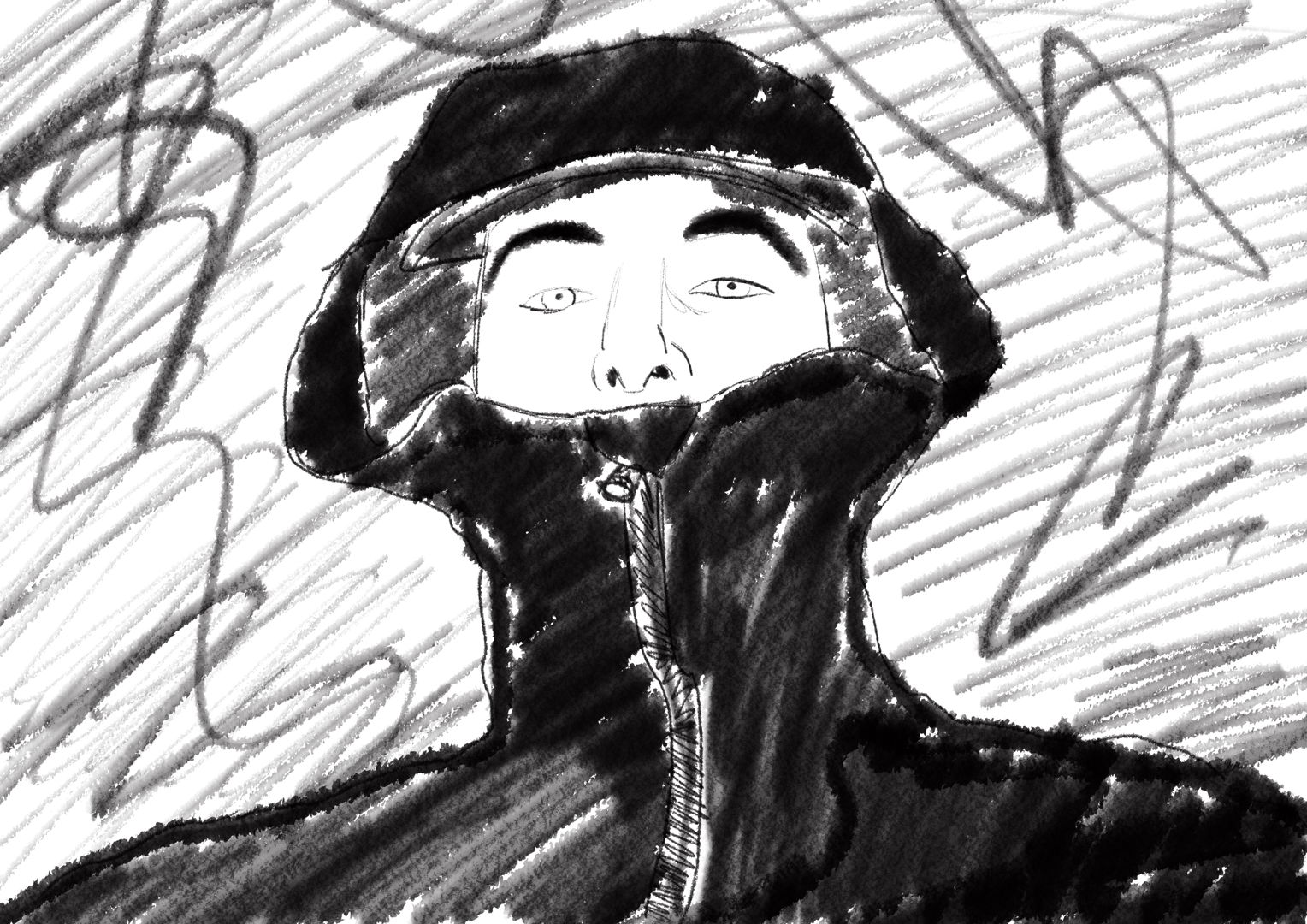
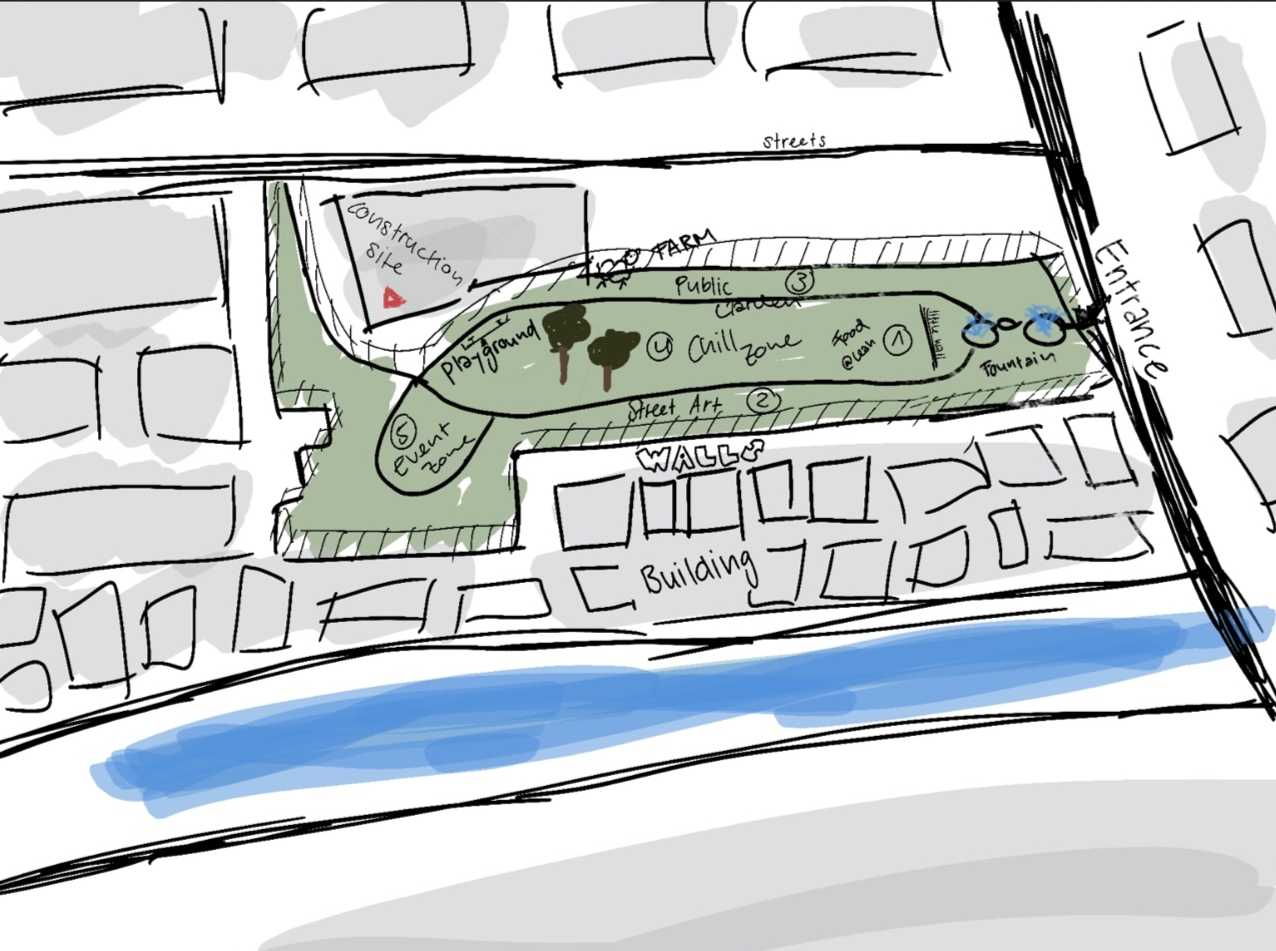
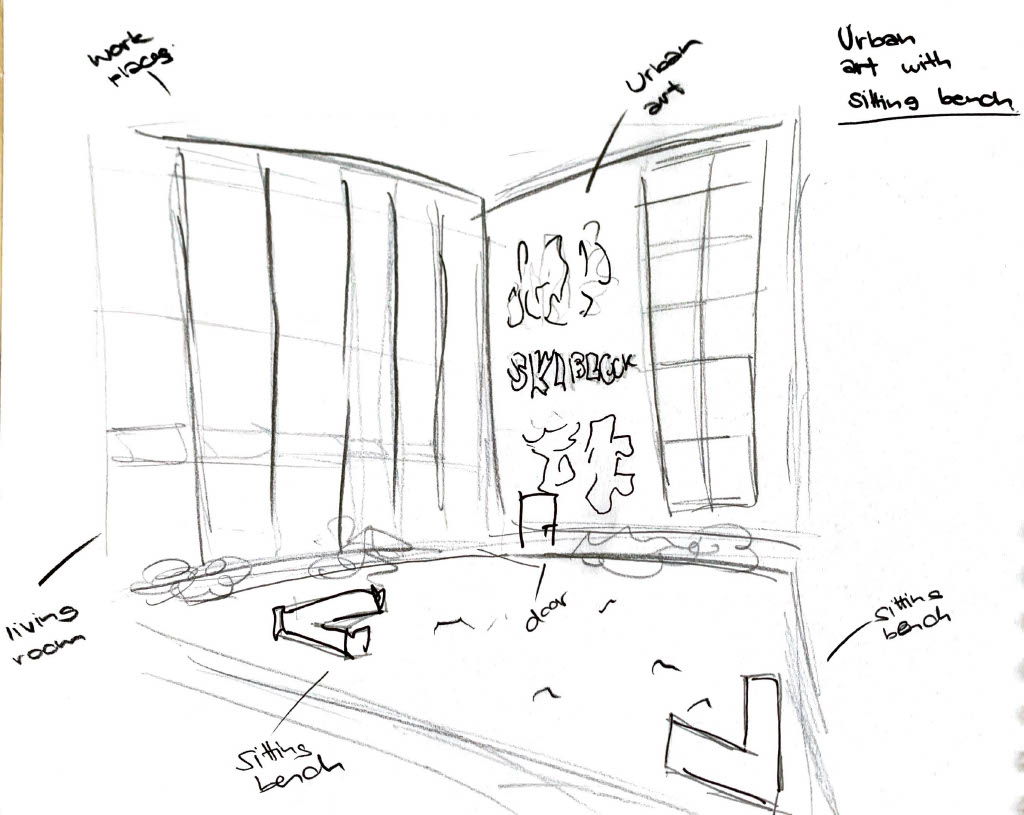
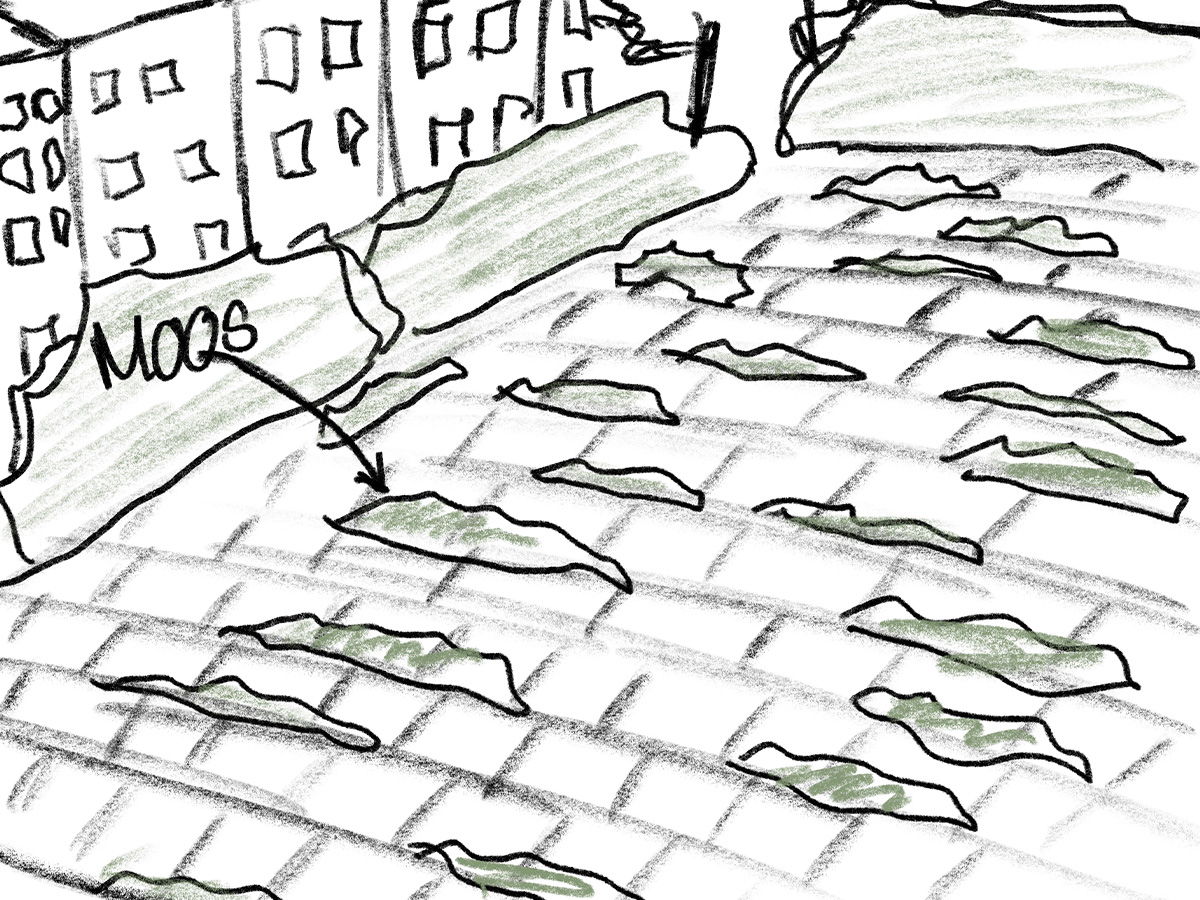
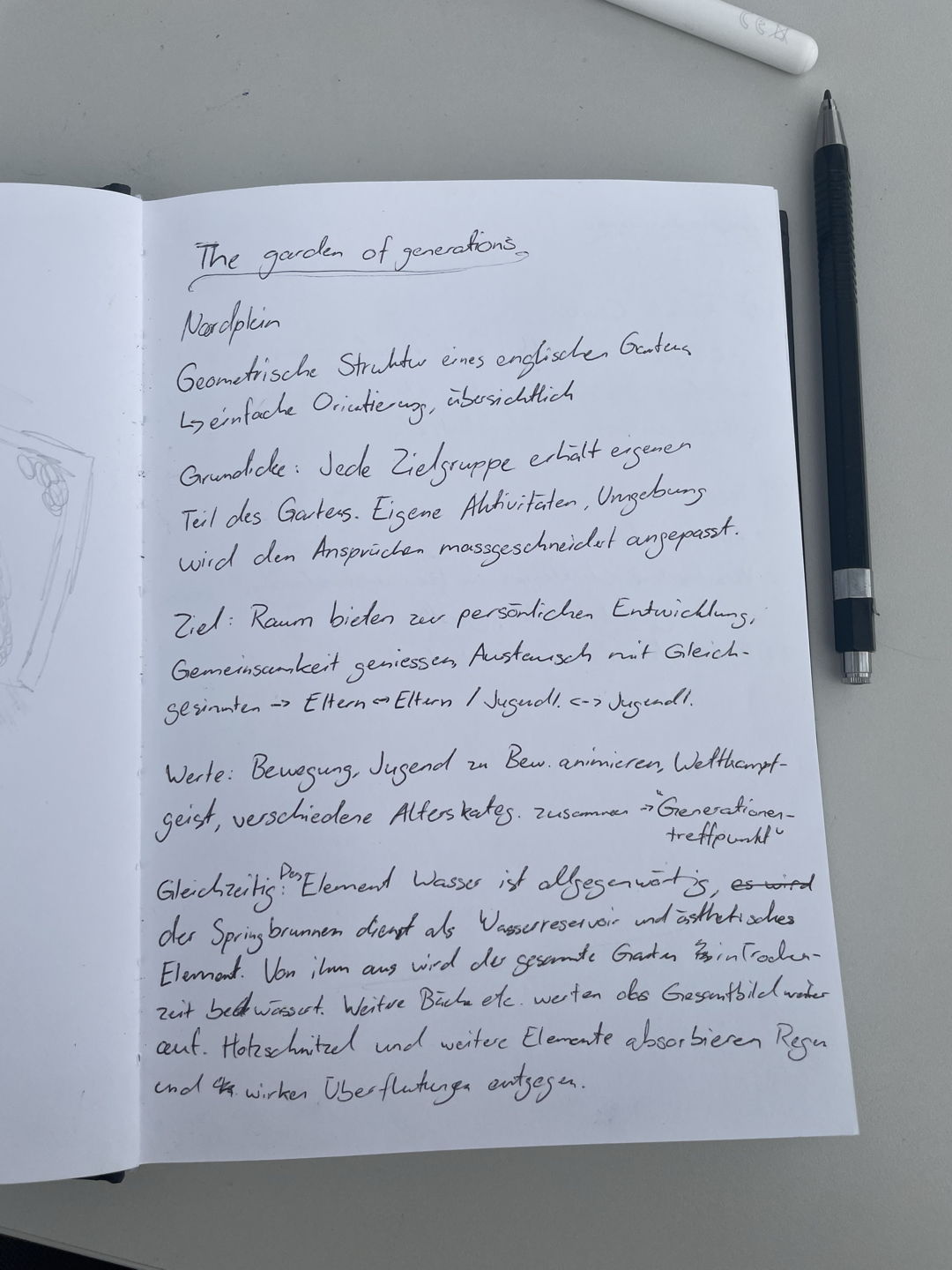
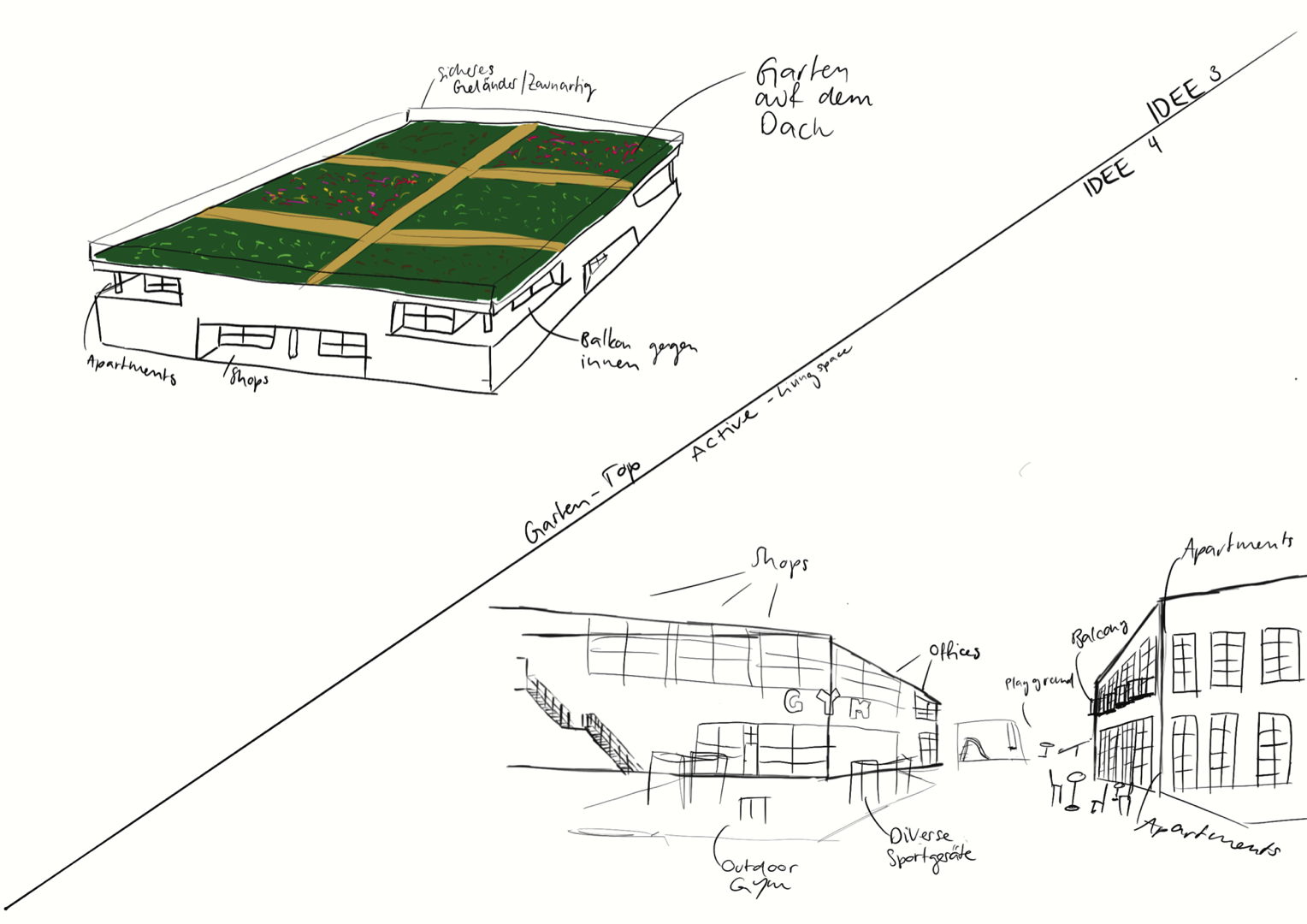
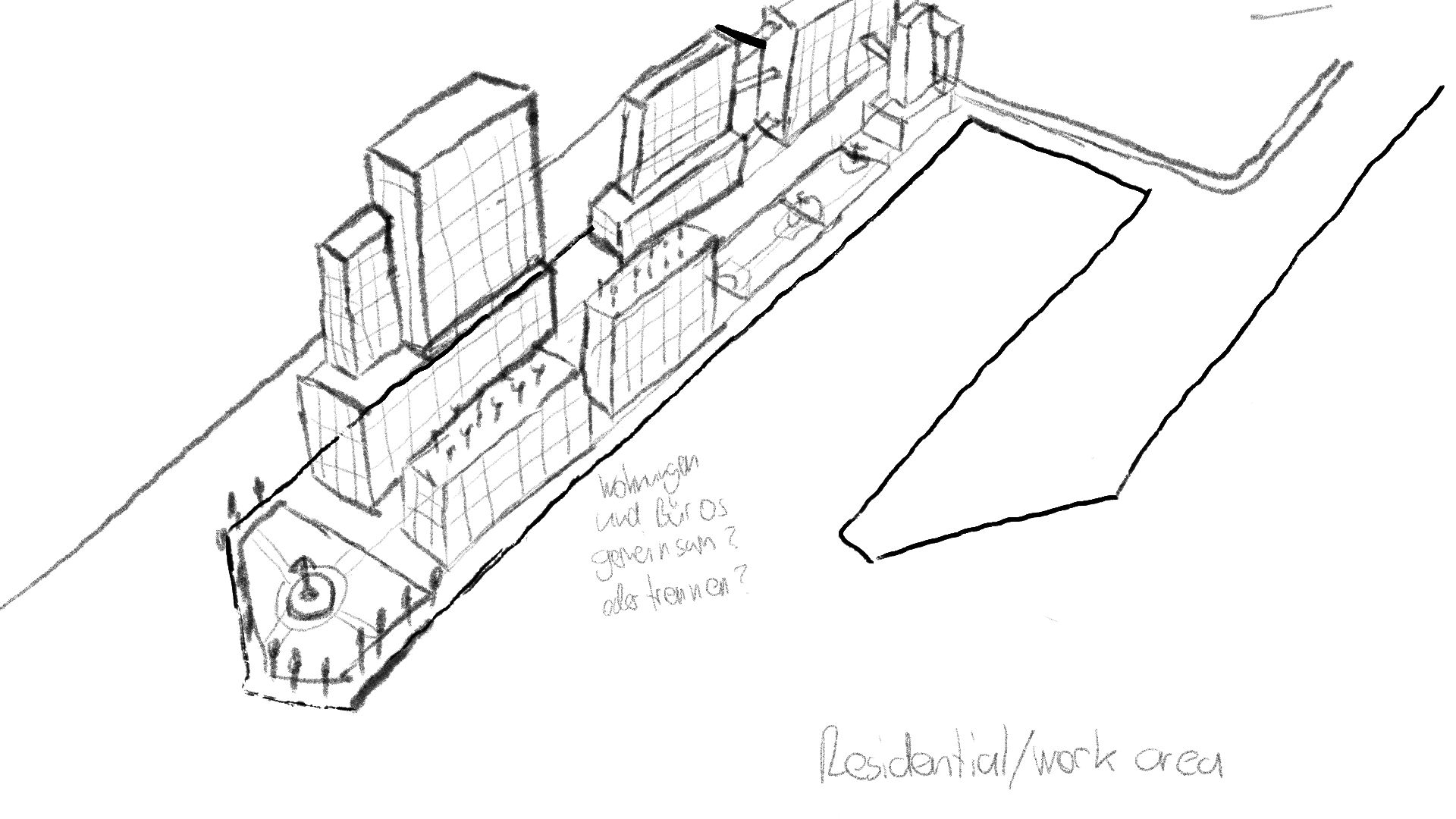
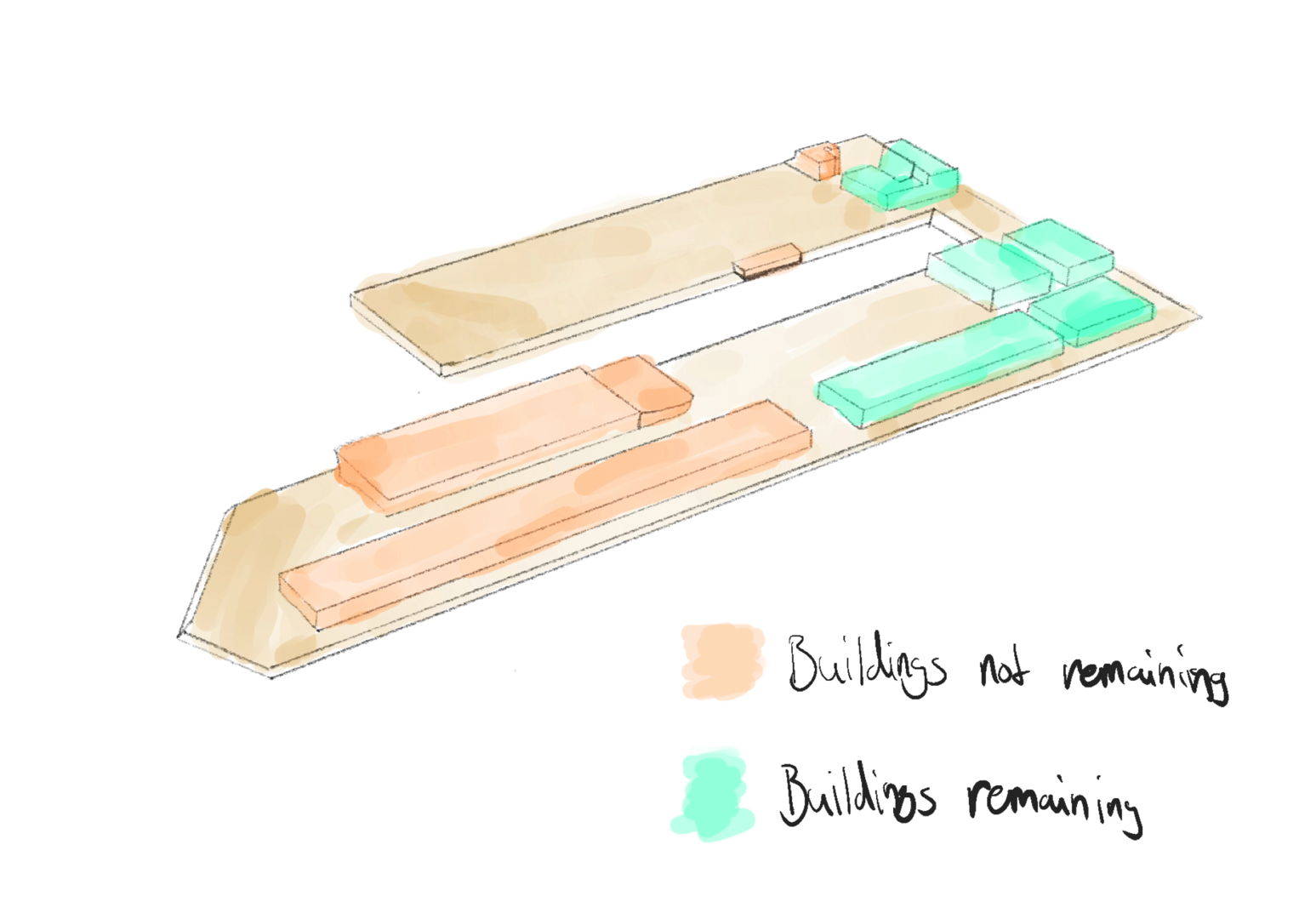
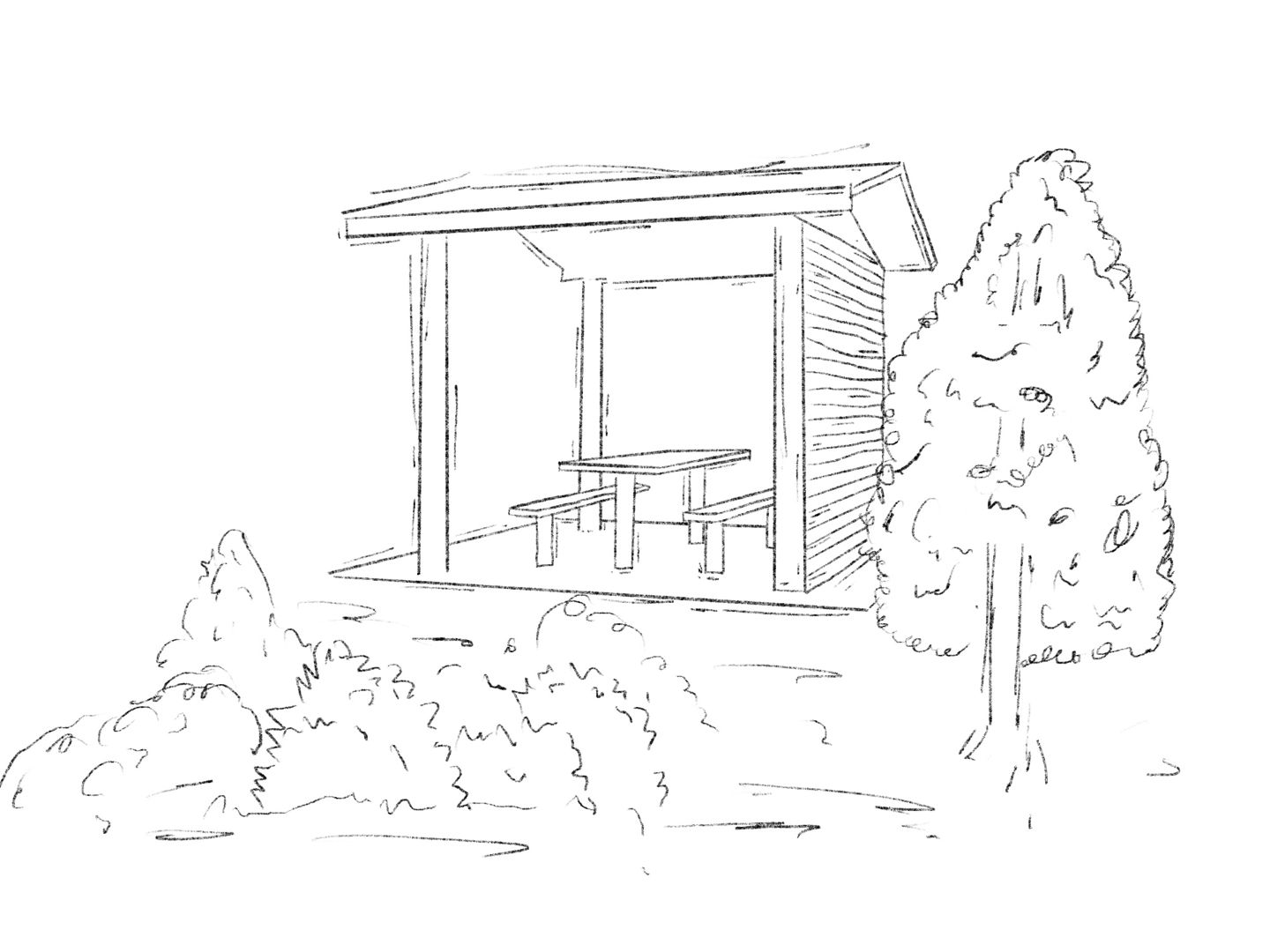
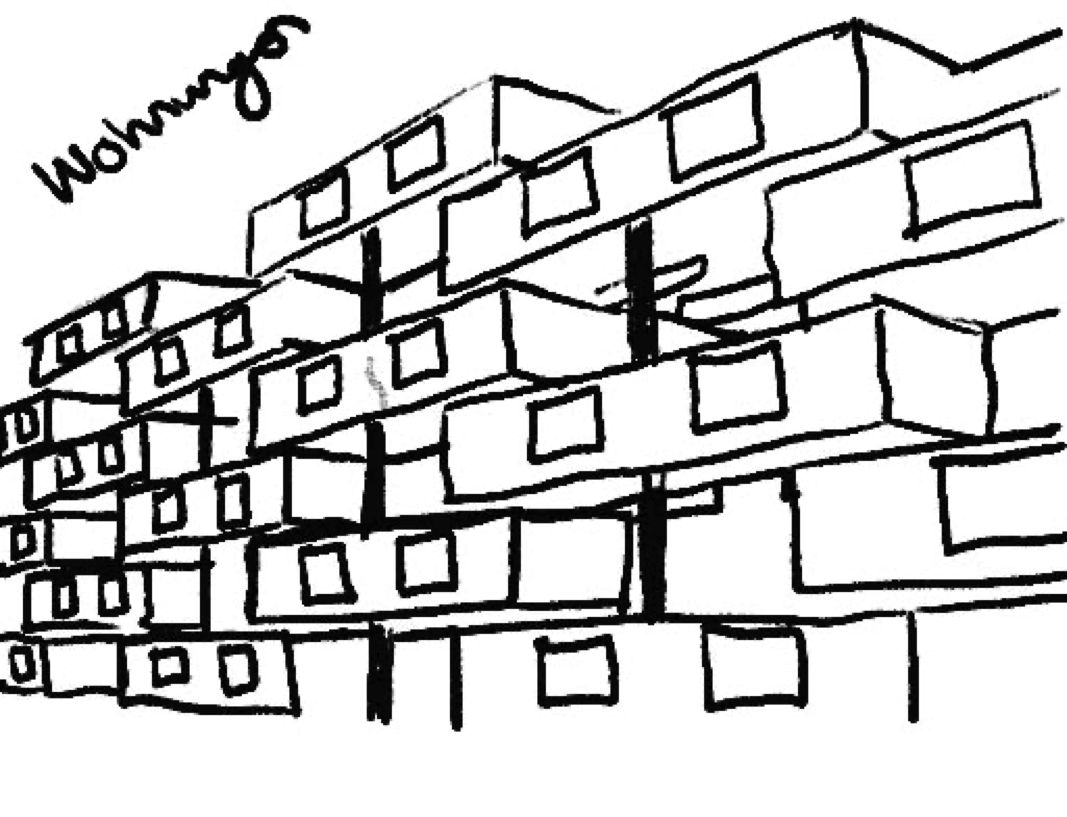
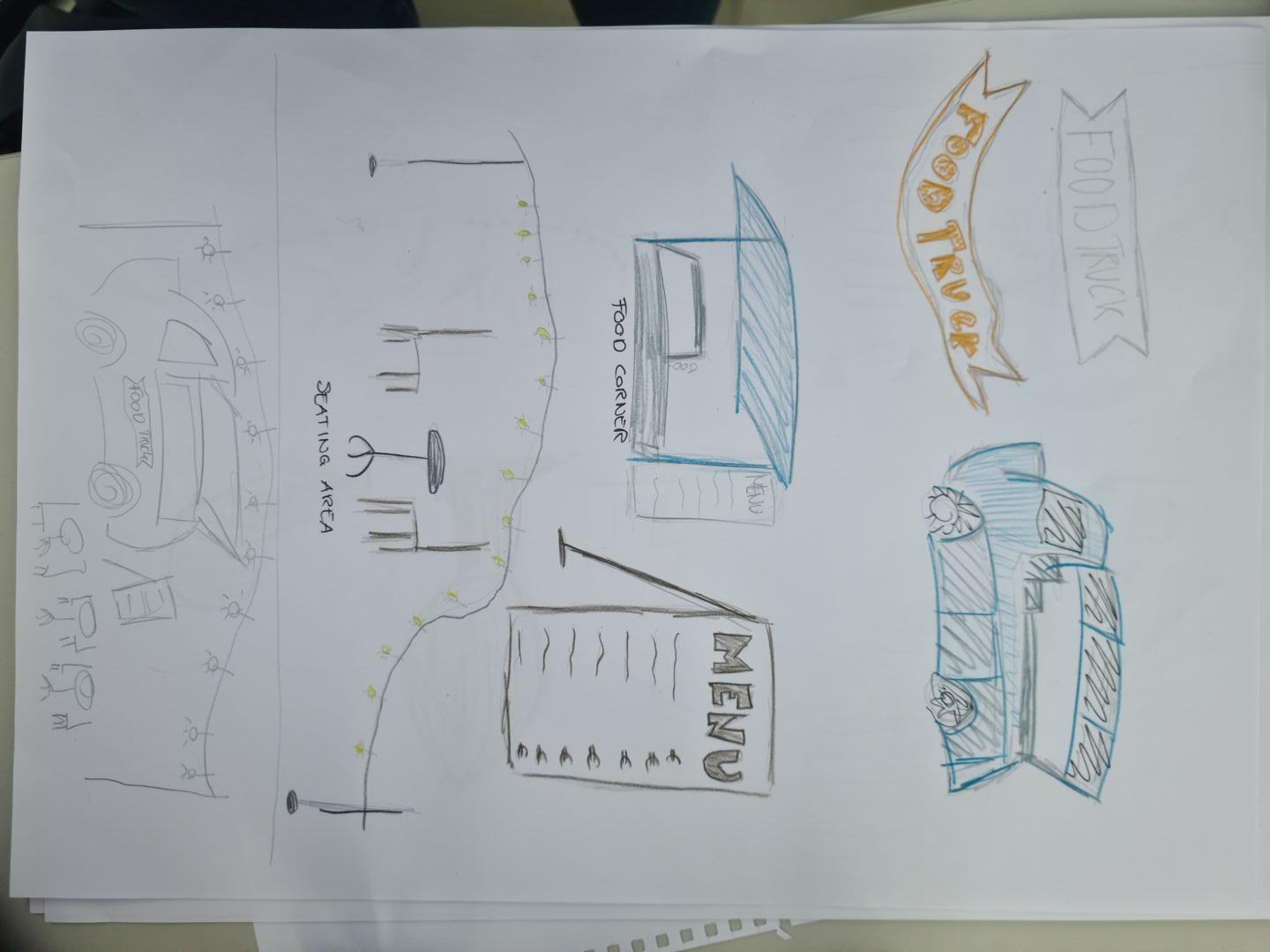
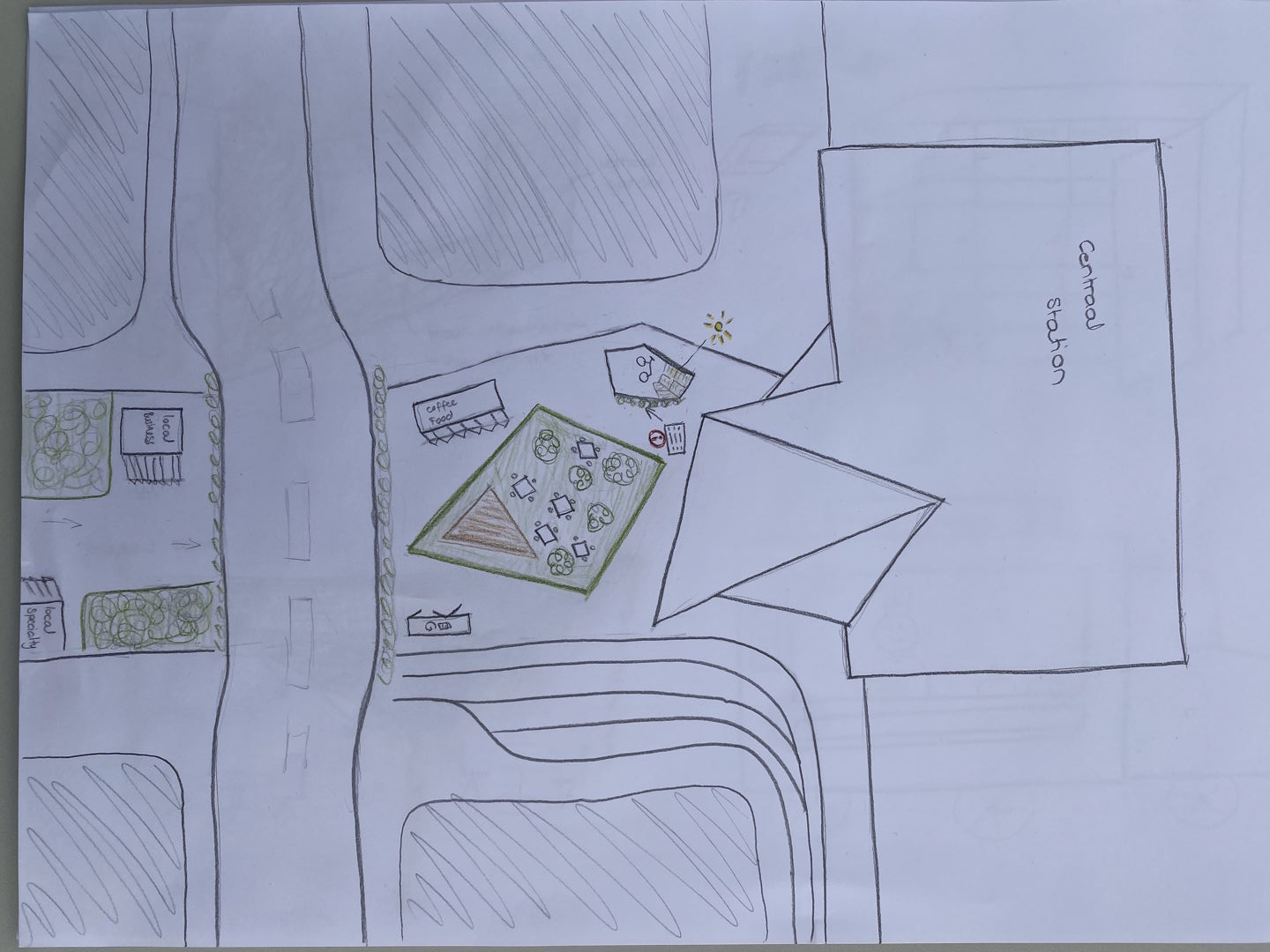
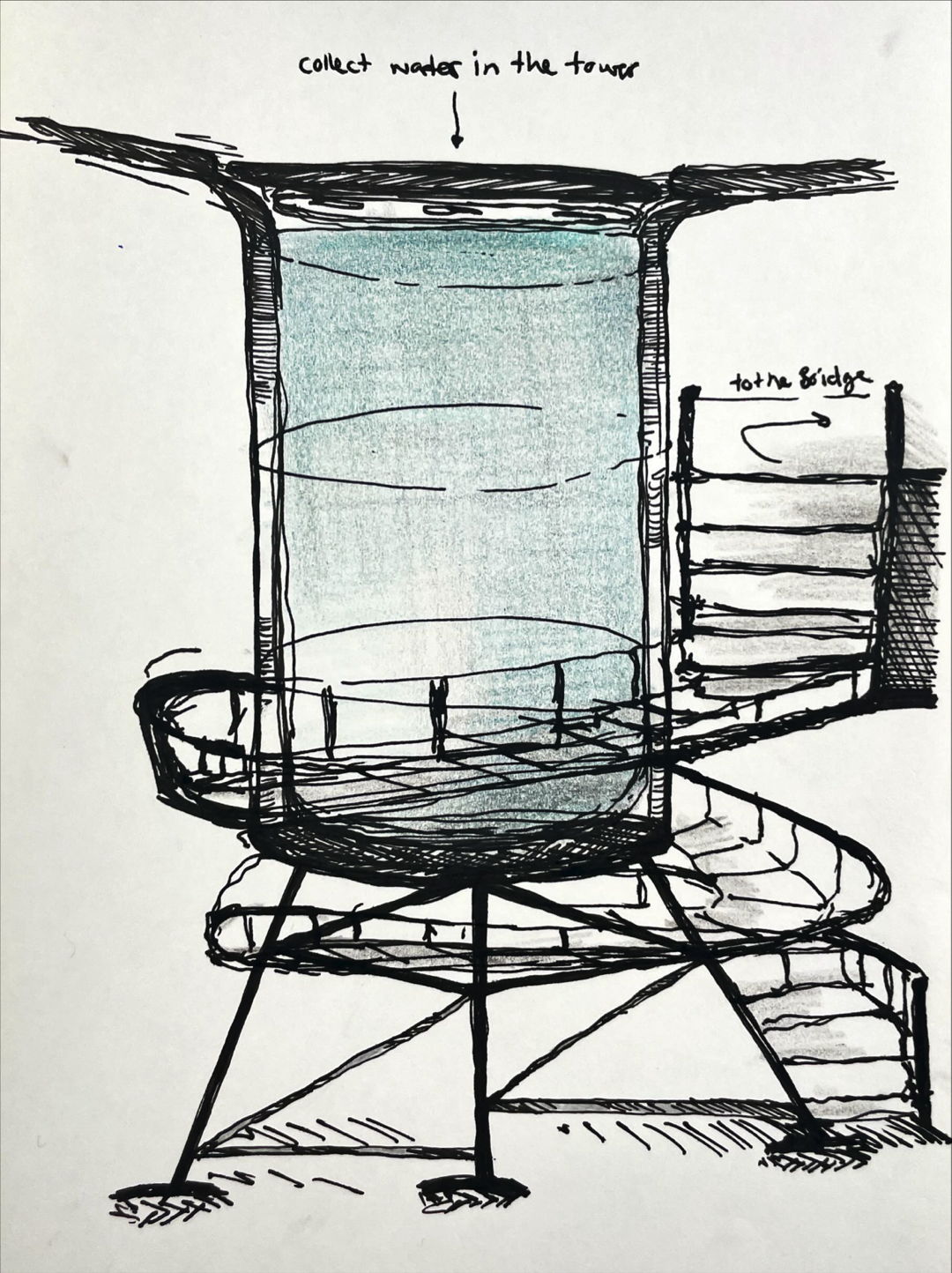
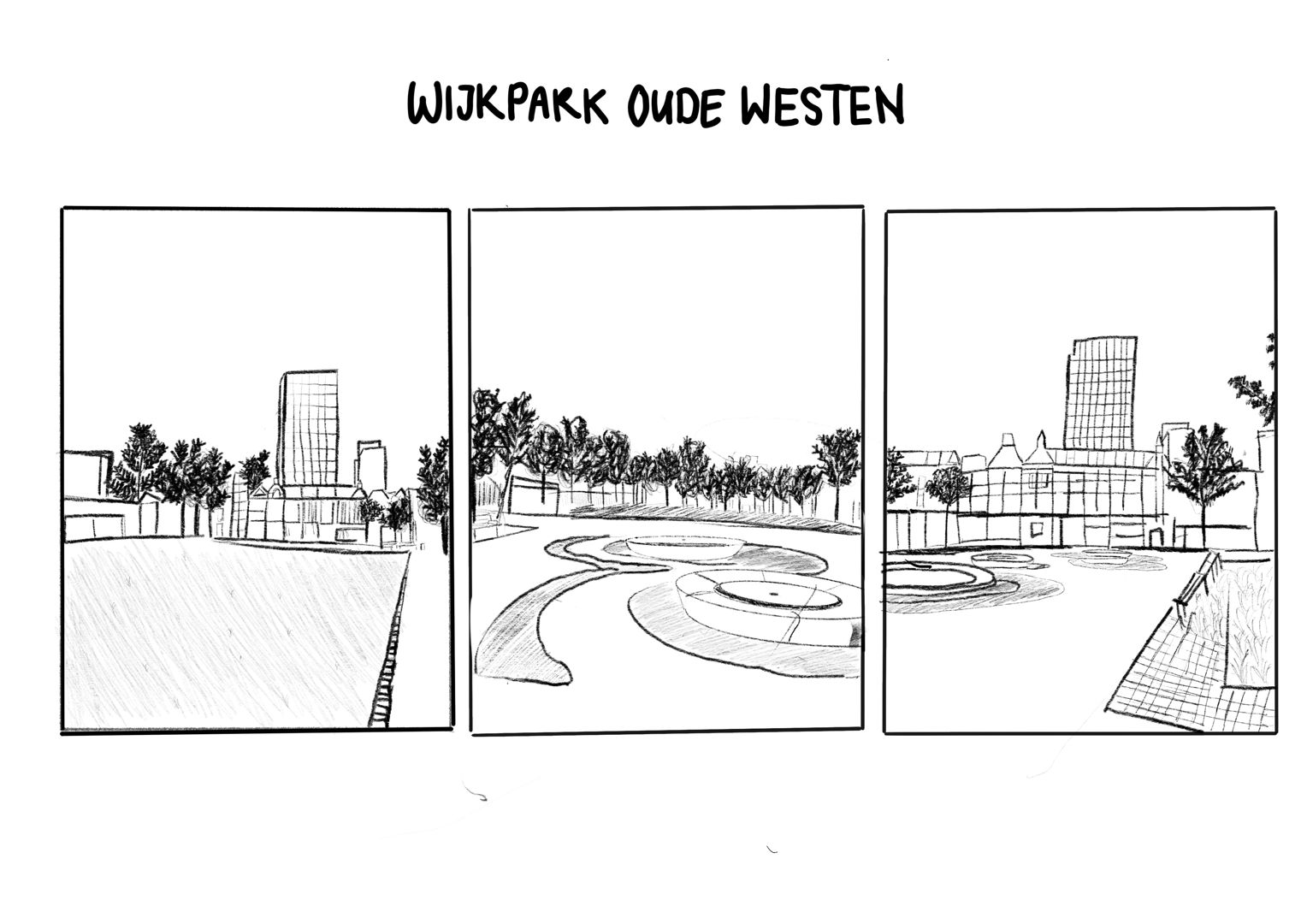
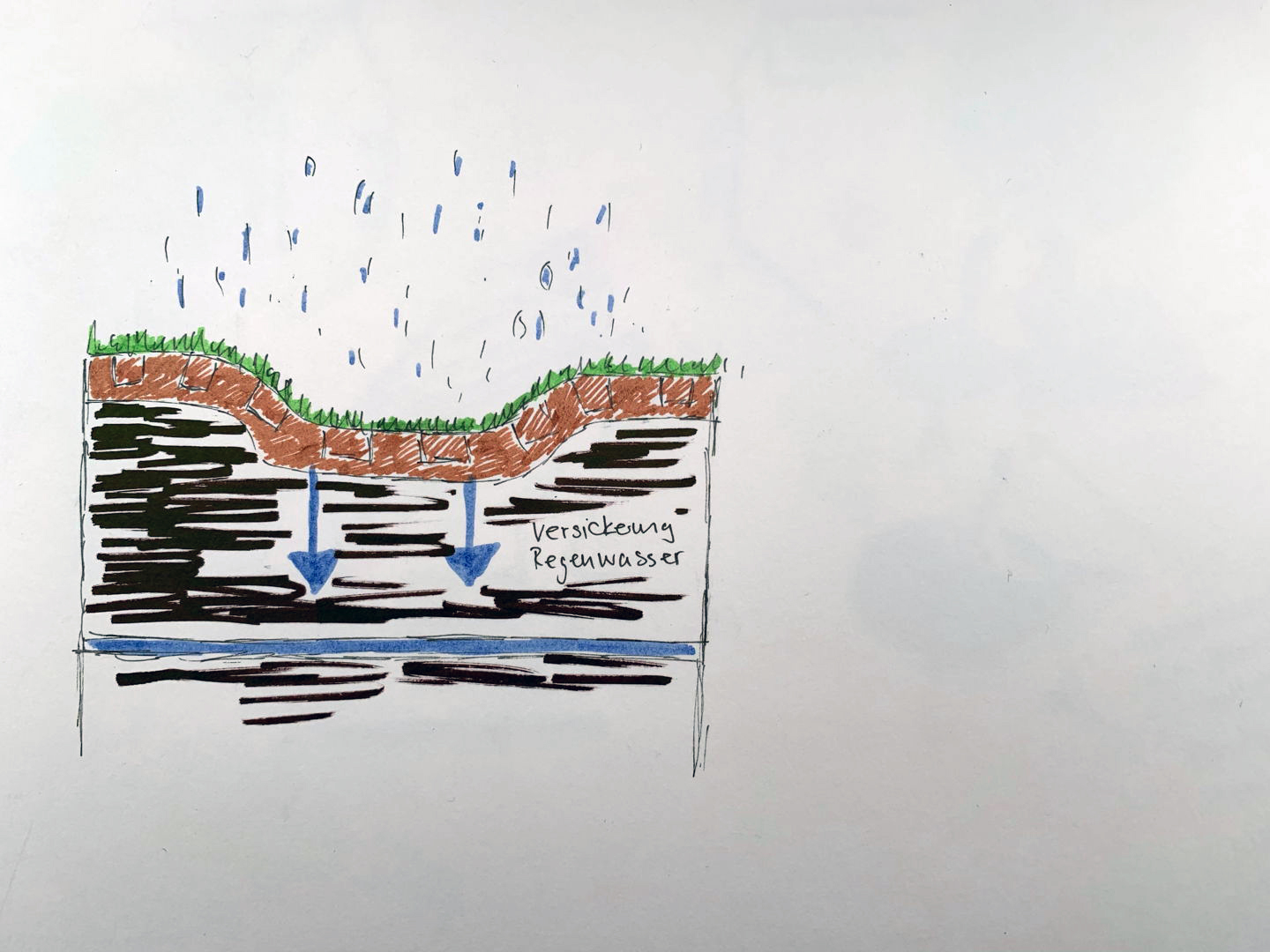
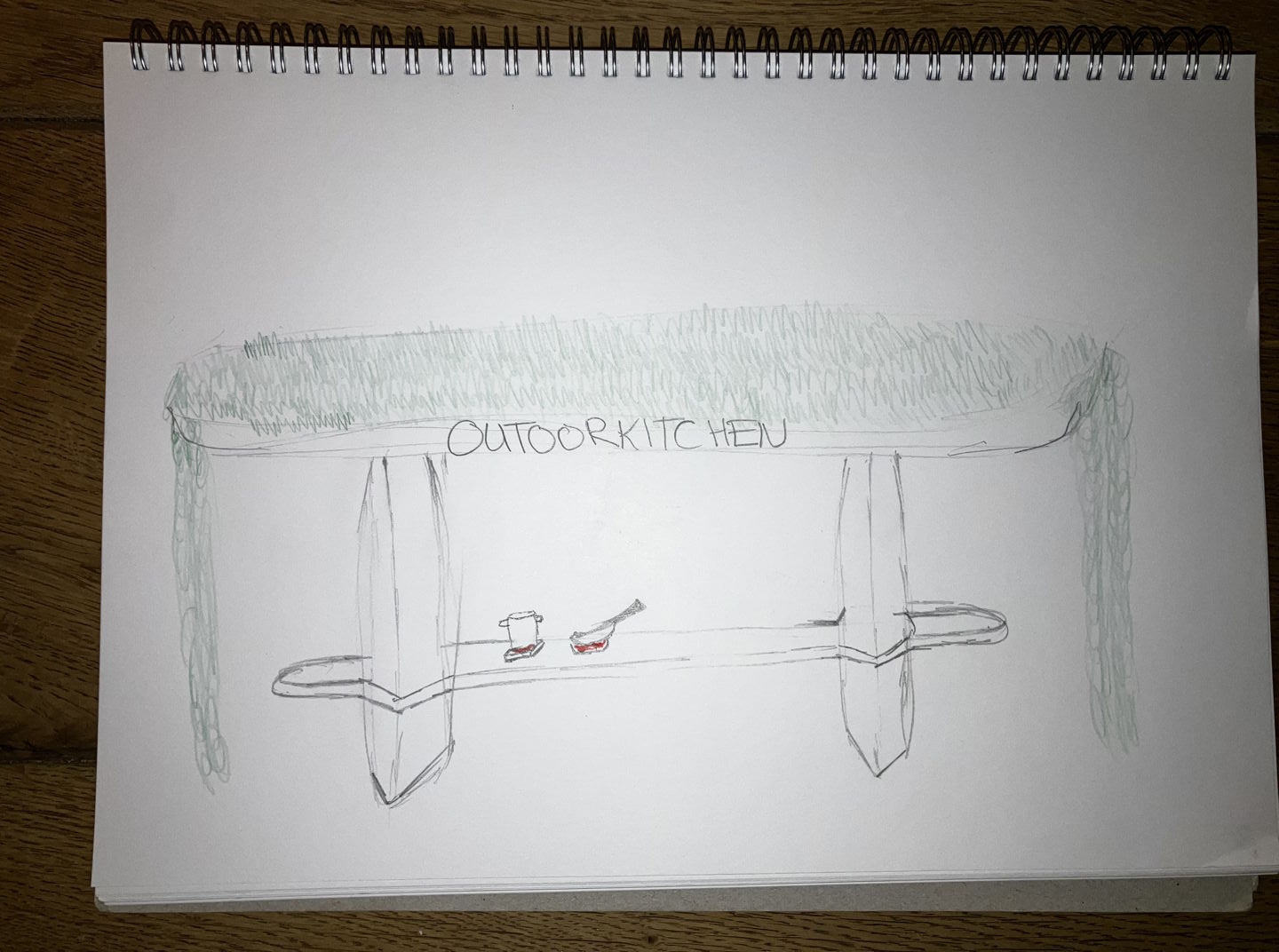
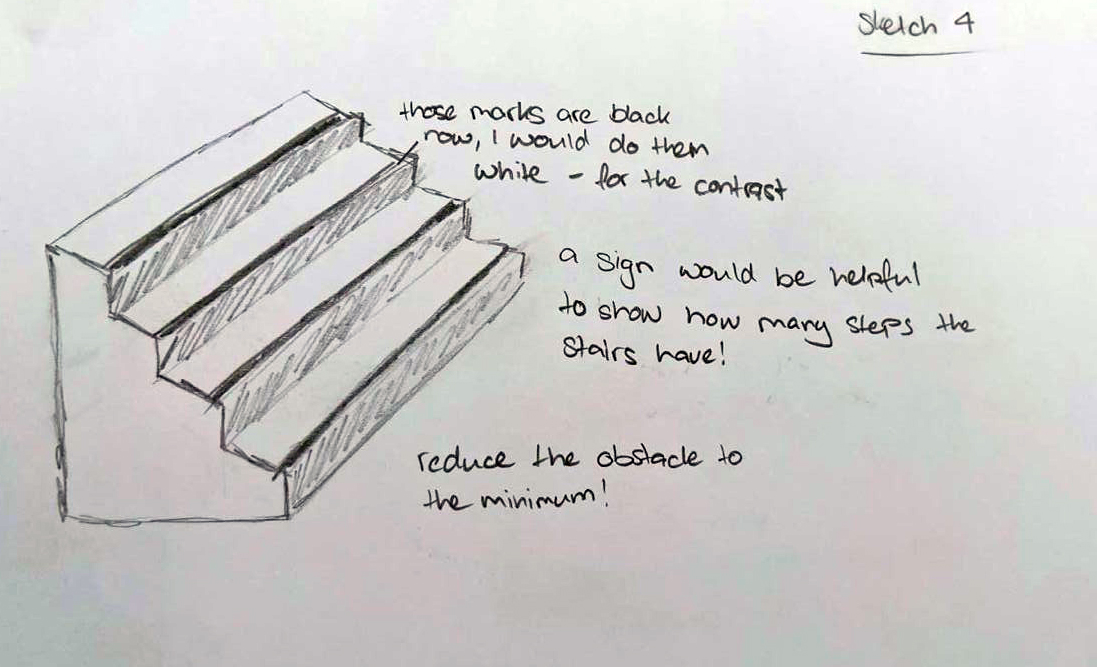
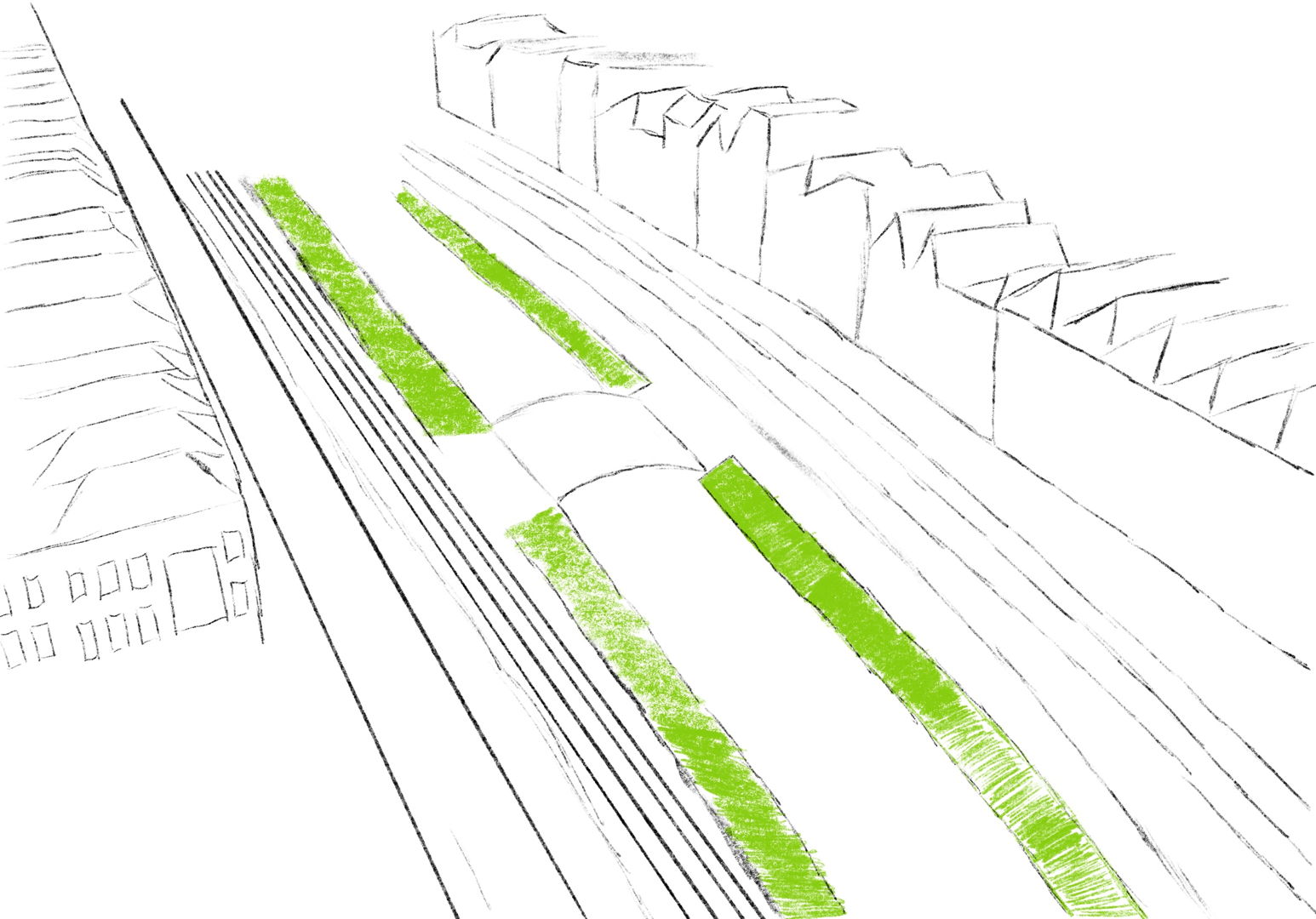
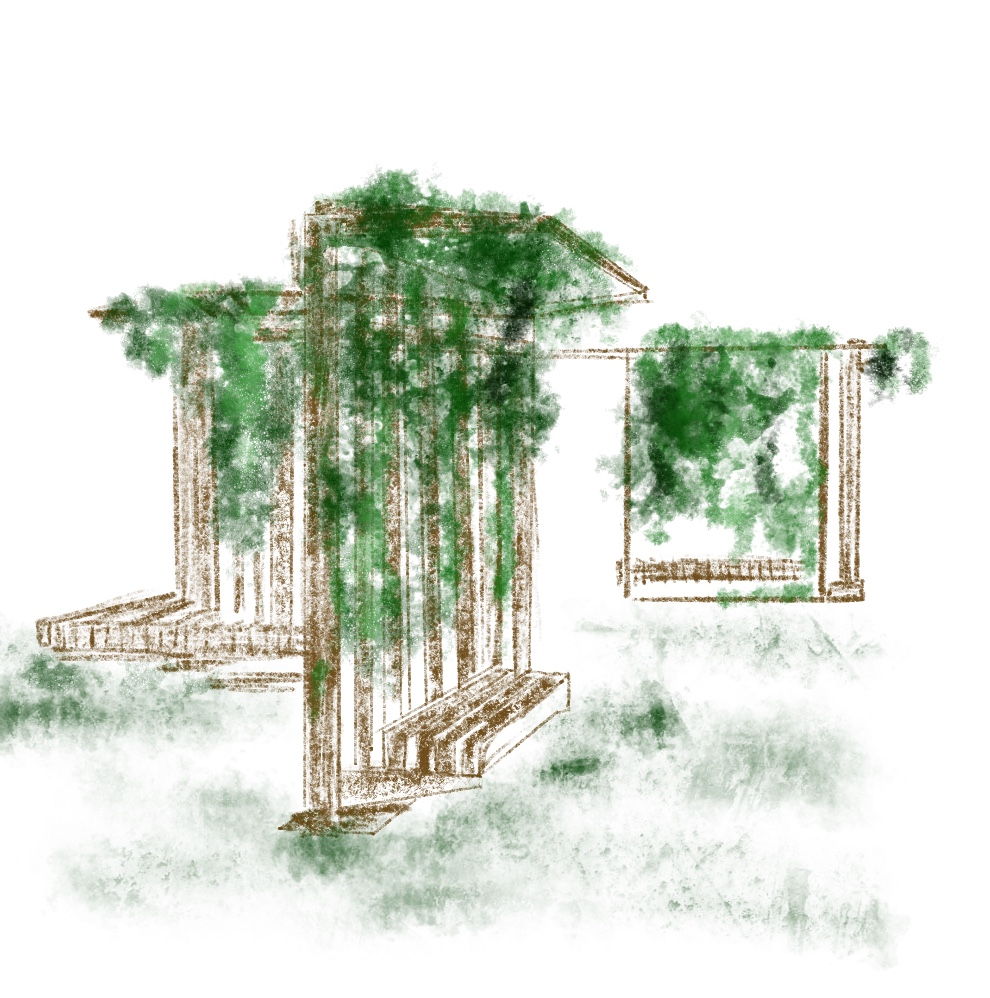
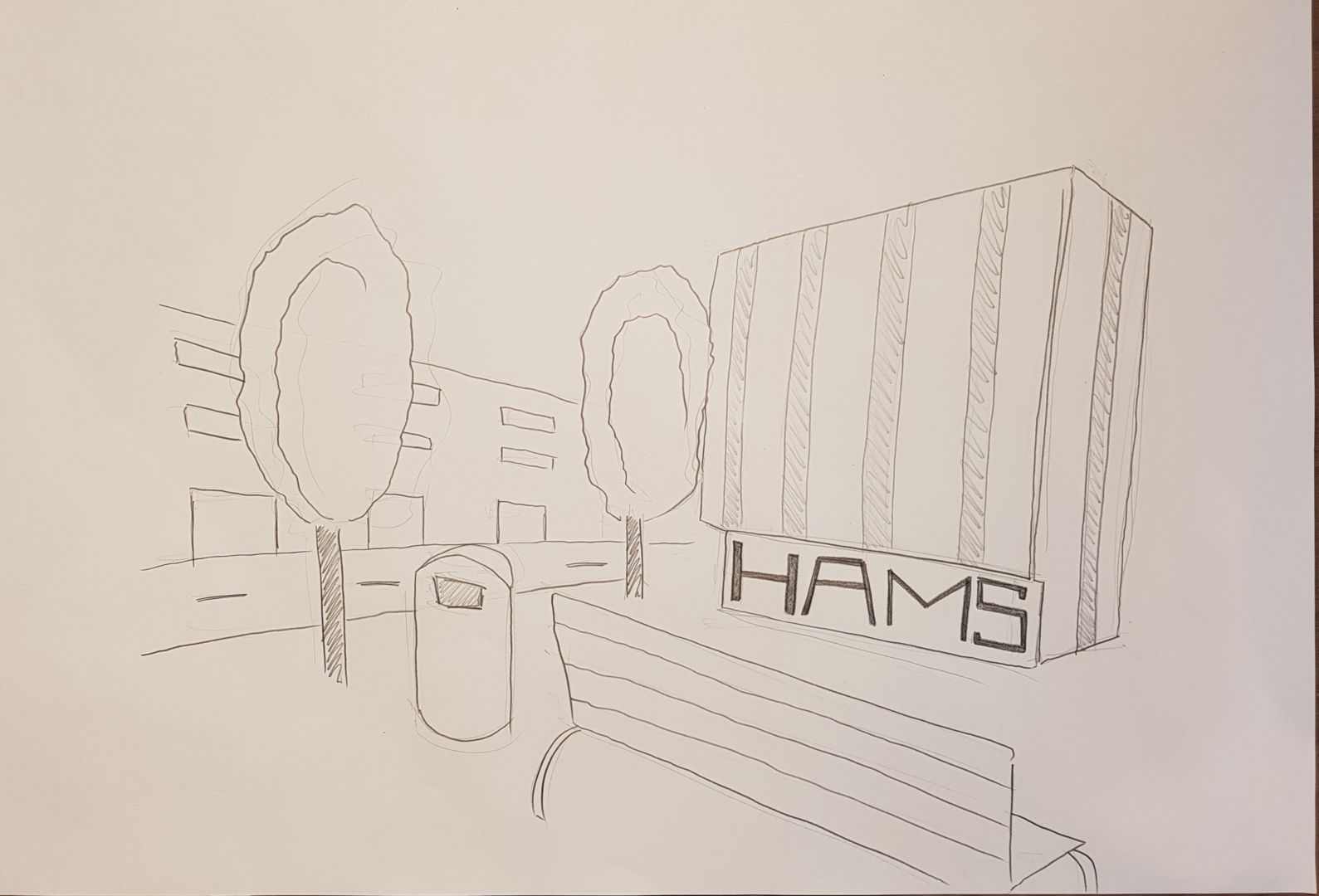
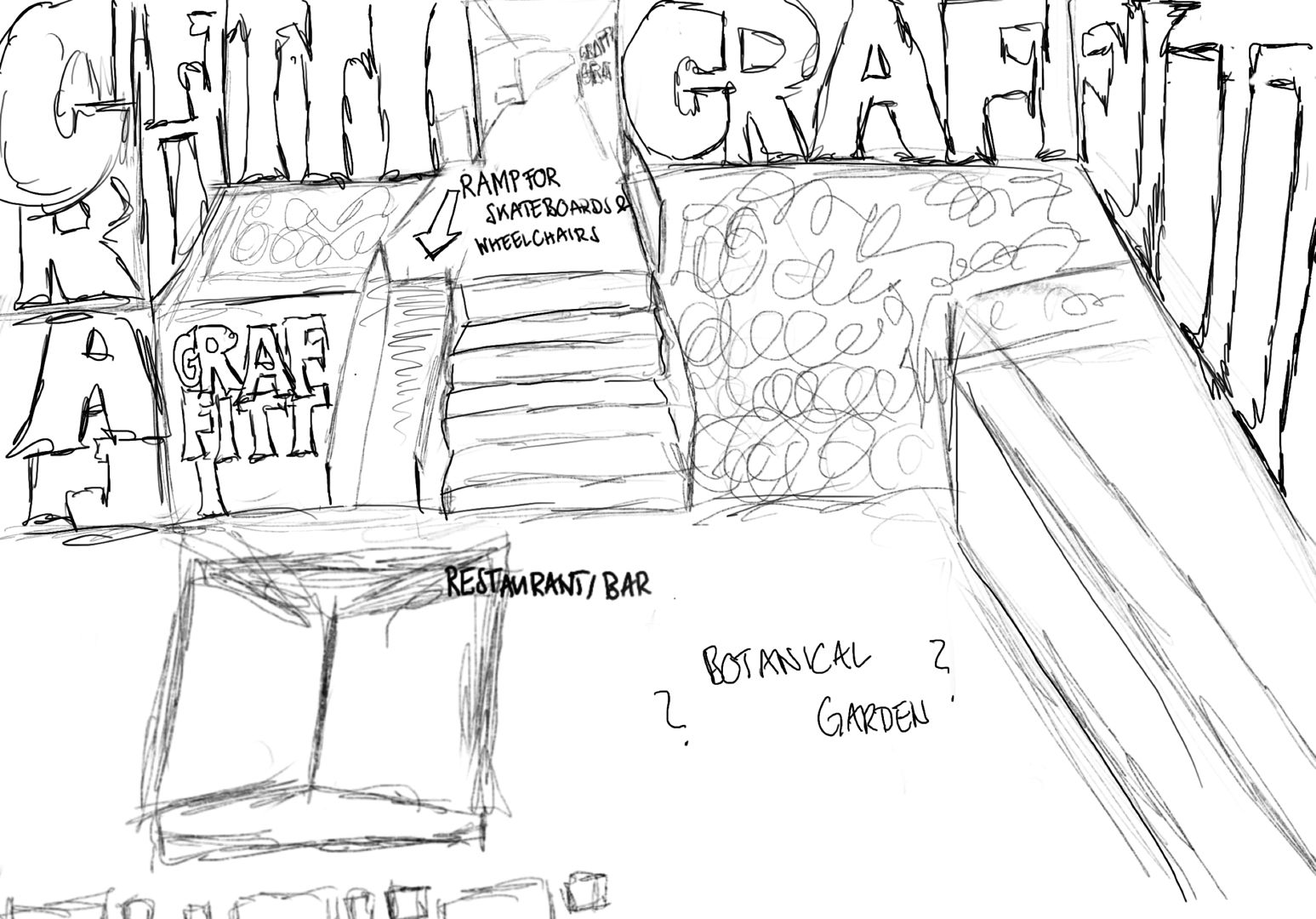
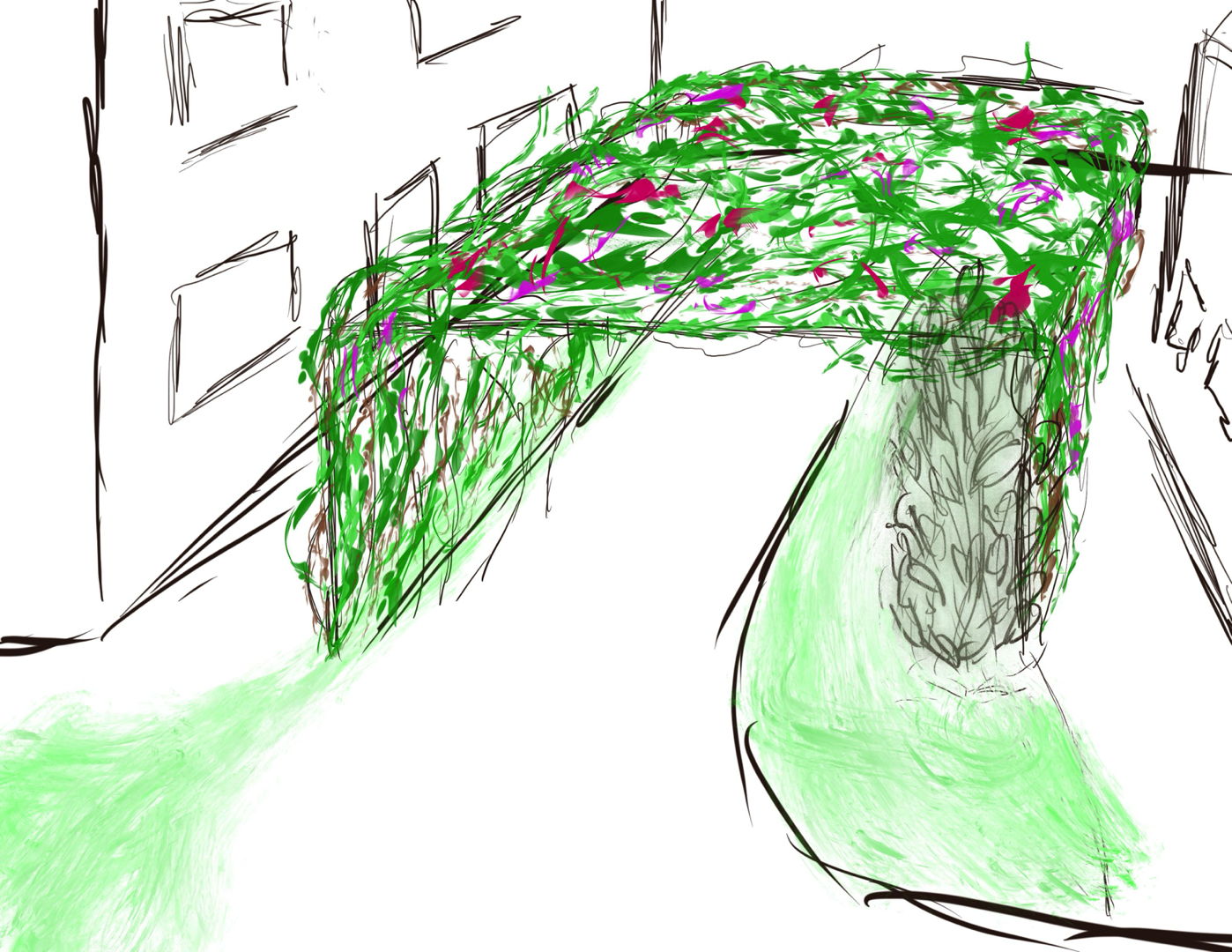
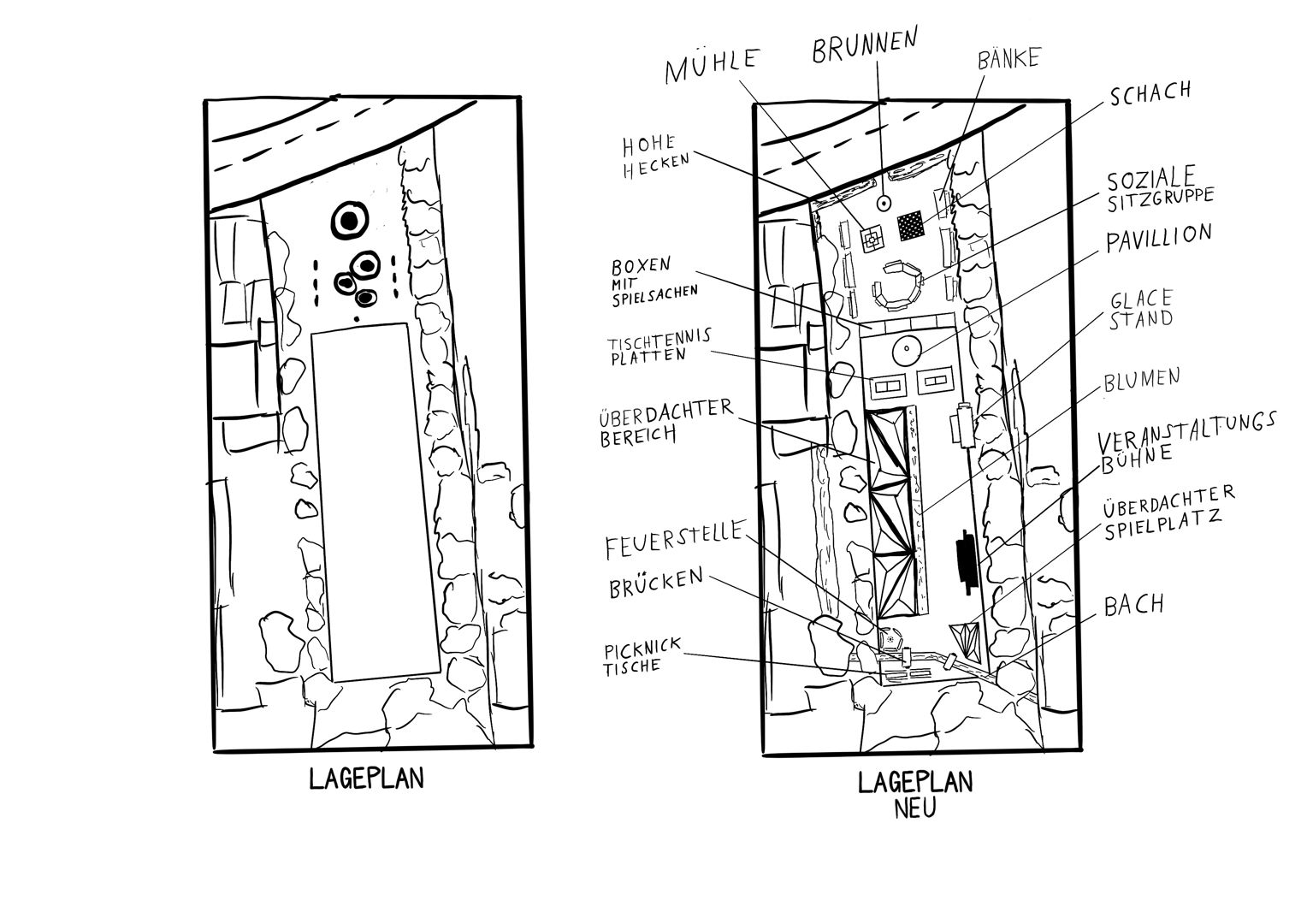
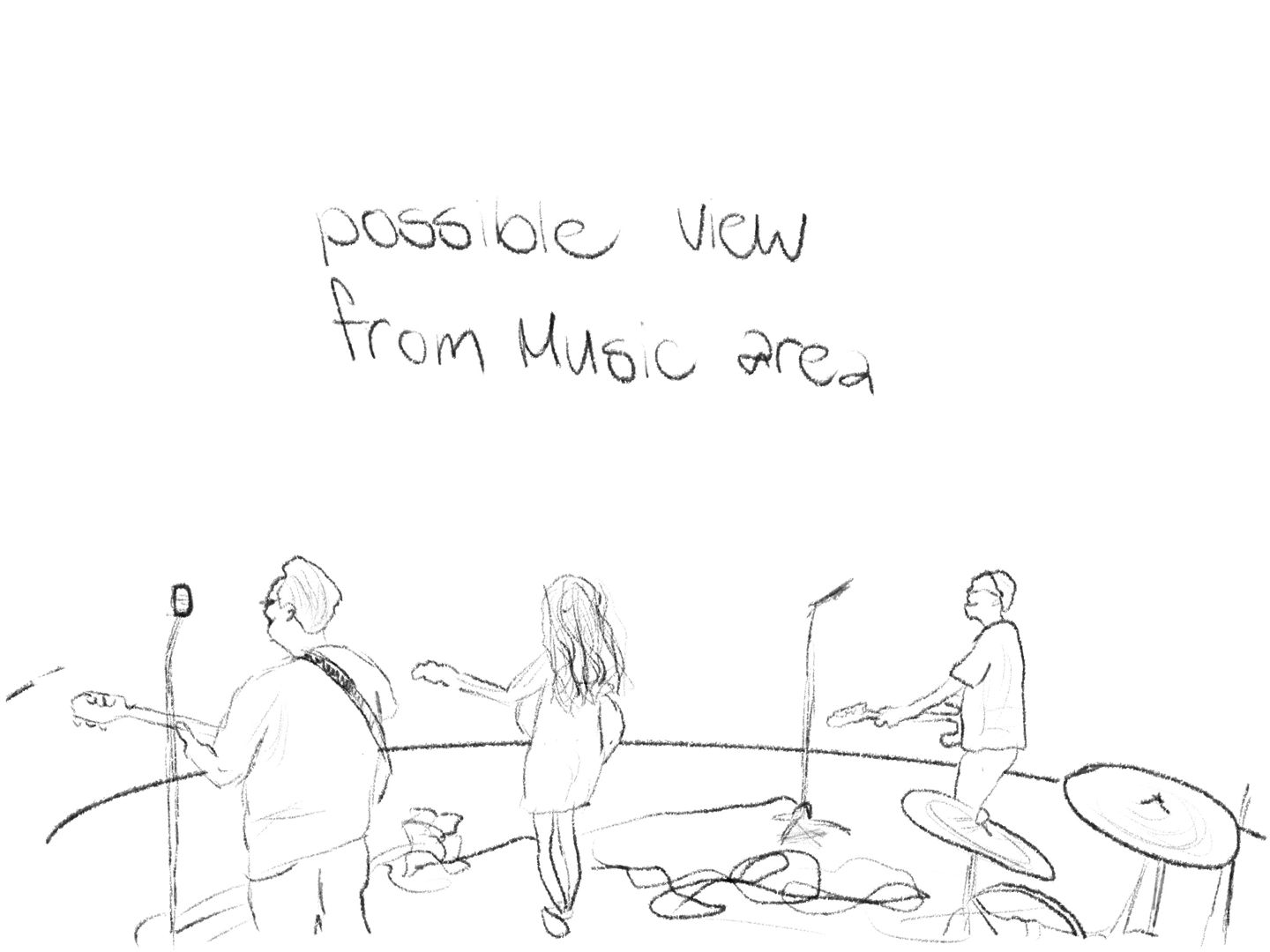
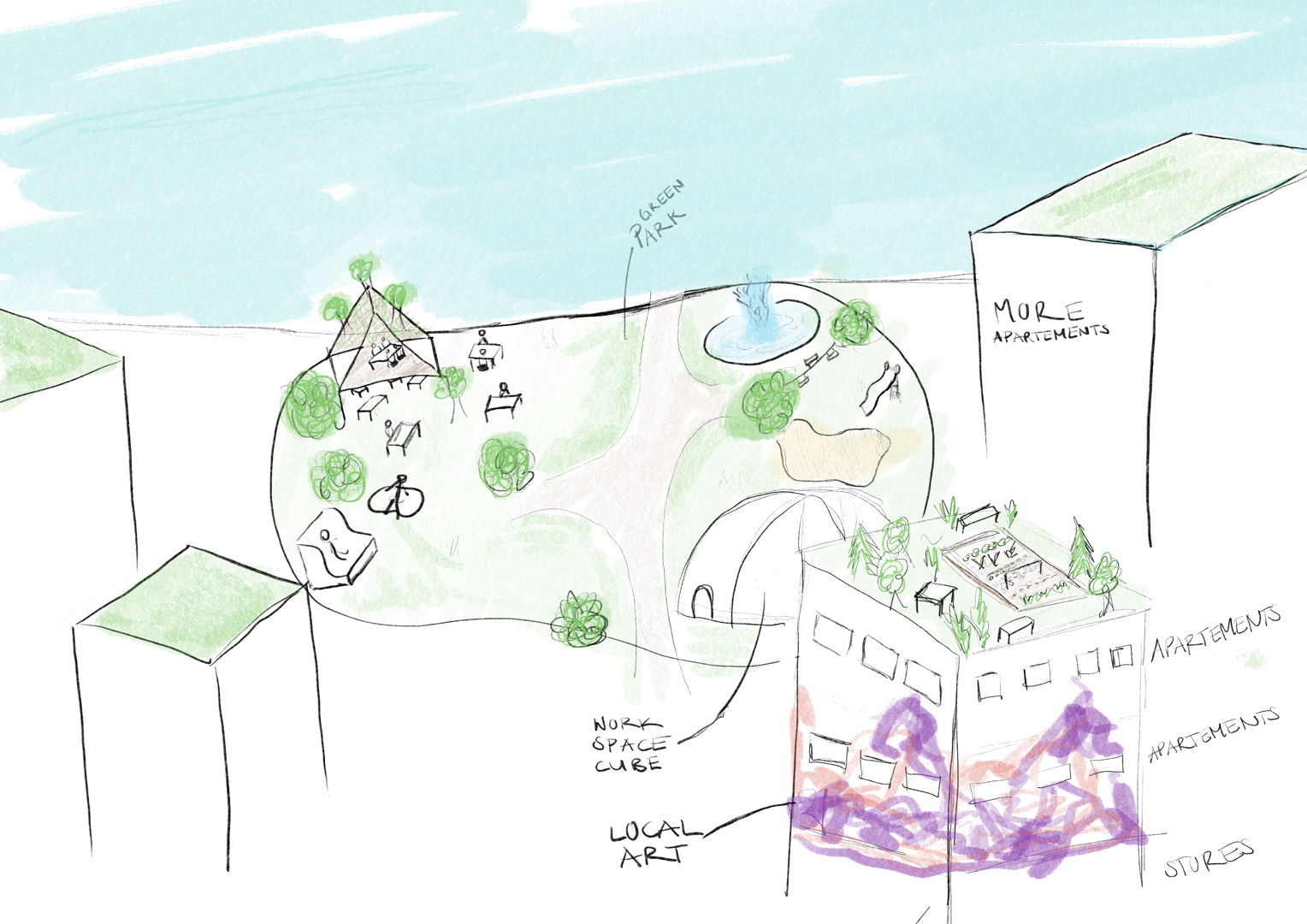
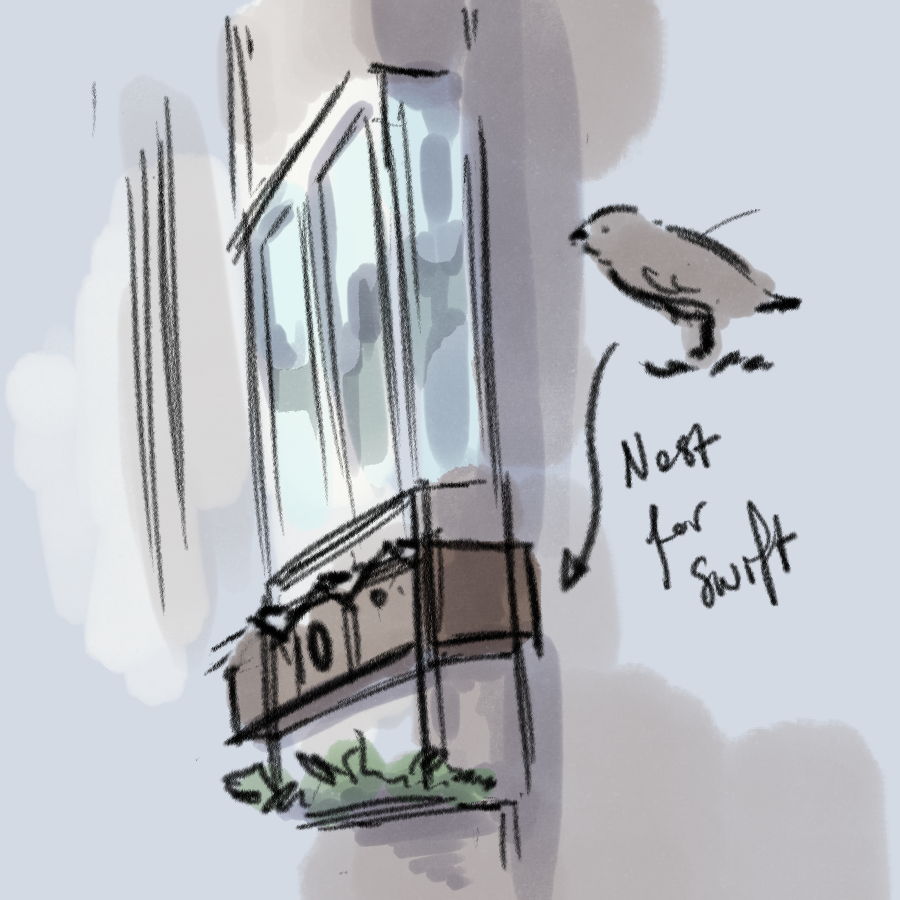
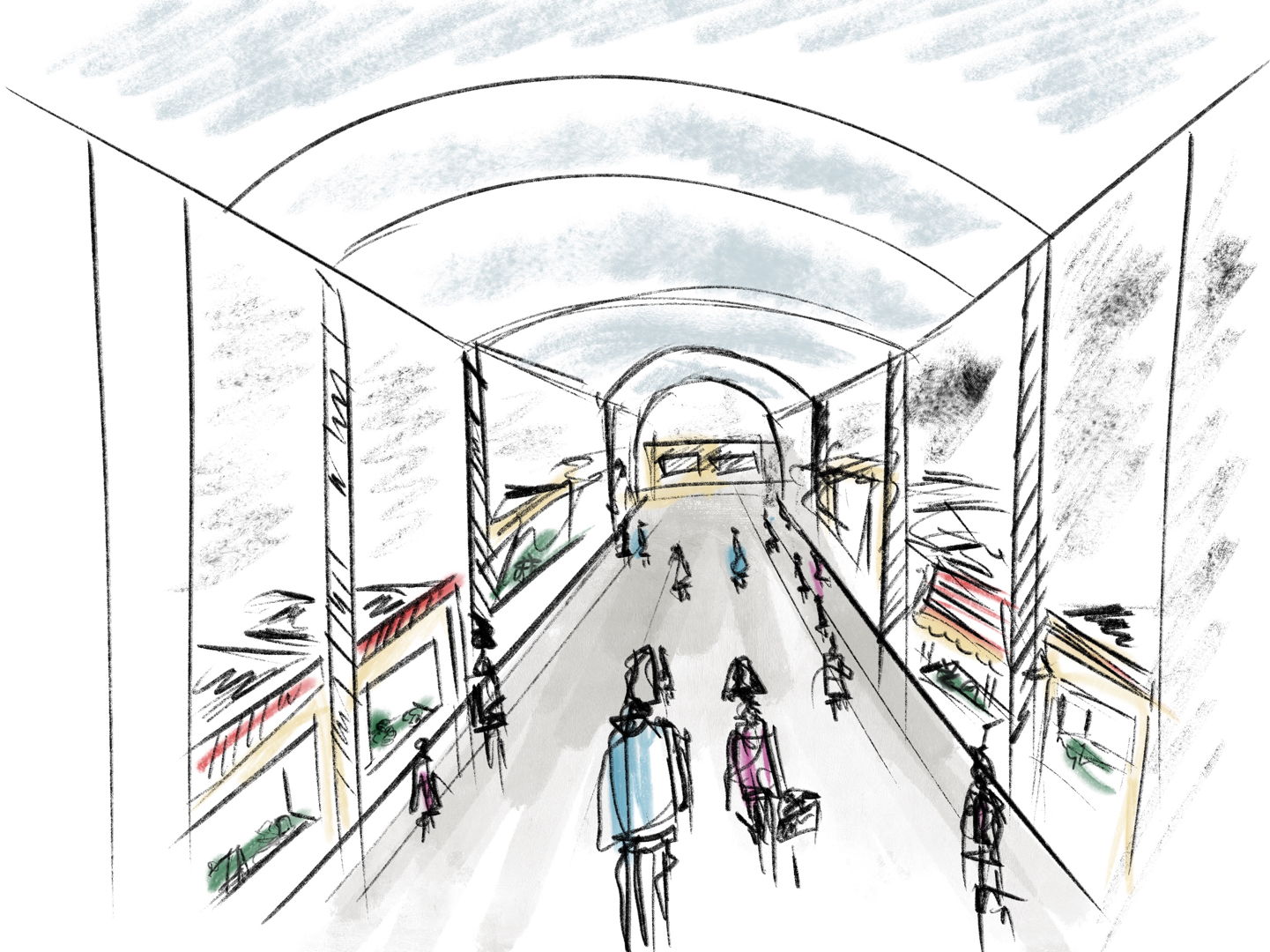
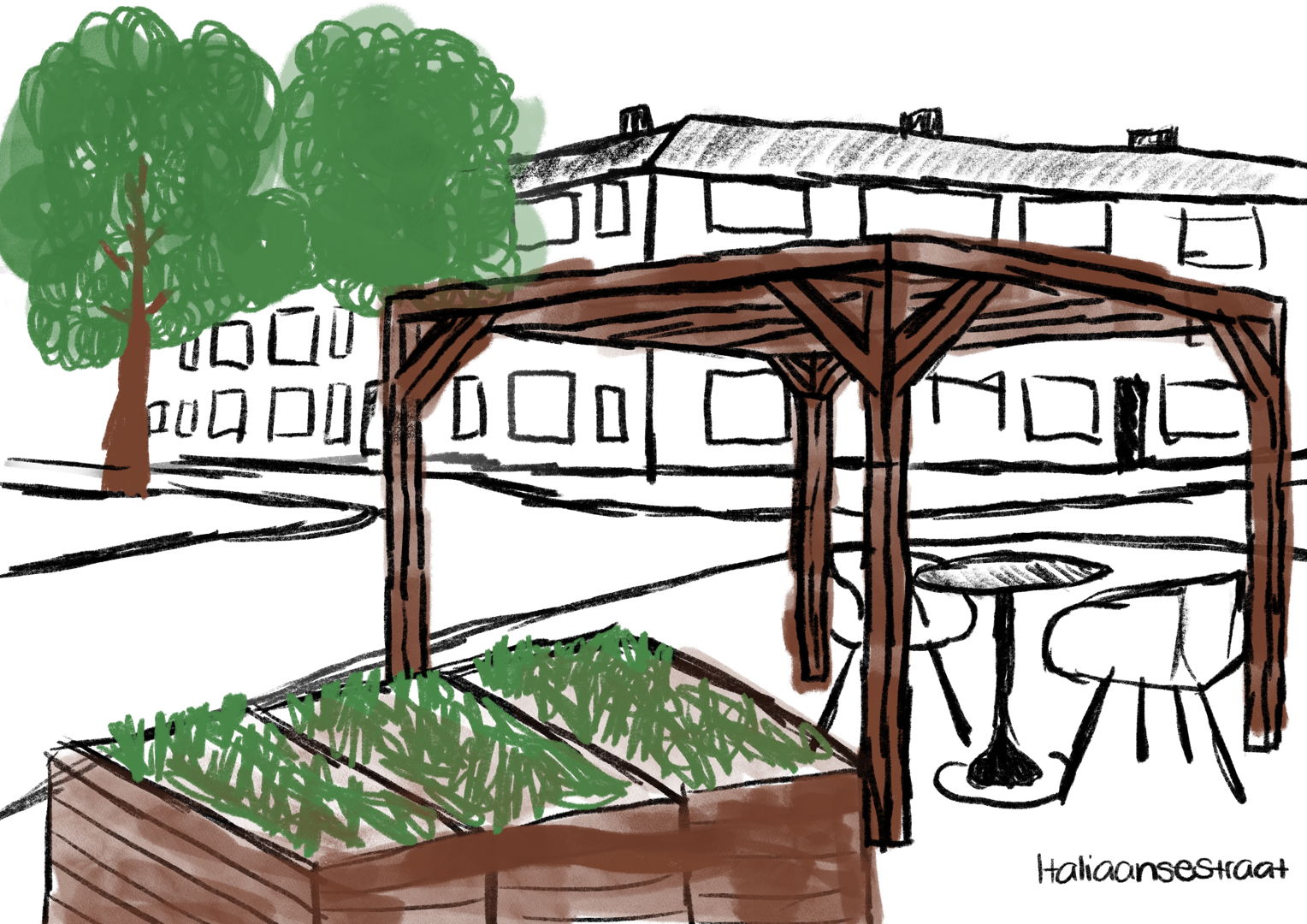
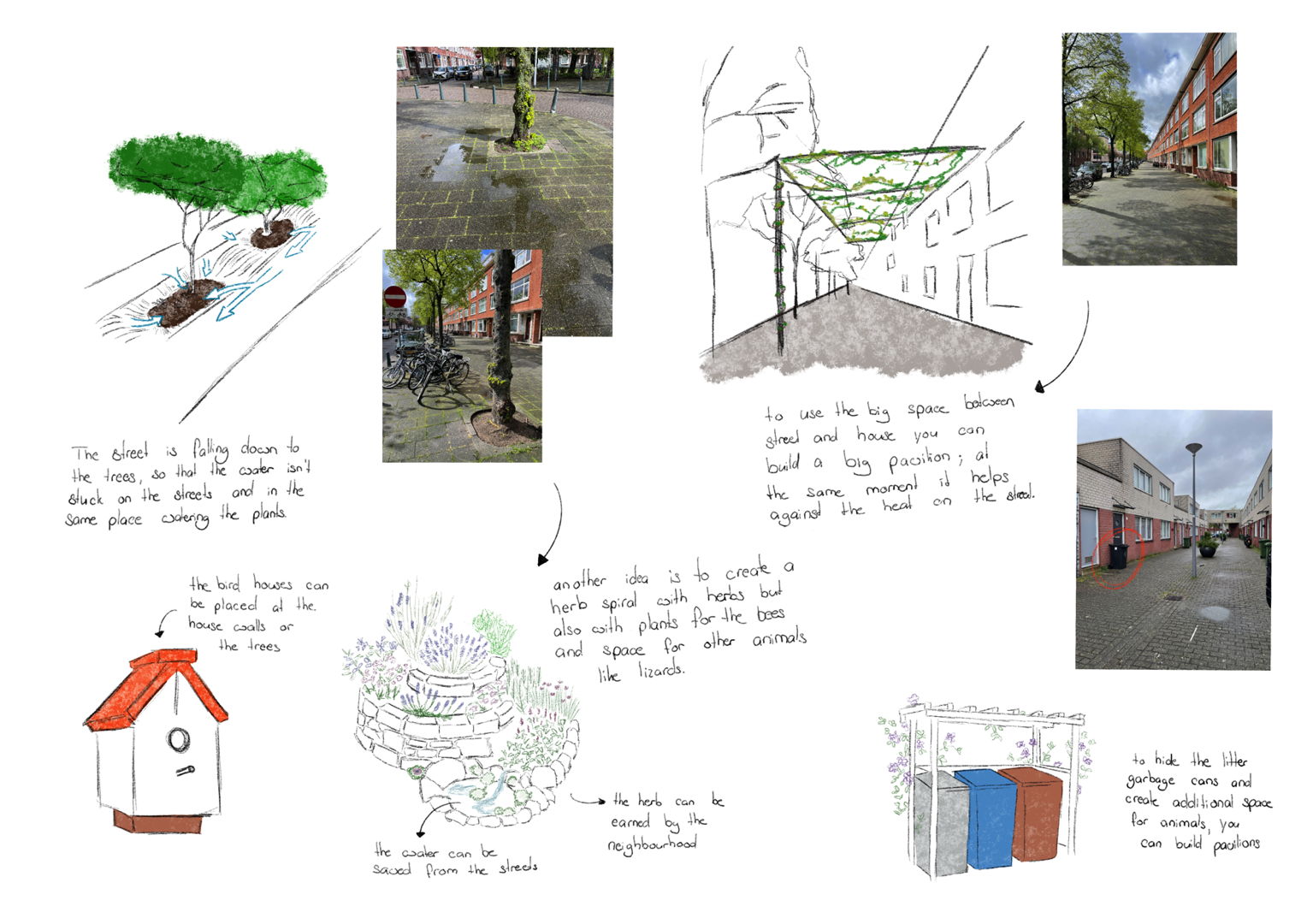
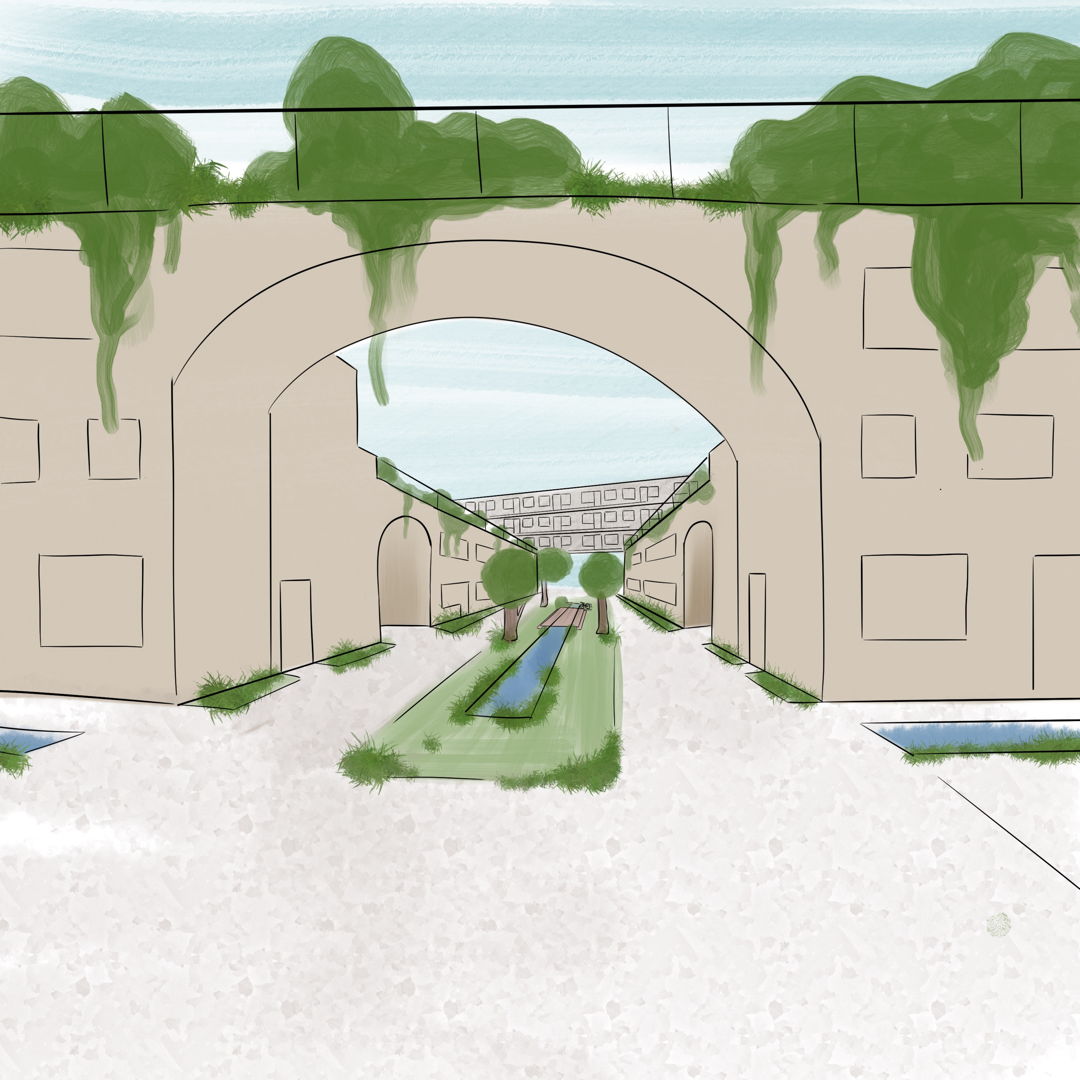
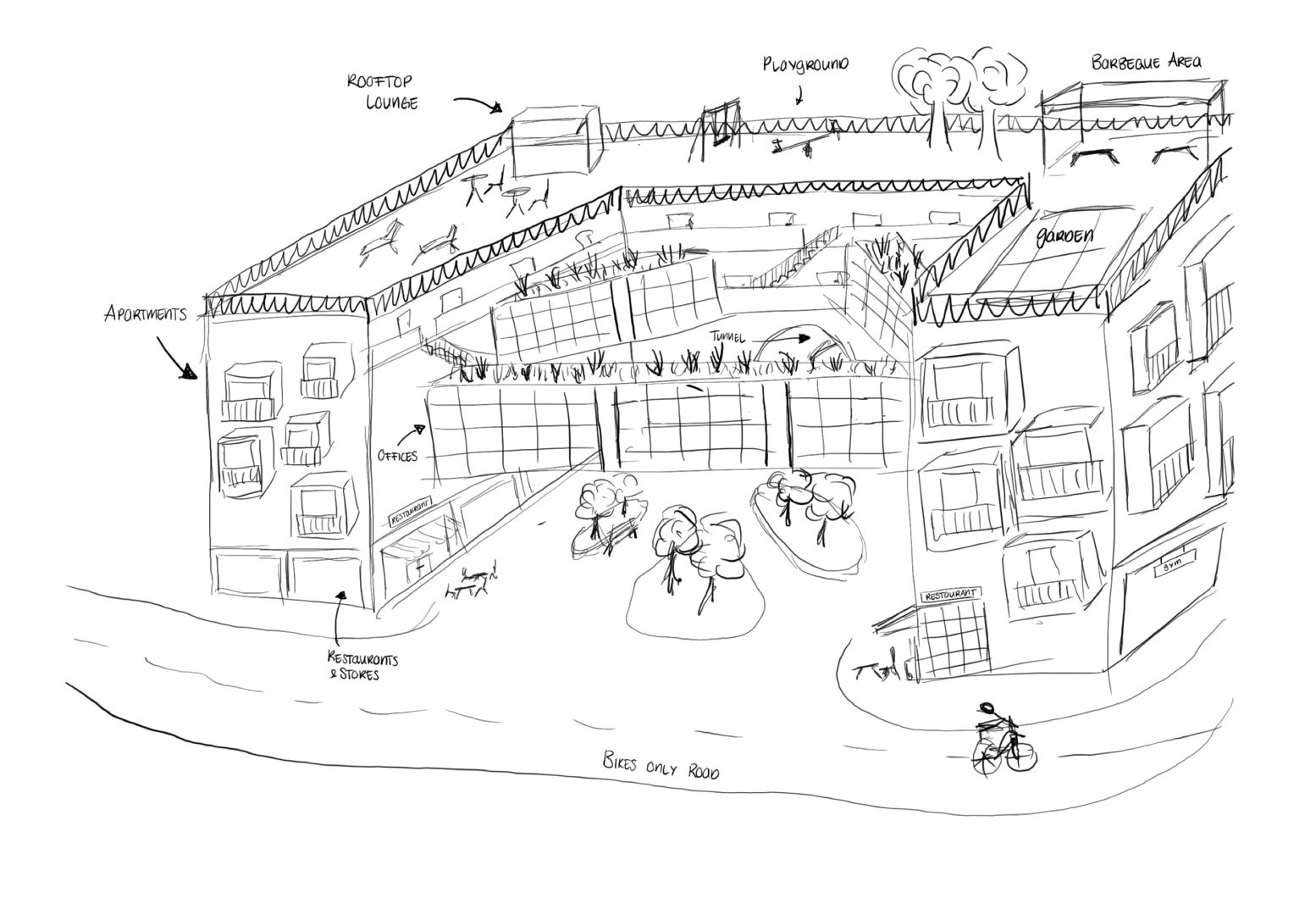
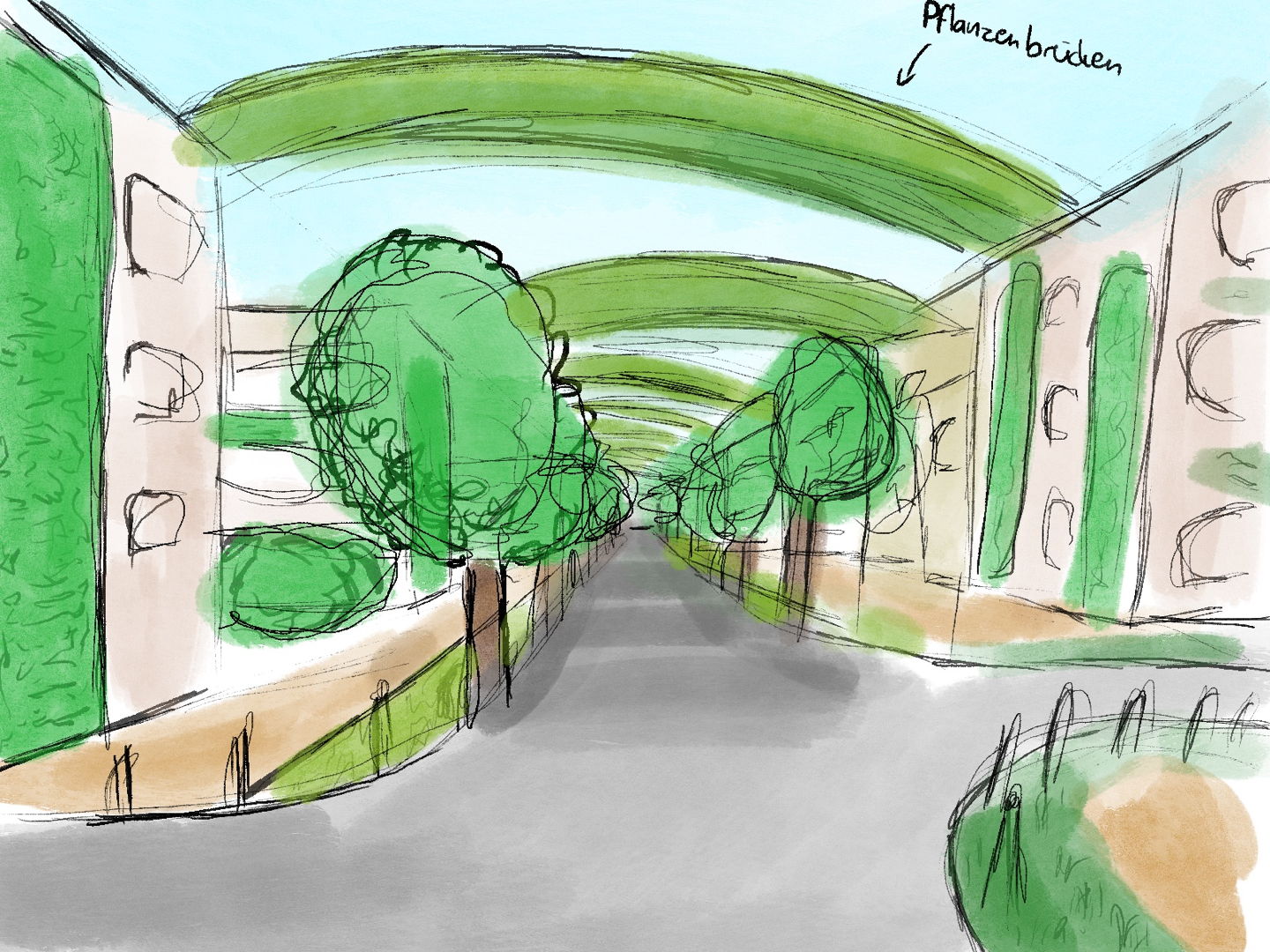
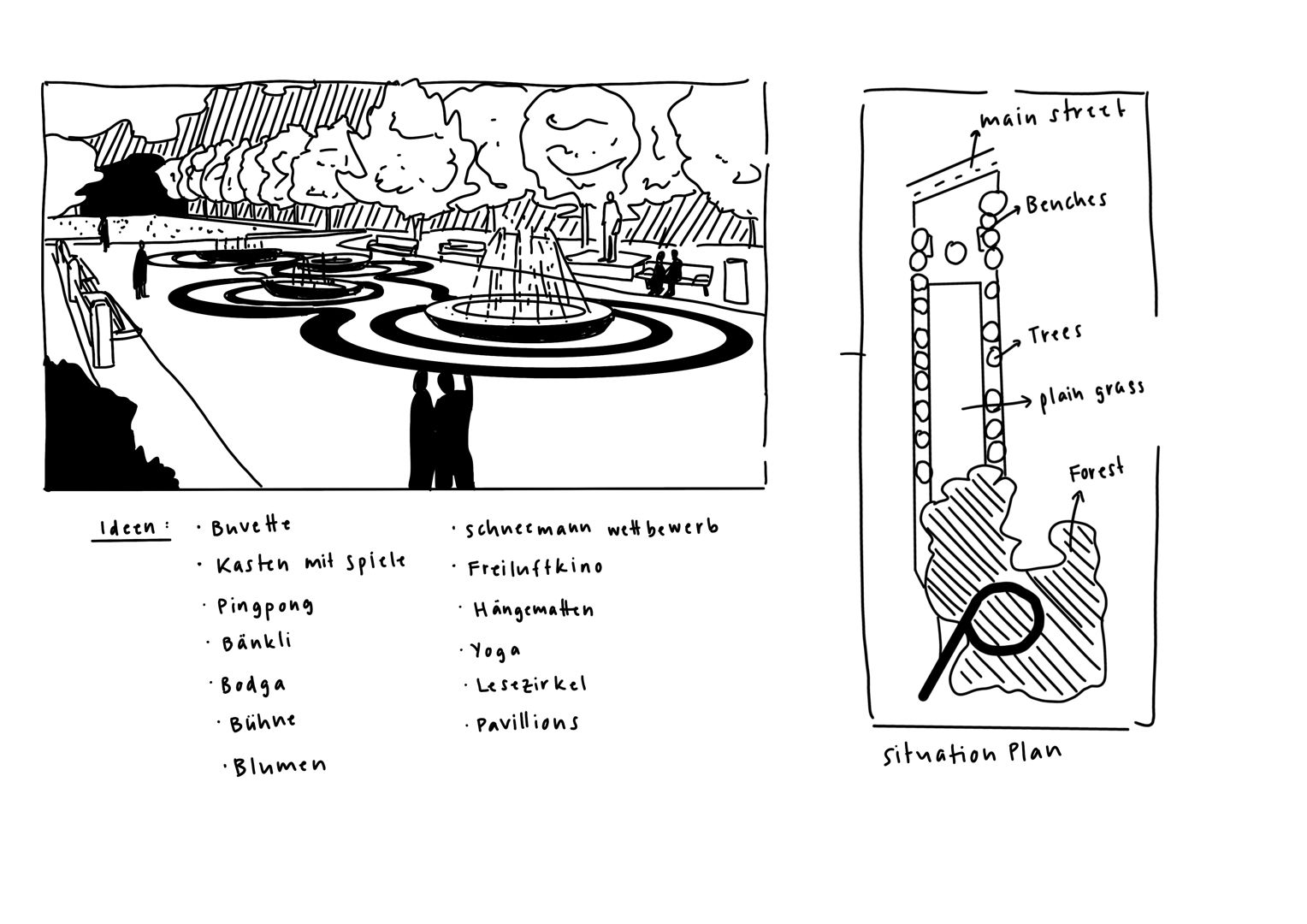
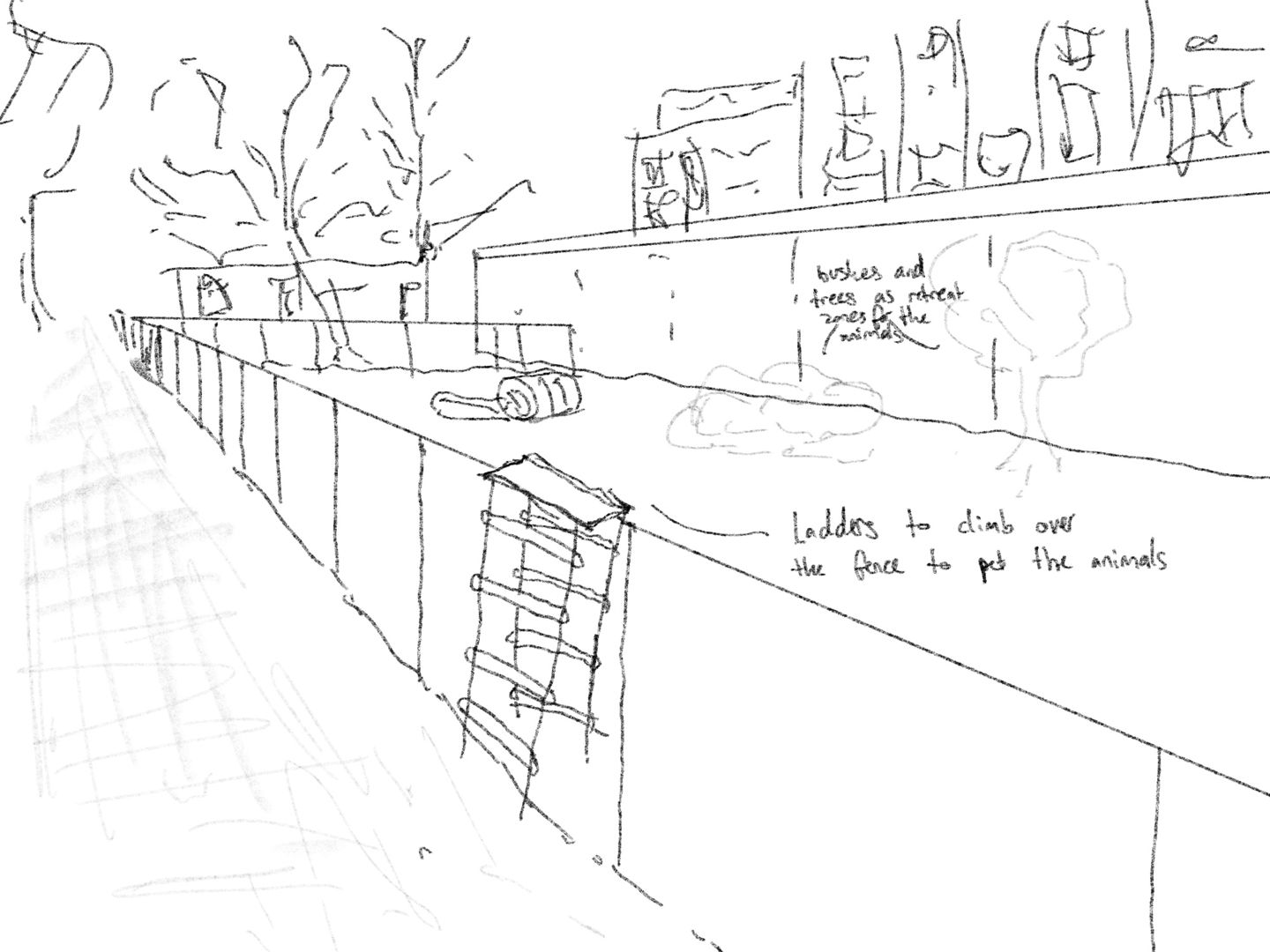
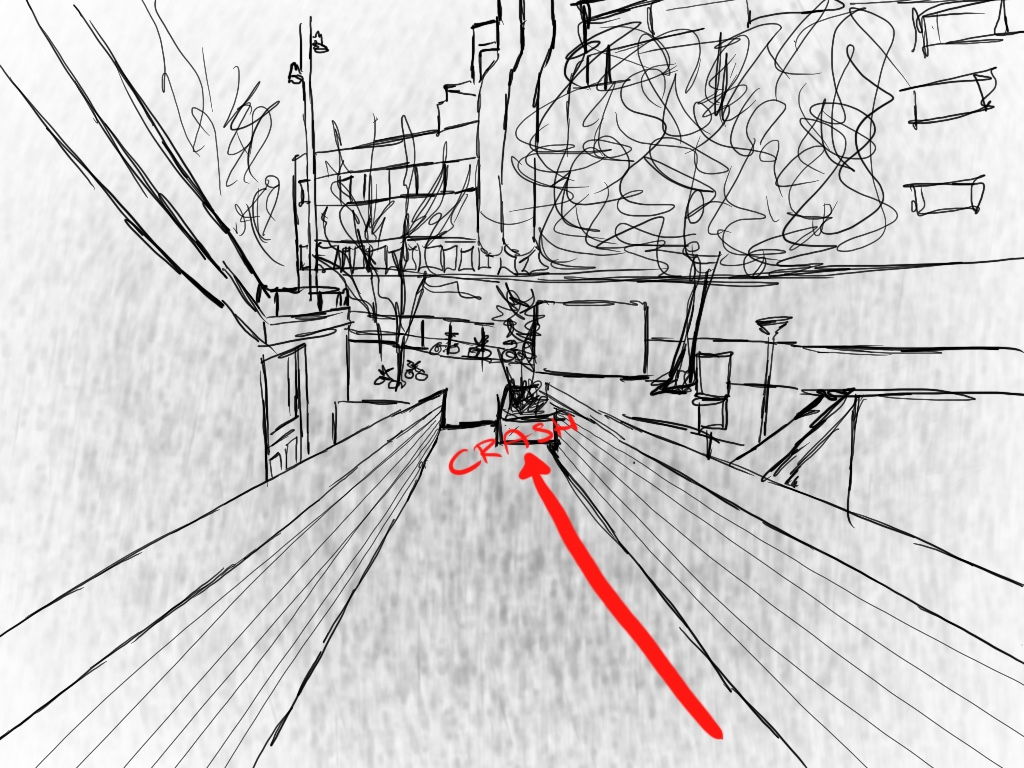
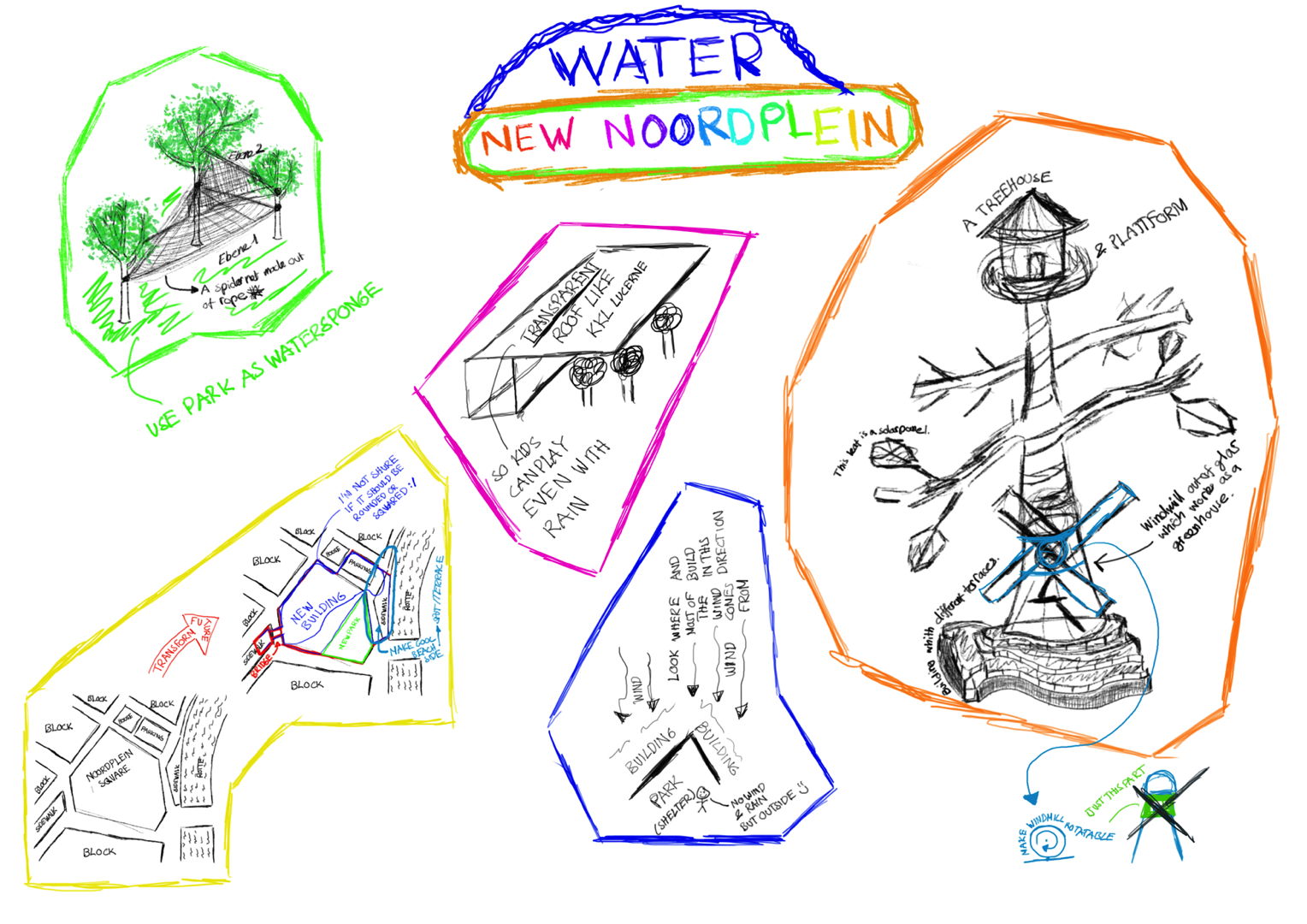
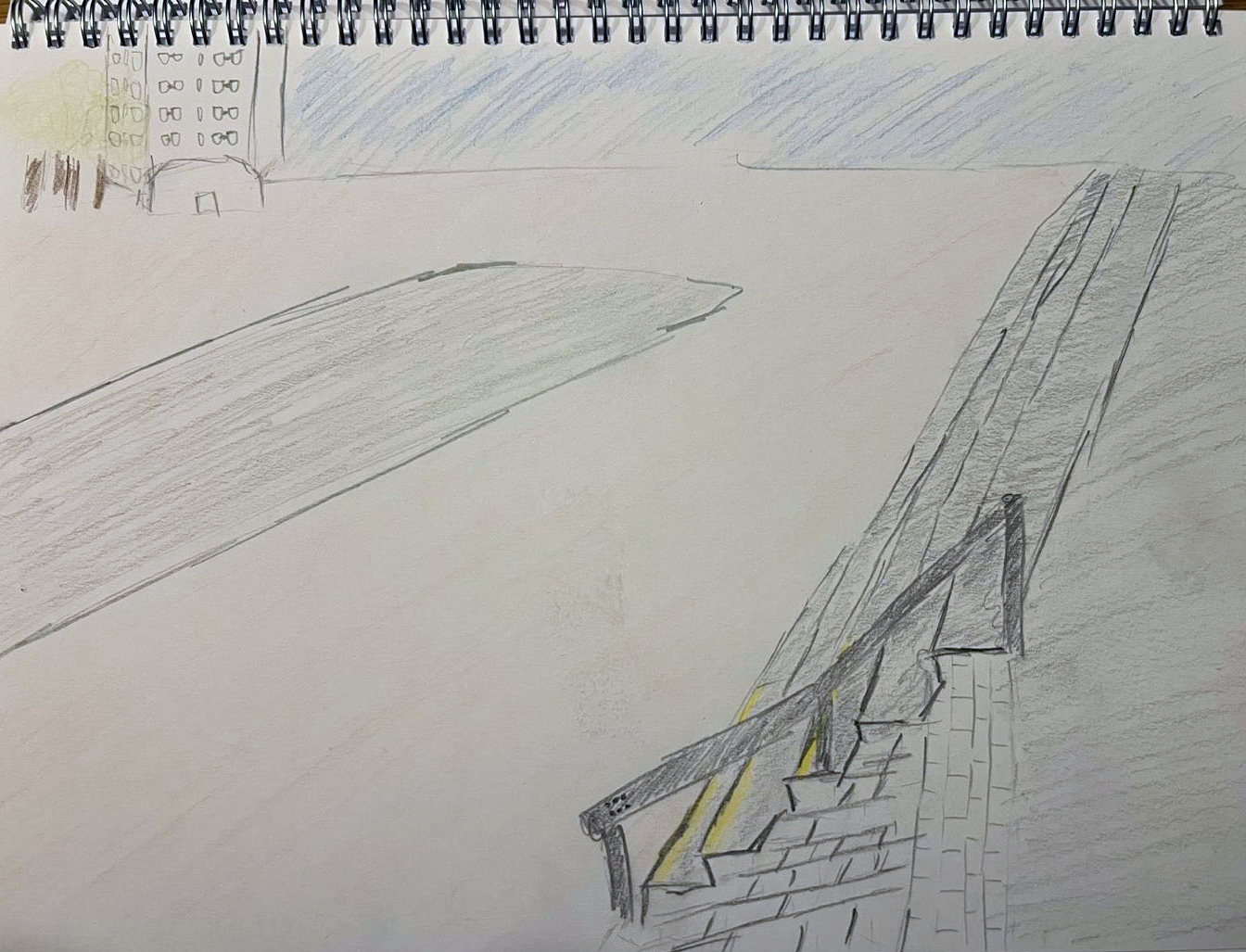
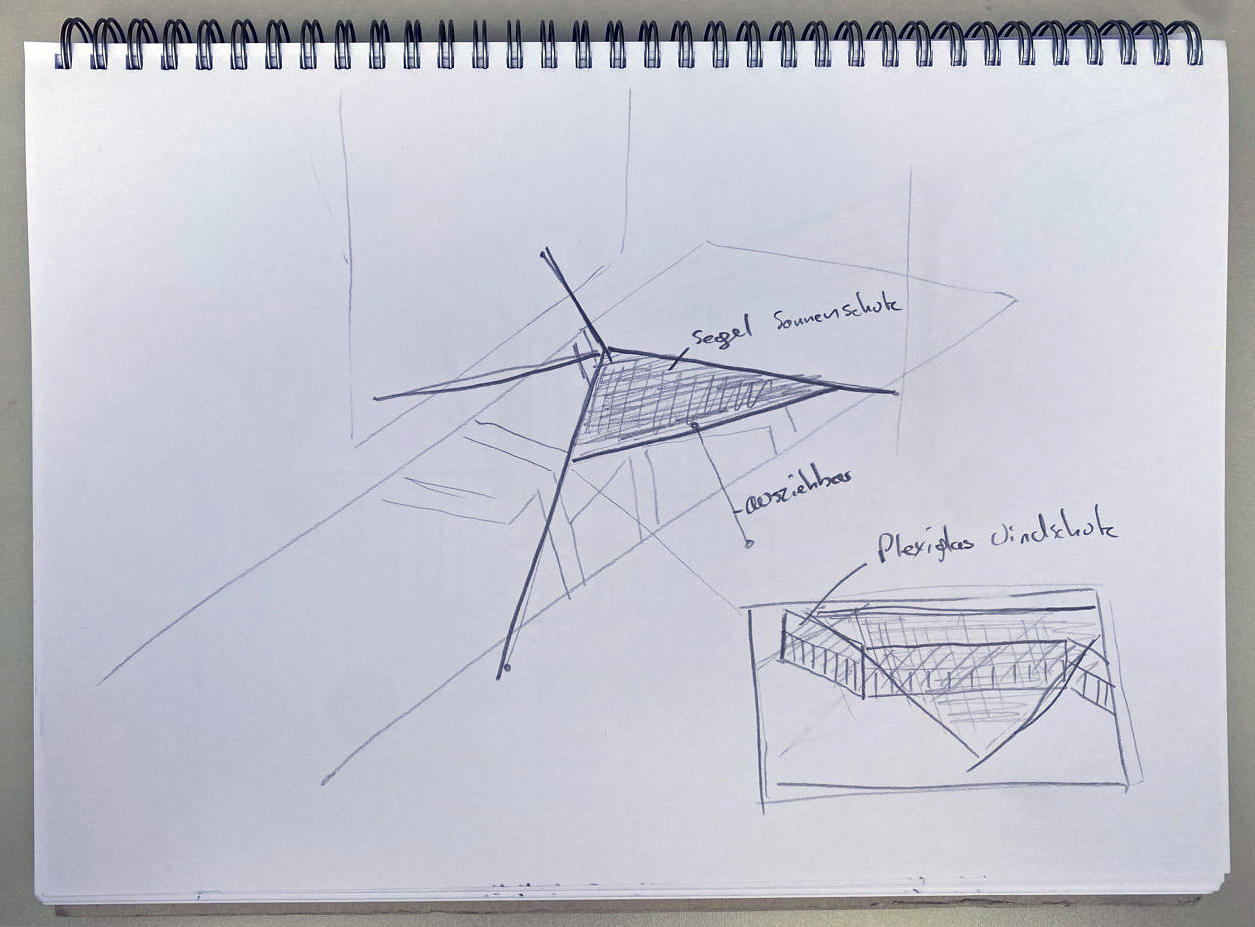
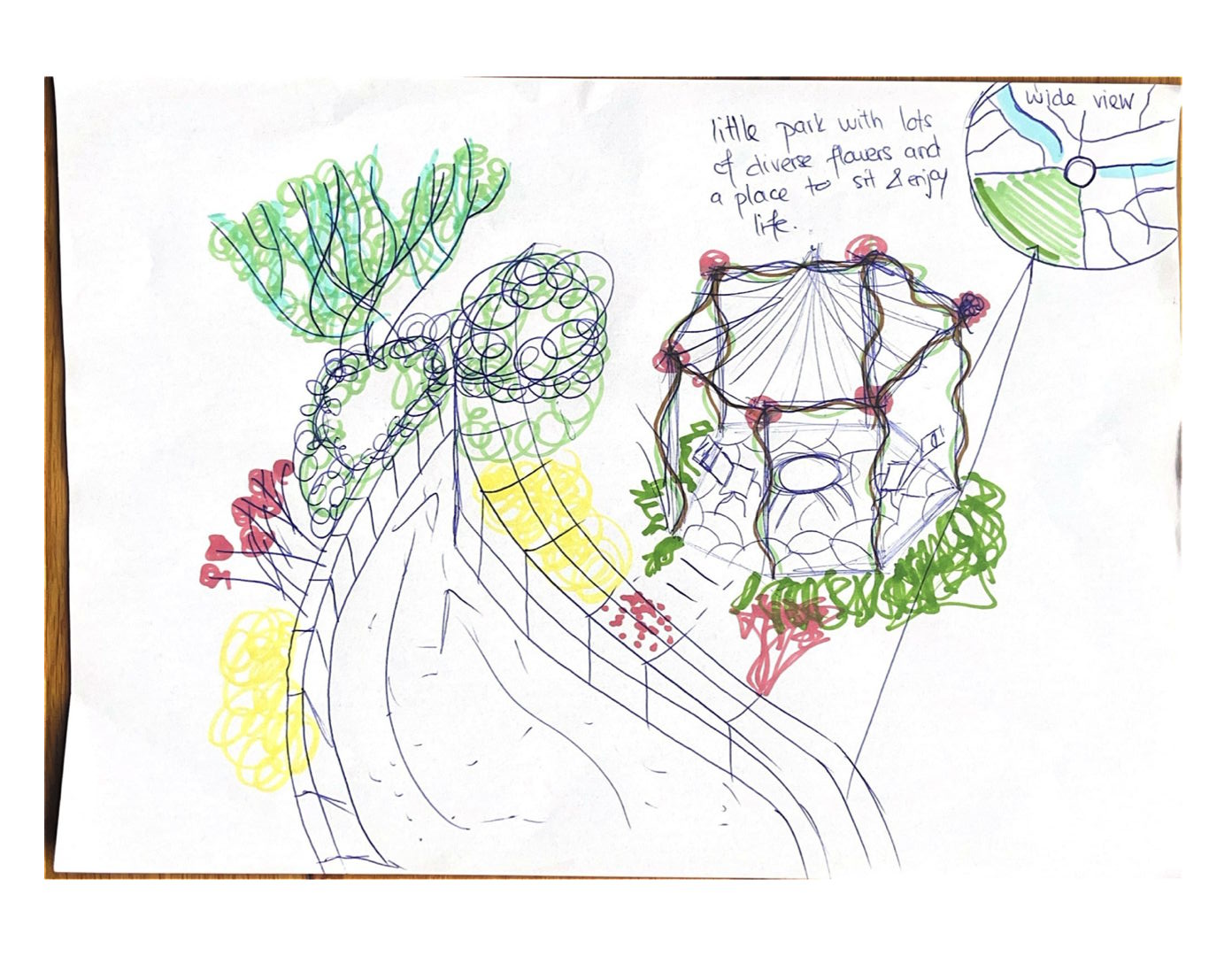
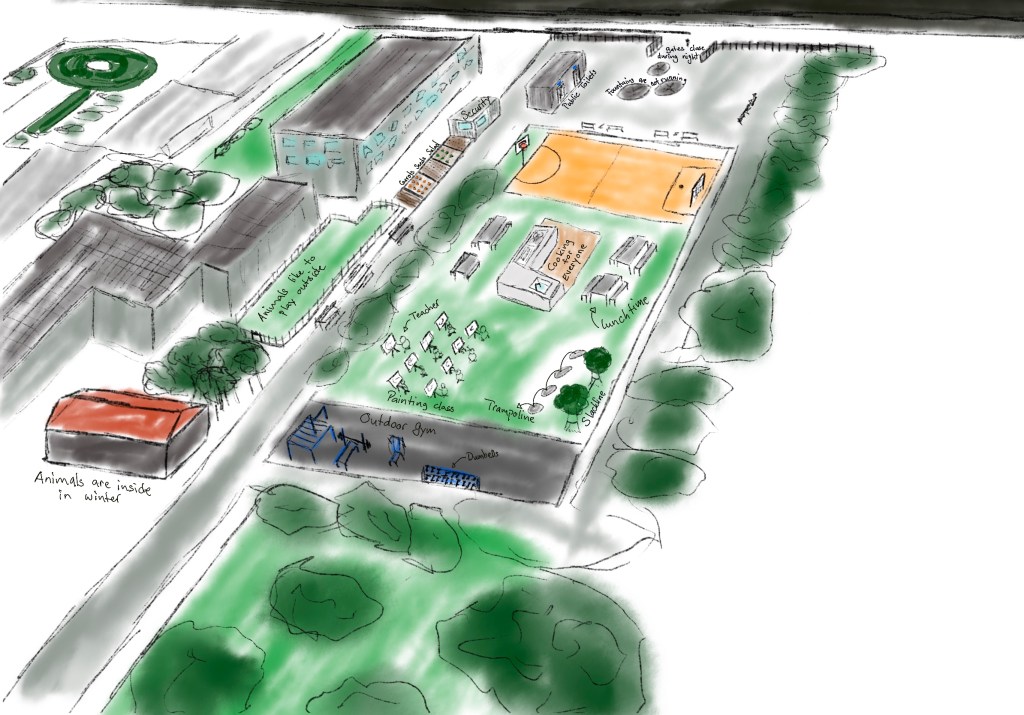
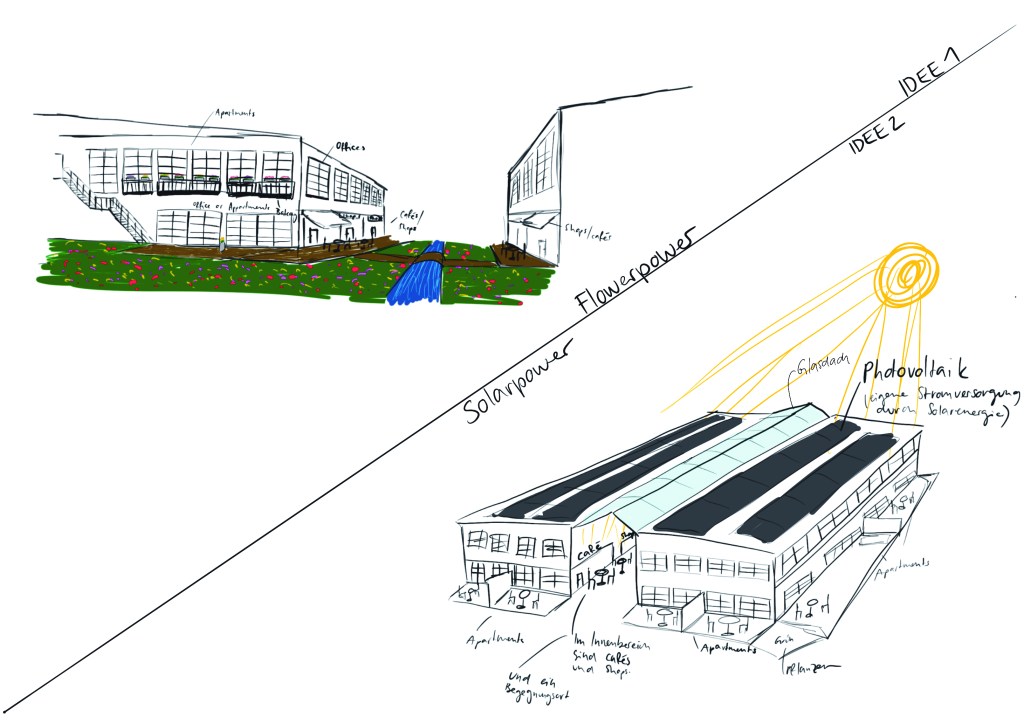
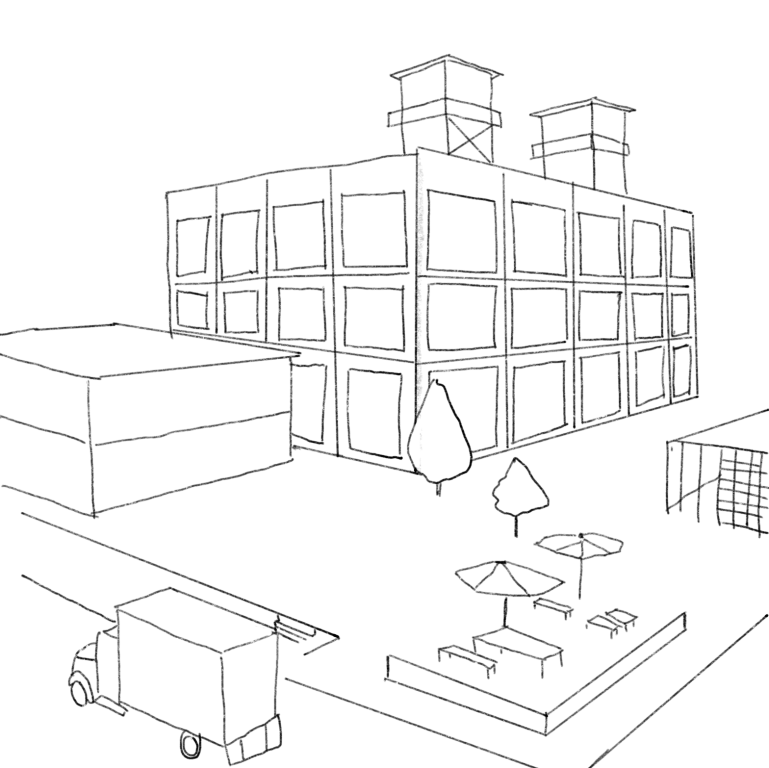
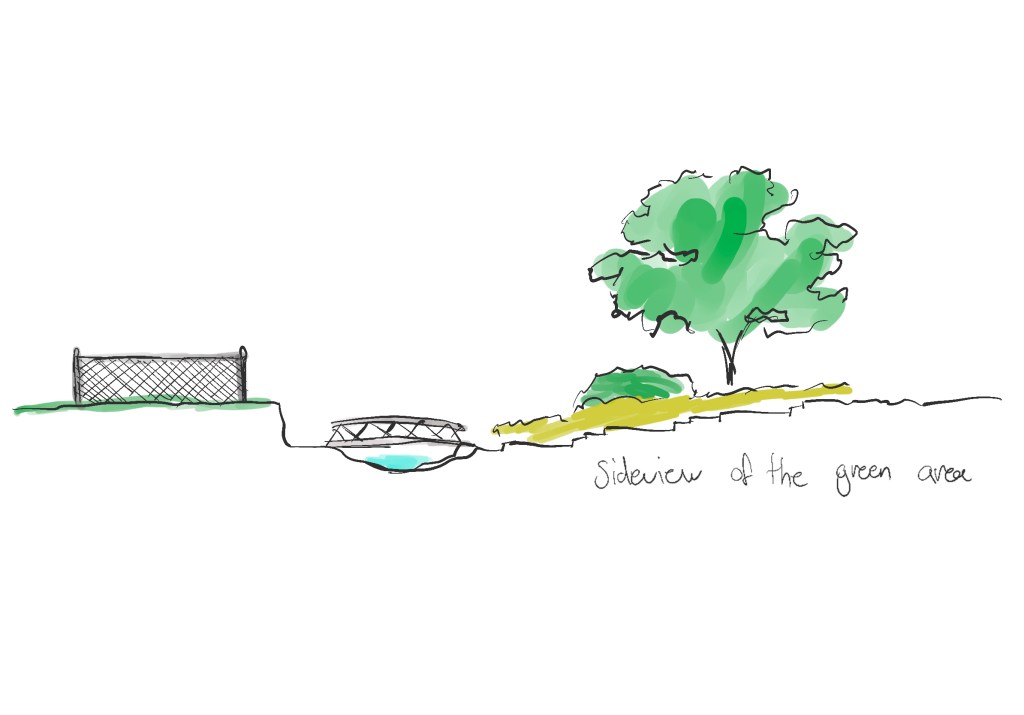
Some sketches of the second day






































 SketchCity.ch